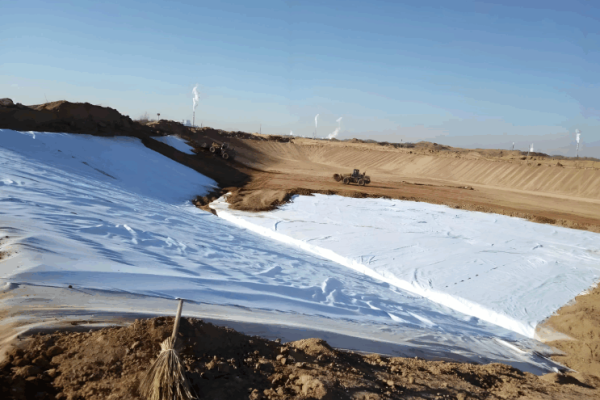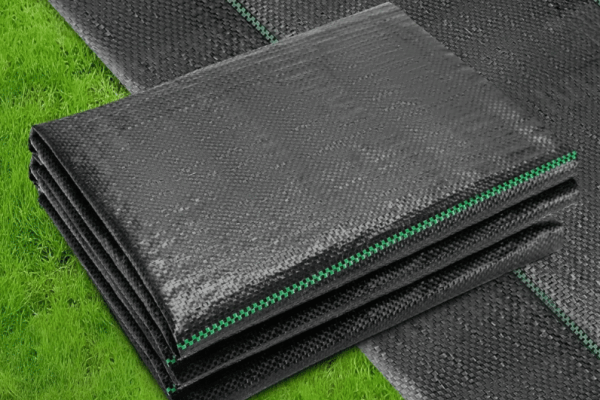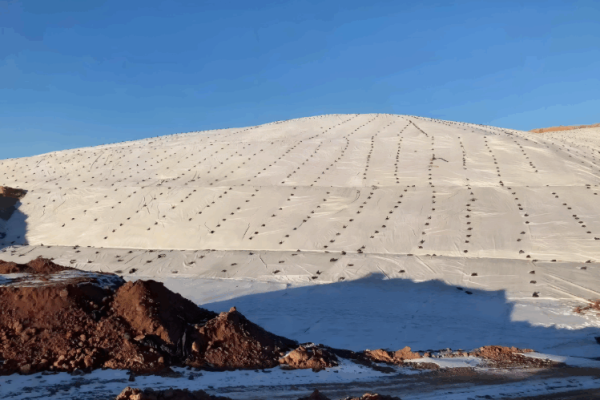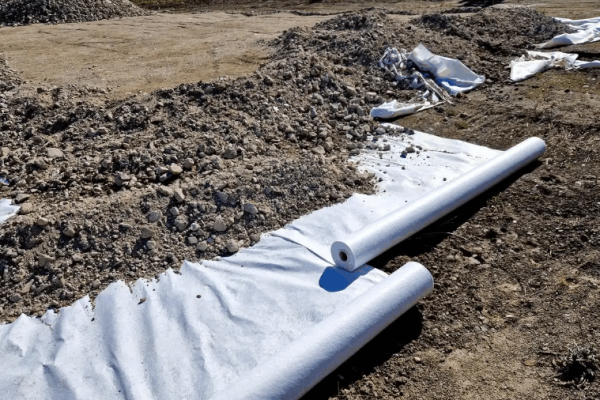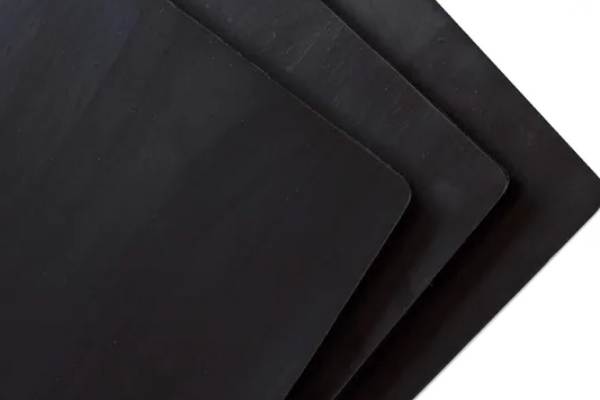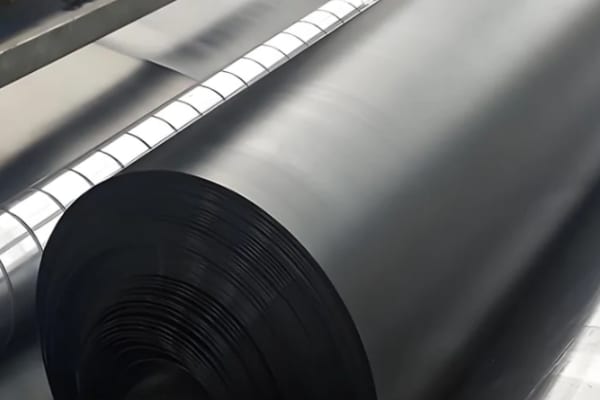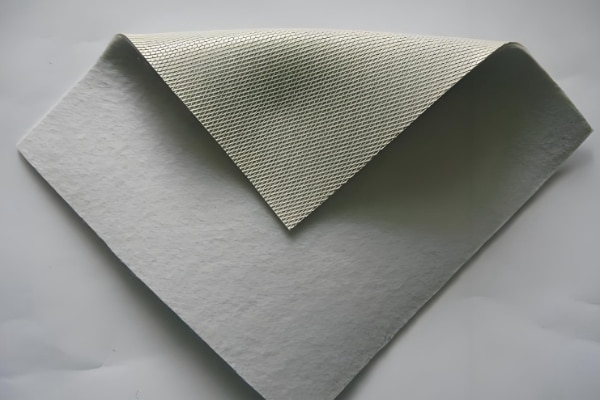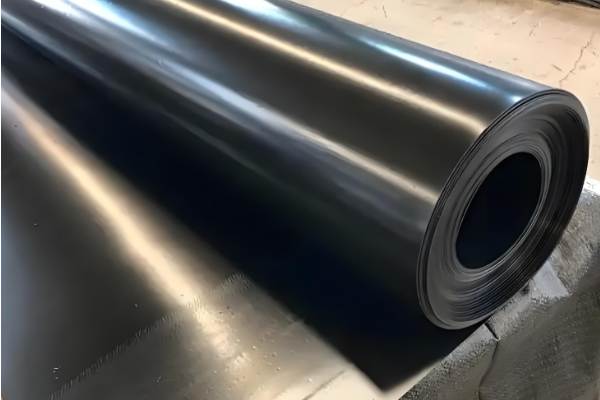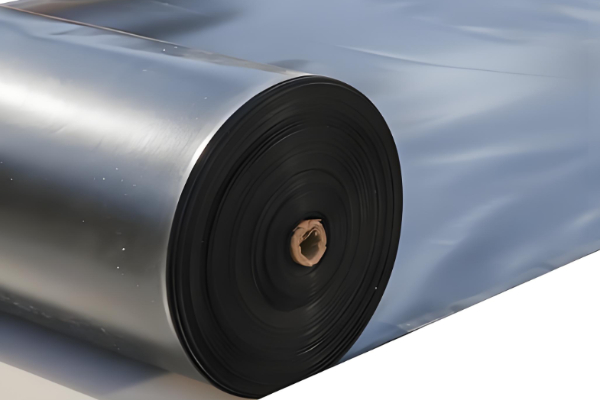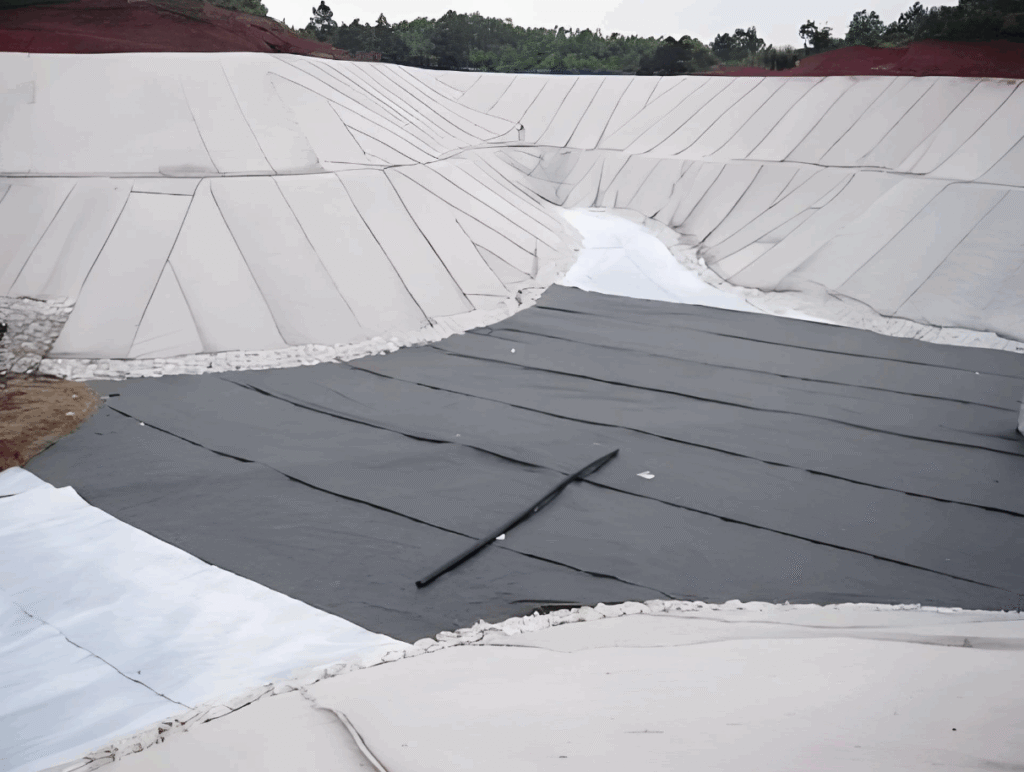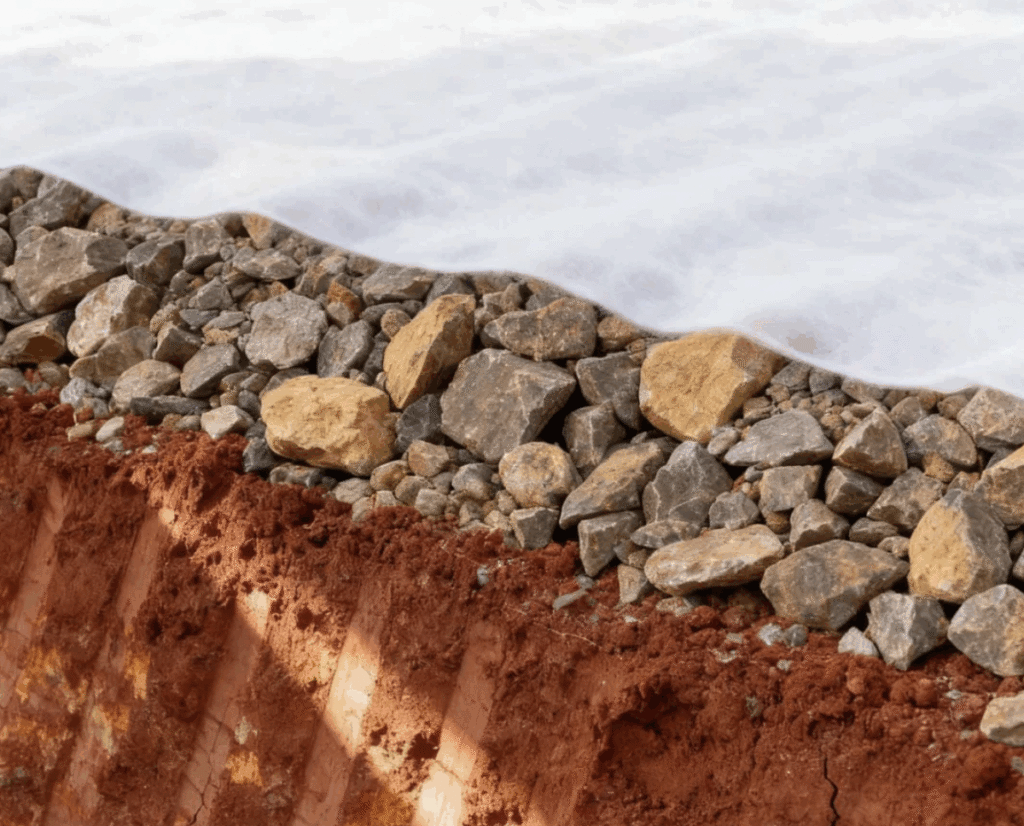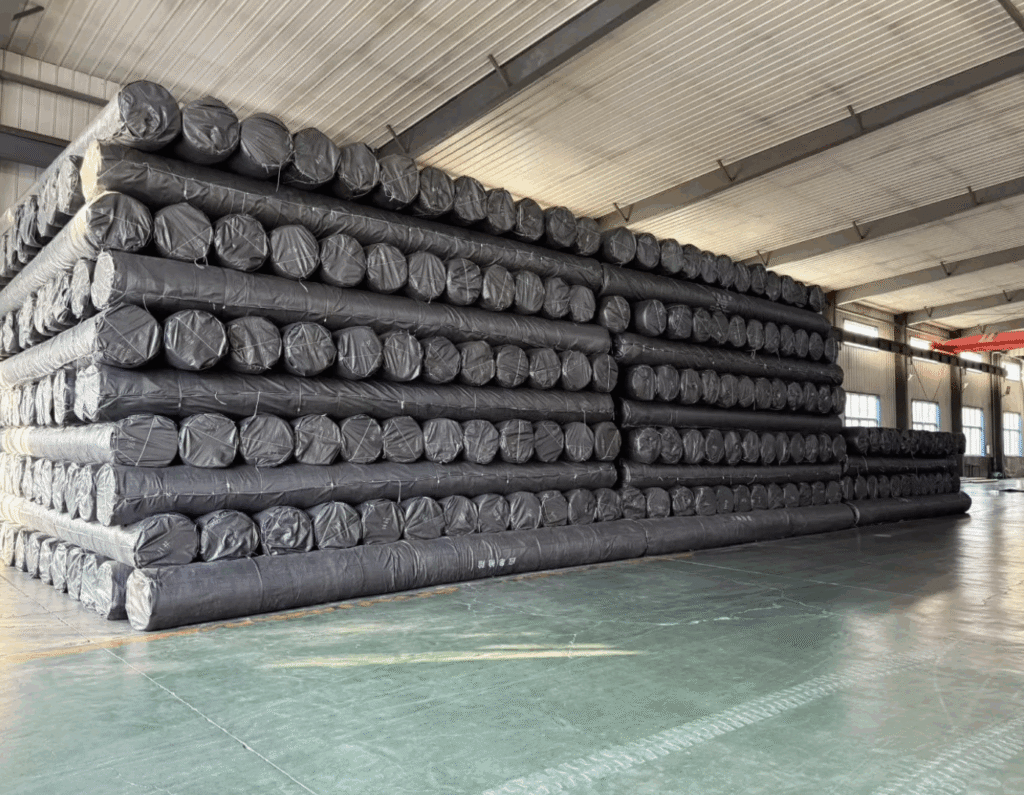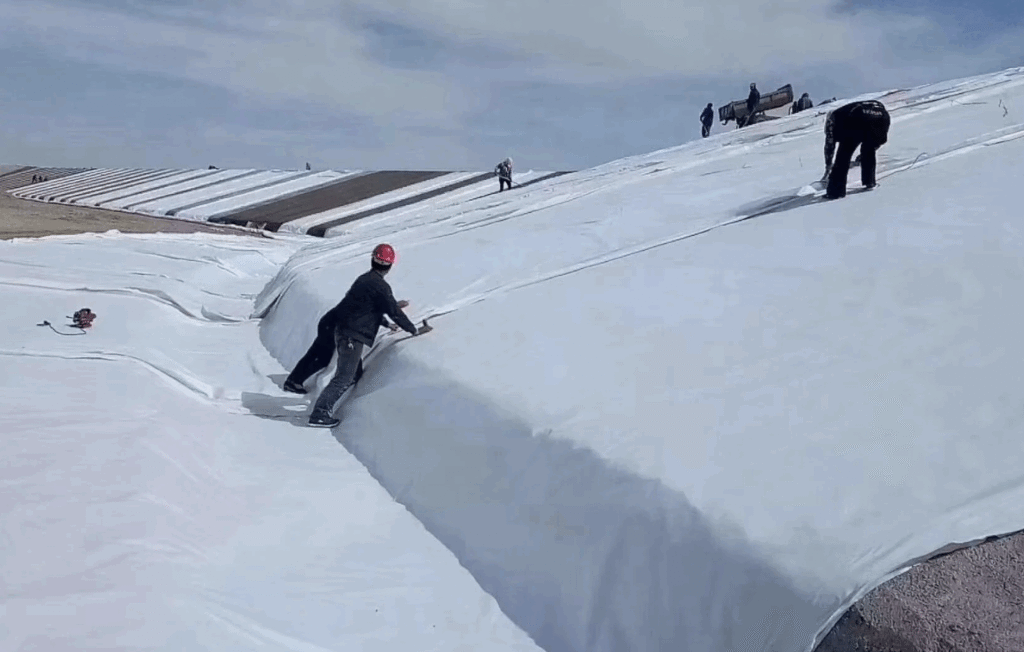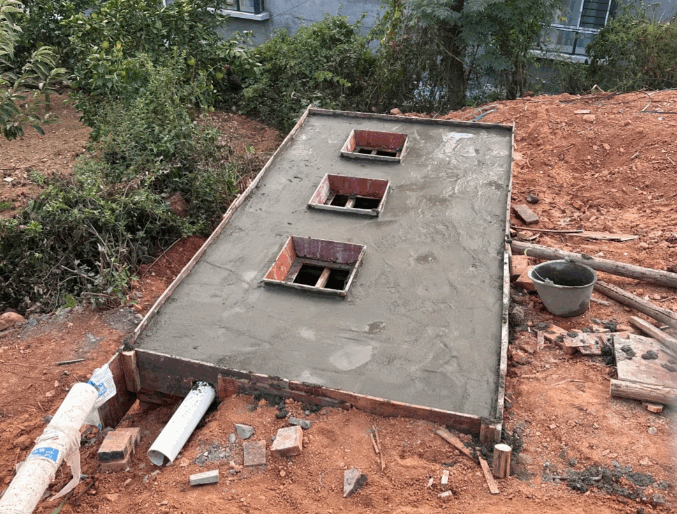
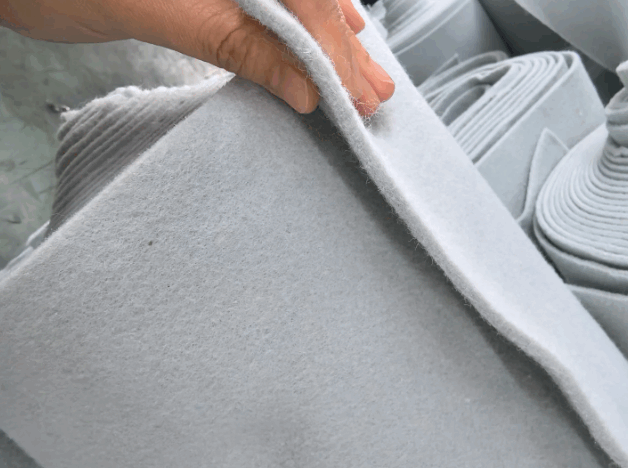
8 oz geotextile fabric is a medium-strength, needle-punched nonwoven material with a basis weight of 8 ounces per square yard (approximately 270 g/m²). It primarily fulfills three core functions—separation, stabilization, and filtration—making it an ideal choice for residential driveways, patio paving, drainage systems, and other projects. The market price typically ranges from $0.15 to $0.35 per square foot, while a standard roll (15ft × 300ft) costs approximately $675 to $1,575.
Advantages of 8 oz Geotextile Fabric
8 oz geotextile specifically refers to nonwoven geosynthetic material weighing 8 ounces per square yard. The mainstream material is 100% polypropylene (PP)—a material that is acid and alkali resistant, corrosion resistant, and maintains stable performance in environments ranging from -20℃ to 70℃, suitable for long-term outdoor use.
Its manufacturing processes fall into two categories, with distinct application scenarios:
- Needle-punched process: Fibers are interlocked via needle punching, offering high air permeability (≥100 L/m²・s) and strong drainage capacity. Ideal for soil separation and erosion control.
- Spunbond process: Fibers are melted into a film and then stretched into shape, boasting higher tensile strength (20%-30% greater than the needle-punched process) and excellent puncture resistance. Suitable for road base courses and pond lining protection.
The “8 oz” weight classification is crucial: it provides 30% higher strength than 4 oz (lightweight) geotextile, capable of withstanding medium loads, while costing 25% less than 12 oz (heavyweight) options, avoiding over-specification waste. It is one of the optimal solutions that “balances performance and cost.”
Recommended Product:8 Oz Nonwoven Geotextile Fabric
Core Functions of 8 oz Geotextile Fabric
- Separation: Prevents intermixing between subgrade soil and upper-layer gravel/crushed stone, maintaining the independence and integrity of each structural layer—its most classic application.
- Stabilization & Reinforcement: Distributes loads from the upper layer, reduces local settlement, and provides additional support for soft soil foundations.
- Filtration & Drainage: Allows vertical water flow while effectively retaining soil particles, preventing piping and loss of base materials.
8 oz Geotextile Fabric Specifications
| Performance Indicator | Typical Range for 8 oz Geotextile | Test Standard | Practical Application Significance |
|---|---|---|---|
| Tensile Strength (MD/XD) | 112-350 N | ASTM D4632 | Resistance to construction pulling and soil settlement tearing. Road projects require ≥205 N. |
| Water Flow Rate | 90-109.2 gpm/ft² | ASTM D4491 | Drainage efficiency per unit time. Drainage projects require ≥90 gpm/ft². |
| UV Resistance | ≥80% (after 500h exposure) | ASTM D4355 | Service life under exposure: ~1 year when exposed; up to 50+ years when covered with gravel/soil. |
| Puncture Strength | 85-525 lbs | ASTM D4833 | Resistance to penetration by stones or plant roots. Pond liners require ≥150 lbs. |
| Equivalent Opening Size (EOS) | 0.02-0.15 mm | ASTM D4751 | Prevents soil particle loss while allowing water penetration. |
Core Applications of 8 oz Geotextile Fabric
1. Scenario-Specific Construction Guidelines
(1) Drainage Systems: French Drain Wrapping (Residential/Municipal Use)
- Application Scenarios: Courtyard waterlogging diversion, community rainwater drainage, road ditch drainage.
- Construction Steps:
- Excavate a trench 30cm wide and 40cm deep, then lay 5cm of crushed stone at the bottom for leveling.
- Lay 8 oz needle-punched geotextile fabric (reserving a 4-6 inch overlap) to cover the trench walls.
- Place a 100mm diameter French drain pipe and fill the surrounding area with 20cm of crushed stone.
- Fold the geotextile to wrap the crushed stone, then cover the top with soil or lawn.
- Key Requirement: Water flow rate ≥90 gpm/ft² to prevent drain clogging by sediment.
(2) Foundation Engineering: Road/Parking Lot Base Course
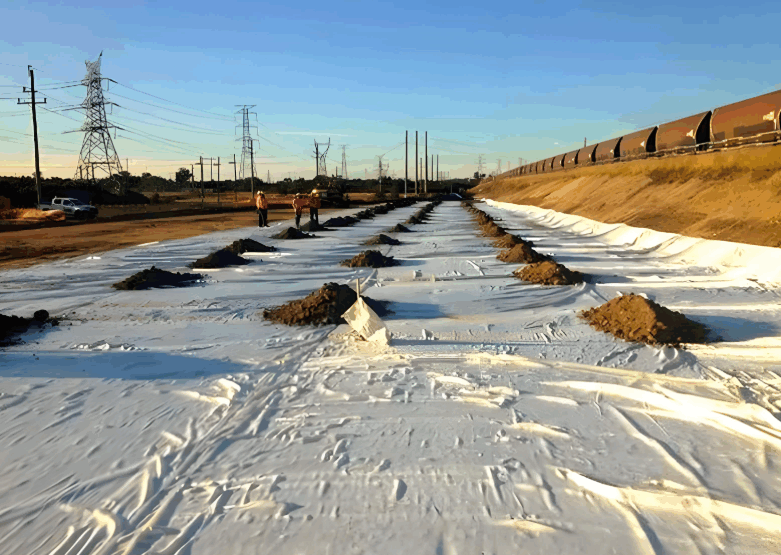
- Application Scenarios: Rural road subbases, small parking lot surfaces, campsite hardening.
- Supporting Materials: Combine with 100-150g/m² geogrid (to enhance load-bearing capacity).
- Construction Points:
- Clear debris and sharp objects from the site, then compact and level the ground (compaction degree ≥90%).
- Lay 8 oz spunbond geotextile fabric (align horizontally and vertically, seal overlaps with hot air welding).
- Cover with 15cm of graded aggregate and compact again.
- Pour concrete or lay asphalt (thickness ≥10cm).
- Specification Key: Tensile strength ≥205 N, puncture resistance ≥250 lbs to withstand vehicle load impacts.
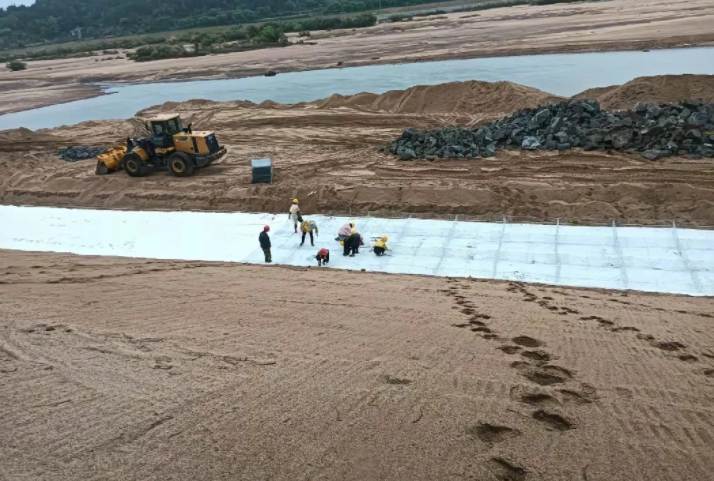
(3) Erosion Control: Riverbank/Slope Protection
- Application Scenarios: Stream bank reinforcement, highway slope protection, garden slope anti-slip.
- Supporting Materials: Pair with 50-100kg rip-rap stones (to resist water scouring).
- Construction Points:
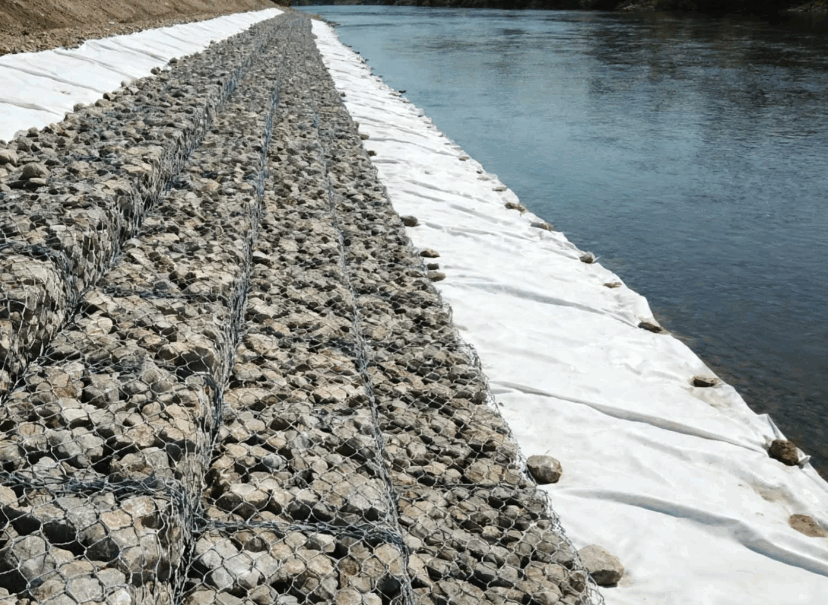
- Shape the slope into a gentle 1:2.5 gradient (to prevent steep slope landslides).
- Lay 8 oz needle-punched geotextile fabric (install 6-inch anchor pins every 5 meters, densify at corners).
- Stack rip-rap stones with “larger stones at the bottom and smaller stones at the top” to cover the geotextile.
- Use concrete edging at the top to prevent the geotextile from being blown away by wind.
Recommended Reading:What is the Best Geotextile Fabric for Erosion Control?
(4) Agriculture & Landscaping: Pond Lining & Weed Suppression
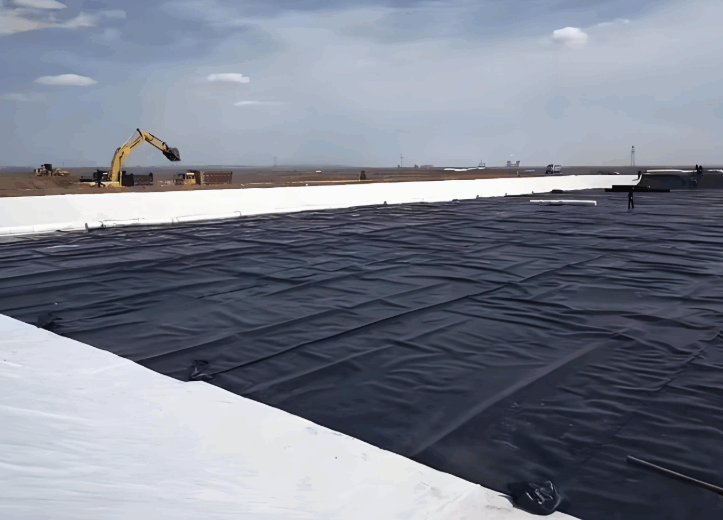
- Pond Lining: Protects HDPE geomembranes from puncture by sharp stones and tree roots. Select 8 oz spunbond geotextile fabric, lay it tightly against the geomembrane, and seal overlaps with tape.
- Weed Suppression: Cover with 3-4 inches of mulch (bark/wood chips) to block weed photosynthesis. Choose needle-punched geotextile (breathable to avoid root suffocation), suitable for vegetable gardens and flower beds with a service life of 3-5 years.
2. Scenario-Specific Specification Selection Table
| Project Type | Recommended 8 oz Process | Size Specification | Complementary Materials | Reference Quantity (100㎡ project) |
|---|---|---|---|---|
| Home Gardening (Flower Beds) | Needle-punched | 3’×50′ (small roll) | 6″ fixing pins, mulch | 4 rolls (10% overage) |
| Municipal Drainage (50m trench) | Needle-punched | 12.5’×360′ (large roll) | French drain pipe, gravel | 2 rolls |
| Rural Road (100m length) | Spunbond | 15’×300′ (large roll) | Geogrid, gravel | 3 rolls |
| Small Pond (20㎡) | Spunbond | 6’×100′ (medium roll) | HDPE liner, tape | 2 rolls |
Purchasing Decisions for 8 oz Geotextile Fabric
1. 8 oz vs. 4 oz/12 oz Geotextile: Which to Choose?
| Comparison Dimension | 8 oz Geotextile | 4 oz Geotextile (Lightweight) | 12 oz Geotextile (Heavy-duty) |
|---|---|---|---|
| Tensile Strength | 112-350 N | 50-150 N | 300-500 N |
| Applicable Scenarios | Drainage, subgrade, protection (medium demand) | Temporary cover, seedling weed block | Large-scale projects, high-load roads |
| Unit Price (Reference) | $0.8-1.2/㎡ | $0.5-0.7/㎡ | $1.5-2.0/㎡ |
| Service Life | 5-50 years (scenario-dependent) | 1-3 years | 10-70 years |
| Procurement Advice | First choice for homes / small-medium projects | Short-term projects, light cover | Municipal large projects, high-load scenarios |
2. Needle-Punched vs. Spunbond: Which Suits You Better?
- Needle-punched geotextile: High breathability, fast drainage, lower cost (15%-20% cheaper than spunbond). Suitable for drainage, weed control, and erosion control.
- Spunbond geotextile: Higher strength, superior puncture resistance. Suitable for foundation base courses and pond protection, with a service life 30% longer than needle-punched options.
Installation Steps for 8 oz Geotextile Fabric
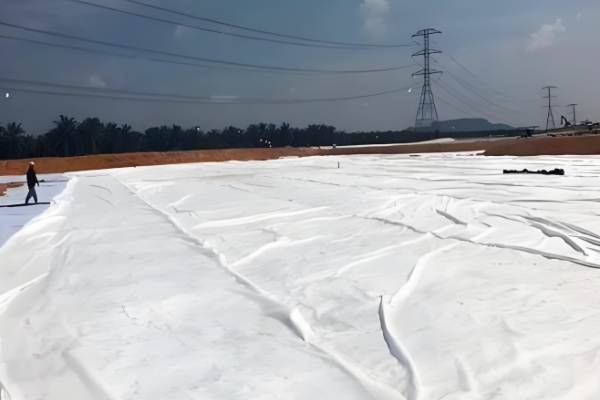
- Prepare the Subgrade: Clear debris and sharp objects, then level and compact the soil.
- Lay the Geotextile: Unroll the fabric perpendicular to the main traffic direction.
- Overlap Handling: Adjacent fabric rolls require a 12-18 inch (30-45 cm) overlap. Increase the overlap distance at corners.
- Securing: Fix the fabric with geotextile pins or landscape stakes (one every 3-5 feet) to prevent displacement.
- Backfilling: Immediately backfill with upper-layer materials (e.g., gravel) to avoid prolonged UV exposure. Start backfilling from one side and avoid direct mechanical rolling on exposed fabric.
Frequently Asked Questions
Q1: How long does 8 oz geotextile last when used outdoors?
A: When directly exposed to UV radiation, the service life is approximately 1 year (needle-punched) to 2 years (spunbond). If covered with gravel, soil, or mulch, it can extend to 5-50 years (depending on the scenario).
Q2: Can 8 oz geotextile be used for fish ponds?
A: Yes, but select “food-grade polypropylene” materials (e.g., Clarion CM-8000, VEVOR GT-801). These products are free of plasticizers and will not contaminate water. During installation, lay it tightly against the geomembrane to avoid wrinkles and water accumulation.
Q3: How to calculate the required purchasing quantity of 8 oz geotextile?
A: Formula = Actual construction area × 1.1 (reserve 10% for waste, including overlaps and cutting losses). Example: For a 100㎡ pond, 110㎡ of geotextile is required.
Conclusion
8 oz needle-punched nonwoven geotextile is a “one-size-fits-most” solution for most medium-load residential projects. It achieves the optimal balance between performance, availability, and cost. For customized purchasing plans or technical support, feel free to contact us!
Reference Sources
- ASTM International Standards (American Society for Testing and Materials)
- Standard Name: ASTM D4632-16 Standard Test Method for Tensile Properties of Geotextiles
- Content Application: Basis for the indicators “tensile strength 112-350N” and “≥205N required for road construction” in the article
- Access Link: https://www.astm.org/Standards/D4632.html (Full text requires membership registration)
- ASTM D4491-21 Standard Test Method for Water Flow Rate and Hydraulic Conductivity of Geotextiles
- Content Application: Testing basis for “water flow rate 90-109.2 gpm/ft²” and “≥90 gpm/ft² required for drainage engineering”
- Access Link: https://www.astm.org/Standards/D4491.html
- ASTM D4355-16 Standard Test Method for Resistance of Geotextiles to Ultraviolet (UV) Light and Weathering
- Content Application: Source of service life data including “UV resistance ≥80%” and “1 year of exposed use, ≥50 years with coverage”
- Access Link: https://www.astm.org/Standards/D4355.html
- ASTM D4833-17 Standard Test Method for Puncture Resistance of Geotextiles (Static Puncture Test)
- Content Application: Basis for the parameters “puncture resistance 85-525 lbs” and “≥150 lbs required for pond underlayment”
- Access Link: https://www.astm.org/Standards/D4833.html
- Code for Construction and Acceptance of Municipal Drainage Engineering (GB 50268-2019, Chinese Standard)
- Content Application: Construction basis for “French drain trench dimensions (30cm wide, 40cm deep)” and “5cm thick gravel bedding” in municipal drainage engineering
- Access Link: Search by standard number for download on the website of Standardization Administration of the People’s Republic of China (https://www.sac.gov.cn/)