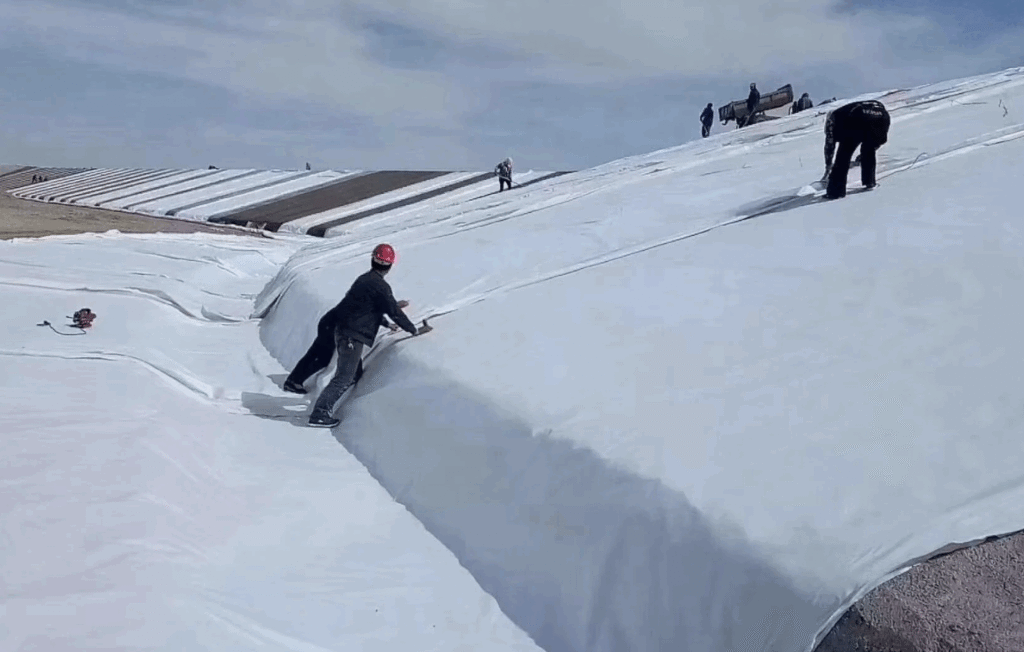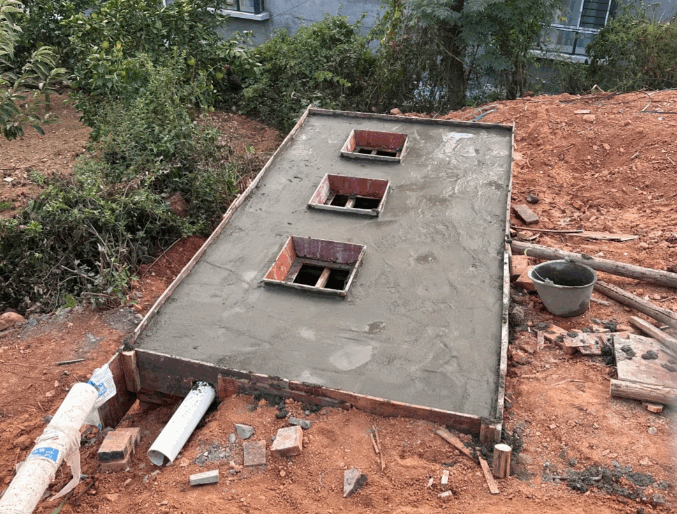
The drain cell with geotextile system is a prefabricated modular drainage layer designed to collect, channel, and infiltrate excess rainwater or groundwater. Serving as your ultimate guide, this article comprehensively breaks down the system—from its working principle and core advantages to practical applications and step-by-step installation instructions— in an accessible yet professional manner.
What is the Drain Cell with Geotextile?
To use the system effectively, it’s essential to first understand its underlying mechanism. The system comprises two core components:
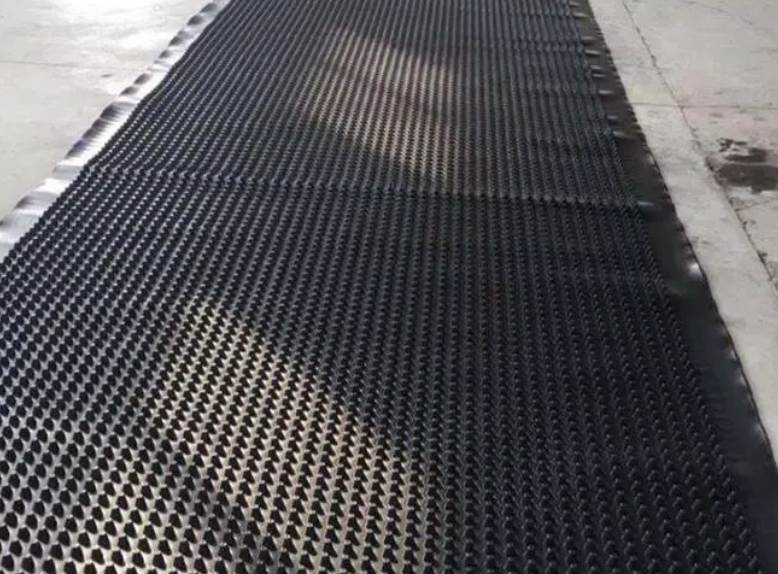
Drain Cell:
Typically made from recycled polypropylene (PP) or high-density polyethylene (HDPE), drain cells are plastic grid units. Interconnected via fasteners or pins, they form a robust “underground water storage framework” with an extremely high void ratio (usually over 95%). Its primary functions include rapid water diversion, temporary water storage, and distributing loads from above.
Geotextile:
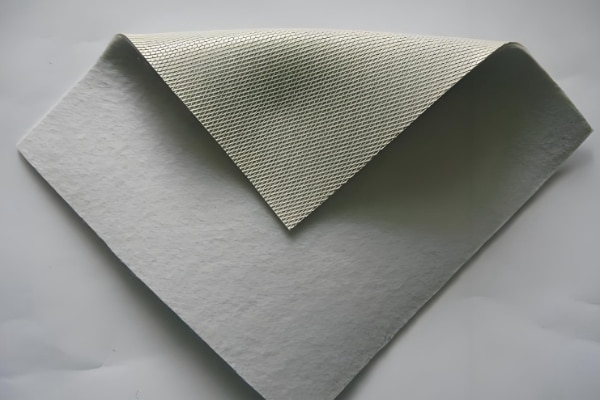
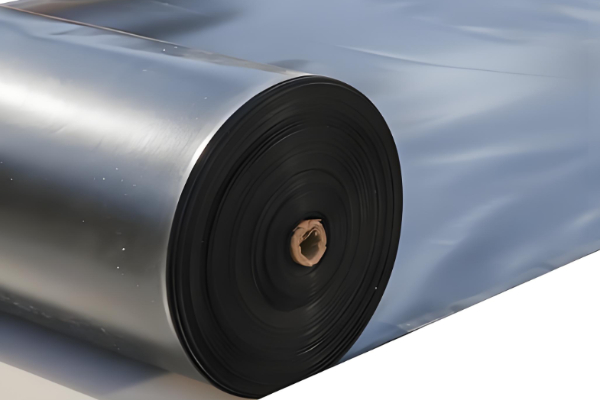
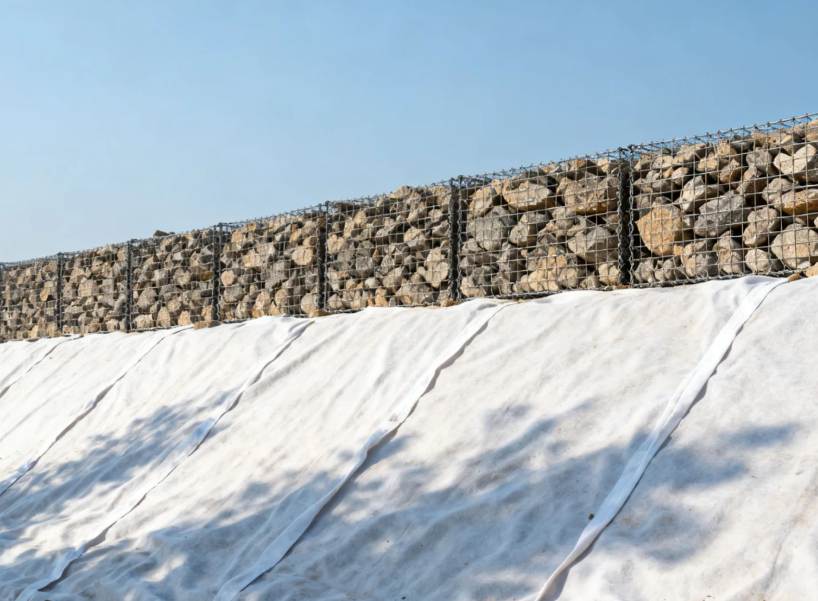
A permeable synthetic textile material, geotextile acts as the “critical safeguard” for the system’s long-term performance.
Non-woven geotextile is predominantly used in drainage systems due to its exceptional filtration capabilities.
Core Function: Acting as a precision filter, it allows water to pass freely while blocking surrounding soil particles from invading the drain cell cavities. This fundamentally prevents system failure caused by sediment clogging, ensuring long-term stable drainage performance.
System Working Process:
Surface water/groundwater → Infiltrates through backfill soil → Filtered by geotextile (sediment trapped) → Clean water enters drain cell cavities → Temporarily stored and slowly discharged or collected for reuse via pre-installed pipes.
Advantages of the Drain Cell with Geotextile
Compared to traditional gravel drainage layers (e.g., French drains), this combined system offers overwhelming advantages:
- Superior Drainage Efficiency and Water Storage Capacity: The void ratio of drain cells far exceeds that of gravel, meaning it can store and discharge more water within the same volume.
- Easy Construction, Time and Cost Savings:Modular design enables quick assembly, significantly reducing labor and costs associated with excavating and transporting large quantities of gravel.
- Lightweight Yet High-Strength with Excellent Load-Bearing Performance: Despite being lightweight, the structural design effectively distributes pressure, supporting loads equivalent to those of fire lanes or parking lots.
- High Space Utilization:Achieves better drainage results than gravel layers at a shallower excavation depth, making it ideal for projects with limited space.
- Long Service Life and Minimal Maintenance: The filtration protection of the geotextile prevents clogging of the system core. When installed correctly, it operates maintenance-free for the long term.
Recommended Reading: Geotextile Drainage Fabric: Application, Selection, and Installation
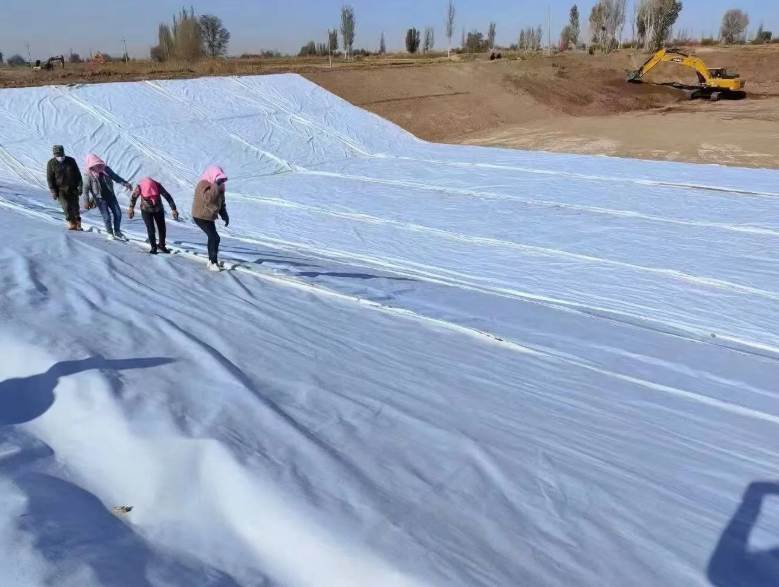
Applications of the Drain Cell with Geotextile
- Building Foundation Waterproofing and Drainage: Installed outside basement retaining walls to effectively relieve hydrostatic pressure.
- Drainage Under Plazas and Driveways: Addresses surface water infiltration issues, preventing base softening and subsequent surface damage.
- Green Roof Systems: Serves as a drainage layer to avoid root rot caused by waterlogging.
- Sports Field Drainage: Rapidly removes rainwater, ensuring quick resumption of use.
- Rainwater Harvesting and Reuse: Functions as a water storage unit to collect rainwater for irrigation or cleaning purposes.
Installation Steps for the Drain Cell with Geotextile
Incorrect installation can render even the highest-quality materials ineffective. Please strictly follow these steps:
Tools and Materials Preparation:
Drain cells, non-woven geotextile, excavation tools, level, compactor, drainage pipes, knife/scissors, and protective gloves.
Step-by-Step Installation Process:
Step 1: Survey and Excavation
- Determine the drainage area and path. During excavation, ensure a drainage slope of ≥0.5% at the trench bottom—this is critical for enabling automatic water flow.
- Initially compact the base soil.
Step 2: Lay the Bottom Geotextile
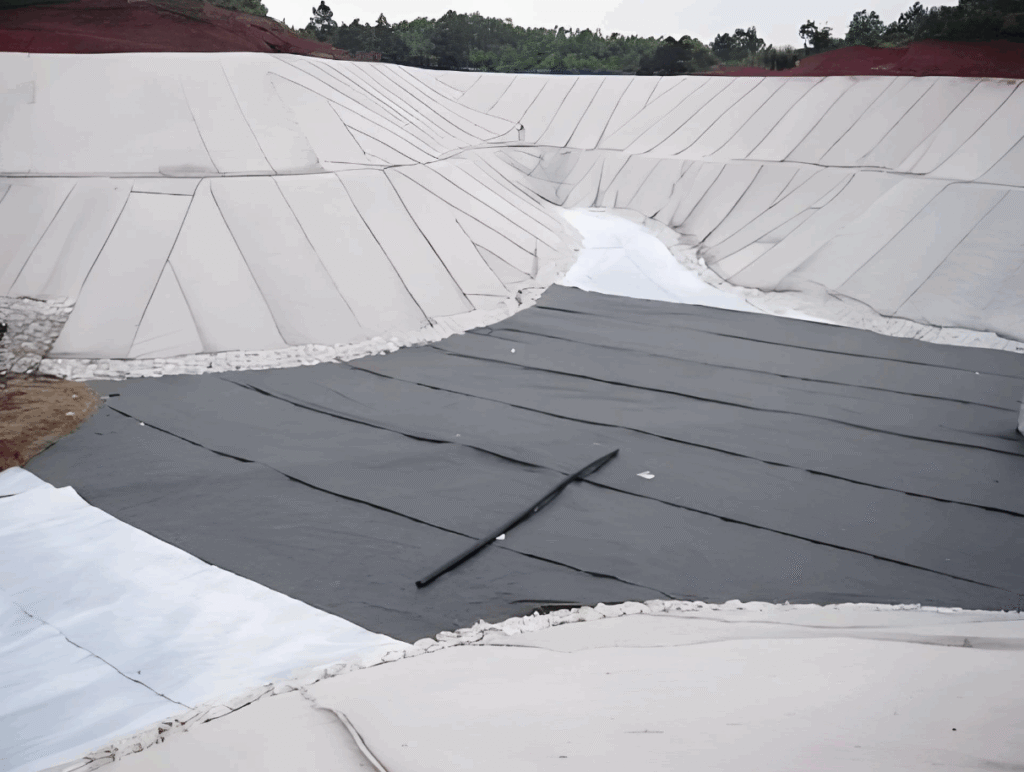
- Spread the first layer of geotextile over the compacted and leveled trench base. This prevents foundation soil from squeezing upward into the drain cells under load, forming a “bidirectional barrier.”
Step 3: Assemble and Lay Drain Cells
- Secure drain cells together according to the product instructions and lay them over the geotextile.
- Pre-install catch basins or connect drainage pipes at designated locations.
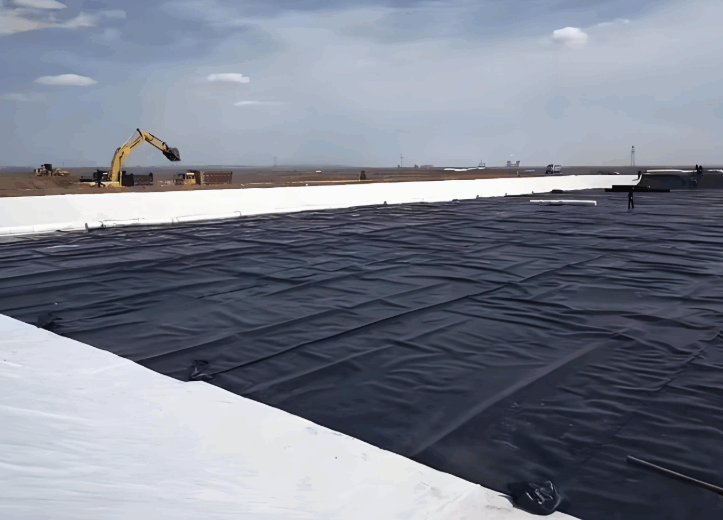
Step 4: Wrap and Seal—The Most Critical Step
- Fully wrap the entire drain cell system with the upper layer of geotextile, similar to “spreading a bed sheet.”
- Ensure an adequate overlap width (≥15cm recommended) between geotextile sheets, and seal using specialized geotextile tape or stitching to prevent soil intrusion through seams.
Step 5: Pipe Connection and Testing
- Ensure all pipe connections are secure, with outlets directed to designated drainage points or catch basins.
Step 6: Backfilling
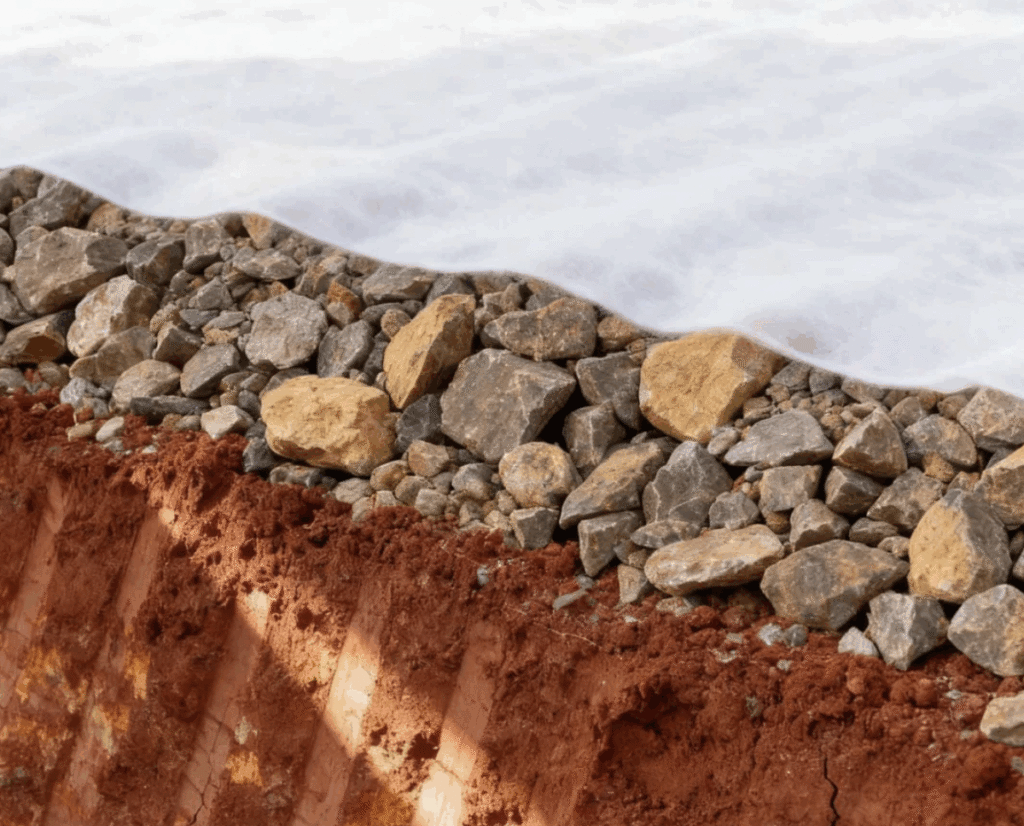
- First backfill with a 15-20cm layer of sand or fine gravel as a buffer protection layer.
- Then backfill with regular soil. Avoid using backfill materials containing sharp stones directly, as they may puncture the geotextile.
Step 7: Compaction and Completion
- Backfill in layers and compact gradually. Avoid excessive thickness in a single backfill or direct compaction with heavy machinery.
Common Installation Mistakes to Avoid:
- Mistake 1: Insufficient geotextile overlap or lack of sealing → Causes system clogging by sediment.
- Mistake 2: No drainage slope → Water cannot drain automatically, resulting in system failure.
- Mistake 3: Backfill contains sharp objects without a buffer layer → Punctures the geotextile, negating all previous work.

Frequently Asked Questions
Q1: Which is better—the drain cell system or traditional French drains (gravel drainage)?
A: For most modern engineering and large-scale projects, the drain cell system offers distinct advantages in efficiency, cost, load-bearing capacity, and space utilization. French drains are more suitable for simple drainage in low-flow, non-load-bearing areas.
Recommended Reading: Geotextile Fabric for French Drain: Selection, Installation, and Pitfall Avoidance
Q2: What type of geotextile should I choose?
A: Non-woven geotextile is a must. Formed through a needle-punching process to create a three-dimensional structure, it effectively traps fine soil particles and is the preferred choice for filtration. Spunbond geotextile is primarily used for separation and reinforcement applications.
Q3: Does the system require maintenance?
A: When properly designed and installed, the system itself (the part wrapped in geotextile) is essentially maintenance-free. Routine checks only need to ensure that drainage outlets are unobstructed.
Conclusion
With its scientific design, efficient performance, and long-term durability, the geotextile drain cell system is undoubtedly an ideal solution for your drainage challenges. Whether for construction, landscaping, or environmental projects, this system delivers reliable, cost-effective results that stand the test of time.
References:
- ASTM D1987 – Standard Test Methods for Mechanical Properties of Nonwoven Geotextiles: Defines test methods for physical properties like thickness and mass per unit area, forming the basis for evaluating geotextile filtration performance.
- ASTM D4491 – Standard Test Methods for Water Permeability of Geotextiles by Permittivity: Measures the vertical water flow capacity of geotextiles, directly related to their drainage efficiency.
- ASTM D6637 – Standard Test Method for Determining Tensile Properties of Geotextiles: Evaluates the tensile strength of geotextiles, relevant to their resistance to damage during installation.