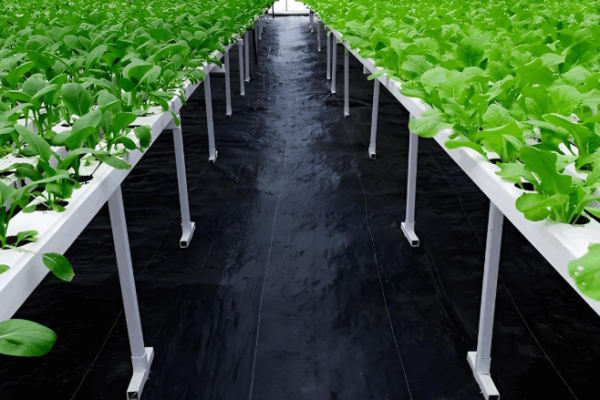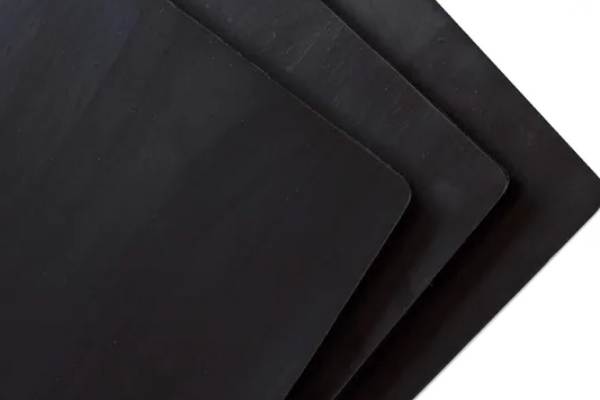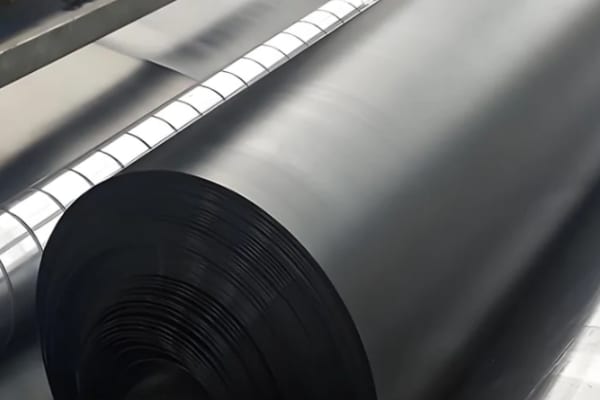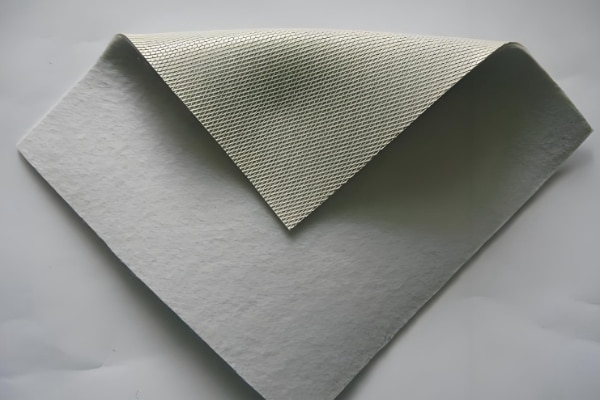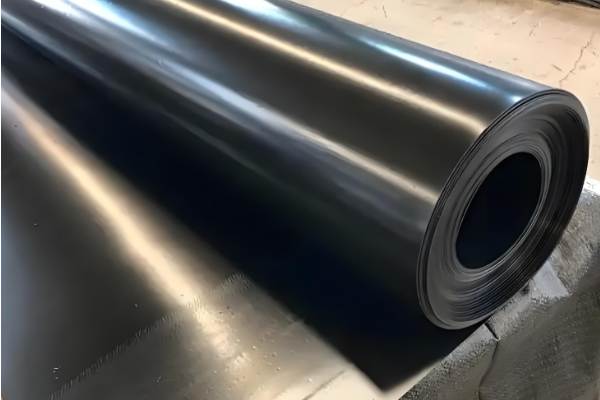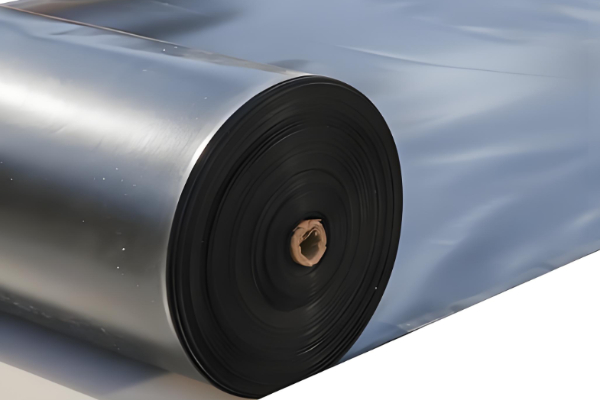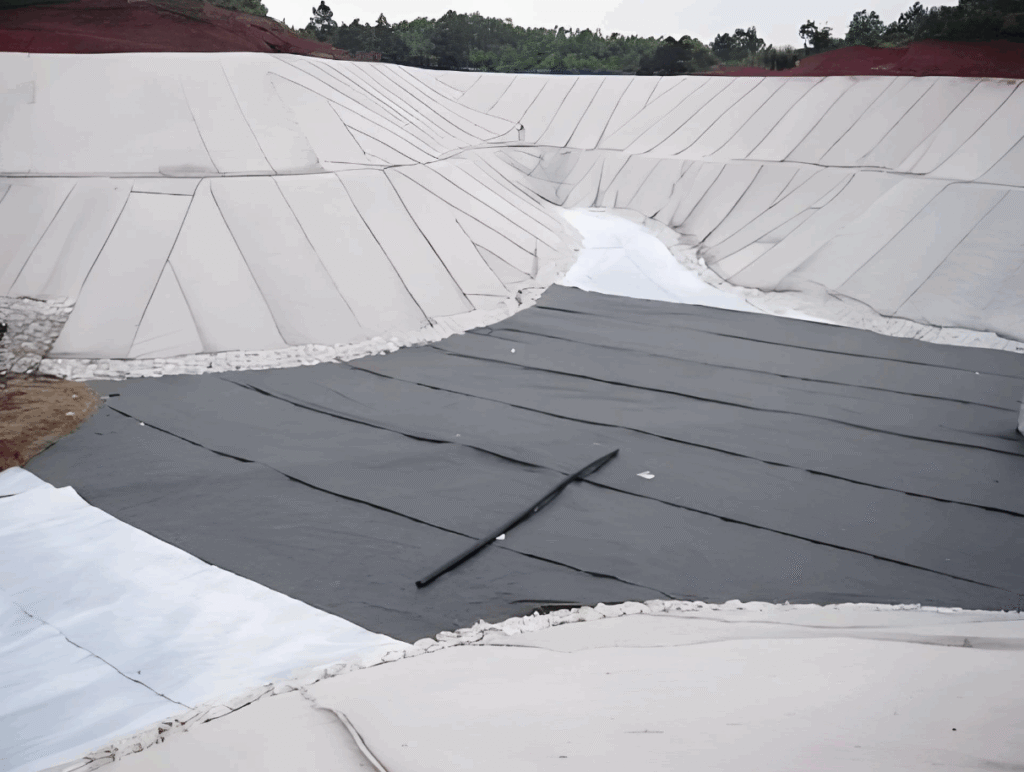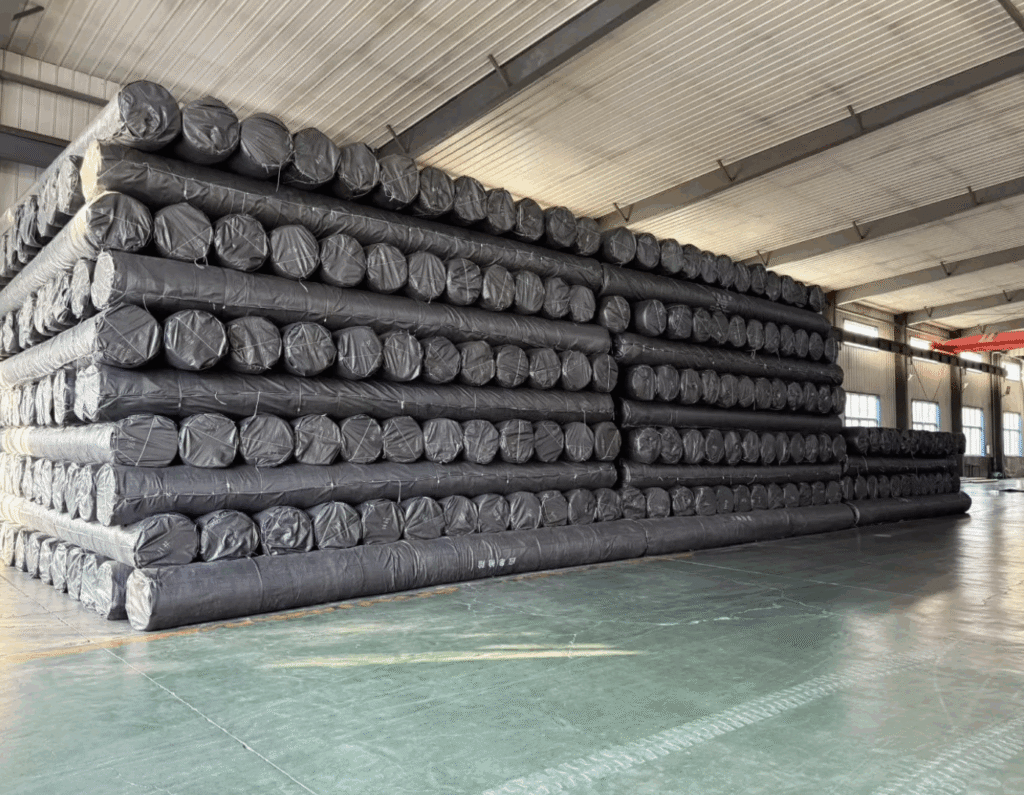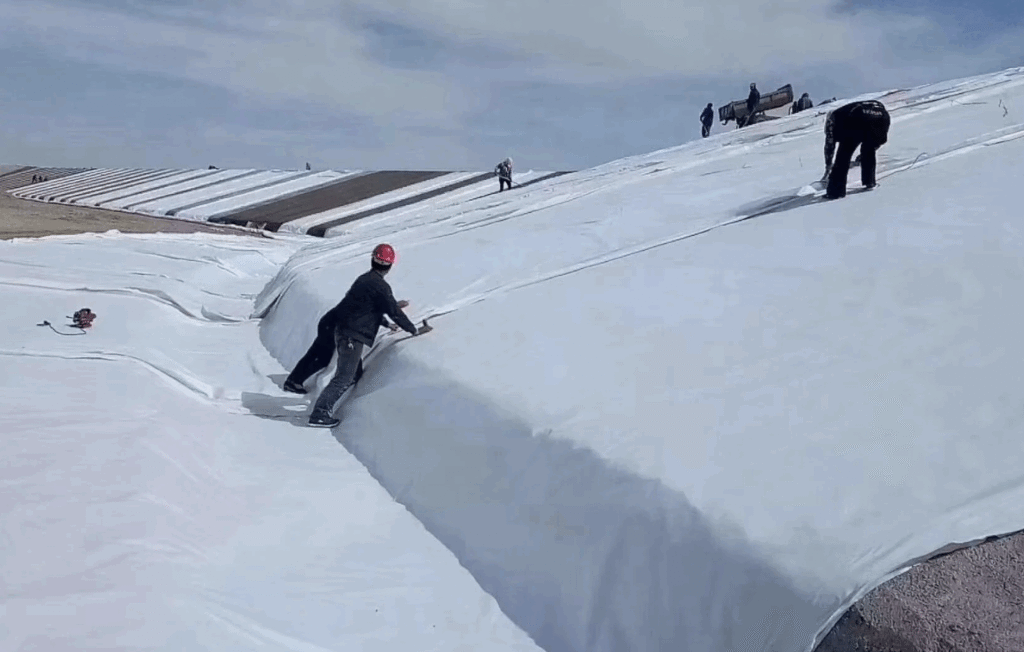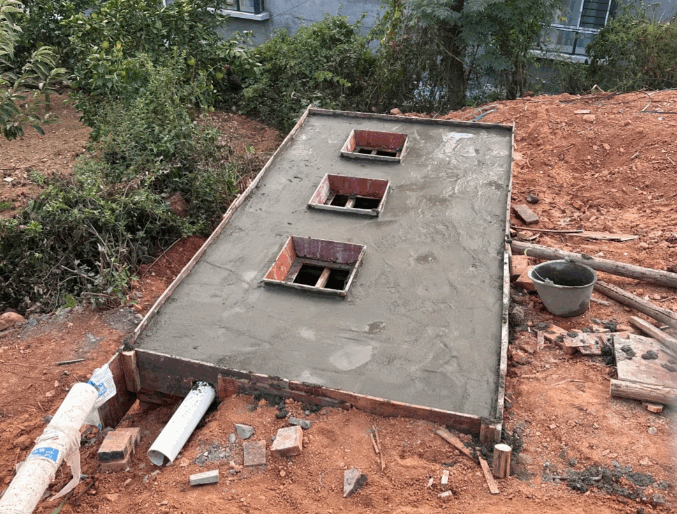
As a core category of geosynthetic materials, Filter Fabric Geotextile is a permeable fabric made from synthetic fibers such as polypropylene and polyester via weaving or non-woven processes. Relying on its four core functions of filtration, separation, drainage and reinforcement, it has become a fundamental material in civil engineering, landscape greening, environmental remediation and other fields. According to industry statistics, over 75% of road construction, dam protection and roof greening projects rely on filter fabric geotextiles to achieve soil stabilization and system permeability, which directly affects project quality and service life.

I. What is filter fabric used for?
- Filtration: By precisely controlling the fabric pore size, it allows water to penetrate while retaining soil particles, preventing soil structure damage caused by particle loss. A typical application is wrapping drainage pipes to avoid clogging.
- Separation: It forms an isolation layer between soils of different particle sizes and between soil and aggregates to prevent mixing and deformation. For example, laying it between the base course and surface course of roads can prevent the base soil from contaminating the surface aggregates.
- Drainage: Leveraging the fabric’s porous structure and flow-guiding properties, it drains underground or surface water from the soil, reduces soil pore water pressure and minimizes leakage risks. It is commonly used in drainage systems behind retaining walls.
- Reinforcement: Utilizing the fabric’s high tensile strength, it disperses soil stress, improves overall soil stability and delays settlement and cracking. It is suitable for scenarios such as dam slope protection and soft soil foundation treatment.
II. Differences Between Geotextiles and Filter Fabrics
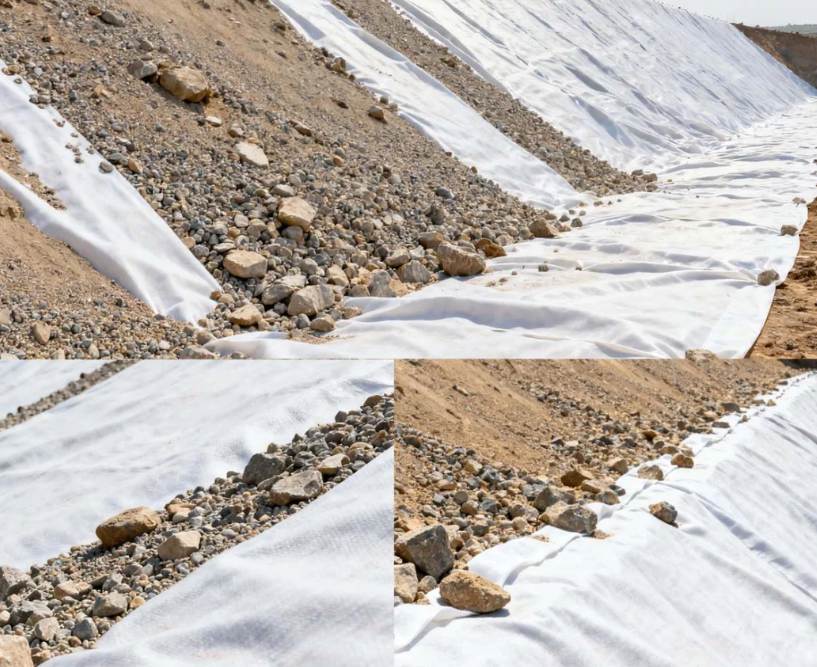
Although there is an overlap in applications between Geotextile Fabric and Filter Fabric, they are in a relationship of “overlap rather than equivalence” due to significant differences in definition scope, functional focus and applicable scenarios:
- Different definition scopes: Geotextiles are a narrow category of geosynthetic materials, specifically referring to permeable fabrics used in civil engineering, soil stabilization and related scenarios, with a core focus on geotechnical applications. Filter fabrics are a broad category of functional fabrics, with “impurity retention and fluid purification” as their core functions, covering multiple fields such as geotechnical engineering, industry, agriculture and environmental protection without scenario limitations.
- Different functional focuses: Geotextiles are “multi-functional composites” that need to meet the four requirements of filtration, separation, drainage and reinforcement simultaneously to adapt to the complex scenarios of geotechnical engineering. Filter fabrics are “single-function enhanced” materials that focus on filtration efficiency and precision, with other mechanical properties only needing to meet the basic requirements of the corresponding scenarios.
- Different application scenarios: Geotextiles are limited to geotechnical fields, such as road construction, dam protection and greening projects. In addition to geotechnical filtration, filter fabrics are widely used in non-geotechnical scenarios including industrial wastewater treatment (retaining chemical impurities), agricultural irrigation (removing water particulates), air purification (primary filter layer) and textile printing and dyeing (dye purification).
III. Core Applications of Filter Fabrics
The applications of filter fabrics revolve around their core function of filtration, which can be divided into geotechnical and non-geotechnical scenarios as follows:
1. Geotechnical Applications
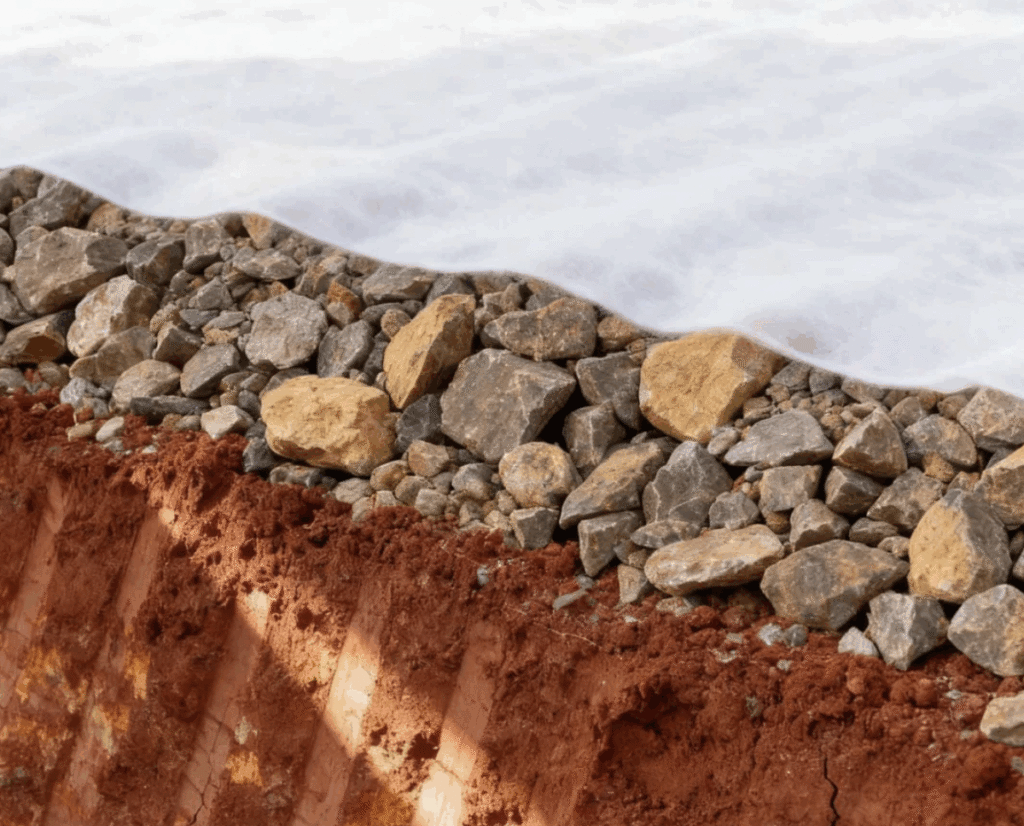
Highly overlapping with the filtration function of geotextiles, this is the most core application scenario in engineering: wrapping drainage pipes to prevent clogging, soil layered filtration, drainage and filtration of dams and retaining walls, leachate filtration in landfills, auxiliary filtration for seepage control in artificial lakes and reservoirs, etc. The core role is to ensure soil-water separation and system permeability, extending the service life of the project. For example, in garage roof greening projects, filter fabric is laid between the planting soil and drainage board, which can not only prevent planting soil loss and clogging of drainage channels, but also ensure rapid infiltration and drainage of rainwater.
2. Non-geotechnical Applications
Covering the purification needs of multiple industries: in the industrial field, it is used for impurity retention in chemical wastewater, lubricating oil and hydraulic oil; in the agricultural field, it is suitable for irrigation water filtration and dust removal at greenhouse vents; in the environmental protection field, it is used for domestic sewage pretreatment and primary filter layers of air purification equipment; in the textile printing and dyeing field, it is used for the purification and filtration of dyes and auxiliaries to improve product purity.
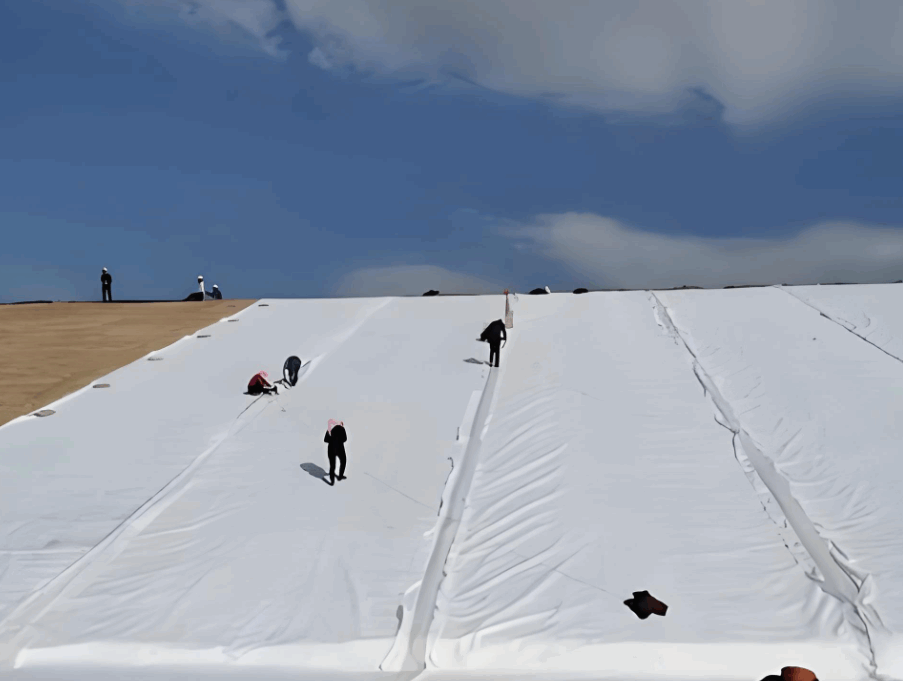
IV. Main Types of Geotextiles
1、Woven Geotextiles
Structural characteristics: Regular pores are formed by interweaving warp and weft yarns, with a compact structure and stable mechanical properties. Core technical parameters include pore size (0.05–2mm), tensile strength (≥10kN/m), elongation at break (10%–30%) and anti-clogging property (pore uniformity ≥85%).
Applicable scenarios: Road base reinforcement, high permeability gradient projects and dam main structure filtration, capable of withstanding large loads.
Limitations: Poor flexibility, not suitable for irregular terrain; relatively limited filtration precision, prone to clogging by fine-grained soil.
2、Non-woven Geotextiles
Structural characteristics: Mainly produced by needle-punching bonding process, with randomly distributed fibers and high porosity (70%–90%) and excellent flexibility. Core technical parameters include grammage (100–600g/㎡), permeability (≥10⁻²cm/s), tensile strength (≥2kN/m, increasing with grammage) and UV aging resistance (complying with ASTM D4355 standard, with tensile strength retention rate ≥70% after artificial accelerated aging).
Applicable scenarios: Landscape greening, drainage systems, irregular terrain paving and roof gardens, able to fit closely with the base layer and offering higher filtration precision.
Advantages: Lightweight and easy to construct, strong damage resistance, and can reduce aggregate waste. It is currently the most widely used type of filter fabric geotextile.
3、Core Selection Indicators and Logic
Selection should be comprehensively determined based on project requirements, soil characteristics and environmental conditions. The core indicators and adaptation logic are as follows:
- Soil gradation: For fine-grained soil (particles <0.075mm accounting for >30%), non-woven geotextiles with small pore size and high filtration precision are preferred; for coarse-grained soil (particles >2mm accounting for >50%), woven geotextiles can be selected to balance strength and permeability.
- Permeability requirements: For scenarios with abundant groundwater and requiring rapid drainage, high-permeability non-woven geotextiles (200–300g/㎡) are preferred; for scenarios with large loads and low permeability requirements, woven geotextiles are suitable.
- Environmental durability: For outdoor long-term exposure projects, polyester non-woven geotextiles are preferred for their superior UV and aging resistance; for short-term projects or indoor scenarios, polypropylene geotextiles can be selected to control costs.
It is recommended to adopt the three-step selection method of “soil testing → function positioning → parameter matching”. If necessary, third-party testing institutions can be engaged to test the material aging performance in accordance with ASTM D4355 standard to ensure it meets the project service life requirements.
V. Application Scenarios of Geotextiles
1. Civil Engineering Field
- Road construction: Laying 200–300g/㎡ non-woven geotextiles between the subgrade and subbase to achieve soil separation and drainage, delaying subgrade settlement and cracking; polyester glass fiber anti-crack fabrics (300g/㎡) can be used for asphalt pavement maintenance to improve pavement crack resistance, with a unit price of approximately ¥2.3 per square meter.
- Dam protection: Laying woven geotextiles on the upstream side of dams to retain sediment in water flow and protect the dam main structure; laying non-woven geotextiles on the downstream side to drain groundwater and reduce leakage risks. During construction, ensure that the fabric overlap width is ≥15cm to avoid leakage at the overlap joints.
2. Drainage and Environmental Protection Field
- Drainage pipe wrapping: Using 150–200g/㎡ polypropylene non-woven geotextiles to wrap corrugated pipes or seepage pipes for soil particle retention, with a unit price of ¥0.88–¥1.2 per square meter. During installation, use cable ties for fixation to prevent displacement.
- Landfills: Using polyester non-woven geotextiles (400–600g/㎡), laid outside the anti-seepage membrane to filter leachate and resist chemical corrosion caused by garbage degradation, which must comply with relevant testing standards in the environmental protection industry.
- Groundwater drainage: Adopting the combined scheme of “drainage board + non-woven geotextile”, with the geotextile laid above the drainage board to form a three-dimensional drainage channel and improve drainage efficiency, suitable for garage roofs and basement side walls.
3. Landscape Greening Field
- Roof gardens: Laying 150g/㎡ non-woven geotextiles between the planting soil and drainage layer to prevent planting soil loss and clogging of drainage holes, while ensuring water permeability. Polypropylene is preferred for its higher cost performance, with a unit price of approximately ¥0.9 per square meter.
- Behind retaining walls: Laying 200g/㎡ non-woven geotextiles, combined with gravel drainage layers, to drain accumulated water behind the walls and reduce wall pressure. During construction, ensure that the geotextile fits closely to the wall without wrinkles.
- Planting boxes: Using lightweight non-woven geotextiles (100–150g/㎡), laid on the bottom and side walls of the boxes to achieve soil filtration and water retention, avoiding soil particle loss during watering.
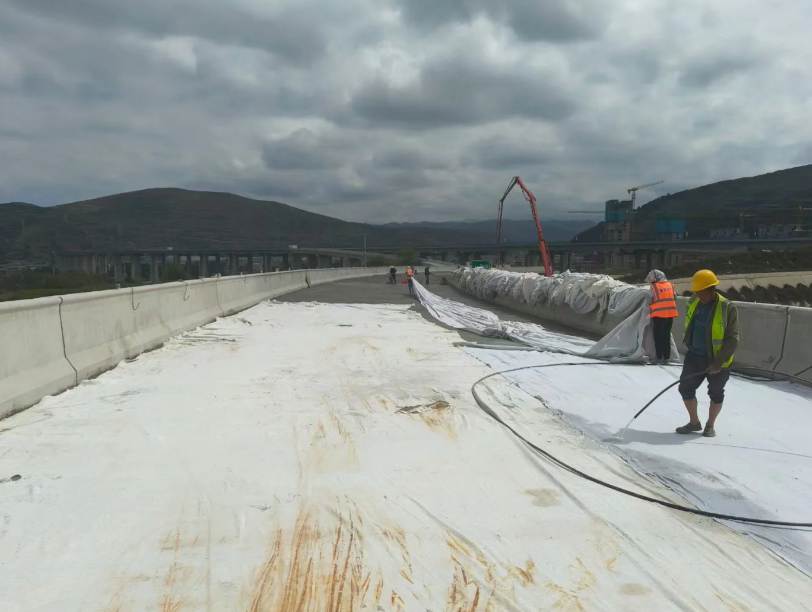
VI. Price of Filter Fabric Geotextiles
At present, the price of domestic filter fabric geotextiles is significantly affected by type, grammage and material, with the unit price range of mainstream products as follows (market price in the first quarter of 2026):
- Polypropylene non-woven geotextiles: 100g/㎡: ¥0.5–¥0.7 per square meter; 150g/㎡: ¥0.88–¥1.0 per square meter; 200g/㎡: ¥0.9–¥1.35 per square meter; 300g/㎡: ¥1.5–¥2.0 per square meter.
- Polyester non-woven geotextiles: 200g/㎡: ¥1.4–¥1.6 per square meter; 300g/㎡: ¥2.0–¥2.3 per square meter; 400g/㎡ and above: ¥2.6–¥4.4 per square meter.
- Woven geotextiles: The unit price of conventional specifications is ¥1.8–¥2.6 per square meter; the unit price of high tensile strength models (≥20kN/m) is above ¥3.0 per square meter.
There are obvious regional price differences: the unit price in major production areas such as Shandong and Hebei is slightly lower (5%–10% lower than the market price), while in remote areas, the unit price increases by 10%–15% due to higher transportation costs.
Core Cost Drivers
- Material quality: Polyester materials are 30%–50% more expensive than polypropylene materials; virgin fibers are 20%–30% more expensive than recycled fibers. Although recycled fiber products have lower costs, their aging resistance is poor, making them unsuitable for long-term projects.
- Specification parameters: For every 50g/㎡ increase in grammage, the unit price rises by 15%–20%; for customized specifications with a width exceeding 6 meters, the unit price increases by an additional 10%–15%.
- Purchase volume and transportation: For a single purchase volume exceeding 10,000 square meters, there is a 5%–8% negotiation space for the price; the preferred transportation method is full-load transportation, which reduces costs by 15%–20% compared with less-than-carload transportation.
- Brand and certification: Branded products with ASTM D4355 standard certification and environmental testing reports have a premium of about 10%–15%, but their quality is more guaranteed.
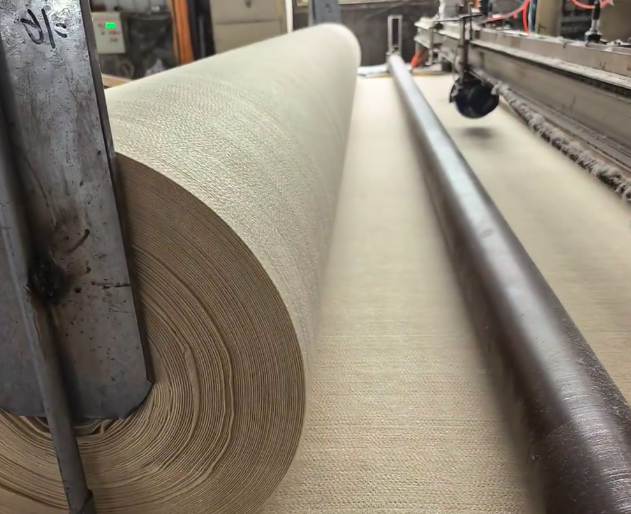
VII. Key Installation and Construction Points of Filter Fabric Geotextiles
- Foundation preparation: Remove all sharp objects (stones, tree roots), level and compact the base course.
- Laying direction: Fabric rolls are usually laid along the shorter direction to minimize joints. Ensure the fabric is laid flat without wrinkles.
- Overlap and fixation: Adjacent rolls must have sufficient overlap (usually 15–30 centimeters). On slopes or areas prone to displacement, secure with U-shaped nails or geotextile nails at intervals of 1–1.5 meters.
- Timely backfilling: Cover with backfill materials (such as gravel) immediately after laying to avoid prolonged exposure to sunlight. Backfilling should be carried out from the middle to both sides to prevent shifting the fabric. The initial backfill layer should be constructed using light equipment or manual labor.
Frequently Asked Questions
Q: How long can geotextiles last?
A: High-quality polypropylene or polyester geotextiles can have a design life of decades or even over a century when properly laid and covered. Exposure to direct sunlight will significantly reduce their service life.
Q: Are geotextiles the same as plastic cloth (weed control fabric)?
A: Not at all! Plastic weed control fabric is impermeable, mainly used for inhibiting weeds. It cannot drain water and may even cause soil compaction and waterlogging. Filter fabric geotextiles are permeable and used for engineering stabilization.
Q: Can woven and non-woven geotextiles be used interchangeably?
A: No, they cannot be used interchangeably at will. Non-woven geotextiles are irreplaceable in scenarios with irregular terrain and high filtration precision requirements; woven geotextiles are more suitable for scenarios with high loads and low permeability requirements.