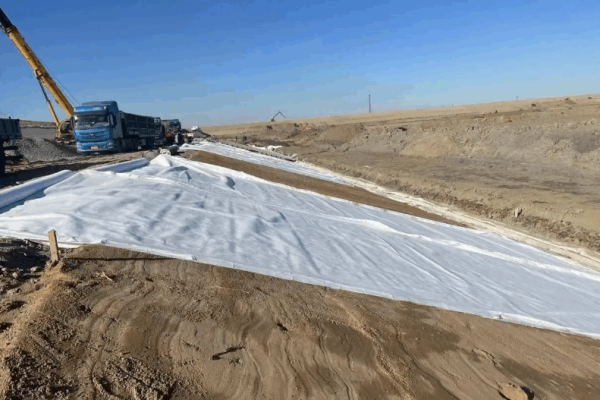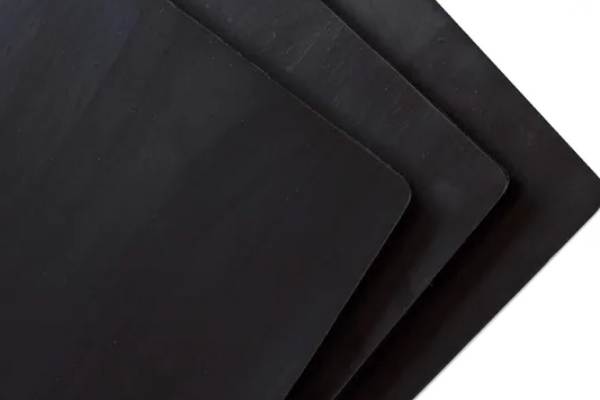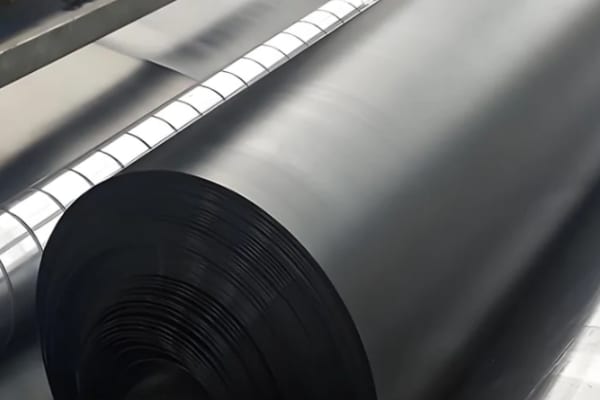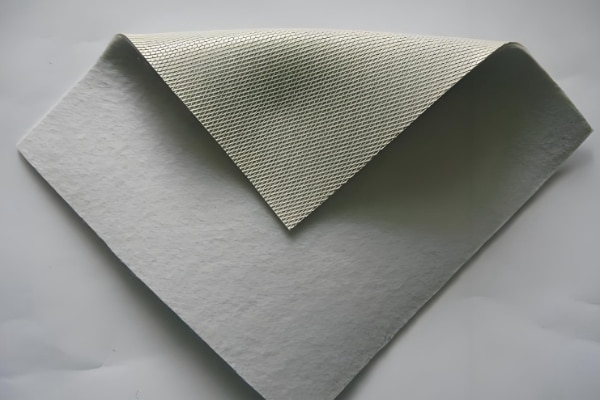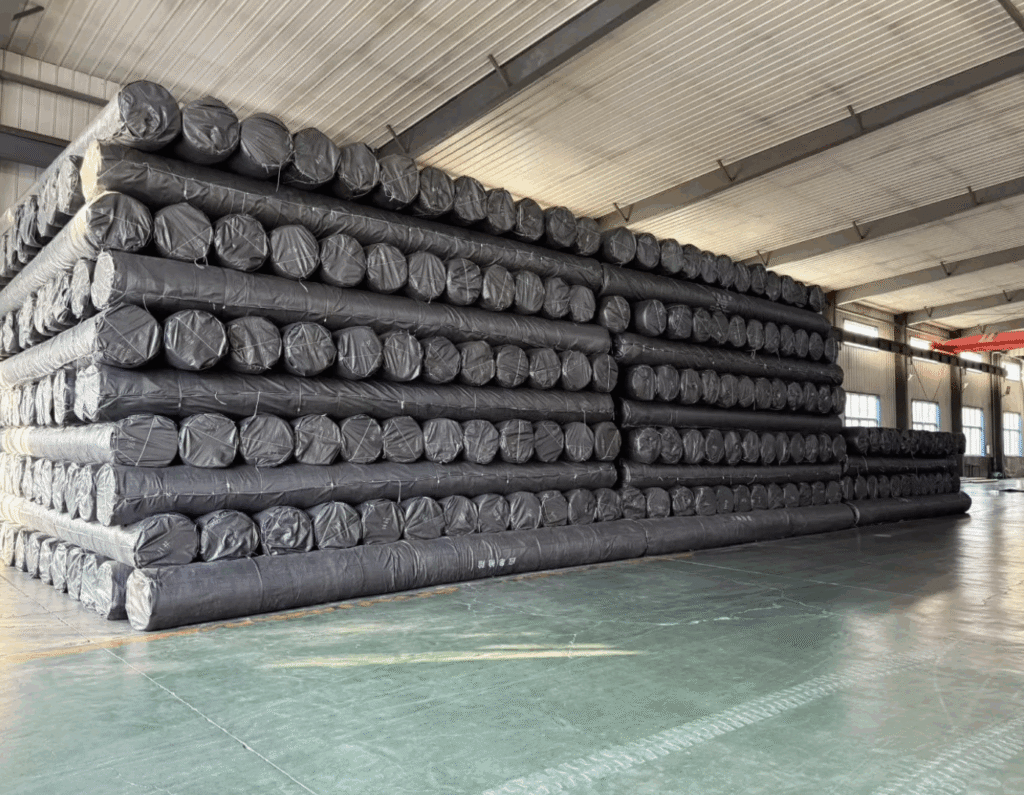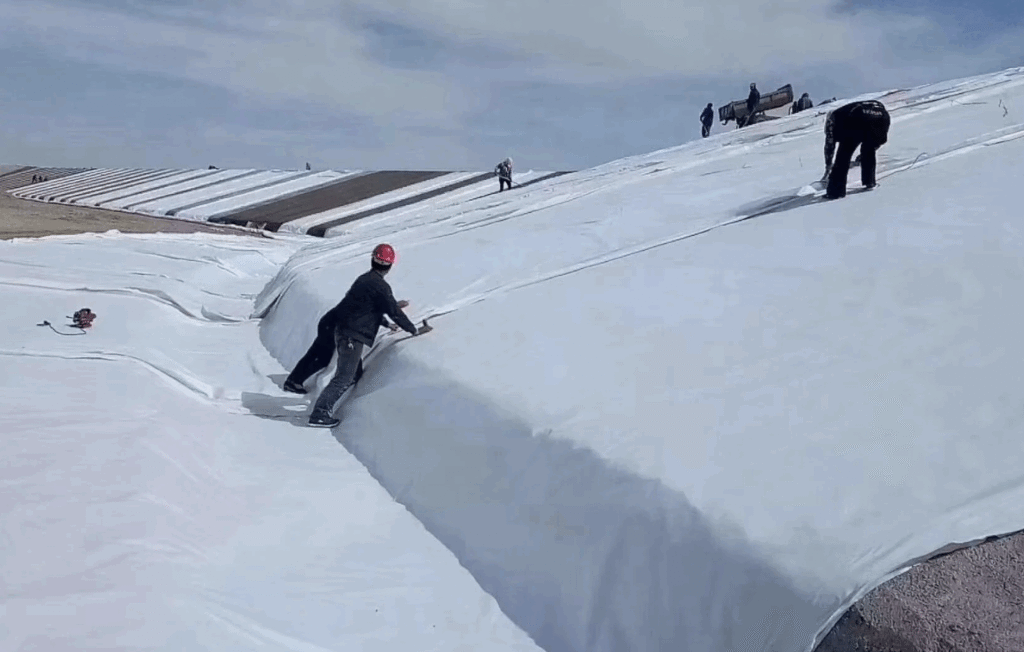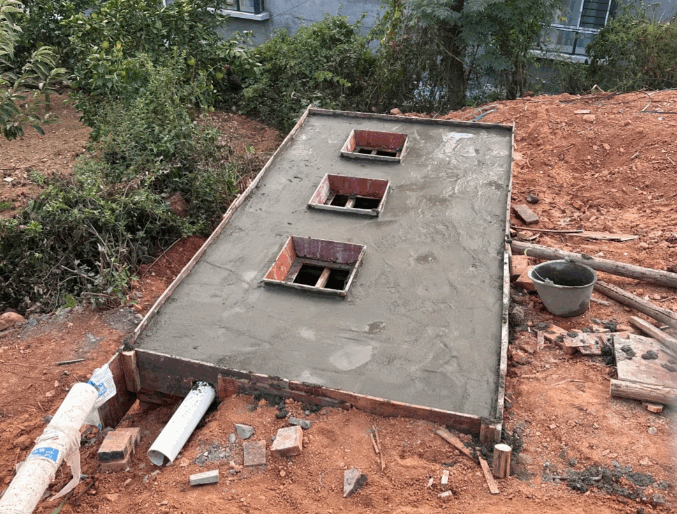
As an impermeable barrier, geomembrane has become the unsung hero in numerous fields, including environmental engineering, water conservancy, mining, and agriculture. This article provides a complete overview of the core geomembrane applications across ten major industries and offers a practical guide for selecting the right product for your project.
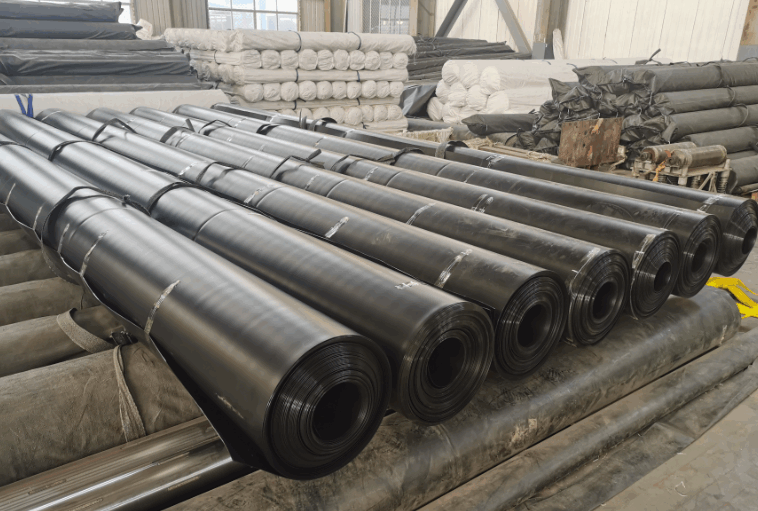
What is a Geomembrane?
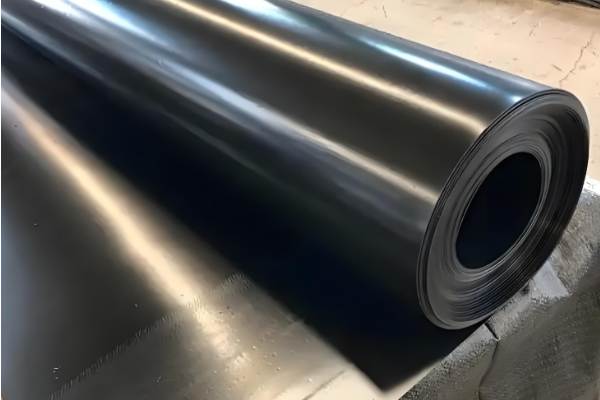
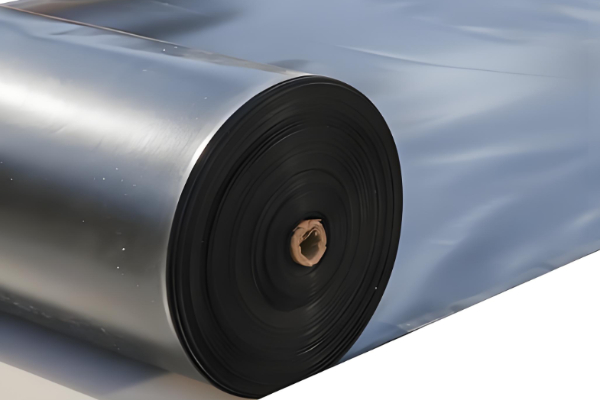
A geomembrane is a very low-permeability synthetic sheet or liner manufactured from polymeric materials (such as HDPE, PVC, LLDPE). Its primary function is to act as a barrier, effectively preventing the migration of liquids and gases.
Its key properties dictate its wide range of applications:
- Superior Impermeability: Possesses an extremely low hydraulic conductivity (typically <10⁻¹³ m/s), making it one of the most effective seepage prevention materials available.
- Excellent Chemical Resistance: Especially HDPE, which can withstand attack from the strongest acids, alkalis, and chemicals, leading to a service life of 50+ years.
- Outstanding Durability: Contains additives like carbon black for UV resistance, allowing for long-term outdoor exposure while maintaining performance.
- High Mechanical Strength: Offers good tensile, tear, and puncture resistance to accommodate moderate subgrade deformation.
- Ease of Installation: Factory-produced in rolls, they are efficiently deployed and seam on-site.
Common geomembrane materials include High-Density Polyethylene (HDPE), Linear Low-Density Polyethylene (LLDPE), Polyvinyl Chloride (PVC), and Ethylene Propylene Diene Monomer (EPDM), each with distinct advantages for different applications of geomembranes.
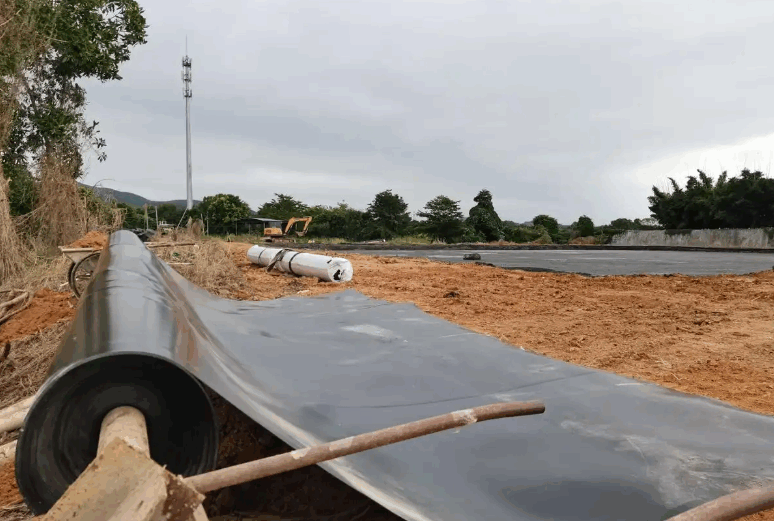
10 Core Geomembrane Applications
1. Environmental Engineering: Landfills & Hazardous Waste Containment
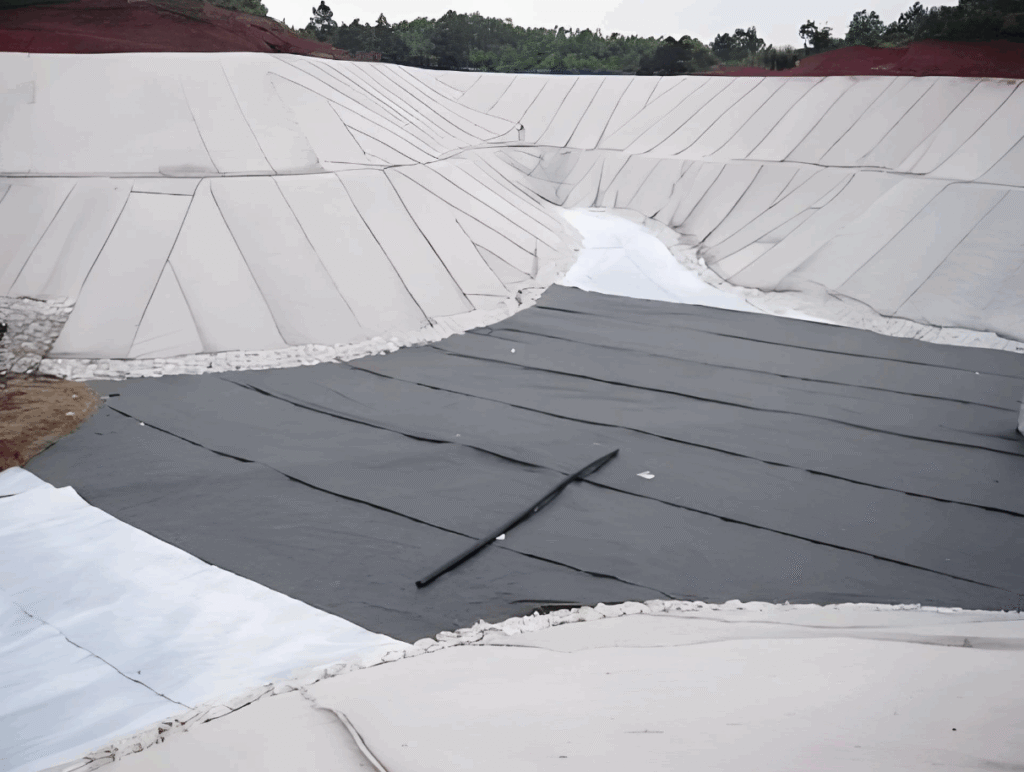
- Application Description: This is the most classic and demanding application for geomembranes. They are the core component of the bottom liner and final cover systems in landfills, completely encapsulating leachate and hazardous waste to prevent soil and groundwater pollution.
- Why Geomembranes are Used: Their superior impermeability and chemical resistance are unmatched by traditional materials like concrete.
- Common Material: HDPE Geomembrane is the primary choice due to its exceptional chemical resistance, high strength, and long lifespan.
2. Water Conservancy: Reservoir, Canal, and Dam Seepage Prevention
- Application Description: Used as liners for new or existing reservoirs, irrigation canals, and dams to significantly reduce water loss during storage and transport, enhancing the efficiency of water infrastructure.
- Why Geomembranes are Used: They solve the critical problem of water storage in arid regions or areas with highly permeable soils.
- Common Materials: HDPE, PVC (valued for its flexibility and ability to conform to subgrade variations).
3. Mining Engineering: Heap Leach Pads & Tailings Storage Facilities
- Application Description: Used in metal mining to construct heap leach pads for chemical solutions that extract metals, and as liners for tailings ponds to prevent wastewater containing heavy metals and chemicals from polluting the environment.
- Why Geomembranes are Used: They must withstand extreme chemical exposure and physical stress, making them a mandatory requirement for modern mine environmental management.
- Common Material: HDPE Geomembrane is the preferred choice due to its supreme chemical resistance.
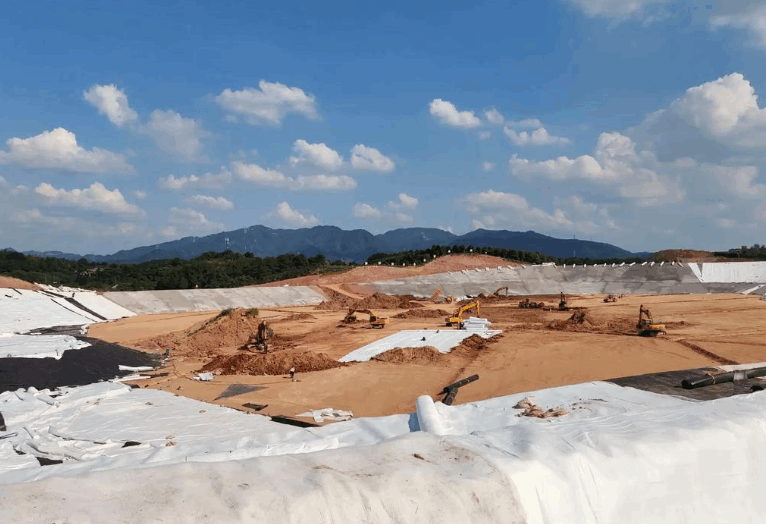
4. Aquaculture: Pond and Tank Liners
- Application Description: Used as liners for fish, shrimp, and algae ponds, separating the water from the underlying soil. This helps control water quality, prevent water loss, reduce disease, and increase yield.
- Why Geomembranes are Used: They are easy to clean and disinfect, allowing for quick pond preparation and stocking, enabling high-density, intensive farming.
- Common Materials: HDPE, LLDPE, and EPDM (flexible and fish-friendly).
5. Agriculture & Water Management: Irrigation Canals & Storage Ponds
- Application Description: Used for seepage control in agricultural storage ponds and irrigation channels, ensuring precious water is used efficiently for crop irrigation instead of seeping into the ground.
- Why Geomembranes are Used: They offer a cost-effective and quick-to-install solution that significantly improves agricultural water efficiency.
- Common Materials: LLDPE, PVC (lower cost and high flexibility).
6. Energy Sector: Evaporation Ponds & Process Water Basins
- Application Description: Used in the oil, gas, thermal power, and new energy industries to construct evaporation ponds, firewater storage ponds, and wastewater treatment basins for containing and processing various industrial liquids.
- Why Geomembranes are Used: They provide a reliable and durable containment solution for industrial liquids.
- Common Material: Primarily HDPE, depending on the chemical nature of the wastewater.
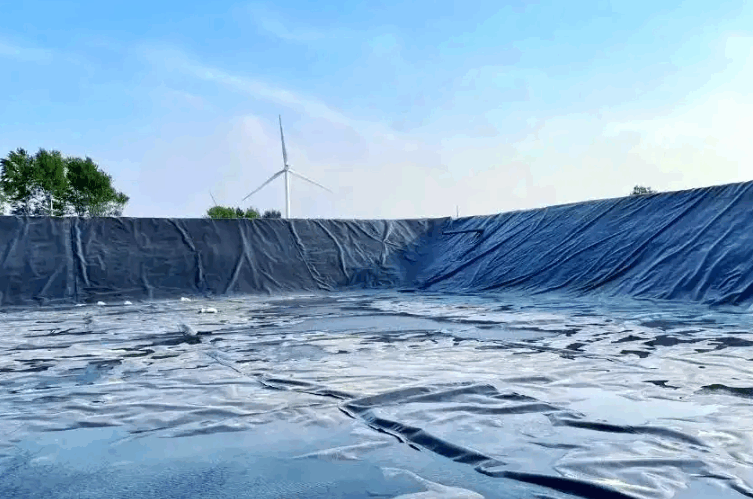
7. Construction: Underground Structure Waterproofing
- Application Description: Used as waterproofing sheets in tunnels, basements, and subway stations, working in conjunction with concrete structures to form a reliable, flexible barrier against groundwater infiltration.
- Why Geomembranes are Used: Their flexibility allows them to accommodate shrinkage and minor cracking in concrete, providing long-lasting protection.
- Common Materials: HDPE, PVC waterproofing sheets.
8. Transportation: Road and Railway Subgrade Separation
- Application Description: Installed within road and railway subgrades as a moisture barrier to prevent the capillary rise of groundwater or the infiltration of surface water, which can soften the subsoil and extend the structure’s lifespan.
- Why Geomembranes are Used: They enhance subgrade stability and bearing capacity, reducing long-term maintenance costs.
- Common Materials: HDPE, LDPE.
9. Landscape & Municipal Engineering: Decorative Lakes & Golf Course Water Features
- Application Description: Used to create decorative lakes, streams, and other water features in parks, golf courses, and residential areas, providing an aesthetic and long-lasting water container.
- Why Geomembranes are Used: They offer flexible installation that can adapt to complex shapes and prevent water loss to maintain the visual appeal.
- Common Materials: EPDM (more natural color), LLDPE.
10. Specialized Applications
- Salt Crystallization Ponds: Used as pond liners for sea salt production, improving yield and salt quality.
- Biogas Tank Covers: Used as the outer membrane for double-membrane gasholders on anaerobic digesters, for the collection and storage of biogas.
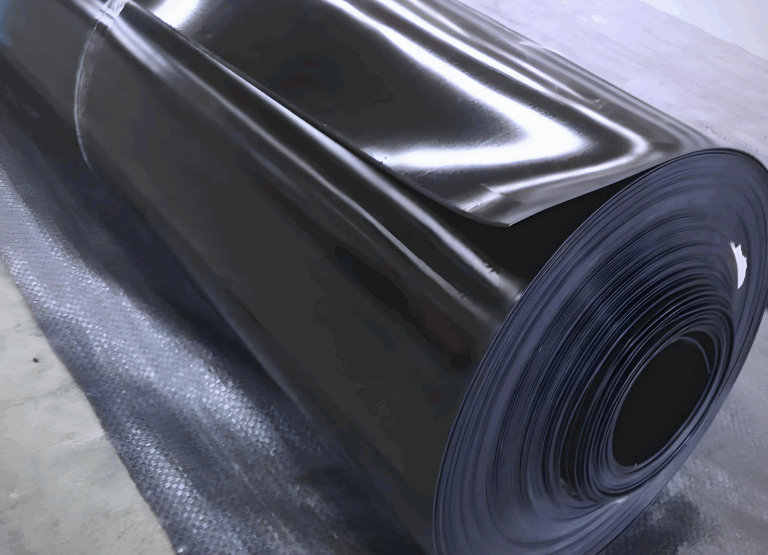
How to Select the Right Geomembrane for Your Project
Selecting the appropriate geomembrane is crucial for project success. Key considerations include:
- Chemical Compatibility: What fluid are you containing? (Fresh water, sewage, strong acids/alkalis, chemicals?) This is the primary deciding factor for any geomembrane usage.
- Physical Requirements: What are the subgrade conditions? Is high puncture resistance (e.g., landfills) or high tensile strength (e.g., settling foundations) needed?
- Site Climate & Exposure: Will it be exposed to UV light? What is the ambient temperature range?
- Budget & Design Life: Balance the initial cost against long-term maintenance and the required service life.
Quick-Reference Guide to Common Geomembrane Materials
| Material | Key Advantages | Key Disadvantages | Typical Geomembrane Uses |
|---|---|---|---|
| HDPE | Excellent Chemical Resistance, High Strength, Good UV Resistance, Long Life | Less Flexible, Requires Smooth Subgrade | Landfills, Tailings Dams, Wastewater Ponds |
| LLDPE | Very Flexible, Excellent Stress Crack Resistance, Conforms to Settlement | Chemical Resistance Slightly Lower than HDPE | Aquaculture, Agriculture, Decorative Lakes |
| PVC | Flexible, Easy to Weld, Lower Cost | Poor UV Resistance, Potential Plasticizer Leaching | Irrigation Canals, Temporary Ponds, Construction |
| EPDM | Superior Flexibility & Weathering, Frost Resistant | Poor Oil Resistance, Lower Mechanical Strength | Landscaping, Roof Gardens, Aquaculture |
Thickness Selection: Common thicknesses range from 0.5mm to 3.0mm. For instance, fish ponds typically use 0.75mm-1.0mm HDPE, while landfills commonly require 1.5mm-2.0mm or thicker HDPE.
Key Considerations for Geomembrane Installation
“Three parts material, seven parts installation.” Professional installation is critical to achieving the geomembrane’s designed performance.
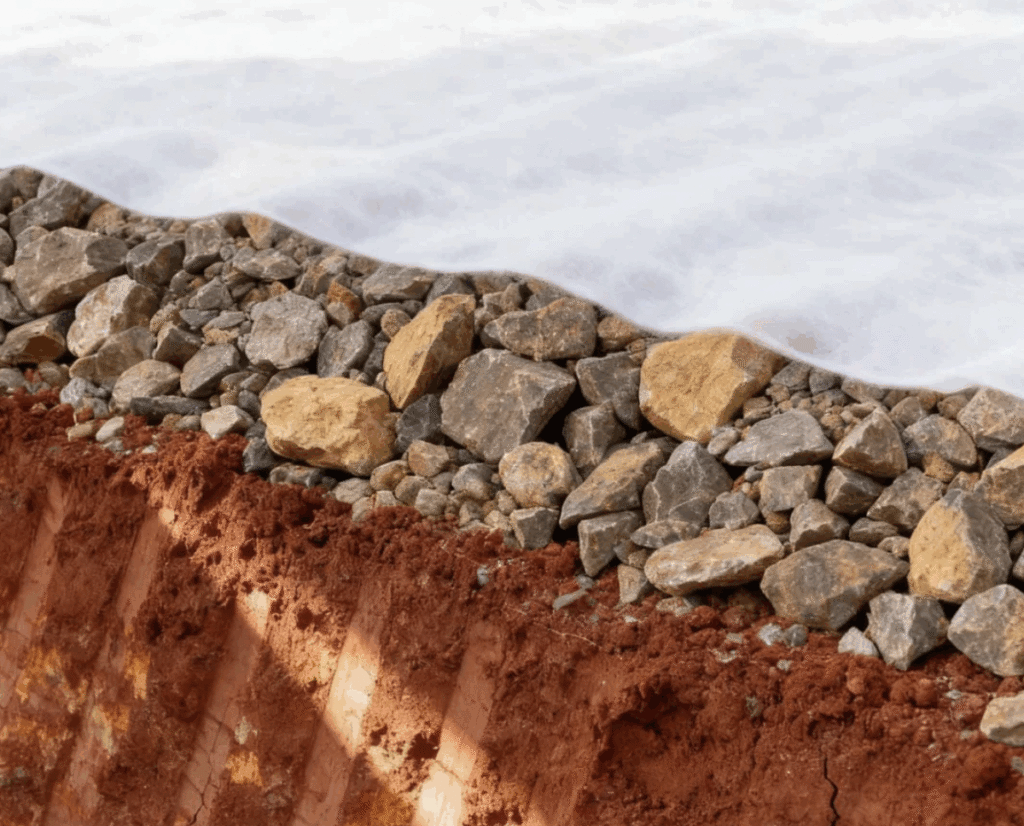
- Subgrade Preparation: The foundation must be smooth, compacted, and clear of all sharp rocks and roots to prevent puncture.
- Placement and Seaming: Welding (using dual-track hot wedge or extrusion methods) must be performed by trained personnel with specialized equipment. Weld quality must be verified through non-destructive (e.g., air lance testing) and destructive (sample testing) methods.
- Anchorage: The geomembrane must be properly anchored in a trench to resist wind uplift and other forces.
Conclusion
As an efficient, reliable, and economical seepage control solution, the applications of geomembrane technology permeate nearly all aspects of modern society. From environmental projects that protect our land and water to aquaculture that ensures food security and the energy and mining sectors that power economic development, geomembranes are everywhere. Selecting the right geomembrane and ensuring its proper installation will build a robust “impermeable wall” for your project.
Reference Sources
- ASTM International: Provides a comprehensive suite of standard test methods and practices for geosynthetics.
- ASTM D4437 / D4437M: Standard Specification for Polyethylene Geomembranes.
- ASTM D6747: Guide for Selection of Techniques for Electrical Leak Location of Leaks in Geomembranes.
- GRI (Geosynthetic Research Institute): Publishes widely accepted test standards and guidelines, particularly for HDPE geomembranes.
- GRI GM13: Standard Specification for Test Methods, Required Properties, and Testing Frequency for HDPE Geomembranes.
- GRI GM19: Standard Practice for the Test Method for the Seam Strength and Seam Durability of Geomembranes.