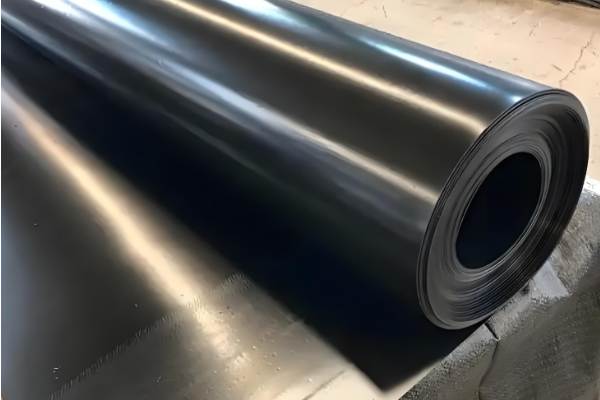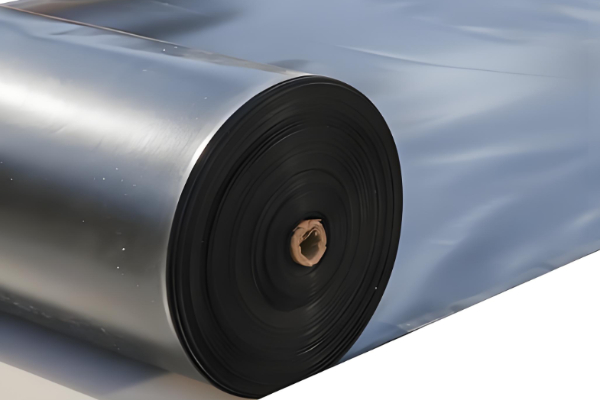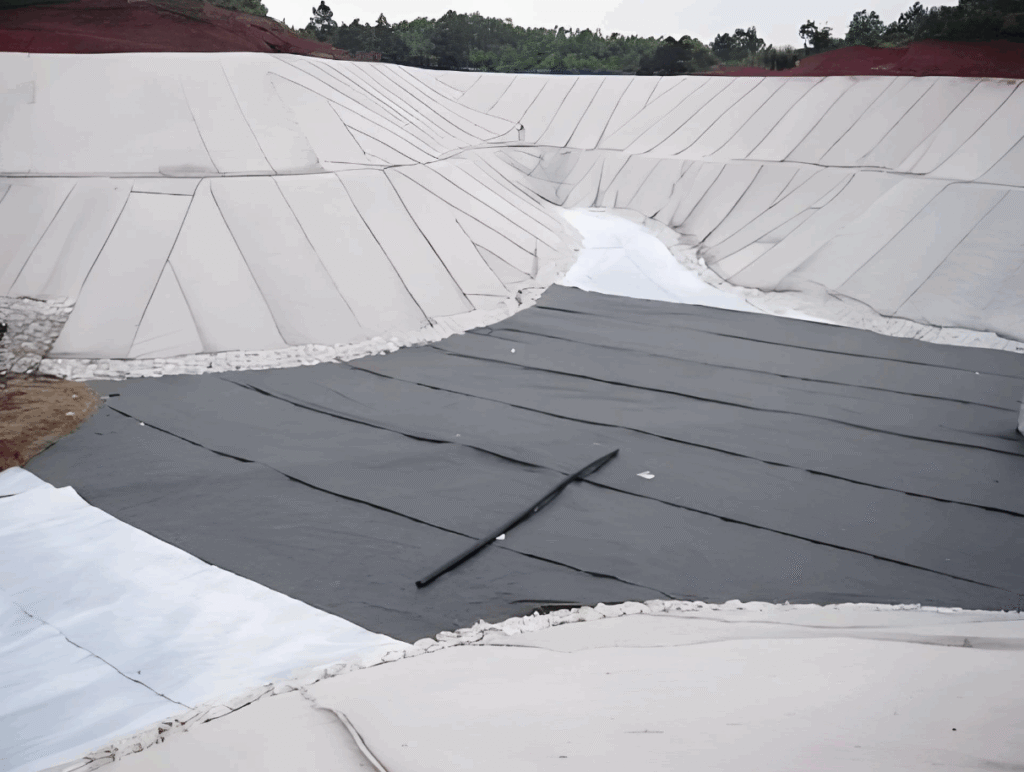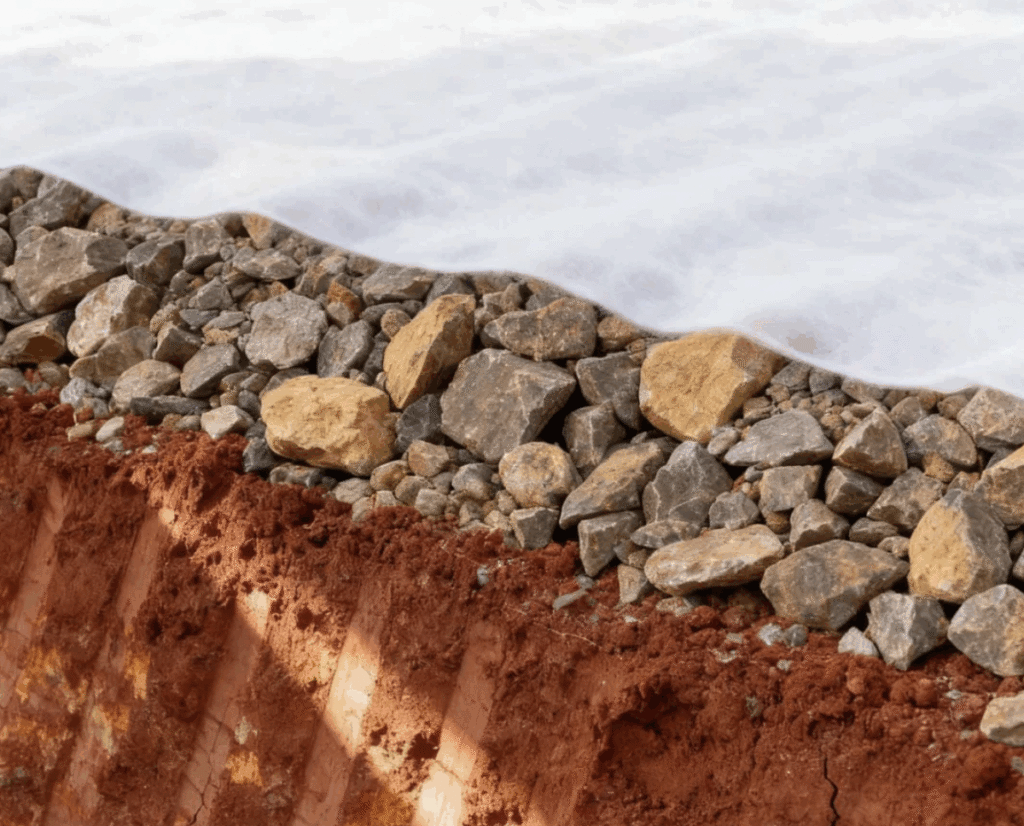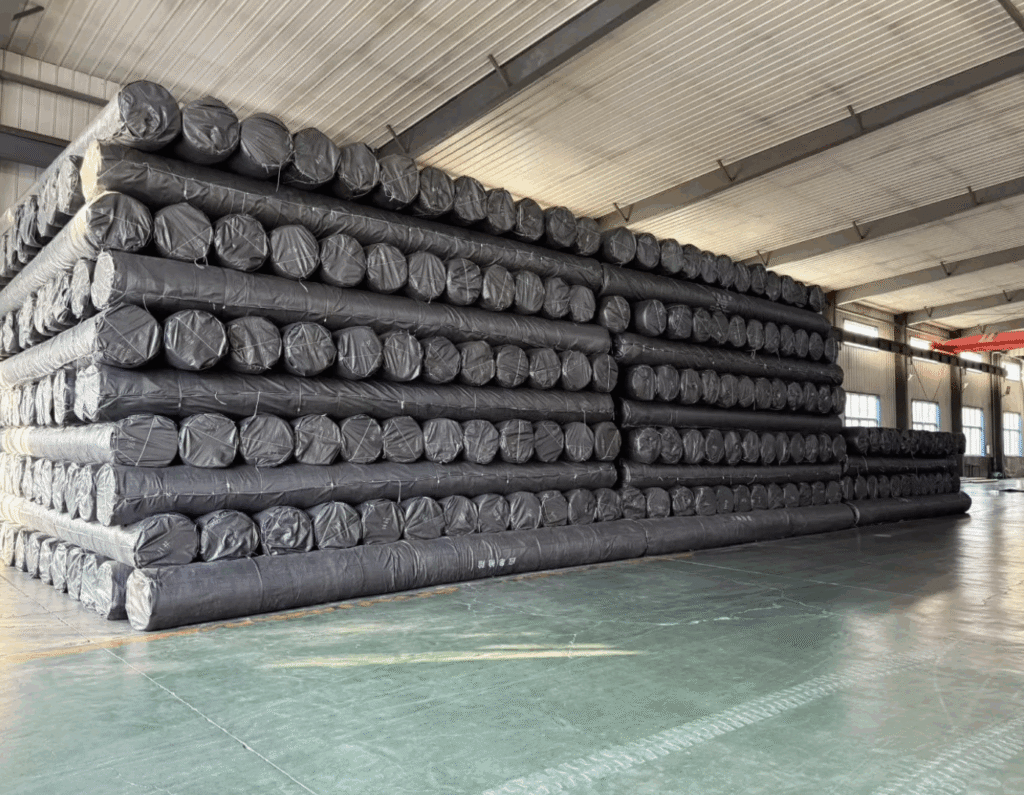
This article provides the latest reference for the average market price of geomembrane liners, conducts an in-depth analysis of the 5 key factors affecting prices, demonstrates cost composition through real cases in two typical application scenarios, and finally offers a practical full-process guide from budgeting to quotation.
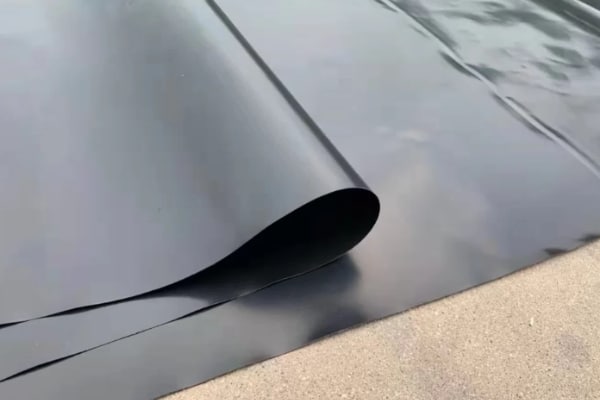
Mainstream Market Prices of Geomembrane Liners
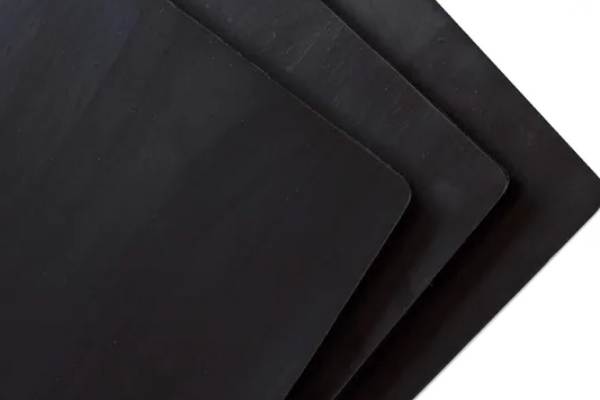
Understanding current market prices is the cornerstone of budgeting. Below are the ex-factory price ranges (in RMB per square meter) of common specifications of geomembranes produced with 100% virgin resin as of early 2025. Note that these prices are dynamically volatile due to fluctuations in international crude oil prices and market supply and demand, and are for reference only. Based on surface treatment methods, smooth geomembranes are the base price, while double-textured geomembranes, with more complex production processes, are typically 20%-35% more expensive than smooth geomembranes of the same specification. They are mainly used in scenarios requiring increased slope friction.
1. HDPE Geomembrane
HDPE geomembranes are the preferred choice for harsh environments such as landfills and chemical anti-seepage projects due to their excellent chemical resistance, high mechanical strength, and long service life. Their prices rise significantly with increasing thickness.
- 0.75mm (approximately 30mil): Market price range is about 7.5 – 9.5 RMB/m². Suitable for anti-seepage projects with moderate durability requirements and good foundation conditions.
- 1.0mm (approximately 40mil): The most widely used specification, with a price range of 9.0 – 12.0 RMB/m². Achieves the perfect balance between performance and cost in projects such as fish ponds, water storage tanks, and artificial lakes.
- 1.5mm (approximately 60mil): Price increases to 14.0 – 18.0 RMB/m². Features extremely high puncture and tear resistance, specifically designed for key projects with complex foundation conditions (e.g., presence of stones) or high design life requirements.
2. LLDPE Geomembrane
LLDPE geomembranes offer excellent flexibility and high elongation, enabling them to better adapt to uneven foundation settlement. They are often used in temporary coverage or projects with complex terrain.
- 0.5mm (approximately 20mil): Economically priced, with a range of 4.5 – 6.5 RMB/m². Ideal for short-term, large-area temporary coverage of municipal solid waste or emergency anti-seepage.
- 1.0mm (approximately 40mil): Price is about 8.0 – 10.0 RMB/m². Its flexibility is superior to HDPE of the same thickness, making it an ideal choice for projects requiring good installation adaptability.
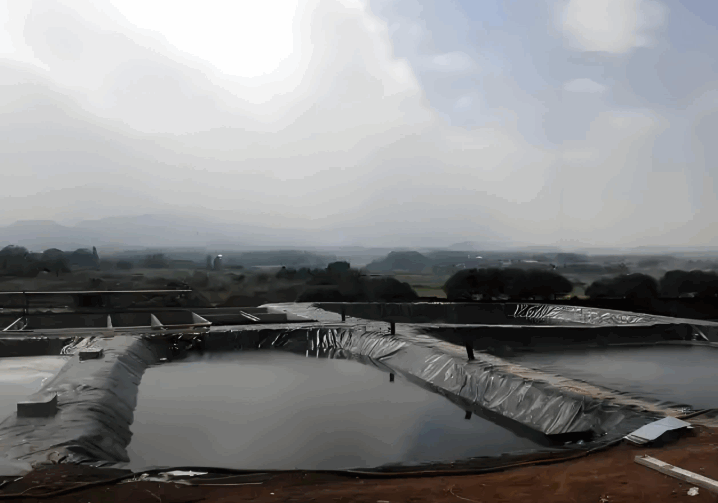
3. PVC Geomembrane
PVC geomembranes are easy to weld and flexible, but plasticizers may migrate under long-term exposure to sunlight, causing the material to become brittle. Therefore, they are mostly used in non-long-term exposure or small-scale projects.
- 0.5mm (approximately 20mil): Market price range is about 6.0 – 8.0 RMB/m². Commonly used in scenarios such as small water pools, roof gardens, and indoor waterproofing.
Important Note: The above prices are reference benchmarks for standard smooth geomembranes. For double-textured geomembranes, a premium must be added to the above prices. For example, the price of 1.0mm HDPE double-textured geomembrane may reach 11.0 – 15.0 RMB/m². When selecting, always determine the surface type based on actual engineering requirements such as slope gradient.
Factors Influencing Geomembrane Liner Prices
Understanding price differences is key to effective price comparison and cost control. Below are the five major factors affecting the final procurement cost of geomembrane liners:
1. Raw Materials and Material Type
- HDPE vs. LLDPE vs. PVC: HDPE has high density and mechanical strength, with the highest raw material cost; LLDPE is flexible and has good stress crack resistance; PVC is highly plastic but prone to plasticizer migration. Different chemical and physical properties directly correspond to different costs and application scenarios.
- Virgin Resin vs. Recycled Material: Geomembranes produced with 100% virgin resin offer stable performance and long service life, but also come with the highest price. Incorporating recycled material significantly reduces costs but sacrifices long-term UV resistance, aging resistance, and mechanical properties, posing engineering risks.
2. Product Specifications and Quality Standards
- Thickness: The most direct factor affecting unit price. Increased thickness means a linear increase in raw material usage, and prices rise almost proportionally.
- Density and Carbon Black Content: High-quality HDPE should have a density of ≥0.94 g/cm³ and a carbon black content of 2%-3% with uniform dispersion. This is crucial for ensuring a UV aging resistance life of over 50 years and is part of the cost composition.
- Certifications and Standards: Products complying with GRI-GM13 (Geosynthetic Research Institute), ASTM standards, or Chinese GB/T 17643 standard undergo rigorous testing and are much more expensive than those without standards or only meeting enterprise standards.
3. Purchase Quantity and Customization Requirements
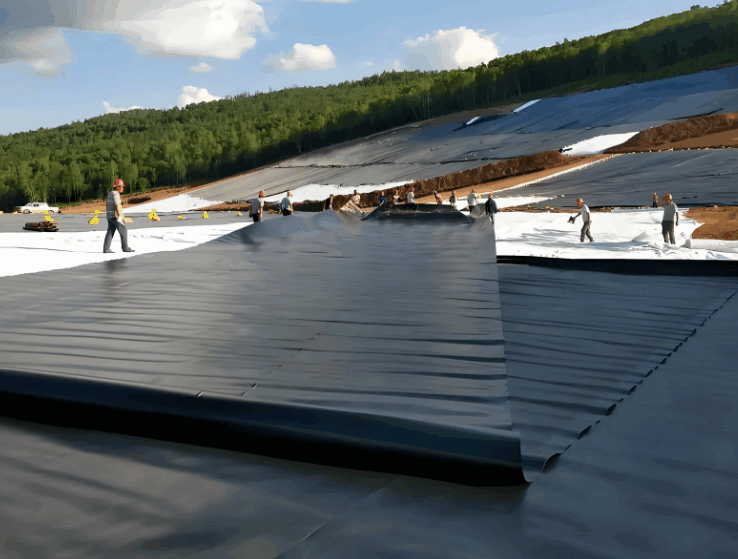
- Economies of Scale: Larger one-time purchase volumes (e.g., over 10,000 square meters) typically result in greater discounts per square meter.
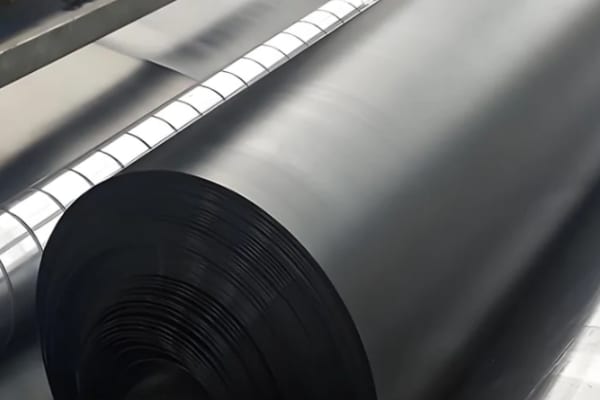
- Width and Length: Standard roll widths are usually 5-8 meters. Requests for extra-wide rolls (e.g., over 8 meters) or specific lengths to reduce on-site welding may involve production line adjustments and additional costs.
4. Transportation and Logistics Costs
Geomembranes are bulky and heavy. The farther the project location is from the production factory or port, the higher the proportion of logistics costs in the total cost. For large-scale projects transported from East China to Northwest China, logistics costs may account for 5%-10% of the material cost.
5. Brand and Supplier Services
International renowned brands (e.g., GSE, AGRU, Solmax) are usually 15%-30% more expensive than domestic high-quality brands due to R&D investment, brand premium, and global service networks. Domestic first-tier brands have advantages in cost-effectiveness and service response speed.
Whether suppliers provide value-added services such as professional technical support, welding training, and on-site guidance will also be reflected in the overall quotation plan.
How to Estimate the Total Cost of Geomembrane Liner Projects
Total Cost ≠ Material Unit Price × Area. Estimate using the following formula:Total Cost ≈ Material Cost + Auxiliary Material Cost + Transportation Cost + Installation and Construction Cost
- Calculate Net Area: Accurately calculate the base area and side area to be covered, adding 5%-10% for waste and overlap allowance.
- Determine Material Specifications: Lock in the material and thickness based on the above cases and project requirements (purpose, service life, foundation conditions).
- Account for Materials and Logistics: Calculate material costs with reference to market prices and consult logistics companies for quotations based on distance.
- Evaluate Installation Costs: Simple laying can be organized in-house; complex projects (large area, steep slopes, high welding requirements) require professional teams, with construction costs typically accounting for 10%-25% of material costs.
Geomembrane Liner Case Studies
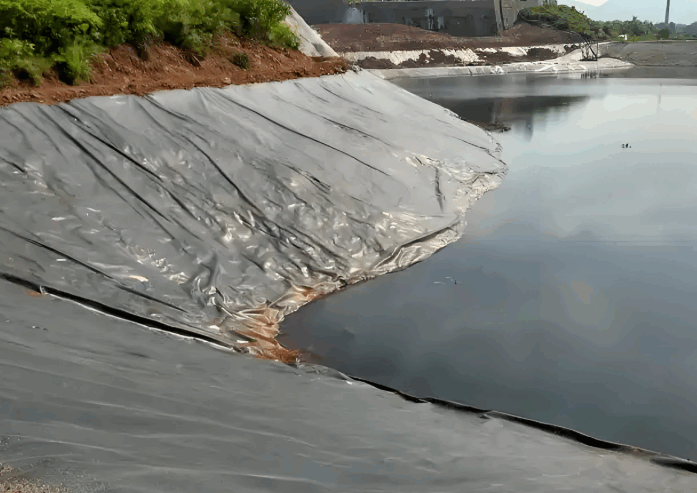
Case 1: Agricultural Irrigation Water Storage Tank (Economical and Practical Type)
Project Overview: A new rectangular water storage tank in North China, China, with an area of 5,000 m², used for storing irrigation water. Budget is limited, requiring a service life of 8-10 years.
Solution Decision:
- Material: 1.0mm virgin HDPE smooth geomembrane. HDPE has a high anti-seepage coefficient (≤1.0×10⁻¹³ cm/s) and UV resistance meeting medium-term service requirements, offering the best cost-effectiveness.
- Why Not LLDPE or Thinner Specifications? LLDPE has slightly weaker long-term UV resistance; thickness less than 1.0mm reduces resistance to uneven foundations during laying, increasing risks.
Cost Breakdown:
- Material Cost: 5,000 m² × 10.5 RMB/m² (mid-range price) = 52,500 RMB
- Supporting Auxiliary Materials (bentonite waterproof blanket cushion, welding rods, etc.): Approximately 4,000 RMB
- Domestic Transportation Cost (within 500 km): Approximately 3,000 RMB
- Estimated Total Material Cost: 59,500 RMB (approximately 11.9 RMB/m²)
Key Insight: For conventional agricultural water conservancy projects, controlling thickness is the most effective lever to balance performance and cost while ensuring the use of virgin resin.
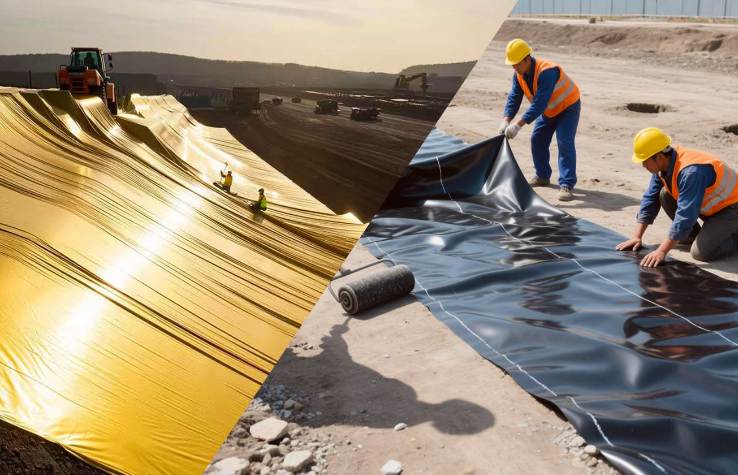
Case 2: Temporary Municipal Solid Waste Coverage Project (Large-Area and Cost-Sensitive Type)
Project Overview: Temporary coverage of a stockpiled municipal solid waste pile for 2 years in a city in South China, with an area of 20,000 m², requiring prevention of rainwater infiltration and dust emission.
Solution Decision:
- Material: 0.5mm virgin LLDPE smooth geomembrane. LLDPE’s excellent flexibility and high elongation enable rapid laying and adaptation to uneven settlement of the waste pile; 0.5mm thickness is sufficient for short-term anti-seepage requirements, minimizing material costs.
Cost Breakdown:
- Material Cost: 20,000 m² × 5.5 RMB/m² = 110,000 RMB
- Auxiliary Materials and Anchoring System: Approximately 7,000 RMB
- Transportation and On-Site Distribution: Approximately 8,000 RMB
- Estimated Total Material Cost: 125,000 RMB (approximately 6.25 RMB/m²)
Key Insight: For short-term, large-area coverage projects, after clarifying performance boundaries, selecting the thinnest specification and most cost-effective material (LLDPE) that meets requirements is key to controlling the total budget.
Geomembrane Liner Purchasing Recommendations
- Reject “Low-Price Only” Mentality: Products far below market prices are likely made with recycled material, reduced thickness, or low carbon black content, leading to premature aging and cracking with significant consequences.
- Request Test Reports: Ask suppliers for third-party test reports for the specific batch of products, focusing on indicators such as thickness, density, carbon black content, and UV resistance.
- Sample Evaluation: For bulk purchases, request samples. High-quality geomembranes feel thick, have neat cuts, are not easily torn, and show minimal surface chalking (carbon black precipitation) when rubbed.
- Assess Supplier Comprehensive Capabilities: Prioritize suppliers that can provide technical solutions, welding guidance, and on-site services over pure traders.
Geomembrane Liner Installation Steps
1. Preparatory Work
Foundation Treatment (Subgrade Preparation)
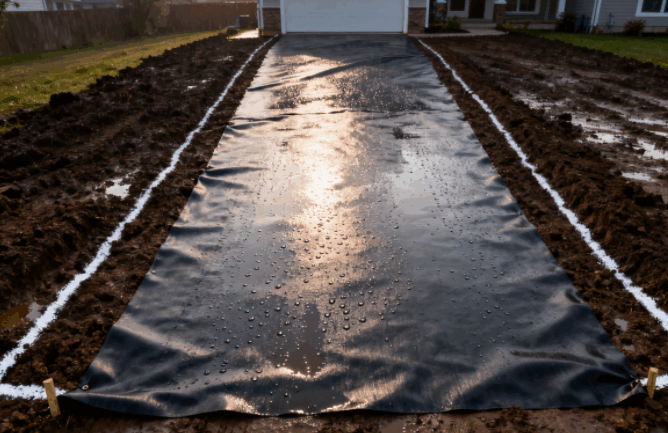
- Cleaning and Compaction: Remove all sharp objects (stones, tree roots, etc.), compact and level the foundation to design requirements. The foundation should be flat, uniform, and with stable slopes.
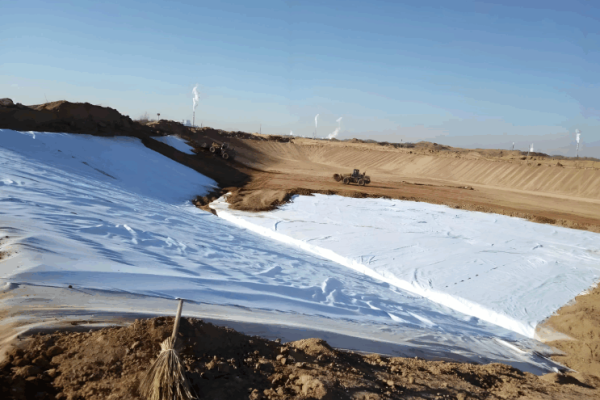
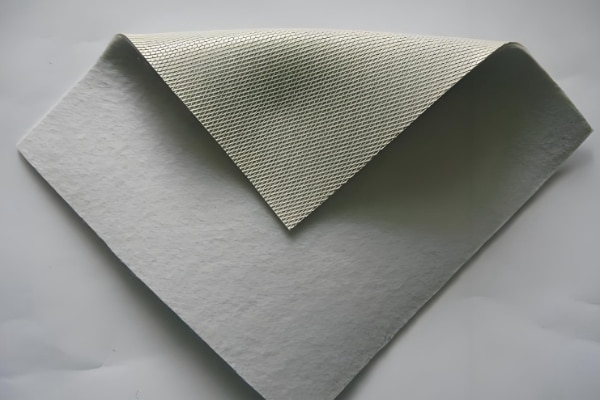
- Laying Protective Layer: Spread a layer of geotextile (non-woven fabric) on the leveled foundation as a protective cushion to prevent geomembrane puncture from uneven foundations and facilitate drainage and ventilation.
Material Acceptance and Storage
- On-Site Inspection: Verify geomembrane specifications (material, thickness), quality certificates, and third-party test reports. Check the appearance of rolls for damage, holes, or impurities.
- Safe Storage: Store rolls on a flat, dry site, avoid long-term exposure to sunlight, and keep away from fire sources and chemicals.
Tool Preparation
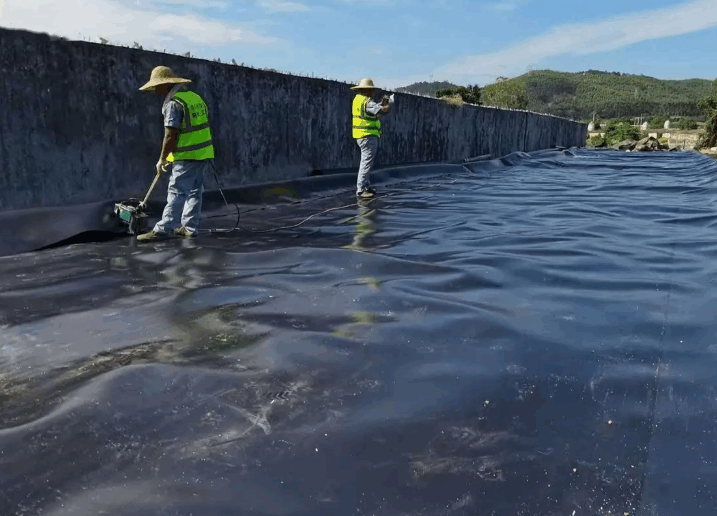
- Core Equipment: Automatic crawler wedge welding machine, handheld hot air welding gun (for complex areas), extrusion welding gun (for repairs and T-joints).
- Auxiliary Tools: Grinder (for cleaning overlap surfaces), sandbags/weight pipes, testing tools (air pressure/vacuum leak detector, spark tester).
2. Core Installation: 5-Step Process
Step 1: Laying
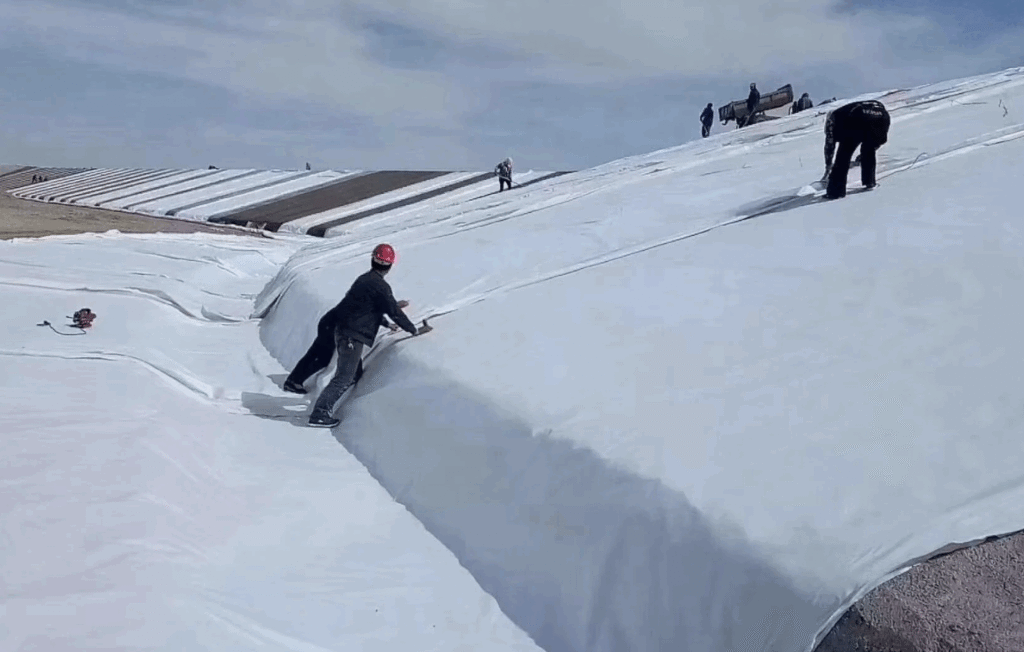
- Plan the laying direction and sequence based on on-site conditions (e.g., slope, wind direction), usually from bottom to top along the slope to facilitate roll unfolding and positioning.
- Unfold rolls manually or mechanically, keeping them naturally loose without forced stretching. Immediately anchor the laid geomembrane with sandbags or weights to prevent displacement by wind.
- Reserve an effective overlap width of 10-15 cm between adjacent rolls.
Step 2: Welding (Critical Process)
- Overlap Surface Cleaning: Thoroughly clean the overlap area (approximately 10cm wide) of dust, moisture, and oil using special abrasive cloth or cleaning agent.
- Test Welding and Parameter Determination: Before formal welding, produce test weld samples (approximately 1 meter long) using the same materials and under the same environmental conditions. Determine the optimal welding temperature, speed, and pressure through shear and peel tests. Test weld samples are qualified if their strength is not less than 80-90% of the base material.
- Formal Welding:
- Main Welds: Use an automatic dual-track wedge welding machine for continuous welding to form two parallel welds with an air pressure leak detection channel in between.
- Complex Areas: Use a hot air welding gun or extrusion welding gun for manual welding in areas inaccessible to automatic welders (e.g., corners, repairs, pipe surroundings) to ensure sealing.
Step 3: Weld Inspection (Core of Quality Control)
- Non-Destructive Testing:
- Air Pressure Test (for Dual-Track Welds): Insert a leak detection needle into the weld cavity, pressurize to 200-250 kPa, and maintain for 5 minutes. A pressure drop of no more than 20% is qualified.
- Vacuum Test (for T-Joints and Repairs): Apply soapy water to the weld, cover with a vacuum hood, and evacuate. No bubbles indicate qualification.
- Spark Test (for Single Welds or Complex Areas): Lay a conductive copper rod on the weld and scan with a spark tester. No spark breakdown indicates qualification.
- Destructive Testing (Sampling by Construction Area or Weld Length):
- Cut weld samples on-site and send them to a laboratory for shear and peel tests to verify mechanical strength.
Step 4: Anchoring and Edge Finishing
- At structural boundaries (e.g., anchor trenches, concrete walls), reserve sufficient length (usually >50cm) of geomembrane, bury it in pre-excavated anchor trenches, and backfill and compact.
- For penetration points with pipes or structures, use special geomembrane water-stop sleeves and sealants for secondary sealing to ensure an integrated closed system.
Step 5: Final Protective Layer Coverage
- After all welds pass inspection, lay the designed protective layer (usually soil or sand-gravel layer) immediately or as soon as possible (within 48 hours is recommended).
- The covering material must be free of sharp edges, and laying equipment shall not drive directly on the exposed geomembrane. The covering process should proceed from the bottom to the top of the slope.
3. Special Notes
- Weather Conditions: Avoid welding in rainy, snowy, windy (wind speed>4 levels), low-temperature (<5°C), or high-temperature environments. If construction is necessary in low temperatures, take preheating and heat preservation measures.
- Weld Requirements: All welds should be continuous, uniform, flat, free of skips, bubbles, or missing points. Cross welds are not allowed at T-joints; use the “base material overlay” method instead.
- Finished Product Protection: Before covering, prohibit irrelevant personnel from stepping on, vehicles from rolling over, or conducting cross-operations that may cause damage to the laid geomembrane.
Conclusion
The final price of geomembrane liners is a comprehensive variable determined by material, specifications, quantity, transportation, and services. From 11.9 RMB/m² for agricultural water storage tanks to 20.3 RMB/m² for high-standard artificial lakes, the price reflects precise engineering needs and cost decisions.
We hope this detailed guide will effectively assist you in advancing your project. If you have more specific questions during the material selection process, feel free to contact us!
References:
- Geosynthetic Research Institute Standards (GRI-GM13/17)
- Source: Geosynthetic Research Institute
- Description: Globally recognized standards for the material properties and testing of HDPE/LLDPE geomembranes, serving as the core basis for assessing product quality.
- American Society for Testing and Materials Standards (ASTM)
- Source: ASTM International
- Relevant Standards:
- ASTM D6693: Standard Specification for Polyethylene Geomembranes.
- ASTM D7408: Standard Test Method for Determination of Surface Roughness of Textured Geomembranes.