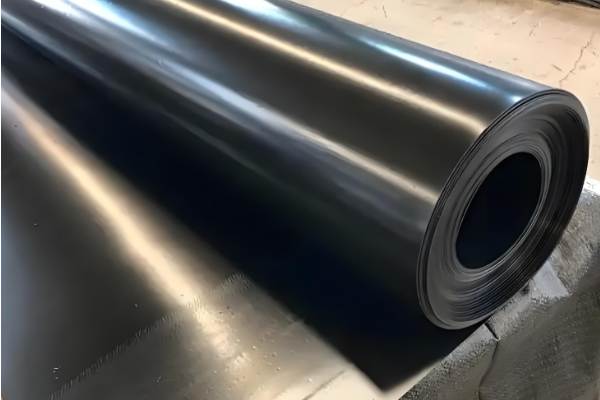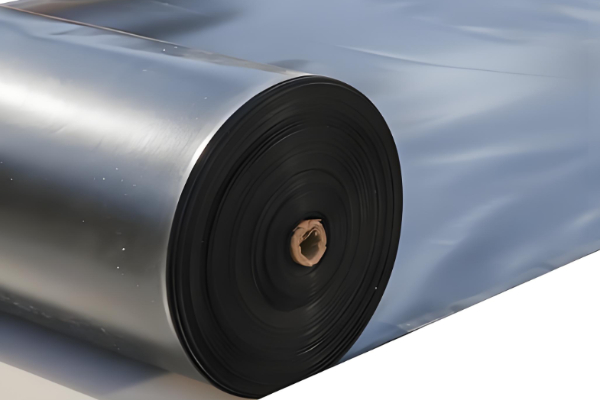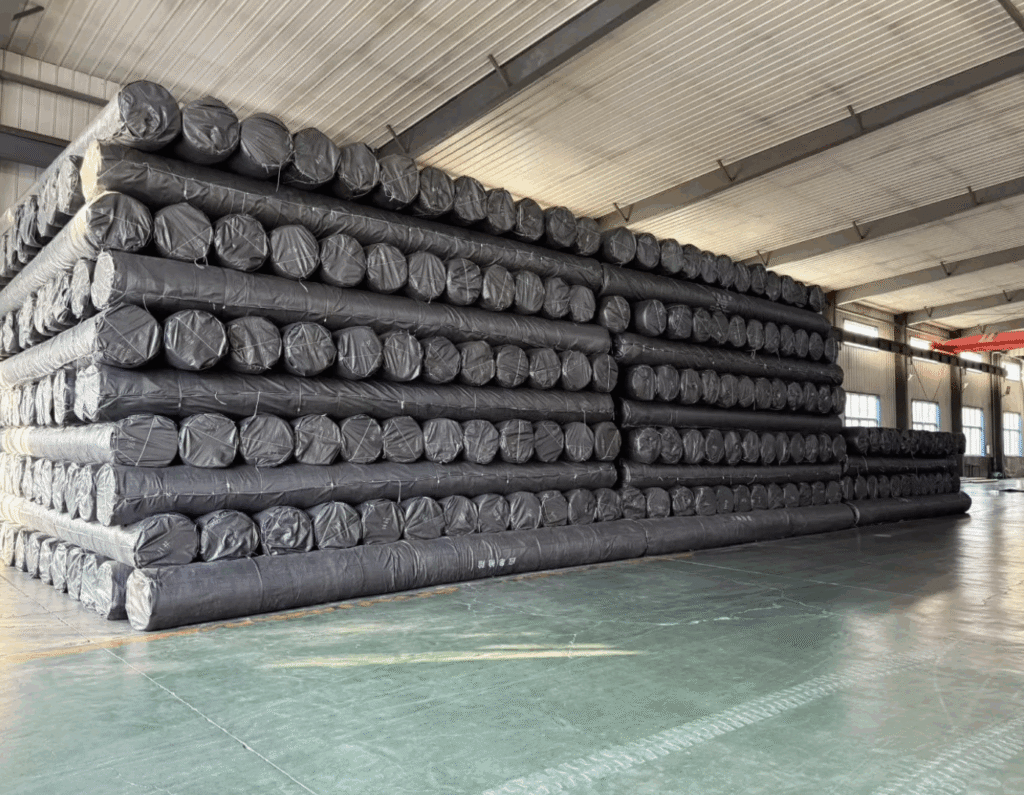
Renowned for its exceptional strength and ease of installation, 300g/m² 4m wide geotextile is widely used in critical projects such as driveways and parking lots. This comprehensive guide delves into its technical specifications, applications, pricing, and purchasing essentials to streamline your procurement process.
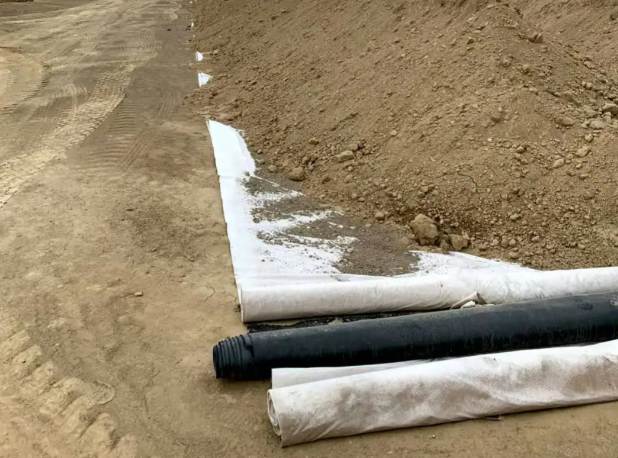
What Does “300g/m²” Geotextile Mean?
Grammage (g/m²) is the core mechanical indicator of geotextiles. Classified as a medium-to-high grammage grade, 300g/m² directly translates to:
- Higher Strength: Boasts excellent tensile strength and CBR puncture resistance to withstand significant pressure and deformation.
- Enhanced Durability: Resists construction damage and long-term aging, ensuring an extended service life.
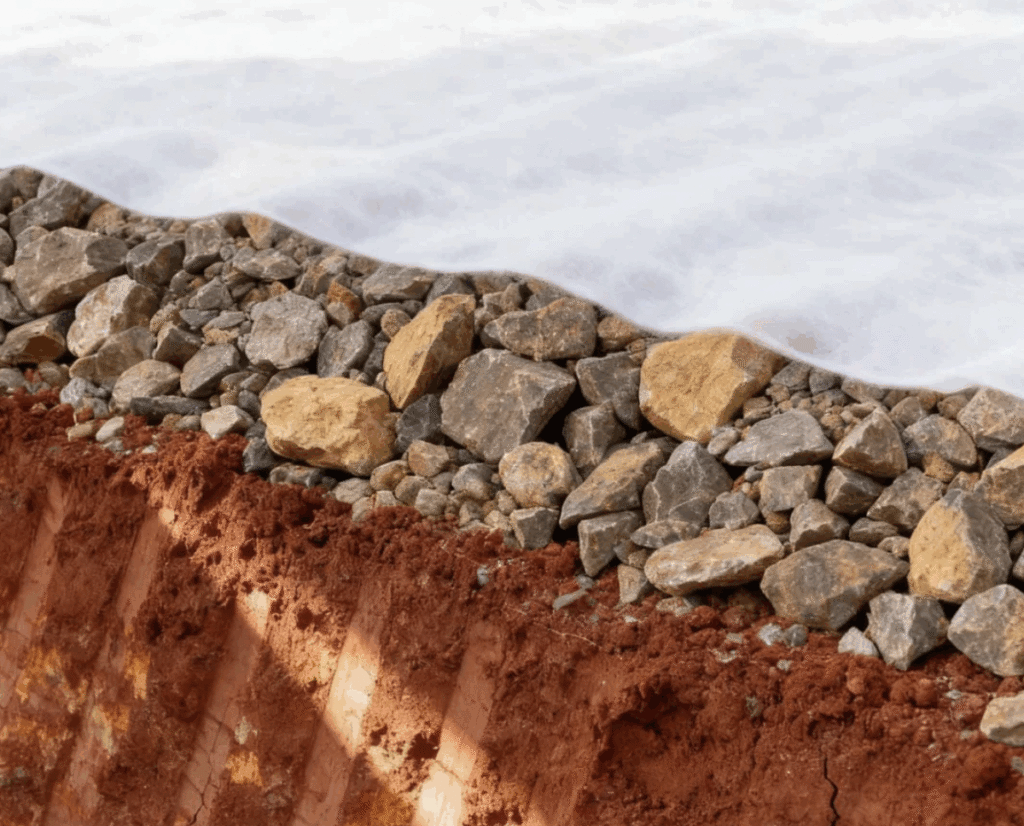
- Superior Separation & Reinforcement: Prevents intermixing of different soil layers (e.g., gravel and soil) to maintain subbase stability.
Quick Comparison:
- 90-120g/m²: Suitable for light-load scenarios like gardens and walkways.
- 200g/m²: Ideal for general driveways.
- 300g/m²: Specifically designed for heavy-load driveways, parking lots, and foundation reinforcement—striking the perfect balance between performance and cost-effectiveness.
If you are purchasing Geotextile Fabric, you can contact us!
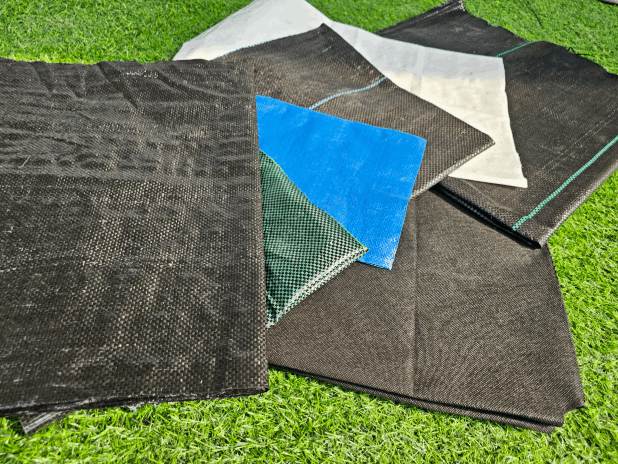
Advantages of 4m Wide Geotextile
A 4m width offers tangible engineering benefits beyond mere dimensions:
- Minimized Seams: Fewer overlaps and stitches during installation save time while enhancing project integrity and anti-leakage performance.
- Improved Construction Efficiency: Enables rapid coverage of large-area projects (e.g., parking lots, massive foundations) to accelerate progress.
- Cost Reduction: Reduces seam processing and material waste, lowering long-term overall costs.
Applications of 300g/m² 4m Wide Geotextile
This specification is the top choice for:
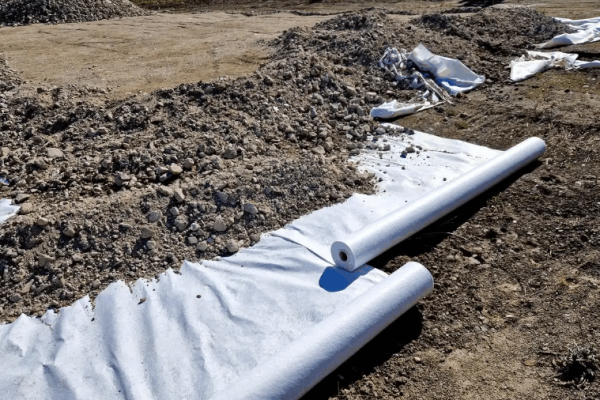
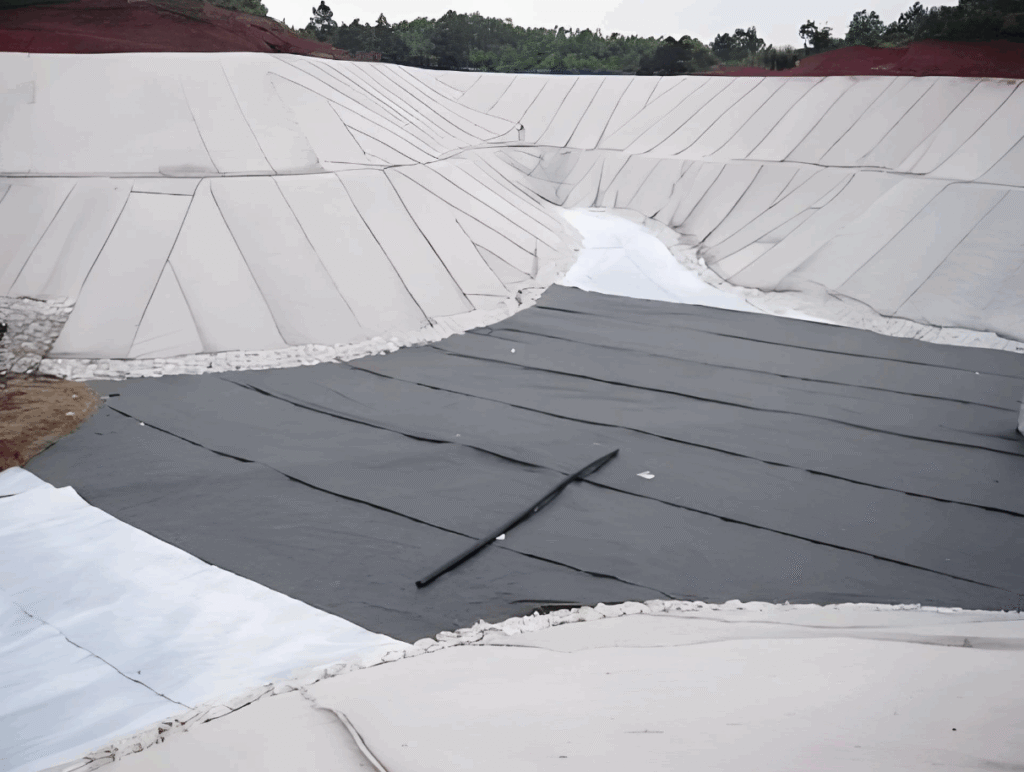
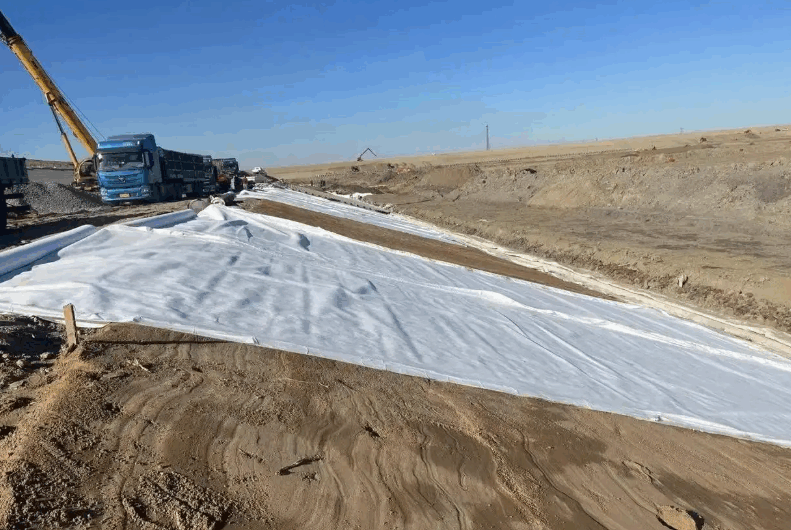
- Driveways & Parking Lots: Acts as a separation layer under gravel subbases to prevent stone settlement and soil upward migration, ensuring a smooth, durable surface.
- Patio & Slab Foundations: Stabilizes substrates to avoid uneven settlement and effectively suppresses weed growth.
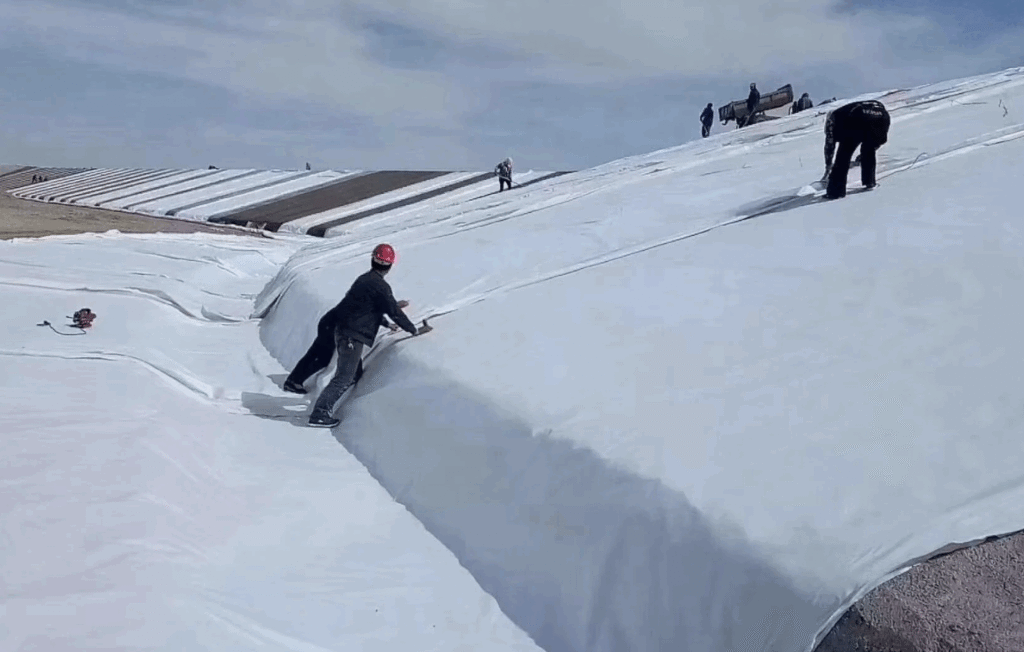
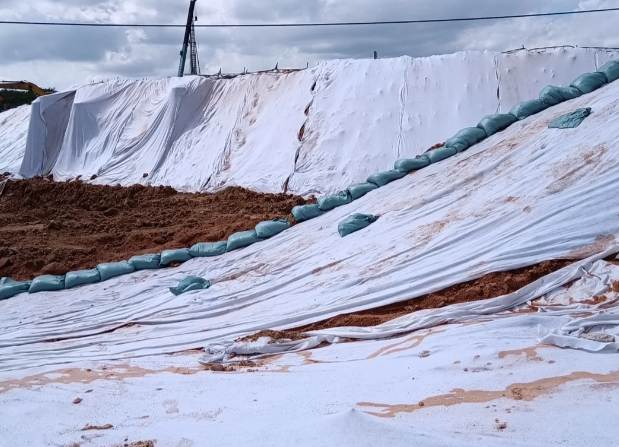
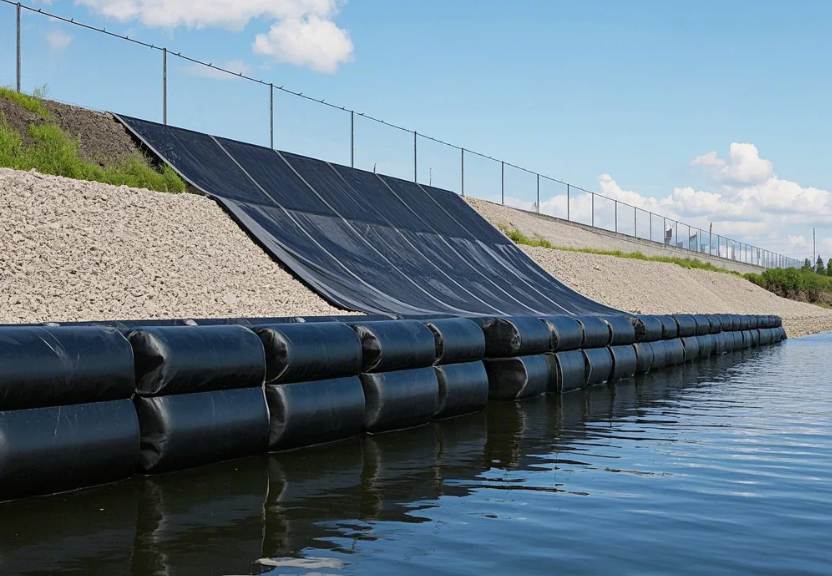
- Unstable Foundation Reinforcement: Used in slope, embankment, and other projects requiring soil reinforcement.
- High-Demand Drainage Systems: Functions as a filter layer to prevent soil particles from clogging drainage pipes.
Buying Guide for 300g/m² 4m Wide Geotextile
Beyond grammage and width, the following parameters are critical for selection:
Material & Type:
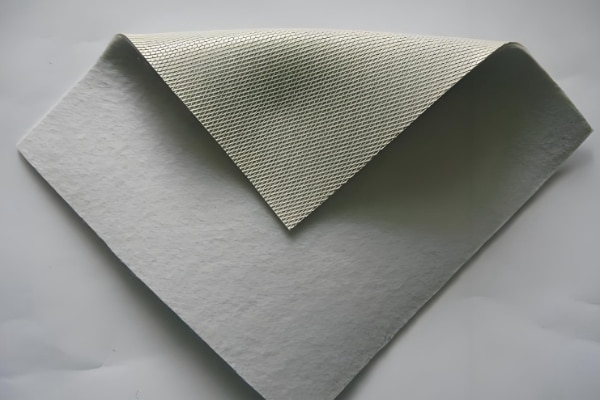
- Non-Woven Geotextile: Most common (felt-like texture) with excellent filtration, drainage, and protection capabilities. The vast majority of 300g/m² geotextiles fall into this category.
- Woven Geotextile: Sack-like structure with ultra-high tensile strength but slightly inferior filtration—primarily used for soil reinforcement.
Key Performance Indicators:
- Tensile Strength: Force resistance per unit width. For 300g non-woven geotextile, longitudinal/transverse tensile strength typically exceeds ≥12 kN/m and ≥11 kN/m, respectively.
- CBR Puncture Strength: Resistance to sharp object penetration. 300g geotextile usually achieves ≥2.5 kN, effectively withstanding gravel punctures.
- Permeability Coefficient: Indicates water permeability—ensures water flows through while retaining soil particles.
300g/m² 4m Wide Geotextile Price
Prices vary significantly by brand, purchase volume, and market fluctuations. Below is an estimated range:
- Unit Price: Approximately RMB 0.80 – 1.80 per square meter.
- Roll Price: A standard roll (4m wide x 50m long = 200㎡) costs roughly RMB 160 – 360.
Recommendation: For bulk purchases, obtain detailed quotes from multiple suppliers.
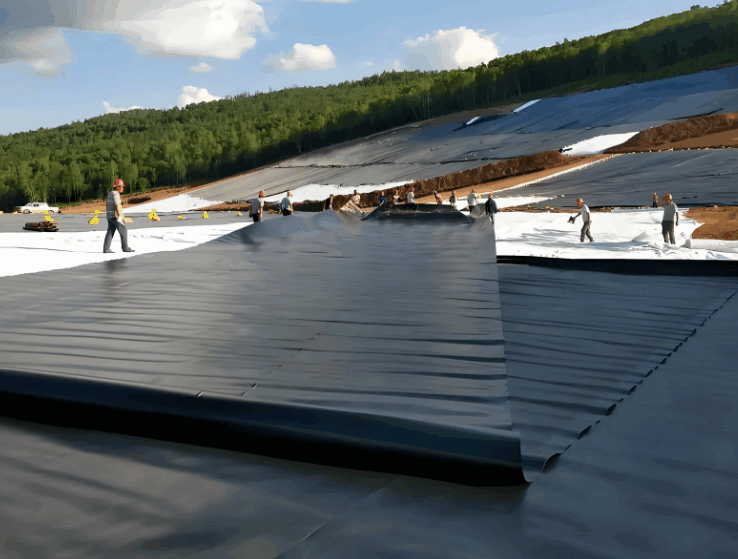
Geotextile Installation Guide
- Site Preparation: Remove sharp debris, level, and compact the soil.
- Geotextile Laying: Spread the geotextile flat with the smooth side up and the rough side down (to increase friction with the soil).
- Overlap Handling: A 30-50cm overlap is recommended for adjacent rolls. For critical areas, use stitching or U-nails for fixation.
- Timely Coverage: Cover with fill material (e.g., gravel) promptly after laying to avoid prolonged exposure to sunlight.
Frequently Asked Questions
Q1: What is the service life of 300g geotextile?
A1: With proper installation and coverage, the design life can exceed several decades. Raw materials (polypropylene or polyester) offer excellent corrosion resistance and biodegradation resistance.
Q2: Can it be used for pedestrian-only walkways?
A2: Absolutely—though it would be “over-specified,” ensuring exceptional durability and long-term performance. However, 200g geotextile may be more cost-effective.
Q3: How to calculate the required quantity?
A3: Formula: Required Area (㎡) = Length (m) x Width (m). Account for overlap and waste by purchasing an additional 5%-10%. For example, a 10m x 20m area (200㎡) requires 210-220㎡ of geotextile.
Reference Sources
- GB/T 17638-2017 “Geosynthetics – Staple-Fibre Needle-Punched Nonwoven Geotextiles”: This is the core national standard for 300g non-woven geotextiles. Definitions and typical value ranges for key parameters like grammage, thickness, tensile strength, elongation at break, and CBR burst strength are based on the requirements for medium-to-high grammage products outlined in this standard.
- GB/T 17639-2008 “Geosynthetics – Filament Spunbond Needle-Punched Nonwoven Geotextiles”: Used as a supplementary reference for parameters related to filament geotextiles.