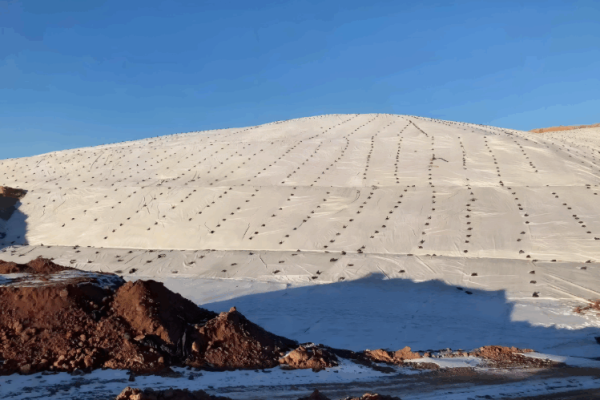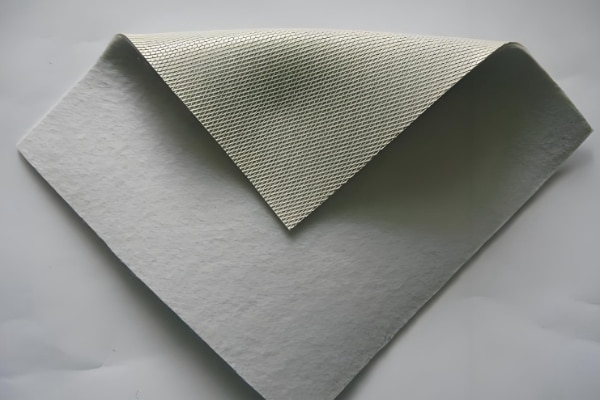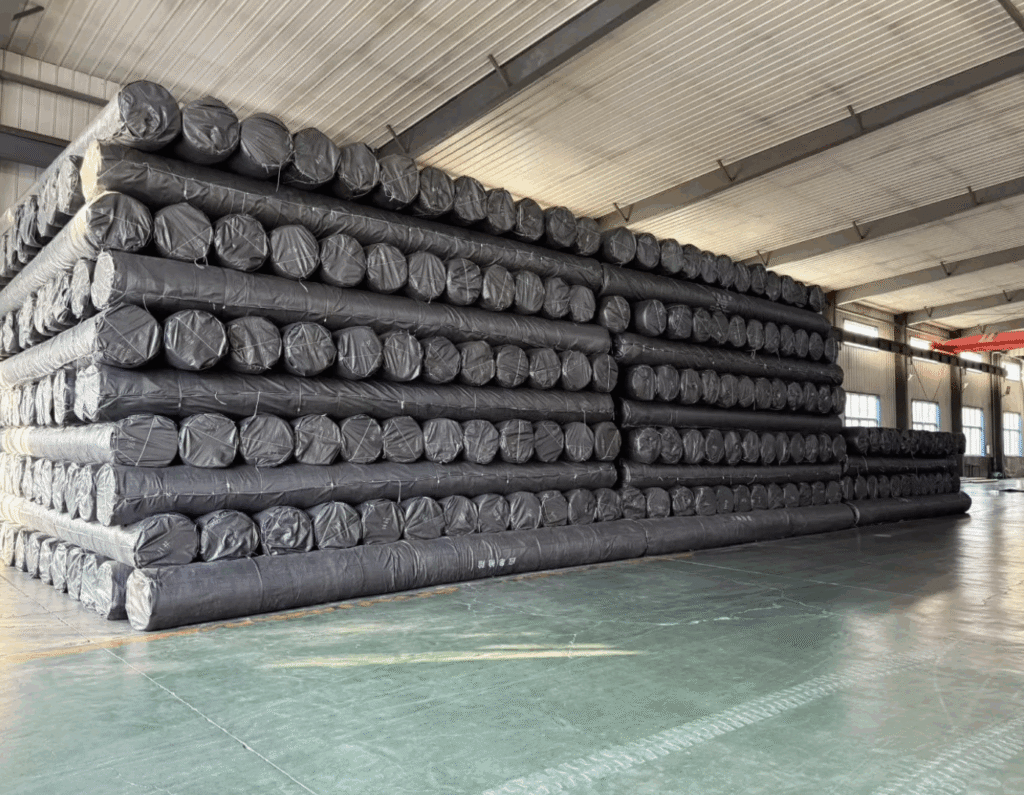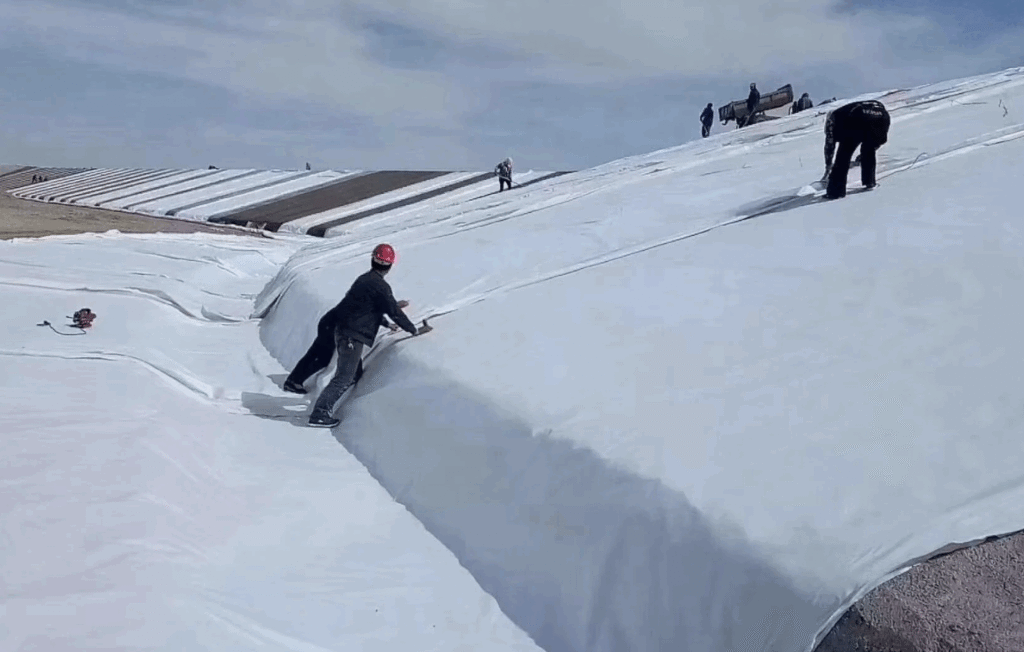
In garden maintenance, problems like overgrown weeds, soil erosion, and poor drainage are often frustrating. As a versatile synthetic material, garden geotextile fabric can solve these pain points simultaneously, becoming the preferred choice for gardening enthusiasts and landscape professionals. This article comprehensively answers questions about geotextile fabric’s applicability in gardening, core values, differences from similar products, and usage methods, helping you easily create a low-maintenance, high-quality garden.
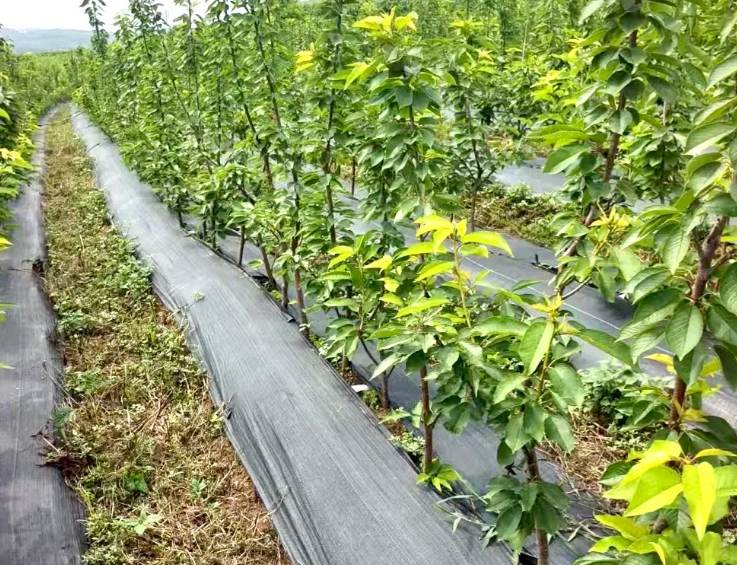
What is a Geotextile Fabric in the Garden?
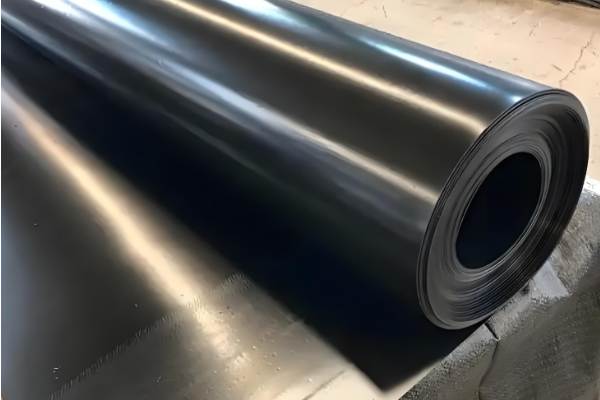
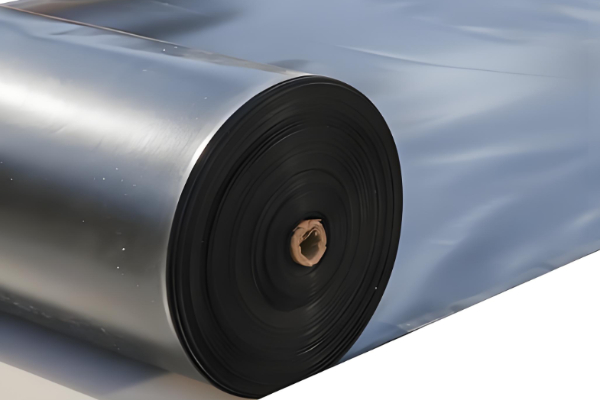
Geotextile fabric in the garden is a permeable synthetic fiber material made from polypropylene (PP) or polyester (PET). It is specifically designed to solve gardening issues such as weed control, soil protection, and drainage optimization, serving as a practical tool for low-maintenance gardens.
Core Key Information
- Essential Properties: A breathable and water-permeable synthetic fabric, divided into two main types (woven and non-woven). It meets gardening safety standards and is harmless to plants.
- Core Functions: Physically blocks weed growth, prevents soil erosion, improves drainage to avoid root rot, retains soil moisture, and protects the structural stability of garden paths/slopes.
- Garden Adaptability: Suitable for various scenarios including home flower beds, vegetable gardens, and landscape slopes. Different weights (100-600g/m²) correspond to different uses. After installation, it should be paired with mulch to extend its service life.
Can Geotextiles Be Used for Gardening?
The answer is a resounding yes—geotextile fabric is fully suitable for gardening scenarios and is an industry-proven high-efficiency material. Made from polypropylene (PP) or polyester (PET) through processes like spunbonding and needle punching, it meets the safety standards for gardening applications specified in the “Technical Code for Application of Geosynthetic Materials” (GB50290-2014).
From small home flower beds and vegetable gardens to large-scale landscape projects, geotextile fabric has mature applications. Its food-grade material contains no harmful substances and will not pollute the roots of vegetables and flowers, making it safe for use even in organic gardening. In urban park flower bed projects, 300g/m² filament geotextile fabric has become a standard configuration for seepage prevention, reverse filtration, and weed suppression, with numerous cases of laying total areas exceeding 850 square meters.
Recommended Reading: What is the Best Weed Barrier for Gardens?
Why Use Geotextile Fabric in Gardens?
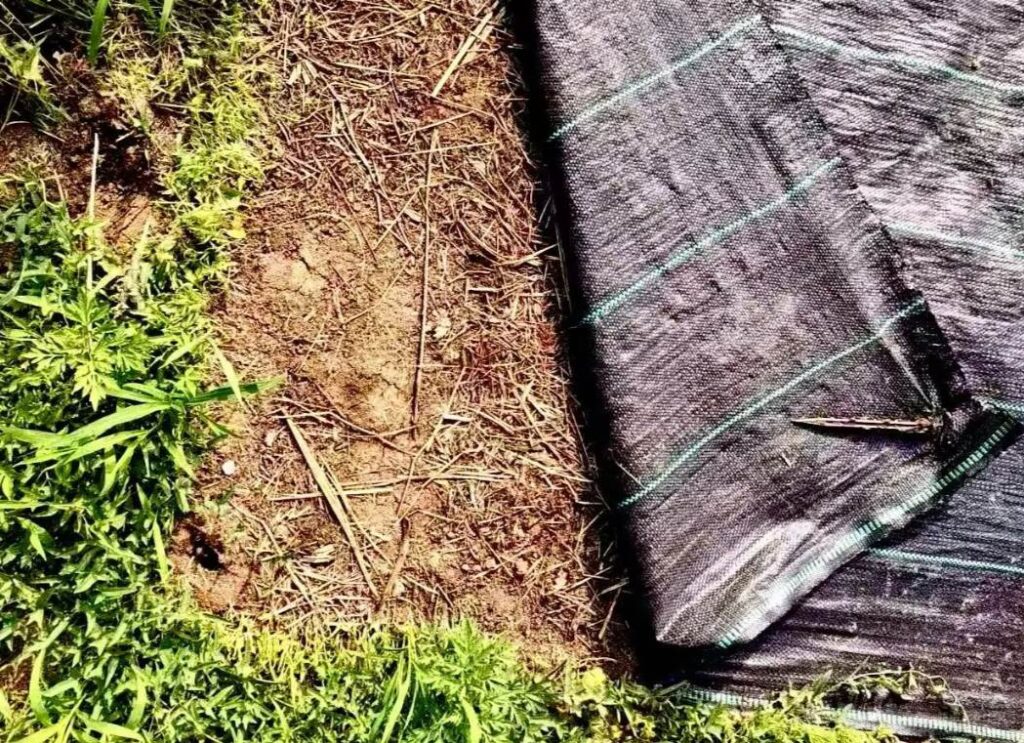
1、Efficient Weed Control
Geotextile fabric physically blocks weed photosynthesis, reducing weed growth by over 90% without the need for frequent herbicide spraying or manual weeding, significantly lowering maintenance costs. Compared to traditional weeding methods, it saves more than 50% of gardening time, especially suitable for large gardens or scenarios with limited maintenance.
2、Optimized Soil Ecological Environment
Its excellent water permeability (vertical permeability coefficient of 1×10⁻²~1×10⁻¹cm/s) can quickly drain stagnant water to avoid plant root rot, while retaining soil moisture and reducing watering frequency by 30%. In easily erodible soils such as sandy loam, it can effectively prevent soil erosion and protect the integrity of the soil structure.
3、Enhanced Landscape Durability
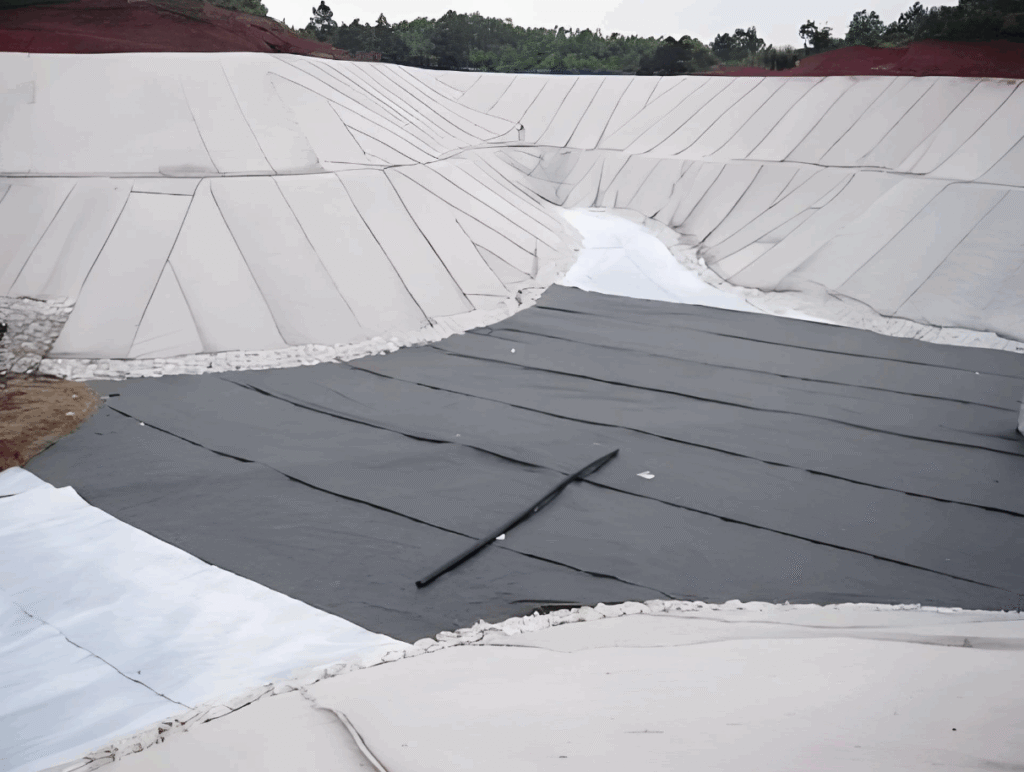
Geotextile fabric laid under paths, driveways, or slopes can enhance the bearing capacity of the foundation, prevent gravel and soil displacement, and extend the service life of landscape facilities. For example, in sloped gardens, the combination of geotextile fabric and vegetation can increase the anti-sliding safety factor to 1.35, effectively avoiding landslide risks.
4、Eco-Friendly & Economical
It reduces the use of chemical herbicides and environmental pollution, and some biodegradable models can naturally integrate into the soil. Although the initial investment is higher than that of plastic film, its service life is 3-10 years. In the long run, it can save costs such as mulch replacement and soil remediation, offering better cost-effectiveness.
What is the Best Geotextile Fabric for Gardens?
Woven vs Non-Woven
- Woven geotextile fabric: Made of polypropylene flat yarns through weaving, it has high tensile strength (≥10kN/m), suitable for heavy-duty scenarios such as garden driveways and gravel paths, capable of withstanding vehicle or frequent foot traffic pressure.
- Non-woven geotextile fabric: Produced through needle punching, it has stronger permeability and a soft texture, suitable for regular gardening scenarios like flower beds, planting areas, and vegetable gardens, with a more affordable price.
Weight & Specification Selection Guide
- Lightweight (100-200g/m²): Suitable for flower pots and small flower beds, thin and easy to cut, ideal for temporary planting projects.
- Medium-weight (300-400g/m²): Universal gardening grade, with tensile strength ≥8kN/m and CBR puncture strength ≥1.8kN, suitable for most flower beds, paths, and vegetable gardens.
- Heavyweight (500-600g/m²): High-strength grade, puncture-resistant and aging-resistant, suitable for long-term use scenarios such as slope reinforcement and driveway paving.
Special Functional Types
- Biodegradable geotextile fabric: Made of jute, coconut fiber, or bio-based materials, suitable for temporary planting or organic gardening to avoid environmental residues.
- UV-resistant geotextile fabric: Added with UV stabilizers, complying with ASTM D676-18 standards, with a service life extendable to over 8 years when used outdoors.
What’s the Difference between Geotextile and Landscape Fabric?
| Comparison Item | Geotextile Fabric | Landscape Fabric |
|---|---|---|
| Core Material | Polypropylene/polyester synthetic fibers (woven/non-woven) | Polypropylene + non-woven coating |
| Tensile Strength | ≥8kN/m (medium-weight) | ≤5kN/m |
| Main Functions | Weed suppression, drainage, reinforcement, erosion control | Primarily weed suppression and aesthetics |
| Service Life | 3-10 years | 1-3 years |
| Suitable Scenarios | Complex gardening needs (driveways, slopes, planting areas) | Small flower beds, potted plants, light-load areas |
| Price Range | Higher (3-8 yuan/㎡) | Lower (1-3 yuan/㎡) |
In simple terms, geotextile fabric is an “engineering-grade” material that balances versatility and durability; landscape fabric is a “lightweight gardening-grade” material focusing on basic weed control and aesthetics, suitable for simple scenarios.
Recommended Reading: What is the Best Landscape Fabric?The 3 Best Landscape Fabrics
Common Alternatives to Geotextile Fabric
If you find geotextile fabric unsuitable for your project, consider these options:
- Organic mulch: Such as wood chips, bark, or shredded leaves. This is the most eco-friendly choice. It improves soil quality, retains moisture, and naturally suppresses weeds (requires regular replenishment).
- Cardboard: An extremely environmentally friendly and effective short-term weed control method. Lay unwaxed cardboard on the ground, wet it thoroughly, and cover with mulch. It will decompose within a few months.
- Thick gravel layer: Directly lay a 10-15 cm thick layer of gravel. It can effectively suppress weeds even without geotextile fabric, but is only suitable for pure hardscape areas.
Geotextile Fabric for Garden Buying Guide
Price Range Reference
- Lightweight (100-200g/m²): 1.5-3 yuan/㎡, suitable for temporary projects.
- Medium-weight (300-400g/m²): 3-5 yuan/㎡, universal gardening grade with the highest cost-effectiveness.
- Heavyweight (500-600g/m²): 5-8 yuan/㎡, suitable for heavy-duty scenarios.
- Biodegradable geotextile fabric: 8-12 yuan/㎡, environmental priority choice.
Key Purchasing Points
- Check test reports: Confirm that the product complies with GB/T 17638-2017 or GB/T 17639-2008 standards, focusing on parameters such as tensile strength and permeability coefficient.
- Appearance inspection: Choose products without damage, odor, and neat edges, avoiding inferior products with insufficient grammage.
- Brand selection: Prioritize qualified manufacturers such as Oriental Yuhong and VEVOR for more reliable product quality.
Purchase Quantity Suggestion
Increase the loss quantity by 10%-15% based on the actual laying area. For example, a 100㎡ garden requires purchasing 110-115㎡ of geotextile fabric to avoid material shortage due to cutting errors.
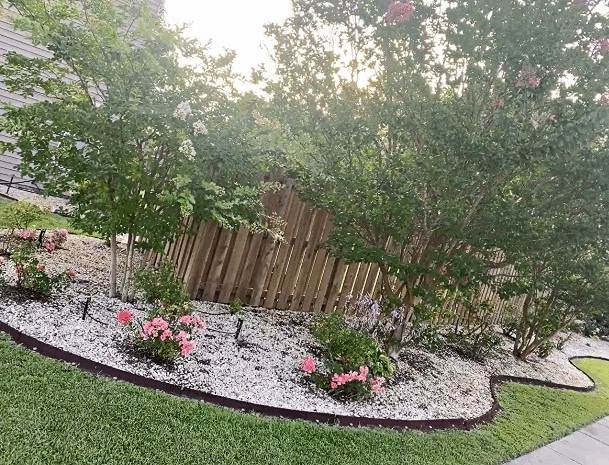
Geotextile Fabric for Garden Installation Guide
Step 1: Site Preparation
Clear weeds, stones, and construction waste from the area, and compact the soil in layers (each layer thickness ≤300mm) to ensure a flat base with a flatness error within ±20mm. For flower beds or planting areas, reserve a drainage slope of ≥2% to avoid stagnant water.
Step 2: Measurement & Cutting
Layout and design according to the site size to minimize the number of seams. For rectangular areas, cut integrally according to “bottom + slope”; for circular areas, use fan-shaped block splicing. When cutting, reserve 10% allowance to avoid damage due to stretching during laying.
Step 3: Laying & Fixing
- Laying direction: The long side should be parallel to the terrain slope or path length, laying from low to high.
- Overlap treatment: The overlap width of adjacent geotextile fabric should be ≥400mm. Fix the seams with U-shaped nails in a plum-blossom pattern (spacing 1m) or weld with a hot air welding machine (temperature 180-220℃) to ensure no room for weeds to grow.
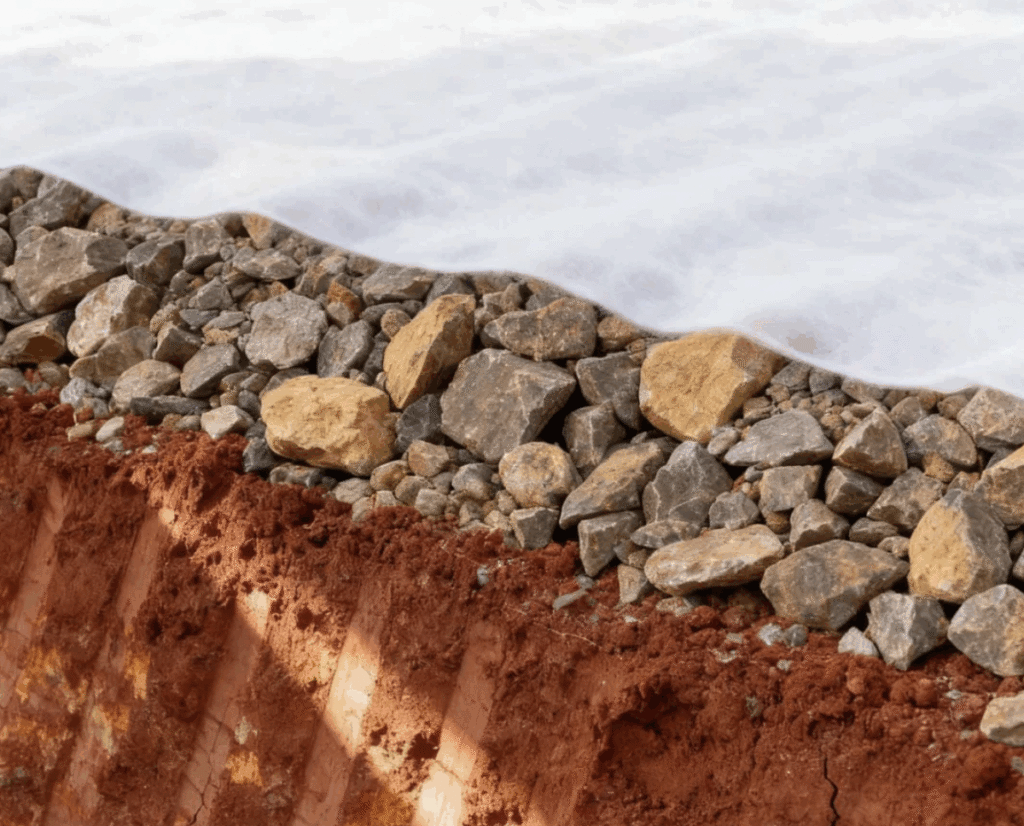
- Edge anchoring: Dig a 300mm×300mm anchoring trench at the edge of the area, fold back the edge of the geotextile fabric, and backfill with plain soil for compaction to prevent edge lifting.
Step 4: Mulching & Planting
- Planting areas: Cut cross-shaped holes in the geotextile fabric (hole diameter slightly larger than the plant roots), place the plants, and backfill with soil.
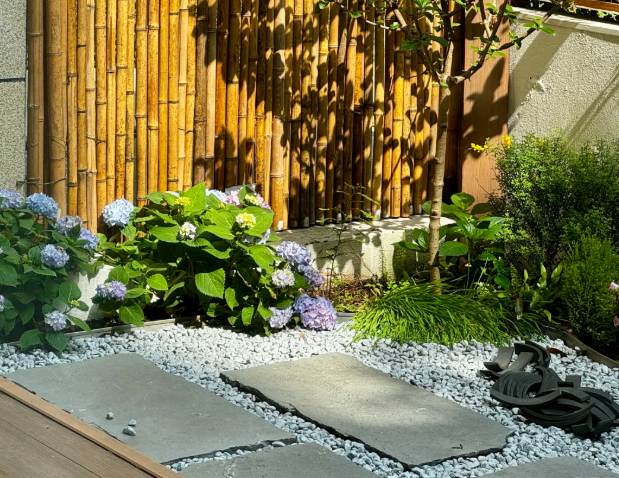
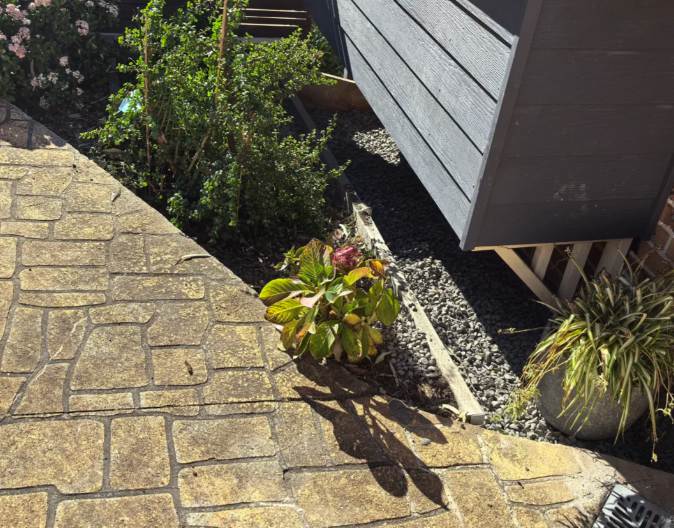
- Non-planting areas: Lay 5-10cm of gravel, wood chips, or decorative mulch to enhance weed control effects and aesthetics.
Common Problem Solutions
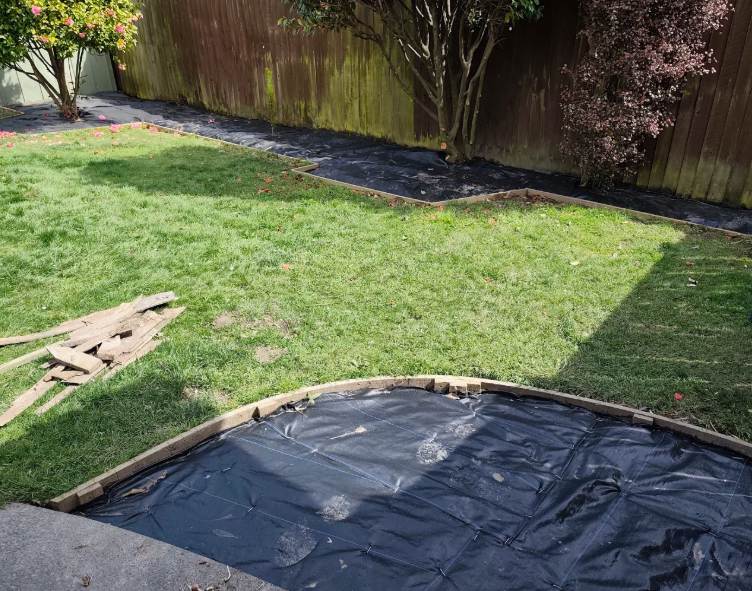
- Irregular areas: Adopt piecewise cutting and block-by-block splicing to ensure each piece of fabric fits the terrain without suspension.
- Sharp object protection: Clear sharp debris such as gravel and glass from the soil before laying to avoid puncturing the geotextile fabric.
Conclusion
Garden geotextile fabric is a versatile material integrating weed control, soil protection, and landscape reinforcement, especially suitable for users pursuing low-maintenance, high-quality gardens. When selecting, match the type and specification according to the usage scenario, install standardizedly, and perform daily maintenance to give full play to its advantages.
Reference Sources
- ASTM D4439-16 Standard Terminology for Geosynthetics
- A terminology standard recognized by the International Geosynthetics Society (IGS), defining and classifying “geotextile”.
- ASTM D6767-18 Standard Test Method for Pore Size Characteristics of Geotextiles by Capillary Flow Test
- Specifies the standard procedure for measuring geotextile pore size using the capillary flow test method, ensuring water permeability and filtration performance meet requirements.
- ASTM D4491-16 Standard Test Method for Water Permeability of Geotextiles
- Clarifies the standard method for determining geotextile water permeability through permeability rate, with a vertical permeability coefficient range of 1×10⁻²~1×10⁻¹cm/s.