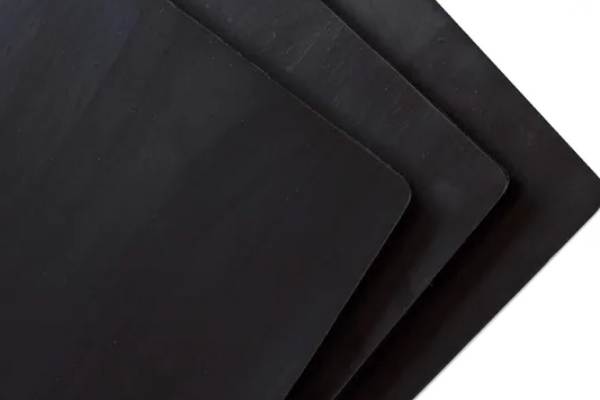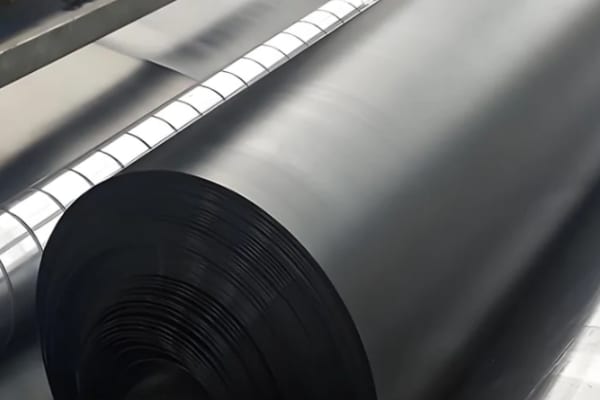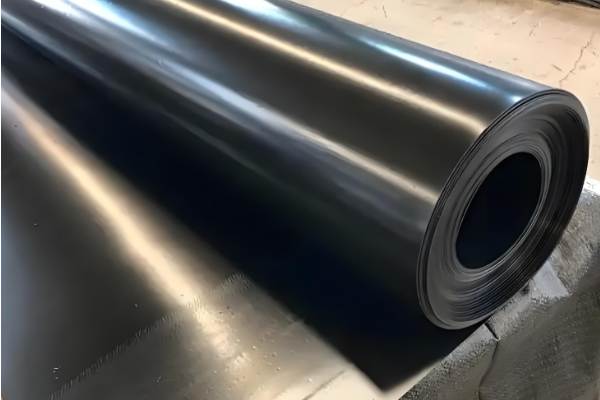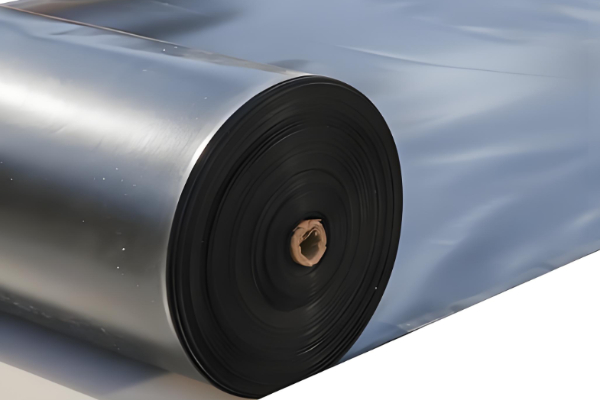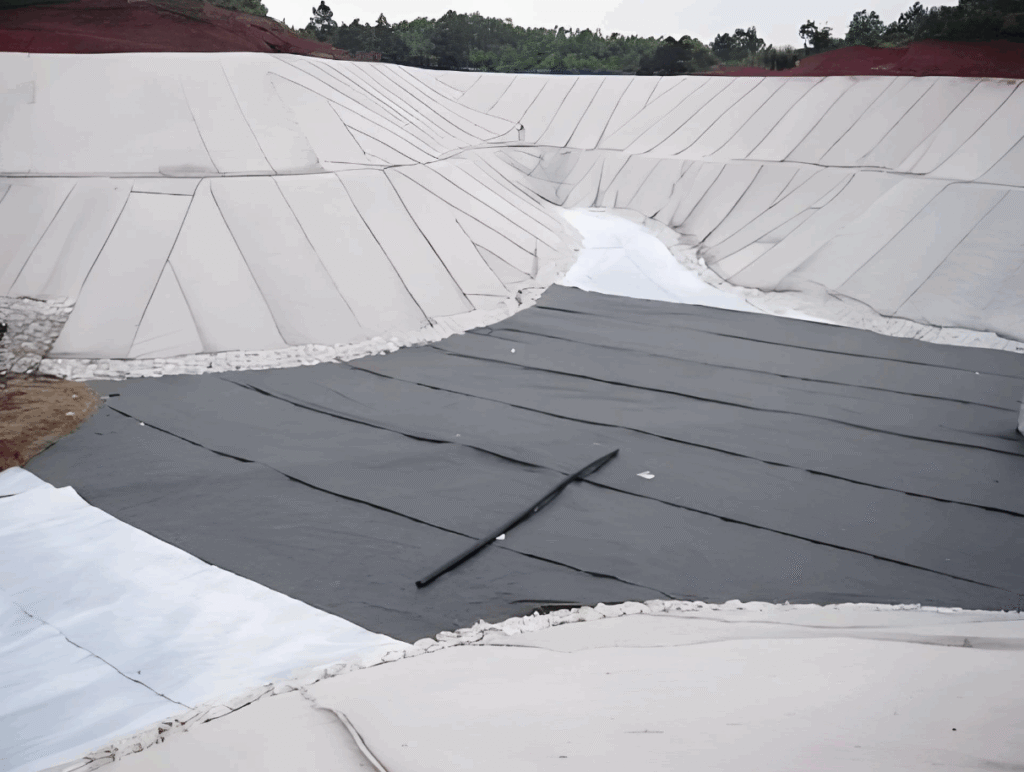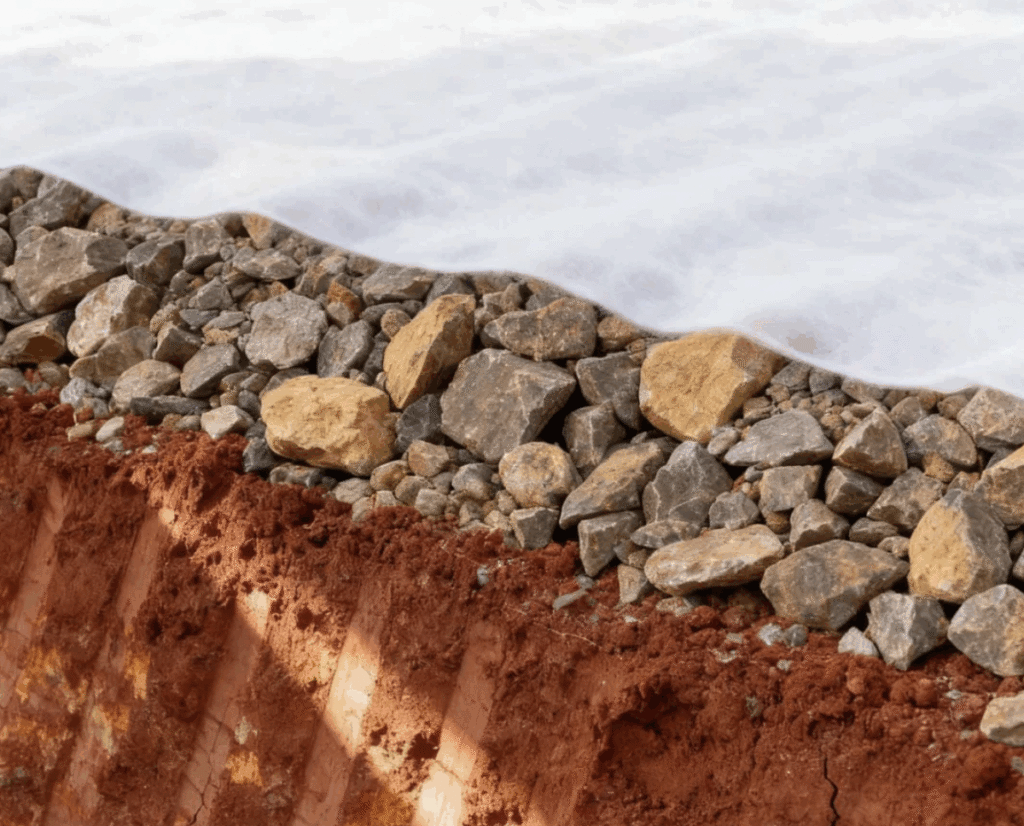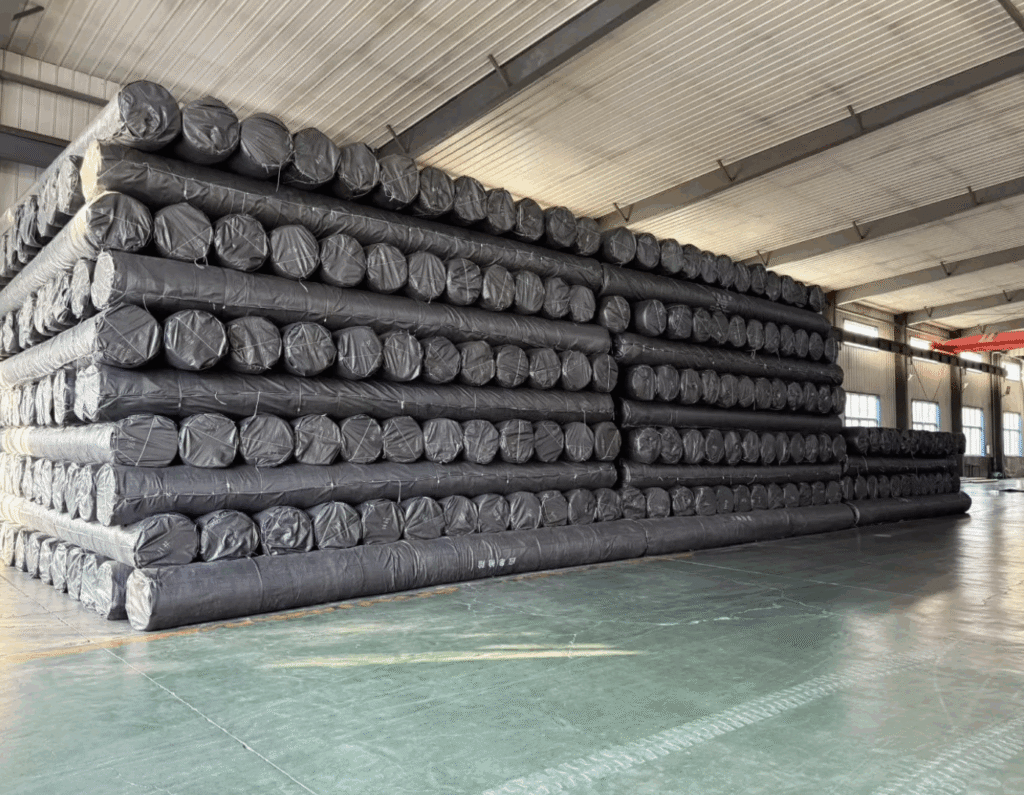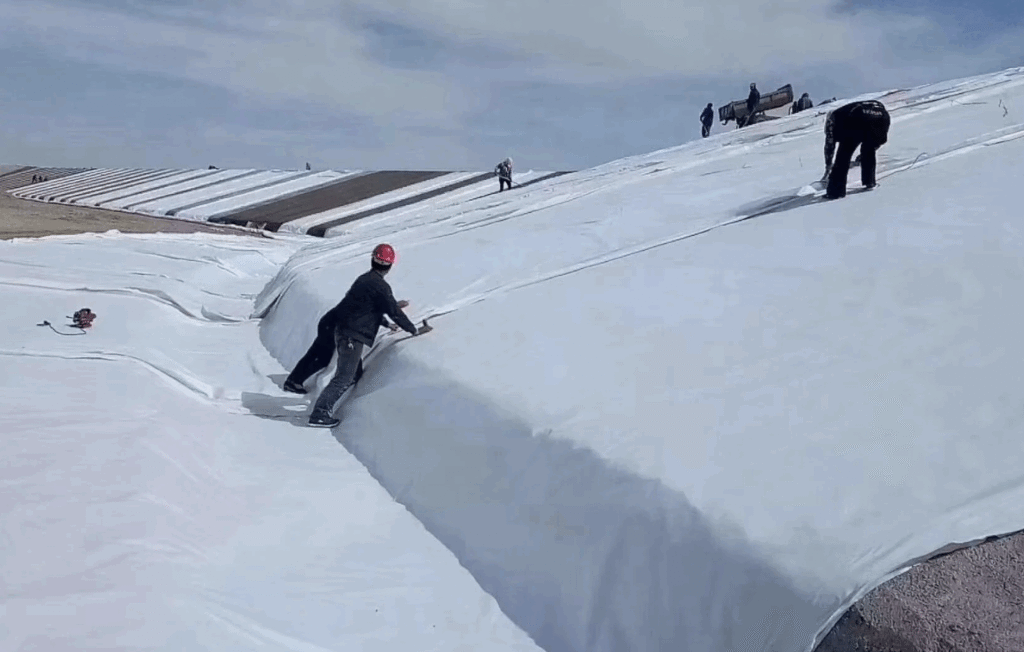
For households or commercial establishments with independent septic systems, clogging, poor drainage, and high maintenance costs are common problems. Data shows that over 60% of septic system failures stem from leach field clogging, a problem that can be effectively resolved through the proper use of geotextile fabric. Though unassuming, geotextile fabric plays a crucial role in filtration, drainage, and clog prevention in septic systems, acting as an “invisible guardian” that extends the system’s service life.
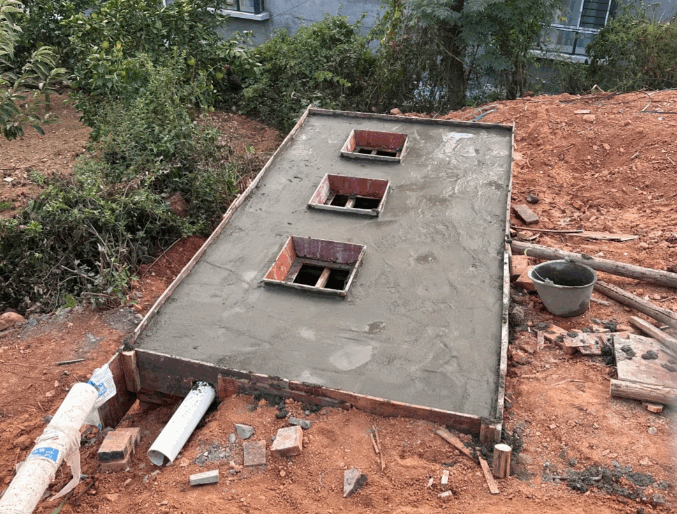
I. Why Do Septic Systems Need Geotextile Fabric?
1.1 Core Functions: Filtration, Drainage and Clog Prevention
The leach field of a septic system is the key component for sewage purification. Its core principle relies on the infiltration of gravel layers and soil to achieve natural sewage treatment. However, during long-term use, fine soil particles and sediment tend to enter the gravel layer with water flow, gradually clogging the pores. This leads to a significant drop in drainage efficiency, which in turn causes issues such as septic tank overflow and sewage backflow.
Geotextile fabric precisely addresses this pain point: its fibrous pore structure effectively blocks fine soil particles, sediment, and other impurities from entering the gravel layer and drainage pipes, while ensuring unimpeded sewage infiltration and maintaining the patency of drainage pores. In addition, a smooth drainage environment reduces the breeding of anaerobic bacteria, preventing biofilm formation caused by bacterial accumulation that can clog the leach field, thus ensuring the purification efficiency of the septic system.
1.2 Extending System Service Life and Ensuring Compliance
The use of high-quality geotextile fabric can extend the maintenance cycle of septic systems from 3–5 years to 8–10 years, significantly reducing maintenance costs. Traditional septic systems often require frequent cleaning of the leach field and replacement of gravel due to clogging issues, which not only consumes substantial manpower and material resources but also risks secondary pollution to the surrounding soil environment. After laying geotextile fabric, impurities are effectively intercepted, and the service life of the leach field can be more than doubled.
Meanwhile, in the design and construction specifications of septic systems in many regions, the use of geotextile fabric has become a recommended or even mandatory requirement. Geotextile fabric that meets industry standards can help your septic system pass compliance inspections, avoiding the risk of rectification due to non-compliance.
1.3 Typical Application Scenarios
The application of geotextile fabric in septic systems is not limited to a single scenario; it is mainly suitable for the following core scenarios:
- Leach Fields: This is the primary application scenario for geotextile fabric. Laid between the leach field soil and gravel layer, its core function is to filter impurities.
- French Drains: Used in the drainage system around septic tanks to prevent rainwater accumulation from soaking the leach field and improve overall drainage efficiency.
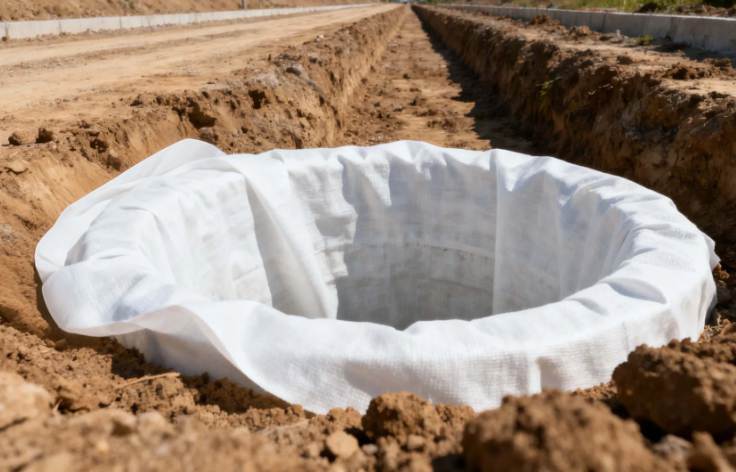
- Septic Tank Drainage Trenches: Laid inside the drainage trenches between the septic tank outlet and the leach field to protect drainage pipes from clogging by soil particles.
- Drainage Systems Behind Retaining Walls: When retaining walls are installed around septic tanks, geotextile fabric can be used in conjunction with drainage pipes to prevent soil from clogging drainage channels and enhance the stability of the retaining walls.
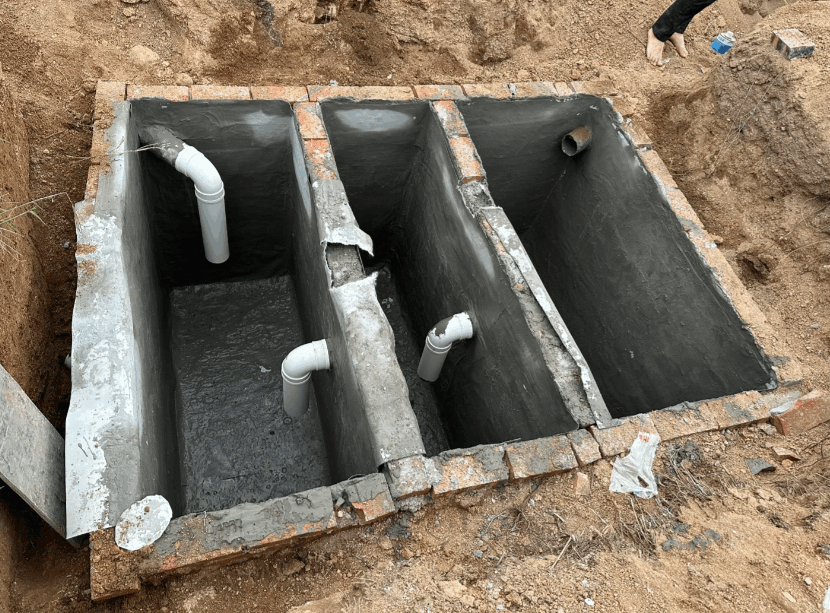
II. Selection Guide for Geotextile Fabric in Septic Systems
Selecting the right geotextile fabric is a prerequisite for ensuring the stable operation of a septic system. Geotextile fabrics with different materials and parameters are suitable for different scenarios; blind selection may result in poor filtration performance or shortened service life. The following is a detailed guide to key selection points:
2.1 Material Selection: Non-Woven vs. Woven vs. Knitted
Currently, geotextile fabrics on the market are mainly divided into three categories: non-woven, woven, and knitted. These three types vary significantly in structure and performance, and materials suitable for septic systems need to be carefully selected:
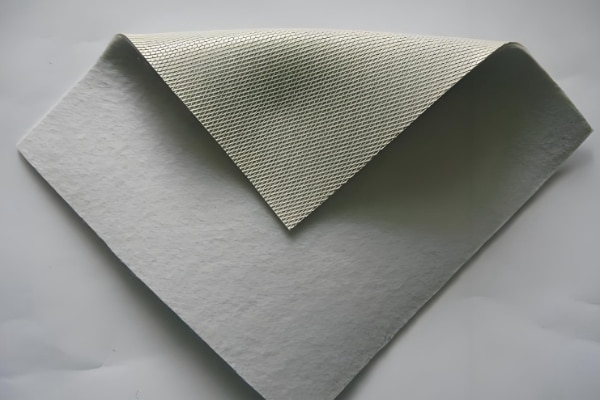
- Non-Woven Geotextile Fabric: Made by randomly laying fibers and bonding them via thermal or chemical processes. It features uniform fiber distribution, high porosity (usually 70%–90%), excellent filtration performance, and good flexibility, enabling it to closely fit irregular trench surfaces. Since the core requirements of septic systems are filtration and drainage, non-woven geotextile fabric is the preferred material. In particular, polypropylene non-woven geotextile fabric offers excellent UV resistance and corrosion resistance, can adapt to the acid-base environment in soil, and has a long service life.
- Woven Geotextile Fabric: Formed by interweaving warp and weft yarns. It has high strength and good wear resistance but low porosity (usually 40%–60%), poor filtration performance, and insufficient flexibility, making it difficult to fit complex terrains. This type of geotextile fabric is more suitable for load-bearing and reinforcement scenarios, such as road subgrade reinforcement, and is not recommended for leach field filtration in septic systems.
- Knitted Geotextile Fabric: Produced by weaving fibers. It has good elasticity but low strength and poor UV resistance. It is prone to aging and damage when exposed to soil for a long time, resulting in a short service life. It is basically not suitable for septic systems.
Conclusion: Septic systems should prioritize polypropylene non-woven geotextile fabric.
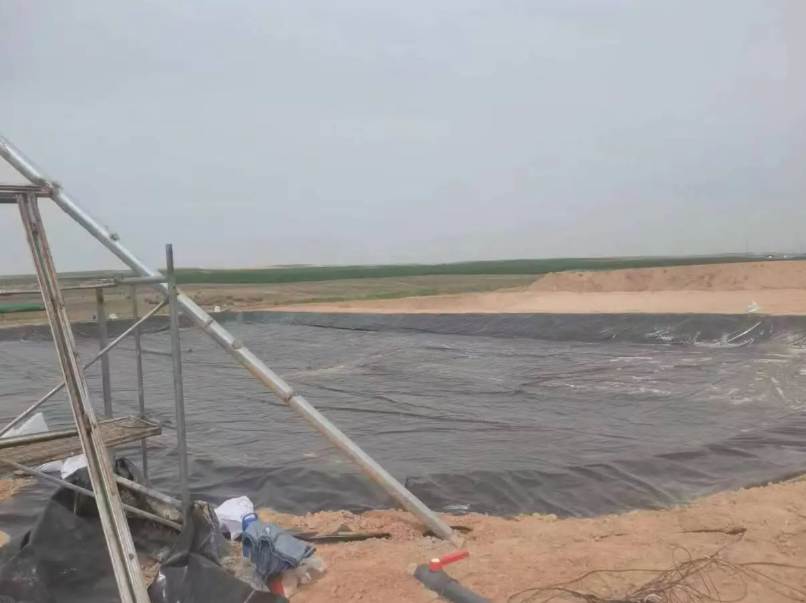
2.2 Key Parameter Comparison
In addition to materials, the core parameters of geotextile fabric directly determine its suitability. The following are the key parameters and selection recommendations for geotextile fabrics commonly used in septic systems, which can be selected according to specific needs:
| Parameter Type | Core Indicators | Recommended Value for Residential Septic Systems | Recommended Value for Commercial Septic Systems | Selection Notes |
| Weight (Areal Density) | oz/yd² or g/m² | 0.55-2 oz/yd² (approximately 18-68 g/m²) | Above 4 oz/yd² (approximately above 136 g/m²) | The higher the weight, the greater the strength and wear resistance, but the higher the cost. Residential properties have small water consumption, so medium-light weight is sufficient; commercial projects have large water consumption and high leachate pressure, requiring heavy-duty materials. |
| Flow Rate | cm/s or sec⁻¹ | >1 sec⁻¹ | >2 sec⁻¹ | A higher flow rate means better drainage efficiency, which can avoid the accumulation of sewage in the leach field. Commercial projects have larger sewage discharge, requiring products with higher flow rates. |
| Tensile Strength | kN/m | ≥10 kN/m | ≥20 kN/m | The tensile strength must meet the stretching requirements during installation to avoid damage. Commercial projects have large construction scales, requiring higher tensile strength. |
| Service Life | Years | ≥10 years | ≥15 years | The service life is related to the UV resistance and corrosion resistance of the material. Priority should be given to polypropylene products marked with “UV resistance above 500 hours”. |
| Aperture (AOS) | Sieve Number (No.) | 70-80 No. | 70-80 No. | The aperture corresponding to AOS (Apparent Opening Size) 70-80 can effectively block fine soil particles while ensuring smooth drainage, which is the optimal aperture range for septic systems. |
III. Installation Steps and Precautions for Septic System Geotextile Fabric
Even with the right geotextile fabric, proper installation is equally crucial. Improper installation may cause damage to the fabric or leakage at the overlapping joints, thereby losing its filtration function. The following are detailed installation steps and precautions, catering to both professional construction personnel and self-installing homeowners:
3.1 Pre-Installation Preparation: Site Cleaning and Material Cutting
Pre-installation preparation directly affects installation quality, and the following two key points should be prioritized:
- Site Cleaning: First, remove sharp debris such as weeds, tree roots, and stones from the leach field and trenches to prevent these objects from piercing the geotextile fabric. Then, level the soil surface with a rake to ensure no protrusions or depressions, creating a uniform laying base. For areas with hard soil texture, appropriate watering can be applied to enhance soil plasticity and facilitate the adhesion of geotextile fabric.
- Material Cutting: Accurately measure and cut the geotextile fabric according to the length, width, and depth of the trenches. During cutting, reserve a 4–6 inch (approximately 10–15 cm) overlap edge for splicing adjacent pieces of geotextile fabric. Meanwhile, leave a certain margin to avoid fabric stretching and damage caused by soil settlement. It is recommended to use sharp scissors or utility knives for cutting to ensure neat edges without burrs.
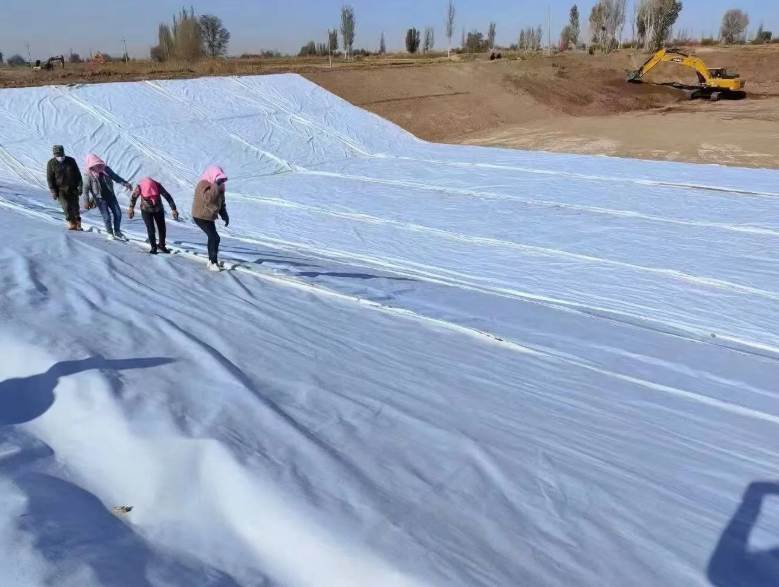
3.2 Standard Installation Process (Graphic Guide)
The installation of septic system geotextile fabric should follow the principle of “laying from bottom to top, layer by layer”. The standard process is as follows:
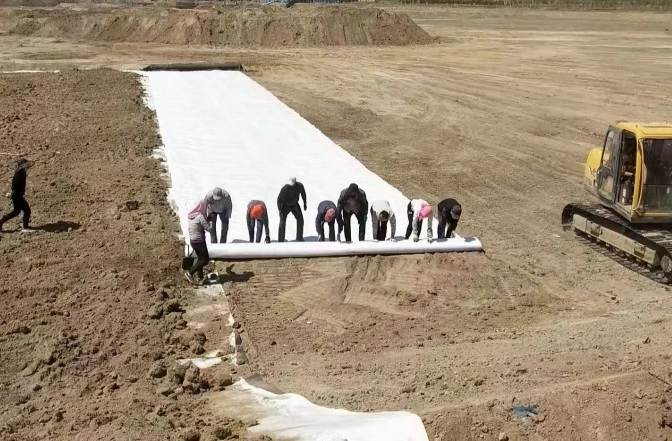
- Lay the Bottom Layer of Geotextile Fabric: Spread the cut geotextile fabric flat on the cleaned and leveled trench bottom and side walls, ensuring the fabric fits closely to the soil without wrinkles or suspension. If the trench width exceeds the fabric width, splicing is required. When splicing, align the overlapping edges of two adjacent fabric pieces with an overlap of 4–6 inches, and secure them with special geotextile sewing thread or geotextile tape to ensure no leakage at the joints.
- Secure the Geotextile Fabric: Use geotextile anchoring pins to fix the fabric to the soil every 5 feet (approximately 1.5 meters). The anchoring pins must penetrate the fabric and be inserted into the soil at least 6 inches (approximately 15 cm) to ensure firm fixation and prevent fabric displacement during gravel laying. At positions subject to high stress, such as trench corners and slopes, increase the density of anchoring pins, placing one every 3 feet (approximately 0.9 meters).
- Cover with a Protective Layer: Uniformly lay a 3–4 inch (approximately 7.5–10 cm) thick layer of gravel or bark on the surface of the geotextile fabric as a protective layer. The protective layer serves to prevent sharp objects from piercing the geotextile fabric during subsequent drainage pipe laying or soil backfilling, and also blocks UV radiation to extend the fabric’s service life. When laying gravel, handle it gently to avoid fabric damage caused by heavy impact.
- Lay Gravel and Drainage Pipes: Lay a gravel layer (usually 12–18 inches, or 30–45 cm thick) on top of the protective layer, then place the drainage pipes in the gravel layer, ensuring the pipe slope meets drainage requirements (usually 1%–2%). After pipe installation, cover the pipes with another layer of gravel, and finally lay the top layer of geotextile fabric over the gravel layer to prevent soil particles from entering.
3.3 Avoiding Common Installation Mistakes
In actual installation, the following mistakes are likely to cause geotextile fabric failure and should be carefully avoided:
- Wrinkled Laying: Wrinkles in the geotextile fabric will cause uneven local stress, which is prone to damage during subsequent soil backfilling or water flow impact. Meanwhile, impurities tend to accumulate in the wrinkled areas, affecting filtration performance. During installation, the fabric must be stretched tightly and spread flat to ensure no wrinkles.
- Insufficient Tension in Low-Temperature Environments: The flexibility of geotextile fabric decreases in low-temperature environments. If the fabric is not properly tensioned during laying, it will loosen when the temperature rises, leading to displacement and wrinkling. Installation is recommended to be carried out in environments above 5℃, with moderate tension applied to the fabric during installation.
- Insufficient or No Overlap Edge Reserved: Insufficient overlap edges during the splicing of adjacent fabric pieces will allow impurities to enter the gravel layer through the gaps, rendering the filtration function ineffective. A 4–6 inch overlap edge must be strictly reserved, and the splicing must be firmly secured.
- Inadequate Thickness of the Protective Layer: A protective layer thinner than 3 inches cannot effectively protect the geotextile fabric, which is likely to be pierced during subsequent construction or use. Ensure the protective layer thickness meets requirements, and select gravel with uniform particle size of 0.5–2 inches.
- Use of Sharp Tools or Heavy Impact: During installation, avoid directly striking the geotextile fabric with sharp tools such as shovels and hoes. Handle gravel and pipes with care to prevent fabric piercing.
IV. Key Points for Purchasing Geotextile Fabric
When purchasing geotextile fabric, focus on the following key points to avoid pitfalls:
- Verify Material Authenticity: Some unscrupulous merchants may pass off woven geotextile fabric as non-woven fabric, or use low-quality polypropylene made from recycled plastics. During purchase, authenticity can be judged by touch: non-woven geotextile fabric feels soft with uniform fiber distribution, while woven geotextile fabric feels stiff with distinct warp and weft lines. At the same time, request material test reports from suppliers to verify the material composition.
- Check UV Resistance and Corrosion Resistance: Request UV aging test reports from suppliers to ensure the product meets UV resistance standards (500 hours of UV resistance or more is recommended). For areas with high soil acidity or alkalinity, select products with acid and alkali corrosion resistance and review relevant test certificates.
- Request Specification Test Reports: Ask suppliers for test reports that comply with ASTM D4751 or D4491 standards, and focus on verifying parameters such as weight, pore size, water flow rate, and tensile strength to ensure they match the product labeling.
- Beware of Low-Price Traps: Geotextile fabric priced far below the market average is likely to have inferior materials and non-compliant parameters. It is recommended to choose brand products with mid-range market prices and good reputations to avoid subsequent system failures and increased maintenance costs caused by low-quality products.
V. Frequently Asked Questions
To address common questions during selection, installation, and use, the following answers are provided to help resolve issues quickly:
Q: Is geotextile fabric mandatory for septic systems?
A: It is not mandatory, but highly recommended. Although some simple septic systems can operate short-term without geotextile fabric, they face extremely high clogging risks and will incur significantly higher long-term maintenance costs. Currently, most regional construction specifications list geotextile fabric as a recommended material, and its use is essential especially in areas with fine-grained leach field soil.
Q: How long is the service life of geotextile fabric? Does it need to be replaced after expiration?
A: High-quality polypropylene non-woven geotextile fabric has a service life of 10–15 years, depending on the usage environment (e.g., soil pH, UV radiation intensity) and product quality. After expiration, the geotextile fabric will age and deteriorate, with reduced filtration performance, and timely replacement is required. It is recommended to inspect the condition of the geotextile fabric during routine septic system maintenance. If severe damage or aging is found, replace it immediately to avoid affecting system operation.
Q: Does a septic system still require regular maintenance after installing geotextile fabric?
A: Yes, but the maintenance frequency will be significantly reduced. Even with geotextile fabric installed, septic tanks still need regular sludge removal and leach field drainage efficiency inspections. For ordinary residential properties, an annual inspection and sludge removal every 3–5 years are recommended. For commercial projects, conduct inspections every six months and sludge removal every 2–3 years. During maintenance, focus on checking the integrity of the geotextile fabric’s protective layer; if the protective layer is damaged, replenish gravel or bark in a timely manner.
VI. Conclusion
Though small in size, geotextile fabric is a key guarantee for the stable operation of septic systems. In terms of core functions, it can effectively solve leach field clogging problems and extend system service life. In terms of practical value, proper selection and installation can significantly reduce maintenance costs and improve sewage purification efficiency. In terms of compliance, geotextile fabric that meets ASTM standards can help the system pass inspections and avoid rectification risks.
We hope this professional guide helps you avoid mistakes in selection and installation, choose cost-effective products, and ensure the long-term stable operation of your septic system. If you have any further questions, please contact us!
Reference Sources
- ASTM D4751 – Standard Specification for Nonwoven Geotextiles for Drainage and Filtration Applications
- Issuing Organization: ASTM International
- Core Function: Specifies the core technical requirements such as material, weight, flow rate, aperture, and tensile strength of nonwoven geotextiles for filtration and drainage scenarios including septic leach fields, and serves as the core basis for geotextile selection in the document.
- ASTM D4491 – Standard Test Methods for Geotextiles
- Issuing Organization: ASTM International
- Core Function: Defines the test methods for various parameters of geotextiles (such as aperture, flow rate, and tensile strength), supporting the recommendation in the document’s “Procurement Pitfall Avoidance Tips” to request test reports.