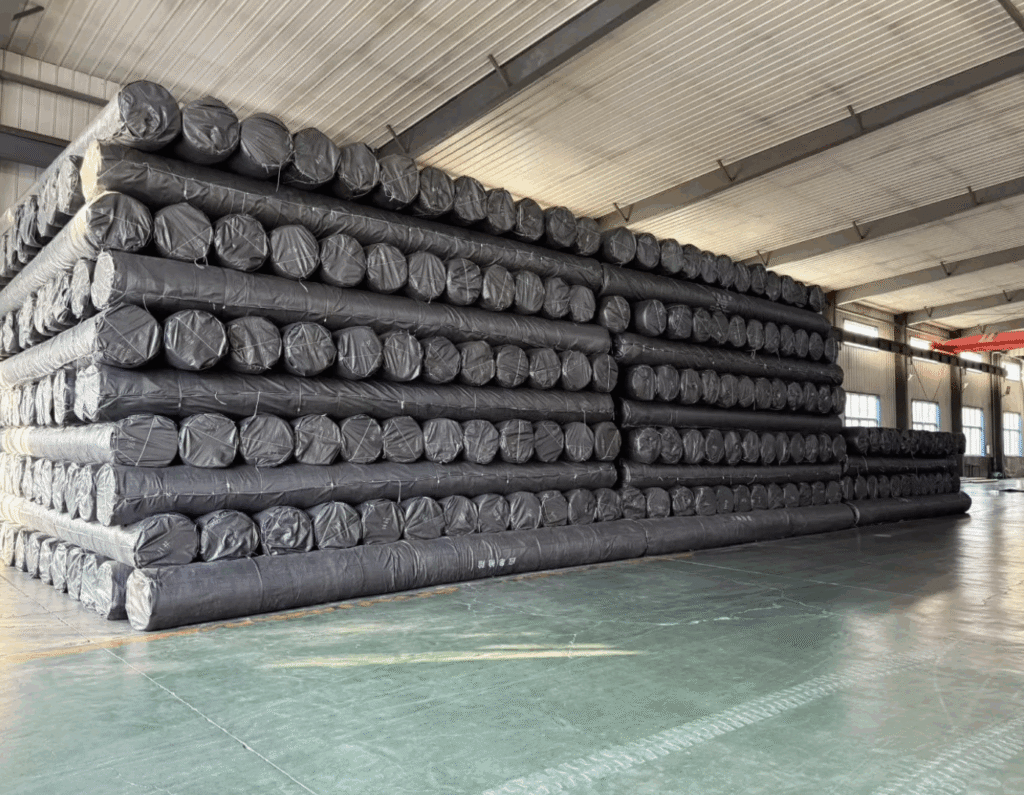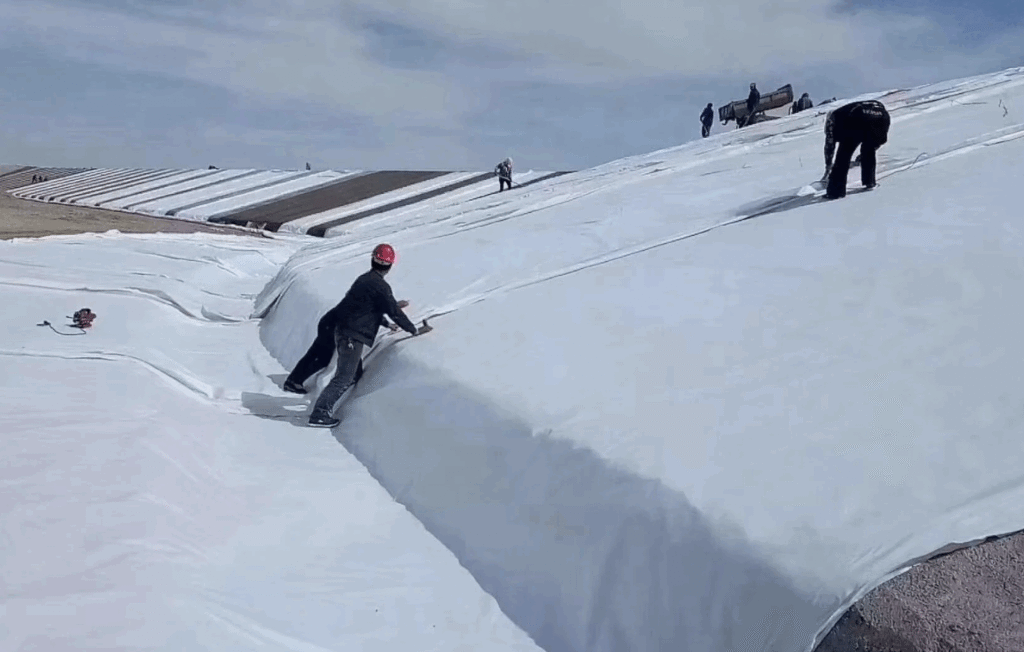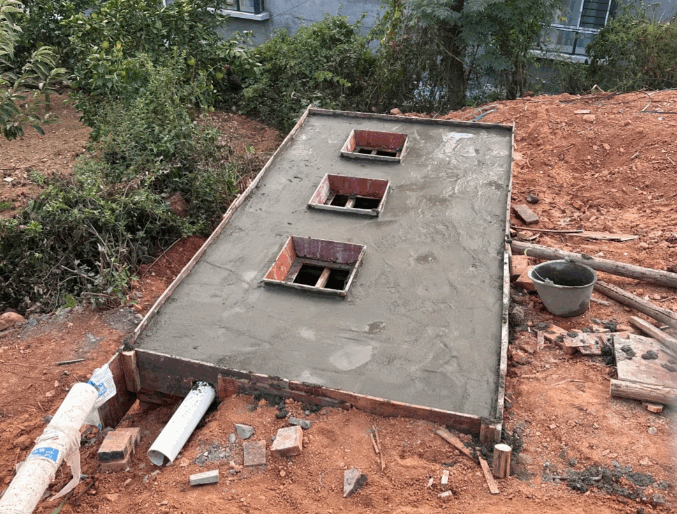
Is geotextile fabric the same as landscape fabric? Is geotextile better than landscape fabric for weed control? What is the difference between geotextile and landscape fabric?You likely have many questions about geotextile fabric vs landscape fabric. This article provides a clear, professional, and easy-to-understand ultimate guide to clarify the differences and help you make the right choice for your specific project.
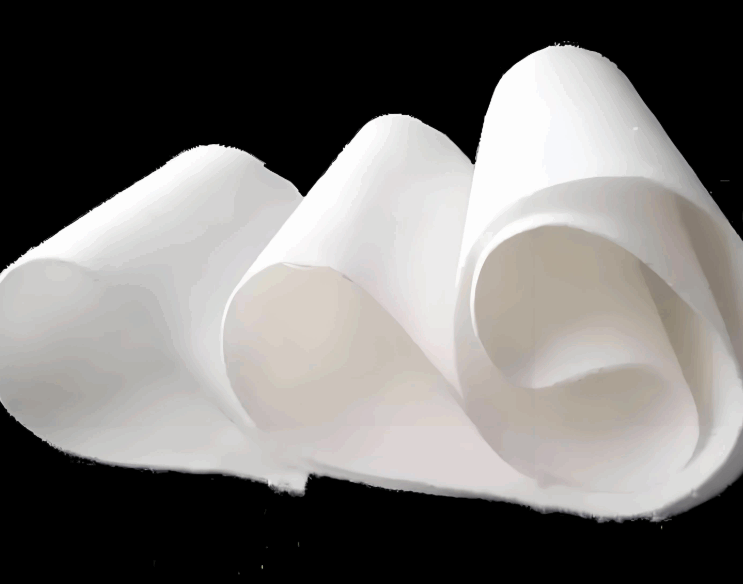
What is Geotextile Fabric?
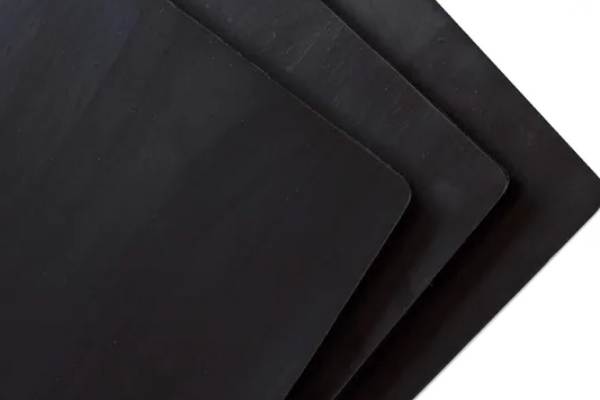
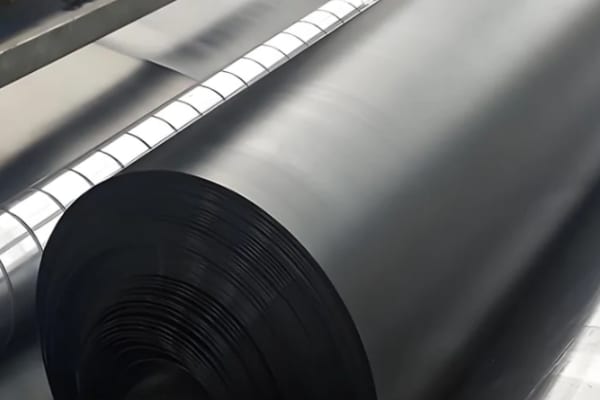
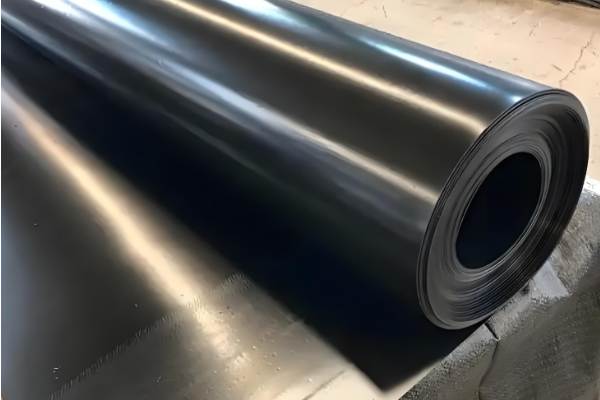
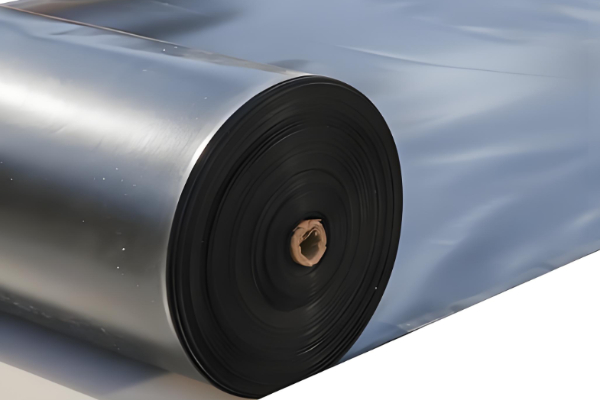
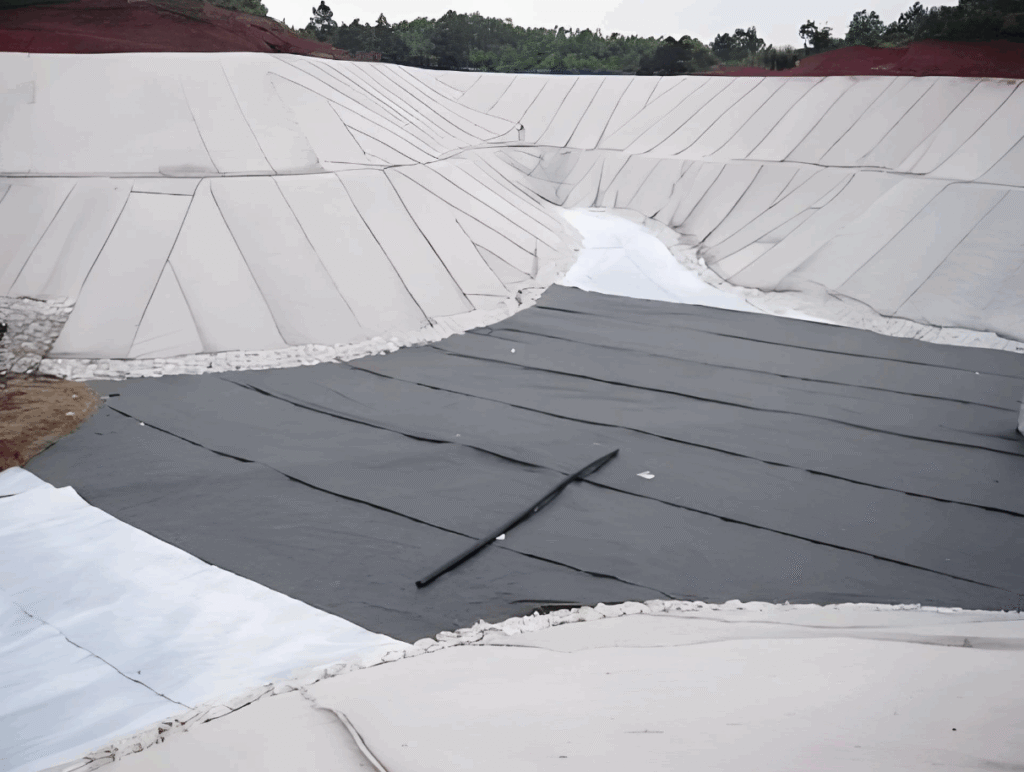
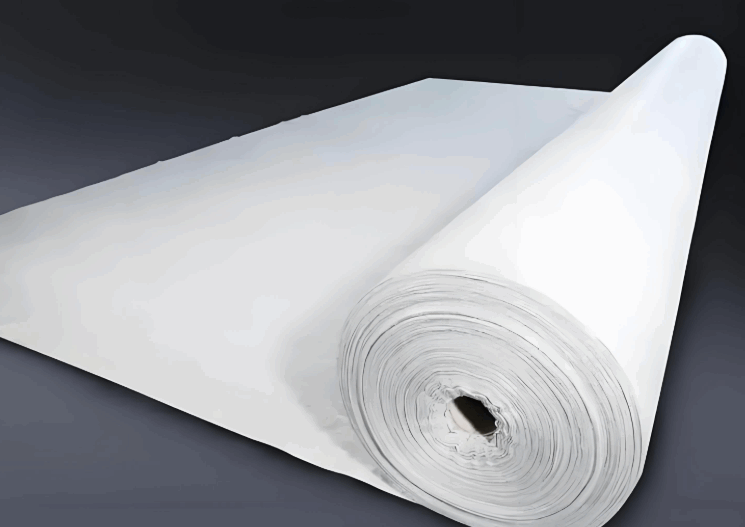
Geotextile fabric is a professional, permeable polymer(like polypropylene or polyester)textile,belonging to a major category of geosynthetics.Its primary functions are separation, reinforcement, filtration,and drainage.Think of it as the”intelligent skeleton” for engineering projects,widely used in civil engineering applications like roads,embankments,and drainage systems.
What is Landscape Fabric?
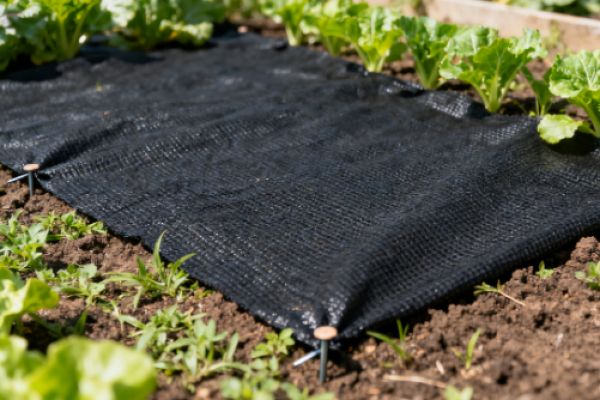
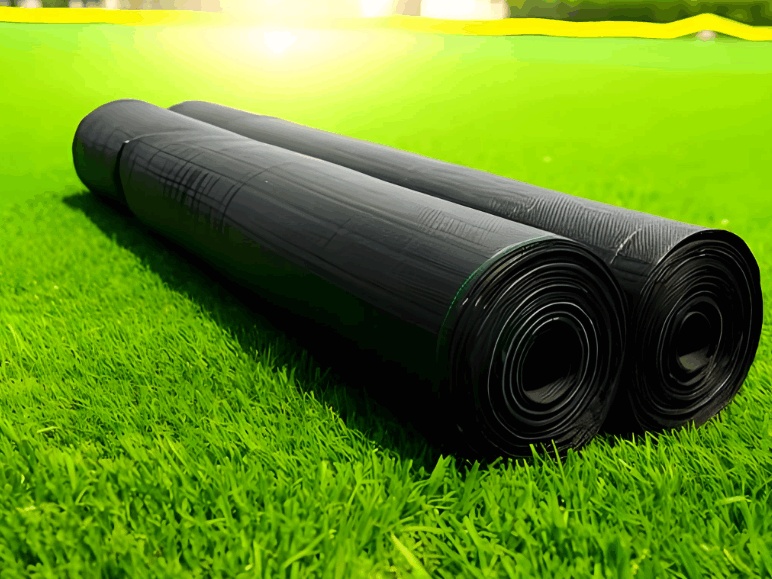
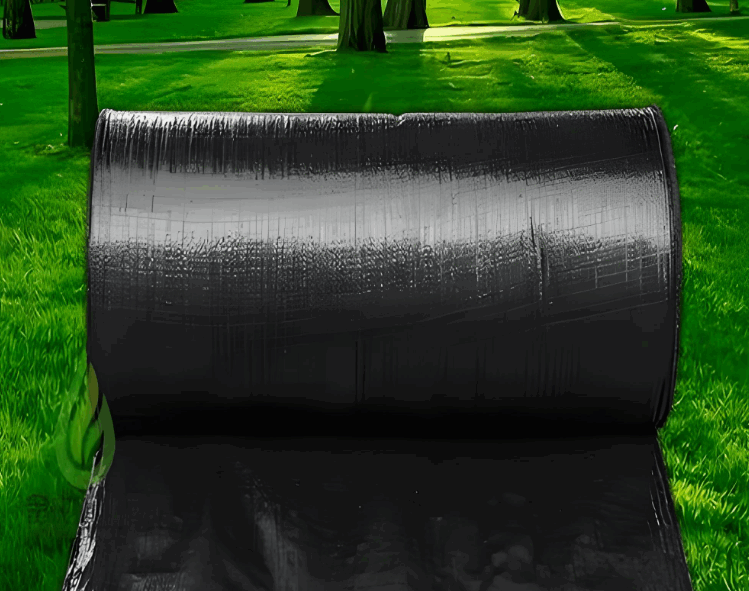
Landscape fabric is a material used primarily in gardening and landscaping,with the core purpose of suppressing weed growth and helping retain soil moisture.In essence,it is a specific,single-function type of geotextile,typically referring to common woven fabric.
Simple Analogy: In the comparison of geotextile vs landscape fabric,think of geotextile fabric as”professional sportswear,”designed for high intensity and specific functions.Landscape fabric is a”casual t-shirt,”meant for everyday,lightweight needs.
If you are purchasing Geotextile Fabric or Landscape Fabric, you can contact us!
Geotextile Fabric vs Landscape Fabric
To clearly understand the difference between geotextile and landscape fabric, see the core comparison below:
| Feature | Geotextile Fabric | Landscape Fabric |
|---|---|---|
| Design & Structure | Woven (high strength) and Non-Woven (needle-punched, high permeability) | Typically Woven structure, with small, uniform pores |
| Primary Function | Separation, Reinforcement, Drainage, Filtration | Weed Suppression, Moisture Retention |
| Permeability | Excellent (especially non-woven), allows water to pass through vertically and quickly | Poor, mainly allows water to spread laterally, clogs easily with silt |
| Strength & Durability | High strength, excellent puncture and tear resistance, UV resistant, long service life | Low strength, degrades, becomes brittle, and tears easily under UV exposure |
| Typical Price | Higher (due to complex engineering performance) | Low cost, readily available at hardware stores and garden centers |
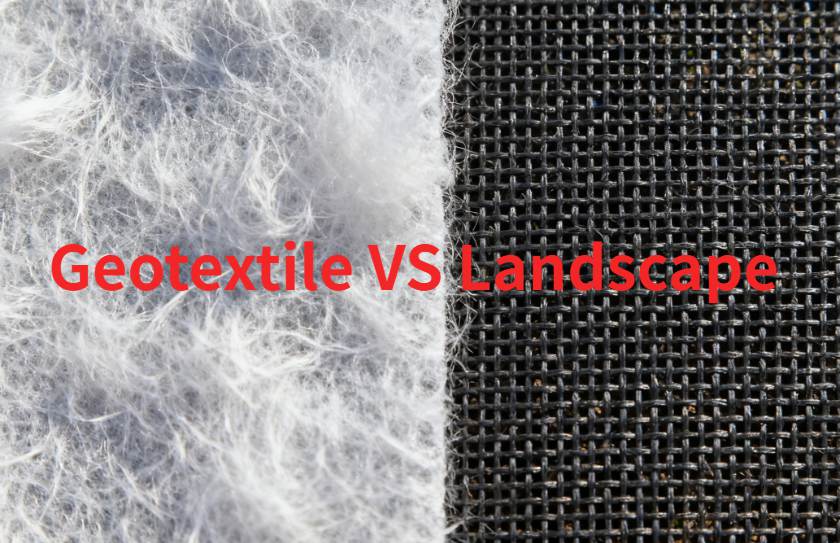
Key Visual Differences:
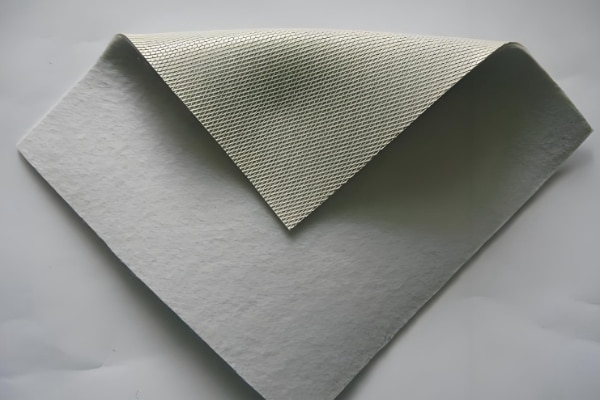
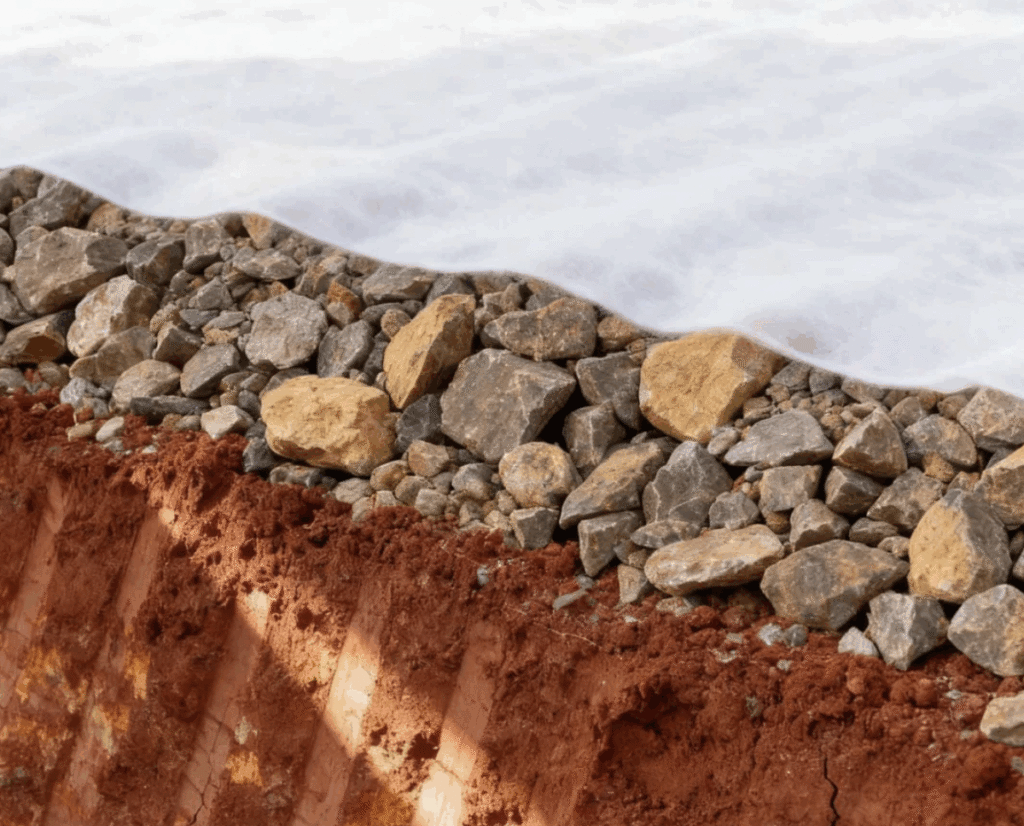
- Non-Woven Geotextile Fabric: Looks like felt,made by needle-punching randomly arranged fibers. Its fluffy, porous structure allows water to pass through vertically and easily.
- Woven Landscape Fabric: Looks like burlap or a tight mesh, made by crisscrossing threads. Its tight structure is primarily designed to block.
Applications: Where to Use Geotextile vs Landscape Fabric
Understanding the difference between landscape fabric and geotextile is key to knowing where to use them correctly.
Geotextile Fabric Applications(Emphasizing”Engineering Performance”)
- Driveway/Parking Lot Base: Placed between the subgrade and gravel layer for separation,preventing gravel from sinking while allowing drainage.
- Retaining Walls&Soil Reinforcement: Used for reinforcement, enhancing soil strength to prevent slippage.
- Drainage Systems(e.g., French Drains): Used for filtration,wrapped around pipes and gravel to prevent clogging while ensuring water flow.
Landscape Fabric Applications(Emphasizing”Landscaping Convenience”)
- Garden Paths: Placed under gravel or bark mulch to suppress weeds.
- Decorative Landscape Areas: Used in rock gardens or non-planting zones to reduce maintenance.
【Critical!】Common Misconceptions and”Do Nots”
“Do Not”Zone 1:Under Planting Beds
Never use landscape fabric in your flower or vegetable gardens!This is a critical error.The fabric restricts water,air,and nutrients,leading to poor plant health.For planting beds,use a thick layer of organic mulch(like bark chips or straw)instead.
“Do Not”Zone 2:High-Load or Drainage Areas
Never use landscape fabric under driveways or for drainage projects.Its low strength and tendency to clog will lead to rapid failure.
How to Choose Between Geotextile and Landscape Fabric
Follow this simple decision guide for your geotextile fabric vs landscape fabric choice:
1.Ask:What is my project’s primary goal?
- A.Structural Stability(e.g.,driveway,drainage,reinforcement)->Choose【Geotextile Fabric】.
- B.Weed Control in Landscaping(e.g.,paths,decorative areas)->Can consider【Landscape Fabric】.
- C.Growing Plants(e.g.,garden beds)->【Use NEITHER】,use organic mulch instead.
2.(If you chose A)Do I need water to pass through quickly?
- Yes(e.g.,drainage)->Prefer【Non-Woven Geotextile】.
- No,need strength more(e.g.,soil reinforcement)->Choose【Woven Geotextile】.
3.(If you chose B)Are longevity and performance critical?
- Yes->Using【Non-Woven Geotextile】+mulch is a more durable and effective long-term solution for weed control.
- No,temporary use->【Landscape Fabric】is acceptable.
Conclusion
In the debate of geotextile fabric vs landscape fabric, the summary is clear: Geotextile fabric is a professional material engineered for”performance,”while landscape fabric is a tool designed for”convenience” in basic weed suppression.Their core differences lie in function,strength,and permeability.
If you are looking for a reliable geotextile fabric or landscape fabric supplier, please feel free to contact us.
About Us: Lianjie
Lianjie is a one-stop supplier of geosynthetics with 15 years of professional experience and multiple national certifications.We provide the most professional geotextile fabric and landscape fabric solutions!
Reference Sources
- Source: ASTM International
- Key Standards:
- ASTM D4439 – Standard Terminology for Geosynthetics: This standard provides the official terminology and definitions for “geotextiles” and other geosynthetics. The article’s definition of geotextile as a “permeable polymer textile” is based on such standardized terminology.
- ASTM D5261 – Standard Test Method for Measuring Mass per Unit Area of Geotextiles: Standard method for testing the mass per unit area of geotextiles.
- ASTM D4491 – Standard Test Methods for Water Permeability of Geotextiles by Permittivity: Standard test methods for determining the water permeability of geotextiles, providing the test basis for the statement that “non-woven fabric has better permeability than woven fabric.”
- Application: Validates the standardized descriptions of the four primary functions of geotextiles: separation, reinforcement, filtration, and drainage.
Recommended Reading