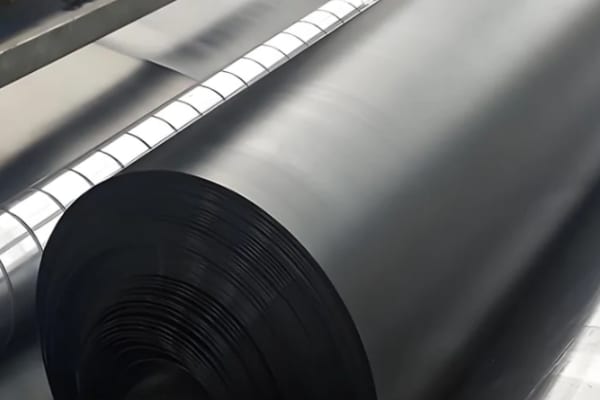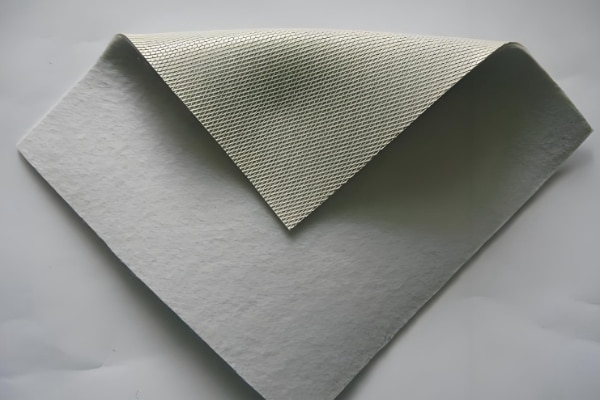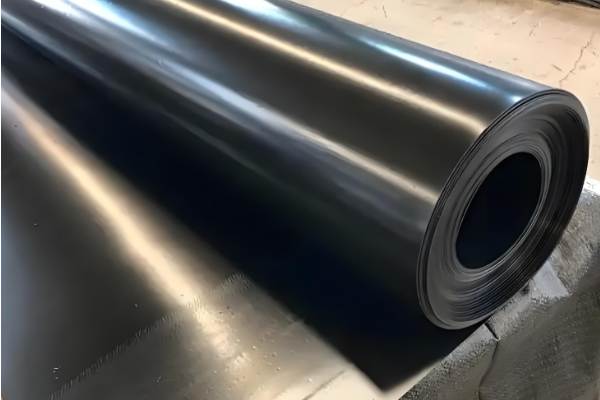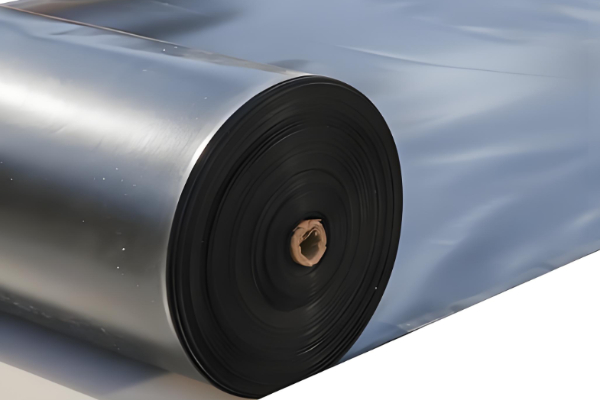
In infrastructure projects such as roads, slopes, dams and soft soil foundations, soil stabilization directly determines the structural safety and service life of the project. Data shows that about 40% of subgrade diseases and 30% of slope landslide accidents are caused by insufficient soil deformation resistance and water accumulation softening. As a low-cost and high-efficiency soil stabilization solution, geotextile accounts for more than 60% of applications in various projects by virtue of its synergistic functions of separation, reinforcement, filtration and drainage. Its core advantage is that it can significantly improve soil stability without large-scale soil reconstruction.
This article systematically analyzes the geotextile soil stabilization technology from the dimensions of action mechanism, type selection, construction control and engineering application, providing professional reference for engineering practice.
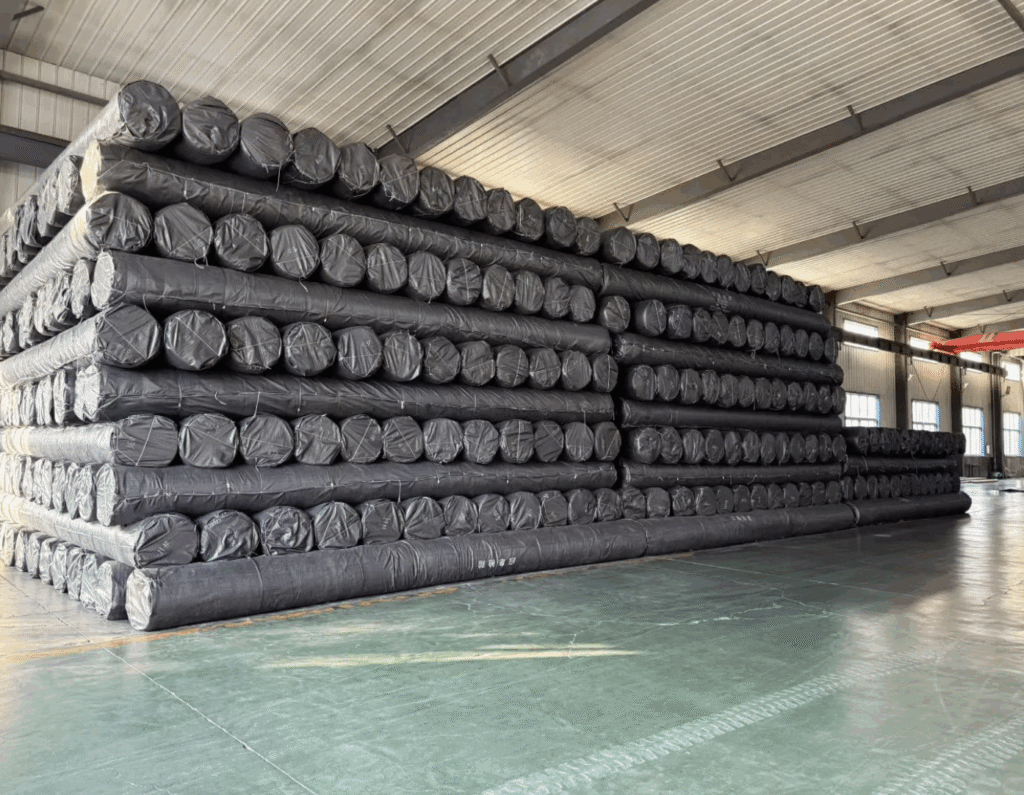
I. Core Mechanisms of Geotextile for Soil Stabilization
1.1 Four Synergistic Action Principles
Geotextile achieves soil stabilization not through a single function, but through a stable system constructed by four synergistic effects, adapting to the soil requirements of different engineering scenarios.
Reinforcement is one of the core functions. Relying on its excellent tensile strength (the longitudinal tensile strength of synthetic fiber geotextile can reach 25–50kN/m), geotextile forms a geotextile-soil composite structure with the soil, dispersing the local load borne by the soil to a wider range. This effectively improves the soil’s shear and deformation resistance, and reduces subgrade settlement and slope displacement. In soft soil foundation projects, it can increase the soil compression modulus by 30%–50% and control the settlement within the design standards.
Separation focuses on maintaining the layered stability of soil. In engineering, the mixing of soil and sand-gravel aggregates with different particle sizes is prone to reduce soil bearing capacity and cause structural looseness. Geotextile can effectively separate materials with different gradations, avoid the mixing of subgrade fillers and underlying soft soil, and ensure the stable function of each structural layer. It is especially suitable for scenarios such as road subgrades and dam fillers, reducing the risk of later engineering diseases.
Filtration and drainage prevent soil saturation failure. Long-term water accumulation in soil tends to cause softening and strength attenuation. Geotextile achieves water permeability while retaining soil particles by precisely controlling the equivalent aperture (0.07–0.2mm). It allows water to seep and drain out, intercepts fine soil particles, prevents drainage channel blockage, and avoids slope landslides and subgrade frost heave caused by soil saturation. In slope engineering, it can control the soil moisture content within the optimal range and increase the strength retention rate by more than 40%.
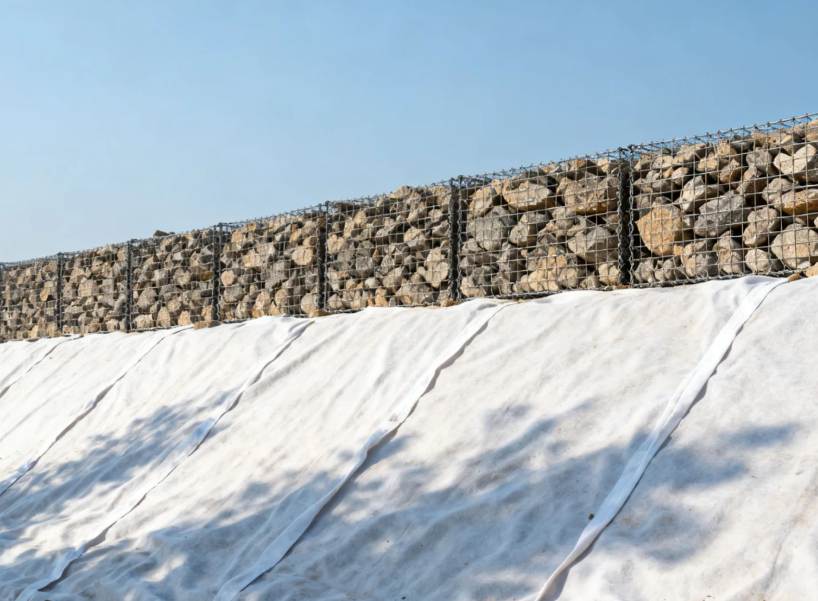
Protection extends the service life of the stabilization system. Geotextile can buffer the impact of external loads, block the puncture damage of sharp particles to the soil, resist rain erosion and chemical corrosion, and protect the integrity of the soil structure. In scenarios such as riprap slope protection and retaining wall backfilling, it can effectively reduce soil erosion and extend the service life of the project by 10–15 years.
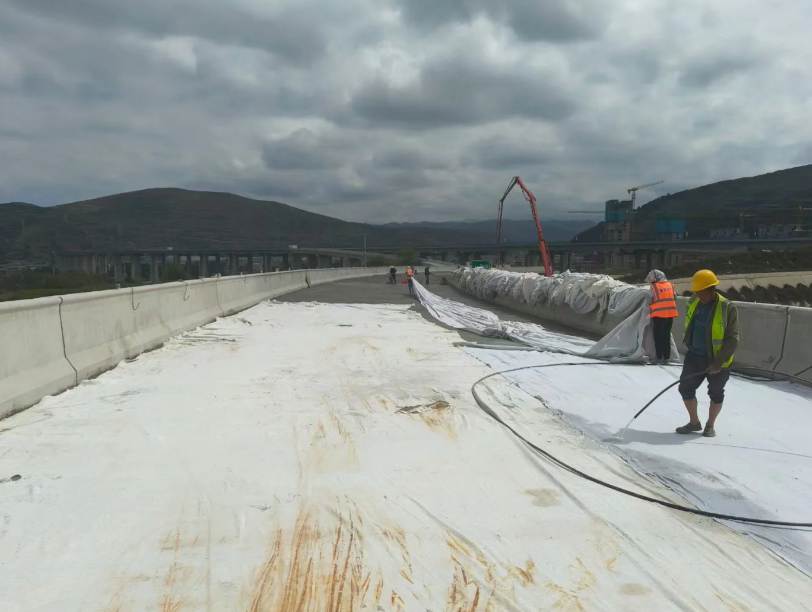
1.2 Correlation Between Material Properties and Stabilization Effect
The material properties of geotextile directly determine the soil stabilization effect. Before selection, it is necessary to focus on fiber materials and core performance indicators.
In terms of fiber materials, synthetic fibers (polypropylene PP, polyester PET) are the mainstream choices. They are resistant to acid and alkali corrosion, ultraviolet aging, and have excellent durability, with a service life of more than 50 years in long-term soil stabilization projects. Natural fibers (coconut fiber, linen) are biodegradable without environmental residues, suitable for temporary projects (such as temporary construction access roads and short-term slope protection), with a service life of usually 2–5 years, adapting to ecological restoration scenarios.
Core performance indicators must meet engineering design requirements:
- Tensile strength directly affects the reinforcement effect. For road and dam projects, it is recommended to select products with longitudinal tensile strength ≥ 30kN/m.
- The elongation rate should be controlled at 10%–30%. Excessively high elongation rate may lead to geotextile deformation, while excessively low elongation rate makes it difficult to adapt to slight soil settlement.
- Permeability should match the soil drainage demand. A permeability coefficient ≥ 1×10⁻²cm/s can meet the drainage requirements of most projects.
- Wear resistance must pass industry standard tests to ensure resistance to soil friction and external impact.
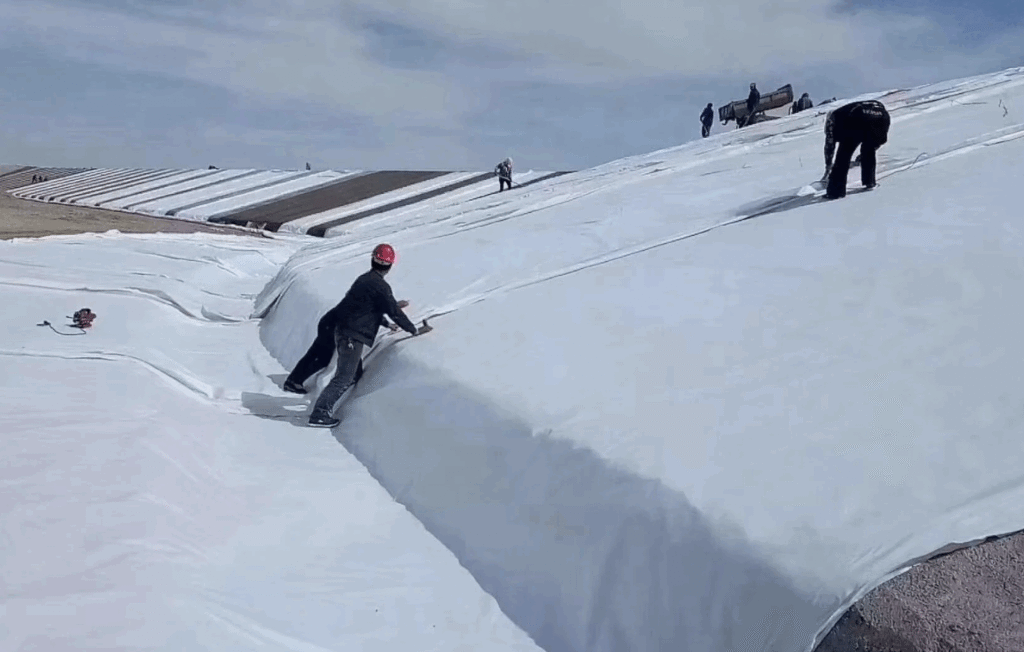
II. Types of Geotextiles for Soil Stabilization
2.1 Classification by Manufacturing Process
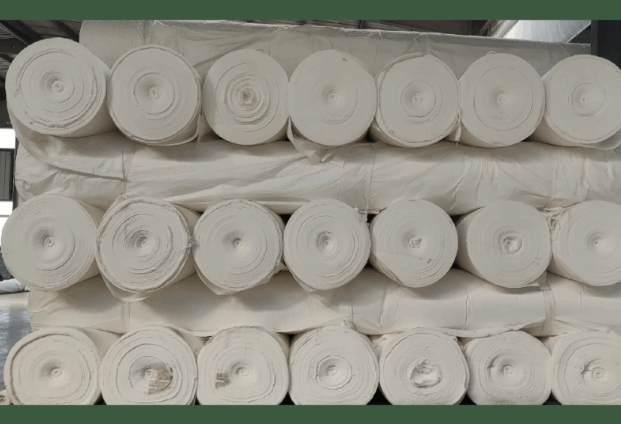
According to the manufacturing process, geotextiles for soil stabilization are mainly divided into three types: woven, non-woven and knitted, with significant performance differences, which need to be accurately selected according to scenarios.
Woven geotextiles are made of polypropylene and polyester filaments through weaving technology. They have the characteristics of high tensile strength, low elongation rate (elongation rate ≤ 20%), dense structure and small pores, as well as excellent chemical corrosion resistance and creep resistance. They are suitable for scenarios requiring high load-bearing capacity and deformation resistance, such as road subgrade separation and reinforcement, steep slope protection, and dam filler isolation, especially for high-standard projects such as expressways and high-speed railway subgrades. For example, in a soft subgrade section of an expressway, 300g/m² woven geotextile was used, which increased the subgrade bearing capacity by 25% and controlled the settlement within 8mm, meeting the requirements of high-speed railway projects.
Non-woven geotextiles are made through needle punching and thermal bonding processes. They have strong air permeability and water permeability (the permeability coefficient is 2–3 times that of woven geotextiles), are soft and easy to fit irregular base surfaces, and have higher cost performance. They are suitable for stabilization scenarios dominated by drainage and filtration, such as retaining wall filter layers, auxiliary stabilization of soft soil foundations, and river slope protection. In a retaining wall project, 200g/m² non-woven geotextile was laid as a filter layer, which effectively drained the water behind the wall, avoided wall deformation due to excessive water pressure, and the project acceptance pass rate reached 100%.
Knitted geotextiles combine the strength of woven geotextiles and the flexibility of non-woven geotextiles. They have good elasticity and moderate elongation rate (20%–30%), can adapt to slight soil deformation and are not easy to be damaged. They are suitable for scenarios such as temporary slopes, small subgrades and ecological restoration slopes. In temporary construction access road projects, the selection of knitted geotextiles can balance stability and economy, improving construction efficiency by 30%.
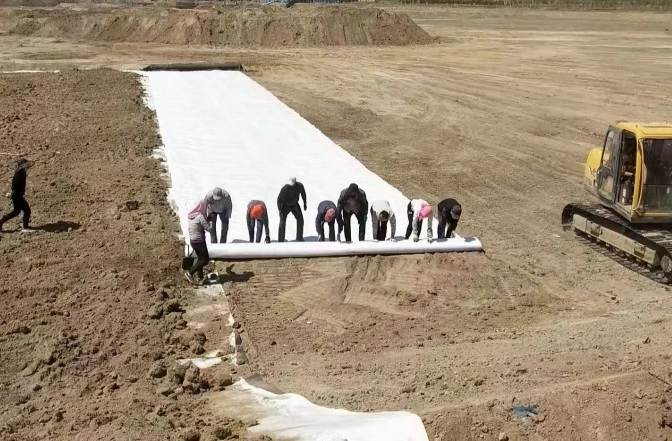
2.2 Selection Comparison Between Geotextiles and Geogrids
In engineering, it is often necessary to distinguish between geotextiles and geogrids. The two have different functional focuses and need to be selected according to core requirements. They can be used in combination in complex scenarios.
In terms of functional differences, the core advantages of geotextiles lie in separation, filtration, drainage and auxiliary reinforcement. With small apertures, they can intercept fine particles and drain water, making up for the lack of filtration capacity of geogrids. Geogrids focus on core reinforcement and load dispersion, with large apertures (usually 10–50mm). They form an interlocking effect through soil embedding into the grid pores, with stronger reinforcement effect but no filtration and drainage functions.
In terms of scenario adaptation:
- Prioritize geotextiles when drainage and filtration are needed, such as retaining wall filter layers and soft soil foundation drainage consolidation.
- Prioritize geogrids for scenarios such as weak foundation reinforcement, steep slope (slope ≥ 45°) stabilization and high-load subgrades.
- A composite scheme of geotextile + geogrid can be adopted in complex scenarios. For example, in soft soil foundation projects, geotextiles are responsible for filtration and drainage, while geogrids are responsible for core reinforcement, synergistically improving the stabilization effect.
III. Construction Technology of Geotextile Soil Stabilization Engineering
3.1 Standardized Construction Process
Construction quality directly affects the soil stabilization effect of geotextiles. It is necessary to strictly follow the standardized process to avoid engineering hazards caused by improper operation.
Step 1: Base surface pretreatment
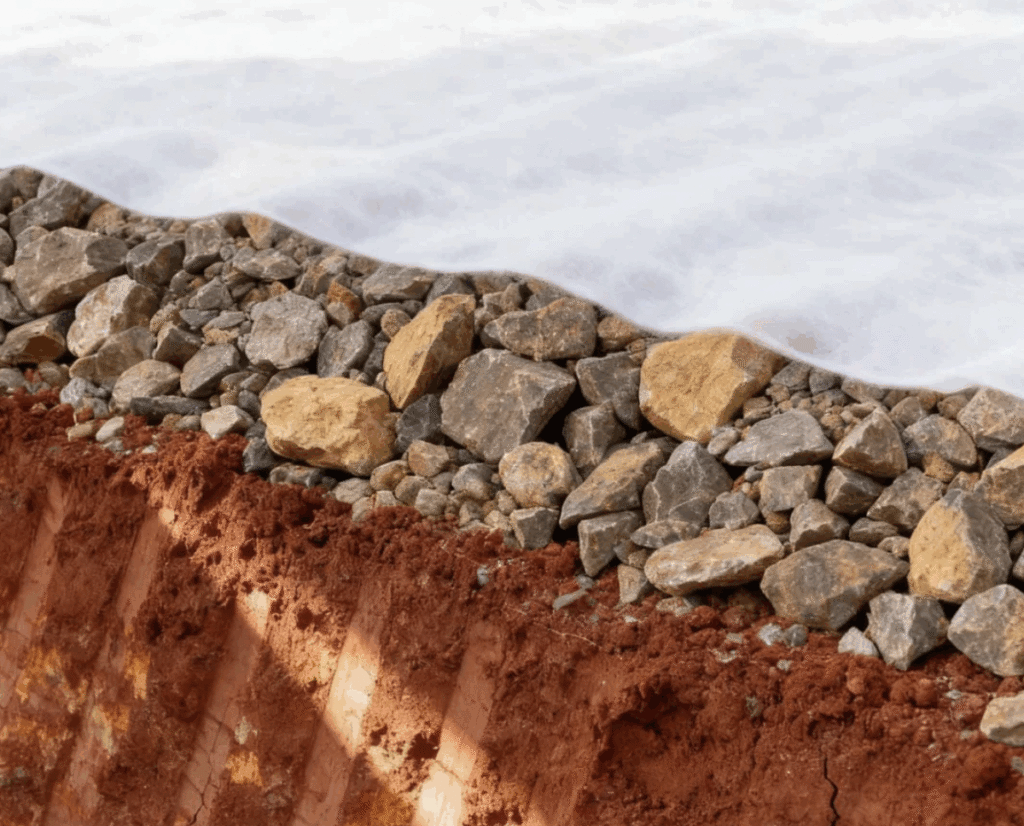
Clear impurities (stones, branches, sharp particles) on the base surface to ensure it is flat without obvious protrusions (protrusion height ≤ 5cm). Level and compact the soft foundation or slope surface, with compaction degree ≥ 95%, and reserve a 4%–5% drainage slope to avoid water accumulation. The slope gradient must meet the design requirements; over-slope parts need to be trimmed, and steep slopes need to be equipped with anchorage grooves.
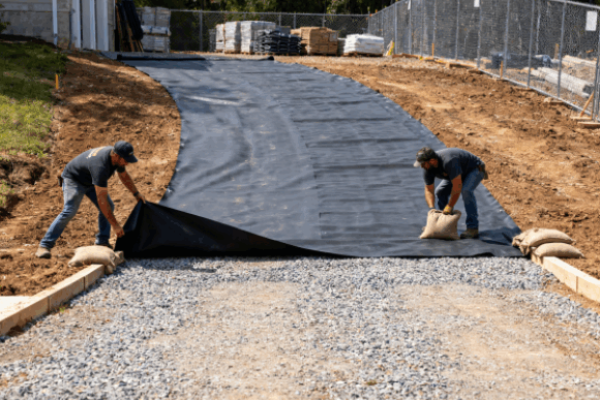
Step 2: Geotextile laying
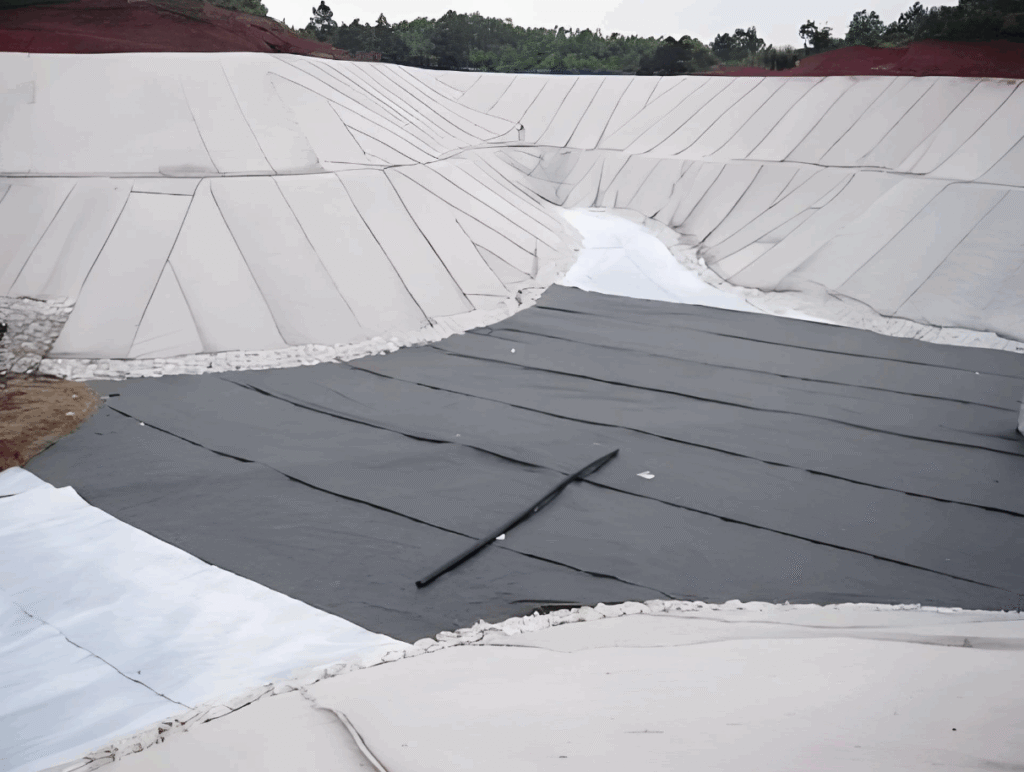
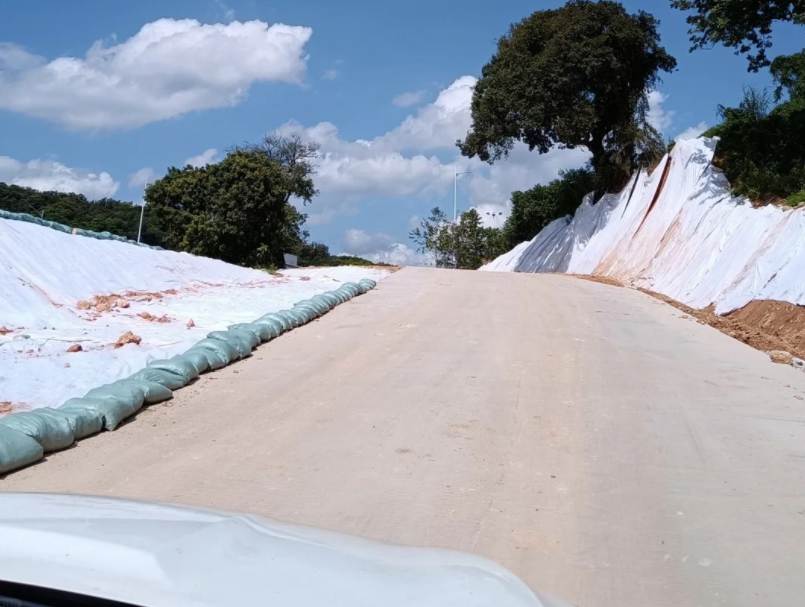
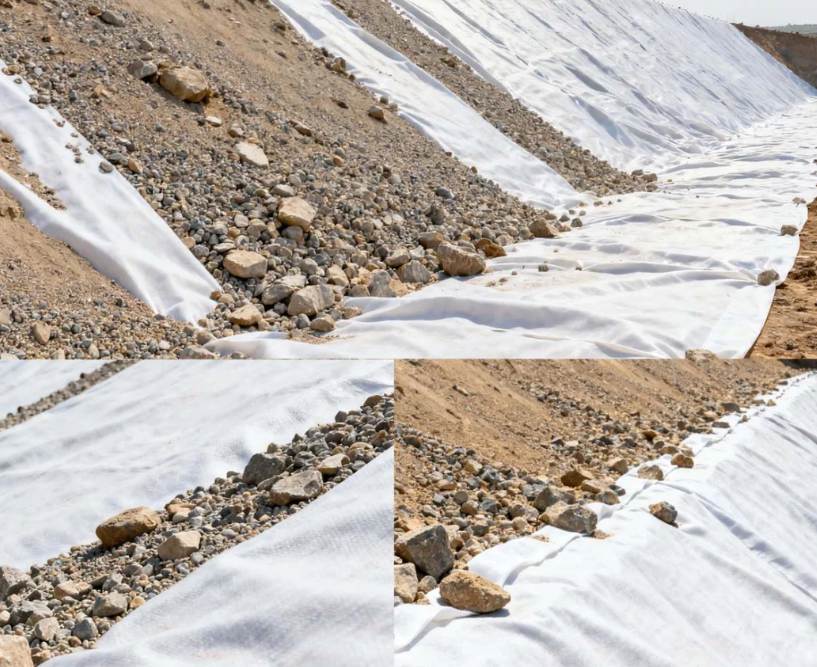
Adopt the method of continuous laying from one end to the other with moderate tightness, avoiding wrinkles (wrinkle area ≤ 0.5m²) or excessive stretching (stretching amount ≤ 5%). The laying direction should be consistent with the load-bearing direction. When laying on slopes, the upper geotextile should overlap the lower one. The overlap width should be adjusted according to the base surface conditions: 0.3–0.5m for firm horizontal base surfaces, 0.6–0.9m for soft or uneven base surfaces. The ends should be embedded into anchorage grooves (depth ≥ 30cm) and fixed by compaction.
Step 3: Connection technology
Prioritize overlapping or sewing. The overlapping parts should be compacted to ensure close fitting. For high-strength demand scenarios (such as high-load subgrades), the bonding method can be adopted with special geotextile adhesives. The bonding width should be ≥ 10cm, and the joint strength should reach more than 80% of the base material strength. Avoid leaving wrinkles at joints to prevent damage caused by stress concentration.
Step 4: Protective layer laying
A protective layer must be covered within 24 hours after geotextile laying to avoid long-term exposure to sunlight (exposure for more than 48 hours will cause the strength to decrease by more than 15%). The protective layer should use a sand-gravel cushion with thickness ≥ 50cm. During laying, avoid direct impact of sharp particles on the geotextile. In riprap protection scenarios, a buffer layer (such as non-woven fabric) should be added between the geotextile and riprap to prevent puncture damage.
3.2 Quality Control Key Points
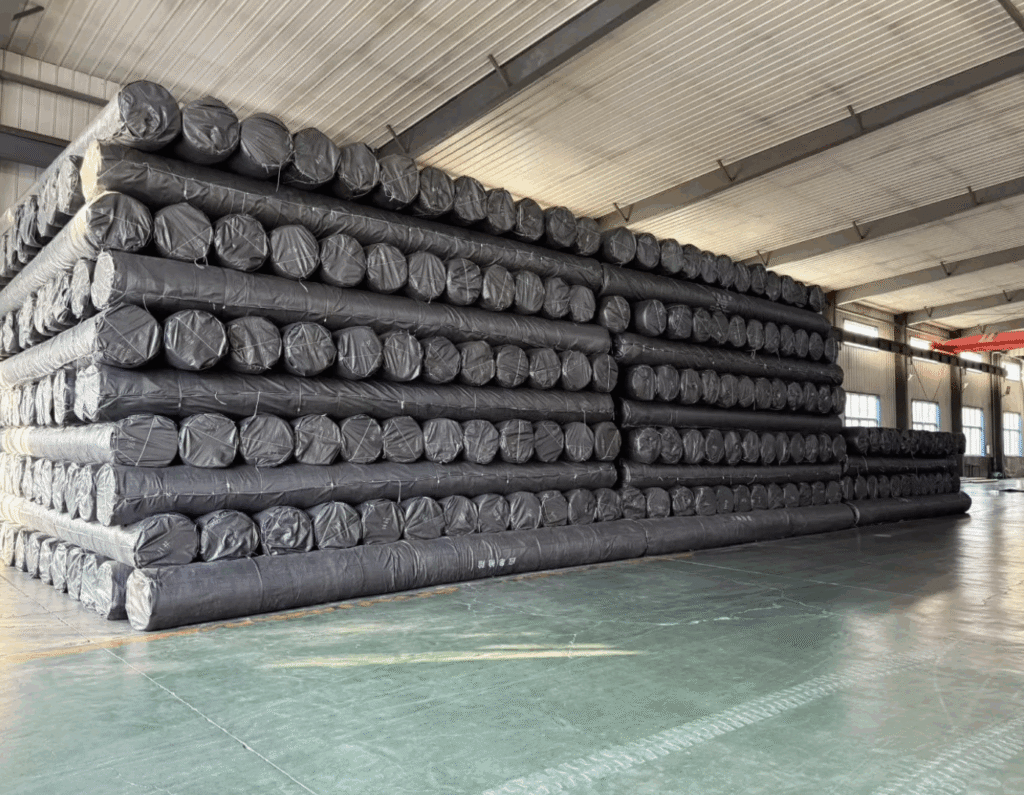
Material inspection must be strictly controlled: Verify the unit area mass, tensile strength, elongation rate, permeability and other indicators of geotextiles upon entering the site. Conduct sampling tests for each batch (≤ 5000㎡). The test results must meet the requirements of Technical Specification for Application of Geosynthetics (GB/T 50290), and unqualified materials are strictly prohibited from entering the site.
Construction process control must be tracked throughout: Arrange special personnel to monitor the laying direction, overlap width and anchorage firmness, and conduct sampling inspection of joint strength every 100㎡. If the geotextile is damaged (damaged area ≥ 0.1㎡), repair it in a timely manner using the overlapping method with an overlap width ≥ 0.5m. It is strictly prohibited to roll or stack heavy objects on the laid geotextile to avoid secondary damage.
Acceptance standards must be met: After construction, verify the soil compaction degree, bearing capacity and settlement. The bearing capacity should meet more than 1.1 times the design value, and the settlement should be ≤ design standard. The slope surface should be free of landslides and water accumulation; the geotextile should be free of exposure and damage; and no leakage should occur at joints.
IV. Application Scenarios and Case References of Geotextiles
Geotextiles are widely applicable to soil stabilization projects. Mastering the application logic can be more accurate by combining specific cases.
Roads and Railway Engineering
Core demand: Subgrade separation and reinforcement, prevention of frost heave and settlement.
Case: In a soft soil foundation section of a first-class highway, a composite scheme of non-woven geotextile + woven geotextile was adopted. The non-woven geotextile was responsible for filtration and drainage, while the woven geotextile was responsible for reinforcement. After laying, the subgrade bearing capacity was increased by 30%. No obvious settlement or frost heave occurred within 5 years of opening to traffic, and the cost was reduced by 20% compared with the traditional scheme.
Slope and Retaining Wall Engineering
Core demand: Slope stabilization, reduction of soil erosion.
Case: In a mountain slope protection project (slope gradient 50°), woven geotextiles were combined with vegetation slope protection. The geotextiles achieved soil separation and auxiliary reinforcement, and the vegetation roots penetrated into the soil to form an ecological stabilization system, effectively avoiding landslide risks. Meanwhile, it met the requirements of ecological restoration, suitable for mountain infrastructure projects.
Dam and Soft Soil Foundation Engineering
Core demand: Scour resistance, acceleration of soil consolidation.
Case: In a small reservoir dam reinforcement project, a composite system of geotextile + HDPE membrane was laid. The geotextile filtered and drained water, protected the HDPE membrane, improved the dam’s scour resistance, accelerated the consolidation of the dam foundation soil, stabilized the dam foundation settlement within 3 months to meet the standard, and extended the service life to more than 50 years.
Temporary Engineering
Core demand: Economy and convenience.
Case: In a temporary construction access road project, natural fiber knitted geotextiles were selected, balancing soil stabilization and biodegradability. The construction period was shortened by 15%. After the project was completed, the geotextiles degraded naturally without environmental residues, adapting to the short-term use requirements of temporary projects.
V. Frequently Asked Questions
Q1: Which is more suitable for long-term soil stabilization projects, natural fiber or synthetic fiber geotextiles?
Synthetic fiber geotextiles (polypropylene, polyester) are preferred. They have excellent aging resistance and corrosion resistance, with a service life of 50–100 years. Natural fiber geotextiles are only suitable for temporary scenarios of 2–5 years, as they are prone to degradation and failure in long-term use, leading to the damage of the soil stabilization system.
Q2: Can geotextiles be used alone for stabilizing highly soft soil foundations?
It is not recommended to use geotextiles alone. Highly soft soil foundations have extremely low bearing capacity, and the reinforcement effect of geotextiles alone is limited. It is necessary to combine geotextiles with geogrids, sand-gravel cushions, CFG piles and other materials to construct a composite system of reinforcement, drainage and load-bearing to meet the design stability requirements.
Q3: How to determine the overlap width of geotextiles?
The overlap width should be adjusted according to the base surface conditions and engineering loads: 0.3–0.5m for firm horizontal base surfaces (such as compacted subgrades); 0.6–0.9m for soft, uneven base surfaces or high-load scenarios. When laying on slopes, the overlap width should be increased by 20% compared with horizontal base surfaces to ensure that the bearing capacity and stability of the joints meet the standards.
Q4: Can the thickness of the protective layer be reduced after geotextile laying?
It is not allowed to reduce the thickness arbitrarily. A protective layer thickness ≥ 50cm is the key to protecting geotextiles from puncture and aging caused by sunlight exposure. Insufficient thickness is prone to cause geotextile damage, which in turn leads to soil stabilization failure. The construction must be carried out in strict accordance with the design requirements.
VI. Conclusion
With the core advantages of multi-functional synergy, convenient construction, high cost performance and wide adaptability, geotextiles have become the core material for soil stabilization engineering. Compared with traditional reinforcement schemes (such as replacement and compaction methods), geotextiles can reduce engineering costs by 20%–30% and improve construction efficiency by more than 40%. At the same time, they are suitable for diversified scenario requirements such as ecological restoration and complex geology.
Core recommendation: In engineering, it is necessary to accurately select geotextile types according to the project type, service life, geological conditions and load requirements, strictly follow the specifications for construction, and focus on controlling material quality and construction details. Only in this way can the soil stabilization value of geotextiles be fully exerted and the long-term safe operation of the project be guaranteed.
Reference Sources
- Technical Specification for Application of Geosynthetics (GB/T 50290-2014): It specifies the performance requirements, application scope, and core construction criteria of geotextiles in soil stabilization projects, serving as the primary basis for material inspection and construction quality control discussed in the article.
- Technical Specification for Application of Geosynthetics in Highway Engineering (JTG/T D32-2012): It refines the selection standards, laying processes, and acceptance requirements of geotextiles for road engineering scenarios, supporting the content related to road and railway engineering applications as well as lap width setting in the article.
- Test Specification for Geosynthetics in Highway Engineering (JTG E50): It prescribes the test methods for geotextile indicators such as tensile strength, elongation, permeability, and wear resistance, providing experimental basis for the core performance parameters and material inspection processes presented in the article.
- Technical Specification for Subgrade Construction (JTG/T 3340): It defines requirements for subgrade compaction degree, slope treatment, and anchoring technology, underpinning the content regarding base surface pretreatment, construction process control, and acceptance standards in the article.