Geotextile fabric has become an economical,efficient,and sustainable solution in road construction.This high-tech synthetic material is a cornerstone of modern civil engineering.Though inconspicuous,it plays a decisive role in the durability and stability of paved surfaces.This guide provides an in-depth analysis of what geotextile road fabric is,its types,core applications,significant benefits,and correct installation methods.

What is Geotextile Fabric in Road Construction?
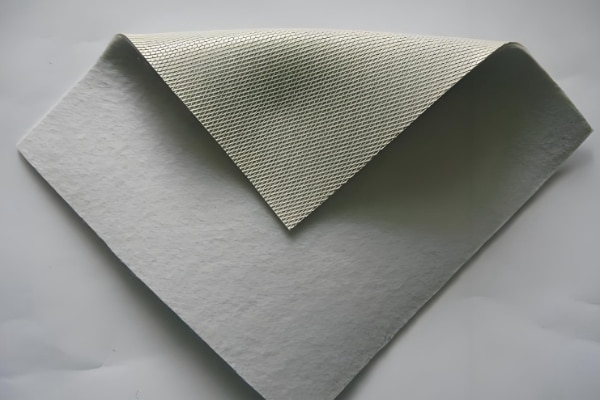
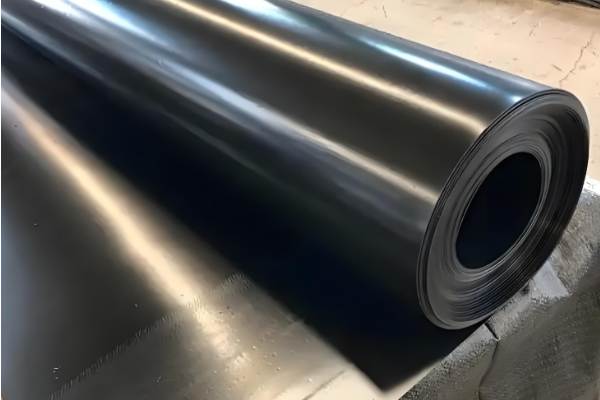
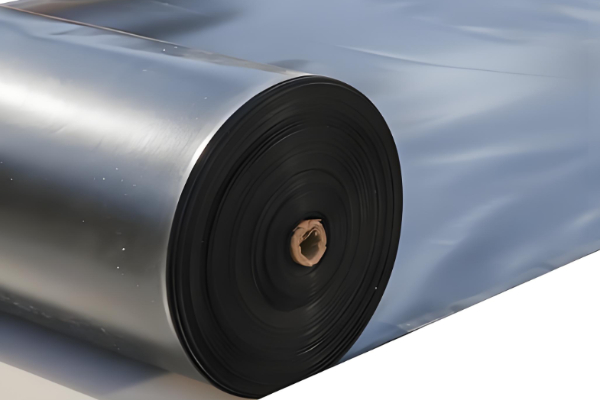
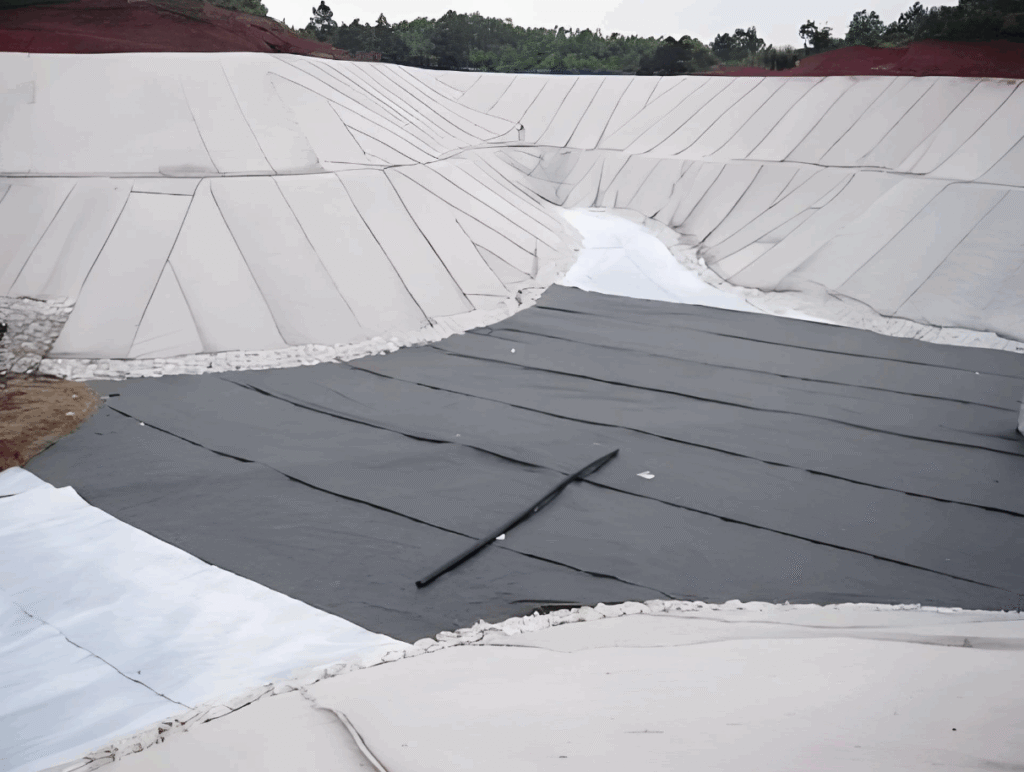
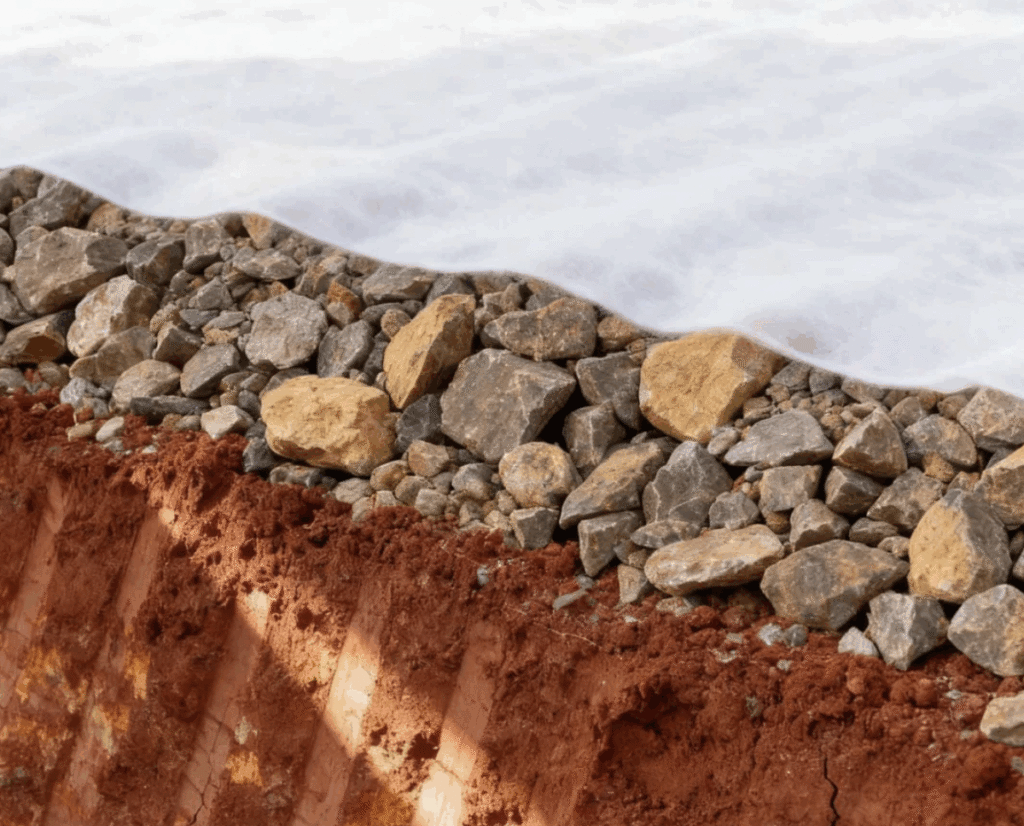
Geotextile fabric,often called geotextile,is a permeable synthetic textile material specifically designed for geotechnical engineering.It is primarily made from polypropylene or polyester through processes like needle-punching or weaving.In road construction,this road fabric does not serve as a primary load-bearing element but functions as a separation and stabilization layer installed between the subgrade and the aggregate base course.It utilizes four core functions—separation,reinforcement,drainage,and filtration—to fundamentally address issues like road settlement,deformation,and premature failure.Simply put,it acts as the”skeleton”and”protective membrane”of the road,ensuring the long-term integrity of the structure.
If you are purchasing Geotextile Fabric Retaining Wall, you can contact us!
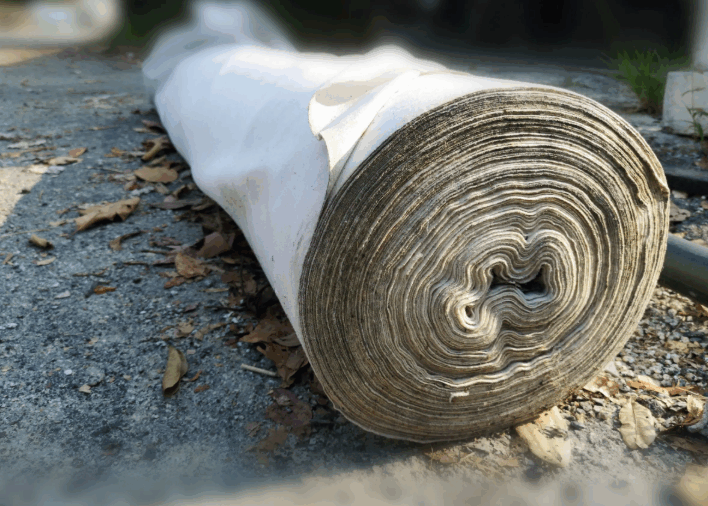
Types of Geotextile Fabric for Road Construction
Based on manufacturing process and performance,the two main types of geotextiles for roads are:
Nonwoven Geotextile Fabric:
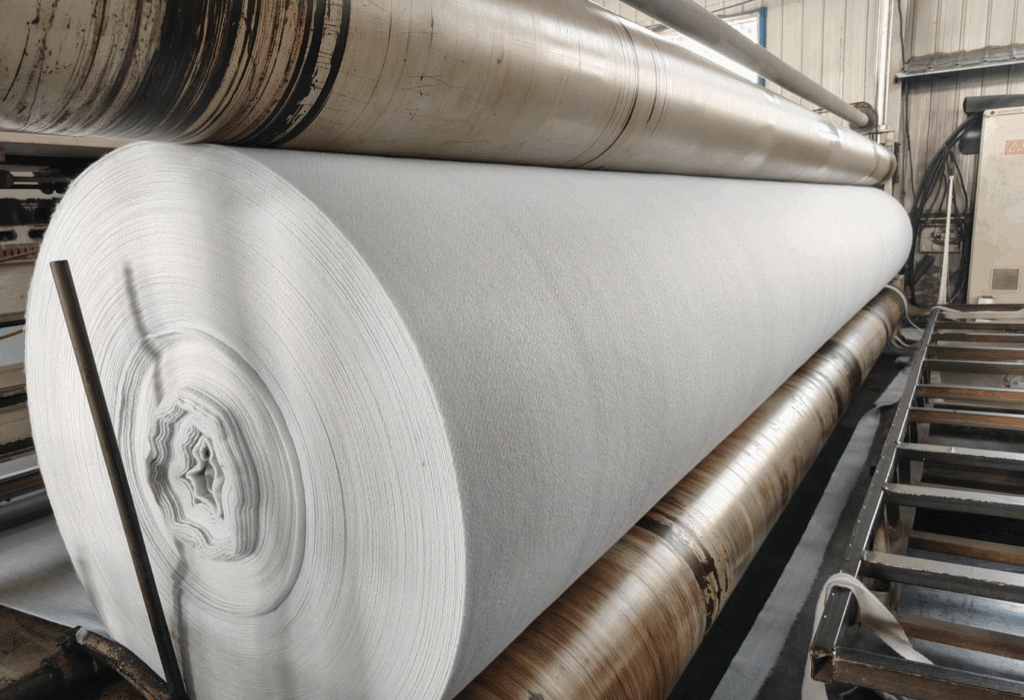
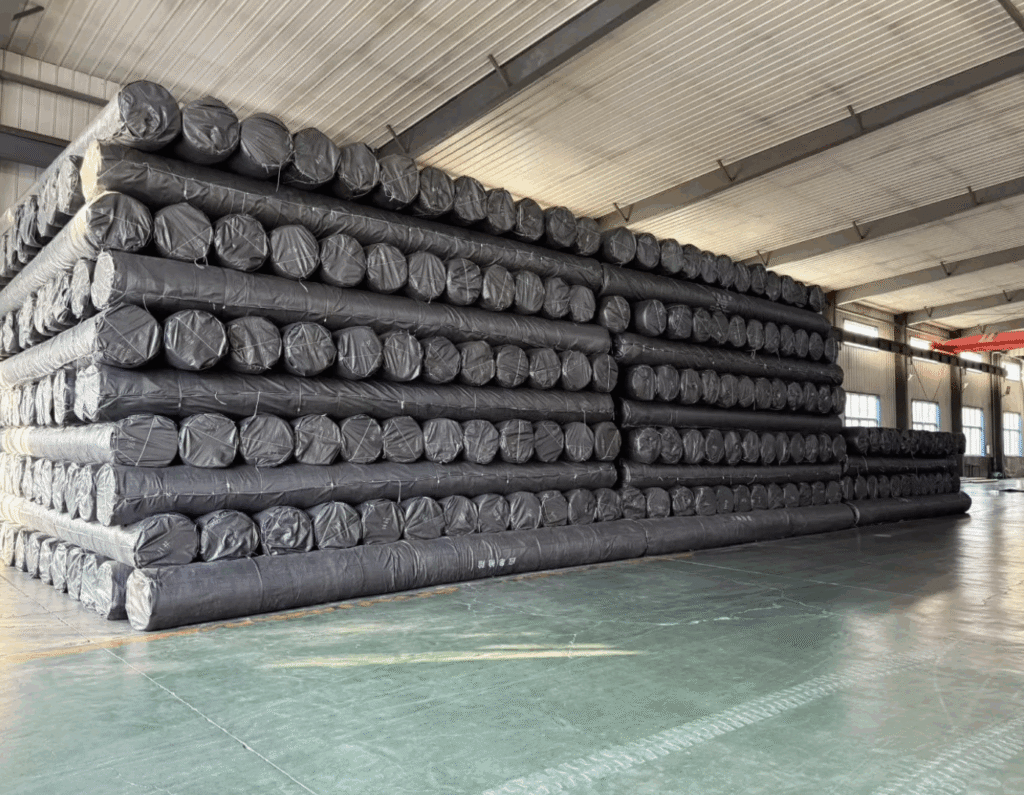
Characteristics: Made by randomly arranging polymer filaments and mechanically entangling them through needle-punching,resulting in a felt-like appearance.It offers excellent permeability and conformability.
Primary Functions: Separation,drainage,filtration.
Application Scenarios: This is the most common type used for standard roads,driveways,and parking lots.It effectively prevents the aggregate base from mixing with the soft subgrade and allows for water passage.
Woven Geotextile Fabric:
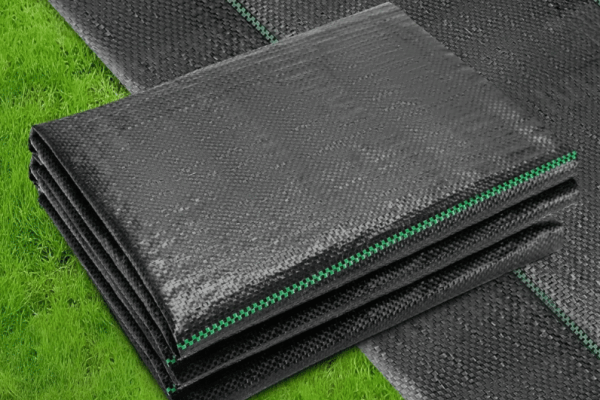
Characteristics: Produced using traditional weaving techniques with interlaced yarns,creating a tight,bag-like structure.It possesses very high tensile strength.
Primary Functions: Reinforcement,stabilization.
Application Scenarios: Primarily used in applications requiring high load-bearing capacity,such as heavy-haul access roads,railway embankments,and steep slope reinforcement,where its strength helps distribute loads and restrict soil movement.
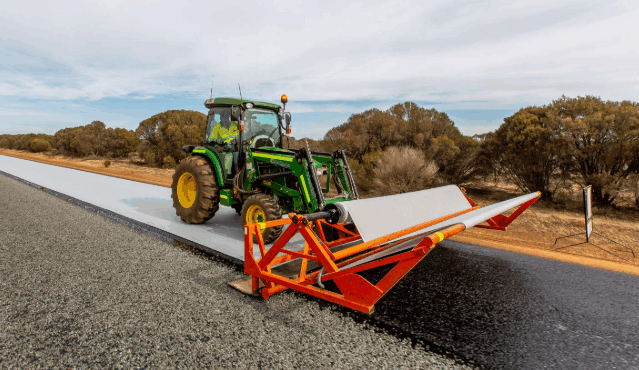
Applications of Geotextile in Road Construction
The use of geotextile fabric is integral throughout road engineering:
Separation in New Road Construction: The classic application.Installed on a compacted subgrade before placing the aggregate base.It prevents the base gravel from puncturing and mixing with the soft soil below,maintaining design thickness and preventing ruts and potholes.
Reinforcement in Road Rehabilitation: A high-strength geotextile(often combined with a tack coat)is placed over existing cracked asphalt before overlaying with new asphalt.The fabric absorbs stress,retarding the reflection of cracks from the old pavement to the new surface,extending service life.
Slope and Embankment Stabilization: When building embankments or stabilizing slopes,layers of geotextile fabric reinforce the soil mass,significantly enhancing stability and preventing landslides.
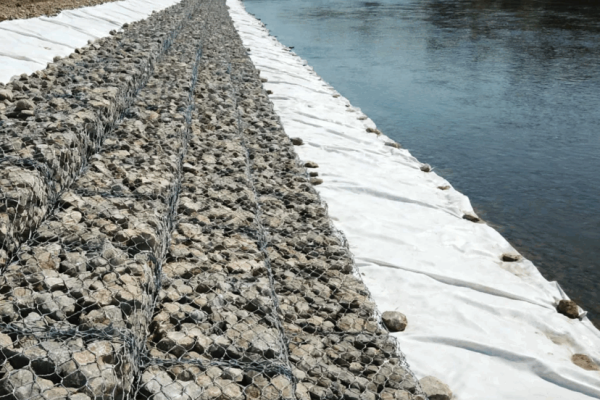
Drainage Systems: Geotextiles are wrapped around drainage pipes or stone drains,acting as a filter.They allow water to flow through while preventing soil particles from clogging the drainage system.
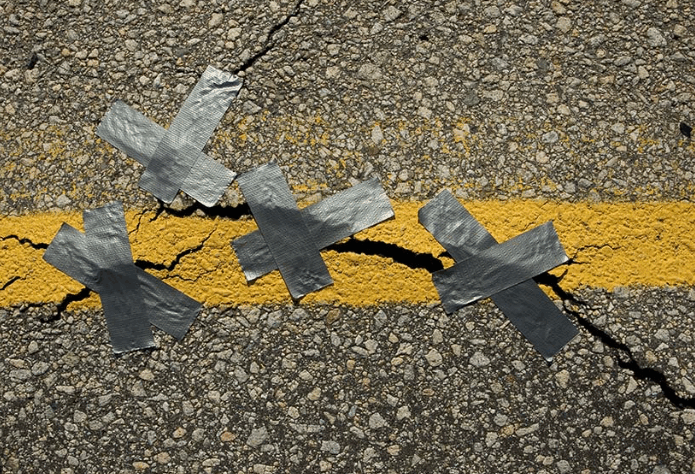
Benefits of Using Geotextile Fabric in Road Construction
Incorporating geotextile road fabric offers significant technical and economic advantages:
Extends Road Lifespan: Effective separation and reinforcement drastically reduce settlement and deformation,adding years to the pavement’s service life.
Reduces Long-Term Maintenance Costs: Decreases the frequency of repairs and resurfacing,leading to lower life-cycle costs.
Increases Load-Bearing Capacity: Particularly on soft subgrades,the fabric distributes loads evenly,enabling road construction on otherwise unsuitable ground.
Saves Construction Materials: By providing a stable working platform,it can sometimes reduce the required thickness of the aggregate base course,saving material costs.
Accelerates Construction: Installation is quick and straightforward,and it improves working conditions,especially on wet,soft ground.
Environmental Protection: Reduces aggregate quarrying and minimizes environmental disturbance through improved base stabilization.
How to Install Geotextile Fabric for Road Construction
Correct installation is crucial for the geotextile to perform as intended.Follow these key steps:
Site Preparation:
Clear all vegetation,roots,sharp stones,and debris.
Grade and compact the subgrade to create a firm,level surface with the desired slope.
Laying the Geotextile:
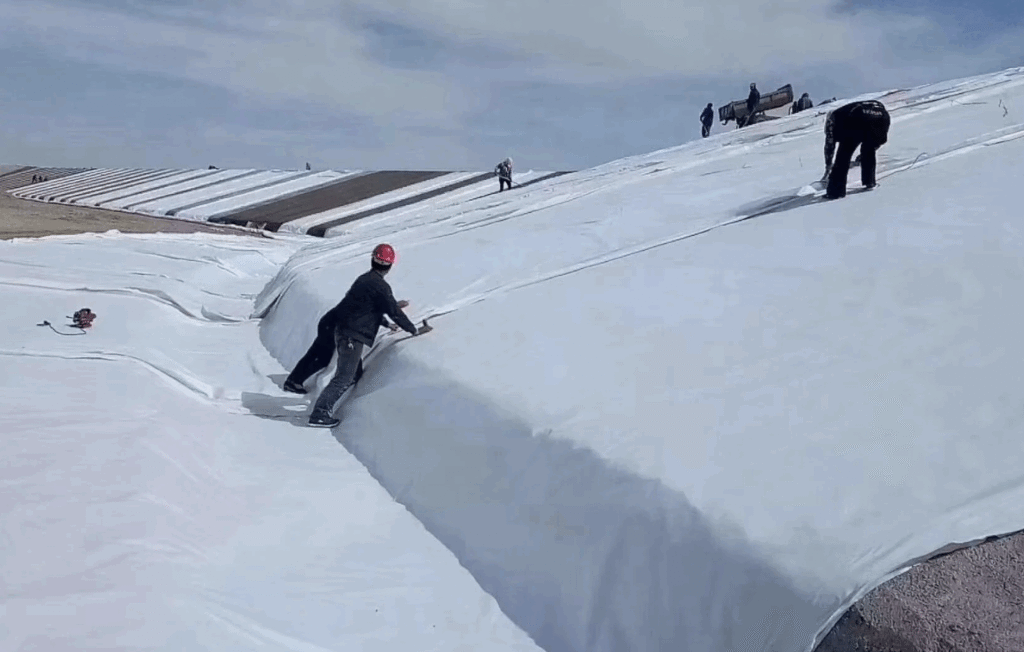
Unroll the geotextile fabric along the length of the road.Ensure it lies flat,without wrinkles,and in full contact with the subgrade.
Overlap Seams:Adjacent rolls must have sufficient overlap,typically 30 to 100 centimeters(12 to 39 inches).On soft ground or critical areas,seams should be stitched or fastened with specialized connectors.
Temporary Anchoring:
Use”U”-shaped pins or stakes along the overlaps and perimeter to prevent displacement by wind or construction activity.
Placing Backfill Material:
Place the first layer of base material(gravel or crushed stone)by dumping from the side onto the fabric.Use lightweight equipment to avoid turning or braking sharply directly on the unprotected geotextile.
Only after the initial layer thickness exceeds approximately 30 cm(12 inches)should heavy equipment be allowed to spread and compact the material.
Compaction:
Compact the aggregate base course in layers according to standard procedures to achieve the required density.
Important Note: Avoid prolonged exposure to sunlight(UV degradation);backfill as soon as possible after laying.Take care to avoid puncturing or tearing the fabric with sharp tools during installation.
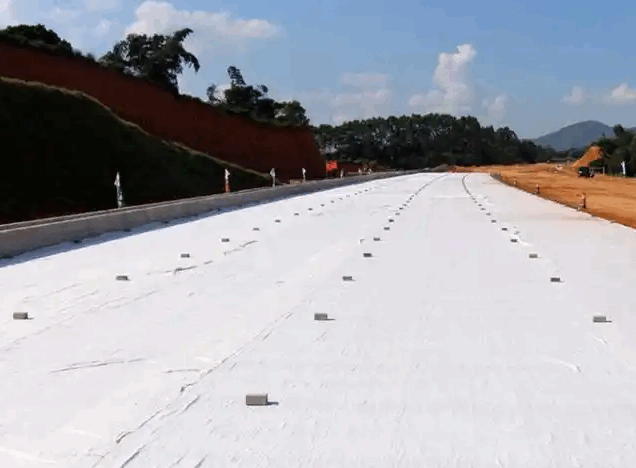
Conclusion
In summary,geotextile road fabric is no longer an optional material but a key technical solution for ensuring road quality,durability,and cost-effectiveness.Through its engineered properties,it provides a simple yet highly effective answer to fundamental challenges in road construction.Whether for a major highway or a residential driveway,the correct selection and installation of geotextile fabric represent a smart,low-investment,high-return decision,making it an indispensable component of modern,long-lasting infrastructure.
If you are looking for a reliable Geotextile Road Fabric supplier,please feel free to contact us.
About Us:Lianjie
Lianjie is a one-stop supplier of geosynthetics with 15 years of professional experience and multiple national certifications.We provide the most professional Geotextile Road Fabric solutions!
References:
- ASTM International: Standards from this organization are globally recognized.
- ASTM D4439 – Standard Terminology for Geosynthetics: This is the standard source for definitions of “geotextile” and related terms (e.g., separation, filtration, reinforcement).
- ASTM D5261 – Standard Test Method for Measuring Mass per Unit Area of Geotextiles: Defines how to measure the mass per unit area (e.g., 4 oz/yd²) of geotextiles.
- ISO (International Organization for Standardization): Standards such as the ISO 10318 series are internationally accepted, similar to ASTM.