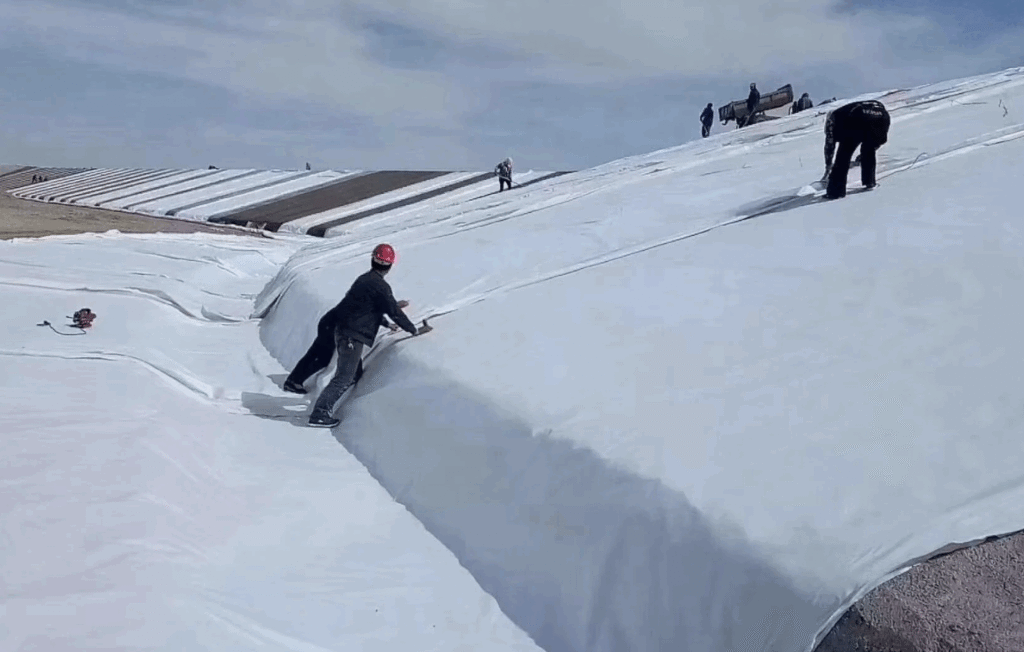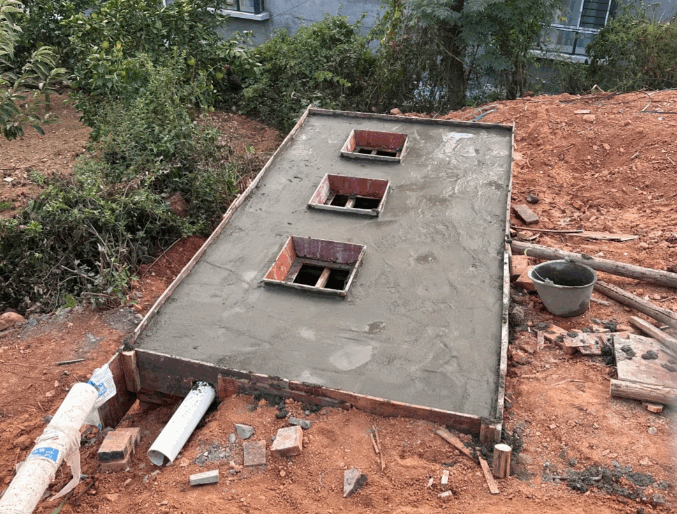
In civil engineering, environmental engineering, and modern agricultural projects, geotextiles and geomembranes are two indispensable synthetic materials. However, despite their similar names, their functions and applications are vastly different. Choosing the wrong one may not only lead to project failure but also result in huge economic losses. This article will conduct an in-depth analysis of geotextiles and geomembranes, covering everything from their functions to practical applications. It provides a clear and professional comparison and selection guide to help you make the most informed decision for your next project.
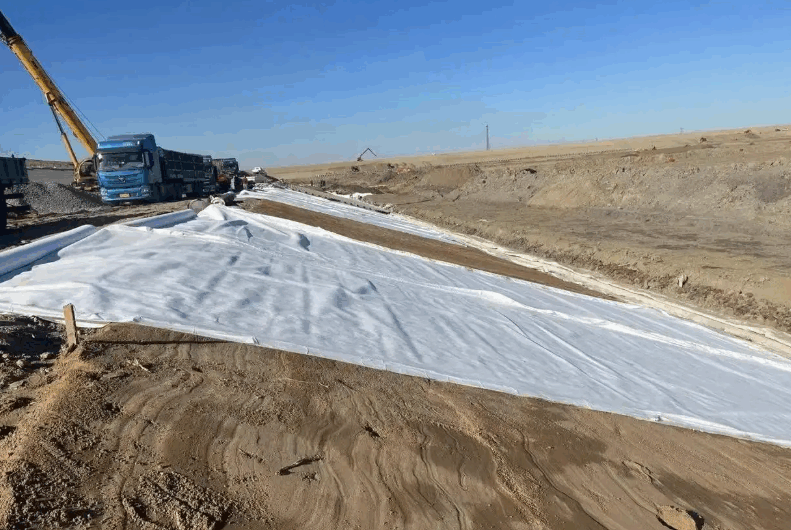
What is a Geotextile?
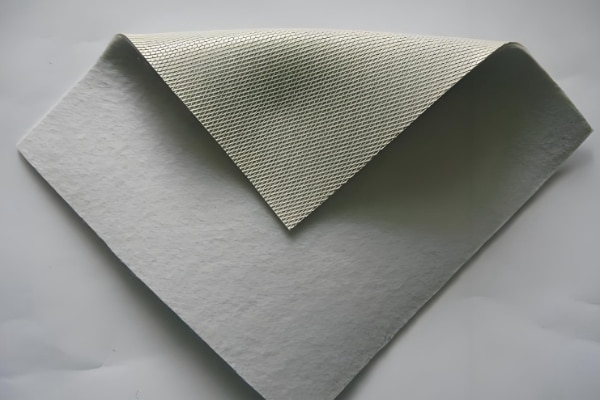
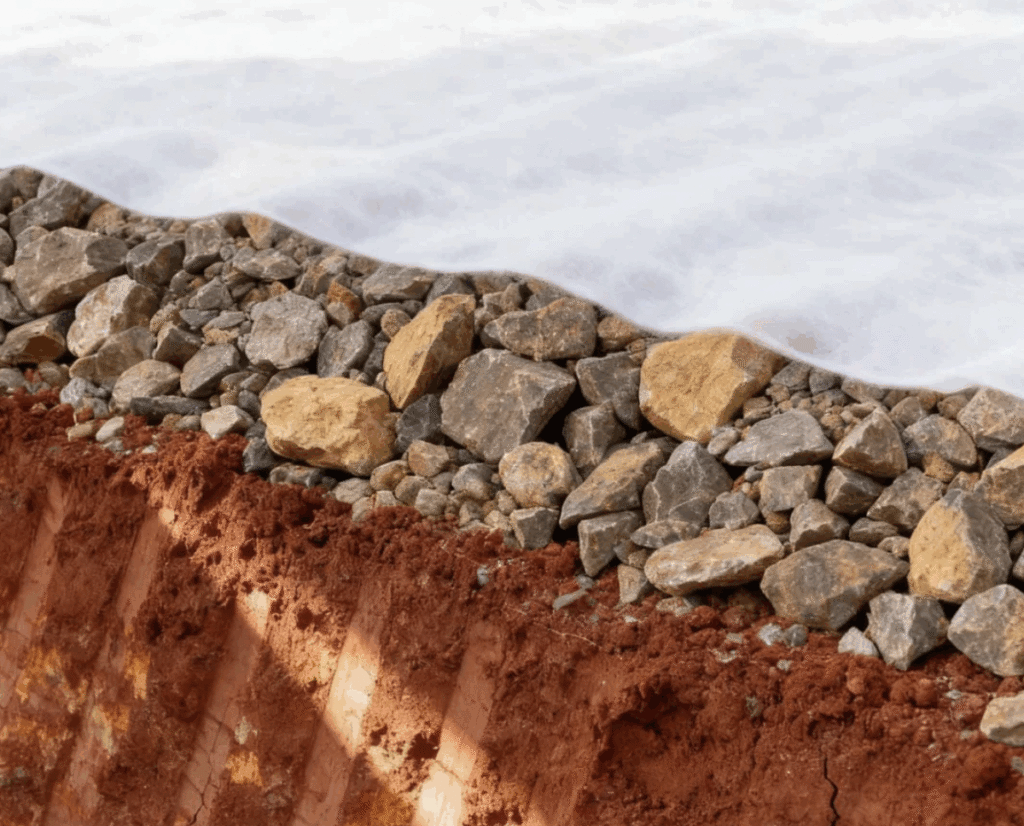
- Definition & Material: A geotextile is a permeable synthetic fabric made primarily from polyester or polypropylene via needle-punching or weaving. It acts as an “intelligent fabric” in engineering.
- Core Function: Its primary purpose is “transmission”, including separation, filtration, drainage, and reinforcement.
- Separation: Prevents the intermixing of dissimilar soil layers (e.g., subgrade and soft soil).
- Filtration: Allows water to pass through freely while effectively retaining soil particles.
- Drainage: Collects and channels water within its own plane.
- Main Types:
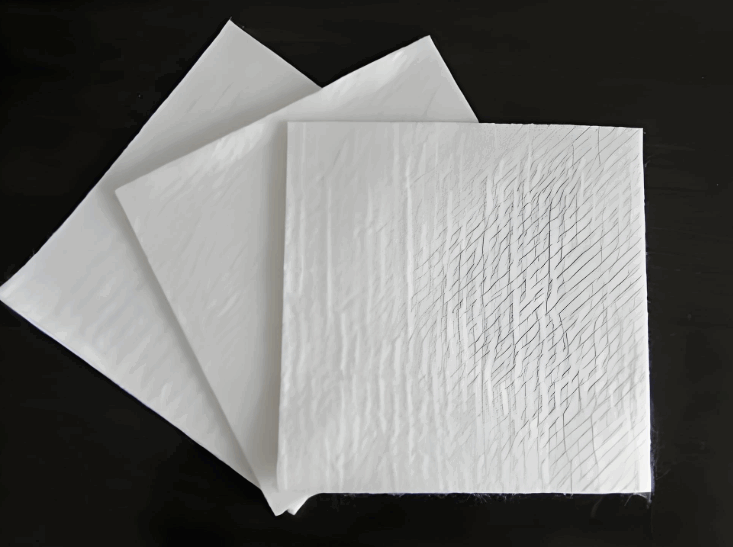
- Non-Woven Geotextile: Resembles felt, created by needle-punching randomly distributed fibers. Ideal for filtration and protection, with excellent in-plane drainage properties.
- Woven Geotextile: Made by weaving monofilaments or tapes, offering a more regular structure and higher tensile strength, primarily used for reinforcement and separation.
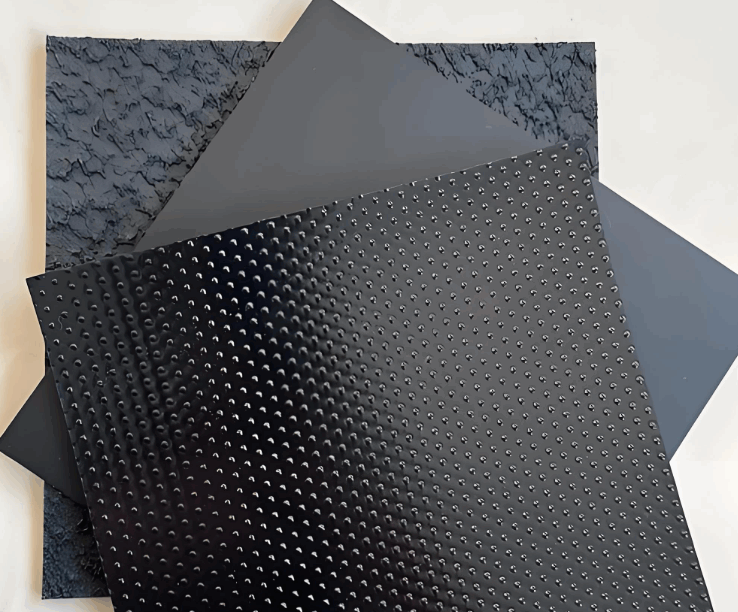
What is a Geomembrane?
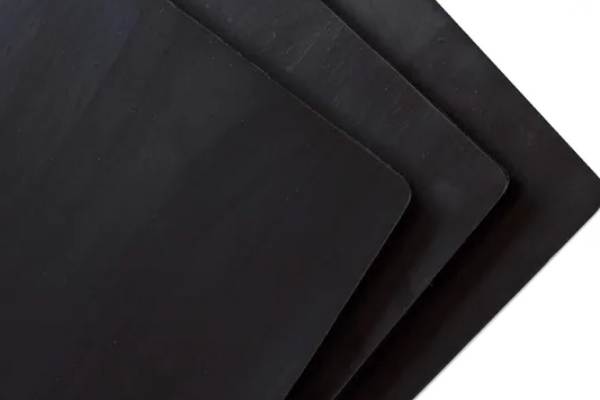
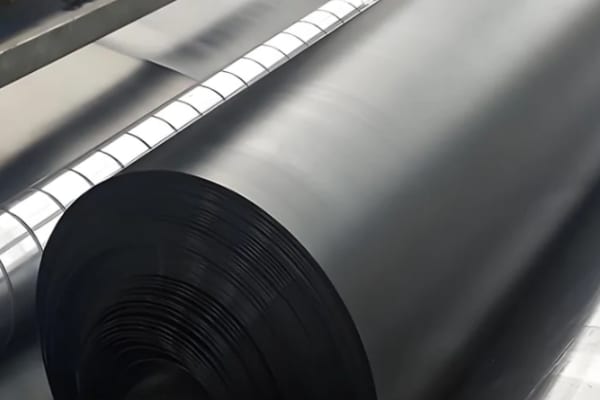
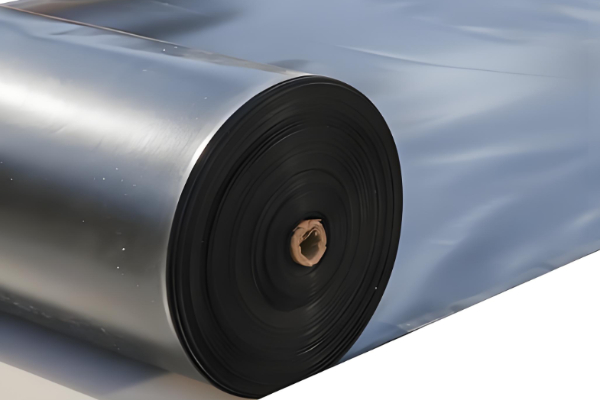
- Definition & Material: A geomembrane is a virtually impermeable polymeric sheet, typically manufactured from materials like High-Density Polyethylene (HDPE), Linear Low-Density Polyethylene (LLDPE), or Polyvinyl Chloride (PVC).
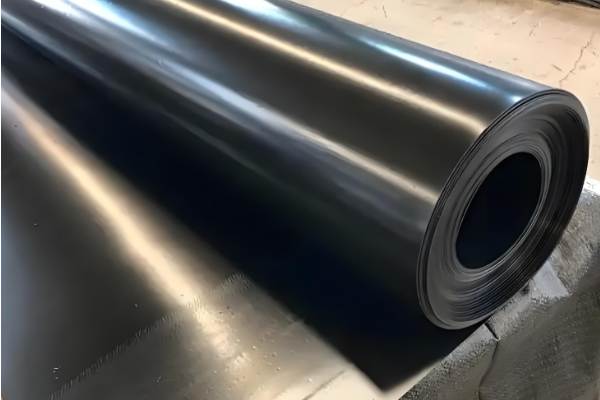
- Core Function: Its primary purpose is “containment”, i.e., impermeability, sealing, and lining. It acts like a giant “plastic sheet” or “pond liner” to prevent the migration of liquids or gases.
- Main Types:
- HDPE Geomembrane: Offers excellent chemical resistance, high tensile strength, and extreme durability. Commonly used in demanding applications like landfill liners and wastewater lagoons.
- LLDPE Geomembrane: More flexible and puncture-resistant, allowing it to conform better to uneven subgrades. Often used in decorative ponds, aquaculture liners, and other applications requiring adaptability.
Geotextiles vs Geomembranes
The table below clearly illustrates the fundamental differences between geotextile materials and geomembrane liners:
| Aspect | Geotextiles | Geomembranes |
|---|---|---|
| Core Function | Separation, Filtration, Drainage, Reinforcement | Containment, Sealing, Impermeability |
| Permeability | Permeable | Impermeable |
| Primary Material | Polyester, Polypropylene Fibers | HDPE, LLDPE, PVC Polymers |
| Physical Form | Fabric-like, Textile | Sheet-like, Membrane |
| Key Properties | Tensile Strength, Puncture Resistance, Permittivity | Puncture Resistance, UV Stability, Seam Strength |
| Simple Analogy | Tea Filter – Lets water through, holds leaves back | Plastic Bucket – Holds water in completely |
If you are purchasing Geotextiles and Geomembranes, you can contact us!
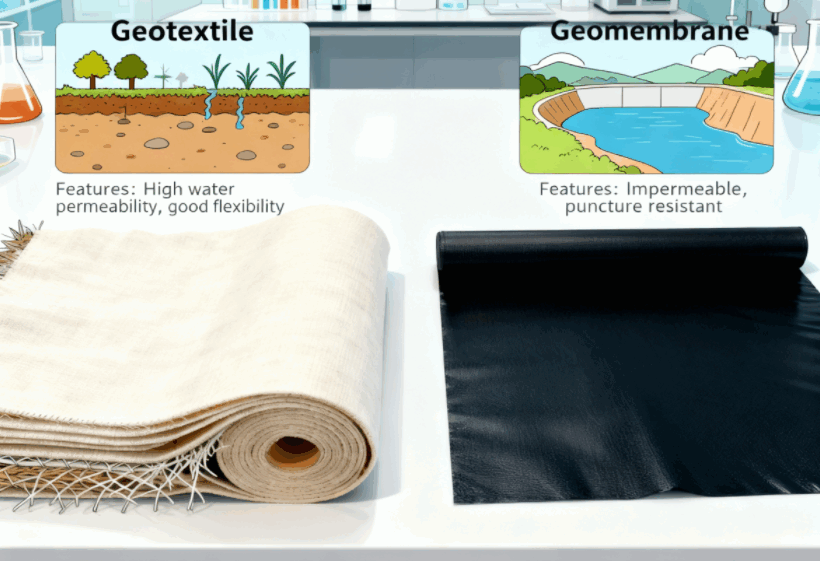
Geotextiles and Geomembranes Application
1. Typical Geotextile Applications
- Road & Railway Construction: Laid between the subgrade and base course for separation and reinforcement, extending the pavement’s life.
- Drainage Systems: Wrapped around drainage pipes or stone trenches to act as a filter, preventing soil clogging.
- Shoreline Protection: Used with riprap or gabions as a filter layer to prevent soil erosion while allowing water drainage, stabilizing slopes.
- Landfill Construction: Serves as a protective layer to prevent sharp objects from puncturing the primary geomembrane liner.
2. Typical Geomembrane Applications
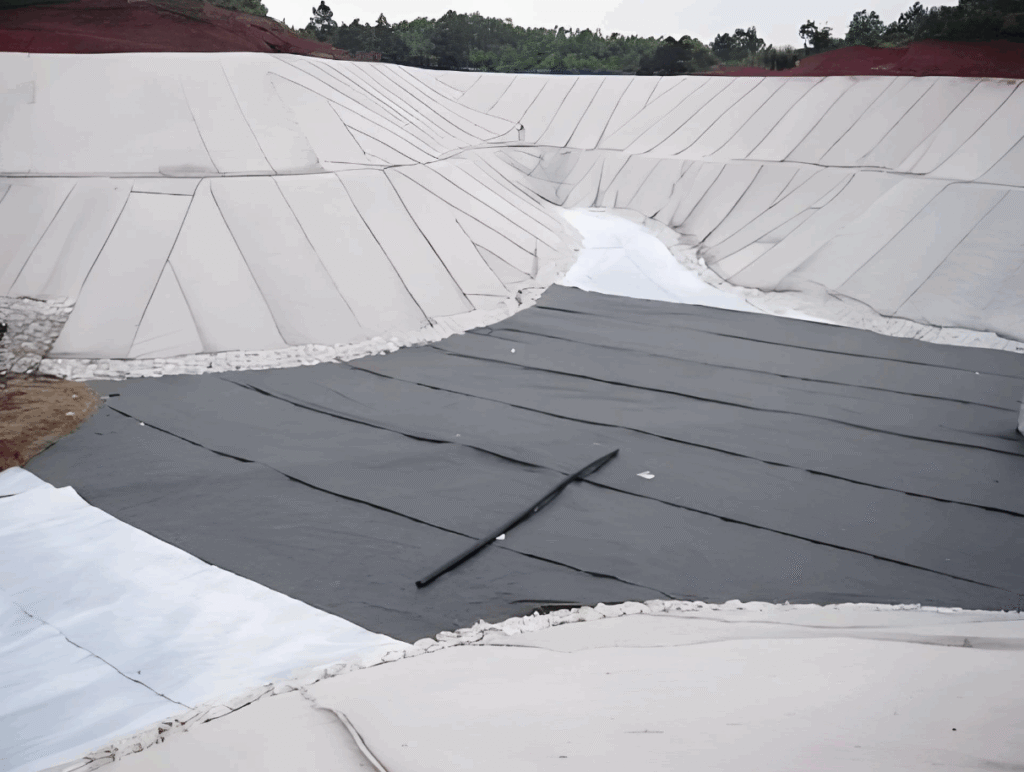
- Water Management: Used as impermeable liners for reservoirs, canals, and pond liners to minimize water loss through seepage.
- Environmental Engineering: The key containment barrier in landfill liner systems, tailings dams, and wastewater treatment ponds, preventing pollutant migration.
- Mining: Liners for leach pads and solution ponds.
- Agriculture: Biogas tank covers and liners for irrigation channels.
3. Synergistic Application: A Classic Partnership
The modern sanitary landfill liner system best demonstrates their synergistic relationship. A typical cross-section (from top to bottom) is:
- Waste Layer
- Gravel Drainage Layer
- Non-Woven Geotextile (Filter Layer)
- HDPE Geomembrane (Primary Liner)
- Compacted Clay Layer
- Native Soil
In this system, the geotextile lies above the geomembrane, providing dual filtration and protection: it allows leachate to pass into the drainage layer while preventing sharp objects from the overlying waste from puncturing the delicate geomembrane liner. They work together as complementary partners, forming the core defense for environmental safety.
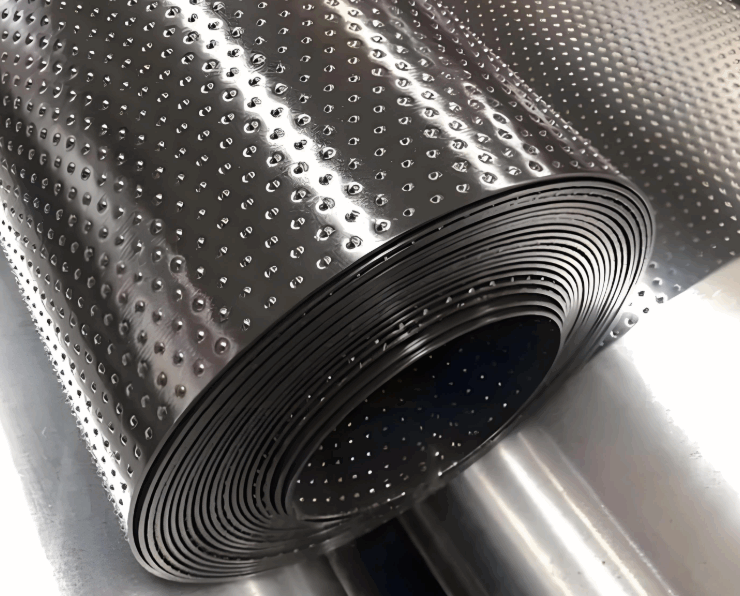
Geotextiles and Geomembranes: How to Choose
Follow this simple decision-making flowchart to select the correct material:
- Ask the first and most critical question: Is my core need “Water Transmission” or “Water Containment”?
- If you need drainage, filtration, or soil reinforcement? -> The answer is “Transmission”. You should select a Geotextile.
- If you need to retain water, prevent seepage, or contain pollutants? -> The answer is “Containment”. You must select a Geomembrane.
- If you selected a Geotextile, how to choose the type?
- Main need is filtration, protection, or planar drainage? -> Choose a Non-Woven Geotextile.
- Main need is high tensile strength for soil reinforcement (e.g., reinforced walls)? -> Choose a Woven Geotextile.
- If you selected a Geomembrane, how to choose the type?
- Harsh environment requiring high chemical resistance, UV stability, and long-term durability (e.g., landfills, industrial sites)? -> Choose an HDPE Geomembrane.
- Complex terrain requiring more flexibility and conformability (e.g., landscape ponds, aquaculture)? -> Choose an LLDPE Geomembrane.
Frequently Asked Questions (FAQ)
Conclusion
In summary, geotextiles are the experts in transmitting water, while geomembranes are the masters in containing it. Understanding this fundamental distinction between “permeable” and “impermeable” is the foundation for correctly selecting and applying these materials. In complex modern engineering, they often work together as partners to ensure structural integrity and environmental safety. For large or critical projects, it is highly recommended to consult with a professional geotechnical engineer or materials specialist.
If you are looking for a reliable Geotextile and Geomembrane supplier, please feel free to contact us.
About Us: Lianjie
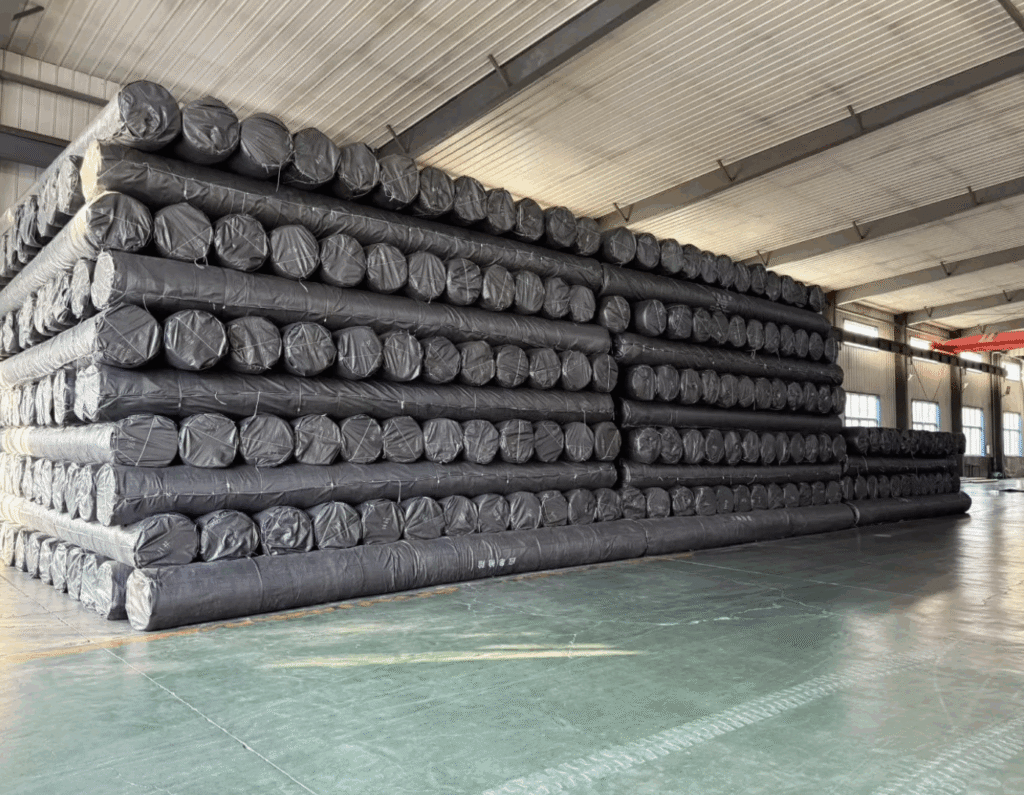
Lianjie is a one-stop supplier of geosynthetics with 15 years of professional experience and multiple national certifications.We provide the most professional Geotextiles and Geomembranes solutions!
Reference Sources
- ISO 10318: “Geosynthetics — Terms and definitions.”
- This is the most fundamental standard, which clearly defines the terms “Geotextile” and “Geomembrane,” along with related terminology.
- ASTM International Standards Series:
- ASTM D4439: Standard Terminology for Geomembranes.
- ASTM D4355: Standard Test Method for Deterioration of Geotextiles by Exposure to Light, Moisture, and Heat.
- ASTM D4833: Standard Test Method for Index Puncture Resistance of Geotextiles, Geomembranes.
- ASTM D5884: Standard Test Method for Determining Tearing Strength of Internally Reinforced Geomembranes.
- ASTM D6747: Standard Guide for Selection of Techniques for Electrical Leak Location of Leaks in Geomembranes.