In projects such as residential garden construction, commercial landscape engineering, or road supporting greening, construction personnel and owners are often troubled by problems like weed overgrowth, soil erosion, and poor drainage. As a synthetic material integrating filtration, separation, stabilization and drainage functions, non-woven geotextile landscape fabric can precisely address these core pain points, becoming an indispensable basic material in landscape engineering. This article elaborates on the core knowledge of non-woven geotextile landscape fabric from the full dimensions of “cognition-selection-purchase-application”, helping you quickly find solutions suitable for your needs.
What is Non-Woven Geotextile Landscape Fabric?
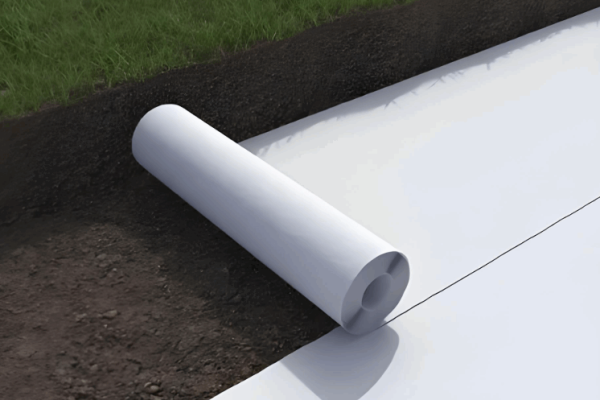
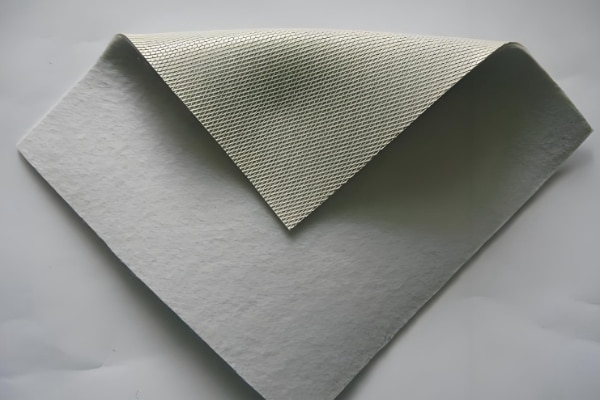
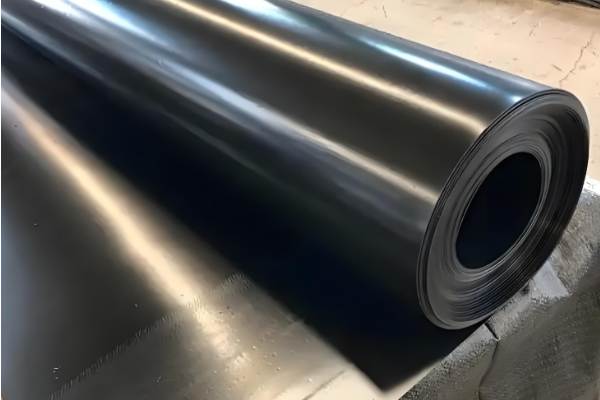
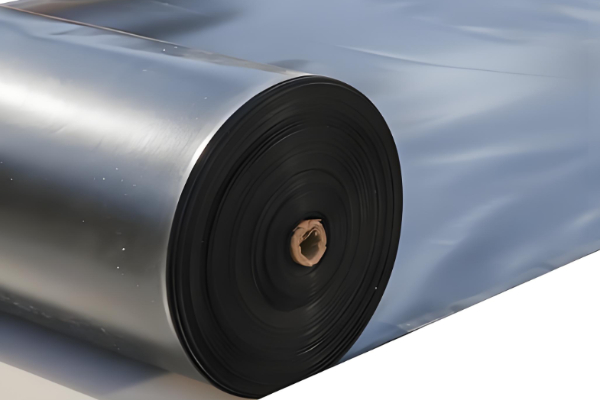
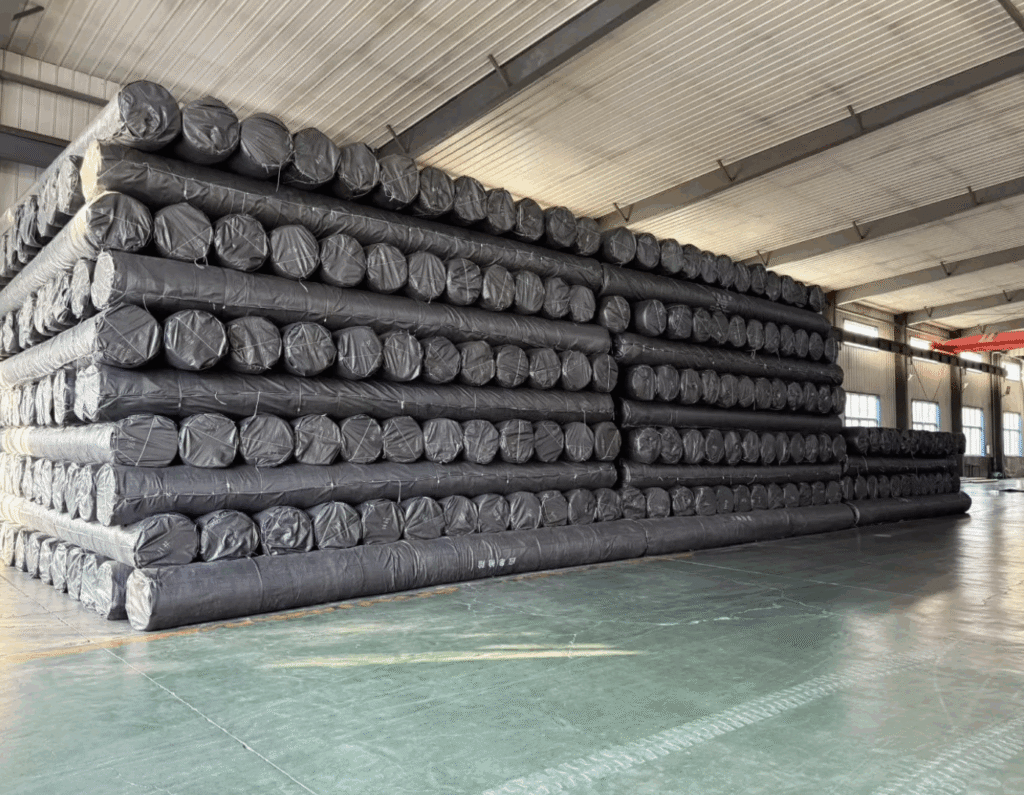
Non-woven geotextile landscape fabric is a water-permeable fabric made from polymer synthetic fibers such as polypropylene and polyester through non-woven processes including needle punching, thermal bonding or chemical bonding. It has a soft, felt-like appearance and features light weight, high strength and strong adaptability.
Its core characteristics are reflected in three aspects: first, high-efficiency water permeability—the fiber pores inside the fabric allow water to pass through freely while effectively retaining fine soil particles, preventing pipes or roadbeds from clogging, and achieving the effect of “draining water without losing soil”; second, excellent durability—the raw materials themselves have properties such as UV resistance, acid and alkali chemical corrosion resistance, and weathering resistance, maintaining stable performance for a long time in outdoor environments; third, good flexibility—it can easily fit irregular ground contours, and is convenient for cutting and laying, greatly reducing construction difficulty.
Recommended Reading:What is the Best Landscape Fabric?The 3 Best Landscape Fabrics
Main Types of Non-Woven Geotextile Landscape Fabric
According to different production processes, non-woven geotextile landscape fabric is mainly divided into three types, each with distinct performance and applicable scenarios:
- Needle-punched non-woven geotextile: Formed by interweaving and bonding fibers with needles from a needle punching machine, it boasts balanced mechanical strength, wear resistance, filtration and drainage performance. It is the most widely used type in landscape engineering, suitable for scenarios like garden drainage and slope filtration.
- Thermally bonded non-woven geotextile: Fibers are fused and bonded using high temperature. Compared with needle-punched type, it has higher breaking strength, lower elongation rate and stronger structural stability. It is suitable for scenarios with high requirements for soil stability, such as roadbed reinforcement and riverbank erosion control.
- Chemically bonded non-woven geotextile: Fiber bonding is achieved by adding chemical adhesives. The production process is complex and the cost is relatively high. It is only applicable to some special customized scenarios (such as landscape supporting facilities in chemical parks with high corrosion resistance requirements) and is rarely used in conventional landscape projects.
Recommended Reading:Geotextile Fabric vs Landscape Fabric:Are they the same?
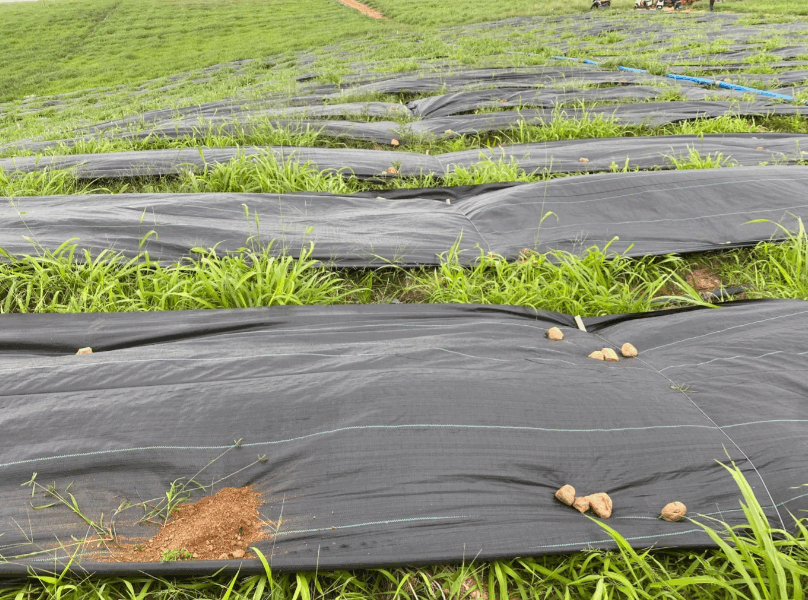
Non-Woven Geotextile Landscape Fabric Price and Money-Saving Tips
Price Range: The unit price of light-duty non-woven geotextile (around 3oz) is approximately $3–$8 per square yard, while heavy-duty type (around 8oz) costs about $10–$20 per square yard. Prices vary significantly among different brands and materials. For bulk purchases (e.g., over 1,000 square yards), a 5%–10% discount can be negotiated with suppliers.
Money-Saving Tips:
- Cut according to actual needs to avoid waste: Precisely cut the fabric based on the actual area of the project, control the edge overlap within 10–15cm, and do not blindly increase the overlap width.
- Select materials reasonably: Choose polypropylene for conventional scenarios and polyester for sun-exposed scenarios to avoid paying for unnecessary performance.
Core Application Scenarios of Non-Woven Geotextile Landscape Fabric
The application of non-woven geotextile landscape fabric covers both residential and commercial landscape fields. The functional positioning and usage requirements vary in different scenarios, detailed as follows:
Residential Landscape Scenarios
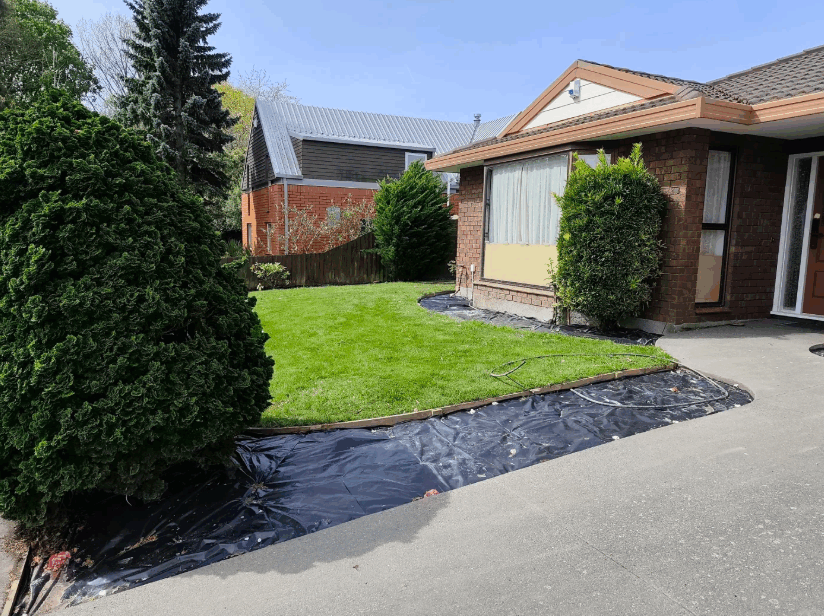
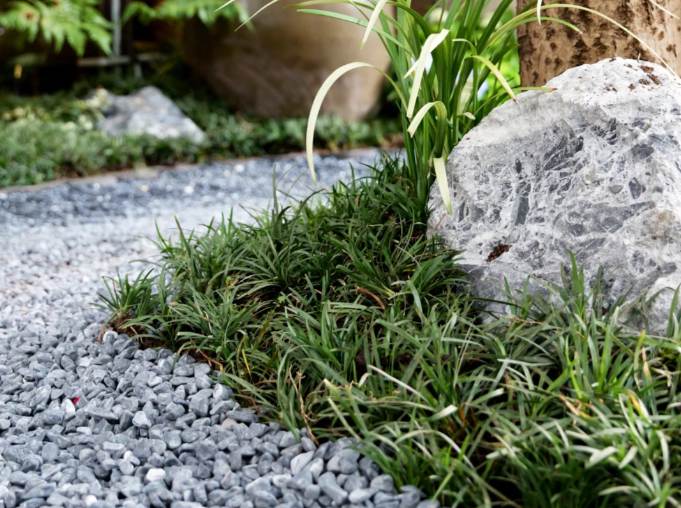
- Garden/flower bed weed control: This is the most common household scenario. Lay non-woven geotextile on the surface of flower bed soil, and then cover it with a 3–5cm thick layer of mulch (such as wood chips or gravel). This can effectively block weed photosynthesis, inhibit weed growth, and at the same time, not affect soil air permeability and water infiltration, preventing flower roots from rotting due to waterlogging. It is recommended to choose light-duty geotextile with a weight of 100–300 g/m², which is flexible for cutting and low in cost.
- Recommended Reading:The 5 Best Landscape Fabric for Vegetable Garden
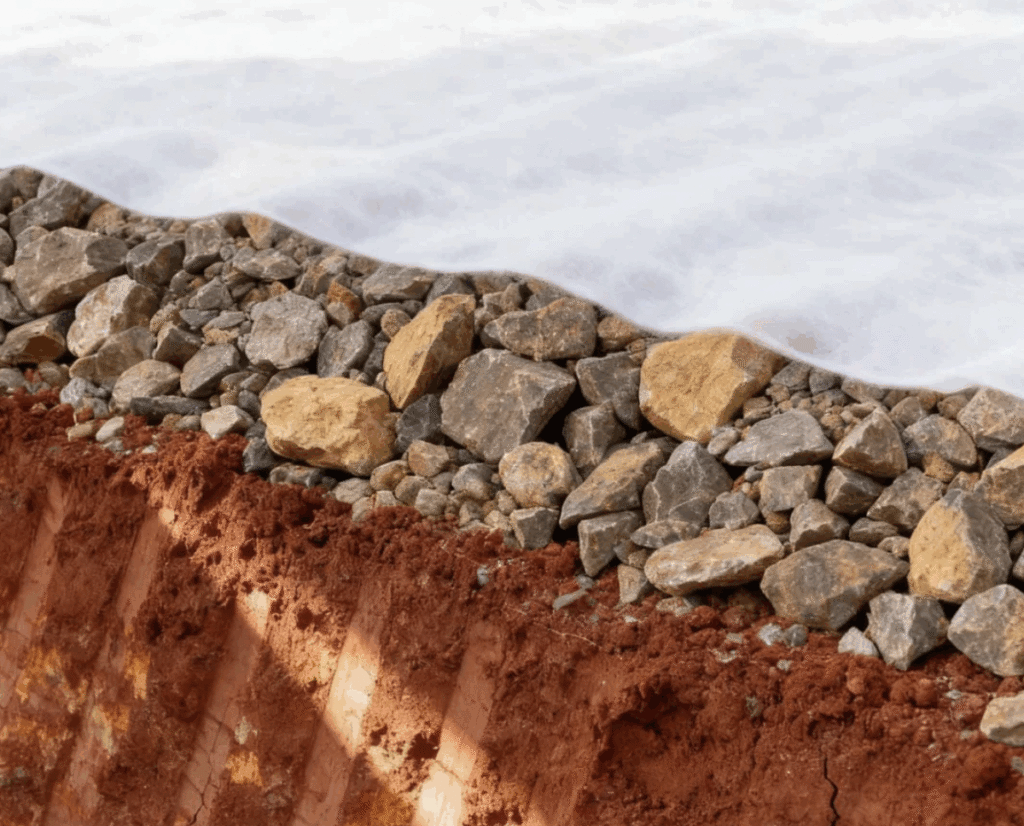
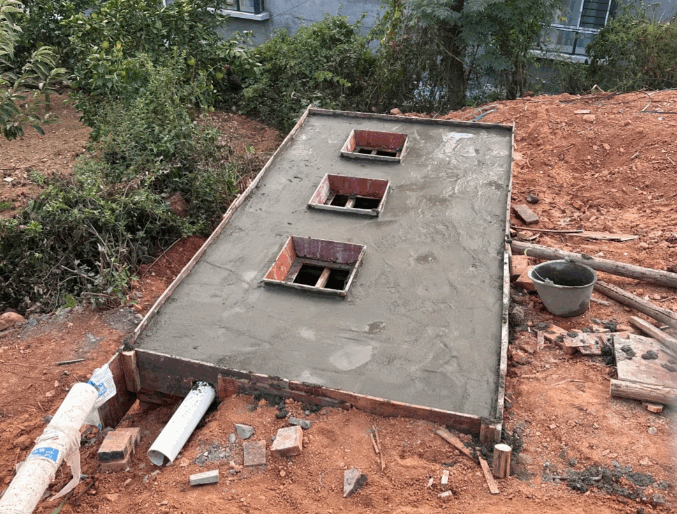
- Courtyard drainage system: In household drainage projects such as French drains and trench drains, wrap drainage pipes with non-woven geotextile or lay it at the bottom of the trench. This can filter sediment and impurities in water, prevent pipe clogging, and improve drainage efficiency. It is especially suitable for courtyards with low terrain and prone to waterlogging. Needle-punched geotextile is recommended for its superior filtration performance.
- Hardscape supporting laying: Lay geotextile under hardscapes such as artificial turf, stone paths and gravel walkways. This can separate soil from upper paving materials, prevent soil particles from penetrating into paving gaps and causing road surface settlement and deformation, and at the same time, enhance the stability and load-bearing capacity of the road surface.
Commercial/Engineering Landscape Scenarios
- Road stabilization and reinforcement: In the subgrade construction of light traffic roads such as residential driveways, parking lots and scenic area trails, lay heavy-duty non-woven geotextile with a weight of over 300 g/m². This can effectively separate subgrade soil from upper aggregates, prevent soil and aggregate mixing caused by vehicle rolling, improve subgrade bearing capacity, and extend road service life.
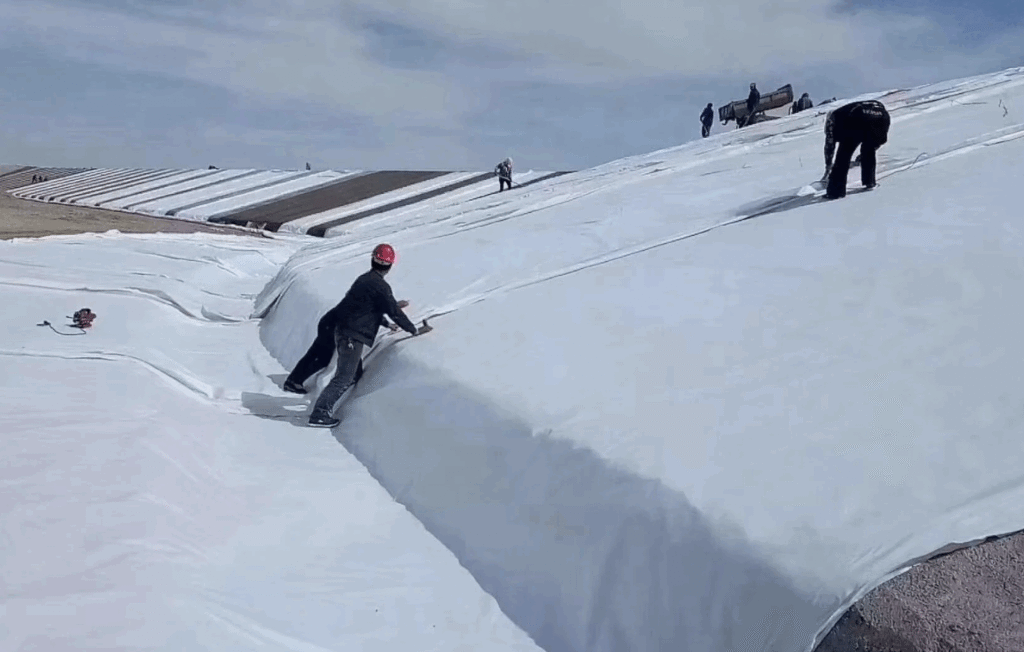
- Slope and riverbank erosion control: In landscape improvement projects of scenic area slopes and river banks, lay geotextile on the slope surface and fix it. This can reduce soil loss caused by rainwater scouring, and at the same time, provide a stable soil environment for vegetation growth (can be used with grass planting grids), achieving the dual effects of ecological protection and landscape beautification. Thermally bonded geotextile is recommended for its higher strength and stronger erosion resistance.
- Recommended Reading:What is The Best Landscape Fabric for Erosion Control?
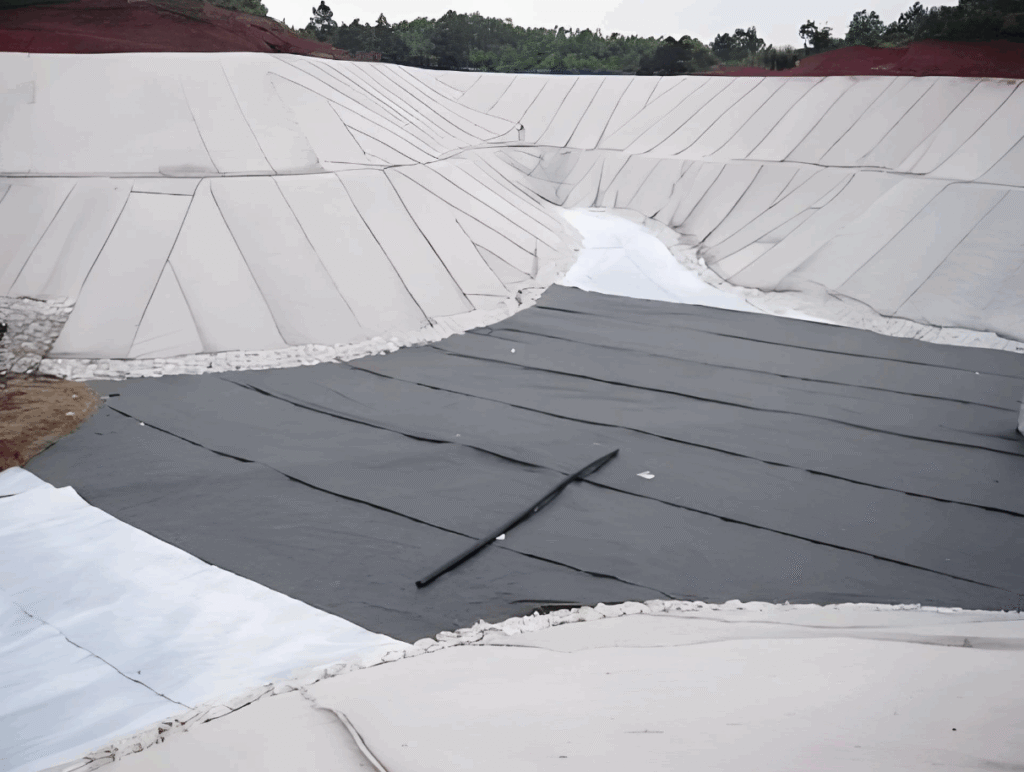
- Large-scale drainage engineering: In the construction of drainage layers around reservoirs and landfills, non-woven geotextile is used as a filter layer to intercept impurities in sewage, prevent drainage pipe clogging, and enhance the structural stability of the drainage layer to avoid drainage system failure caused by soil settlement. It is necessary to select heavy-duty geotextile that meets engineering standards and passes local environmental protection and engineering specification tests.
How to Select the Right Non-Woven Geotextile Landscape Fabric
The core of selection is to “match scenario requirements”. It is necessary to consider three core dimensions: weight specification, material and size, while avoiding common misunderstandings, detailed as follows:
Core Selection Dimensions
- Weight specification: The weight of geotextile is measured in “grams per square meter (g/m²)”, which is a key indicator for judging its applicable scenarios. Light-duty (100–300 g/m²): Suitable for light-duty scenarios such as residential garden weed control and small-scale drainage, featuring light weight, flexible cutting and low cost. Heavy-duty (300–1000 g/m²): Suitable for heavy-duty scenarios such as road reinforcement, slope protection and large-scale drainage engineering, with high strength, strong durability but relatively high cost.
- Material selection: The mainstream materials are polypropylene (PP) and polyester (PET). Polypropylene: Economical and practical, with strong chemical corrosion resistance, suitable for conventional landscape scenarios, and is a cost-effective choice. Polyester: Has better UV resistance, high temperature resistance and longer service life (5–10 years longer than polypropylene), suitable for long-term sun-exposed scenarios (such as open slope protection), but the price is slightly higher.
- Size selection: Non-woven geotextile on the market is mostly sold in rolls, with common roll widths of 1–7 meters, and the length can be customized according to needs. During selection, it is necessary to calculate the project area in advance and reserve a 10%–15% margin for edge overlap (to avoid filtration failure caused by gaps), preventing secondary procurement due to insufficient size.
Non-Woven vs. Woven Geotextile
Many users confuse non-woven and woven geotextile. The core differences between the two are as follows, and you can choose flexibly according to the scenario:
- Water permeability: Non-woven geotextile > Woven geotextile. Non-woven fabric has more uniform fiber pores and higher water permeability efficiency, suitable for drainage and filtration scenarios. Woven geotextile is formed by weaving warp and weft threads, with smaller pores and weaker water permeability.
- Strength: Woven geotextile > Non-woven geotextile. Woven geotextile has higher tensile strength, suitable for heavy-load reinforcement scenarios (such as roads for heavy vehicle passage). Non-woven geotextile has moderate strength, suitable for conventional filtration and separation scenarios.
- Flexibility and installation difficulty: Non-woven geotextile > Woven geotextile. Non-woven fabric is soft, can fit irregular ground and is easy to install. Woven geotextile is relatively hard, with slightly higher cutting and laying difficulty, suitable for large-scale projects with flat ground.
- Economy: Woven geotextile is more economical (lower unit price), but its comprehensive performance and service life are not as good as non-woven fabric. Non-woven geotextile has a slightly higher unit price but higher comprehensive cost performance (reducing later maintenance costs).
Selection Pitfall Avoidance Tips
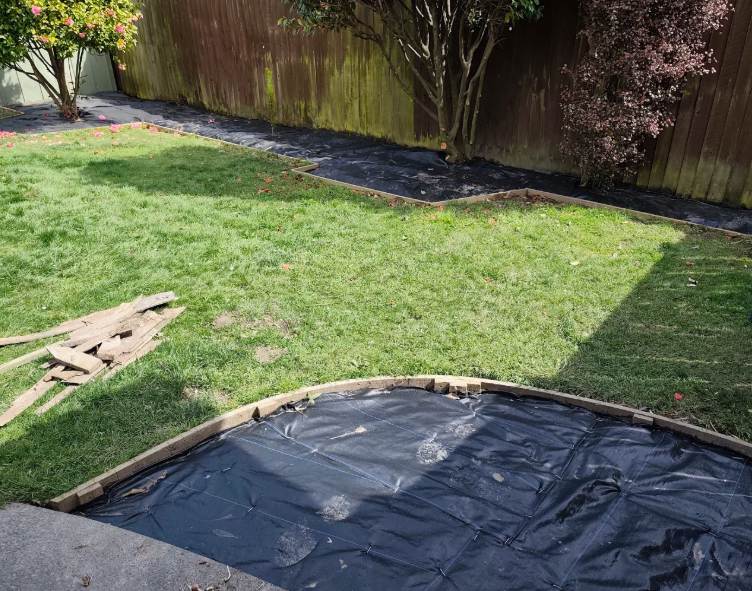
- Avoid confusing “landscape fabric” with “geotextile”: Ordinary landscape fabric (such as plastic film type) is thin and has poor durability, only suitable for short-term temporary weed control. Non-woven geotextile is thicker and has more stable performance, can be used for a long time, and the two are not interchangeable.
- Do not blindly pursue “heavy-duty”: Heavy-duty geotextile has high cost. Using it for light-duty scenarios (such as garden weed control) will cause resource waste. On the contrary, using light-duty geotextile for heavy-duty engineering will lead to insufficient performance and shorten service life.
- Comply with local specifications: Some regions have clear requirements on the material, weight and environmental protection grade of geotextile for landscape engineering (such as the need to use recyclable materials in scenic areas). It is necessary to confirm in advance before procurement to avoid rework due to non-compliance with specifications.
Product Recommendations for Non-Woven Geotextile Landscape Fabric
- Top choice for gardening weed control: HOOPLE 3.2oz (about 108 g/m²) non-woven geotextile. Made of polypropylene, it has good air permeability and can be cut arbitrarily, suitable for residential gardens and flower beds. Over 90% of user reviews praise its “excellent weed control effect and easy installation”.
- Top choice for heavy-duty engineering: Sandbaggy 8oz (about 272 g/m²) non-woven geotextile. Adopting thermal bonding process, it has high tensile strength and excellent UV resistance, suitable for engineering scenarios such as road stabilization and slope protection, and has passed a number of international engineering standard certifications.
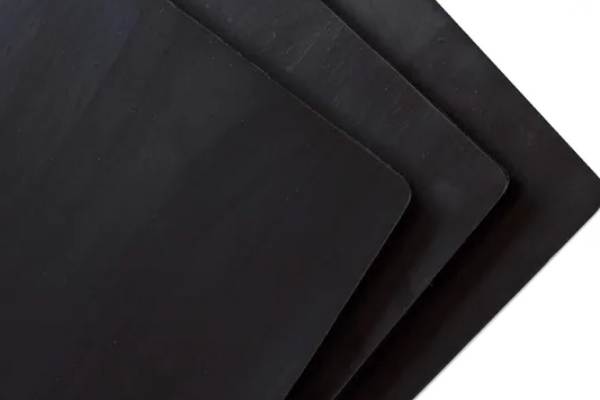
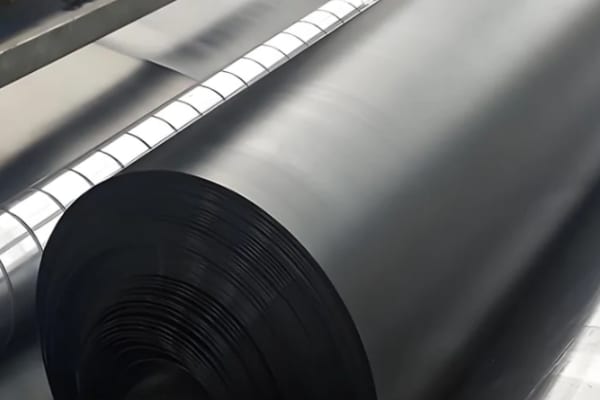
- Cost-effective universal choice: Hanes Geo Components black non-woven geotextile. It offers various specifications ranging from 100–600 g/m², made of polypropylene, suitable for residential and light commercial scenarios. The price is 10%–15% lower than similar products, with outstanding cost performance.
Installation and Usage Guide for Non-Woven Geotextile Landscape Fabric
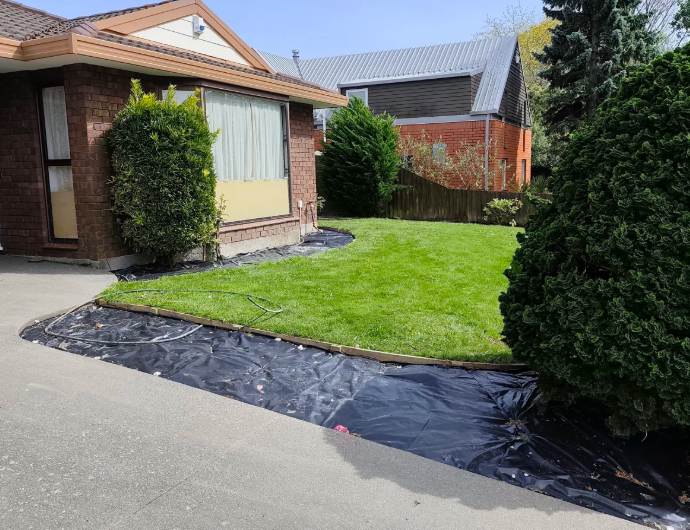
Correct installation and maintenance can maximize the service life of non-woven geotextile. The installation process varies in different scenarios, but the core principle is consistent: “flat laying, firm fixing, edge sealing”.
General Installation Steps
- Site preparation: Thoroughly clean up sharp debris such as weeds, stones and tree roots on the ground to avoid piercing the geotextile. Level the ground; for areas with large slopes, trim in advance to ensure the geotextile can fit the ground.
- Cutting and laying: Cut the geotextile according to the site size. During laying, follow the principle of “laying from bottom to top and along the slope” (to avoid geotextile displacement caused by water scouring). Overlap the edges of adjacent geotextile by 10–15cm, and compact the overlapping area to ensure no gaps.
- Fixing and compacting: Fix the edges and overlapping areas of the geotextile with landscape stakes (spacing 50–100cm) to ensure the geotextile will not shift due to wind or water flow. Lay mulch, gravel or paving materials on the geotextile and complete compaction.
Installation Key Points for Different Scenarios
- French drain installation: First lay a layer of geotextile at the bottom of the trench, place the drainage pipe, then wrap the pipe tightly with geotextile (to prevent impurities from entering the pipe), and then fill with gravel and compact. Ensure no gaps at the wrapping position, and reserve sufficient water-permeable space at the drain outlet.
- Road stabilization installation: After leveling and compacting the subgrade, lay heavy-duty geotextile, which should extend more than 50cm to both sides of the road (to avoid soil loss at the edges). Immediately fill with aggregates and compact after laying to prevent long-term exposure of the geotextile to sunlight.
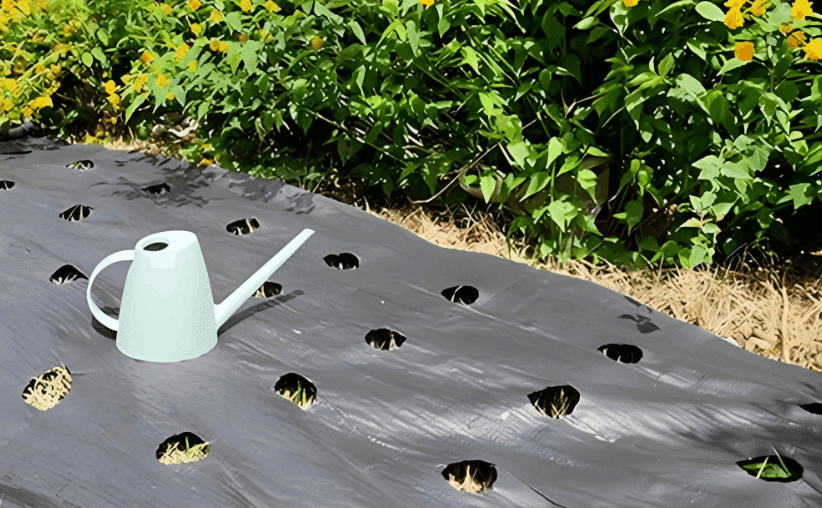
- Garden weed control installation: After loosening and leveling the soil, lay the geotextile. Cut cross-shaped holes at the flower planting positions (the hole size is slightly smaller than the flower root soil ball), implant the flowers and compact the soil. Cover the upper layer with 3–5cm thick wood chips or gravel to avoid exposure of the geotextile (extending service life).
Usage, Maintenance and Service Life Extension Tips
- Daily maintenance: Regularly clean up weed seedlings in the upper mulch to prevent weeds from growing through the geotextile gaps. Check the edge fixing condition; if the landscape stakes are loose or fall off, reinforce them in time.
- Service life extension: The core is to avoid long-term exposure of the geotextile to sunlight (UV rays will accelerate aging), so ensure the integrity of the upper mulch. Avoid scratching the geotextile with sharp objects (such as shovels and stones); if damage occurs, repair it with special patches in time.
- Service life reference: Non-woven geotextile used underground (such as subgrade and drainage layer) can have a service life of more than 50 years. Geotextile used in exposed scenarios (such as uncovered slopes) has a service life of about 1–3 years, and it is recommended to replace it regularly.
Frequently Asked Questions
Q1: Is non-woven geotextile landscape fabric water-permeable?
A1: Yes, water permeability is one of its core advantages. The fiber pores of non-woven geotextile allow water to pass through freely while retaining fine soil particles, realizing “draining water without losing soil” and avoiding waterlogging and clogging problems.
Q2: Which is more suitable for my project, non-woven or woven geotextile?
A2: Choose non-woven fabric for conventional landscapes (garden weed control, household drainage) for its good flexibility and easy installation. Choose woven fabric for heavy-load reinforcement (heavy-duty roads, large-scale engineering) for its higher strength and strong load-bearing capacity.
Q3: How often does non-woven geotextile need to be replaced?
A3: It depends on the usage method and environment. Geotextile used underground (such as subgrade and drainage layer) can be used for more than 50 years; geotextile used in exposed scenarios (such as uncovered slopes) is recommended to be replaced every 1–3 years; if large-area damage occurs, it needs to be replaced immediately.
Q4: Is non-woven geotextile environmentally friendly? Will it pollute the soil?
A4: It is environmentally friendly and will not pollute the soil and water sources. Its raw materials are synthetic materials such as polypropylene and polyester, which have stable chemical properties, do not contain harmful substances, and can be recycled, complying with the environmental protection requirements of landscape engineering.
Q5: Can I lay it directly on the soil to plant flowers?
A5: Yes. You need to cut cross-shaped or circular holes at the flower planting positions, with the hole size slightly smaller than the flower root soil ball, to ensure the roots can penetrate the soil smoothly to absorb nutrients and water. Covering with mulch after laying can improve the planting effect.
Conclusion
The core value of non-woven geotextile landscape fabric lies in solving common pain points in landscape projects through four major functions: filtration, separation, stabilization and drainage, improving project quality and service life. During selection, it is necessary to closely match scenario requirements and accurately select from three core dimensions: weight, material and size. During installation, follow the principles of “leveling, firmness and sealing”, and cooperate with daily maintenance to maximize its use value.
Whether you are a DIY gardening enthusiast or an engineering purchaser, you can select products and standardize construction according to the guidelines in this article. If you need customized selection suggestions, please contact us!
Reference Sources
- 1. Reference Standard: “Highway Engineering Geosynthetics – Staple Fiber Needled Non-Woven Geotextiles” (JT/T 520-2004)
- Source: Issued by the Ministry of Transport of the People’s Republic of China,
- 2. Reference Standard: “Technical Specification for Application of Highway Geosynthetics” (JTJ/T 019)
- Source: Issued by the Ministry of Transport of the People’s Republic of China (normative reference document for JT/T 520-2004)