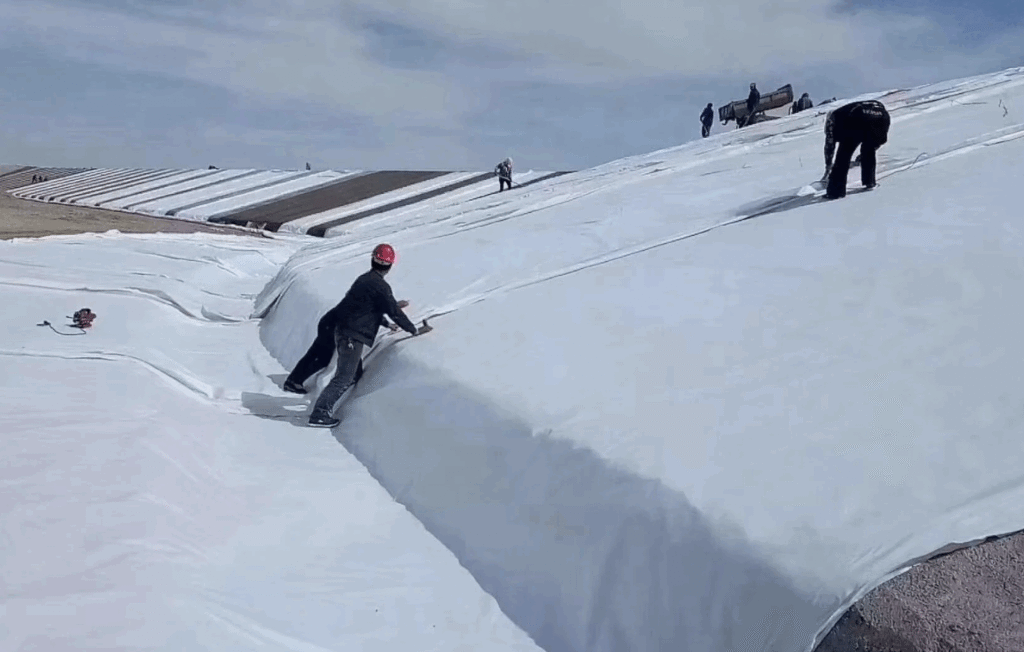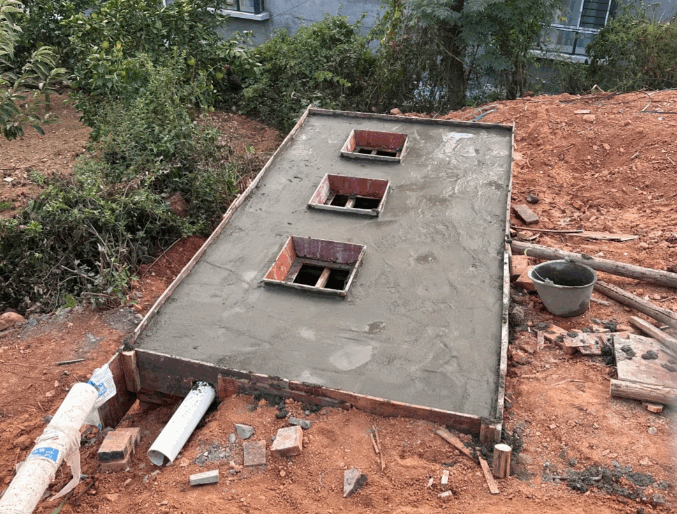
The stable operation of drainage systems directly determines project lifespan and safety. Soil erosion, drainage blockage, and high maintenance costs are core pain points prevalent in the industry. Nonwoven geotextiles, with their key advantages of efficient drainage, precise filtration, and erosion control, effectively address these challenges. This guide covers five core dimensions—basic understanding, selection techniques, scenario-based applications, construction key points, and procurement guidelines—to provide end-to-end decision support, helping you quickly select and utilize nonwoven geotextiles for drainage.
What Are Nonwoven Geotextiles for Drainage?
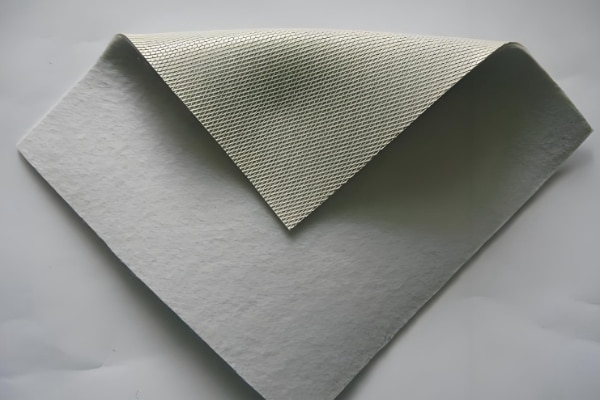
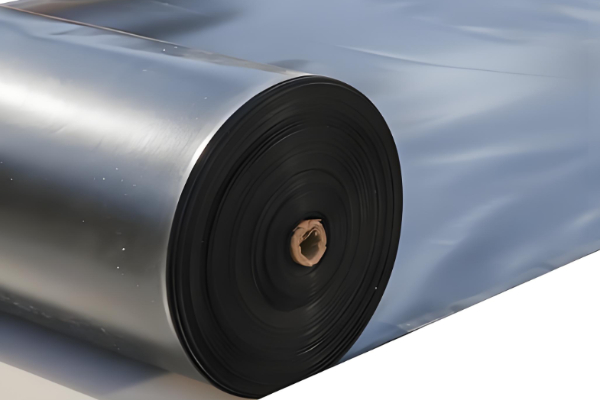
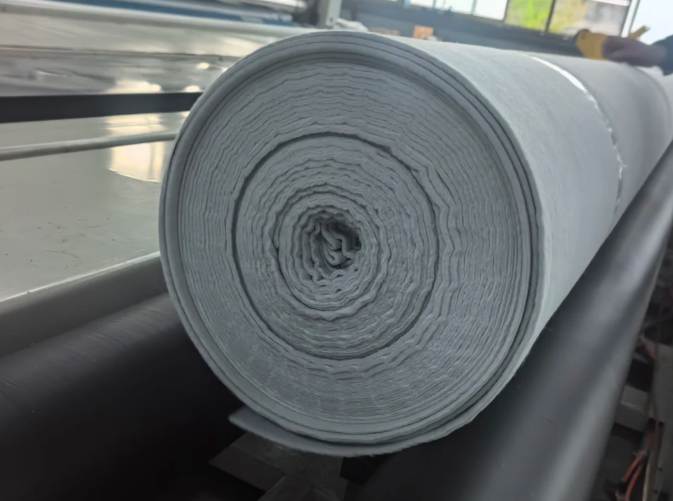
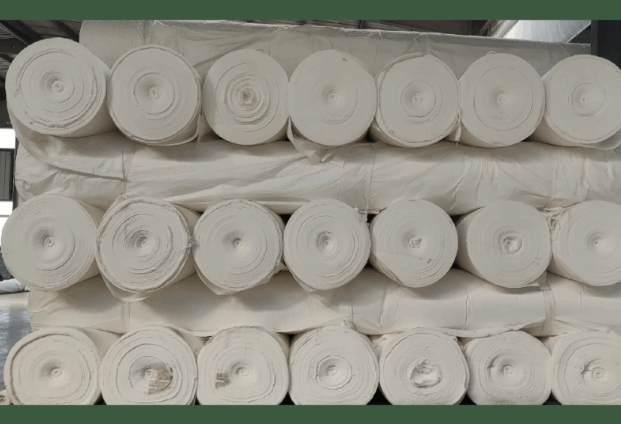
Nonwoven geotextiles for drainage are permeable planar textile materials made from polymer materials such as polypropylene (PP) and polyester (PET) through processes like needle-punching or thermal bonding. Their core functions include drainage, filtration, separation, and erosion control, enabling stable performance in both saturated and unsaturated soil environments. Compared to traditional drainage materials, they offer three key characteristics:
- High Permeability: Regular products have a permeability coefficient of over 1.01×10⁻³ cm/s, far exceeding the permeability requirements of protected soils. Hydrophilic-treated products can further improve water flow rate by 15%.
- Strong Material Adaptability: The mainstream materials are polypropylene (70% market share) and polyester (20% market share). Polypropylene is cost-effective with excellent corrosion resistance, while polyester offers higher strength and heat resistance.
- Diversified Processes: 80% of products adopt the needle-punching process (superior permeability, suitable for most drainage scenarios), and 15% use the thermal bonding process (enhanced stability, ideal for complex and harsh environments).
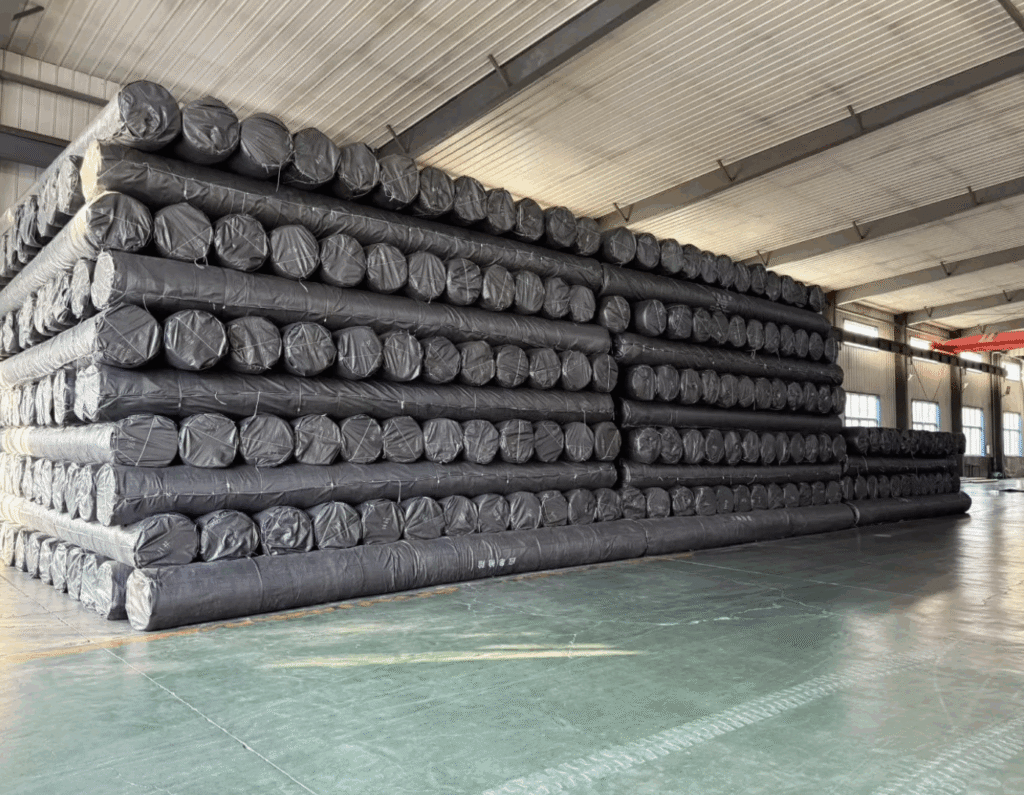
In terms of product standards, nonwoven geotextiles for drainage typically have a width of 2-8 meters and a grammage range of 100-800 g/m². Single-sided or double-sided hot-rolled products can be customized to meet construction needs, adapting to various wet-environment drainage scenarios such as French drains, road drainage, retaining wall drainage, and landscape wetland drainage. Their drainage applicability has been validated in numerous projects, especially in areas with uneven soil particle distribution and high clogging risks, where precise filtration effectively maintains unobstructed drainage systems.
Recommended Reading:Geotextile Fabric for French Drain:Selection,Installation,and Pitfall Avoidance
How to Choose Non woven Geotextiles Fabric for Drainage
The key to selecting nonwoven geotextiles lies in matching product parameters with scenario requirements. The following five dimensions directly determine drainage efficiency and project economy:
1. Weight Selection (Grammage/Ounce Conversion)
Weight is a fundamental indicator of product strength and permeability. Choose based on flow demand and load-bearing conditions:
- Lightweight: 2-3 oz (approximately 50-80 g/m²) for high-flow, no-heavy-load scenarios such as drainage fields and surface drainage of landscape wetlands.
- Medium-weight: 4-6 oz (approximately 120-180 g/m²), the most widely used type for general scenarios like French drains and slope protection. In the Yinbei Irrigation District underdrainage project in Ningxia, 60 g/m² hydrophilic-treated products performed excellently.
- Heavyweight: 8-16 oz (approximately 240-480 g/m²) for heavy-load scenarios such as road stabilization and geomembrane cushioning, balancing drainage and structural support needs.
2. Material Choice
Decide based on environmental characteristics and budget constraints:
- Polypropylene (PP): Highest cost-performance ratio, excellent acid and alkali corrosion resistance, suitable for conventional soil and water quality environments. Currently the most widely used material (over 70% market share).
- Polyester (PET): Higher strength, superior tensile performance, and strong heat resistance, ideal for high-temperature environments or long-term load-bearing scenarios.
- Recommended Reading:Polyester Geotextile: Properties, Applications, and Selection Skills
- Blended Materials (PP+PET): Balance cost and performance, suitable for complex scenarios requiring both strength and corrosion resistance.
Note: Polypropylene is inherently hydrophobic. For scenarios without water pressure, hydrophilic agent treatment can enhance water permeability.
3. Process Differences
Needle-punching and thermal bonding processes have distinct applicable scenarios:
- Needle-punching Process: Forms a porous structure through fiber interweaving, offering high permeability and filtration precision. Dominates the market and suits most drainage scenarios.
- Thermal Bonding Process: Shapes fibers via hot-melt adhesion, providing excellent stability and tear resistance. Ideal for complex construction environments prone to mechanical damage, such as drainage layer paving in road construction.
Tests show that melt-blown spunbond nonwovens have significantly better filtration effects than ordinary spunbond PP nonwovens, making them more advantageous in soil environments with high clogging risks.
4. Key Parameter Reference
Focus on three critical indicators:
- Tensile Strength: Regular range is 80-425 lbs; select products with ≥300 lbs for heavy-load scenarios like road drainage.
- Equivalent Opening Size (AOS/O90): Optimal range is 0.1-0.6 mm, matching soil particle gradation. For example, in the Yinbei Irrigation District with low clay content and high clogging risk, products with 0.07-0.32 mm AOS perform best.
- UV Stability: Choose products with UV stability class ≥3 for outdoor scenarios to prevent aging from long-term sun exposure.
Additionally, permeability must meet FAO (Food and Agriculture Organization of the United Nations) requirements: the geotextile’s permeability should be at least 10 times that of the protected soil.
5. Scenario-Specific Matching
Different drainage scenarios have distinct product requirements:
- French Drains: Select medium-weight needle-punched PP geotextiles with 0.1-0.2 mm AOS to balance filtration and permeability.
- Road Drainage: Prioritize heavyweight thermal-bonded products with tensile strength ≥300 lbs and good cushioning performance.
- Retaining Wall Drainage: Choose high-permeability needle-punched products with appropriate overlap width to prevent soil erosion.
- Landscape Wetland Drainage: Opt for lightweight hydrophilic-treated products to balance drainage efficiency and soil fertility retention.
Installation and Construction Key Points for Nonwoven Geotextiles for Drainage
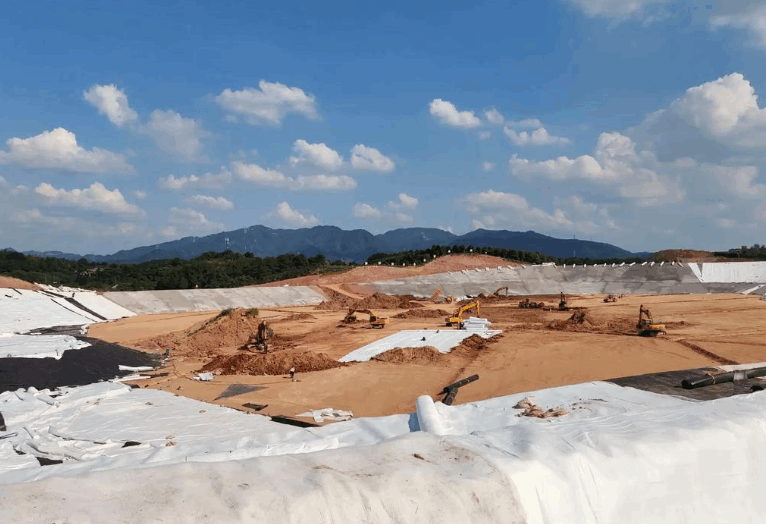
Scientific installation is crucial to ensuring drainage performance. Follow the core process of “subgrade preparation → laying → fixing → covering” and avoid common mistakes:
General Installation Process
- Site Clearing: Remove stones, tree roots, and sharp debris from the subgrade to prevent geotextile puncture.
- Subgrade Leveling: Compact the subgrade with flatness deviation ≤5 cm. For loose soil areas, lay a thin sand cushion for leveling.
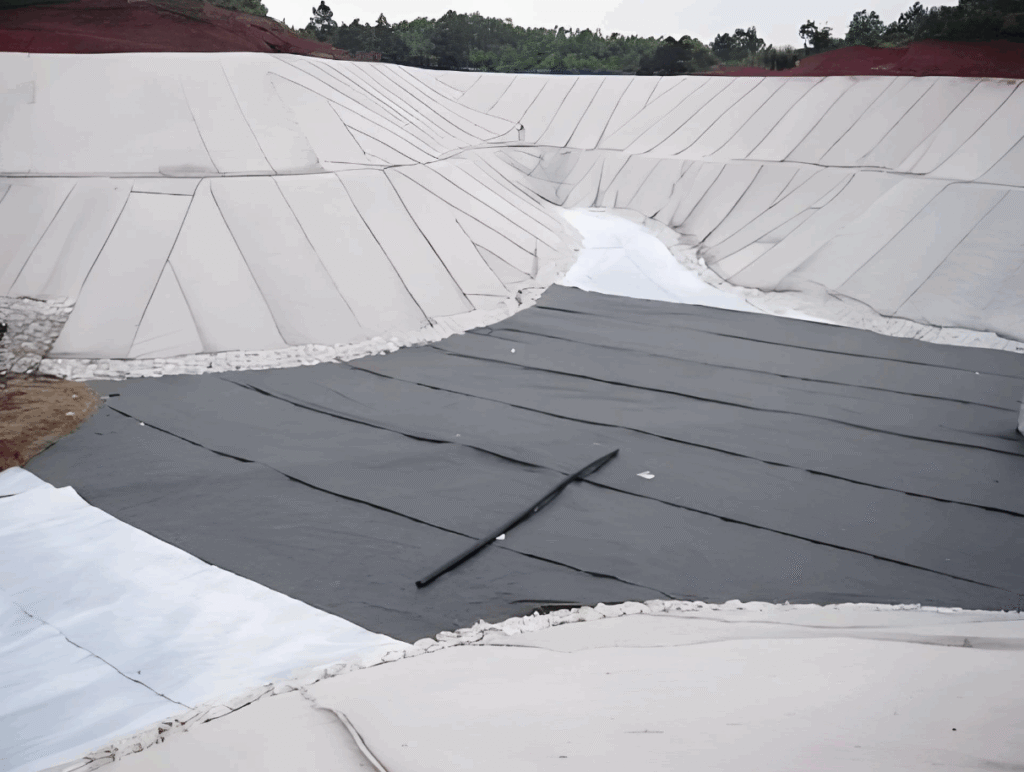
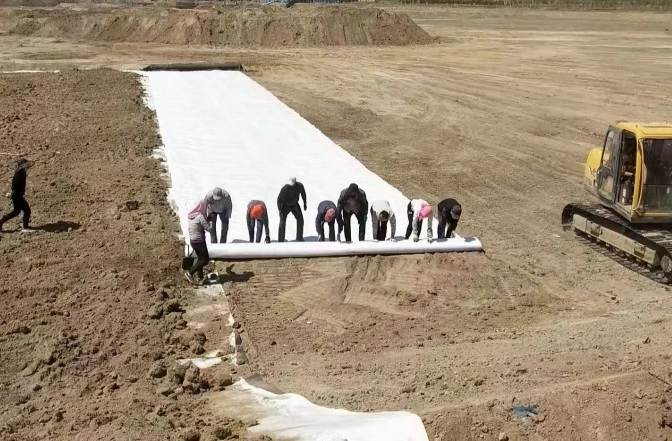
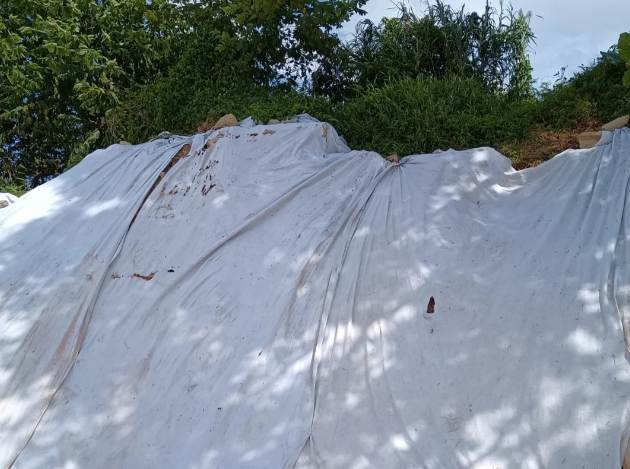
- Geotextile Laying: Lay along the water flow direction to avoid reverse overlapping. The overlap width should be 15-20 cm for width direction and ≥10 cm for length direction.
- Fixing and Overlapping: Secure with U-nails at 1-1.5 m intervals. Reinforce overlapping areas to ensure no loosening.
- Cover Layer Construction: Immediately lay a sand or gravel cover layer (10-30 cm thick based on scenarios) after geotextile installation to avoid UV aging from long-term exposure.
Scenario-Specific Construction Guidelines
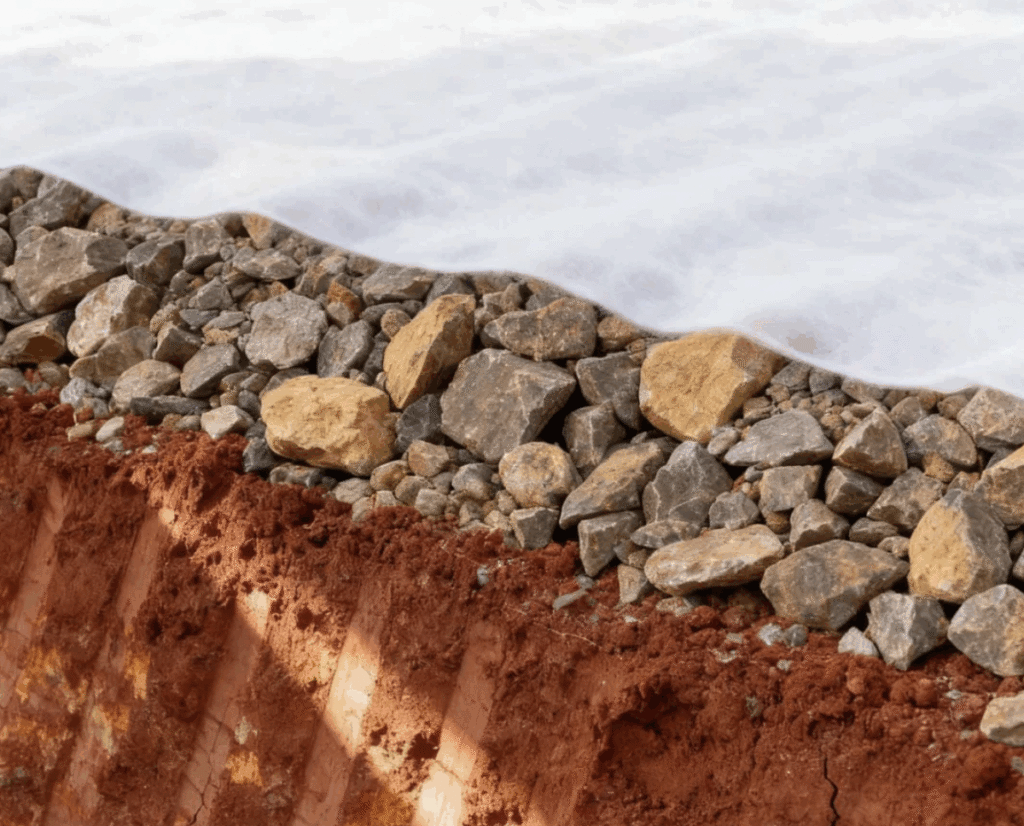
- French Drains: Adopt a “gravel layer + geotextile wrapping” structure. Fully wrap the gravel layer with geotextile, ensuring ≥25 cm overlap at both ends. After wrapping, lay a thin soil layer on the outside to avoid direct exposure.
- Road Drainage: Compact the subgrade with a heavy roller to achieve compaction degree ≥95%. Lay the geotextile with moderate tension to avoid wrinkles. Use thermal bonding for overlapping areas to enhance sealing.
- Retaining Wall Drainage: Lay the geotextile between the retaining wall and soil, reserve a drainage outlet at the bottom, and extend the geotextile into the drainage blind ditch to ensure smooth water flow.
Common Construction Mistakes to Avoid
- Insufficient Overlap: Overlap width less than standard allows soil infiltration through gaps, causing drainage blockage. Strictly adhere to the 15-25 cm overlap requirement.
- Wrinkled Laying: Water accumulation in wrinkles breeds bacteria and accelerates material aging. Tension the geotextile tightly to ensure flat adhesion.
- Poor Soil Adhesion: Uncompacted subgrade or residual debris creates gaps between the geotextile and soil, forming waterlogging layers. Thoroughly clean and compact the subgrade.
- Prolonged Exposure: Long-term sun exposure accelerates UV aging and reduces service life. Complete the cover layer construction within 24 hours after geotextile laying.
How to Purchase Cost-Effective Nonwoven Geotextiles?
Balance “quality, price, and service” during procurement to avoid project risks caused by improper selection:
Price Range Reference
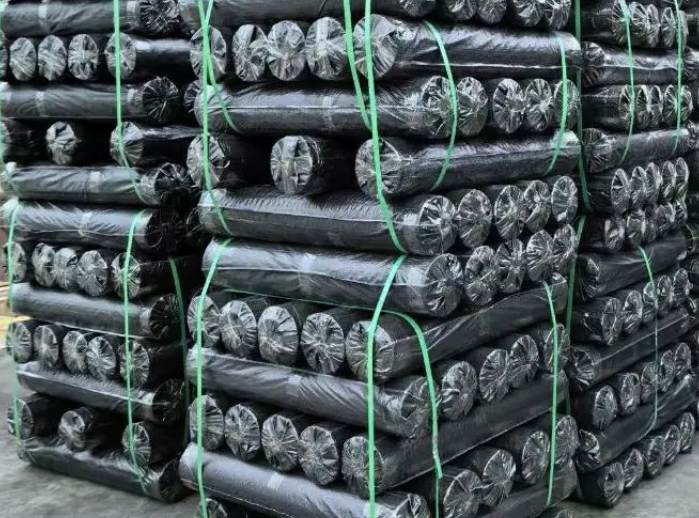
The current market price of nonwoven geotextiles for drainage ranges from 1.0-8.0 RMB/m² (equivalent to $0.15-$2.50/ft²). Prices are influenced by three key factors:
- Weight: Prices increase by 3-5 times as grammage rises from 100 g/m² to 800 g/m².
- Material: Polyester is 20-30% more expensive than polypropylene; hydrophilic-treated products cost approximately 15% more than regular ones.
- Process: Thermal-bonded products are 10-20% more expensive than needle-punched ones. For bulk purchases (≥10,000 m²), a 5-10% price discount is typically available.
Qualified Supplier Selection Criteria
- Product Certification: Prioritize suppliers with ISO9001 quality management system certification and products complying with GB/T 17638-2017 national standard.
- Transparent Parameters: Request detailed product parameter reports, including key indicators such as grammage, thickness, permeability coefficient, and tensile strength.
- Customization Capability: Ability to provide customized services such as hydrophilic treatment and special widths based on project requirements.
- Project Experience: Possess supply experience in similar drainage projects (e.g., underdrainage, road drainage). Request project cases and test reports for verification.
- After-Sales Service: Provide construction technical guidance, quality-related return/refund guarantees, and a warranty period of no less than 1 year.
Procurement Pitfall Avoidance
- Beware of Low-Permeability Counterfeits: Some low-cost products reduce porosity to cut costs, resulting in substandard permeability. Request third-party test reports to verify compliance with ASTM D4491 permeability standards.
- Confirm UV Stability Class: Clearly specify UV stability requirements for outdoor scenarios to prevent suppliers from substituting regular products for anti-aging ones.
- Verify Material Purity: Some suppliers mix recycled materials into polypropylene to reduce costs, compromising product strength. Request material composition test reports.
- Clarify Acceptance Standards: Define product acceptance indicators (e.g., grammage deviation, thickness tolerance, overlap performance) in the contract to avoid post-purchase quality disputes.
Frequently Asked Questions
- What is the service life of nonwoven geotextiles?
- Answer: 15-20 years in general scenarios. For outdoor high-UV environments, UV-stabilized products can last over 50 years; for concealed scenarios such as underdrain wrapping, the service life can extend to 30 years.
- Can nonwoven geotextiles be reused?
- Answer: Reuse is not recommended. After installation, geotextiles come into contact with soil and moisture, leading to bacterial growth and aging. Additionally, disassembly may cause damage, significantly reducing drainage and filtration performance and increasing project risks.
- How to test the drainage performance of nonwoven geotextiles?
- Answer: Refer to ASTM D4491 permeability standards and GB/T 17638-2017 national standards. Determine the permeability coefficient through indoor soil column tests to ensure it is at least 10 times that of the protected soil. On-site, a water injection test can quickly verify drainage efficiency.
Conclusion
The selection and application of nonwoven geotextiles for drainage hinge on “scenario matching + precise parameter selection + standardized construction.” Every link—from basic understanding to selection decisions, construction implementation to procurement risk avoidance—directly impacts project quality and long-term benefits. It is recommended to fully investigate soil characteristics and drainage requirements in the early project stage, and select high-quality standard-compliant products based on the selection and construction guidelines provided in this article.
Reference Sources
- GB/T 17638-2017 “Geosynthetics Short Fiber Needle punched Non woven Geotextiles” [S]. China Geosynthetics Engineering Association
- ASTM D4491/D4491M-16 《Standard Test Methods for Water Permeability of Geotextiles by Permittivity》[S]. American Society for Testing and Materials