Polyester Geotextile, a core category of geosynthetic materials, is made from polyester (PET) fibers through specialized processes. With advantages such as high strength, corrosion resistance, and aging resistance, it has become a “cornerstone of engineering” in fields like transportation infrastructure, water conservancy projects, and environmental remediation. This article comprehensively analyzes the core properties, application scenarios, selection skills, and procurement decisions of polyester geotextiles.
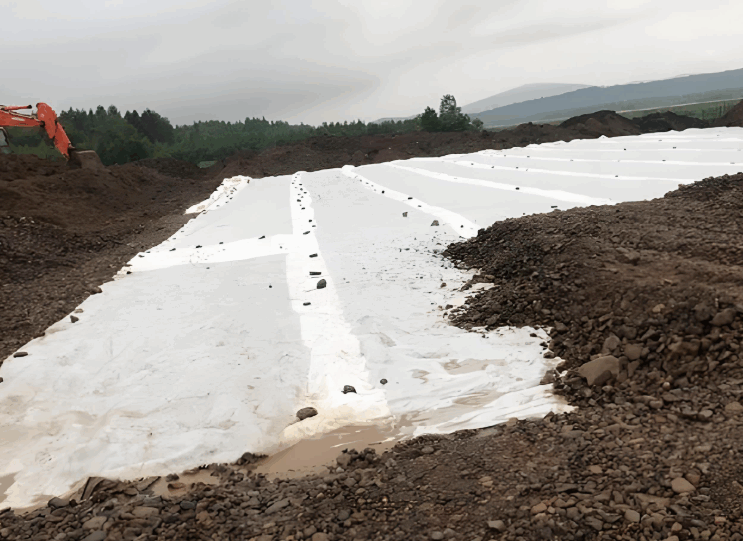
What is Polyester Geotextile?
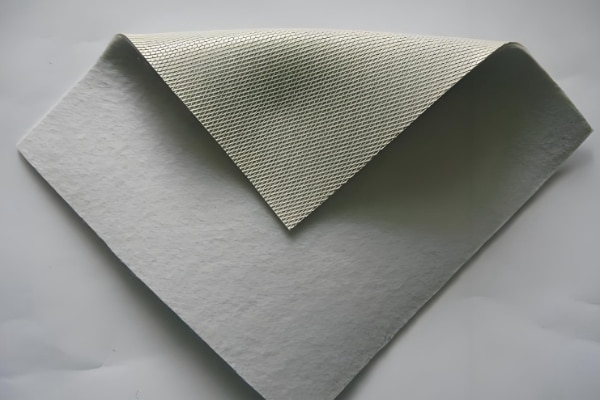
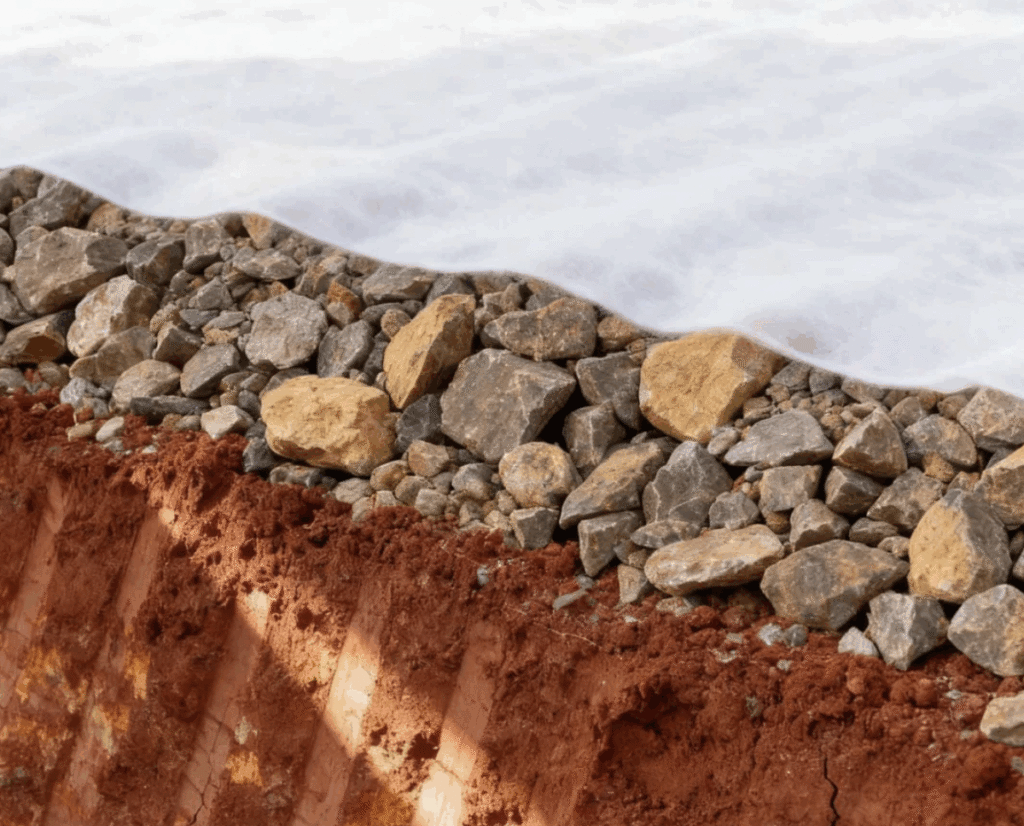
Polyester geotextile is a permeable geosynthetic material made from polyester (PET) fibers via needle-punching or weaving processes. Its main functions include reinforcement, separation, filtration, and drainage. Unlike common plastics, polyester fibers used in geotextiles possess exceptional chemical stability and physical strength.The main types are:
Non-Woven Geotextile:
- Process: Short or long polyester fibers are carded into a web and then consolidated by needle-punching.
- Appearance: Cloth-like with obvious isotropy.
- Properties: Soft texture, good water permeability, combined separation and filtration functions, and strong deformation capacity.
Woven Geotextile:
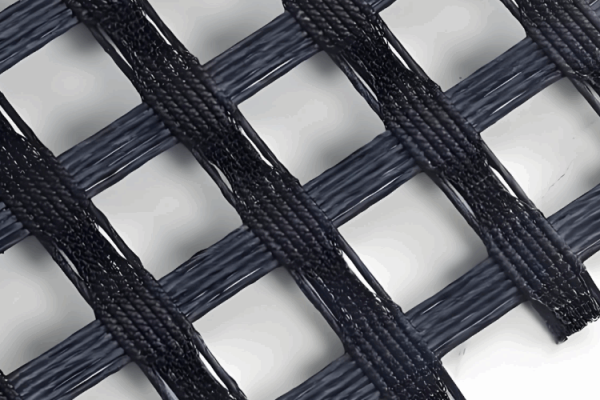
- Process: Long polyester fibers are woven in warp and weft directions, featuring a stable structure.
- Appearance: Visible clear warp and weft threads, similar to woven bags.
- Properties: Exceptionally high tensile strength and modulus, low elongation rate, mainly used in reinforcement applications.
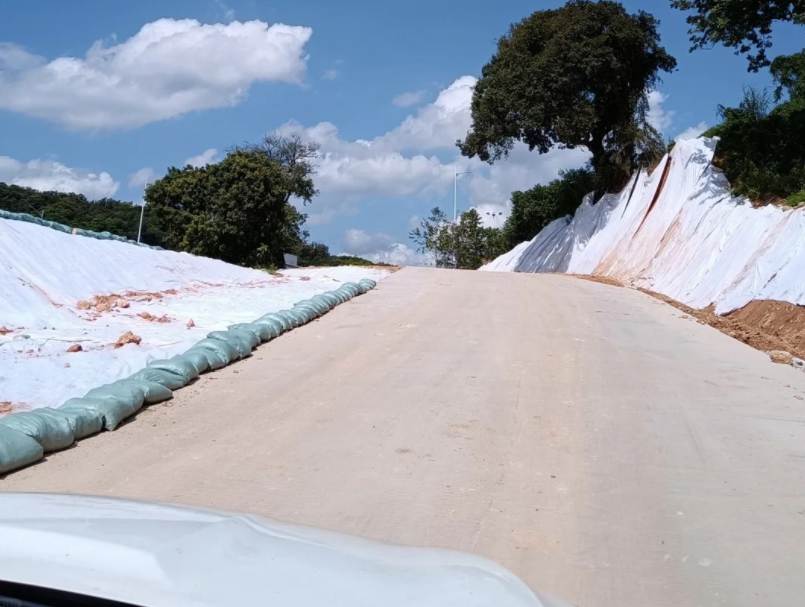
Core Properties of Polyester Geotextile
Why do engineers specifically specify the use of polyester geotextiles? It stems from their unparalleled engineering properties.
- Excellent Tensile Strength and High Modulus
- Polyester fibers have the highest specific strength among all geosynthetic materials. Their high modulus means minimal deformation (creep) under stress, providing immediate and long-lasting support for soil. They are ideal for permanent reinforcement structures such as retaining walls and steep slope stabilization.
- Superior Durability and UV Resistance
- Polyester (PET) itself exhibits excellent resistance to UV aging. During construction exposed to sunlight, its performance degrades more slowly than polypropylene. Meanwhile, it is inert to most chemicals in soil, ensuring an extended service life.
- Good Filtration and Drainage Performance (Mainly for Non-Woven Types)
- Non-woven polyester geotextiles form a three-dimensional fluffy structure internally, which can effectively prevent soil particle loss while allowing smooth water flow, making them ideal filtration and drainage materials.
- Outstanding High-Temperature Resistance
- The melting point of polyester (approximately 260°C) is much higher than that of polypropylene (approximately 160°C), providing a more reliable safety margin in high-temperature laying environments or specific climatic conditions.
- Environmental Performance Clarification
- Polyester geotextiles are non-biodegradable, which is precisely the key to their long engineering service life. At the same time, PET is a recyclable material. With technological advancements, the application of recycled polyester in geotextiles is increasing, aligning with sustainable development concepts.
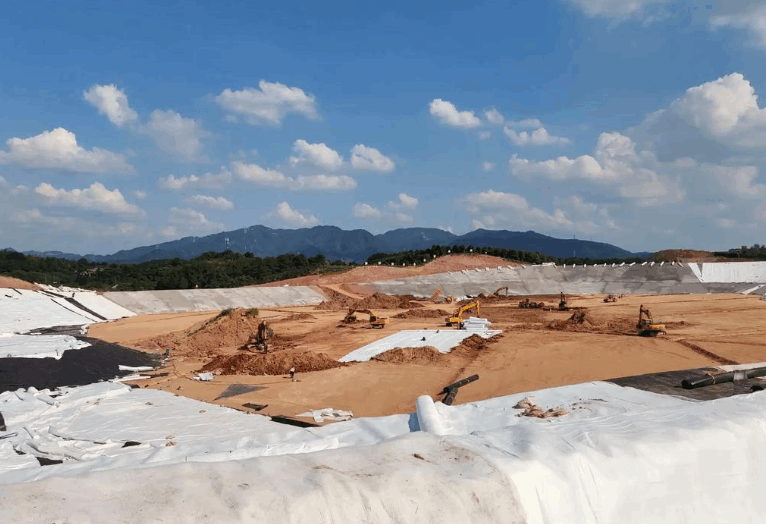
Five Core Functions of Polyester Geotextile
Through physical structure design, polyester geotextiles achieve five key engineering functions:
- Separation: Separates materials of different particle sizes (e.g., subgrade fill and soft soil), preventing soil layer mixing that leads to reduced strength and maintaining structural integrity.
- Filtration: Allows water flow while retaining soil particles (matching equivalent pore size with soil particles) to avoid clogging of drainage systems.
- Drainage: The three-dimensional pore structure accelerates the infiltration and discharge of groundwater, reducing pore water pressure and the risk of subgrade frost heave.
- Reinforcement: Disperses upper loads through its own high strength, improving the tensile and shear capacity of soil and controlling uneven settlement.
- Protection: Shields subgrades and slopes from rainwater erosion and external puncture, and achieves integrated ecological protection when combined with vegetation.
Polypropylene vs Polyester Geotextile
| Property | Polyester Geotextile | Polypropylene Geotextile |
|---|---|---|
| Raw Material Chemistry | Polyester (PET) | Polypropylene (PP) |
| Tensile Strength/Modulus | Very High, low creep | Moderate, higher creep sensitivity than polyester |
| Chemical Resistance | Excellent resistance to acids, good resistance to bases | Poor resistance to acids, excellent resistance to bases |
| UV Resistance | Excellent | Good (often requires UV stabilizers) |
| Heat Resistance | Excellent (Melting Point ~260°C) | Good (Melting Point ~160°C) |
| Cost | Typically Higher | Typically Lower, more economical |
Decision Guide: When to Choose Which?
Choose polyester geotextiles if your project involves:
- Critical reinforcement projects: Such as reinforced retaining walls, abutment reinforcement, and soft soil foundation treatment, where long-term strength and low creep are primary considerations.
- High pH (alkaline) environments: For example, near cement concrete bases or in lime-stabilized soil.
- Construction in high-temperature areas: Requiring materials with higher thermal stability.
Choose polypropylene geotextiles if your project involves:
- Focus on separation and filtration: Such as isolation between subgrades, crushed stone bases, and soft soil subbases.
- Standard drainage systems: Non-woven polypropylene geotextiles are a common choice for drainage ditches and vertical drains.
- Cost-sensitive projects: Pursuing a more economical solution when performance requirements are met.
- Acidic soil environments: Requires careful evaluation or selection of specially treated polypropylene.
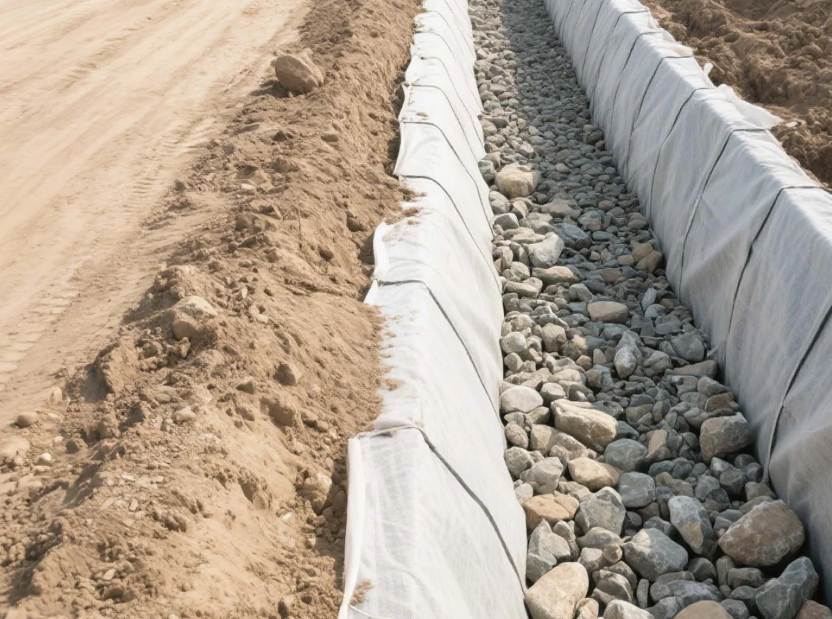
Main Application Areas of Polyester Geotextiles
- Road and railway foundation reinforcement: Laid on soft foundations, it disperses loads through reinforcement, prevents subgrade cracking and settlement, and significantly extends service life.
- Reinforced retaining walls and steep slopes: As a reinforcement material, it forms a composite structure with backfill soil, bears lateral earth pressure, and constructs stable, vertical or near-vertical structures.
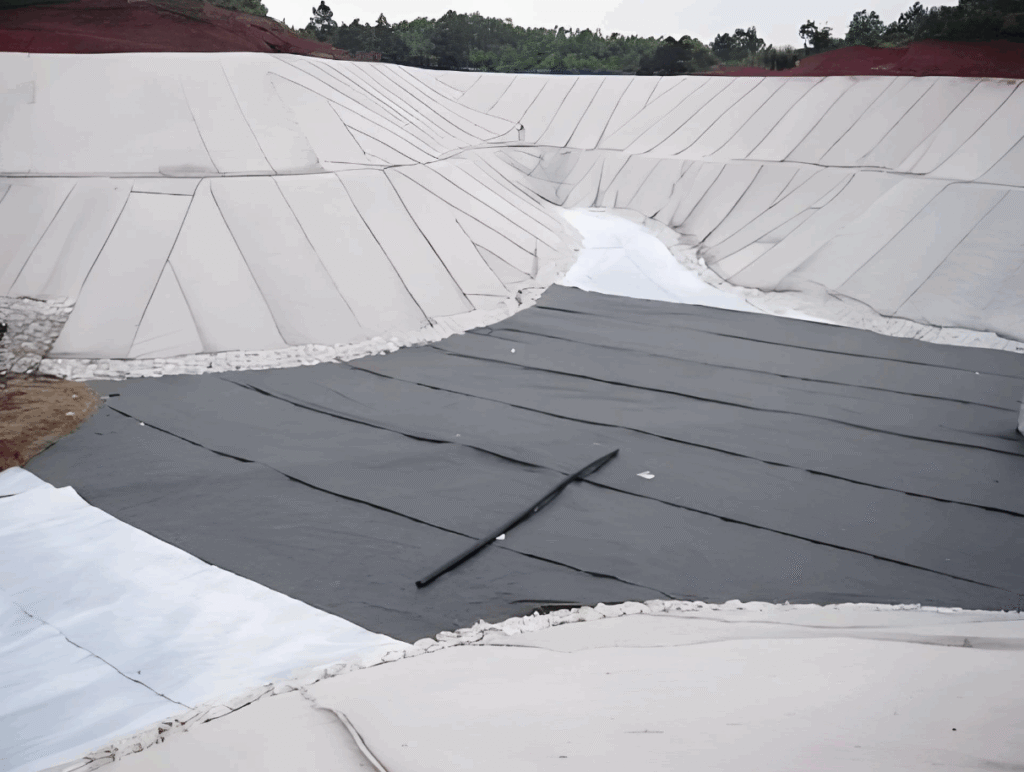
- Landfills and environmental engineering: Used for liner protection and filtration/drainage in leachate collection systems.
- Land reclamation and erosion control: Prevents soil erosion, promotes vegetation restoration, and stabilizes newly constructed terrain.
- Parking lot and sports field foundations: Provides a stable platform, prevents mixing of base aggregates with underlying soil, and ensures ground flatness.
Polyester Geotextile Procurement Guide
1. Scientific Selection Method
Follow the selection logic of “engineering requirements → function priority → parameter matching”:
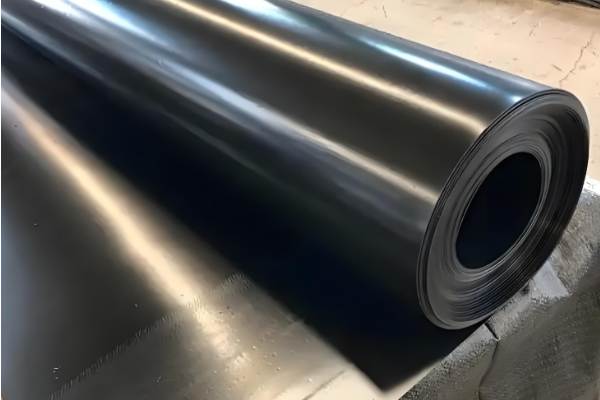
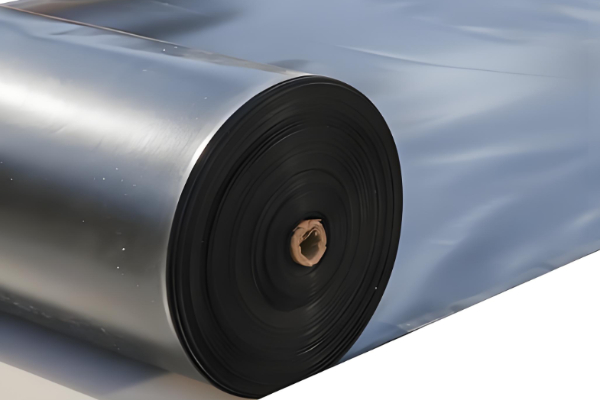
- Clarify core functions: Prioritize woven types for reinforcement, non-woven types for filtration and drainage, and composite geotextiles for anti-seepage.
- Match project grade: For major projects such as high-grade highways and high-speed railways, select products with ≥300g/m² and tensile strength ≥60kN/m; for temporary projects, economical products with 100-200g/m² are acceptable.
- Consider environmental factors: For acidic soil (pH<4), add an isolation layer; for long-term outdoor exposure, confirm UV stabilizer content.
2. Pitfall Avoidance and Quality Identification
- Appearance inspection: High-quality products have uniform color (pure white or light gray), no obvious defects, and consistent thickness (error ≤5%); avoid short-fiber blended products, whose tear strength is 40% lower than long-fiber products.
- Parameter verification: Request samples before bulk procurement, inspect key indicators such as grammage (allowable error ±2%) and tensile strength, which must comply with GB/T 17639-2023 (Geosynthetic Materials – Filament Spunbonded Needled Nonwoven Geotextiles).
- Qualification verification: Choose manufacturers with ISO certification and provide test reports; products from leading enterprises are more reliable (industry CR5 is expected to reach 45% by 2025).
- Price reference: The 2025 market price range is approximately 12-28 yuan per square meter; excessively low prices may indicate insufficient weight or raw material adulteration.
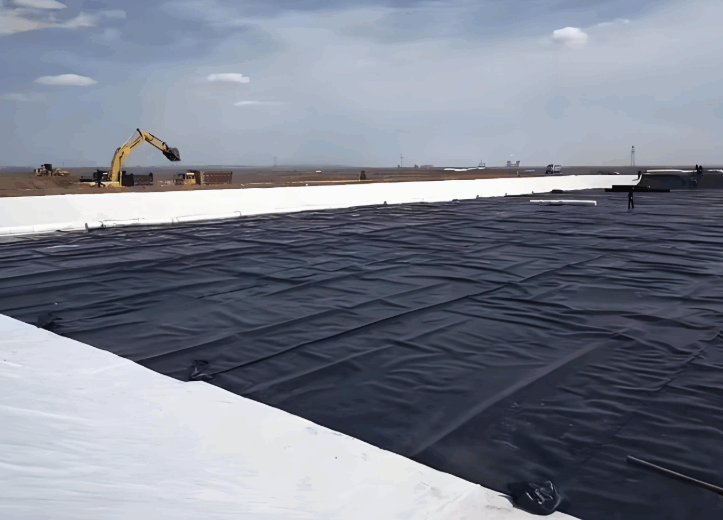
Polyester Geotextile Installation Guide
Key Construction Points
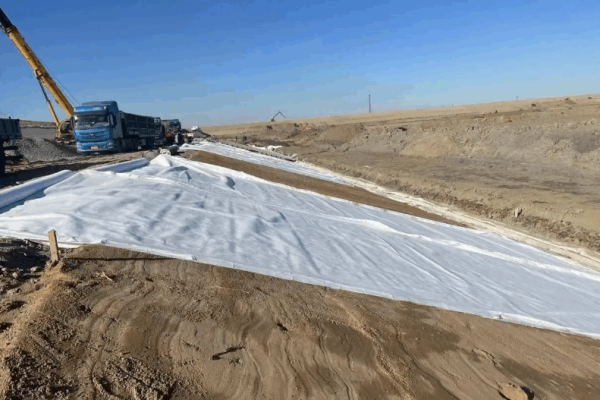
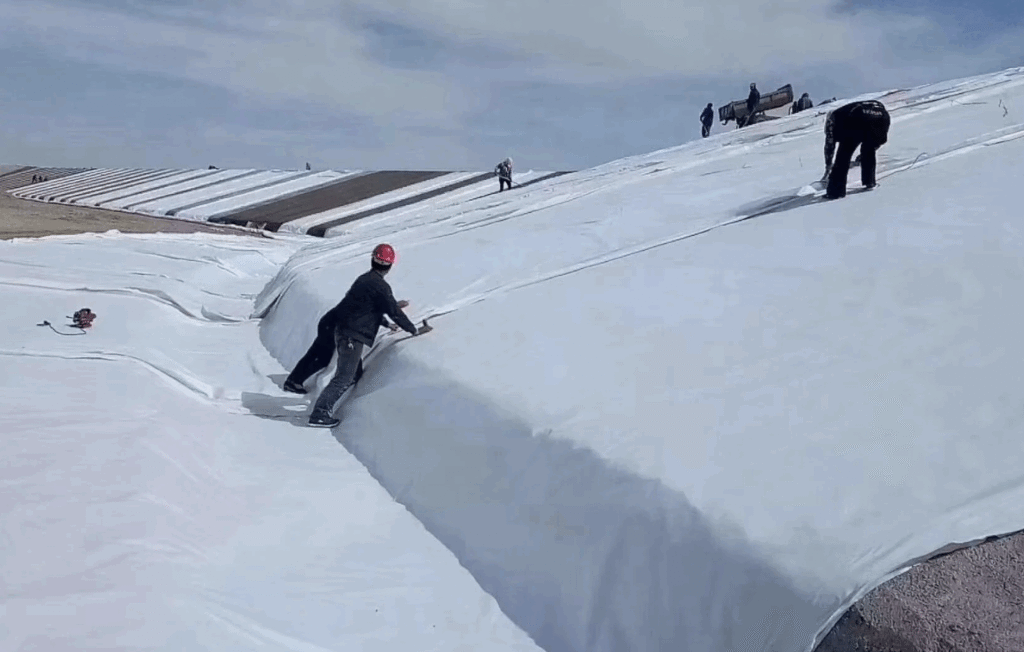
- Base preparation: Clear sharp debris to ensure a flat surface; for soft soil foundations, first lay a crushed stone cushion.
- Laying specifications: For woven products, align the longitudinal direction (high-strength direction) with the main stress, ensure lap width ≥30cm, and use double-thread sewing (stitch spacing ≤10mm).
- Protection measures: Cover with fill or a protective layer within 24 hours after laying to avoid UV exposure; take heat insulation measures in high-temperature environments (>100°C).
- Special scenarios: Add an isolation layer for acidic soil (pH<4); ensure good drainage during rainy construction to prevent geotextile displacement.
Long-Term Maintenance Recommendations
- Regular inspections: Conduct quarterly checks for damage or displacement, focusing on vulnerable areas such as slopes and joints.
- Vegetation management: Control root penetration, especially for non-woven products, to avoid structural damage.
- Drainage maintenance: Ensure the supporting drainage system is unobstructed to prevent clogging that affects geotextile performance.
- Repair plan: For local damage, use the patching method (lap width ≥20cm); replace promptly for large-area damage.

Conclusion
With its exceptional strength, modulus, and durability, polyester geotextile plays an irreplaceable role in geotechnical engineering. When your project demands the highest standards of long-term performance and structural safety, choosing polyester geotextile is a wise and reliable investment.
Reference Sources
- ASTM D4355: “Standard Test Method for Resistance to Ultraviolet (UV) Degradation of Geotextiles” – Provides the standard basis for the “excellent durability and UV resistance” mentioned in the article.
- ASTM D4595: “Standard Test Method for Tensile Properties of Geotextiles by the Wide-Width Strip Method” – Serves as the source of test methods for mechanical indicators such as “tensile strength” in the article.
- ASTM D4833: “Standard Guide for Index Properties Testing of Geotextiles, Geomembranes, and Related Products” – Covers the framework for various tests including bursting strength and tear strength.
- ASTM D5261: “Standard Test Method for Mass per Unit Area of Geotextiles” – Provides the standard definition for the “grammage” parameter.
Frequently Asked Questions (FAQs)
Q1: What is the price of polyester geotextile?
A: The price is not fixed; it is comprehensively affected by factors such as grammage, specifications (woven/non-woven), raw material prices, and procurement quantity. For example, high-strength woven polyester geotextiles will be significantly more expensive than standard non-woven ones. It is recommended to directly provide your project requirements to multiple suppliers for accurate quotes.
Q2: What are the key construction considerations for polyester geotextiles?
A: Key points include: The laying surface should be flat without protrusions; rolls should be laid flat and taut with sufficient lap width (usually 30-100cm); avoid construction on rainy days; backfill promptly after laying to minimize direct UV exposure time.
Q3: How long is the service life of polyester geotextile?
A: With proper design, construction, and full coverage (backfilling), the design service life of polyester geotextile can exceed 75 years or even 100 years, meeting the requirements of most permanent projects.
Q4: Can polyester geotextile be used in fish ponds or aquaculture?
A: Yes. Non-woven polyester geotextile is an excellent protective layer for fish pond anti-seepage membranes (such as HDPE membranes), preventing sharp stones from puncturing the anti-seepage layer. However, it is not anti-seepage itself; for anti-seepage needs, it must be used in conjunction with geotextile membranes.