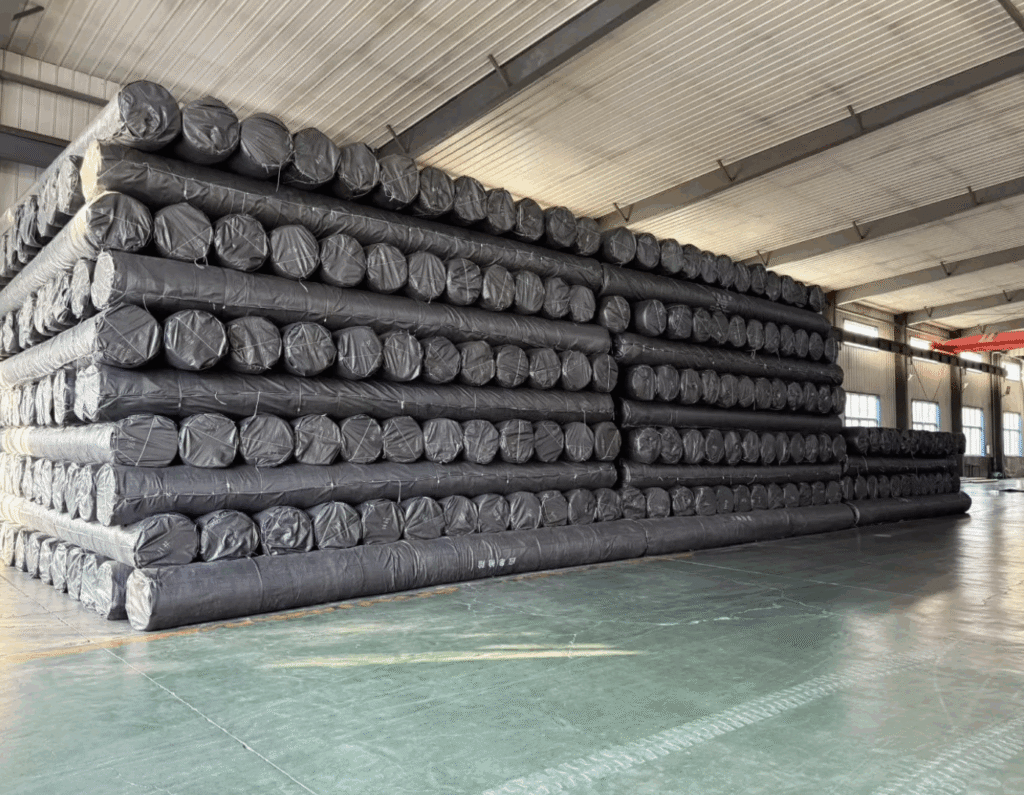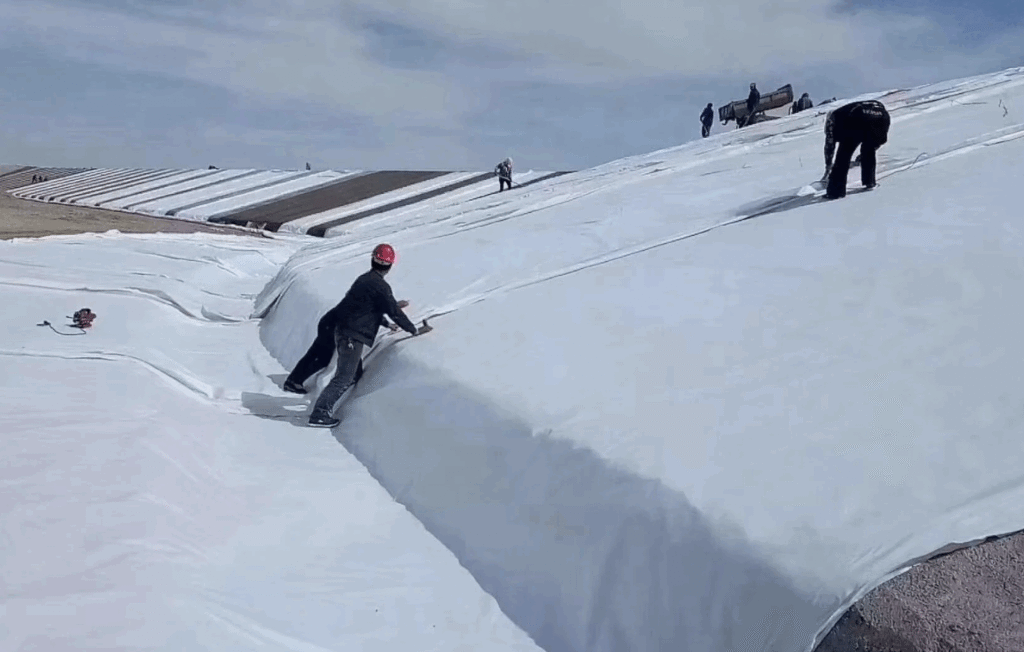
As a core category of geosynthetic materials, polypropylene (PP) geotextile has become a key material in water conservancy, transportation, environmental protection, and other engineering projects, thanks to its advantages of light weight, durability, and cost-effectiveness. This article comprehensively breaks down the core value and practical key points of polypropylene geotextile from product understanding to engineering applications, helping engineering design, procurement, and project management make efficient decisions.
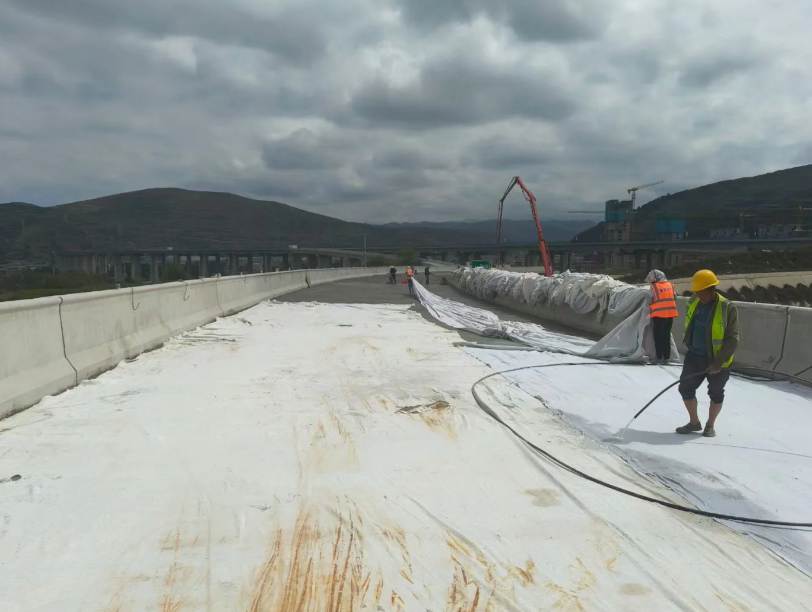
What is Polypropylene Geotextile?
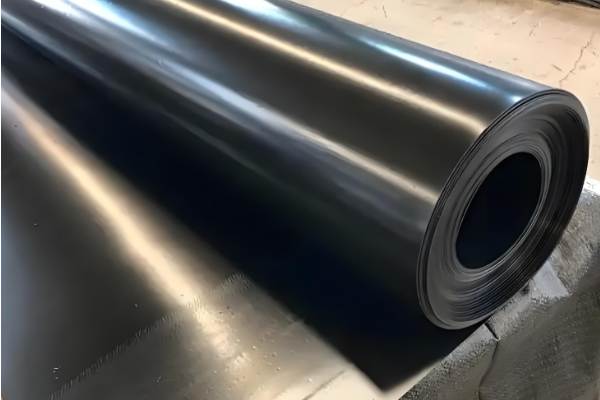
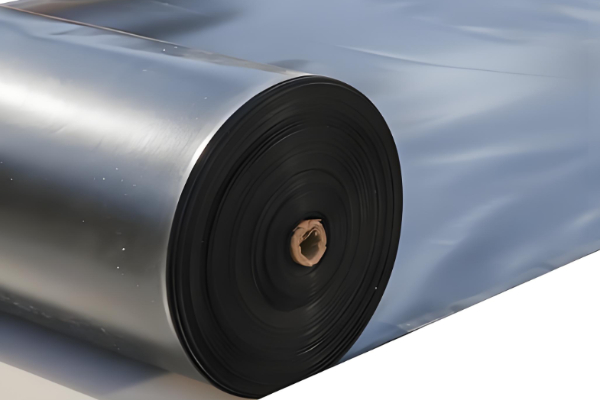
Polypropylene geotextile is a permeable geosynthetic material made from polypropylene (PP) fibers through processes such as spunbonding, needle-punching, and weaving. Based on manufacturing processes, it is mainly divided into two categories with distinct properties and uses:
Non-woven Geotextile
- Manufacturing Process: Polypropylene fibers are randomly arranged, web-laid, and then mechanically entangled and consolidated via needle-punching.
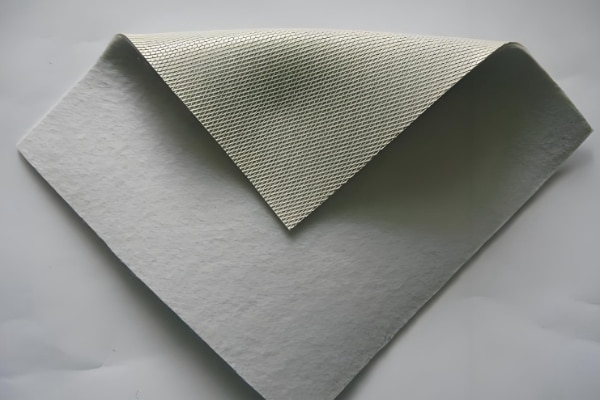
- Structure & Appearance: Felt-like in appearance, with a fluffy structure and large thickness.
- Core Functions: Filtration, drainage, and separation.
- Features: Water can pass vertically through the fabric plane, offering excellent water permeability. It effectively blocks soil particles and prevents clogging.
Woven Geotextile
- Manufacturing Process: Polypropylene flat yarns are woven in a specific direction.
- Structure & Appearance: Similar to woven bags, with a flat surface and dense structure.
- Core Functions: Reinforcement, strengthening, and stabilization.
- Features: Exceptionally high tensile strength and low elongation rate, capable of effectively dispersing loads and restricting lateral soil displacement.
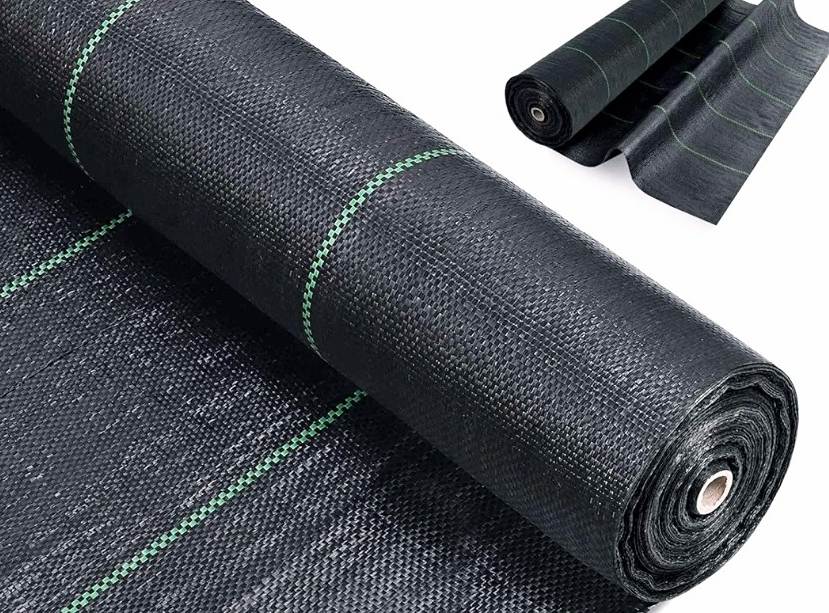
Core Characteristics of Polypropylene Geotextile
- Physical Properties: Density is only 0.91g/cm³; a 100g/m² product weighs merely 0.1kg per square meter, reducing transportation costs by 50% compared to traditional materials. The maximum width can reach 8 meters, minimizing seams and improving construction efficiency.
- Chemical Stability: Resistant to acids and alkalis in the pH range of 2-13, capable of withstanding corrosion from saline-alkaline soil, chemical wastewater, etc. Service life can exceed 25 years in special environments.
- Hydraulic Performance: Porosity is precisely controlled between 35%-45%, with a pore size of 0.02-0.08mm and water permeability ≥1.2×10⁻³m/s. It enables rapid drainage while retaining soil particles larger than 0.05mm.
- Mechanical Properties: Elongation at break ≥20%, tensile strength up to 5-80kN/m, with outstanding tear and puncture resistance, effectively enhancing soil stability.
- Durability: With added UV stabilizers, it can resist intense ultraviolet radiation. Strength retention rate remains stable for a long time in outdoor environments, with a maximum design life of 50 years.
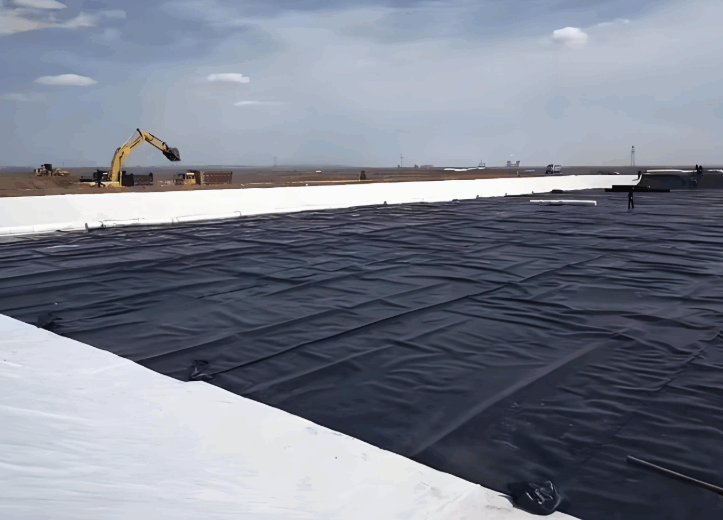
Application Scenarios of Polypropylene Geotextile
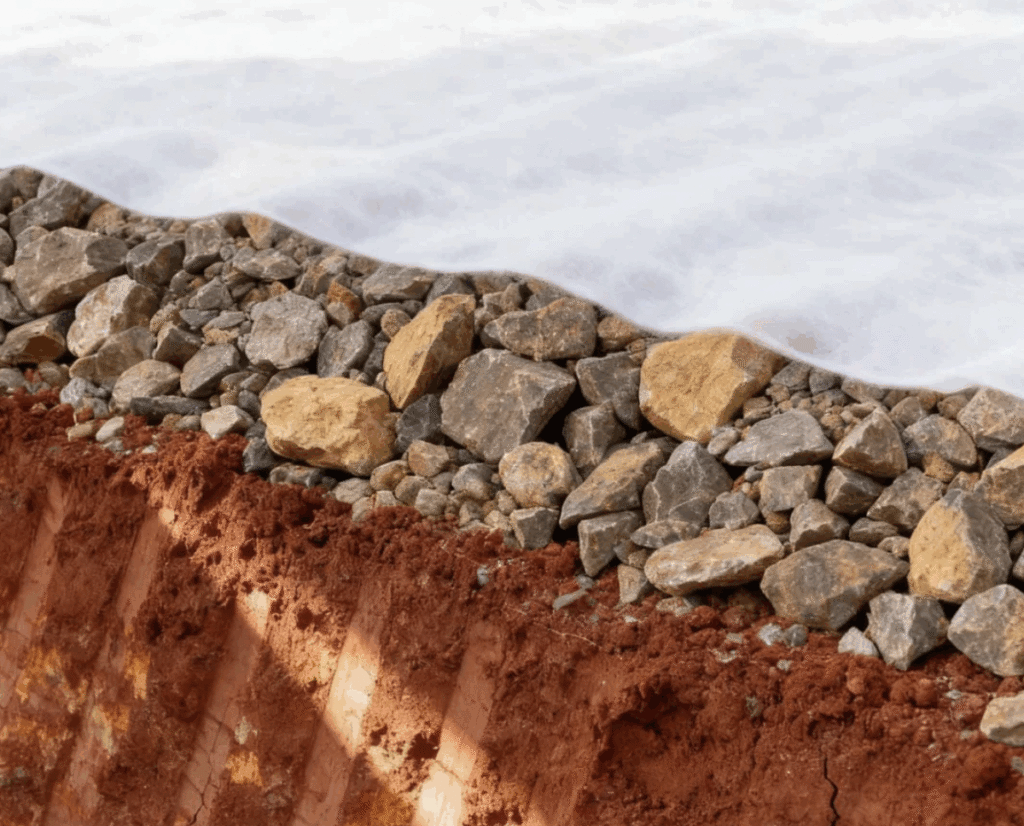
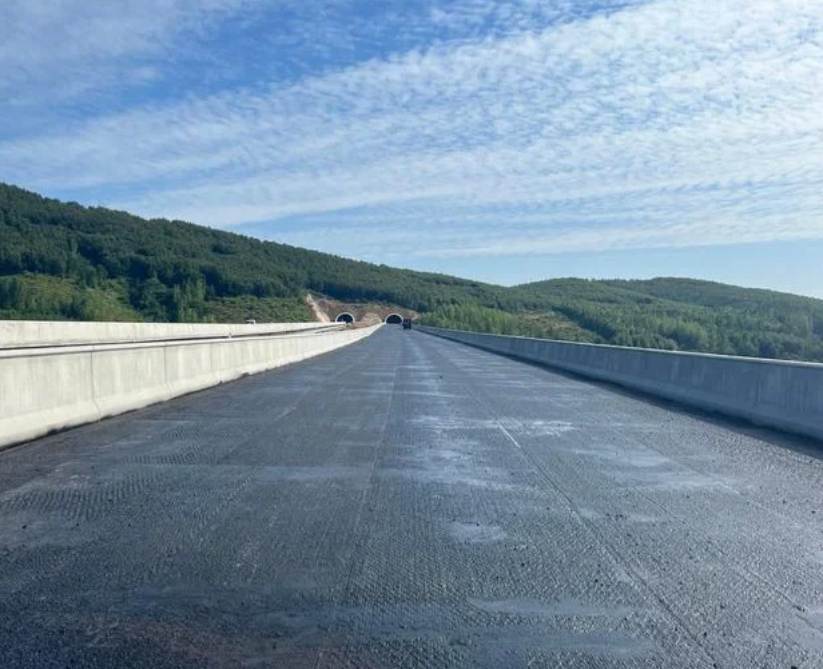
- Road and Railway Subgrades: Laid between the subgrade and gravel layer, it acts as a separation and reinforcement layer, preventing soft subgrade collapse and gravel loss, and significantly extending road service life.
- Recommended Reading:Geotextile Road Fabric: Types,Benefits,and Installation
- Drainage Systems: Used as a filter layer wrapping drainage blind ditches or vertical drains, allowing free water passage while preventing the loss of surrounding soil particles and avoiding clogging.
- Recommended Reading:Ultimate Guide to Geotextile Drainage Fabric: From Principles to Practical Use
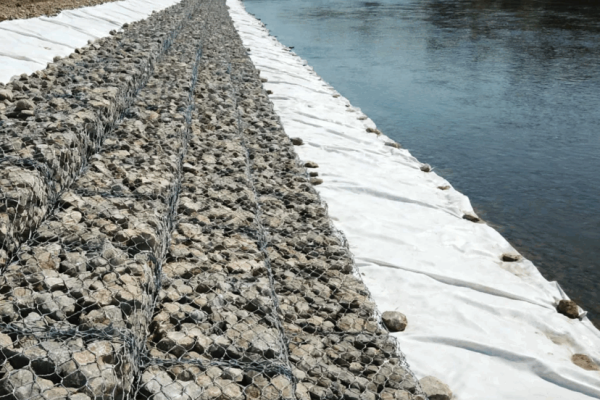
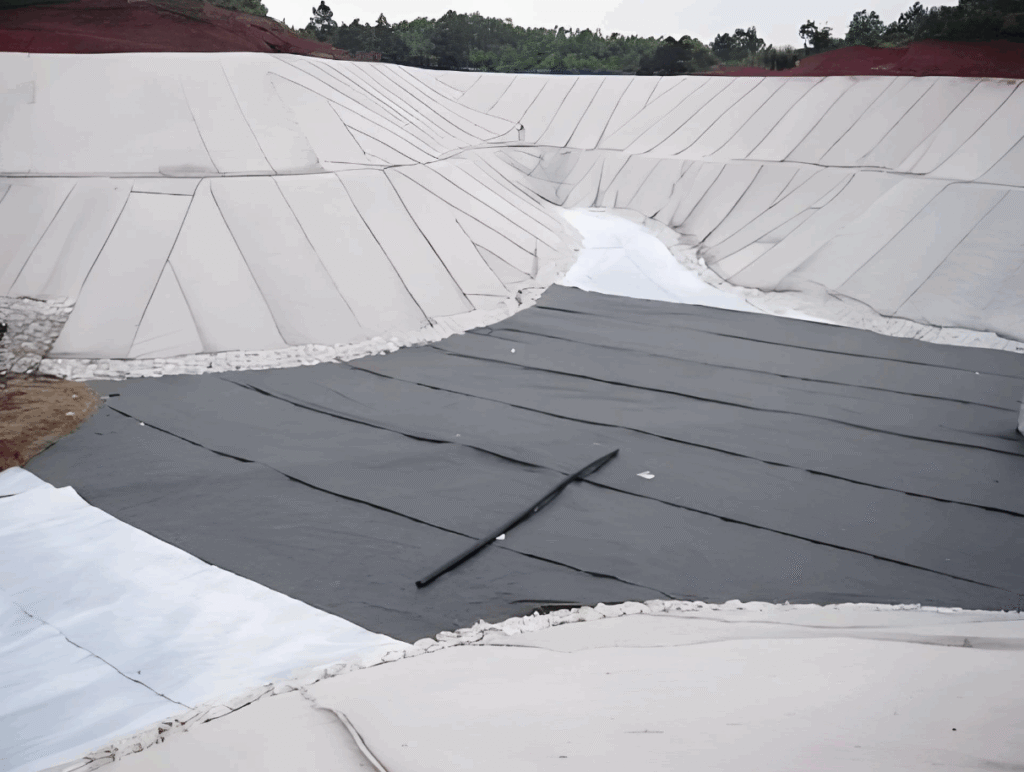
- Slope Protection and Soil and Water Conservation: Combined with three-dimensional vegetation nets, geogrids, etc., it covers exposed slopes to reinforce surface soil and prevent soil erosion caused by rainwater scouring.
- Landfills and Tailings Dams: Leveraging its corrosion resistance, it serves as a protective layer to prevent the leakage of harmful substances and environmental pollution.
- Landscaping and Horticulture: Laid as a separation layer under soil, it effectively inhibits weed growth while maintaining soil air permeability and water permeability.
- Recommended Reading:What is the Best Landscape Fabric?The 3 Best Landscape Fabrics
What is the Difference Between Polypropylene and Polyester Geotextile?
| Comparison Dimension | Polypropylene (PP) Geotextile | Polyester (PET) Geotextile |
|---|---|---|
| Chemical Resistance | Excellent, especially to acids & alkalis. pH range: ~2-13. | Poor. Susceptible to hydrolysis in strong acid/alkaline environments. pH range: ~4-9. |
| UV Resistance | Moderate (relies on additives) | Inherently Better, naturally more UV resistant. |
| Long-Term Creep Performance | Moderate. Higher deformation under sustained loads. | Excellent. Low deformation under sustained loads; high dimensional stability. |
| Tensile Strength/Modulus | High | Very High, typically higher initial modulus. |
| Cost | Economical, lower raw material cost. | Higher. |
| Hydrophilic Nature | Hydrophobic | Slightly Hydrophilic |
Selection Rhyme and Scenario-Specific Recommendations:
- “Choose PP for acidic/alkaline environments”
- Scenarios: Landfills, tailings dams, chemical plant floors, coastal tidal flats, etc.
- Reason: Polypropylene’s superior chemical corrosion resistance is unparalleled by polyester, ensuring long-term engineering safety.
- “Choose PET for long-term high-strength reinforcement”
- Scenarios: Ultra-steep slope reinforcement, permanent retaining walls, key projects requiring extremely high long-term creep resistance.
- Reason: Polyester fibers offer better creep resistance, providing stable reinforcement for decades.
- “Choose PP for conventional drainage and filtration”
- Scenarios: Road drainage, foundation filtration, horticultural drainage, and most other general scenarios.
- Reason: Polypropylene non-woven geotextile fully meets functional requirements with the highest cost-effectiveness.
- “Choose PET for strong UV exposure”
- Scenarios: Temporary or permanent reinforcement projects requiring long-term exposure to sunlight (e.g., some exposed geogrid reinforcements).
- Reason: Polyester’s inherent UV resistance provides additional safety redundancy.

How to Select Polypropylene Geotextile?
Step 1: Clarify Functional Requirements
What is the primary need of your project: separation, filtration, drainage, or reinforcement? This determines whether non-woven or woven geotextile is suitable.
Step 2: Select Material Based on Scenarios
Refer to Chapter IV to choose between polypropylene and polyester based on the project’s chemical environment, design life, and strength requirements.
Step 3: Determine Technical Indicators
Confirm required parameters such as grammage, strength, and permeability coefficient according to engineering design.
Installation Steps of Polypropylene Geotextile
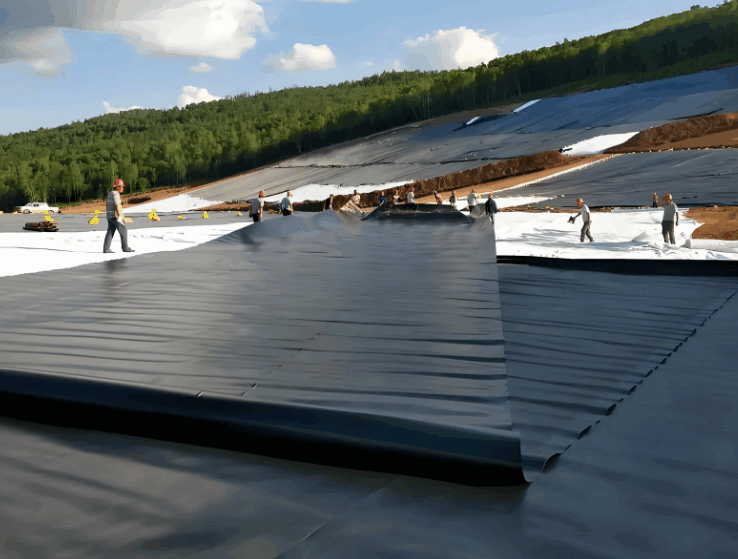
- Foundation Preparation: Level and compact the site, removing foreign objects such as tree roots and sharp stones.
- Laying Direction: The length direction of the roll should be perpendicular to the main force or water flow direction.
- Lapping and Seaming:
- Lapping: Generally overlap by 30-50cm; increase overlap on soft foundations.
- Seaming: For high-strength reinforcement projects, use a dedicated sewing machine for connection to ensure better firmness and reliability.
- Anchoring: Reserve sufficient length at slope tops, trenches, etc., and backfill for anchoring.
- Backfilling: Backfill filling materials gently and gradually from one side to the other. Avoid sharp turns of vehicles directly on the geotextile to prevent displacement and damage.
Frequently Asked Questions (FAQs)
Q1: What is the service life of polypropylene geotextile?
A: With proper design and construction, polypropylene geotextile buried underground (protected from UV radiation) can have a design life exceeding 50 years or even 100 years. Its service life is mainly affected by UV exposure; choose UV-resistant models for outdoor exposure.
Q2: Is polypropylene geotextile environmentally friendly?
A: It is made of inert polymers and does not decompose into harmful substances, posing no harm to soil or groundwater. From a full-life-cycle perspective, it delivers significant environmental benefits by extending project life and reducing the use of sand and gravel. Recycling and reuse are current research focuses in the industry.
Q3: How to judge the quality of polypropylene geotextile?
A:
1. Check the brand and manufacturer qualifications;
2. Request third-party test reports to verify compliance with key parameters;
3. Visual and tactile inspection: Check uniformity, absence of defects, tightness of needle-punched non-woven fabric, and evenness of woven fabric.
Conclusion
Polypropylene geotextile has become one of the most widely used synthetic materials in civil engineering due to its excellent corrosion resistance, superior comprehensive performance, and cost-effectiveness. Correctly understanding the fundamental differences between polypropylene and polyester geotextiles is crucial for making optimal engineering decisions.
Reference Sources
- ASTM D4439 – Standard Terminology for Geosynthetics. The foundation for understanding all technical terms.
- ASTM D5261 – Standard Test Method for Measuring Mass per Unit Area of Geotextiles.
- ASTM D4632 – Standard Test Method for Grab Breaking Force and Elongation of Geotextiles.
- ASTM D6241 – Standard Test Method for Static Puncture Strength of Geotextiles and Geotextile-Related Products Using a 50-mm Probe (CBR Plunger).
- ASTM D4751 – Standard Test Method for Determining Apparent Opening Size (AOS) of a Geotextile.