What is the best heavy-duty landscape fabric? This article will explain the types of landscape fabrics and the four key indicators for selecting heavy-duty weed barriers to help you choose the best landscape fabric.
How to Choose Truly Heavy-Duty Landscape Fabric?
1. Woven vs. Non-Woven: Which Reigns as the “Heavy-Duty” Champion?
This is the most crucial choice, directly determining performance and lifespan.
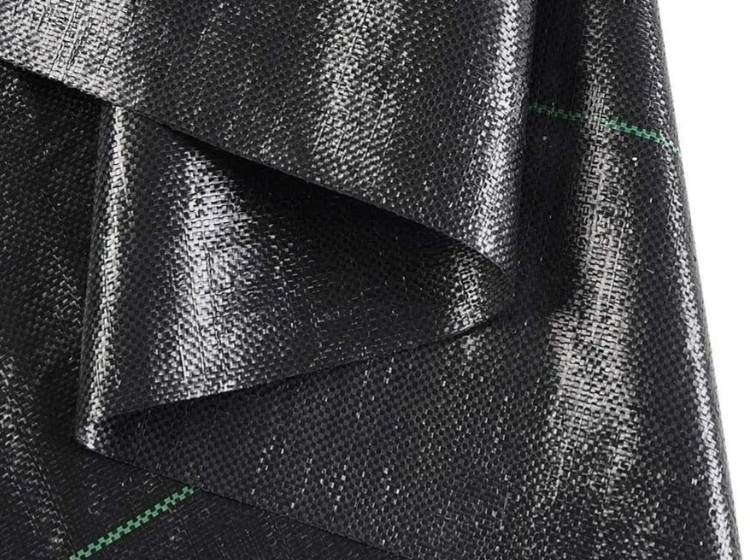
Woven Fabric: The First Choice for Heavy-Duty Applications
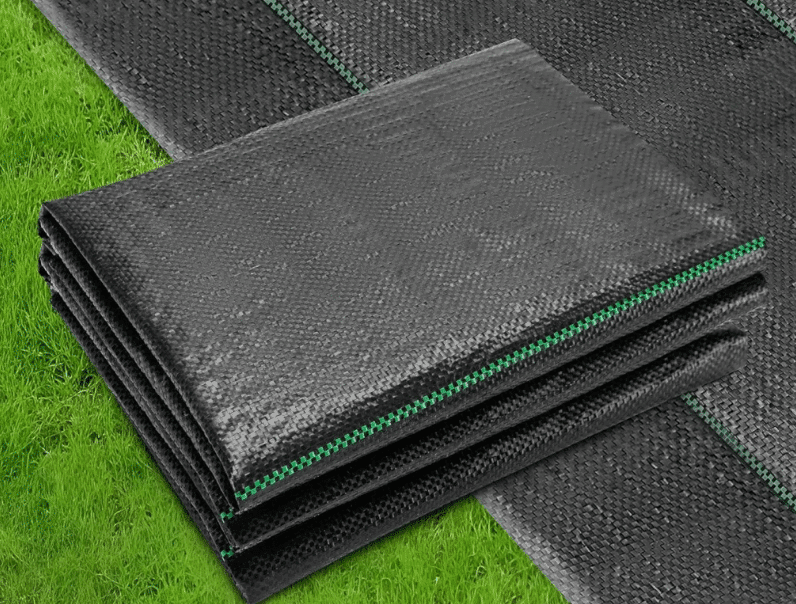
- Material: Typically woven from polypropylene (PP) or polyester flat yarns, with an appearance similar to burlap sacks.
- Advantages:
- Exceptional tensile and tear strength: Can withstand the weight of gravel, paving stones, and pulling during construction.
- Excellent water permeability: Water passes through quickly without pooling on the fabric, protecting plant root health.
- High stability and long lifespan: Structurally stable and resistant to deformation, with a lifespan of 5-10 years or longer when enhanced with UV protection.
- Disadvantage: Slightly less effective at blocking small weed seeds initially compared to dense non-woven fabrics (but this can be perfectly resolved with mulch).
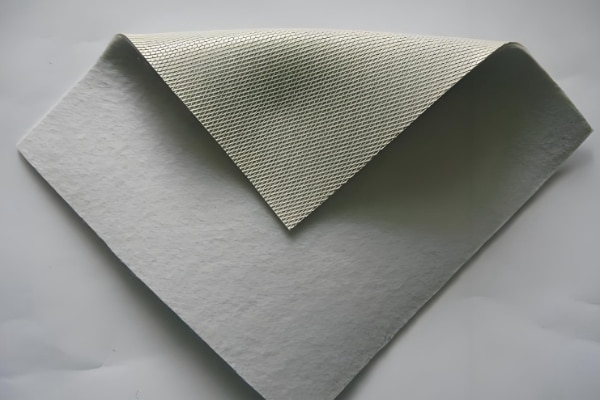
- Material: Made from randomly bonded (needled) polypropylene fibers, with an appearance similar to felt.
- Advantage: Dense structure provides excellent initial weed control.
- Disadvantages:
- Prone to clogging: Soil particles easily block fiber gaps, leading to a sharp decline in water permeability over time and causing waterlogging.
- Low strength: Prone to deformation and tearing under long-term heavy loads.
- Short lifespan: Degrades easily, especially in humid environments.
Conclusion: For most heavy-duty landscape projects (such as driveways, walkways, and under flagstones), professionals and experienced DIYers consistently choose high-quality woven weed barriers.
2. Four Key Indicators for Selecting Heavy-Duty Landscape Fabric
- Weight: Measured in grams per square meter (gsm) or ounces per square yard. Heavier weight usually indicates thicker material and better durability. For heavy-duty use, a minimum of 120gsm is recommended.
- Tensile Strength & Tear Strength: Measured in Newtons (N) or pounds (lbs). Higher values mean the fabric is more “sturdy” and less likely to tear during installation or use.
- Water Permeability: Measured in liters per square meter per second. Higher values indicate better drainage performance, which is crucial for plant health and preventing root rot.
- UV Stability: Represents the fabric’s ability to resist aging from sunlight’s ultraviolet rays. High-quality weed barriers contain UV stabilizers to ensure they do not become brittle after years of exposure.
If you are purchasing a heavy-duty landscape fabric, you can contact us!
Reviews of the Best Heavy-Duty Landscape Fabrics
Based on the above indicators, combined with laboratory data, professional user reviews, and e-commerce platform feedback, we have selected the following 5 top-tier products.
Top Overall: Amagabeli Woven Weed Barrier
- Review Summary: This product is an “all-rounder” on the market, achieving the perfect balance between strength, water permeability, and price. Its tight woven structure feels thick and durable, effectively suppressing most weeds while allowing rapid rainwater infiltration. The UV coating provides long-lasting protection, making it the first choice for most home garden projects.
- Advantages: Strong overall performance, excellent user reviews, easy to purchase (on platforms like Amazon), and available in multiple sizes.
- Disadvantage: May not match professional commercial-grade products under extreme loads (such as heavy vehicles).
Most Durable: Garden Elements Professional Grade
- Review Summary: If you need to tackle the harshest environments, such as driveways or areas with frequent vehicle traffic, this is your best choice. Its weight per unit area and tensile strength are among the top in consumer-grade products, making it almost impossible to tear.
- Advantages: Unmatched strength and durability, commercial-grade quality, and an extremely long lifespan.
- Disadvantage: Expensive, stiff texture, requiring more effort for cutting and installation.
Best Value for Money: HOOPLE Heavy-Duty Weed Barrier
- Review Summary: Even with a limited budget, you can still get a reliable heavy-duty woven fabric. HOOPLE’s performance may not match the previous two, but it far exceeds ordinary products from hardware stores. For users needing large-area coverage on a budget, its cost-effectiveness is unbeatable.
- Advantages: Affordable price, solid basic performance, and an excellent choice for cost control.
- Disadvantage: Long-term durability (e.g., over 8 years) may be slightly inferior to top-tier products.
Landscape Fabric Installation Guide
- Ground Preparation: Thoroughly remove all existing weeds, stones, and roots. Level the soil as much as possible.
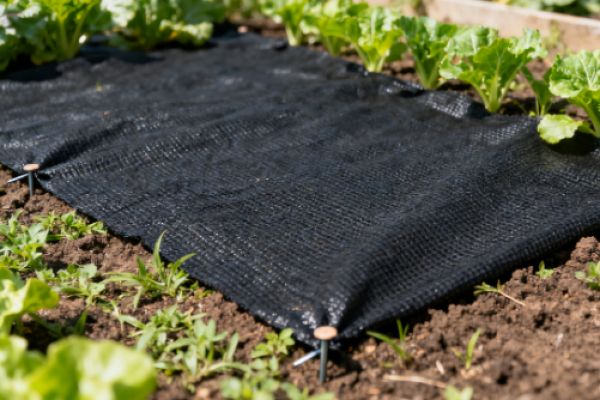
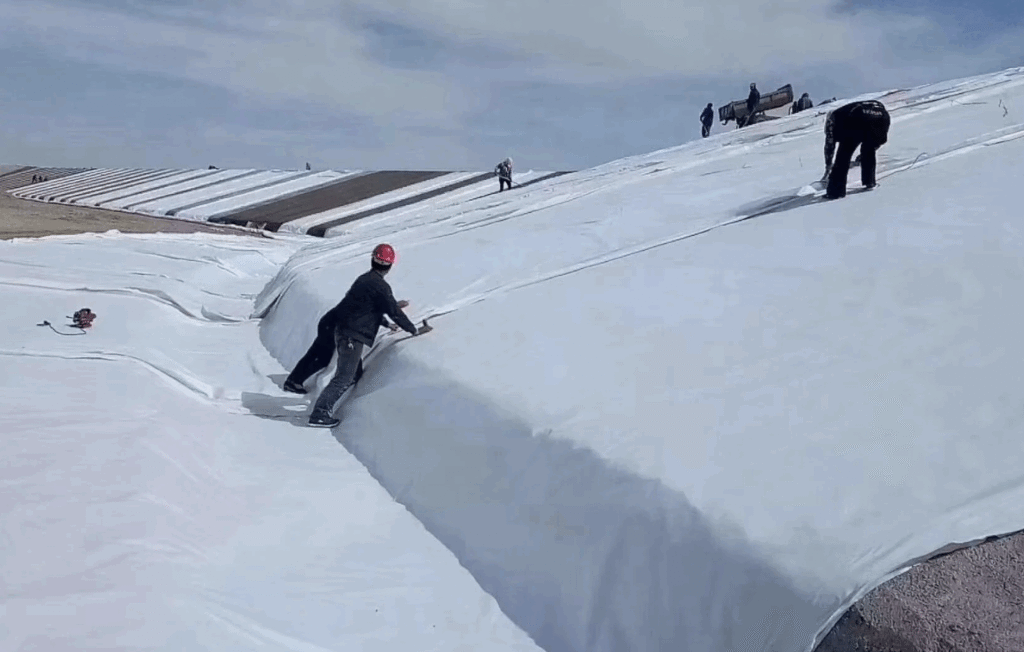
- Laying the Weed Barrier: Unfold and flatten the fabric, ensuring the smooth side faces up (to facilitate water flow and mulch placement). Adjacent pieces of fabric must overlap by at least 15-20 centimeters to prevent weeds from growing through the seams.
- Secure Fixation: Use high-quality heavy-duty landscape stakes to secure the fabric every 0.5-1 meter, especially along edges and seams. This is key to preventing the fabric from shifting in strong winds.
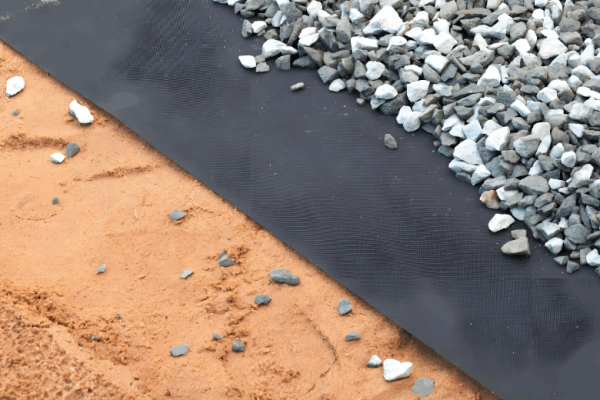
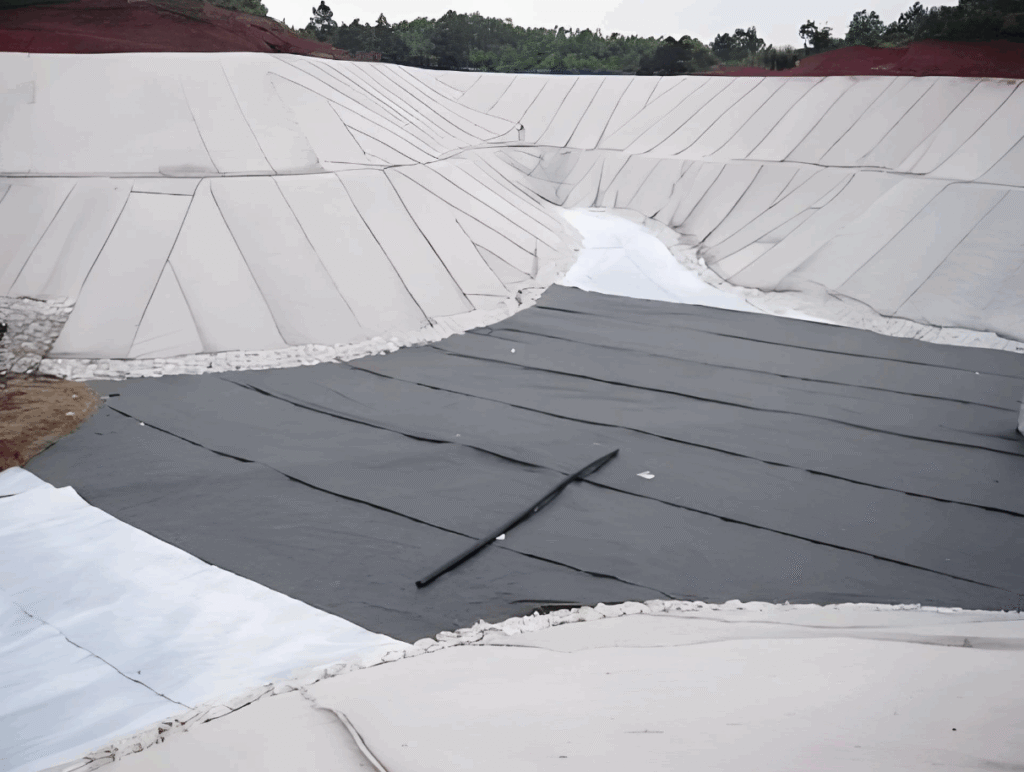
- Top Mulching: Apply a layer of mulch (such as wood chips, gravel, or pebbles) at least 5-8 centimeters thick on top of the fabric. This not only enhances the landscape’s appearance but also further blocks sunlight, protects the fabric from aging, and improves weed control.
Frequently Asked Questions
Q1: Can heavy-duty weed barriers really last for many years?
A: Yes. A high-quality heavy-duty woven fabric, when properly installed and mulched, typically has a lifespan of 5 to 10 years—far longer than cheap products that need replacement every 1-2 years.
Q2: How thick should I buy the weed barrier?
A: For home gardens, a 120-150gsm woven fabric is fully sufficient. For driveways or commercial use, look for products with 150gsm or higher, and pay close attention to the tensile strength indicator.
Q3: Will weed barriers completely eliminate weeds?
A: No method can 100% permanently eliminate weeds. However, heavy-duty weed barriers can reduce weed growth by over 90%. Occasional small weeds that grow through the mulch or seams are easy to pull out manually.
Conclusion
Choosing the right heavy-duty weed barrier is a one-time investment that pays off for years.
For most home users, we highly recommend the Amagabeli Woven Weed Barrier for its perfect balance of performance, price, and ease of use.
If you face extreme load requirements, do not hesitate to choose Garden Elements Professional Grade.
If you have a large project area and a limited budget, the HOOPLE Heavy-Duty Weed Barrier is your smartest choice.
Reference Sources
- International Geosynthetics Society (IGS):
- Content: Provides authoritative definitions and standards on the functions, types (woven/non-woven), physical/mechanical properties (e.g., tensile strength, tear strength, permeability), and durability of geotextiles (the engineering term for landscape fabric).
- Use: Used to define and explain key metrics like “tensile strength,” “tear strength,” and “water permeability rate,” ensuring professional terminology.
- ASTM International Standards:
- Relevant Standards: ASTM D4595 (Tensile Strength), ASTM D4533 (Trapezoid Tear Strength), ASTM D4491 (Water Permeability).
- Content: These are standard test methods established by ASTM International, serving as globally recognized benchmarks for measuring geotextile performance.
- Use: Provides the basis for the performance metrics mentioned in the product reviews (e.g., “high strength,” “tear resistance”), adding scientific credibility to the evaluations.
- Professional Horticulture & Landscape Architecture Textbooks:
- Example: Time-Saver Standards for Landscape Architecture.
- Content: Chapters on “Site Engineering” or “Paving Foundations” in such textbooks typically detail the correct applications of geotextiles in landscaping, including their function as separation and reinforcement layers.
- Use: Supports the professional recommendations in the article regarding suitable scenarios (e.g., under driveways, beneath pavers) and installation methods.