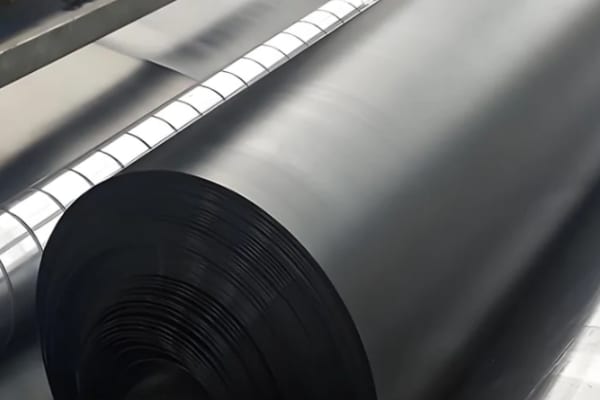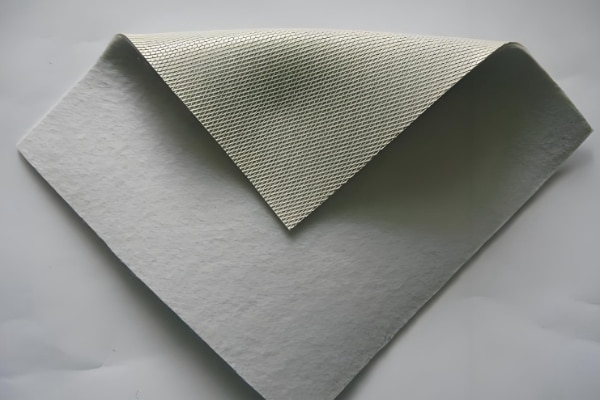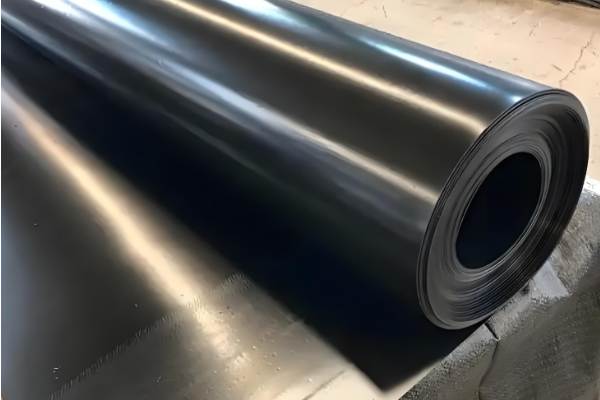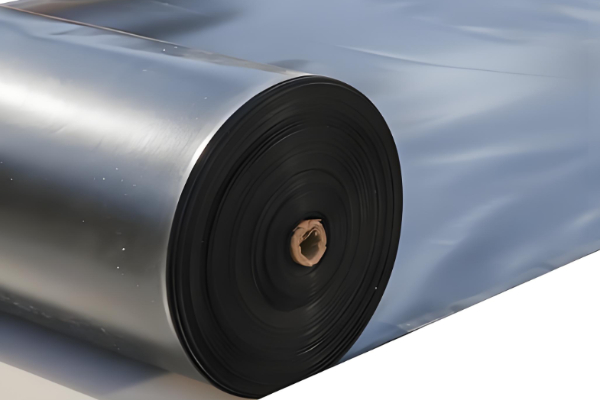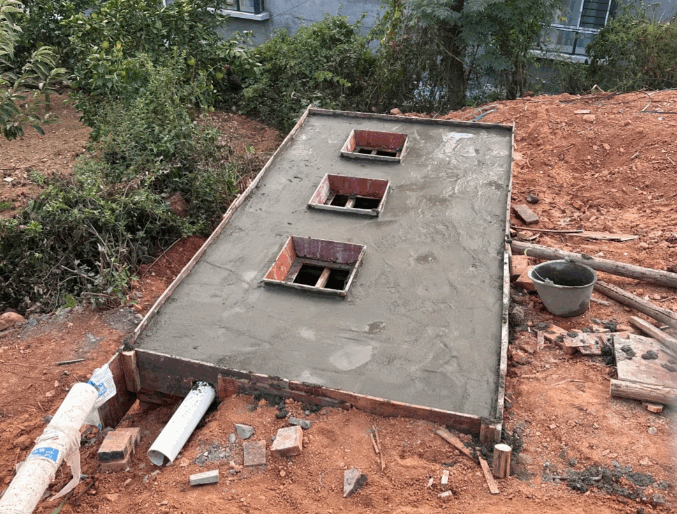
What is the best landscape fabric for the playground? Landscape fabric is a core material that is easily overlooked but crucial in the construction and maintenance of playgrounds. High quality playground landscape fabric not only effectively blocks weed growth, but also provides basic safety guarantees for children’s activities. This article will combine industry professional standards and help you accurately select landscape fabrics that are suitable for residential or commercial playgrounds from the dimensions of core functions, selection parameters, product recommendations, installation and maintenance, avoiding misunderstandings in selection and use.
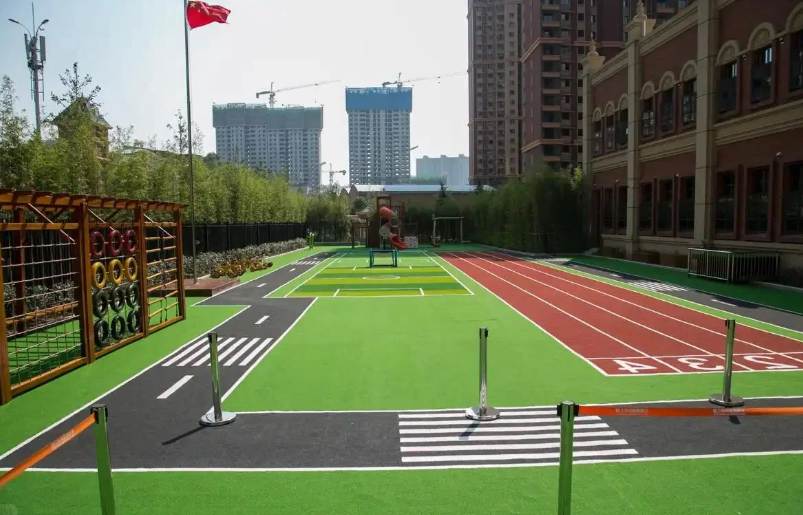
Core Functions of Playground Landscape Fabric
As a special scenario with high foot traffic, outdoor exposure, and the need to ensure children’s safety, playgrounds have much higher functional requirements for landscape fabric than ordinary gardening scenarios. The following five core functions are indispensable:
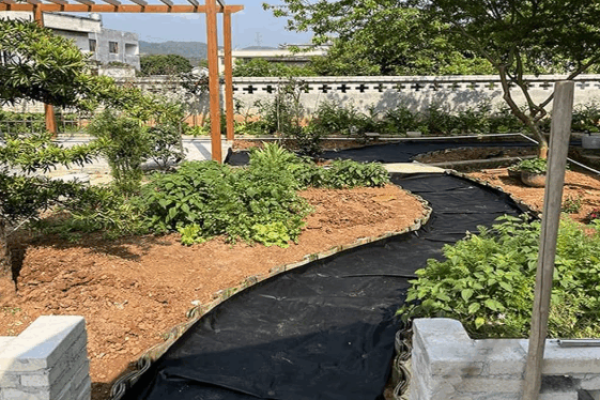
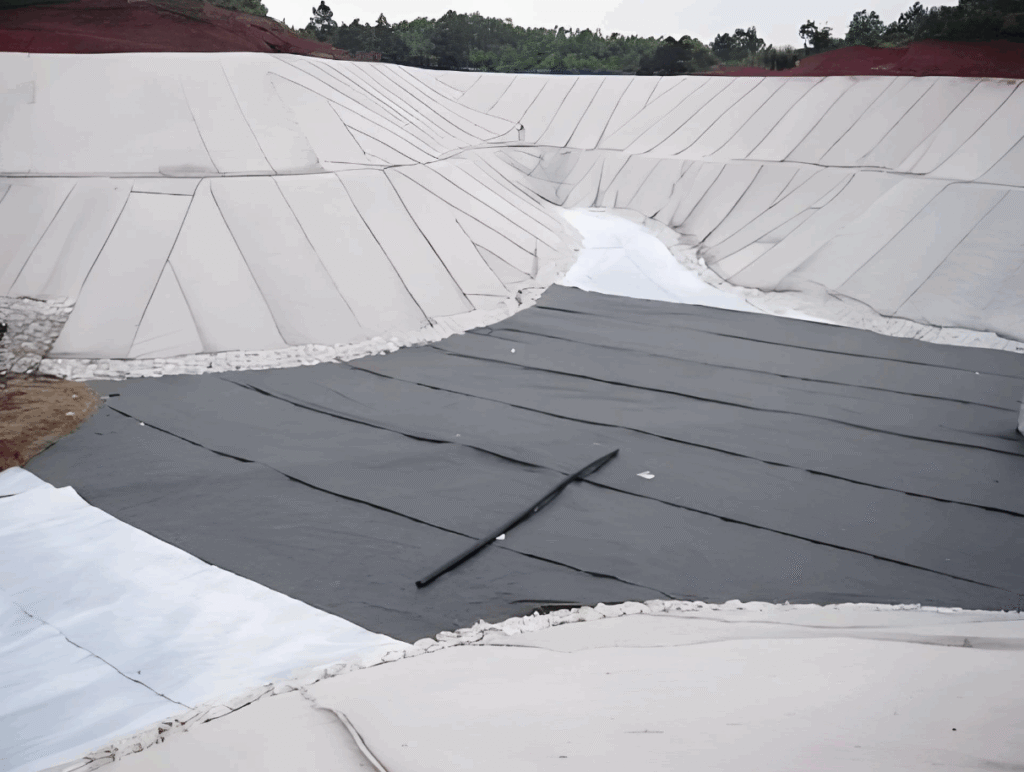
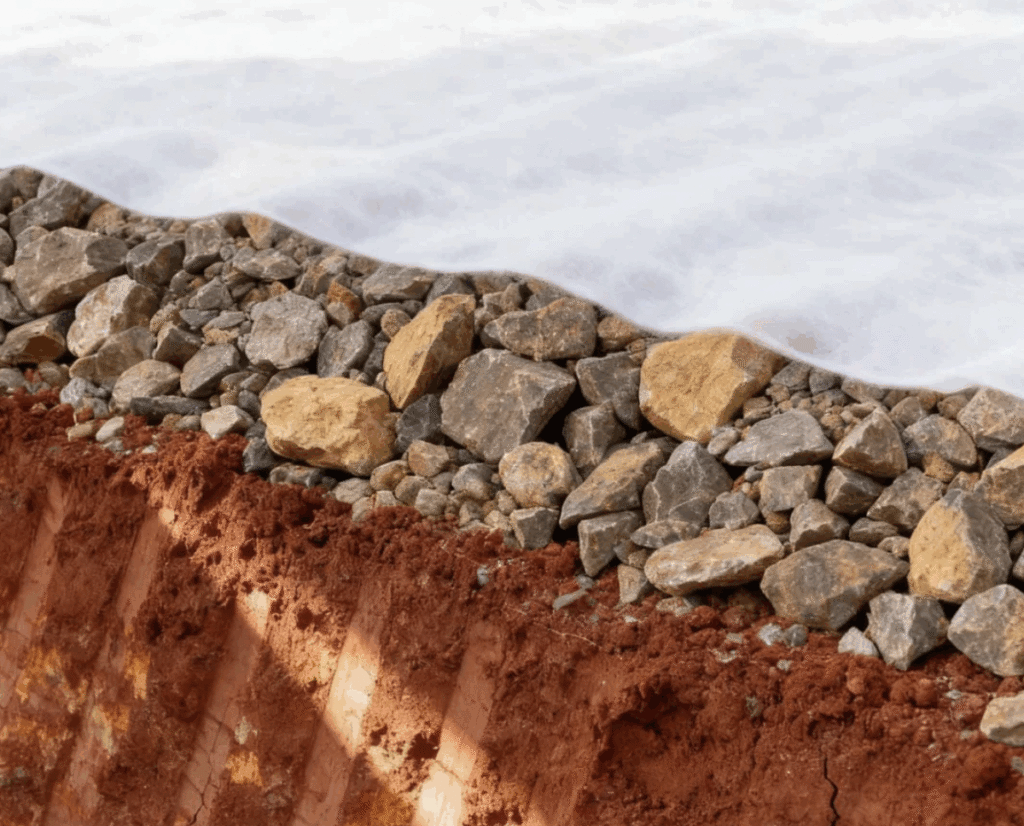
- Weed and Soil Isolation: Through a physical barrier structure, it prevents weeds from growing and penetrating from the soil, avoids caking caused by mixing of playground coverings and soil, and reduces long-term maintenance costs.
- Excellent Drainage and Breathability: It must have good water permeability to quickly drain rainwater or sprinkler water, preventing playground waterlogging and mold growth; at the same time, it ensures soil breathability to avoid compaction of the underlying soil affecting the growth of surrounding vegetation.
- Durability and Resistance to Damage: It can withstand children’s activities, laying and friction of coverings, and pressure from outdoor equipment, with tear and puncture resistance, and is not easily damaged by external forces.
- UV Stability and Safety & Non-Toxicity: It does not degrade or become brittle when exposed to sunlight for a long time, and must pass the UV aging test (strength retention rate ≥70% after 2500 hours of xenon arc test); the material must be chemically inert, free of harmful substances such as formaldehyde, and meet the safety standards for children’s activities.
- Compatibility with Coverings: It can be compatible with common playground surface coverings such as rubber granules, wood chips, and gravel, without adhesion or affecting the cushioning performance of the coverings.
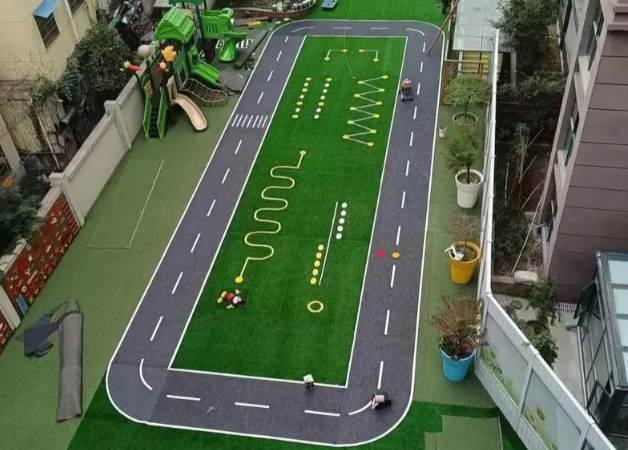
Ultimate Guide to Buying Playground Landscape Fabric
1、Key Parameter Purchasing Standards
- Material Selection: Prioritize 100% virgin polypropylene (PP), followed by polyester (PET). Polypropylene has strong chemical stability, corrosion resistance, light weight, and is non-toxic and harmless, making it the first choice for playground landscape fabric; polyester is more durable but has a higher cost, suitable for high-traffic commercial playgrounds.
- Weight and Thickness: Weight directly determines durability. For residential playgrounds, it is recommended to be ≥90gsm (3.2oz/yd²), and for commercial playgrounds (schools, daycare centers, community parks), ≥140gsm (5oz/yd²); thickness should match weight, generally 90gsm corresponds to a thickness of about 0.3mm, and 140gsm corresponds to about 0.5mm.
- Weave Type: Divided into woven and non-woven. Woven fabric is made of polypropylene flat yarns, with high tensile strength and good tear resistance, suitable for high-traffic playgrounds; non-woven fabric is formed by hot-pressing fibers, with better breathability but weaker durability, only suitable for small residential playgrounds with low-frequency use.
- UV Protection Performance: UV protection rate ≥95%, and products marked with “UV resistance for more than 5 years” are more reliable, which can avoid material embrittlement and damage after long-term exposure to sunlight.
- Size Specifications: Purchase according to the actual area of the playground + 10% margin to reduce the number of seams; prioritize wide rolls (4-6 meters wide for residential playgrounds, 8-12 meters wide for commercial playgrounds). The fewer seams, the better the weed control and stability.
2、Scenario-Adapted Selection: Residential vs. Commercial Playgrounds
- Small Residential Playgrounds (area ≤50㎡, medium frequency of use): Balance cost-effectiveness and basic durability, recommend 3.2-4oz (90-115gsm) woven polypropylene landscape fabric, no need to pursue excessive thickness, just meet daily use.
- Large Commercial Playgrounds (area ≥100㎡, high-traffic use): Choose heavy-duty woven landscape fabric of 5oz or more (140gsm+), prioritize wide rolls to ensure tensile strength and durability, supporting long-term high-frequency use.
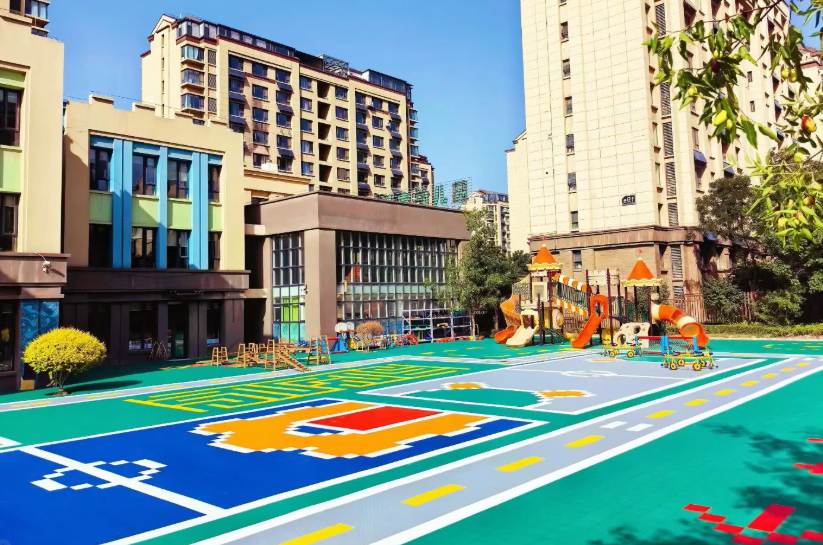
Top Recommendations for the Best Playground Landscape Fabric in 2025
Combined with industry test data and real user feedback, the following 4 landscape fabrics cover different scenarios and budgets, with outstanding adaptability and cost-effectiveness:
1. Best Overall: Dewitt P5 5oz Woven Playground Landscape Fabric
- Core Parameters: 100% virgin polypropylene, 140gsm (5oz), UV protection rate 98%, available in widths of 6/8/12 meters, service life 6-8 years.
- Suitable Scenarios: Commercial playgrounds (schools, daycare centers), large residential playgrounds.
- Highlights: Tear strength up to 200N/5cm, excellent puncture resistance, can withstand friction from outdoor equipment and high-frequency activities; after overlapping laying at seams, the weed control effect does not decrease, compatible with various coverings such as rubber granules and wood chips.
- User Reviews: “Used in the school playground for 3 years without damage, almost no weeds grow, drainage is fast, no waterlogging on rainy days” “Thick enough, the ground is flat after laying, not easy to shift after fixing with U-shaped stakes”.
2. Cost-Effective for Residential Use: Waen Lir 3.2oz UV-Protected Landscape Fabric
- Core Parameters: 100% polypropylene, 90gsm (3.2oz), UV protection rate 98.7%, available in widths of 4/6 meters, service life 4-5 years.
- Suitable Scenarios: Small residential playgrounds, courtyard activity areas.
- Highlights: The price is only 60% of commercial models, lightweight design is easy to cut and install, good breathability, suitable for matching with wood chips or gravel coverings; the edges are serged to prevent fraying.
- User Reviews: “Used in my backyard playground for 2 years, very few weeds, easy to install, can be operated by one person” “Super cost-effective, much more durable than ordinary gardening fabric, no hardening or embrittlement after exposure to sunlight”.
3. Commercial-Grade Durable: KD Garden 5oz Pro Heavy-Duty Landscape Fabric
- Core Parameters: Polyester + polypropylene blend, 150gsm (5.2oz), UV protection rate 99%, available in widths of 10/12 meters, service life 8-10 years.
- Suitable Scenarios: Large commercial playgrounds, community parks, sports venues.
- Highlights: The blended material balances tensile strength and flexibility, outstanding puncture resistance, can withstand the pressure of large amusement facilities; chemical corrosion resistance, suitable for long-term outdoor exposure, with extremely low maintenance costs.
- User Reviews: “Used in the community park playground for 5 years, only slight wear in local areas, overall in good condition” “Efficient for large-area laying, almost no gaps after overlapping seams, full score for weed control effect”.
4. Multifunctional Adaptable: Amazon PP Woven Geotextile (Playground-Specific)
- Core Parameters: 100% polypropylene, 115gsm (4oz), UV protection rate 97%, custom width available, service life 5-6 years.
- Suitable Scenarios: Small and medium-sized residential/commercial playgrounds, temporary event venues.
- Highlights: Strong compatibility, can be matched with any playground coverings; soft texture, easy to fit irregular terrain (such as slopes, corners); moderate price, supporting small-batch procurement.
- User Reviews: “The playground has a slope, this fabric fits well without hollowing, smooth drainage” “Customized the appropriate width, reduced many seams, saved time in installation”.
Playground Landscape Fabric Installation & Maintenance Tips
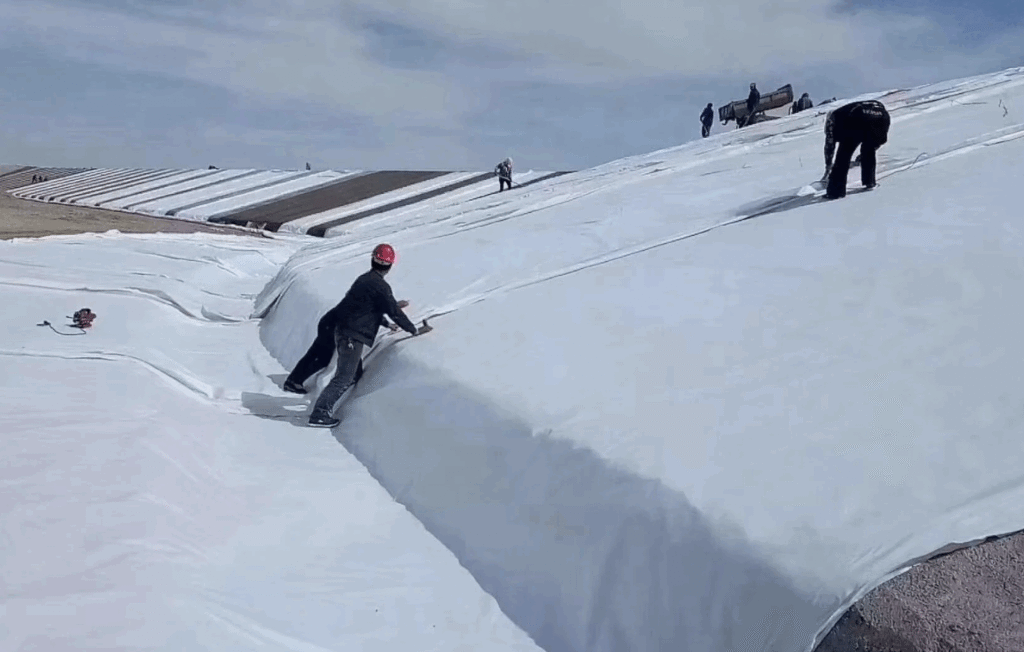
(I) Key Steps for Professional Installation
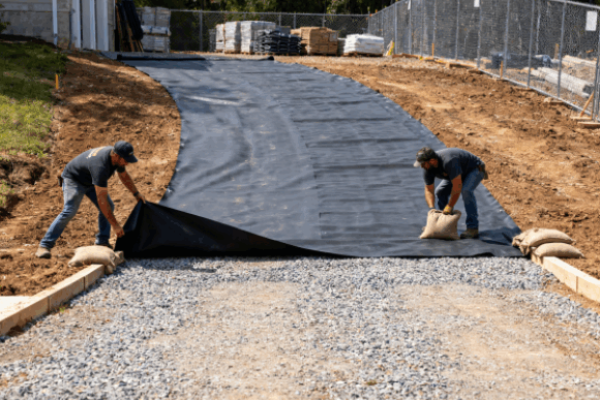
- Ground Preparation: Remove stones, sharp debris, and weed rhizomes from the playground surface, level the ground and trim the drainage slope (recommended slope ≥2%) to avoid waterlogging.
- Fabric Cutting: Cut according to the actual size of the playground, reserve 10-15cm overlapping edges (at seams) for each piece of fabric, cut according to the terrain at corners to avoid damage caused by pulling.
- Seam Treatment: Overlap adjacent fabrics by 6-12 inches (15-30cm), prioritize laying along the drainage direction, and avoid seams in high-frequency activity areas of the playground to improve weed control and stability.
- Fixing Method: Use U-shaped stakes for fixation, the length of the stakes ≥15cm, spacing 1-2 feet (30-60cm), and densify to 1 stake every 30cm at edges and corners to prevent fabric displacement.
- Covering Laying: After fixing the landscape fabric, promptly lay coverings such as rubber granules and wood chips, the thickness is adjusted according to the scenario (residential playground ≥10cm, commercial playground ≥15cm).
(II) Maintenance Tips for Extending Service Life
- Regular Inspection: Inspect once a quarter, focusing on whether the seams are loose and the fabric is damaged, and repair in a timely manner if problems are found (use special geotextile tape).
- Avoid Damage: Do not drag sharp objects on the laid landscape fabric, and add cushions under amusement equipment to reduce local pressure and wear.
- Supplementary UV Protection: If the fabric shows slight aging after long-term exposure to sunlight, a thin layer of new covering can be laid on the surface of the existing covering to reduce direct UV radiation.
- Weed Control: If a small number of weeds grow from the seams, pull them out manually in time to avoid root damage to the fabric; if there are many weeds, check whether the seam overlap is sufficient, and re-lay if necessary.
(III) Solutions to Common Problems
- Waterlogging Issue: Check if the ground slope meets the standard. If there is local waterlogging, punch small holes in the corresponding positions to assist drainage, or re-adjust the fabric laying angle.
- Covering Loss: It may be due to insufficient fixation or insufficient thickness of the covering. Need to densify U-shaped stakes, increase the thickness of the covering, and compact the edges with bricks.
- Fabric Damage: Repair small-area damage with special geotextile tape, and for large-area damage, cut new fabric to cover the damaged area with an overlapping edge ≥20cm.
Frequently Asked Questions (FAQ)
1. Should I choose woven or non-woven landscape fabric for playgrounds?
Woven fabric is more suitable for playground scenarios, especially high-traffic areas. Non-woven fabric has good breathability but weak tear resistance, and is easily damaged by children’s activities or friction from coverings. It is only recommended for short-term use in small residential playgrounds with low-frequency use.
2. Can I lay playground coverings directly without landscape fabric?
Not recommended. Without landscape fabric, weeds can easily grow through the coverings, leading to mixing and loss of coverings and soil. This not only increases the maintenance frequency but also reduces the cushioning safety performance of the coverings, which actually increases costs in the long run.
3. What is the minimum service life requirement for commercial playground landscape fabric?
It is recommended to choose products with a service life of ≥5 years. Commercial playgrounds have high usage frequency and high maintenance costs, and high-quality landscape fabric can reduce the number of replacements and lower long-term investment.
4. Is thicker landscape fabric better?
Not necessarily. Thickness should match weight and material. For example, 140gsm woven fabric is more durable than 200gsm non-woven fabric. The core is to look at tensile strength, puncture resistance, and UV stability, rather than simply pursuing thickness.
Conclusion
The core of purchasing playground landscape fabric is “scenario matching + parameter compliance”: residential playgrounds can focus on cost-effectiveness, while commercial playgrounds need to prioritize durability and safety. By clarifying scenario needs, locking in core parameters (material, weight, UV protection), and referring to professional recommendations, you can select high-quality products that suit your needs.
High-quality playground landscape fabric can not only solve weed problems and ensure drainage safety but also extend the service life of coverings and reduce maintenance costs, creating a safe and comfortable activity space for children. Following professional installation and maintenance methods can further maximize the value of landscape fabric and keep the playground in good condition for a long time.
Reference Sources
- ASTM International – 《ASTM D4355 Standard Test Method for Tear Strength of Geotextiles》, 2023 Edition
- ASTM International – 《ASTM G154 Standard Practice for Operating Xenon Arc Light Apparatus for Exposure of Non-Metallic Materials》, 2022 Edition
- ISO – 《ISO 10319:2015 Geotextiles and geotextile-related products – Determination of tensile properties》
- Geosynthetic Research Institute (GRI) – 《GRI-GM13 Geotextile Selection Guide for Landscape and Vegetation Applications》, 2024 Update