- 5 Key Indicators for Heavy-Duty Weed Barrier Fabric
- Reviews of 5 Heavy Duty Landscape Fabrics
- 1. Best Overall: Amagabeli Heavy-Duty Landscape Fabric
- 2. Professional Durability Choice: DeWitt PRO 5 Landscape Fabric
- 3. Cost-Effective Choice: ECOgardener Professional-Grade Landscape Fabric
- 4. Excellent Water Permeability Star: HOOPLE Woven Landscape Fabric
- 5. Gravel Base Specialist: Plow & Hearth Heavy-Duty Gravel Stabilization Grid
- Installation Guide for Heavy Duty Landscape Fabric
- Frequently Asked Questions (FAQs)
- Conclusion
Ordinary landscape fabric is suitable for temporary flower beds or lightweight gardening projects. However, for driveway subbases, commercial landscapes, areas with persistent weeds, or residential projects aiming for a “one-time, long-term solution,” only heavy-duty Landscape fabric can provide durable weed suppression. This article will take you through a detailed understanding of how to select the best heavy-duty landscape fabric.
5 Key Indicators for Heavy-Duty Weed Barrier Fabric
Before making a selection, understanding these parameters will help you avoid mistakes.
1、Material and Craftsmanship
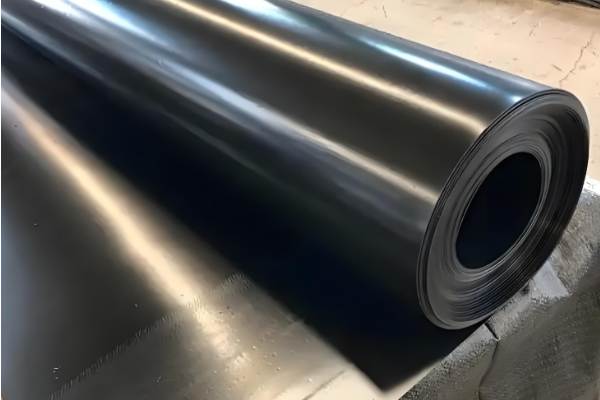
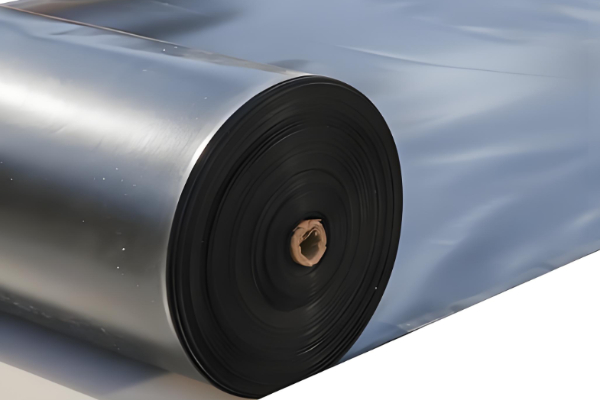
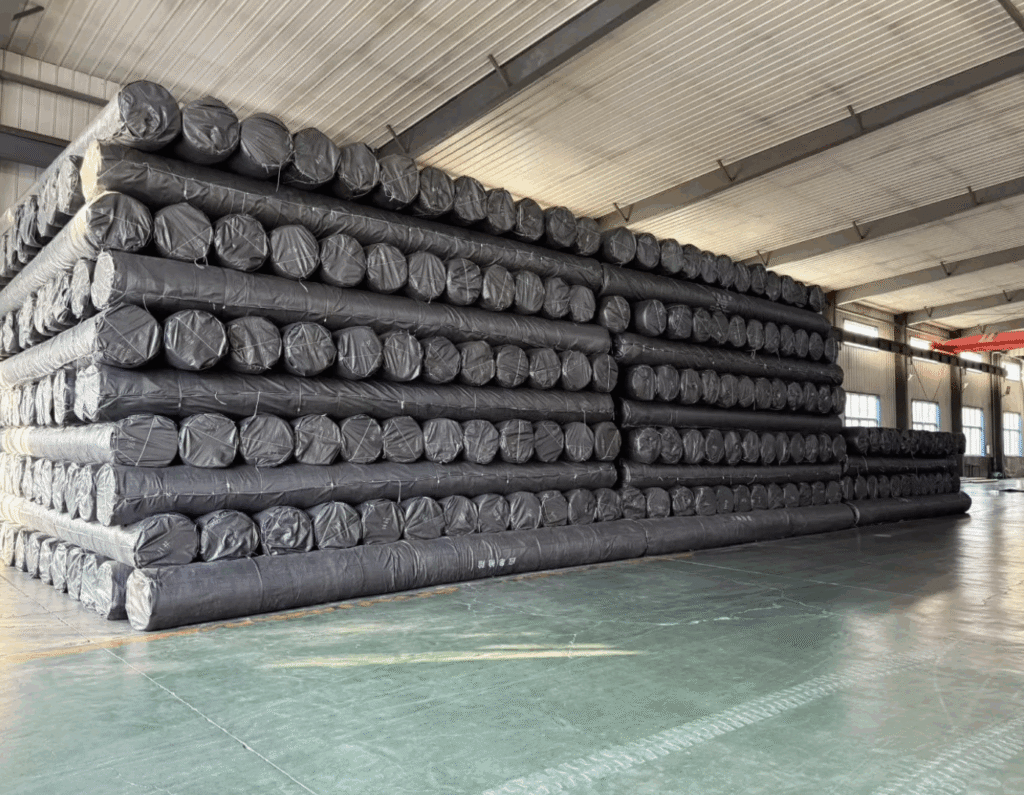
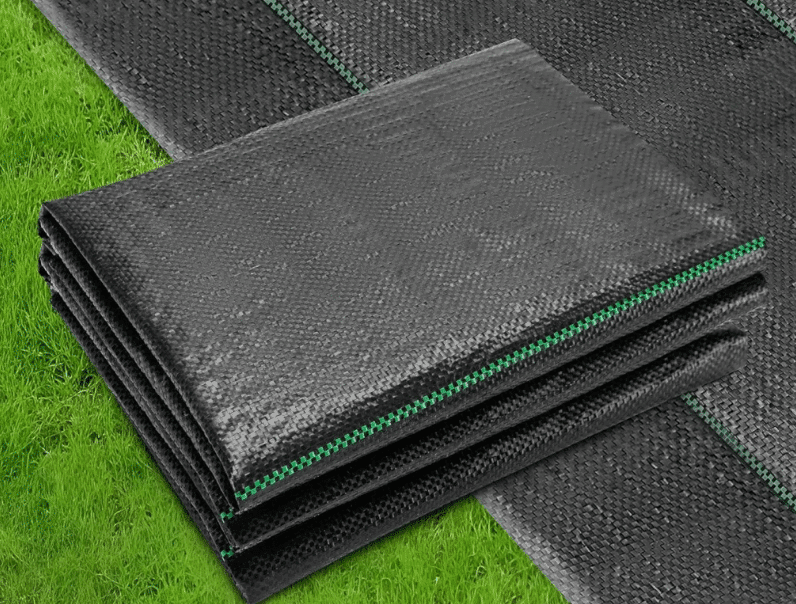
- Woven Geotextile Fabric: Made by weaving polypropylene flat filaments in vertical and horizontal directions. It has a sturdy structure, extremely high tensile strength and tear strength, while maintaining good water permeability. It is the first choice for genuine “heavy-duty” needs.
- Non-Woven Geotextile Fabric: Formed by needle-punching and heat-pressing polypropylene fibers. It has a softer texture. Its advantages include low cost and easy cutting, but its durability and strength are far lower than woven fabric, and it tends to decompose when used for a long time.
2、Weight
The unit is “ounces per square yard (oz/sq. yd.)”. This is the most intuitive indicator for measuring durability.
- Regular Type: Approximately 2-3 oz/sq. yd.
- Medium/Heavy-Duty Type: Approximately 3-4 oz/sq. yd.
- Professional Heavy-Duty Type: Up to 5-6 oz/sq. yd. or even heavier. Generally, the greater the weight, the thicker the material, and the stronger its resistance to physical damage.
3、UV Resistance
Sunlight is the biggest “enemy” of weed barrier fabric. UV stabilizers can effectively slow down material aging. Look for products clearly labeled “UV-stabilized” or those that provide a UV resistance lifespan guarantee (e.g., 20 years, 30 years).
4、Water Permeability
High-quality heavy-duty weed barrier fabric must be sturdy while ensuring good water permeability. This allows rainwater or irrigation water to penetrate the soil smoothly, preventing surface water accumulation and root rot.
5、Tear Strength
This is a key mechanical performance indicator, reflecting the fabric’s ability to resist tear propagation. The higher the strength, the less likely the fabric is to be damaged during installation or when impacted by sharp objects.
If you are purchasing a heavy-duty landscape fabric, you can contact us!
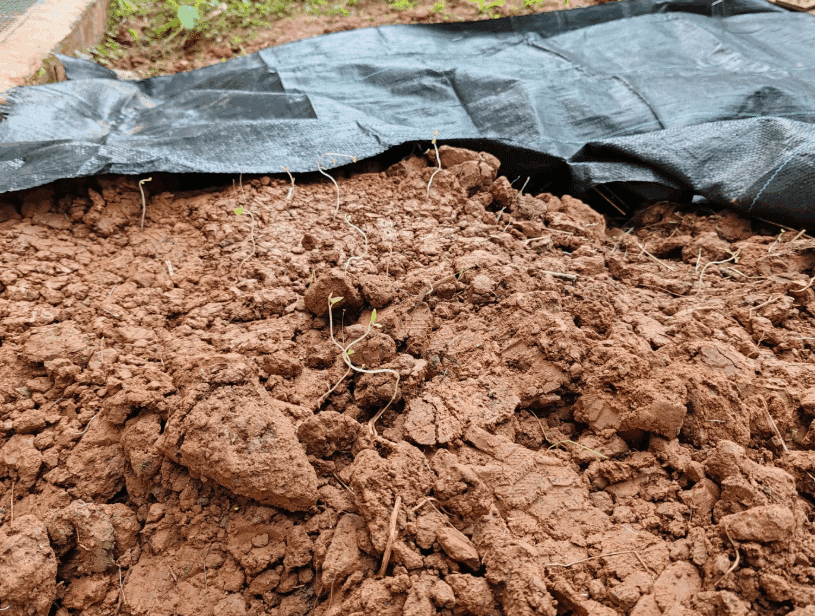
Reviews of 5 Heavy Duty Landscape Fabrics
The following recommendations are based on a comprehensive assessment of market reputation, product parameters, and user feedback.
1. Best Overall: Amagabeli Heavy-Duty Landscape Fabric
Our Rating: ★★★★★ (4.9/5)
- Core Selling Point: Balanced performance, quality comparable to professional brands, but more affordable. It is an excellent choice for DIY users and professional landscapers.
- In-Depth Review:
- Material: High-strength woven polypropylene with a dense structure.
- Pros: Sufficient weight (usually over 3 oz/sq. yd.) and thick texture; excellent UV resistance with an official lifespan claim of 20-30 years; good water permeability, effectively suppressing weeds without water accumulation.
- Cons: The fabric rolls are heavy, making single-person handling and laying slightly inconvenient.
- Most Suitable For: Most residential and commercial landscape projects, such as under gravel paths, flower beds, and playground areas.
2. Professional Durability Choice: DeWitt PRO 5 Landscape Fabric
Our Rating: ★★★★★ (4.8/5)
- Core Selling Point: The top choice of professional gardeners and landscapers in North America, renowned for its impeccable durability.
- In-Depth Review:
- Material: Premium woven polypropylene, with a weight of up to 5 oz/sq. yd.—a true “heavyweight” option.
- Pros: Extremely high tear strength and puncture resistance; water permeability as high as 140 Gal/min/sq.ft., with excellent drainage performance; strong UV stability.
- Cons: High price; may have excessive performance for small residential projects.
- Most Suitable For: Professional landscape projects, driveway subbases, and areas with persistent weeds (e.g., bamboo and tree roots).
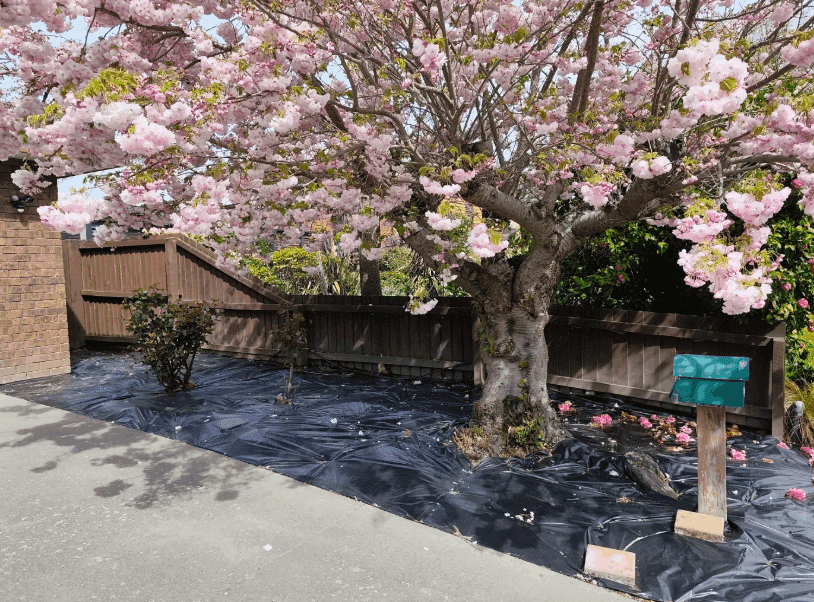
3. Cost-Effective Choice: ECOgardener Professional-Grade Landscape Fabric
Our Rating: ★★★★☆ (4.5/5)
- Core Selling Point: Provides reliable performance and sufficient durability at a reasonable price.
- In-Depth Review:
- Material: Woven polypropylene.
- Pros: Highly competitive price; easy to cut and lay; offers good weed control and water permeability.
- Cons: Slightly lower weight and thickness than the top two products, with slightly less durability in extremely harsh environments.
- Most Suitable For: DIY users on a budget who still need reliable performance, basic weed suppression in large yards, and temporary projects.
4. Excellent Water Permeability Star: HOOPLE Woven Landscape Fabric
Our Rating: ★★★★☆ (4.6/5)
- Core Selling Point: Emphasizes its outstanding drainage performance, suitable for rainy areas or projects with high drainage requirements.
- In-Depth Review:
- Material: Woven polypropylene.
- Pros: Outstanding water permeability, effectively preventing water accumulation; good weaving craftsmanship and high durability; reliable UV resistance.
- Cons: Relatively low brand awareness, and purchase channels may be limited.
- Most Suitable For: Areas near drainage ditches, slope stabilization, flower beds, and planting areas that require frequent watering.
5. Gravel Base Specialist: Plow & Hearth Heavy-Duty Gravel Stabilization Grid
Our Rating: ★★★★☆ (4.4/5)
- Core Selling Point: This is not a traditional weed barrier fabric, but a honeycomb-shaped grid that locks in gravel through its physical structure to achieve ultimate stability.
- In-Depth Review:
- Material: Recycled HDPE plastic.
- Pros: Perfectly solves the problem of gravel displacement and sinking in gravel driveways or paths; 100% water permeable; extremely high load-bearing capacity, suitable for vehicle traffic.
- Cons: Its main function is stabilization, so weed suppression requires cooperation with geotextile; slightly complex installation.
- Most Suitable For: Gravel driveways, parking lots, fire lanes, and other gravel areas that require high load-bearing capacity.
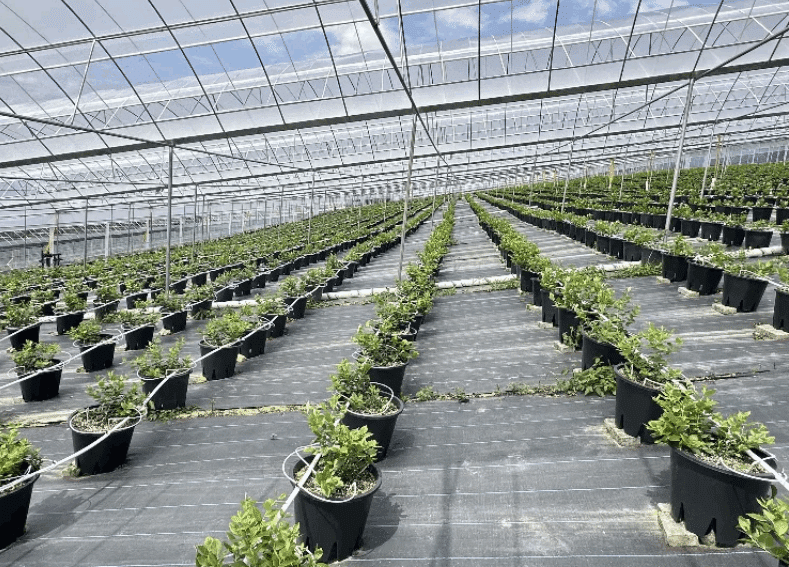
Installation Guide for Heavy Duty Landscape Fabric
Even the best product will deliver subpar results if installed incorrectly.
- Thoroughly Prepare the Base: Remove all weeds, rocks, and tree roots, and level the ground as much as possible.
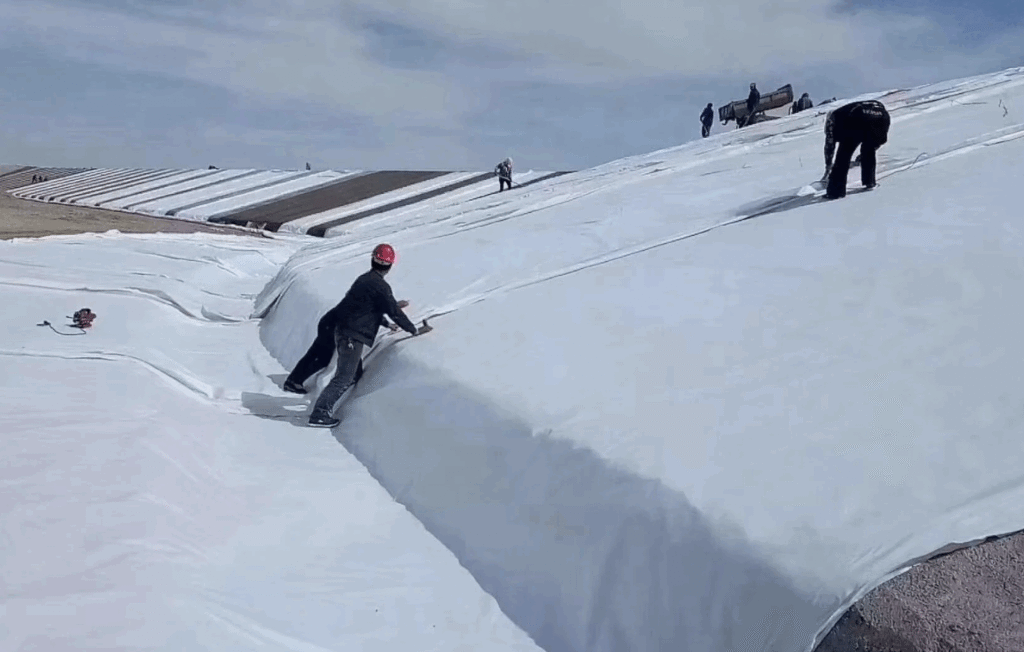
- Laying and Overlapping: Lay the weed barrier fabric over the area, overlapping the edges of adjacent fabric pieces by at least 15-20 cm. This is crucial to prevent weeds from growing through the seams.
- Secure Firmly: Use high-quality landscape fabric staples, placing one approximately every 1 meter. Increase the density of staples at seams and edges.
- Scientific Cutting for Planting: If planting is required, cut “cross” (×) or “I-shaped” slits in the fabric instead of digging large circular holes. This minimizes the space for weed growth.
- Add Top Mulch: Lay a layer of mulch (e.g., wood chips, gravel) at least 5-7 cm thick on top of the fabric. This not only enhances the appearance but also further blocks sunlight, protects the fabric, and extends its lifespan.
Frequently Asked Questions (FAQs)
Q1: Can heavy-duty landscape fabric really last 20-30 years?
A1: This refers to the number of years the material can resist UV aging and maintain its physical properties under normal use and correct installation. The actual lifespan is affected by local climate, UV intensity, thickness of the top mulch layer, and usage intensity. It is very common for high-quality heavy-duty weed barrier fabric to last 10-20 years.
Q2: Can it 100% block all weeds?
A2: No. Its core function is to greatly inhibit weed growth. Occasionally, wind-blown seeds may germinate on the surface of the mulch, or extremely persistent weeds may grow through planting slits or damaged areas. However, these are easy to remove manually, and the workload is reduced by more than 90% compared to traditional weeding methods.
Q3: Should I lay gravel on top of or under the weed barrier fabric?
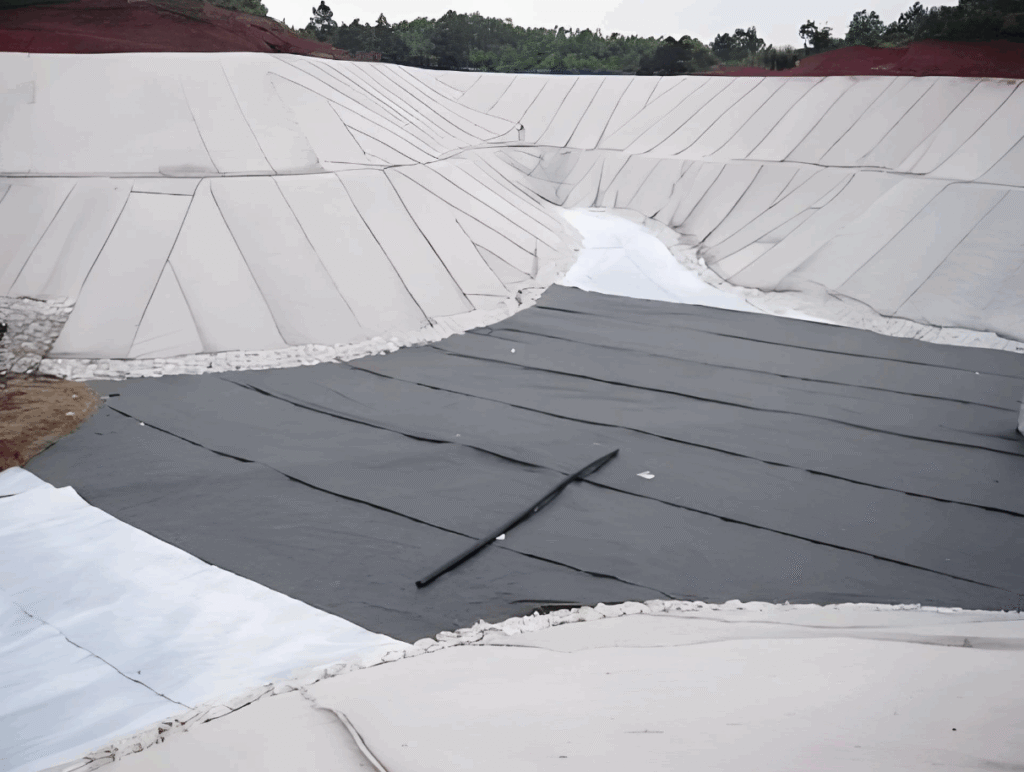
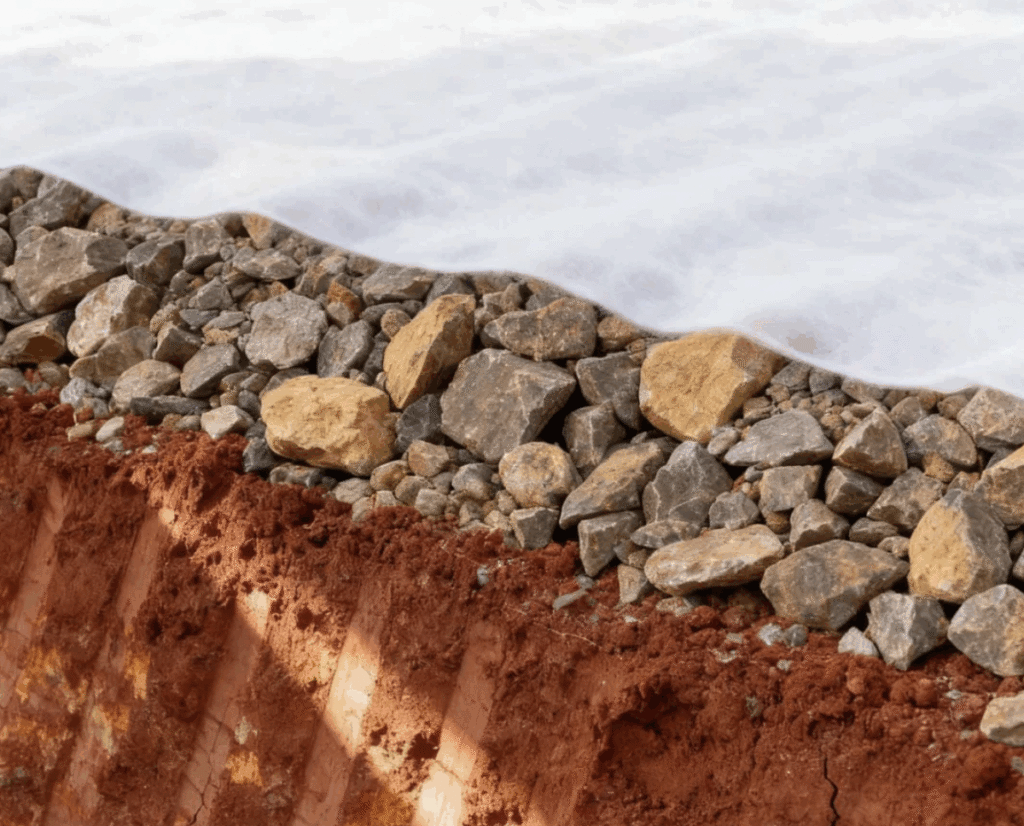
A3: Generally, gravel should be laid on top of the weed barrier fabric as a mulch layer. The area under the fabric is soil. This layered structure (from bottom to top: soil → heavy-duty weed barrier fabric → gravel/mulch) effectively blocks weeds.
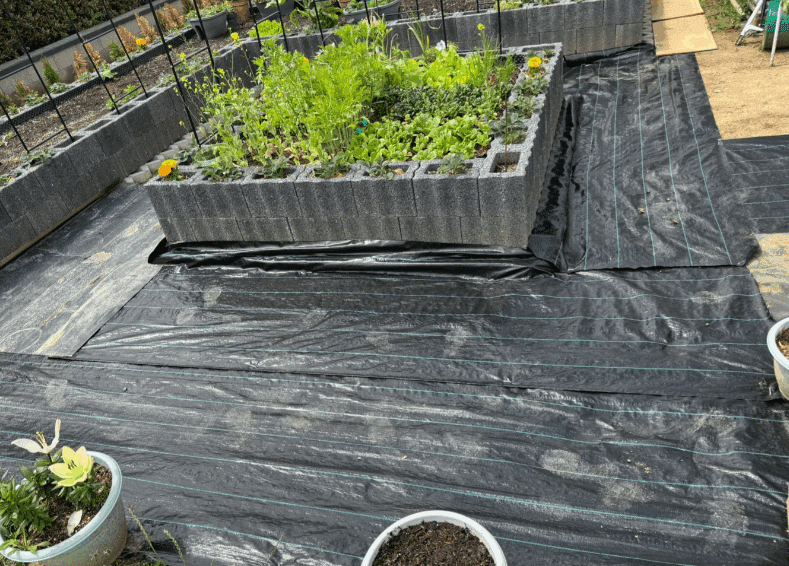
Conclusion
Choosing a suitable heavy-duty landscape fabric is a one-time investment for long-term results. We hope this guide helps you select the most suitable heavy-duty landscape fabric for your needs.
If you are looking for a reliable heavy-duty landscape fabric supplier, please feel free to contact us.
About Us: Lianjie
Lianjie is a one-stop supplier of geosynthetics with 15 years of professional experience and multiple national certifications. We provide the most professional heavy-duty landscape fabric solutions!
You may like:
Reference Sources
- ASTM International Standards
- Standard Referenced: ASTM D4533 – Standard Test Method for Trapezoid Tearing Strength of Geotextiles.
- Purpose: To provide an authoritative background for the “Tear Strength” key metric, enhancing the article’s professionalism.
- Source: ASTM standards database (accessible via academic or engineering databases).
- Geotextile Permeability Test Standards
- Standard Referenced: ASTM D4491 – Standard Test Methods for Water Permeability of Geotextiles by Permittivity.
- Purpose: To explain the measurement standards and importance of “Water Permeability,” making the discussion more scientific and convincing.
- Source: Geotechnical engineering and materials science literature.