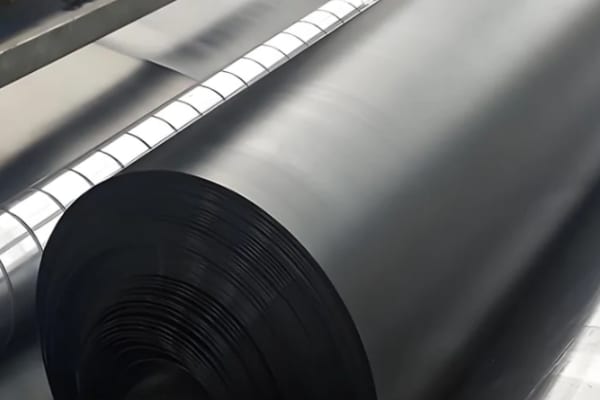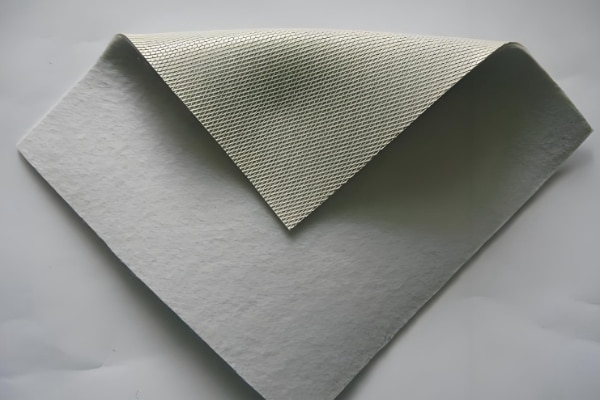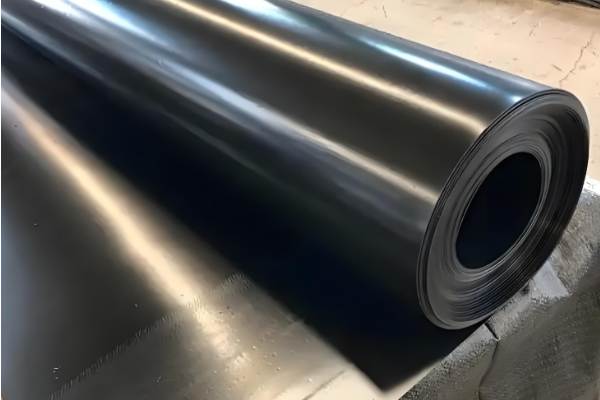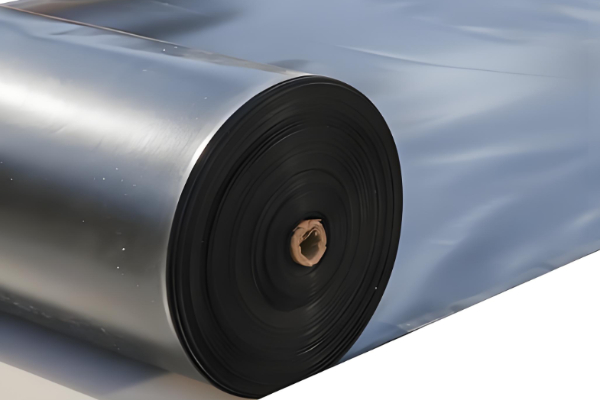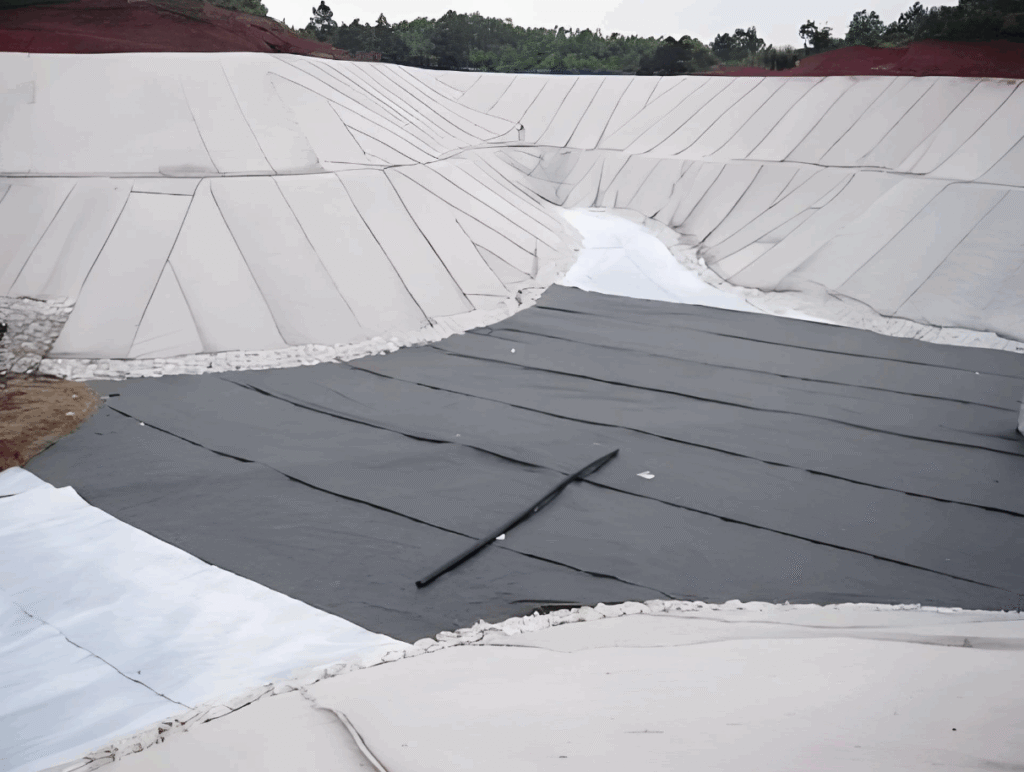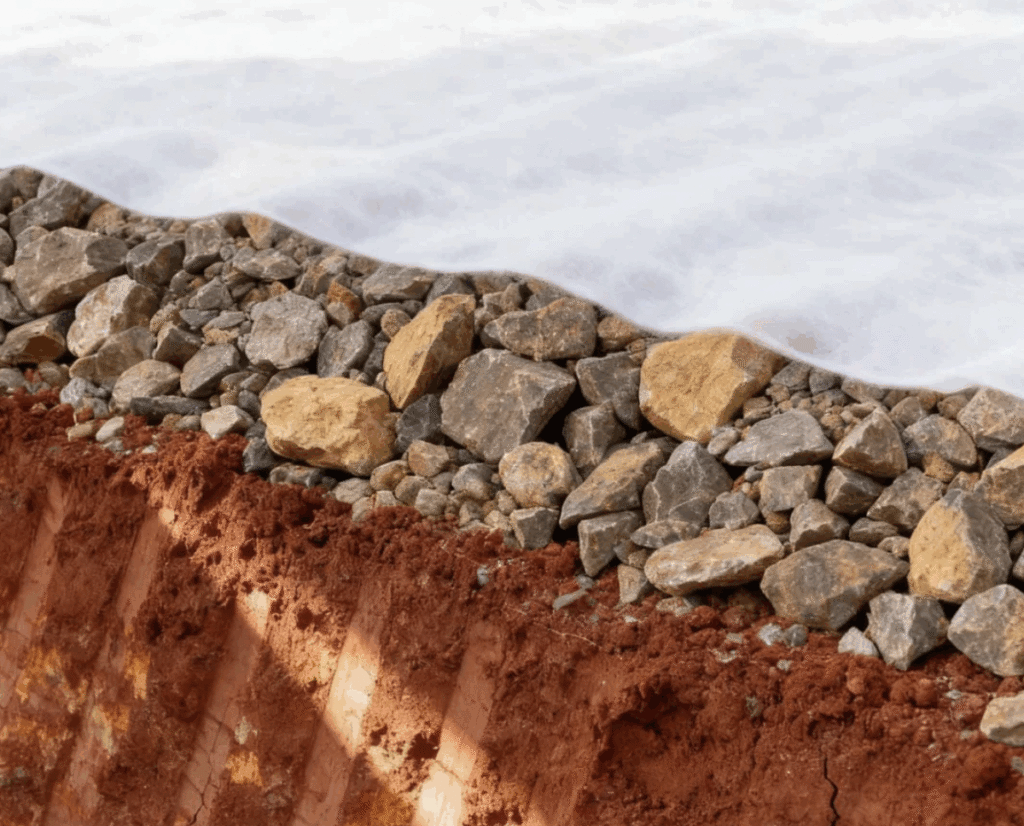
Many gardeners have this question: What is the best landscape fabric letting water in soil? How to choose a landscape fabric that can effectively suppress weeds while allowing water, air, and nutrients to pass through freely. This article will answer your questions about the selection criteria for water-permeable landscape fabrics, explain their working principles, and recommend top-tier water-permeable landscape fabrics on the market.
Top 5 Recommendations for the Best Landscape Fabric Letting Water in Soil
Before delving into the principles, let’s first look at the top water-permeable products evaluated comprehensively by us. Our selection criteria are based on: water permeability, durability, weed suppression effect, user reputation, and cost-effectiveness.
【Flagship Choice】AMERIMACK Home Flex Non-Woven Fabric
- Type: Non-woven Geotextile
- Review: It boasts excellent water permeability, setting an industry benchmark. Its non-woven structure ensures instant water penetration. Meanwhile, it is strong, durable, and has high UV resistance, making it a perfect choice for flower beds and shrub areas for years.
Recommended Reading:What is the Best Weed Barrier for Flower Beds?
【Cost-Effectiveness King】ECOgardener Professional Woven Fabric
- Type: Woven Geotextile
- Review: It achieves an excellent balance between water permeability and weed suppression. Adopting a loose weaving process, it ensures good water passage. With an affordable price, it is a great option for large-area projects and users on a budget.
【Soul of Nature】Dalen Natural Jute Fabric
- Type: Natural fiber (biodegradable)
- Review: 100% natural and 100% water-permeable and breathable. It can enrich the soil during degradation, making it an ideal short-term solution (with a lifespan of about 1-2 years) for organic vegetable gardens and ecological gardens.
Recommended Reading:The Best Weed Fabric for Vegetable Garden
【Commercial-Grade Strength】Weedtex Commercial-Grade Landscape Fabric
- Type: Heavy-duty non-woven fabric
- Review: Designed for high-intensity environments, it has impressive tensile strength and an ultra-long lifespan. Although its water permeability per unit area is slightly inferior to the flagship model, its overall performance is still outstanding, making it suitable for driveway substrates and commercial landscapes.
【Innovative Design】GTB Self-Fixing Weed Barrier Fabric
- Type: Non-woven fabric with innovative design
- Review: Equipped with built-in fixing stakes, it makes installation easier than ever before. It has excellent water permeability and is very suitable for DIY beginners and small-scale courtyard projects.
How Does Water-Permeable Landscape Fabric Work?
It fulfills the dual mission of “blocking light to suppress weeds” and “allowing water and air penetration” through millions of tiny pores. These pores are small enough to block sunlight from passing through, preventing weed seeds on the ground from undergoing photosynthesis and thus suffocating them. At the same time, these pores are large enough to allow water molecules and air molecules to pass through freely and reach the soil smoothly.
You can think of it as an “intelligent sieve” that only allows beneficial “guests” (water, air) to enter while keeping unwanted “visitors” (weeds) out.
How to Determine if a Landscape Fabric is “Water-Permeable”?
Faced with a wide range of products on the market, how to select a truly water-permeable fabric? Check these three points:
1、Check Material and Structure (Core Factor)
- Prefer non-woven fabric: Its fibers are arranged randomly, forming countless interconnected micro-pores, which are the best guarantee for water permeability.
- Choose woven fabric carefully: Be sure to select loosely woven fabrics clearly labeled “water-permeable”. Many tightly woven fabrics are almost impermeable to water, so extra attention is needed when purchasing.
- Understand biodegradable fabrics: Such as jute and coir fabrics, they are naturally water-permeable but are only short-term options.
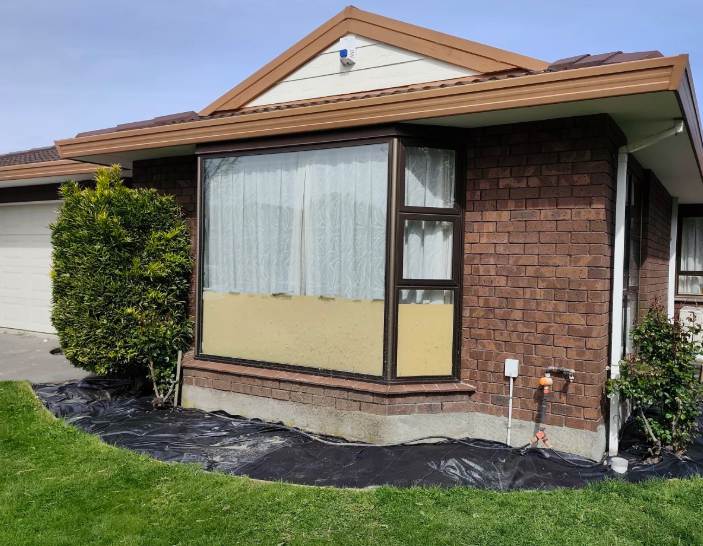
2、Check Technical Parameters
- Water permeability rate: Professional products will indicate the water penetration volume per unit time; the higher the value, the better.
- Weight: For home use, non-woven fabrics with a weight of 90-130 grams per square meter usually achieve the best balance between water permeability and durability. Overly heavy fabrics may sacrifice water permeability.
3、Check User Reviews
Read the actual reviews from buyers, search for keywords like “water-permeable” and “water accumulation”, and learn about the real usage effects.
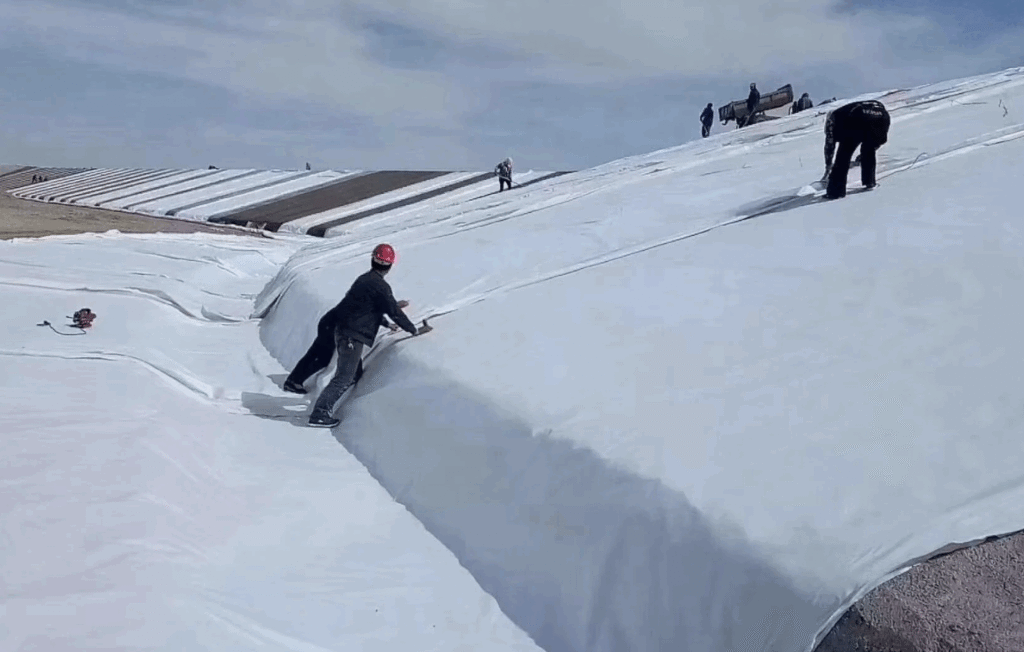
How to Install Water-Permeable Landscape Fabric
Proper installation is the final step to ensure its long-term effectiveness.
Step 1: Site Preparation
- Thoroughly remove all existing weeds, stones, and rhizomes.
- Level the soil to a slightly uneven surface to facilitate drainage.
Step 2: Laying and Fixing
- Spread the fabric flat and overlap adjacent sections by 15-20 centimeters to ensure no gaps for weeds to break through.
- Use enough landscape fixing stakes (U-shaped stakes), fixing them approximately every 1 meter. Stakes need to be denser at the edges and seams.
Step 3: Covering with Top Layer (Critical!)
- Cover the fabric with a layer of mulch (such as wood chips, pine bark, or gravel) at least 5-8 centimeters thick.
- Functions: Protect the fabric from direct UV radiation to extend its lifespan; enhance weed suppression and moisture retention effects; and beautify the landscape.
Frequently Asked Questions (FAQs)
Q1: Can water-permeable weed barriers prevent weeds 100%?
A1: No, but without them, weeds would grow 100%. They can suppress the growth of over 90% of weeds. Occasional small weeds that grow from the mulch layer or seams are also very easy to pull out manually.
Q2: What is its service life?
A2: High-quality non-woven fabrics can be used for 5-10 years or even longer with proper installation and covering. Biodegradable fabrics have a lifespan of 1-2 years.
Q3: Will water-permeable fabrics be clogged by silt?
A3: There is a slight possibility in the long run, especially in areas with a lot of sand and mud. However, choosing high-quality non-woven fabrics, whose multi-dimensional pore structure is less likely to be clogged than woven fabrics, can help. Regular replacement or replenishment of mulch can also effectively prevent clogging.
Conclusion
Choosing the best landscape fabric that allows water to seep into the soil is not just buying a gardening tool, but also investing in long-term health insurance for your garden soil. We hope you can find a water-permeable landscape fabric that suits you.
Reference Sources
- ASTM International Standards:
- ASTM D4491 – Standard Test Methods for Water Permeability of Geotextiles by Permittivity: This is the core standard for measuring the rate of water flow through a fabric. Descriptions of the “water permeability rate” parameter in the article are based on this testing method.
- ASTM D5034 – Standard Test Method for Breaking Strength and Elongation of Textile Fabrics (Grab Test): This provides the testing basis for the “tensile strength” indicator, used to evaluate the durability of landscape fabric.
- Primary Use: Supports the professional claims in sections like “How to Judge if a Fabric is ‘Permeable’?” and “How Does Permeable Landscape Fabric Work?”
- Garden Product Testing Institutes:
- Independent comparative evaluation reports from institutes such as Consumer Reports or Europe’s DIY Garden. These reports provide performance data in real-world usage scenarios.
- Primary Use: Supports the objectivity and fairness of the “Top 5 Best Water-Permeable Landscape Fabrics” recommendations.