There are various landscape fabrics available on the market, such as woven and non-woven fabrics. Which one is the best landscape fabric to prevent weeds? This article will provide an in-depth analysis of the optimal weed control fabric for different scenarios and offer correct installation steps.
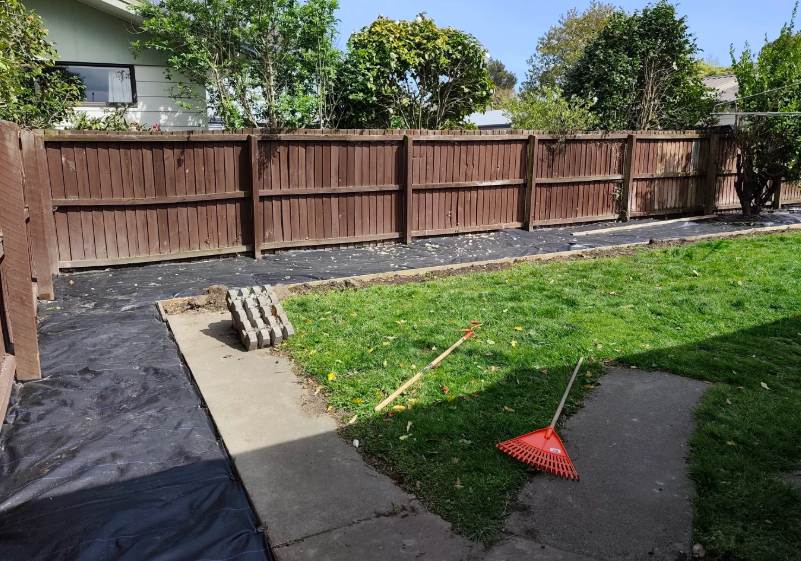
What is Landscape Fabric?
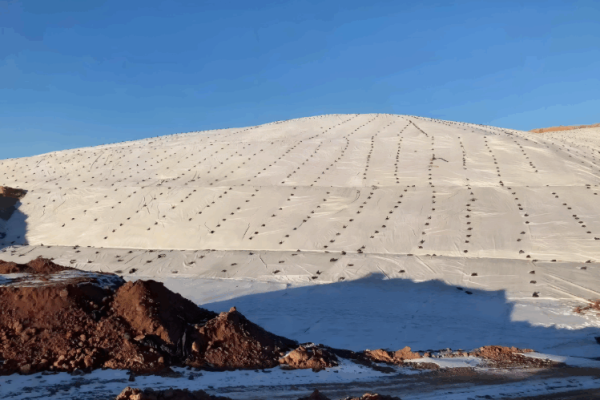
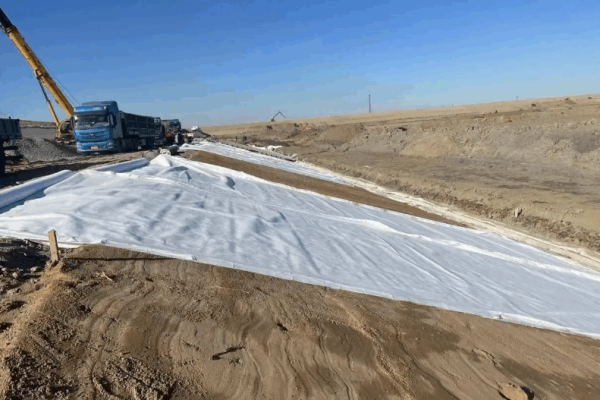
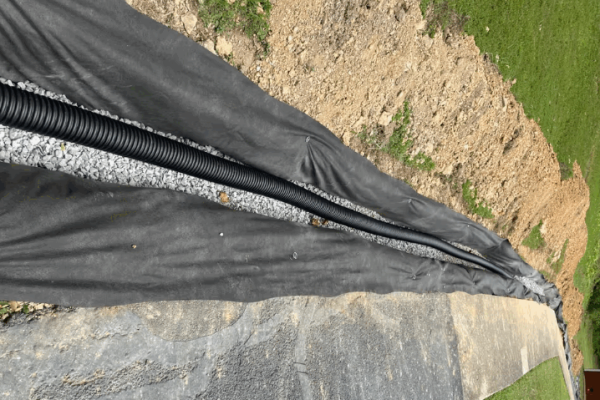
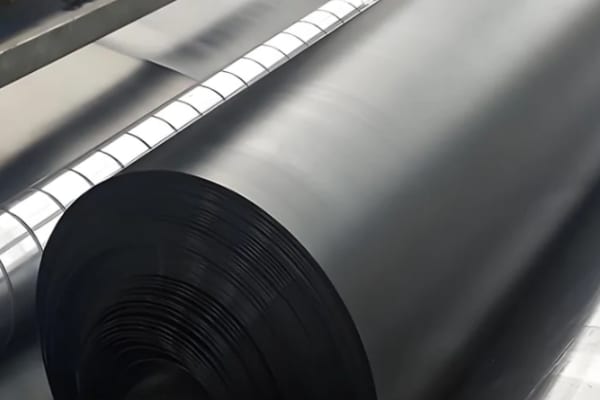
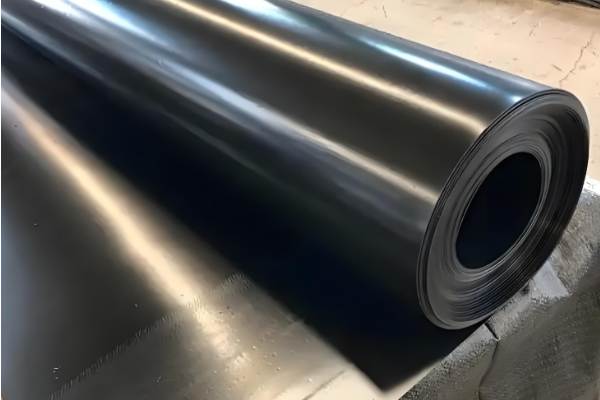
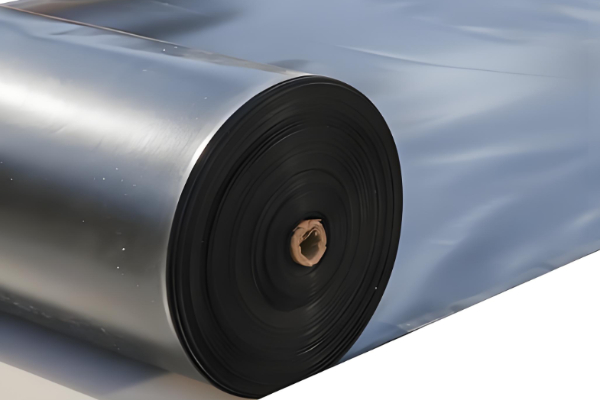
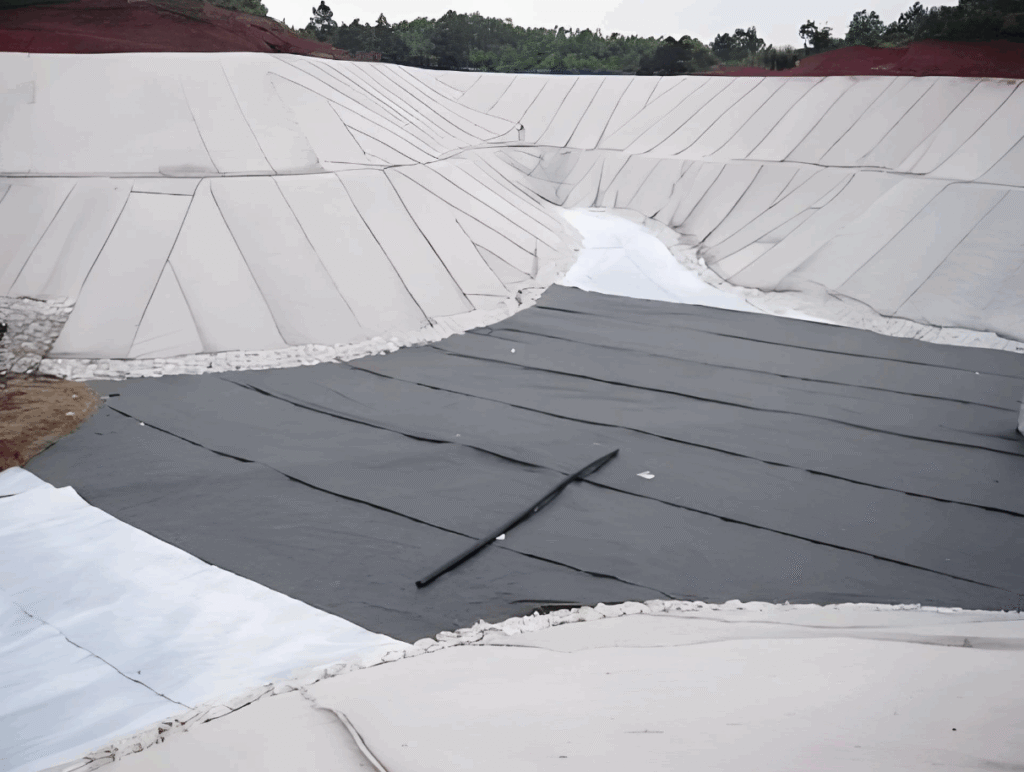
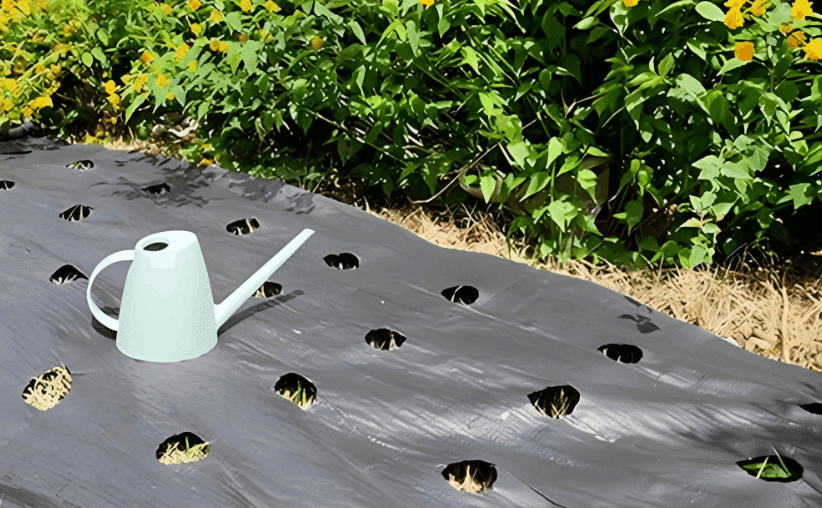
Landscape Fabric (also known as weed control fabric) is a physical barrier material laid on the soil surface to inhibit weed growth.
How it Works
It acts as a physical barrier, depriving weeds of the sunlight required for germination and growth, thereby achieving efficient and long-lasting weed prevention.
Key Functions
In addition to weed prevention, it maintains soil moisture, stabilizes soil temperature, and works in conjunction with mulch (such as bark or gravel) to create a neat, attractive, and low-maintenance landscape.
Woven vs Non-Woven Landscape Fabric
This is the core decision point when choosing weed control fabric. The two differ significantly in material, performance, and applicable scenarios.
| Feature | Woven Fabric | Non-Woven Fabric |
|---|---|---|
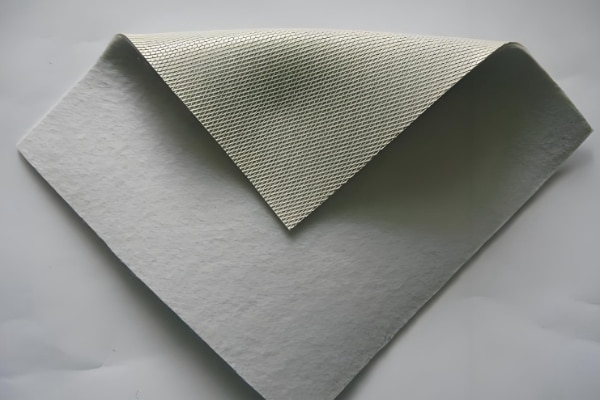
| Material & Process | Woven from polypropylene (PP) plastic tape strands, with a structure similar to burlap. | Made from polyester or polypropylene fibers randomly arranged and bonded through needle-punching or chemical means, with a felt-like structure. |
| Durability | Very High. High resistance to tearing and UV degradation, with a service life of 5-10 years or even longer. | Moderate. Tears more easily and degrades faster under UV exposure, typically lasting 2-3 years. |
| Weed Prevention | Good. Effectively suppresses most perennial weeds. | Excellent. Denser structure provides superior blockage against small weed seeds (e.g., purslane). |
| Price | Higher | Lower, more economical |
| Best Use Cases | Long-term projects: Under patios/driveways, permanent pathways, perennial plant beds. | Short-term/Temporary projects: Seasonal flower beds, beneath decorative mulch or gravel. |
Core Selection Advice
- Choose woven fabric if you prioritize durability and soil health.
- Choose non-woven fabric if you prioritize maximum weed control and short-term cost savings.
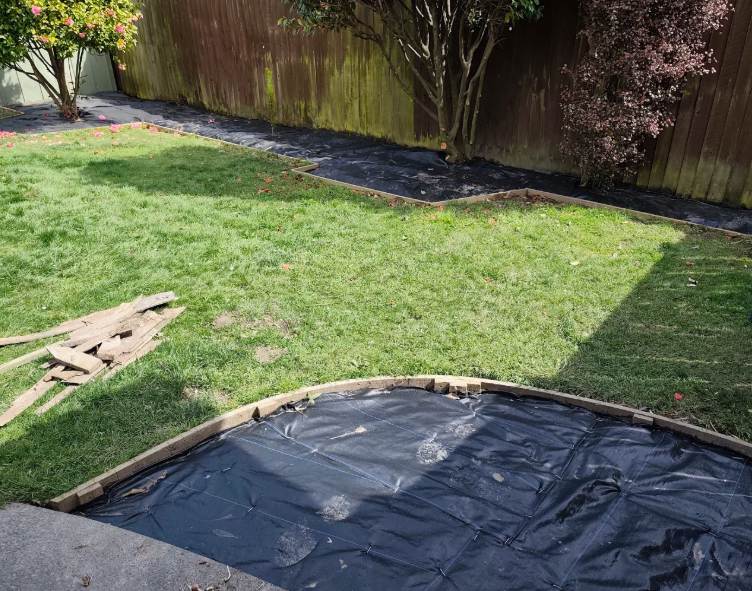
Recommendations for the Best Landscape Fabric to Prevent Weeds
Based on material quality, user reviews, durability, and scenario adaptability, we have selected the following top products for you.
1. Best Overall Choice: DeWitt Woven Weed Control Fabric
Product Highlights: A professional American brand with commercial-grade quality, offering excellent durability and outstanding breathability.
Advantages
- Made of tough PP flat yarn weaving, providing unparalleled tear resistance.
- Uniform pores, perfectly balancing weed prevention with water and air permeability to protect the soil ecosystem.
- UV-resistant treatment, ensuring a service life far longer than ordinary products.
Disadvantage
Relatively high price.
Applicable Scenarios
Most residential landscape projects, especially long-term flower beds and walkways that require durability and soil health.
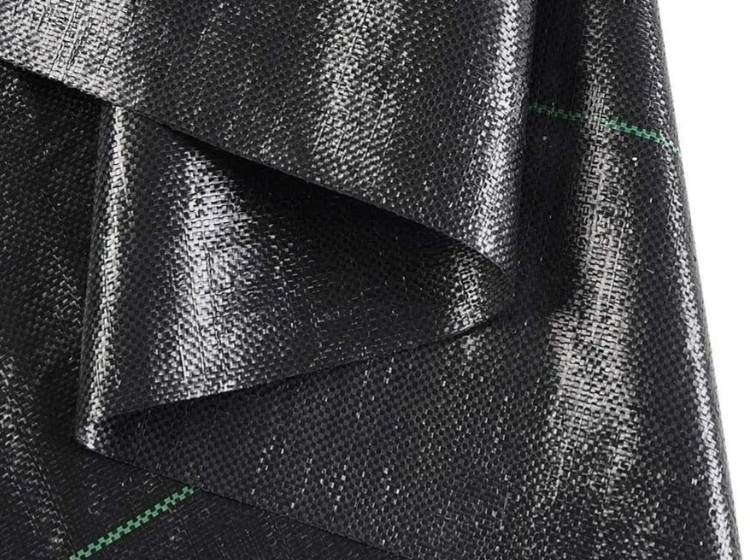
2. Most Durable Choice: AMERICAN ACE Heavy-Duty Woven Weed Control Fabric
Product Highlights: Designed for high-intensity use scenarios, it can be described as “the choice for laying on driveways”.
Advantages
- High grammage and thickness, capable of withstanding significant pressure.
- Resistant to deformation or damage even under vehicle rolling or heavy stone slab pressure.
Disadvantage
Stiff texture, making cutting and laying slightly difficult.
Applicable Scenarios
Driveways, parking lot bases, and the laying foundation for heavy stone slabs or permeable bricks.
3. Best Value for Money: SCOTTS Non-Woven Weed Control Fabric
Product Highlights: A common brand found in supermarkets like Home Depot, with an affordable price that meets basic weed prevention needs.
Advantages
- Highly attractive price, suitable for budget-conscious DIY projects.
- Immediate weed control effect, effectively blocking weed germination.
Disadvantage
Average durability; long-term use may lead to clogging, affecting drainage.
Applicable Scenarios
Temporary seedbeds, short-term planting projects, or areas used to secure decorative mulch.
Installation Steps for Landscape Fabric to Prevent Weeds
Step 1: Thoroughly Prepare the Base
This is the most critical step! All weeds, stones, and branches on the ground must be cleared, and the soil should be roughly leveled.
Step 2: Accurate Cutting and Laying
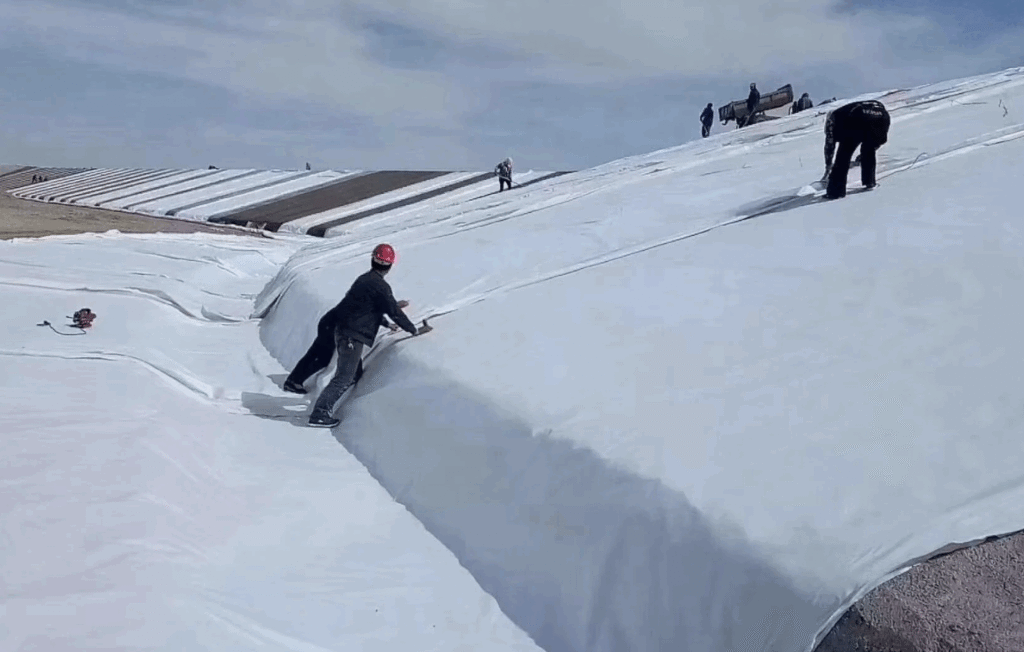
- Cut the weed control fabric according to needs. When laying, adjacent pieces of fabric should overlap by 15-20 cm to ensure no gaps.
- The glossy or labeled side should generally face upward.
Step 3: Secure Firmly
Use U-shaped garden staples to firmly fix the edges and seams of the weed control fabric to prevent displacement or being blown away by the wind.
Step 4: Add a Surface Covering
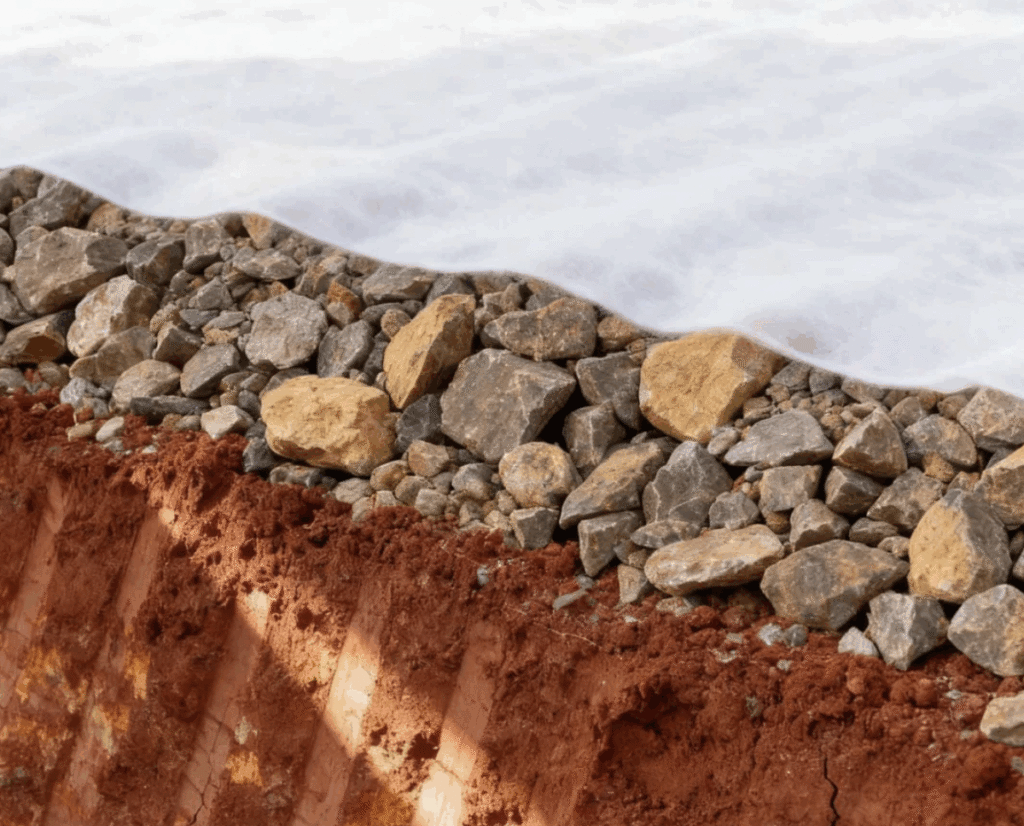
Be sure to cover the laid weed control fabric with a 5-8 cm thick layer of organic mulch (such as bark or wood chips) or gravel. This not only protects the fabric from direct UV radiation, extending its service life, but also enhances aesthetics and weed prevention effectiveness.
Limitations of Landscape Fabric and Alternative Solutions
Weed control fabric is not a one-size-fits-all solution. Understanding its limitations helps you make more informed choices.
Main Disadvantages
- Impacts Soil Health: In the long term, it hinders the return of organic matter to the soil, potentially leading to soil depletion.
- Inconvenient Maintenance: Once laid, replacing plants or renovating the garden becomes very troublesome.
- Risk of Clogging: Non-woven fabrics are particularly prone to clogging by soil, forming a “waterproof layer” that causes water accumulation.
Brief Introduction to Other Weed Prevention Methods
- Organic Mulch: Directly lay a 5-10 cm thick layer of wood chips, bark, etc. It not only prevents weeds but also enriches the soil as it decomposes. It is one of the most eco-friendly methods but requires regular replenishment.
- Cardboard Method: Cover weeds with wet cardboard and then add mulch on top. This is an excellent no-till gardening technique with extremely low cost, and the cardboard can decompose naturally.
- Manual/Chemical Weed Control: Suitable for small areas or already grown weeds. However, manual weeding involves repetitive labor, while chemical weeding raises environmental concerns.
Conclusion
The key to choosing the best landscape fabric to prevent weeds lies in matching it to your specific needs. We hope the above content helps you select the right weed control fabric!
Reference Sources
- Agricultural and Horticultural Academic Institutions: For example, guides on “Integrated Management of Garden Weeds” published by entities like the U.S. State Agricultural Extension Services often discuss the effectiveness, pros and cons of physical barriers (like landscape fabric) and their impact on soil health. The scientific principles from these institutions form the basis for the article’s stance.
- Materials Science Data: Industry standard test data regarding the UV resistance, tear strength, and water permeability rates of polypropylene and polyester fabrics are the core basis for distinguishing the durability and performance of woven versus non-woven fabrics. This data typically comes from technical white papers by material manufacturers and industry standards.