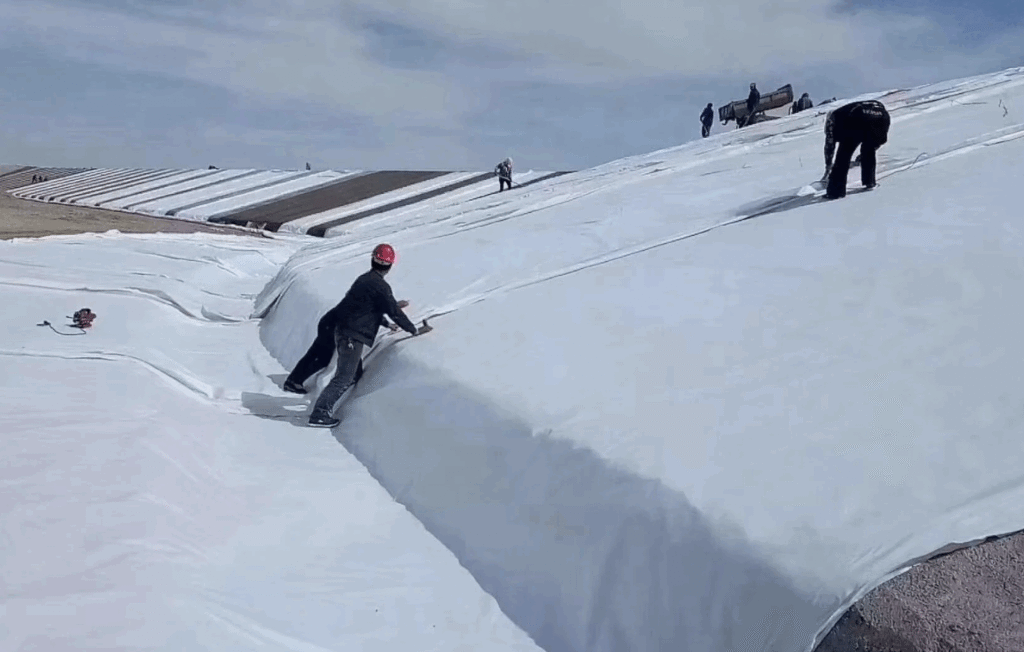
- Why Underwater Repair of HDPE Geomembrane Pond Leakage is Important
- What is an HDPE Geomembrane Pond?
- What Causes HDPE Geomembrane Pond Leaks?
- How to Locate Underwater Geomembrane Leaks
- Steps for Underwater Repairing of Leakage in HDPE Geomembrane Pond
- Key Considerations for Successful Underwater Repair
- Advantages of Underwater Leak Repair for HDPE Geomembrane Ponds
- Disadvantages of Underwater HDPE Geomembrane Repair
- Preventing Future Leaks
- Conclusion
- Frequently Asked Questions (FAQs) on Underwater Repair of HDPE Geomembrane Pond Leaks
When your HDPE geomembrane pond develops a leak, and draining it would mean significant economic losses and operational disruption, an efficient and reliable underwater repair solution is crucial. Whether for aquaculture, water storage, or environmental engineering projects, leaks directly threaten normal operations. This article provides a comprehensive professional guide to underwater repair of leakage in HDPE geomembrane ponds, covering its importance, causes of leaks, detection methods, specific repair steps, and key considerations, helping you resolve the issue quickly and economically without the need to drain the pond.
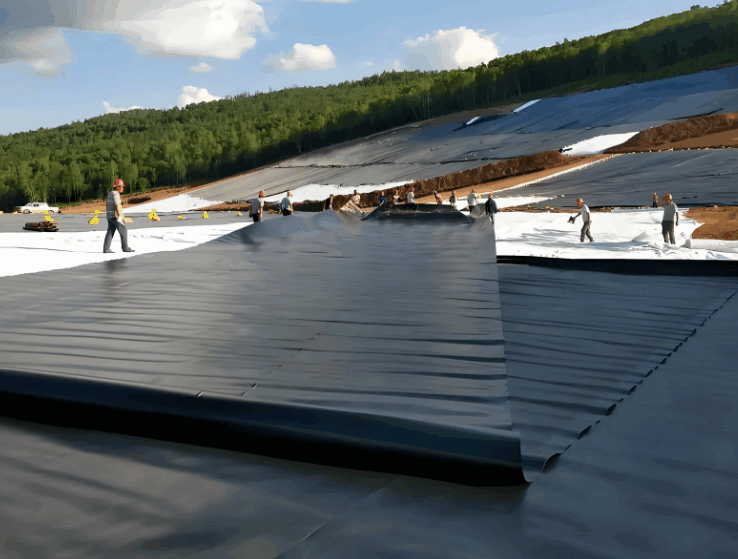
Why Underwater Repair of HDPE Geomembrane Pond Leakage is Important
Timely underwater repair is far more critical than often realized, primarily for these four reasons:
1. Water Loss
Leaks lead to the continuous loss of valuable water resources. For aquaculture, this means constantly replenishing water, increasing costs; for reservoirs in arid regions, it directly threatens water security.
2. Environmental Impact
If the pond contains aquaculture wastewater, industrial effluent, or landfill leachate, leaks can release nutrients like nitrogen and phosphorus, along with harmful chemicals, into the surrounding soil and groundwater, causing serious environmental pollution.
3. Cost Implications
The cost of drainage restoration is extremely high, including pumping energy consumption, shutdown losses, biological losses from fish and shrimp transfer or treatment, as well as the time and monetary costs of restoring water. Underwater restoration can avoid these huge expenses.
4. Ecosystem Protection
For aquaculture ponds that have established a stable ecosystem, draining and clearing the pond will completely destroy the ecology and require a long time to recultivate the water. Underwater restoration can maximize the stability of existing ecosystems.
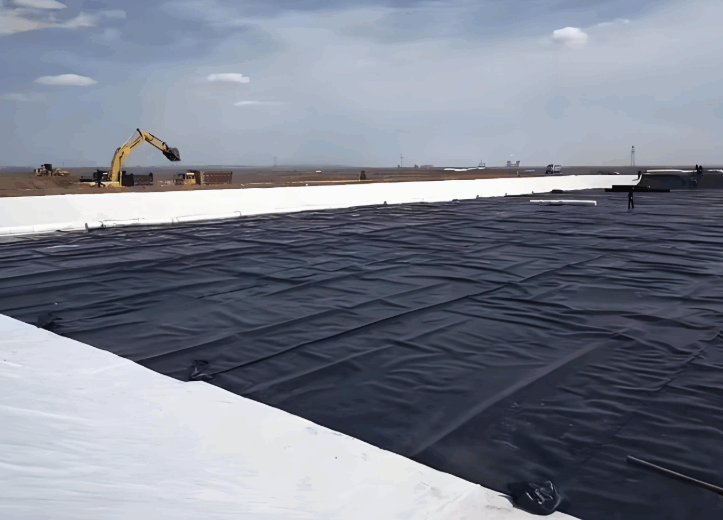
If you are purchasing HDPE Geomembranes, you can contact us!
What is an HDPE Geomembrane Pond?
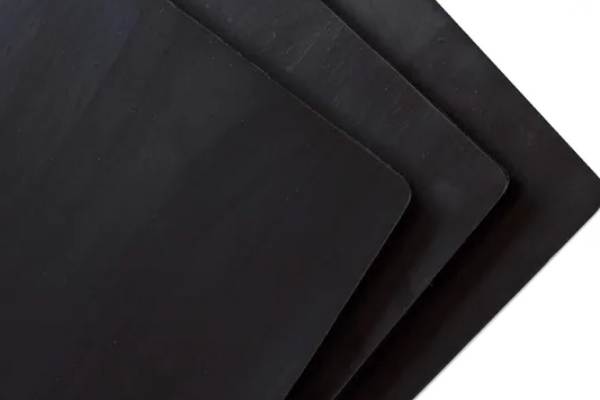
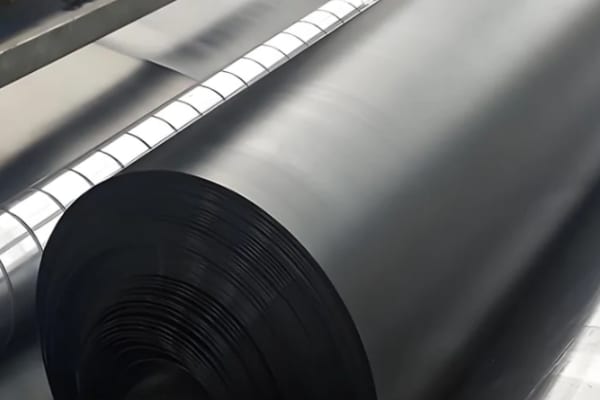
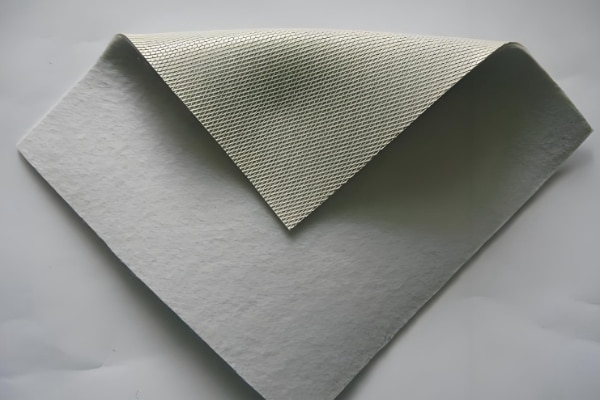
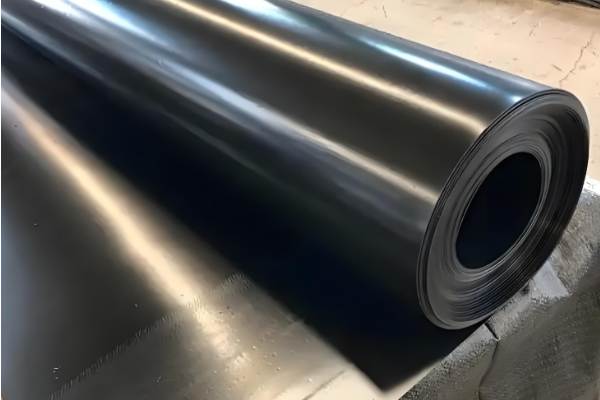
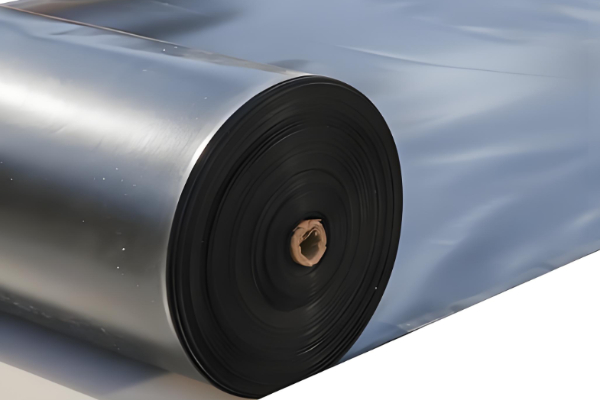
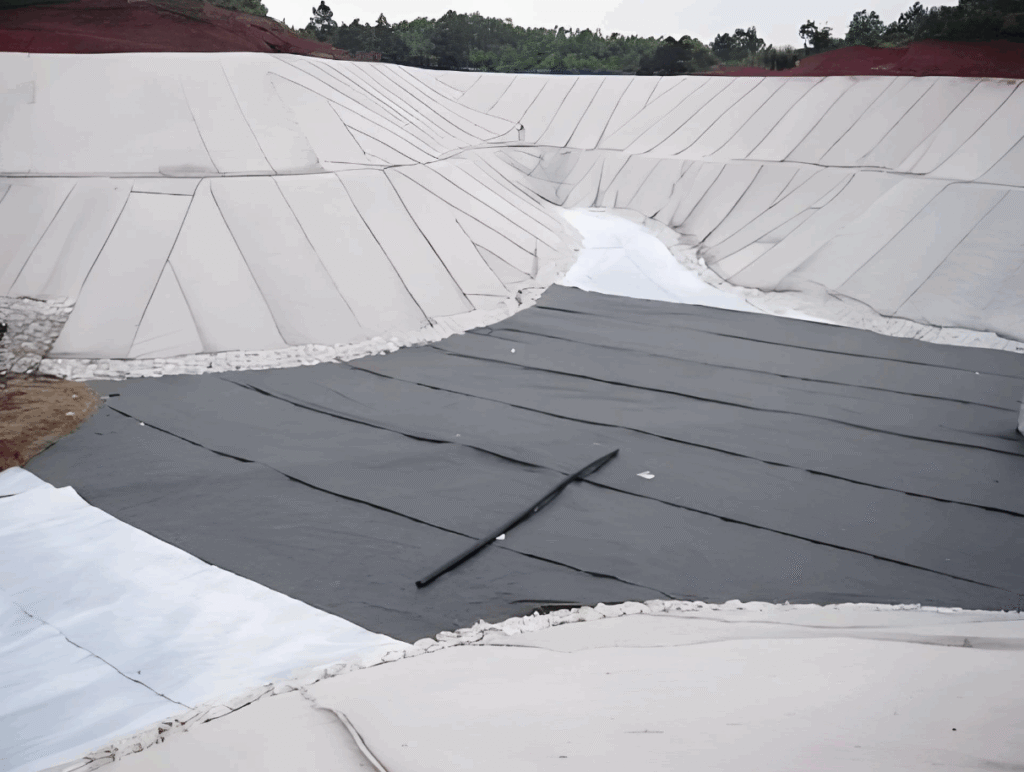
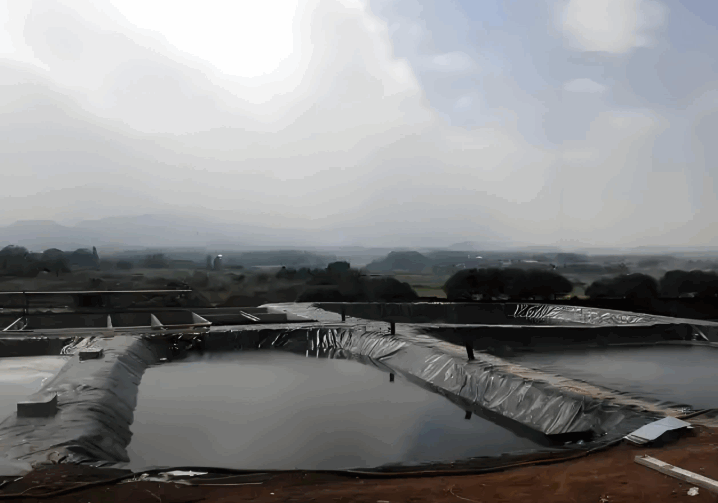
HDPE (High-Density Polyethylene) geomembrane is a high-performance synthetic impermeable liner material, renowned for its extremely low permeability coefficient, excellent resistance to chemical corrosion, UV aging resistance, and high mechanical strength. An HDPE geomembrane pond uses this material as a liner to create a fully impermeable artificial water body, widely used in critical engineering areas such as aquaculture, reservoirs, wastewater treatment plants, tailings ponds, and landfills.
What Causes HDPE Geomembrane Pond Leaks?
Identifying the root cause is essential for effective repair and future prevention:
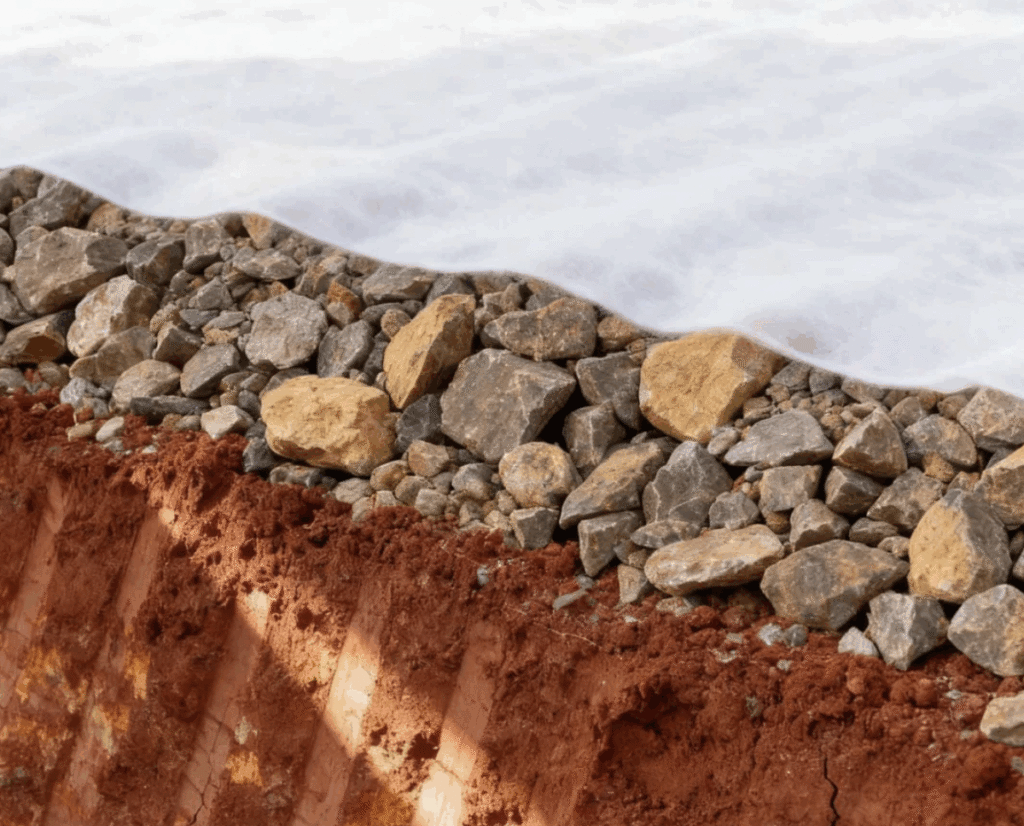
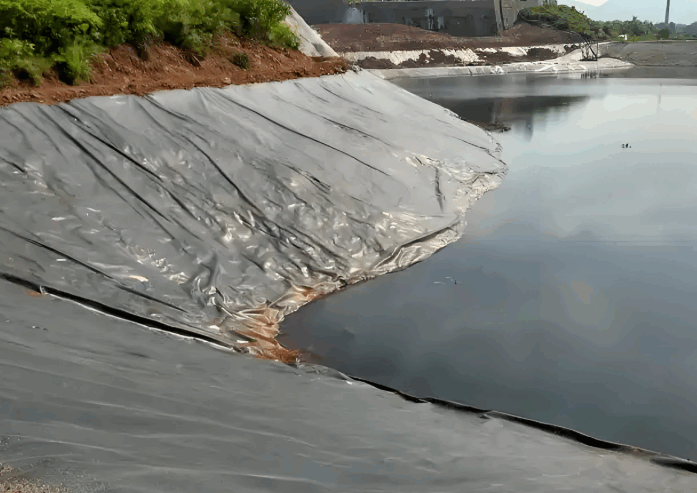
- Construction/Installation Defects: The most common cause, including substandard seam welding (cold welds, missed welds), an uneven subgrade with sharp stones or roots, and mechanical damage during installation.
- Operational Physical Damage: Accidental punctures or scratches from anchors, fishing nets, cleaning tools, or other sharp objects.
- Material Aging and Stress Cracking: Long-term UV exposure, chemical erosion, or physical stress concentrations can cause micro-cracks to form and gradually propagate.
- Uneven Foundation Settlement: Differential settling of the pond base can locally over-stretch and tear the geomembrane.
How to Locate Underwater Geomembrane Leaks
“Targeting the remedy” requires “precise localization.” Underwater detection methods include:
- Systematic Visual Inspection: A diver conducts a systematic underwater survey looking for obvious signs like tears, punctures, or open seams. Bubbles escaping or debris accumulation often occur near leak points.
- Dye Tracer Method (Most Common): Use an underwater release device to release water-based pigments (such as sodium fluorescein) upstream of the suspected area. Observing the flow of pigments in water, they will be quickly inhaled and collected at the leakage point, thus achieving precise positioning.
- Professional Equipment Detection: For large or critical projects, underwater electric spark testing equipment can be used. This device locates holes by detecting changes in the electric field over intact geomembrane areas, offering high precision but at a higher cost.
Steps for Underwater Repairing of Leakage in HDPE Geomembrane Pond
1. Required Tools
- Diving equipment and communication system
- Surface preparation tools (wire brushes, scrapers, high-pressure water jet)
- Measurement and cutting tools (tape measure, scissors)
- Specialized Underwater HDPE Adhesive (two-part epoxy or polyurethane)
- New HDPE patch material
- Underwater roller (for pressing and debubbling)
2. Underwater HDPE Geomembrane Repair Methods:
- Method 1: Patch Adhesion with Specialized Underwater Adhesive (Most Versatile)
- Principle: Uses a structural adhesive specifically designed for bonding HDPE underwater to securely attach a new HDPE patch over the leak area.
- Steps:
- Location & Cleaning: Locate the leak and thoroughly clean the surrounding area until a clean, roughened HDPE surface is exposed.
- Patch Preparation: Cut a circular or oval patch (size > 15cm beyond the leak edge) and clean its bonding surface.
- Mixing & Adhesive Application: Strictly mix the two-part underwater specialized adhesive according to the ratio and apply it evenly to the patch.
- Positioning & Pressing: Precisely position the patch over the leak. Use a roller to press firmly from the center outwards, completely expelling trapped water and air bubbles.
- Curing: Maintain stability and allow the adhesive to cure completely (typically 24-72 hours, depending on water temperature and product).
- Method 2: Underwater HDPE Welding (Permanent Repair)
- Principle: Uses a specially designed underwater plastic welding gun and HDPE welding rod to thermally fuse the damaged area or a patch.
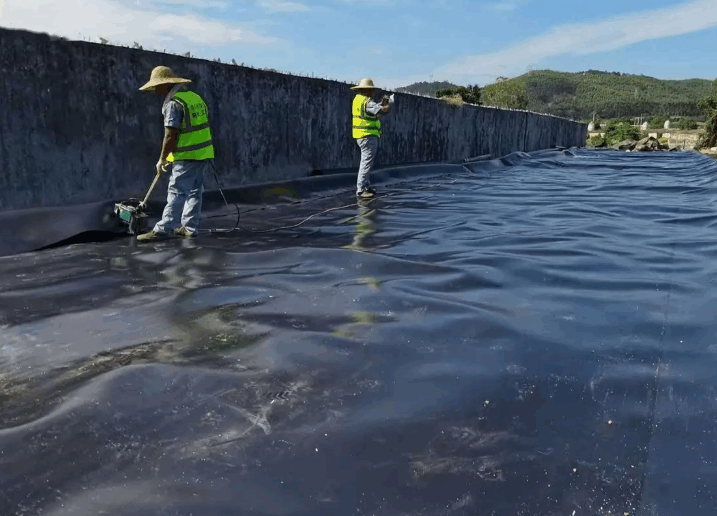
- Applicability: Technically demanding, requires professional equipment and trained welders, but offers the most durable and reliable repair outcome.
- Method 3: Underwater Repair Putty (Emergency/Small Hole Temporary Fix)
- Principle: Using underwater-curing epoxy putty or butyl rubber tape, which is moldable like clay, to manually seal very small holes.
- Note: This method is typically a temporary or semi-permanent solution and is less reliable for larger cracks or stressed areas.
Key Considerations for Successful Underwater Repair
- Absolute Correctness of Material Selection: It is imperative to use specialized underwater adhesive compatible with HDPE material. Ordinary adhesives are strictly prohibited.
- Thoroughness of Surface Preparation: “Success is 70% preparation, 30% application.” Any residual contaminants will cause bond failure.
- Influence of Environmental Factors: Water temperature and current speed affect the adhesive’s curing time and final strength. Choose an appropriate time window for construction.
- Professional Personnel and Execution: Complex repairs must be performed by experienced divers and professional teams to ensure safety and quality.
Advantages of Underwater Leak Repair for HDPE Geomembrane Ponds
- Significant Economic Benefits: Directly avoids the huge costs and production losses associated with draining and refilling.
- High Time Efficiency: Eliminates the lengthy processes of draining and pond bed drying, enabling a rapid response and repair.
- Minimal Operational Disruption: The pond’s biological life or storage function is largely unaffected during repair, ensuring operational continuity.
Disadvantages of Underwater HDPE Geomembrane Repair
- High Technical Skill and Barrier to Entry: Requires professional divers and underwater operational skills.
- Challenges in Quality Verification: The underwater environment makes visual inspection of the final bond quality difficult, relying more on standardized procedures and quality control during construction.
- Subject to Environmental Constraints: Inclement weather like strong winds, heavy rain, or low water temperature can significantly impact construction safety and repair effectiveness.
- Potential High Initial Cost: For small-scale leaks, the one-time cost of hiring a professional team might be relatively high.
Preventing Future Leaks
Prevention is far better than cure:
- Strict Installation Quality Control: Select reputable contractors and ensure subgrade preparation and seam welding are 100% qualified.
- Establish Regular Inspection Regime: Periodically inspect vulnerable areas like pond edges and the waterline fluctuation zone.
- Standardize Operational Procedures: Clearly prohibit activities in the pond that could damage the geomembrane and control the rate of water level drawdown.
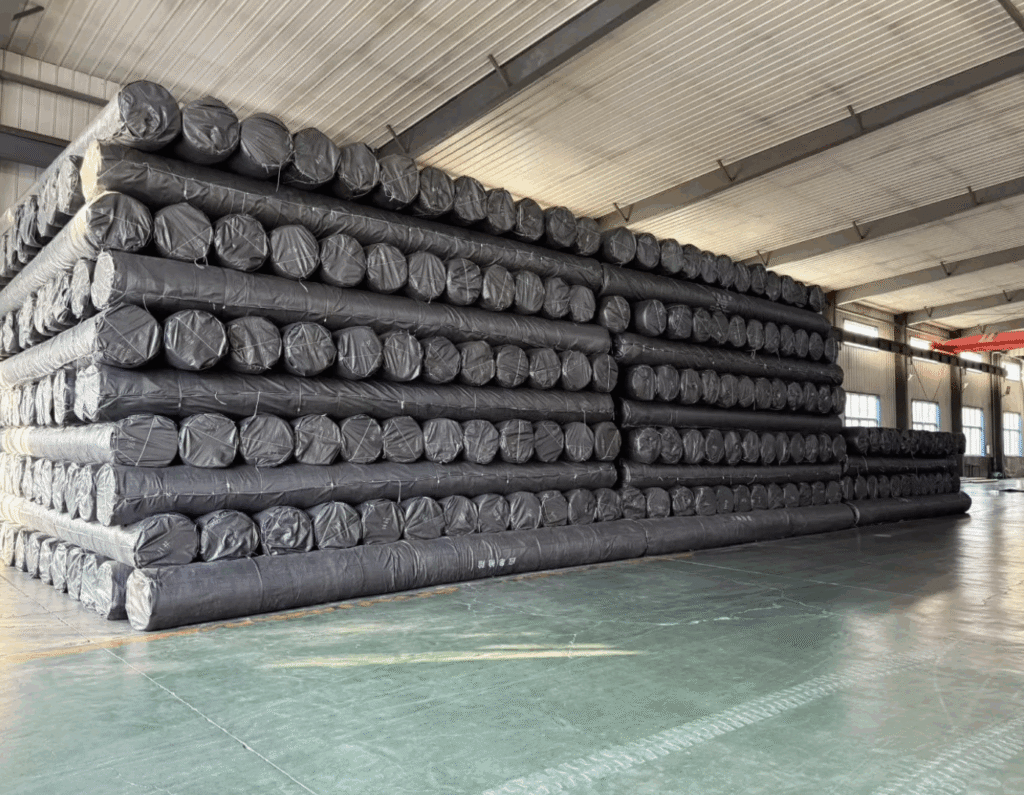
- Keep Reserve Materials: Upon project completion, request leftover geomembrane scraps and specialized adhesive from the contractor for emergency use.
Conclusion
Leaks in HDPE geomembrane ponds can be effectively resolved without draining, thanks to modern underwater repair technologies. The keys to success lie in precise leak location, selecting the correct repair method and materials, and having a professional team execute standardized procedures. When facing an urgent leak, taking decisive action and consulting professional repair services is the wisest choice to protect your assets, minimize economic losses, and mitigate environmental risks.
If you are looking for a reliable HDPE Geomembrane supplier, please feel free to contact us.
About Us: Lianjie
Lianjie is a one-stop supplier of geosynthetics with 15 years of professional experience and multiple national certifications. We provide the most professional HDPE Geomembrane solutions!
Reference Sources
- ASTM International:
- ASTM D4437 / D4437M: Standard Specification for Polyethylene Geomembranes.
- ASTM D5323: Standard Guide for Evaluating Wear of Geomembranes.
- ASTM D5641: Standard Practice for Geomembrane Seam Evaluation by Off-Site Method.
- ASTM D7701: Standard Guide for Geomembrane Seam Evaluation Using an Electrical Leak Location Method.
- GRI Standards (Geosynthetic Research Institute):
- GRI GM13: Standard Specification for Test Methods, Test Properties and Testing Frequency for High Density Polyethylene (HDPE) Geomembranes.
- GRI GM19: Standard Specification for the Seam Strength and Related Properties of Reinforced Geomembranes.