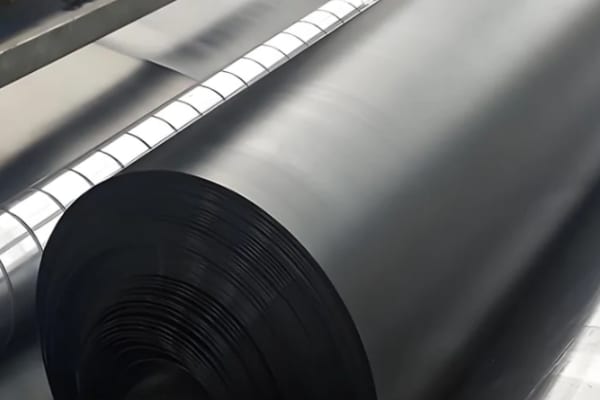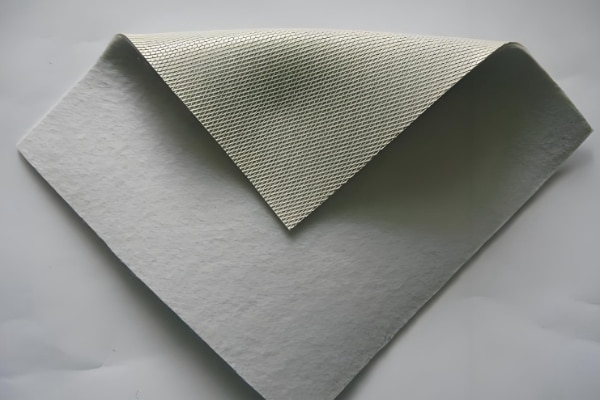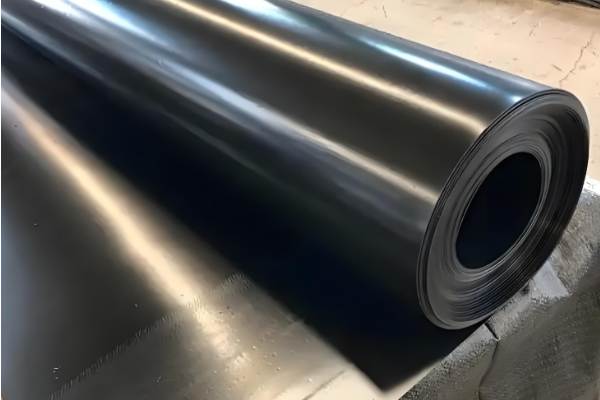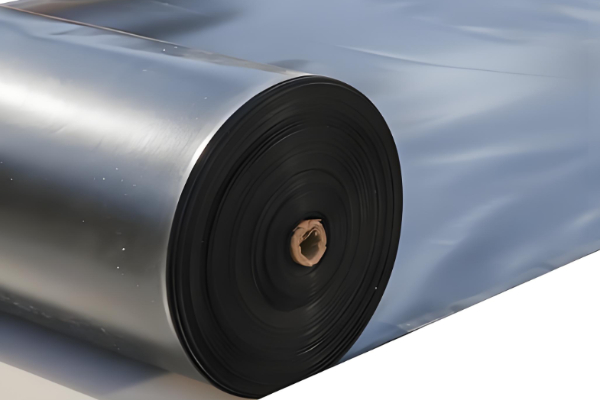
Soil erosion is a core challenge in infrastructure projects and ecological restoration. As an efficient soil and water conservation material, geotextile fabric for erosion control has been widely used in various scenarios such as slope stabilization, river protection, road infrastructure, and ecological restoration. This article comprehensively breaks down the core knowledge of erosion control geotextile fabric from basic understanding, selection skills, effectiveness verification, method comparison, construction key points to procurement references, helping you quickly find a suitable solution.
What is the Best Geotextile Fabric for Erosion Control?
There is no single “best” fabric for all situations. The best choice depends on the specific application, soil type, slope, and whether you need temporary or permanent control.
However, the most common and versatile category is Non-Woven Geotextiles.
Here is a detailed breakdown to help you select the right fabric for your needs.
The Two Main Types of Erosion Control Fabrics
Erosion control fabrics fall into two main categories with very different functions.
1. Non-Woven Geotextiles (The Most Common Choice)
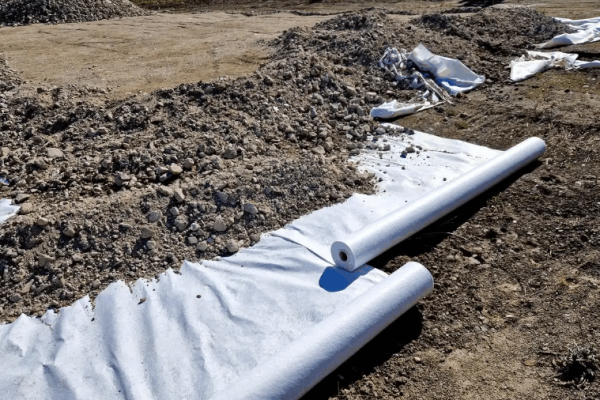
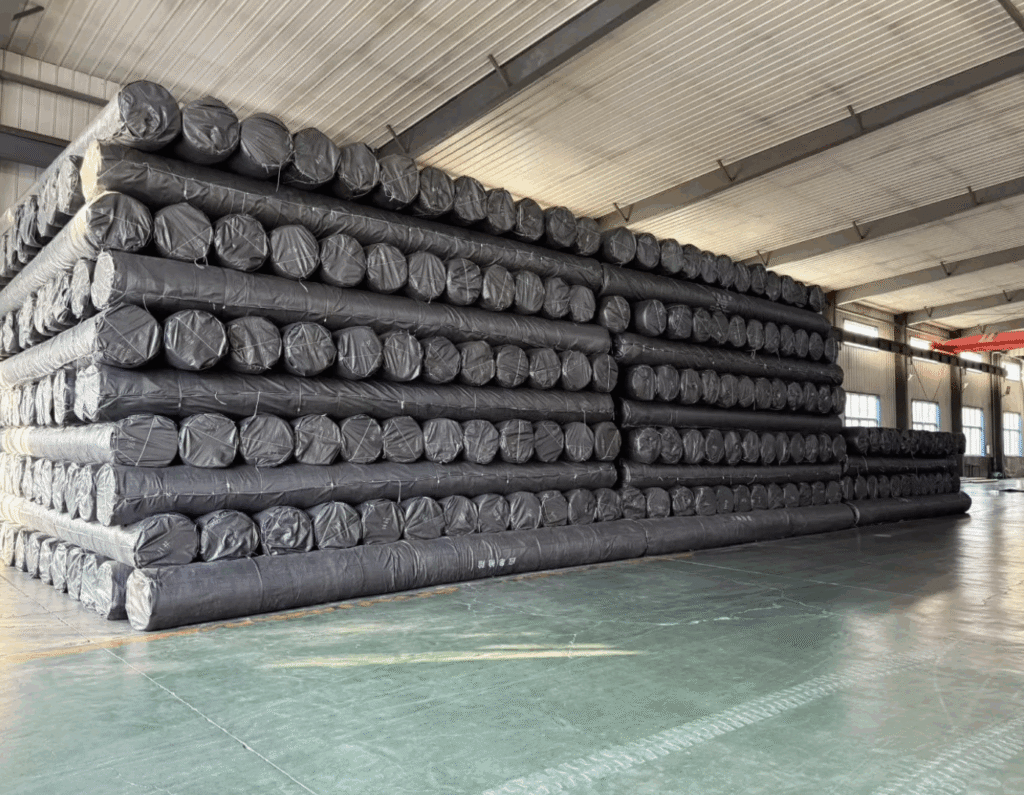
- Structure: Made from synthetic fibers (usually polypropylene or polyester) that are randomly arranged and bonded together mechanically (needle-punched), thermally, or chemically. They feel like a thick, felt-like blanket.
- Primary Function: Separation and Filtration.
- How it Works for Erosion Control:
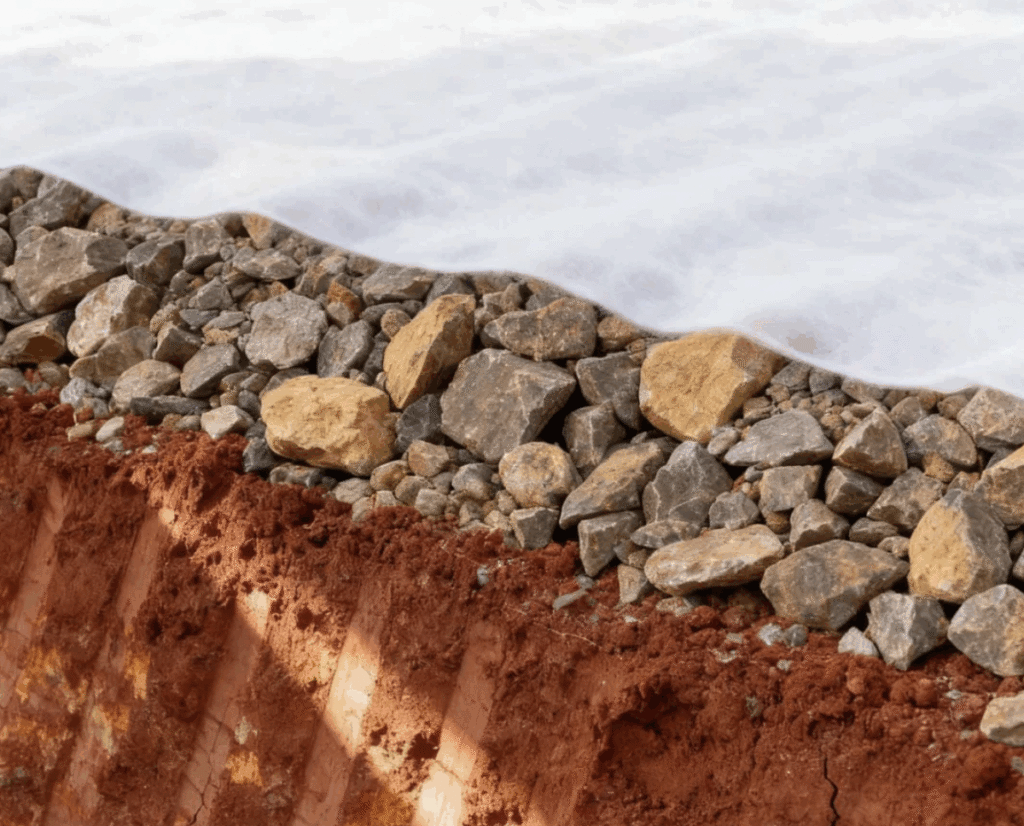
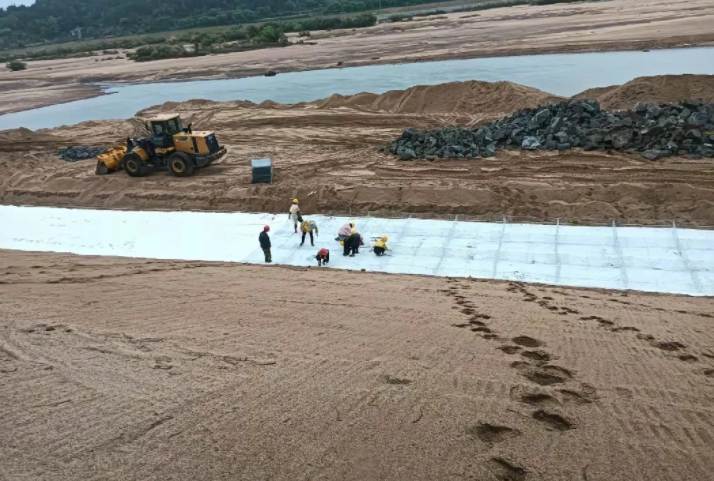
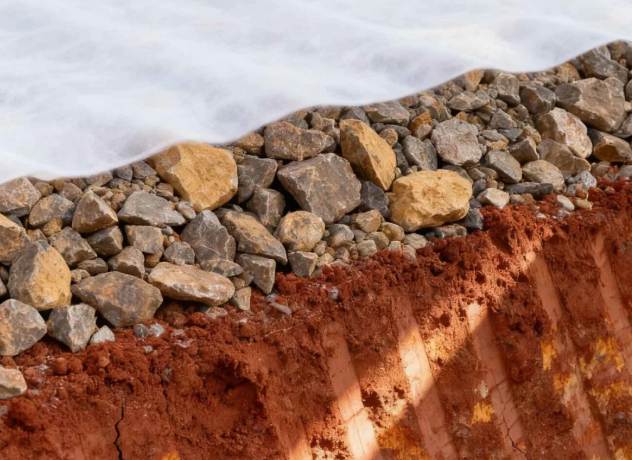
- Separation: It prevents soil from mixing with a layer of gravel or stone above it (e.g., under a riprap revetment or in a drainage ditch). This maintains the integrity and drainage capacity of the stone layer.
- Filtration: It allows water to pass through the fabric while preventing fine soil particles from being washed out. This stabilizes the soil underneath.
- Best For:
- Underlayment for riprap, gravel driveways, and drainage pipes.
- Stabilizing weak, muddy subgrades.
- Applications where water flow is through the fabric plane.
2. Woven Geotextiles
- Structure: Made by weaving together flat tape filaments or monofilaments (like a burlap sack, but made of plastic). They are typically thinner and stronger than non-wovens.
- Primary Function: Stabilization and Reinforcement.
- How it Works for Erosion Control:
- Stabilization: They have high tensile strength, which helps distribute loads and reinforce the soil, preventing lateral movement on slopes.
- Filtration: Woven monofilament fabrics have more uniform openings and are better for filtration than woven slit-film ones. They are less effective at filtration than non-wovens but are stronger.
- Best For:
- Reinforcement under roads, parking areas, and embankments.
- Slope reinforcement where soil stability is the primary concern.
- Applications where high strength is needed, and filtration is a secondary concern.
Recommended Reading:What is The Best Landscape Fabric for Erosion Control?
What is Geotextile Fabric for Erosion Control?
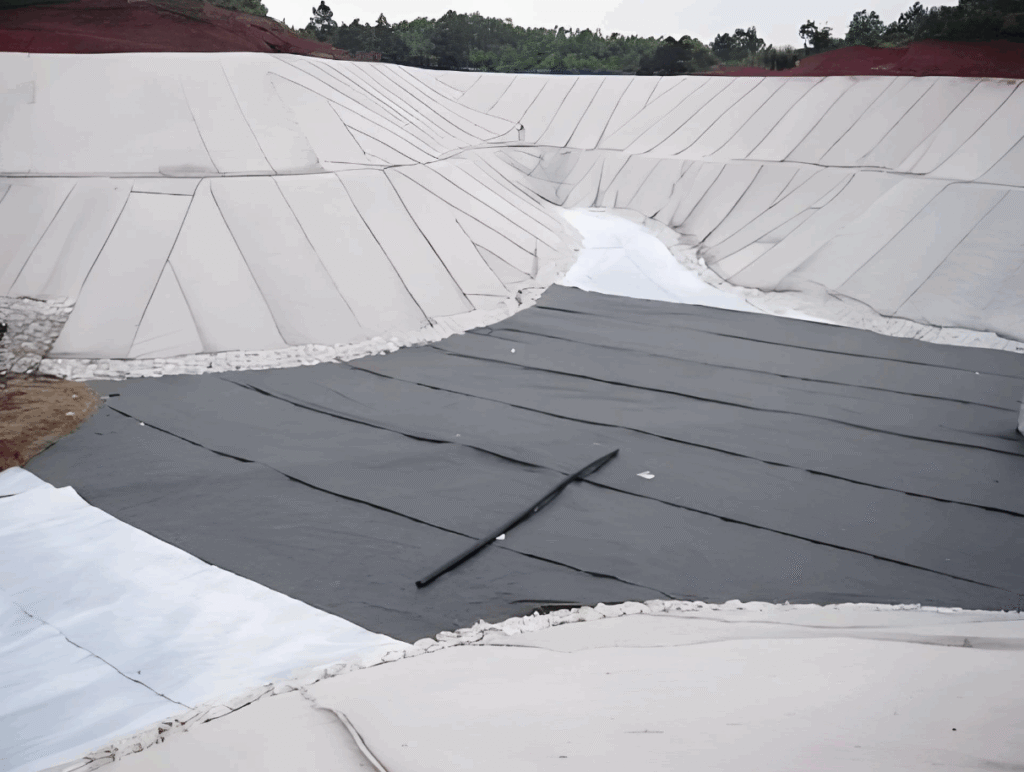
Erosion control geotextile fabric is a permeable synthetic or natural fiber textile that achieves soil and water conservation through synergy with soil and vegetation. Its core functions focus on three aspects: first, fixing soil particles to avoid soil loss caused by rainwater scouring or wind erosion; second, retaining moisture to create a suitable environment for the growth of vegetation roots; third, filtering sediment to prevent fine particles from clogging drainage systems and ensuring the stability of engineering structures.
How Does Erosion Control Geotextile Fabric Works?
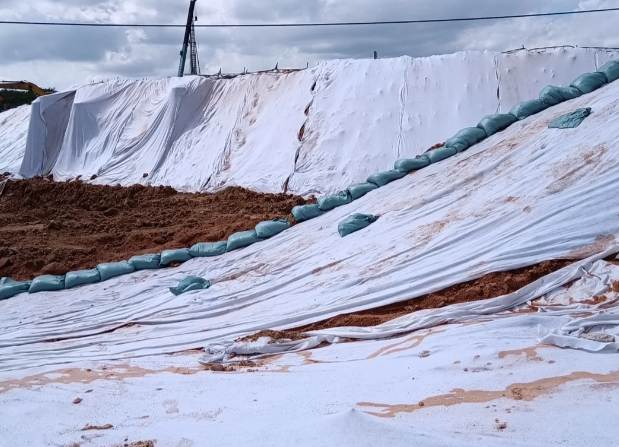
Geotextile fabric achieves erosion control mainly through two mechanisms: externally, the fabric surface can disperse the impact force of water flow and reduce wind speed, minimizing direct scouring of the ground surface by external forces; internally, its three-dimensional network structure can filter sediment, allowing water penetration while retaining soil particles, and providing attachment support for plant roots to form a composite protection system of “fabric + vegetation”.
Can Geotextile Fabric Stop Erosion?
The answer is: It can effectively mitigate and control erosion in the long term, but it must be based on correct selection and standardized construction. Practice has proved that qualified erosion control geotextile fabric combined with scientific installation can reduce soil and water loss by more than 80%. It should be noted that the erosion control effect of geotextile fabric depends on scenario adaptation: steep slopes (slope > 45°) need to be matched with reinforcing materials such as geogrids; strong corrosion environments require corrosion-resistant materials; a single geotextile fabric is difficult to cope with extreme erosion scenarios.
Selection Indicators for Erosion Control Geotextile Fabric
Four core indicators should be focused on during selection:
- Tensile strength (longitudinal ≥ 60kN/m, transverse ≥ 45kN/m is preferred)
- Porosity (suitable for soil particle filtration needs)
- Service life (selected according to the protection cycle)
- Corrosion resistance grade (pH adaptation range, strength retention rate)At the same time, it must meet national standards such as GB/T 17639-2023 and GB/T 17642-2008.
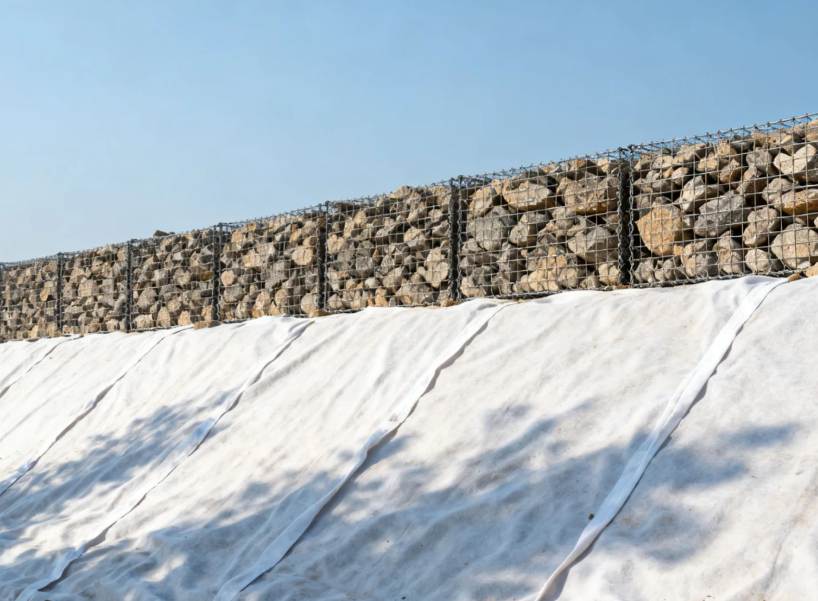
Application Scenarios of Geotextile Fabric for Erosion Control
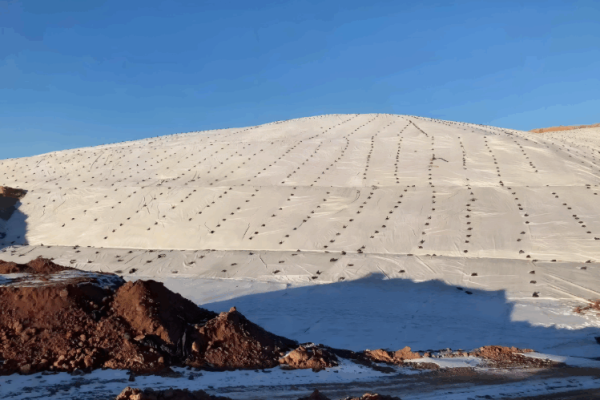
- Slope stabilization: Non-woven PET geotextile + vegetation can be used for gentle slopes (≤ 30°); woven PP geotextile + geogrid for medium and steep slopes (30°-60°); geocell + high-strength geotextile combination is required for steep slopes (> 60°), such as the 0.7H:1V steep slope reinforcement scheme of Florida State Road 70.
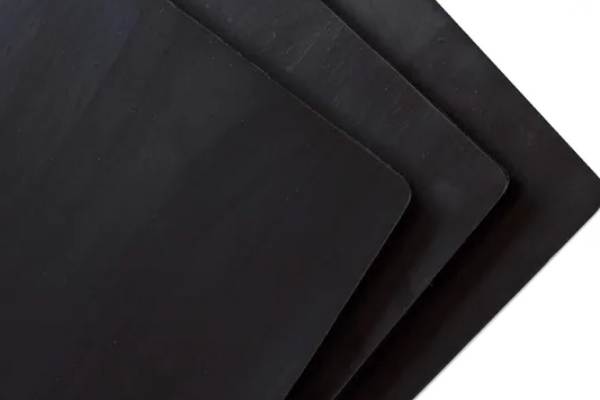
- River and coastal protection: PE composite geomembrane (two cloths and one membrane) is selected for water flow impact areas; riprap and woven geotextile are matched for wave erosion areas to enhance impact resistance.
- Road and infrastructure: Woven PP geotextile (breaking strength ≥ 80kN/m) is used for subgrade reinforcement; non-woven geotextile is matched for drainage systems to reduce subgrade settlement and erosion.
- Ecological restoration: Natural fiber or degradable synthetic fiber geotextile is selected for mine re-greening and wetland reconstruction, taking into account both protection and vegetation cultivation, and reducing ecological impact.
Geotextile Fabric vs. Other Erosion Control Methods
- Geotextile fabric: Medium cost, medium installation difficulty, wide applicability.
- Vegetation blanket: Ecologically friendly, providing immediate coverage, suitable for newly sown grass slopes.
- Riprap: Strong and durable, high cost, used for high-velocity water flow.
- Silt fence: Mainly used in construction sites to intercept sediment, a temporary measure.
- Conclusion: Help users choose the best solution according to their own scenarios (cost, durability, ecological requirements).
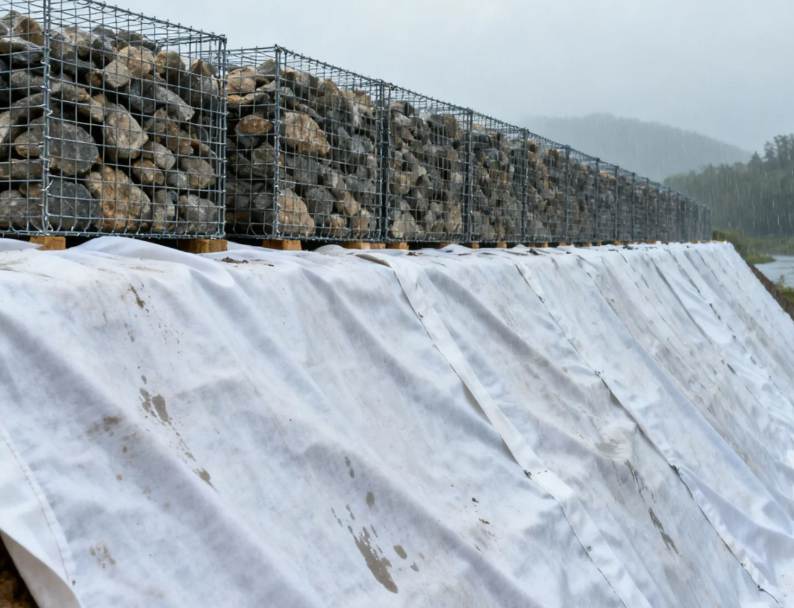
Installation and Use of Geotextile Fabric for Erosion Control
1. Core Construction Points
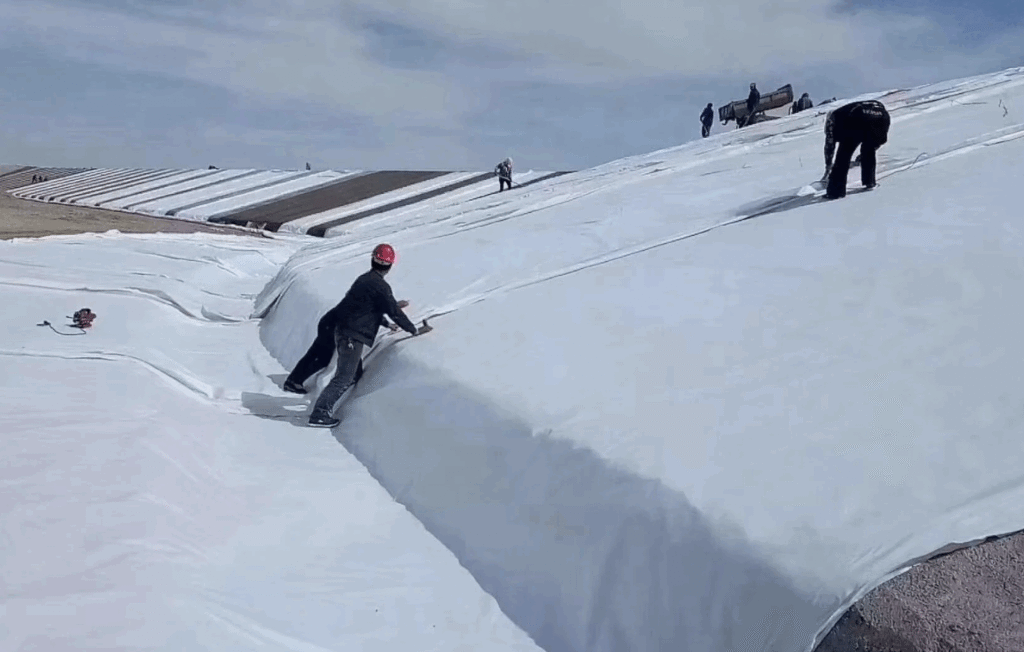
- Preliminary preparation: Clean up debris and sharp stones on the site, trim the slope gradient (error ≤ 5°), and avoid construction during the flood season; for corrosive environments, test the soil pH value in advance and select geotextile fabric material accordingly.
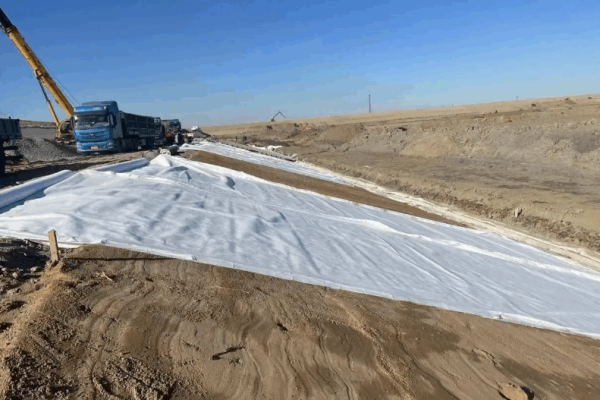
- Installation operation: Geotextile fabric should be laid flat without wrinkles, with an overlap width ≥ 30cm; joints should be treated by heat bonding or sewing; anchor bolts should be used for anchoring on steep slopes (spacing 0.6-1m), and a edge pressing ditch should be set at the slope foot for fixation to avoid sliding.
- Drainage matching: In areas adjacent to water or with abundant groundwater, weep pipes or drainage blind ditches should be installed inside the geotextile fabric to relieve hydrostatic pressure and prevent bulging and damage of the geotextile fabric.
2. Long-term Use Guarantee
- Protection measures: For outdoor exposed scenarios, select geotextile fabric added with UV stabilizers to avoid aging due to sun exposure; regularly test the strength retention rate of geotextile fabric in corrosive environments and repair damages in a timely manner.
- Maintenance points: Regularly monitor the growth of vegetation and replant in time; clean up debris on the surface of the geotextile fabric to avoid pore clogging affecting drainage; pay attention to freeze-thaw cycles in cold areas to prevent separation between geotextile fabric and soil.
- Safety and compliance: Take protective measures during construction to avoid scratches on the geotextile fabric by sharp tools; water conservancy and ecological restoration projects must comply with environmental protection license requirements and select products that have passed national standards or ASTM certification.
Conclusion
With the core advantages of “low cost, high efficiency, and ecological friendliness”, erosion control geotextile fabric has become the preferred solution for soil and water conservation projects. It can not only quickly solve soil erosion problems and ensure the stability of infrastructure projects but also achieve long-term ecological restoration in synergy with vegetation, taking into account both short-term benefits and long-term development.
Reference Sources
- Chinese National Standard: GB/T 17639-2023
- Document Name: “Geosynthetic Materials – Filament Spunbond Needled Nonwoven Geotextiles”
- Core Content: Specifies the classification, specifications, technical requirements (including longitudinal and transverse tensile strength, CBR puncture strength, etc.), test methods, and inspection rules for filament spunbond needled nonwoven geotextiles made from polyester/polypropylene. It replaces the 2008 version and adds test indicators such as UV resistance and dynamic puncture performance.
- Source: Standard Query Network, Analysis and Testing Encyclopedia Network
- Chinese National Standard: GB/T 17642-2008
- Document Name: “Geosynthetic Materials – Nonwoven Composite Geomembranes”
- Core Content: Clarifies the technical requirements for geomembranes composed of nonwovens and polyethylene/polyvinyl chloride films, including key parameters such as tensile strength, tear strength, and permeability coefficient, optimizing product classification and inspection rules.
- Source: Humanities Library, Douyin Encyclopedia
- International Standard: ASTM D4751-21a
- Document Name: “Standard Test Methods for Determining Apparent Opening Size of a Geotextile”
- Core Content: Establishes test methods for the apparent opening size of geotextiles, used to evaluate the compatibility of geotextiles in retaining soil particles and provide technical basis for porosity selection.
- Source: ASTM International Standards Library
- International Standard: ASTM D4068
- Document Name: “Standard Specification for Geotextiles Made from Synthetic Fibers”
- Core Content: Specifies the performance requirements and test methods for synthetic fiber geotextiles, covering indicators such as tensile strength, weather resistance, and corrosion resistance. It is an important basis for international engineering procurement.
- Source: Shuanghe New Materials Technical Certification Documents