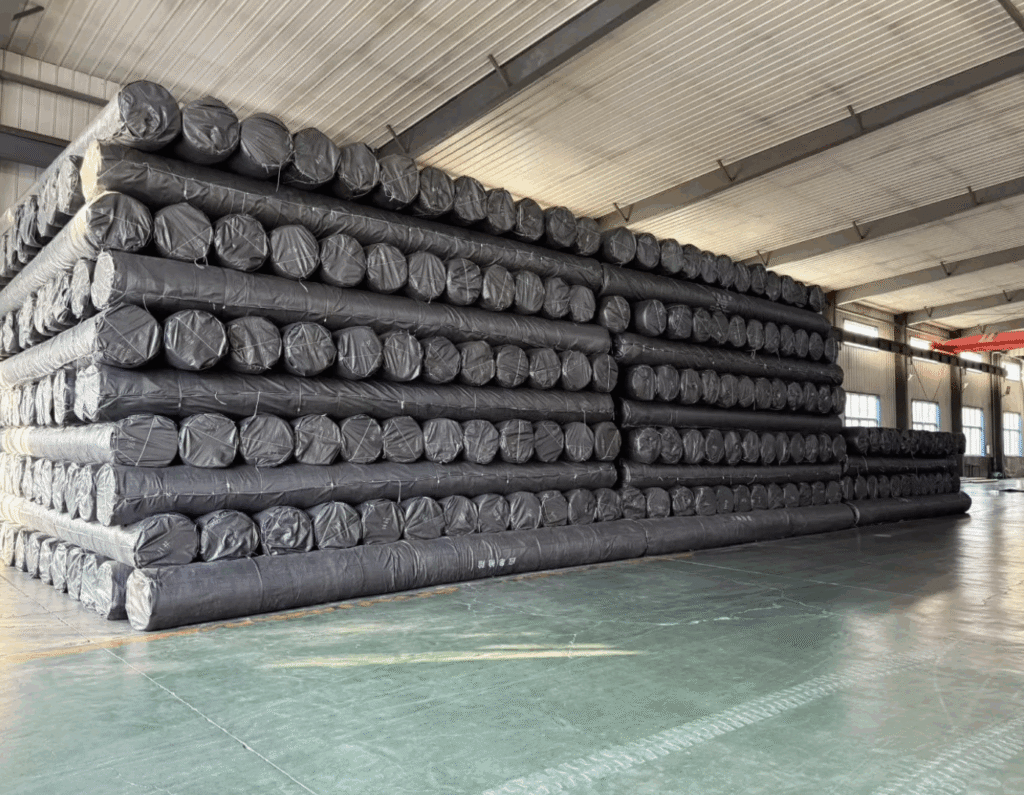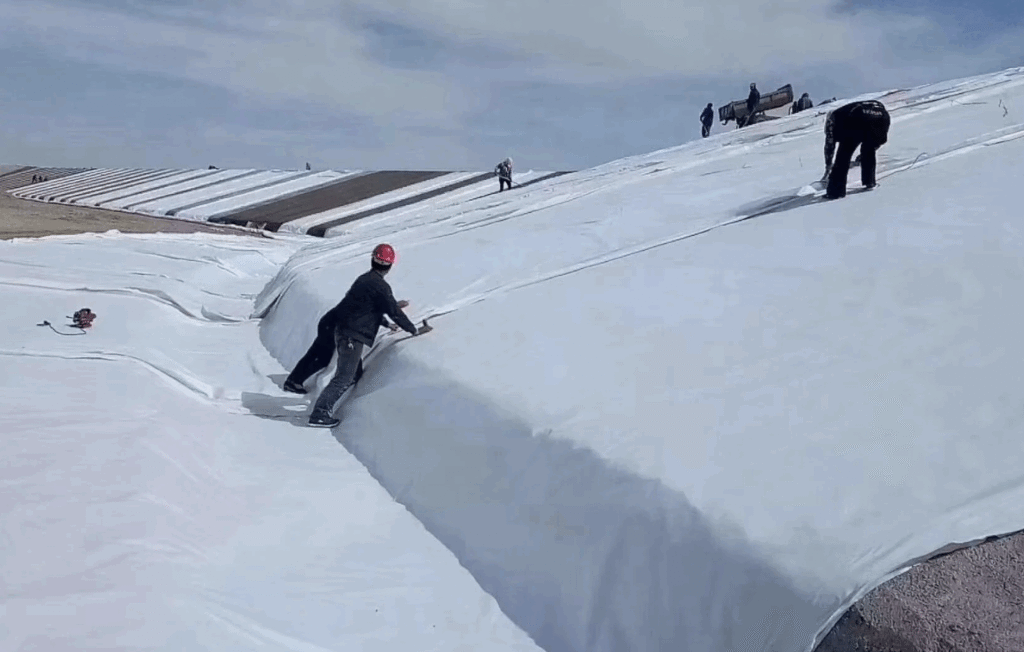
In gardening, weed removal is one of the most time-consuming and labor-intensive tasks. How to solve this problem? The solution lies in laying an effective weed barrier for flower beds. It is not a one-size-fits-all solution, but it can fundamentally suppress the growth of over 90% of weeds, allowing you to focus more on enjoying the beauty of your garden. This article will explain what a weed barrier is, how it works, and help you select the best weed barrier for your flower beds.
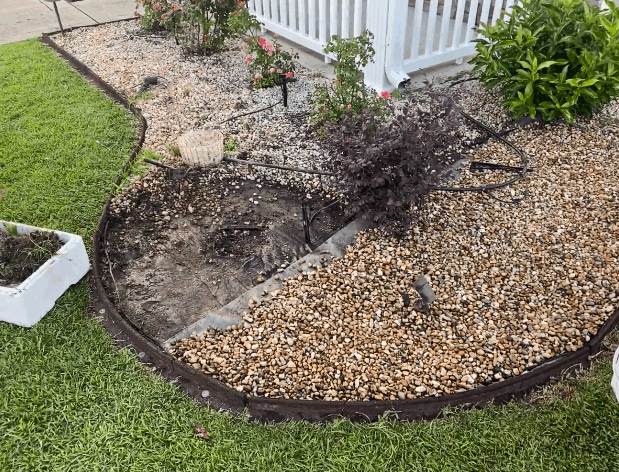
What is a Weed Barrier and How Does It Work?
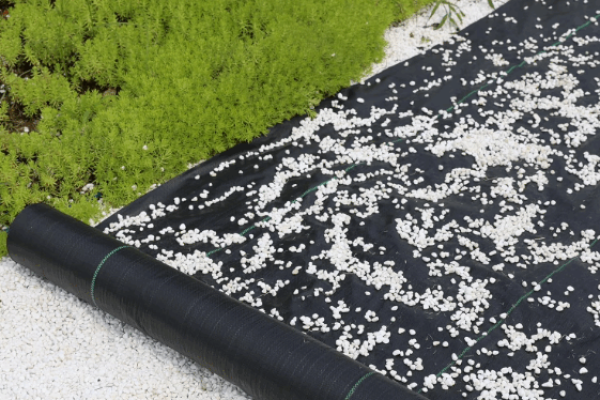
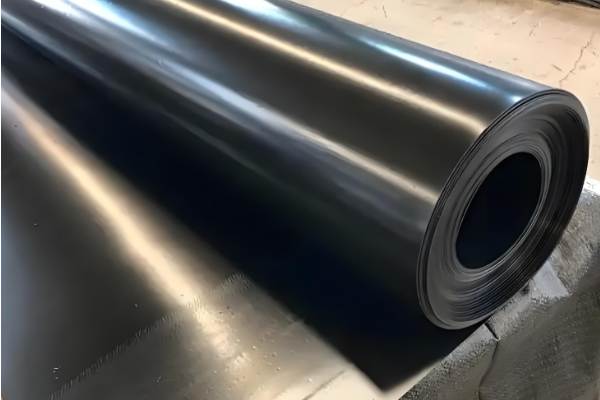
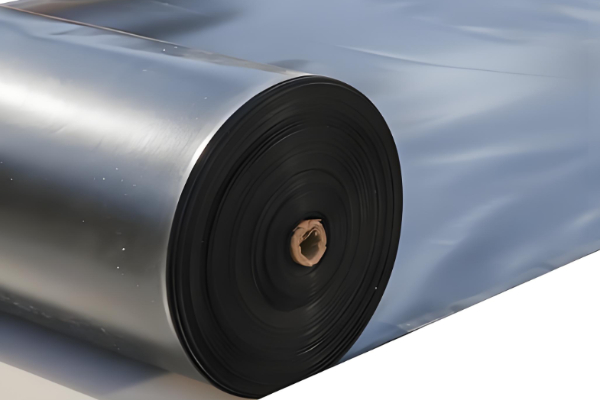
A weed barrier, often called “weed control fabric” or “landscape fabric”, is a material laid on the soil surface to physically prevent weed growth.
How It Works
Its core principle is to block sunlight, preventing weed seeds in the topsoil from undergoing photosynthesis, thereby inhibiting their germination and growth.
Key Characteristics
An excellent weed barrier must “block light while allowing water penetration” — it should effectively block sunlight but at the same time allow water and air to pass through freely. This prevents soil waterlogging and compaction, ensuring the health of plant roots.
Main Types of Weed Barriers
1. Woven Fabric
- Advantages: High strength, very durable, and tear-resistant.
- Disadvantages: Relatively poor water permeability; easily penetrated by plant roots.
- Suitable Scenarios: Under sidewalks and stone pavements; not recommended for long-term use in flower beds.
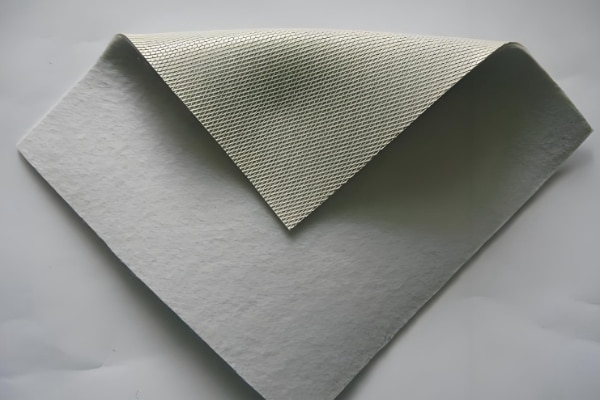
2. Non-Woven Fabric
- Advantages: Excellent water permeability, good air circulation, and easy to cut.
- Disadvantages: Slightly lower strength; moderate service life.
- Suitable Scenarios: An excellent and most versatile choice for flower beds and vegetable gardens.
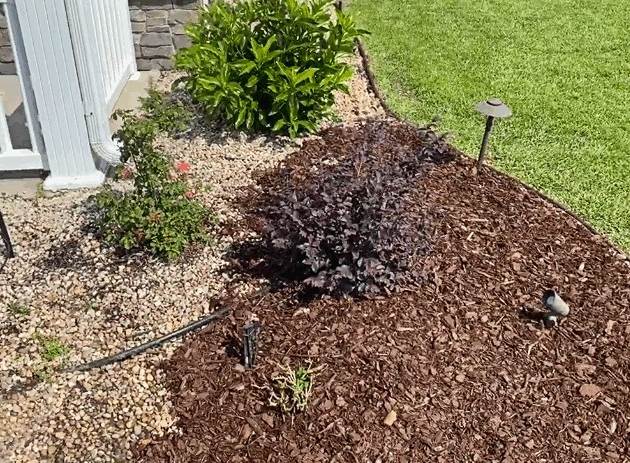
3. Biodegradable Type
- Advantages: Eco-friendly, improves soil quality, and no need for later removal.
- Disadvantages: Short validity period (a few months to 2 years).
- Suitable Scenarios: Short-term weed control, ecological gardening, and as the base layer for newly established flower beds.
4. Organic Mulch
- Advantages: Aesthetically pleasing, retains moisture, and improves soil quality.
- Disadvantages: Requires regular replenishment; may itself contain weed seeds.
- Suitable Scenarios: Used as a covering layer over a weed barrier, providing both aesthetics and enhanced weed control.
Recommendation: For most ornamental flower beds, high-quality non-woven fabric is the best choice, as it balances effectiveness, water permeability, and cost.
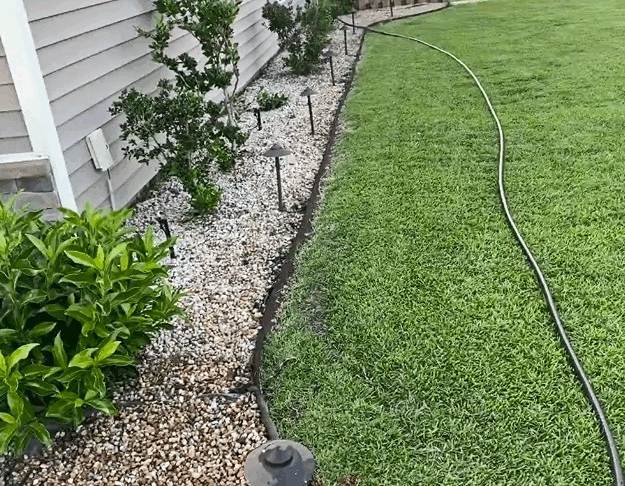
Recommendations for the Best Weed Barriers for Flower Beds
We have selected the following 3 highly acclaimed products on the market based on durability, water permeability, user reviews, and cost-effectiveness. Each product has its own focus and can meet gardening needs in different scenarios.
1. Best Overall Choice: DeWitt WeedStop Non-Woven Weed Control Fabric
Core Advantages: As a benchmark brand in the North American gardening industry, DeWitt’s WeedStop is the top choice of many professional landscape designers. Made of high-quality polypropylene non-woven fabric, it achieves an excellent balance between water permeability, strength, and durability. Its outstanding water permeability ensures that water and nutrients reach plant roots easily, while effectively suppressing most weeds. The product is treated with UV-resistant technology, so its service life is much longer than that of ordinary non-woven fabrics — it is a reliable investment for creating low-maintenance, high-efficiency flower beds.
Suitable Scenarios: The ultimate choice for most home flower beds where you pursue convenience and high quality; it rarely disappoints.
2. Best Value for Money: Landmaster Woven Weed Control Fabric
Core Advantages: If you have a limited budget but need to cover a large area, Landmaster’s woven weed control fabric is an excellent value-for-money option. It is renowned for its exceptional durability, with a double-thread woven structure that provides strong tear resistance. Despite being a woven product, its design ensures good water permeability, and it has excellent UV resistance — claiming a service life of over 5 years.
Warm Tip: Its texture is slightly stiffer than non-woven fabric, so more patience is required when cutting and securing the edges.
3. Best Heavy-Duty Barrier: DeepRoot Weed Suppression System
Core Advantages: This is the “ultimate weapon” against stubborn weeds such as crabgrass and field bindweed. DeepRoot offers professional-grade weed suppression solutions; its products are usually made of super-strong polyester or non-woven composite materials, with extremely high weight and puncture resistance. It has ultra-high strength, is very difficult to penetrate, and is coated with a special UV layer to withstand extreme weather, ensuring an extremely long service life.
Suitable Scenarios: Mainly used in areas with severe weed problems, or scenarios where heavy objects (such as stone slabs) are planned to be laid on the barrier.
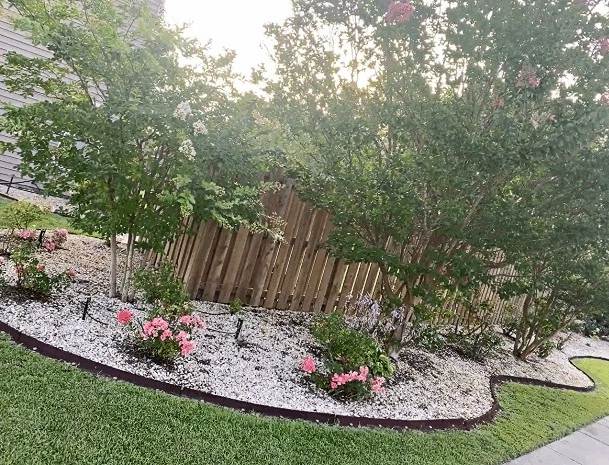
How to Choose the Best Weed Barrier for Flower Beds?
1. What is Your Budget?
- Sufficient budget, pursuing long-term effectiveness: Choose the “Best Overall Choice” or “Best Heavy-Duty Barrier”.
- Limited budget, pursuing cost-effectiveness: Choose the “Best Value for Money” product.
2. What Type of Weeds Dominates Your Flower Beds?
- Annual small weeds as the main type: Any of the recommended products will work.
- Stubborn perennial weeds (such as crabgrass, field bindweed): Be sure to choose the “Best Heavy-Duty Barrier” and ensure proper installation.
Installation of Weed Barriers for Flower Beds
Incorrect installation can render even the best product ineffective. Please follow these steps strictly:
- Thoroughly Clear the Site: This is the most important step! Be sure to remove all existing weeds, especially the roots of perennial weeds. Any residues will grow through and lift the barrier.
- Level and Loosen the Soil: Level the soil and remove stones and rhizomes.
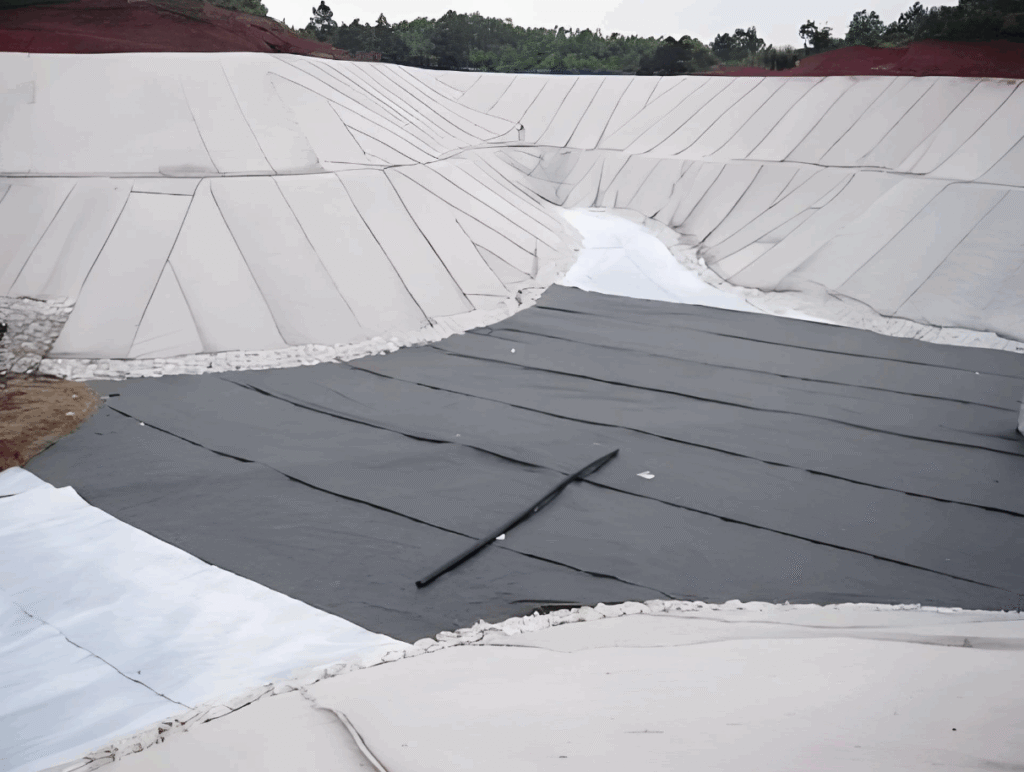
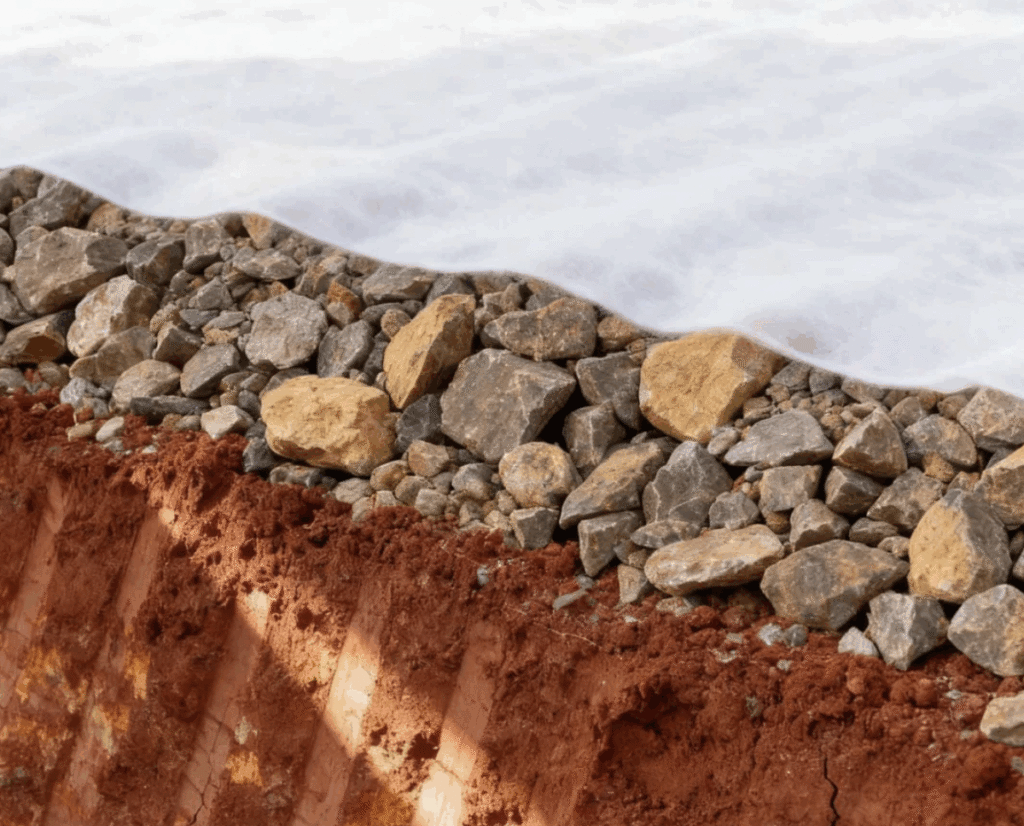
- Lay the Barrier: Spread the weed control fabric flat on the soil. Overlap adjacent sections by 10-15 cm to prevent weeds from growing through the seams.
- Secure Firmly: Use landscape staples (U-shaped staples) to fix the edges and seams of the barrier, preventing it from being lifted by wind or small animals.
- Precisely Cut Planting Slits: At the positions where flowers need to be planted, cut X-shaped or cross-shaped slits. Make the slits as small as possible — just large enough to fit the plant roots.
- Add a Top Cover: Spread a 5-8 cm thick layer of organic mulch (such as bark or pine needles) over the barrier. This not only enhances aesthetics but also further blocks sunlight, retains moisture, and extends the barrier’s service life.
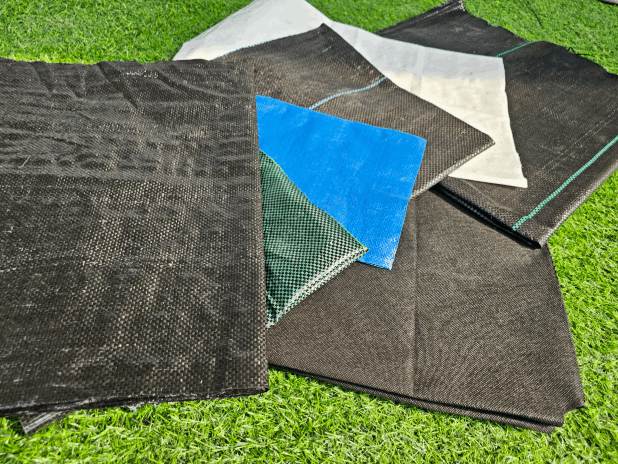
Frequently Asked Questions (FAQs)
Q1: Can a weed barrier completely eradicate weeds?
A1: No, it cannot achieve 100% eradication. Wind can bring new weed seeds that germinate on the mulch, and some extremely stubborn weeds may also grow through the edges or cracks. However, it can reduce weed problems by over 95%, making weed removal extremely easy.
Q2: Will weed control fabric cause soil compaction?
A2: Poor-quality, water-impermeable plastic sheets will. But professional non-woven fabric ensures water and air circulation. When used correctly, it will not cause soil compaction. Using it with mulch yields even better results.
Q3: Can I lay the barrier directly on existing weeds?
A3: Strongly not recommended! Doing so will cause weeds to lift and even penetrate the barrier from below, leading to complete failure. Thorough clearing in the first step is crucial.
Q4: Are there other eco-friendly alternatives besides weed control fabric?
A4: Yes. The “lasagna gardening method” is an excellent alternative: directly cover the cleared area with cardboard, then add an 8-10 cm thick layer of mixed organic mulch (such as compost or wood chips). The cardboard will decompose, and the mulch will suppress weeds and enrich the soil.
Conclusion
Choosing a suitable weed barrier for your flower beds is a key step toward creating a low-maintenance, high-aesthetic garden. We hope the above content helps you select the best weed barrier for your flower beds.
Reference Sources
- Landscape Fabric Types and Standards
- Source: University of Florida IFAS Extension
- Key Information: Authoritative distinction between woven and non-woven landscape fabrics, their physical properties, permeability, and suitable applications.
- Organic Mulches and Biodegradable Materials
- Source: Washington State University Extension
- Key Information: Effectiveness, advantages, disadvantages, and methodology of using cardboard, wood chips, and other organic materials as weed barriers, supporting the discussion on eco-friendly alternatives.
- Sheet Mulching (Lasagna Gardening)
- Source: University of California Agriculture and Natural Resources
- Key Information: Detailed explanation of the “Sheet Mulching” technique, its layered methodology, and long-term benefits for soil health, providing theoretical support for the eco-friendly alternative mentioned in the FAQ.