Have you ever spent an entire weekend painstakingly pulling weeds, only to find those persistent weeds pushing through the rocks again just a few weeks later? This is likely because you chose the wrong weed barrier material under the rocks. This article will provide you with an in-depth analysis of how to select the best weed barrier under rocks, compare the pros and cons of different materials, and directly present our top recommendation to help you make the most informed purchasing decision.
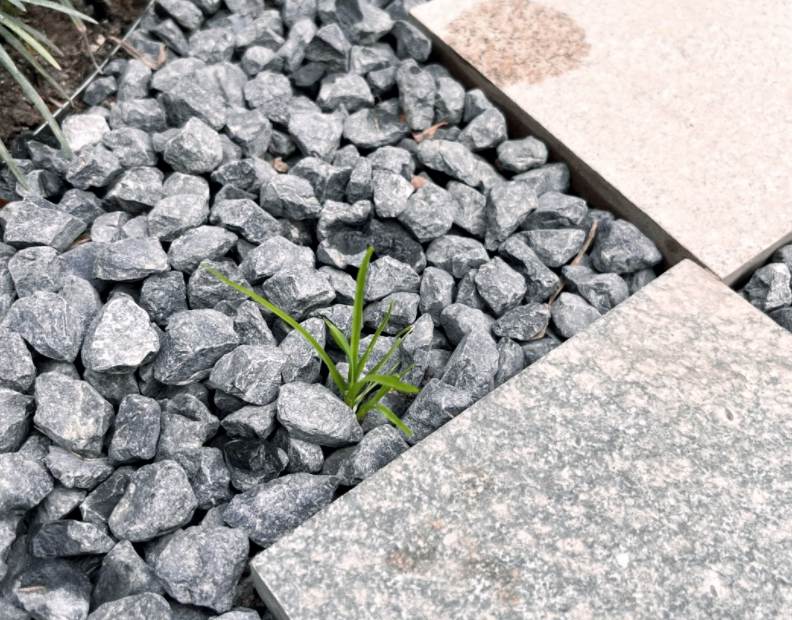
Why Do You Need a Specialized Weed Barrier Under Rock?
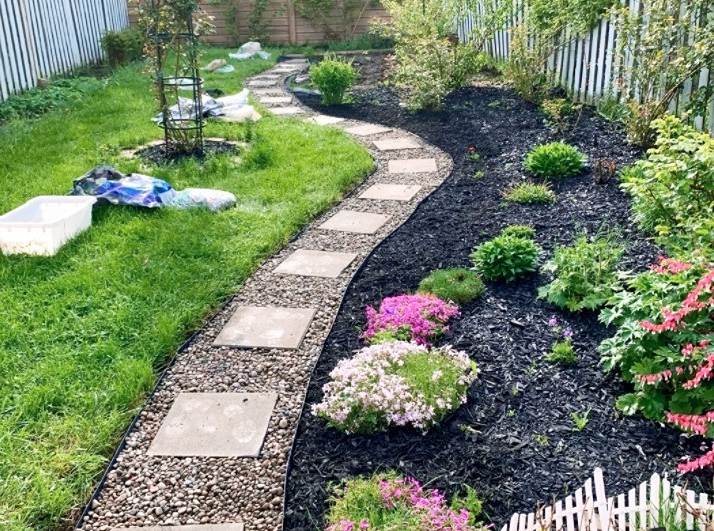
Rocks (like gravel, crushed stone, or pebbles) as mulch are heavy, sharp, and have large gaps. Therefore, the weed barrier beneath them needs to meet more demanding requirements than one under bark mulch:
- Extreme Physical Durability: It must withstand the long-term weight of the rocks and abrasion from sharp edges without tearing or deforming.
- Excellent Water Permeability: It must allow rainwater and irrigation water to pass through quickly, preventing pooling water on the fabric surface, which can create mud or lead to soil erosion.
- Long-Lasting Weed Suppression: It blocks sunlight physically, while its tight structure prevents roots from persistent weeds (like Bermuda grass) from penetrating.
Consequences of the Wrong Choice: Using flimsy plastic sheeting or inferior non-woven fabric leads to poor drainage, rapid barrier failure, sinking rocks, and ultimately, a worse weed problem.
If you are purchasing a weed barrier under rock, you can contact us!
Review of the Four Main Types of Weed Barriers
We’ve created the following comparison table for a clear overview:
| Material Type | Pros | Cons | Suitability Under Rock |
|---|---|---|---|
| Woven Landscape Fabric | Excellent drainage, extremely durable, UV-resistant, high load-bearing capacity | Slightly higher cost, can clog with soil particles over time, reducing permeability | ★★★★★ Highly Recommended |
| Non-Woven Landscape Fabric | Good flexibility, conforms to uneven ground, good filtration | Poor long-term durability, can collapse or tear easily under heavy rock | ★★☆☆ Not Recommended |
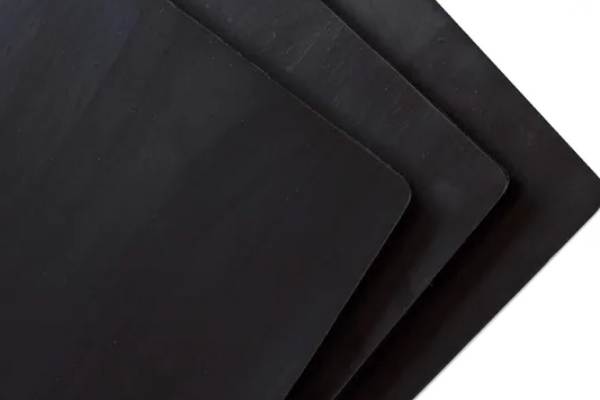
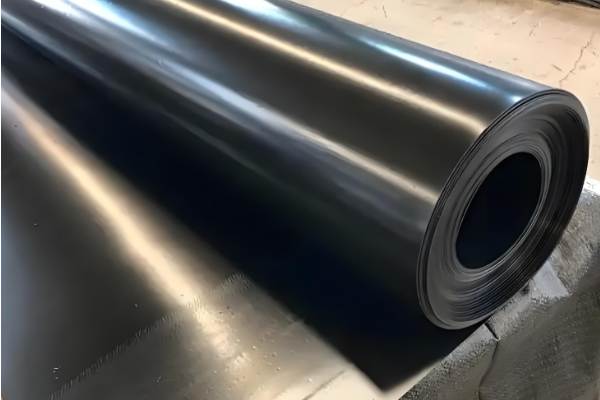
| Plastic Sheeting/Tarp | Very low cost, very strong initial weed suppression | Completely impermeable, easily damaged, destroys soil ecology | ☆☆☆☆☆ Avoid Completely |
| Biodegradable Barrier | Eco-friendly, improves soil | Limited lifespan (1-3 years), requires replacement | ★★★☆☆ Temporary Solution |
Detailed Analysis:
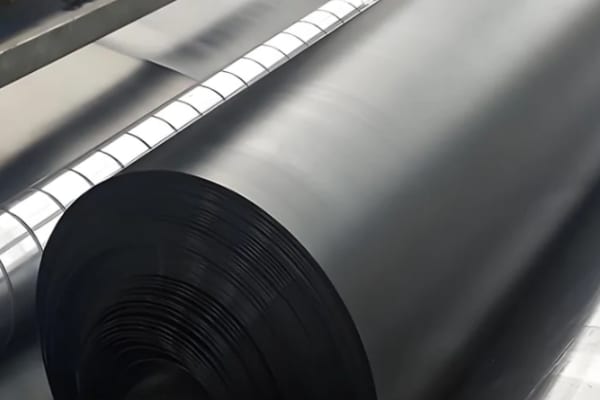
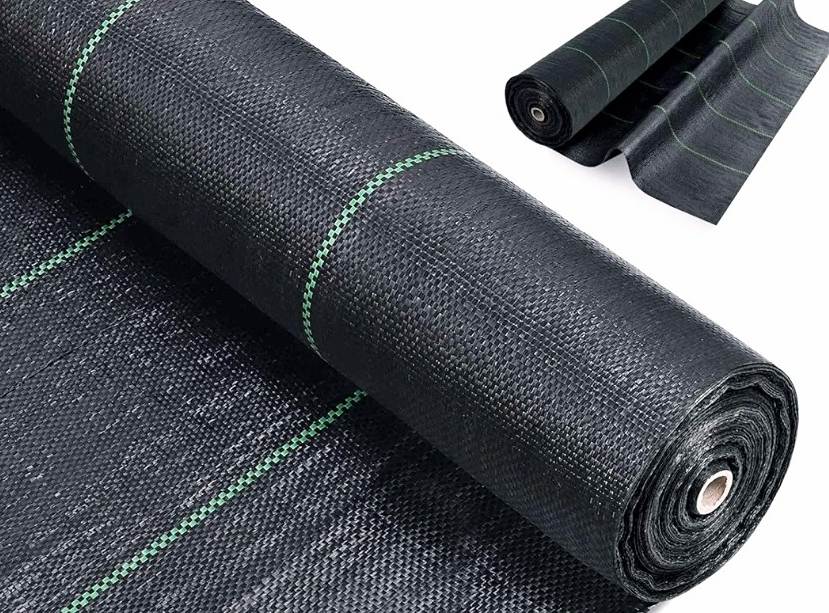
- Woven Landscape Fabric – The Gold Standard for Rock Landscaping
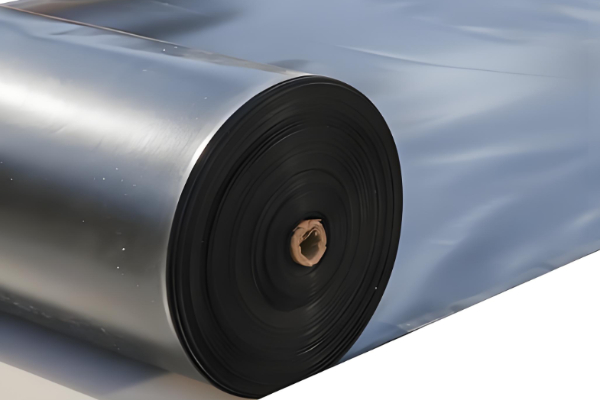
- How it works: Made from polypropylene (PP) or polyester (PET) fibers woven together like cloth, creating a tight and strong structure.
- Why is it the top choice? Its woven structure provides tremendous tensile strength while maintaining tiny pores, perfectly achieving the balance of “water passes through, roots are blocked.” It effectively withstands the weight and friction of rocks, with a service life of 5-10 years or even longer.
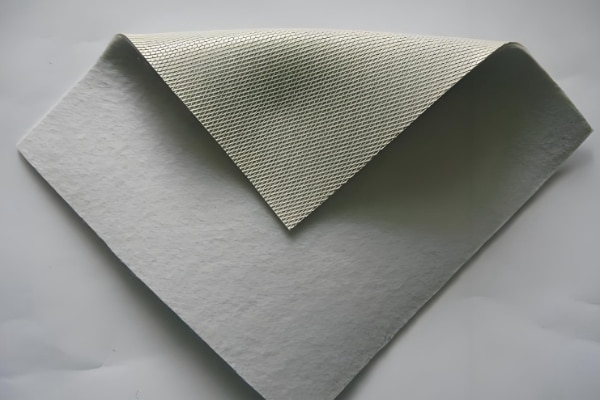
- Non-Woven Landscape Fabric – Better Suited for Lightweight Mulch
- How it works: Made from randomly arranged fibers bonded together chemically or thermally, feeling similar to felt.
- Why not recommended under rock? Its structure can compress under long-term heavy weight, losing its permeable pores and leading to poor drainage. Its tear resistance is also much lower than woven fabric, posing a high risk under sharp rocks.
- Plastic Sheeting – The Most Common Mistake
- Strong Warning: Despite being cheap, plastic sheeting is a nightmare for landscaping. It completely blocks water and air, leading to:
- Water Pooling: Rainwater cannot seep through, creating a muddy mess under the rocks.
- Soil Suffocation: Kills beneficial microorganisms in the soil, disrupting ecology.
- Weed “Paradise”: Once torn, moisture accumulates under the plastic, creating a damper environment for weed growth.
- Strong Warning: Despite being cheap, plastic sheeting is a nightmare for landscaping. It completely blocks water and air, leading to:
- Biodegradable Barriers – An Eco-Friendly Temporary Solution
- Ideal Use Cases: If you plan to redesign your garden in a few years, or pursue ultimate eco-friendliness, thick cardboard or corn-based barriers are an option.
- Note: You must accept its limited lifespan and be prepared to re-apply after it decomposes.
The Best Weed Barrier Under Rock
Our evaluation is based on: Durability, Permeability, Ease of Installation, Value for Money.
- Best Overall Choice: Professional-Grade Woven Fabric
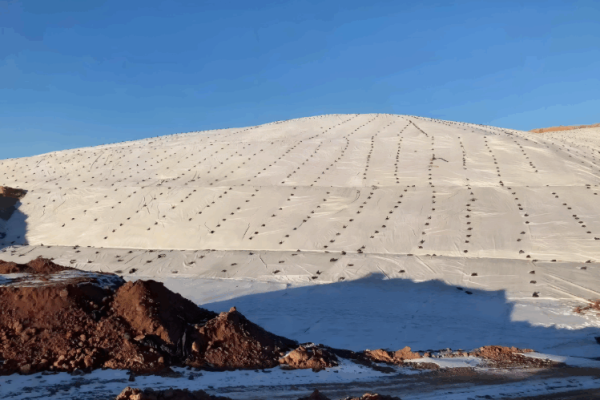
- Reason: These products typically have a higher weight (e.g., 3 oz/sq yd, approx. 100 gsm), sufficient thickness, and proper UV treatment. Their warp-and-weft woven structure provides unparalleled tensile strength and durability, making them the most reliable choice for heavy gravel and high foot traffic. Recommended Product: Heavy Duty Geotextile
- Best Value for Money: Standard Woven Fabric
- Reason: For budget-conscious users laying small to medium-sized gravel (not for driveways), this product offers a good balance between price and performance. It provides reliable protection for several years and is a cost-effective choice for most homeowners.
- Heavy-Duty & Most Durable (For Driveways or Heavy Crushed Rock): Commercial-Grade Woven Fabric
- Reason: Very high weight (usually 4 oz / 135 gsm and above), material may include polyester for better resistance to chemicals and moisture. If you need a foundation for a driveway or large river rock landscaping, this is your best bet.
- Best Biodegradable Barrier: Heavy-Duty Landscape Cardboard/Bio-based Mat
- Reason: Fully organic, decomposes into organic matter to improve soil after its weed suppression duty. Suitable for eco-gardens or temporary paths.
How to Install a Weed Barrier Under Rock Correctly
Proper installation is half the battle. Follow these steps:
- Thorough Clearing: Remove all existing weeds, roots, stones, and debris. For perennial stubborn weeds, consider using an eco-friendly herbicide.
- Leveling & Compacting: Roughly level the soil and lightly compact it to create a stable base. Avoid sharp protrusions.
- Laying & Securing:
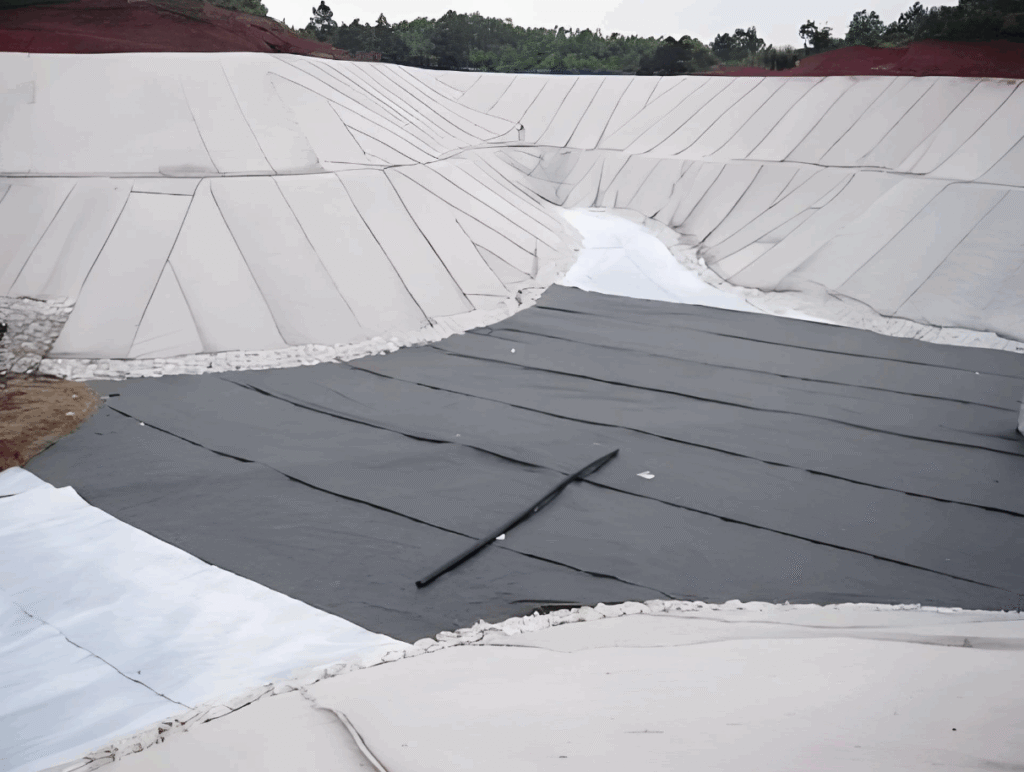
- Lay the woven fabric with the smooth side facing up (smooth side facilitates water flow, rough side increases friction).
- Overlap adjacent rolls by 15-20 cm to ensure complete coverage.
- Use U-shaped landscape staples/pins every 1-1.5 meters to secure it, especially at the edges and overlaps, to prevent shifting.
- Adding Rock:
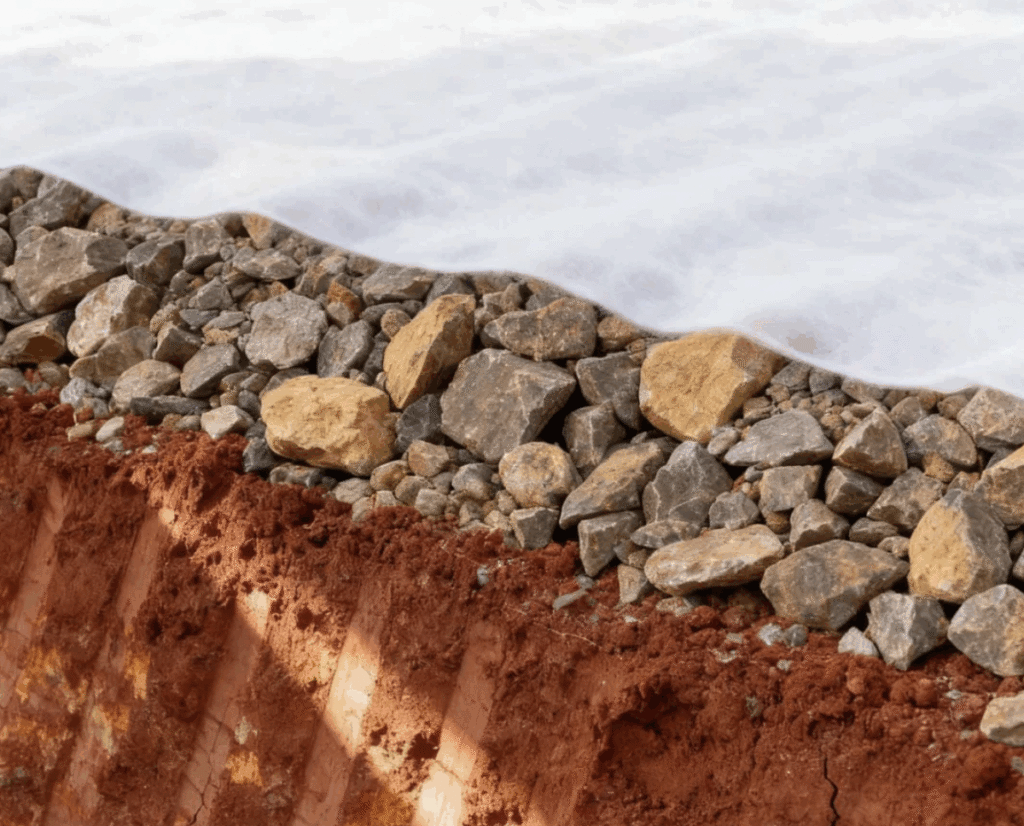
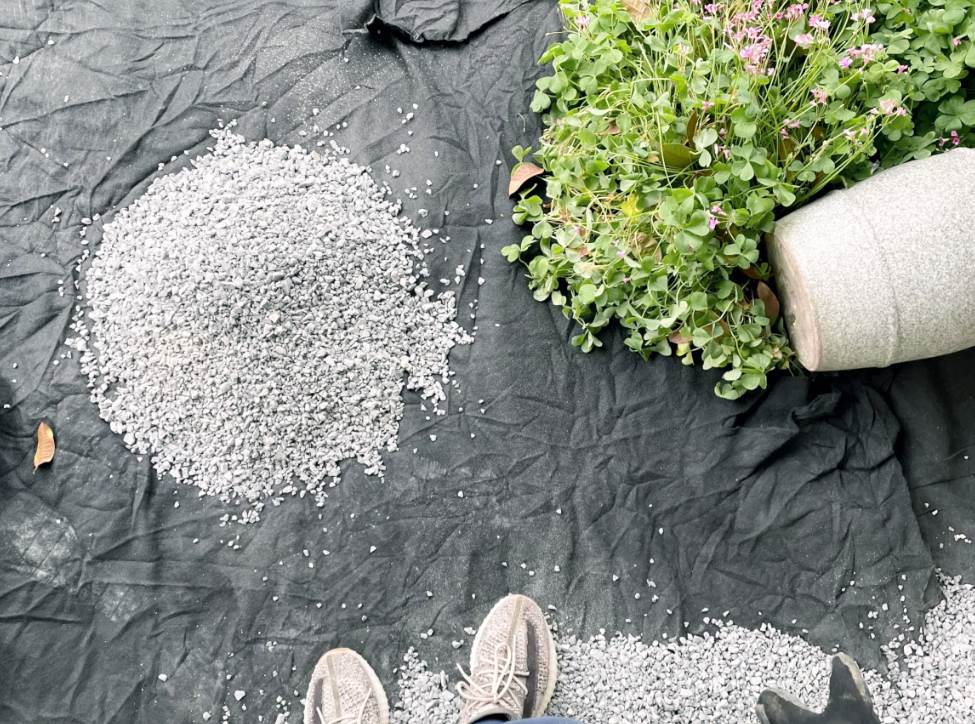
- Dump the rock directly onto the laid fabric. The layer of rock should be at least 5-7 cm thick.
- Use a rake to spread the rock evenly.
- 【Pro Tip】 Before laying the fabric, if the budget allows, consider laying a 3-5 cm base layer of crushed stone or coarse sand to further enhance drainage and stability.
Frequently Asked Questions (FAQ)
Q1: Can I just lay rock directly without a weed barrier?
A: You can, but it’s not recommended. Weeds will grow through the rock cracks quickly, and the rocks will gradually sink into the soil, making future cleanup and renovation much more difficult. A weed barrier is a “one-time” investment for long-term peace of mind.
Q2: How long does weed barrier last?
A: High-quality woven fabric, when correctly installed and maintained, can last 5 years or more, even up to 10 years. Its end of life is usually not due to tearing, but because the surface pores become clogged with silt and organic matter from above.
Q3: Why do I still get weeds even after installing a weed barrier?
A: This is usually one of two scenarios:
1) Surface Weeds: Seeds blown in by wind or dropped by birds germinate in the gaps between the rocks. Simply pull them by hand.
2) Clogging: The fabric surface gets covered with organic debris, forming a soil layer where seeds can root. Regularly clearing debris from the rock surface can prevent this.
Conclusion
In summary, choosing a weed barrier for your rock landscape isn’t difficult. Remember this key takeaway: Select a high-quality woven fabric with a sufficient weight (recommended 3 oz / 100 gsm or higher). It will provide you with the most durable and effective protection while ensuring proper drainage.I hope the above content can help you choose the best weed barrier under the rocks
If you are looking for a reliable weed barrier under rock supplier, please feel free to contact us.
About Us: Lianjie
Lianjie is a one-stop supplier of geosynthetics with 15 years of professional experience and multiple national certifications. We provide the most professional weed barrier under rock solutions!
Reference Sources
- ASTM International: Provides testing standards for geotextiles (a category that includes landscape fabric), such as standard test methods for tensile strength, permeability, and UV durability. This supports the discussion in the article regarding the durability differences between woven and non-woven fabrics.
- State University Agricultural Extension Services: Institutions such as the University of Florida, Michigan State University, and others often publish extension documents on landscaping best practices. These typically emphasize the importance of using permeable fabrics and warn against the risks of using plastic sheeting.
- Professional Landscape Designer Associations: Public guidelines and tutorials from many professional associations recommend using heavy-duty woven fabric under hard mulch (like rock), providing a basis in industry practice for the article’s recommendations.