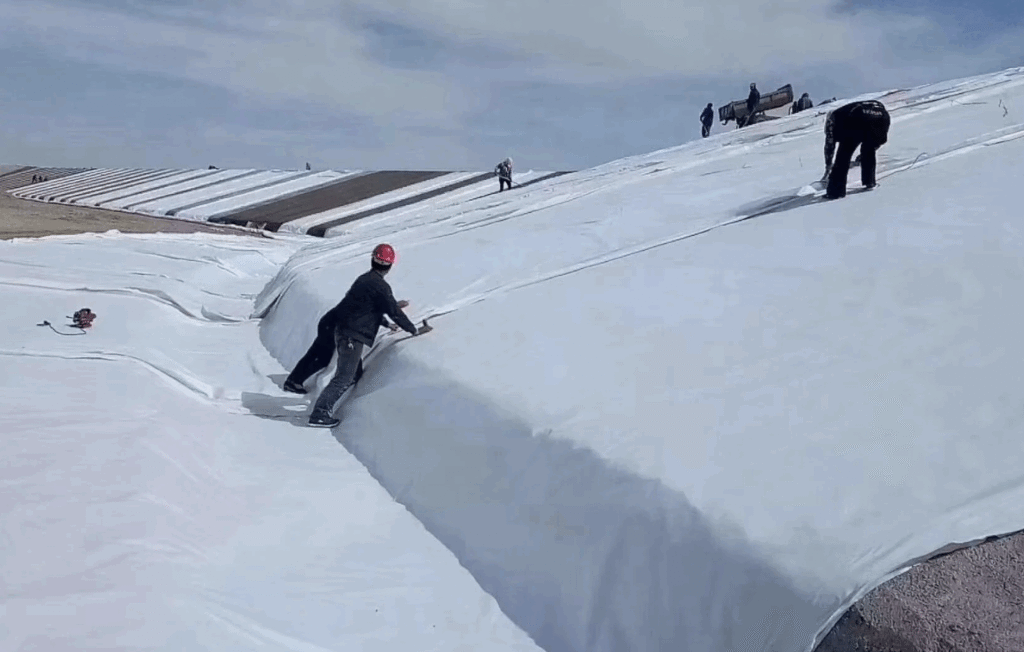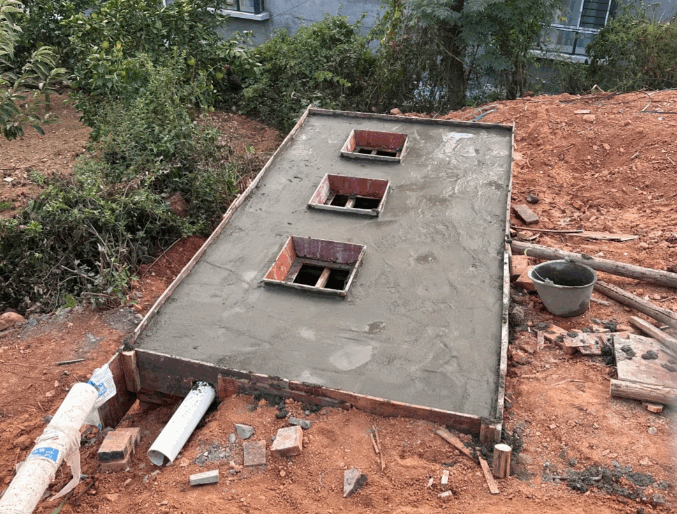
Where to buy geotextile fabric for gravel driveways? How to choose the right geotextile? This article will guide you through solving gravel driveway geotextile purchasing and usage issues in three dimensions—”Choose the Right Product → Find the Right Channel → Use the Product Properly”—helping you avoid common pitfalls.
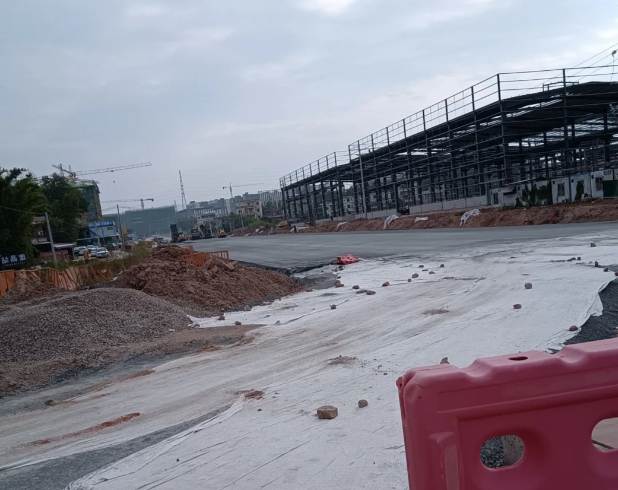
How to Choose the Right Geotextile for Gravel Driveways?
Before making a purchase, the most critical step is ensuring you select the correct material. Many DIY beginners stumble here.
1. Critical Mistake: Geotextile ≠ Landscape Fabric
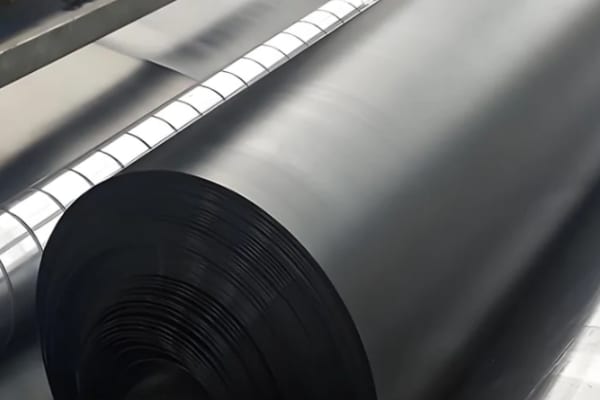
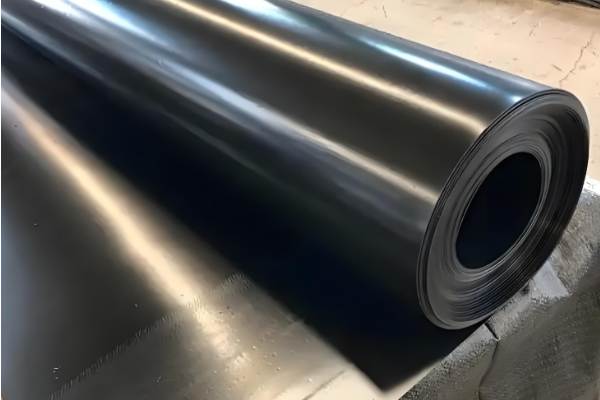
- Landscape Fabric: Typically thin, black plastic woven fabric. Its main function is weed control, but it has poor water permeability and low strength. When laid on driveways, it easily tears under vehicle pressure, causing gravel to mix with soil, poor drainage, and eventually muddy potholes.
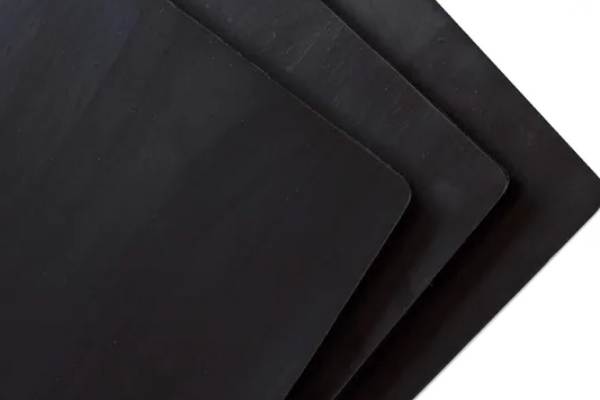
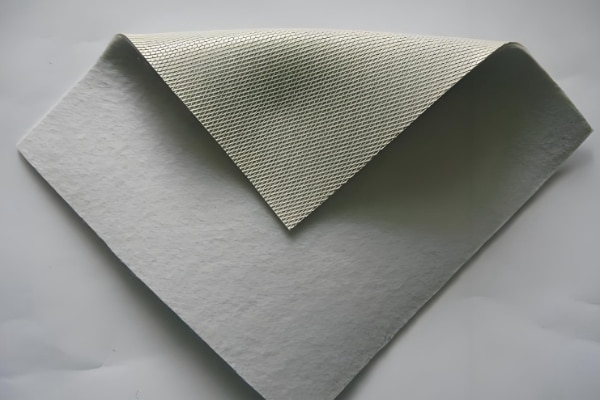
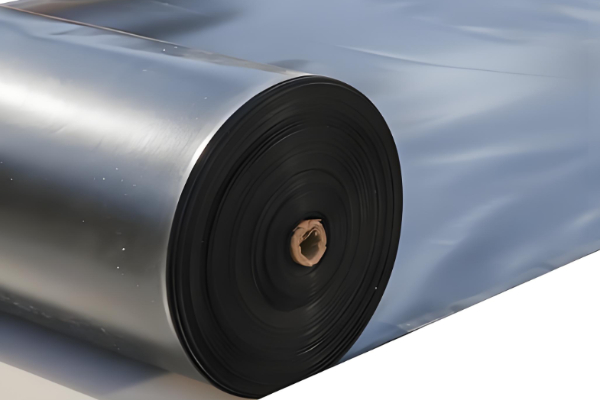
- Geotextile: Specifically designed for engineering applications, usually white or black geosynthetic materials (resembling thick felt). Its core features are high strength and high water permeability. It can withstand vehicle rolling stress while allowing water to pass through quickly, keeping the subgrade dry.
Conclusion: Gravel driveways must use “woven geotextile fabric“—never substitute landscape fabric!
Recommended Reading: Woven Geotextile Fabric for Driveway: Selection and Installation
If you are purchasing Geotextile Fabric for Gravel Driveways, you can contact us!
2. Understand Key Specifications: Become a Semi-Pro
When purchasing, focus on these three core parameters:
- Weight: Measured in g/m² (grams per square meter) or oz/sq yd (ounces per square yard). For residential driveways used by cars and light trucks, heavy-duty woven geotextile fabric is recommended.
- Tensile Strength: Measured in kN/m (kilonewtons per meter). It indicates the material’s resistance to tearing and breaking. A safe baseline for driveways is a tensile strength of over 8kN/m in both longitudinal and transverse directions.
- Water Permeability: Check the “vertical permeability coefficient.” Simply put, ensure it is permeable (not waterproof).
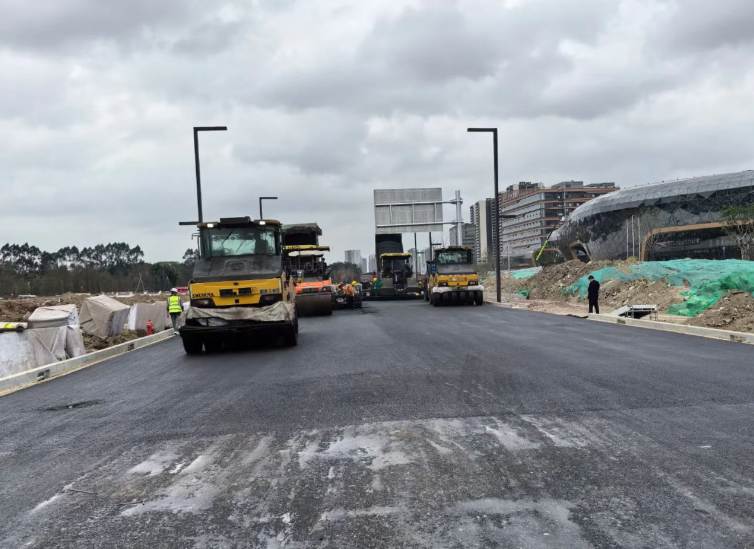
Where to Buy Geotextile Fabric for Gravel Driveways
Below is a detailed comparison of four mainstream purchasing channels—there’s sure to be one that fits your needs.
1. Large Home Improvement Retailers (Top Choice for DIY Users)
- Examples: Home Depot, Lowe’s, and B&Q (China).
- Pros:
- High convenience: Stores are widely available; you can inspect and touch samples in person.
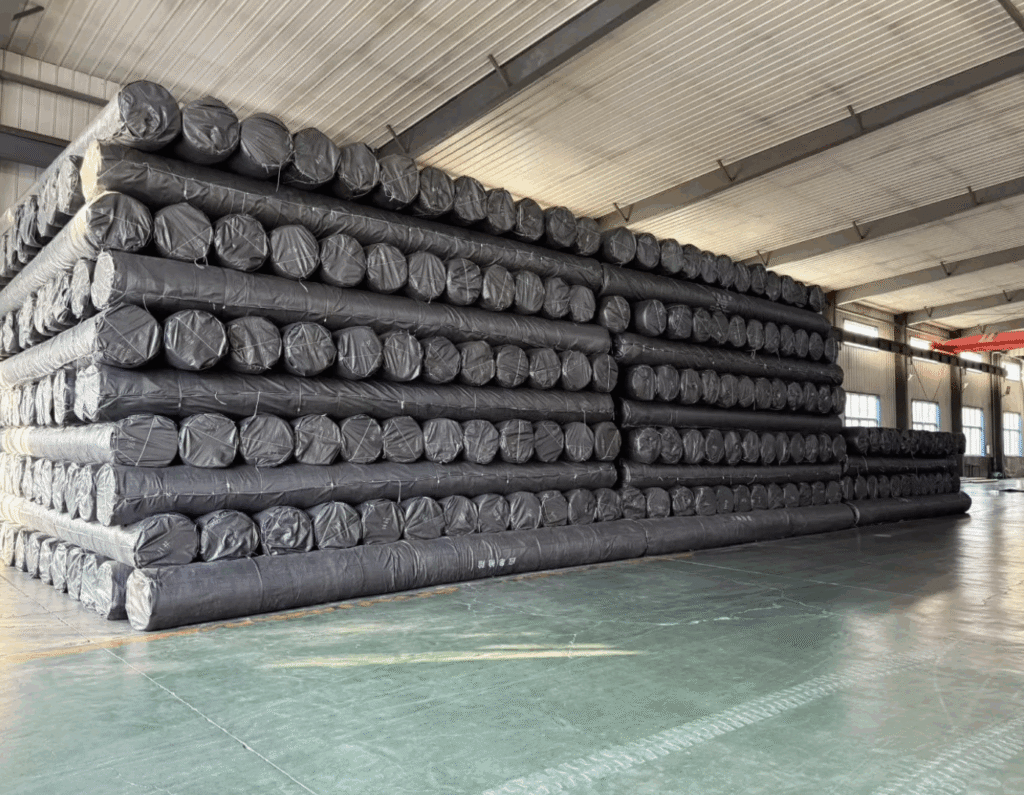
- Easy purchasing: Offers standard-sized rolls (e.g., 1.5m x 50m) and on-site cutting services.
- Hassle-free returns: Generous return policies.
- Transparent pricing: Clearly marked prices with frequent promotions.
- Cons:
- Limited selection of brands and high-end specifications.
- Staff may lack specialized expertise.
- Buying Tips:
- Use the “check in-store inventory” function on official websites or apps to avoid wasted trips.
- Look for the “Landscape Fabric” section in stores and confirm the “Woven” label.
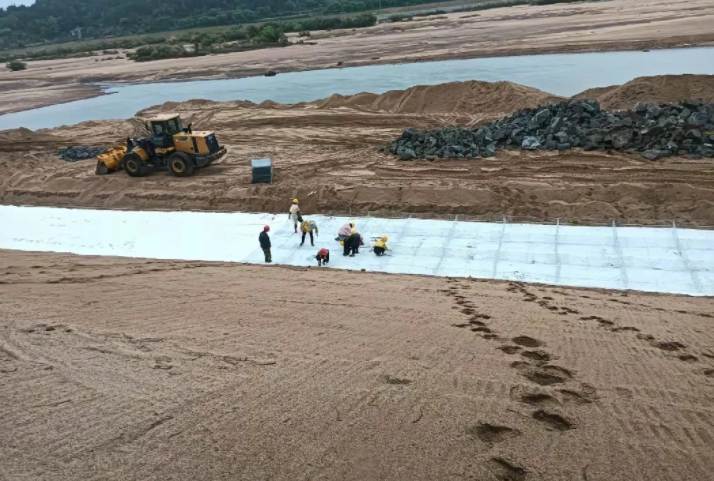
2. Professional Landscape/Building Material Suppliers (Best for Pros or Large Projects)
- Examples: Local gravel yards, building material wholesale companies, and specialized geotextile stores.
- Pros:
- Professional products: Supplies high-performance materials that meet true engineering standards.
- Complete specifications: Extensive options for width, length, and weight.
- Expert advice: Access to technical guidance from experienced professionals.
- Price advantages: Wholesale pricing for bulk purchases.
- Cons:
- May be located in remote areas.
- May have minimum order requirements or be less friendly to individual customers.
- Buying Tips:
- Call ahead to clarify your needs, inquire about brands and specifications, and request product data sheets if possible.
3. Online E-Commerce Platforms (Ideal for Variety and Convenience)
- Examples: Amazon, JD.
- Pros:
- Unlimited selection: Abundant brands and models, including domestic and international options.
- User reviews: Access to numerous real customer feedback and photos.
- Home delivery: Solves transportation challenges for bulk items.
- Cons:
- Uneven quality: Need to carefully screen products to avoid inferior “landscape fabric” passed off as geotextile.
- Potential high shipping costs: Confirm free shipping before purchasing.
- Buying Tips:
- Prioritize brand flagship stores or high-rated specialized shops.
- Pay close attention to photo-included negative reviews—they reveal real product issues.
【Channel Comparison At-A-Glance】
| Channel Type | Price | Convenience | Product Selection | Expertise | Best For |
|---|---|---|---|---|---|
| Big-Box Stores | Medium | ★★★★★ | Medium | ★★☆☆☆ | DIY Beginners, Small/Medium Projects |
| Specialty Suppliers | Competitive | ★★☆☆☆ | Wide | ★★★★★ | Professional Contractors, Large Projects |
| Online Marketplaces | Varies | ★★★★☆ | Very Wide | ★★★☆☆ | Informed DIYers |
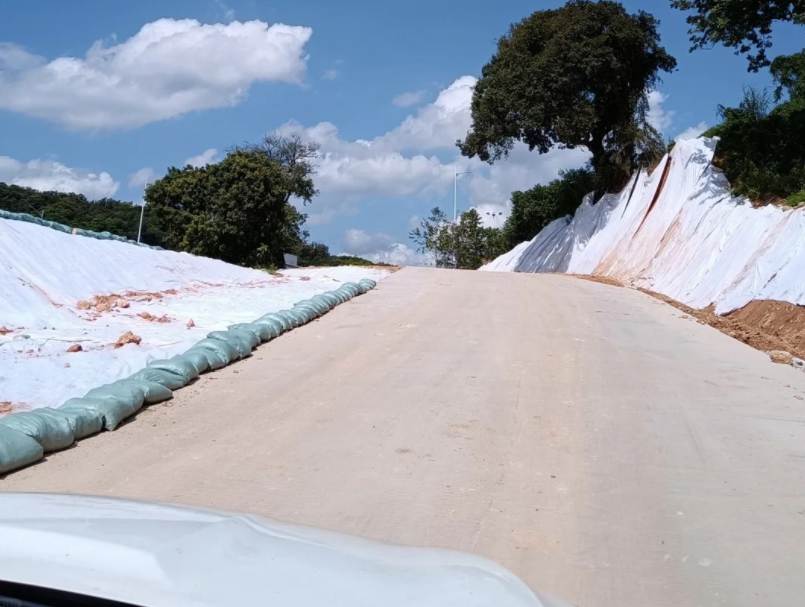
Ultimate Checklist Before Buying Gravel Driveway Geotextile
1. Calculate Usage Accurately
- Formula: Length (m) × Width (m) = Area (㎡).
- Reminder: Account for 10-15cm overlaps between adjacent rolls. Therefore, purchase 5%-10% more area than calculated.
2. Prepare Supporting Tools
In addition to geotextile, you’ll need: geotextile pins/U-nails (for securing), industrial-grade utility knives (for cutting), and a tape measure. These can be purchased in one trip to a home improvement store.
3. Budget Planning
For a typical residential driveway (approximately 50㎡), the total cost of geotextile and accessories usually ranges from several hundred to over a thousand RMB, depending on the brand and specifications chosen.
Recommended Reading: Best Geotextile Fabric for Gravel Driveway
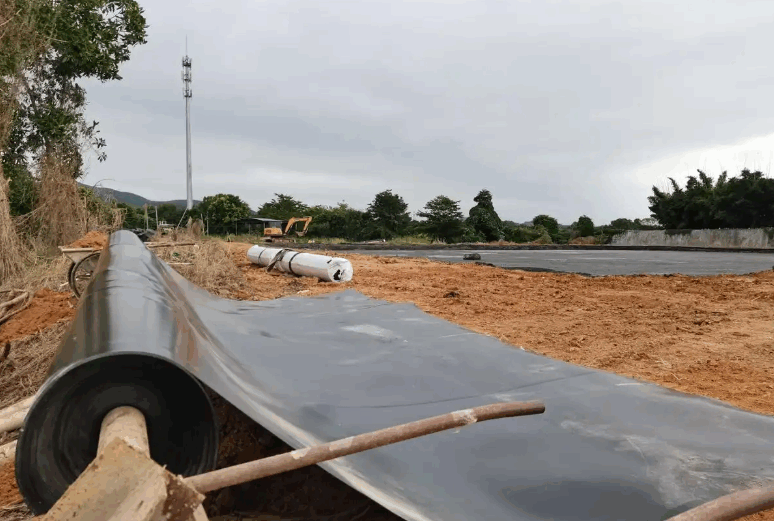
Installation and Maintenance of Gravel Driveway Geotextile
Choosing the right product is only half the battle—proper installation can extend its service life by 50%. Both construction workers and homeowners can follow these steps:
1. 3-Step Installation
- Step 1: Prepare the Ground (Critical!) — First, remove weeds and gravel from the driveway. Compact the ground with a roller (or repeatedly press with heavy objects if no roller is available) to avoid protrusions that could puncture the geotextile.
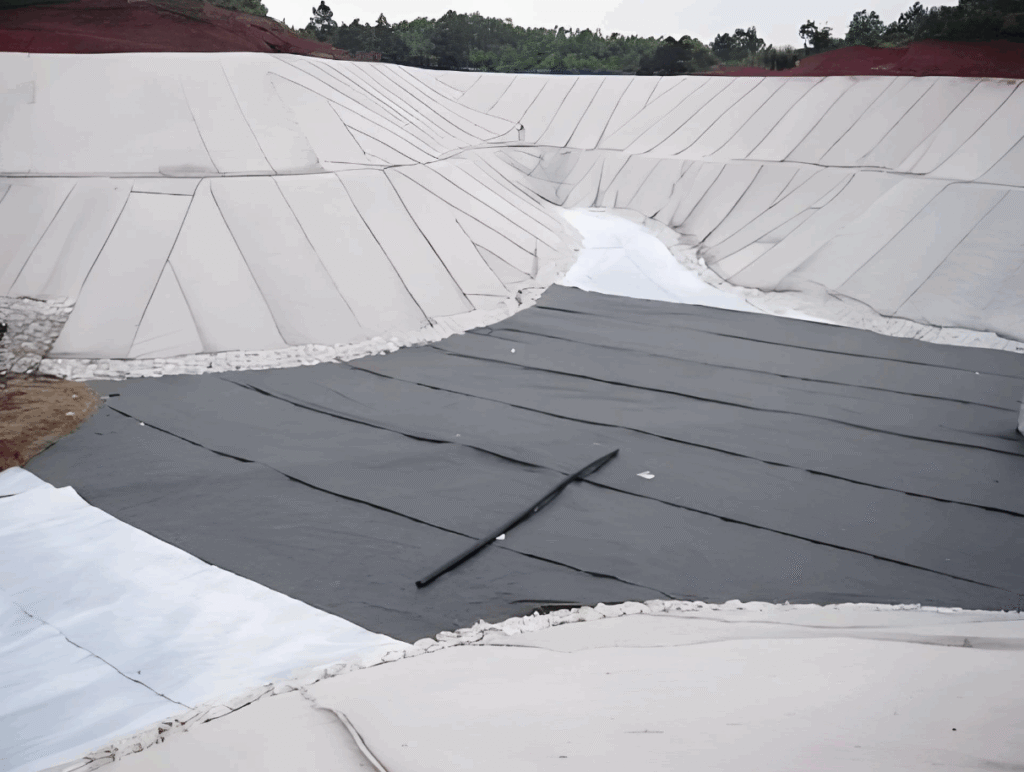
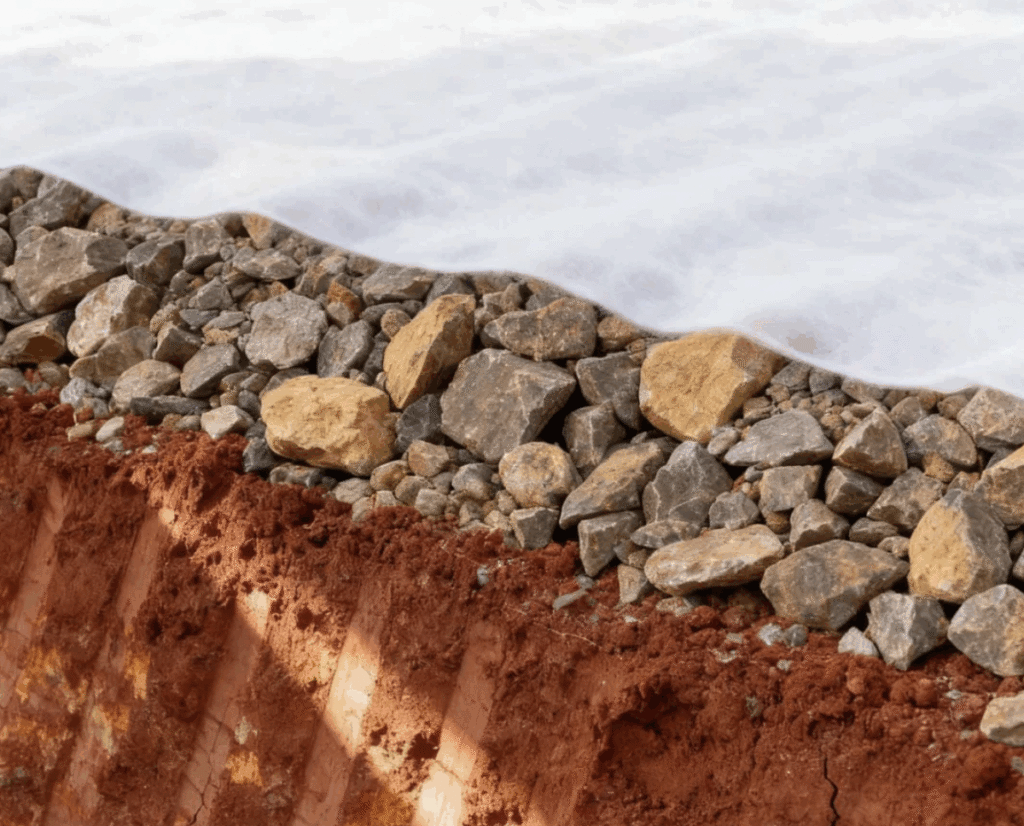
- Step 2: Lay the Geotextile — Unroll from one end of the driveway to the other. Overlap adjacent rolls by 15-20cm (secure overlaps with U-nails spaced 50cm apart). Extend the edges 10cm beyond the driveway to prevent rainwater from seeping in from the sides.
- Step 3: Add Gravel — First, lay a 5-8cm thick layer of “base gravel” (particle size: 2-3cm), compact it evenly, then add a 3-5cm thick layer of “surface gravel” (particle size: 1-2cm). Avoid laying fine gravel directly—fine particles can seep through geotextile gaps, causing an uneven driveway.
2. 2 Maintenance Tips
- Regular Inspections: Check driveway edges every spring (after the rainy season). If geotextile is exposed, cover it with gravel promptly to prevent UV degradation.
- Weed Control: For small amounts of weeds, pull them manually (herbicides may corrode the geotextile). For heavy weed growth, add another 5cm layer of gravel on top of the geotextile to suppress growth.
Recommended Reading: Best Weed Barrier Fabric:for Vegetable Garden/Gravel/Rock
Remember: Don’t save a few dozen dollars on inferior products—otherwise, you’ll need to renovate the driveway in 1-2 years, costing more in the long run.
If you’re still unsure which geotextile specification is right for your gravel driveway, feel free to contact us for personalized recommendations!
Reference Sources
- ASTM International Standards
- Referenced Content: Parameters mentioned in the article, such as weight, tensile strength, and permeability, are tested according to ASTM standards. Examples include:
- ASTM D5261: Standard Test Method for Measuring the Mass per Unit Area of Geotextiles.
- ASTM D4491: Standard Test Methods for Water Permeability of Geotextiles by Permittivity.
- Use Case: Provides an authoritative, globally recognized benchmark for the technical parameters discussed.
- Source Link:
www.astm.org(Search for specific standard numbers on the site).
- Referenced Content: Parameters mentioned in the article, such as weight, tensile strength, and permeability, are tested according to ASTM standards. Examples include:
- FHWA (Federal Highway Administration) Geosynthetic Design & Construction Guidelines
- Referenced Content: The engineering principles behind using geotextiles for separation, reinforcement, and drainage in road bases. FHWA manuals detail the functions and design methodologies for geosynthetics.
- Use Case: Supports the article’s core argument that geotextile acts as the “skeleton,” providing an endorsement from a top transportation authority.
- Source Link:
www.fhwa.dot.gov/pavement/geosynthetics/