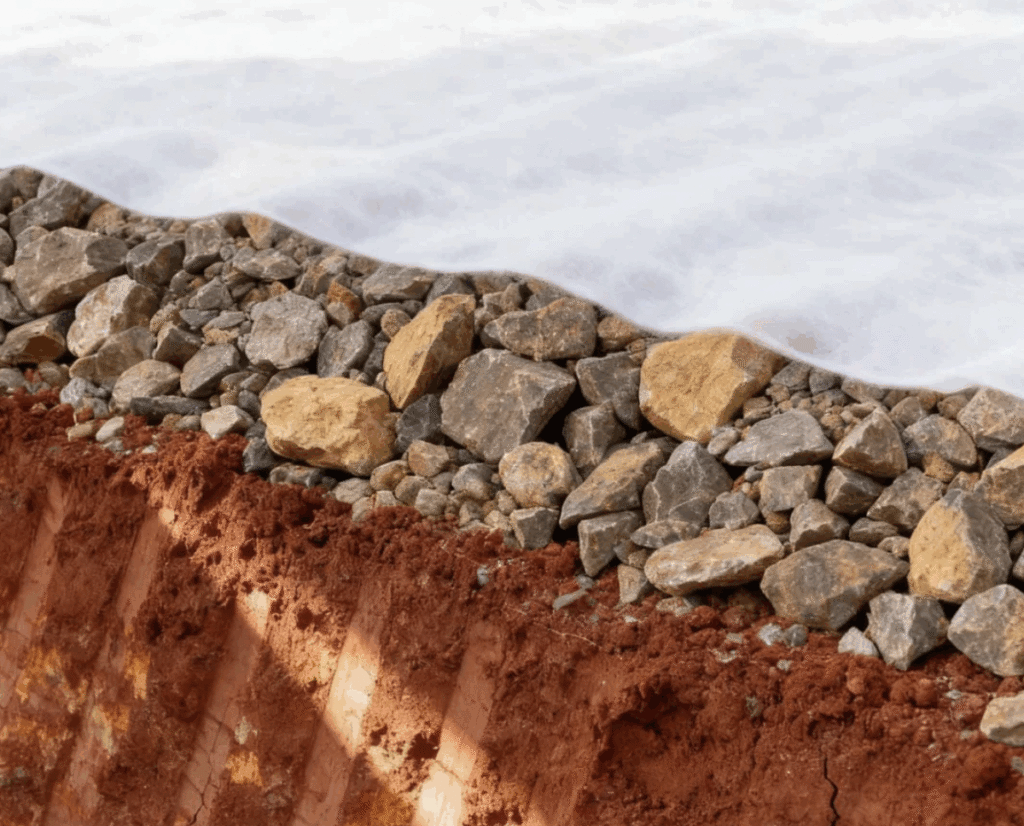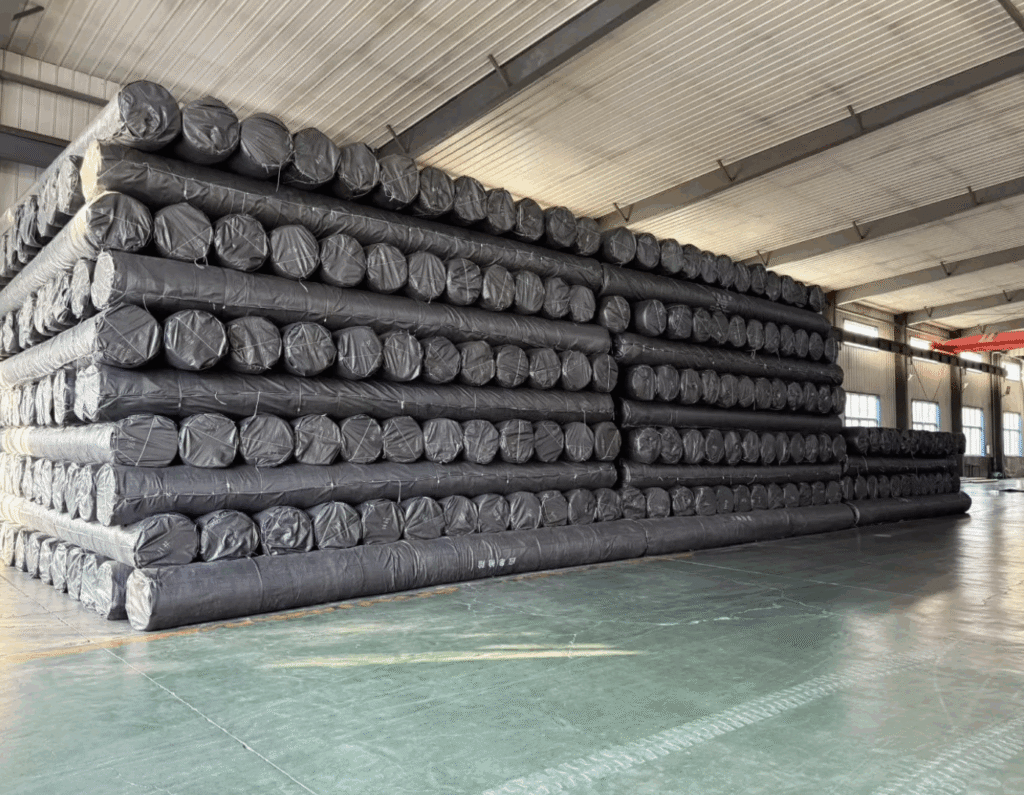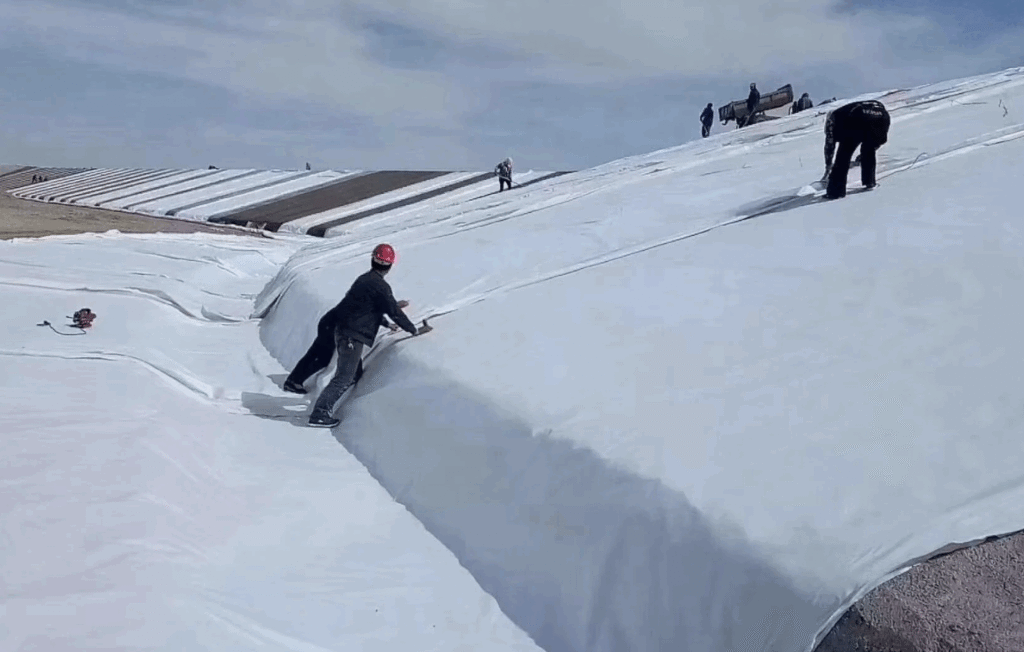
In civil engineering,landscaping,and construction,geotextiles have become an indispensable material.However,the choice between the two primary types—woven and non-woven geotextiles—often causes confusion for engineers,contractors,and DIY enthusiasts alike.Making the wrong selection can render the fabric useless and may even lead to project failure and increased costs.This guide provides a detailed comparison of woven vs non-woven geotextiles,helping you understand their differences and make an informed decision for your specific project.
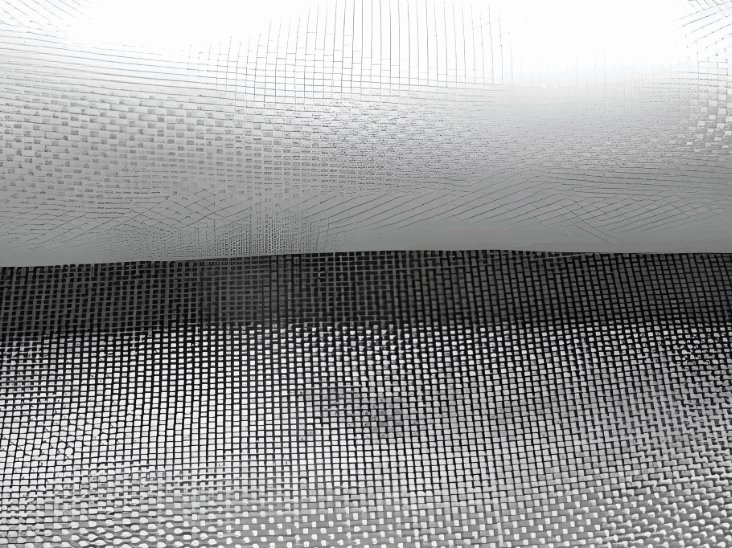
What is a Geotextile?
A geotextile is a permeable synthetic fabric(primarily made from polypropylene or polyester)widely used in soil and rock engineering.It serves four key functions:
Separation: Prevents the mixing of different soil layers or aggregates(e.g.,keeping gravel from sinking into soft subsoil).
Reinforcement: Enhances soil stability through its tensile strength.
Filtration: Allows water to pass through while retaining soil particles.
Drainage: Collects and channels water flow along its plane.
Understanding these four functions is fundamental to distinguishing the uses of woven and non-woven geotextile fabrics.
If you are purchasing Geotextile Fabric, you can contact us!
Woven Geotextiles:A Deep Dive
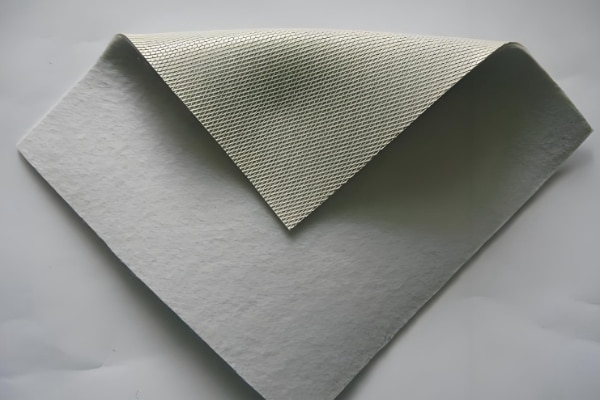
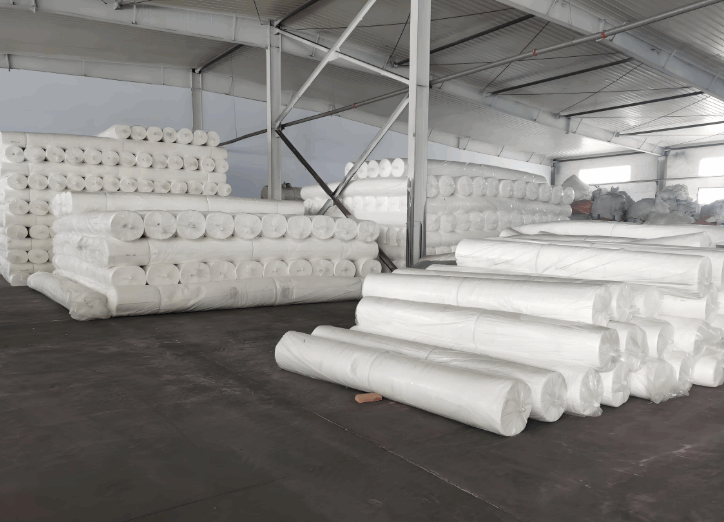
Manufacturing Process:Similar to traditional textiles,they are produced by interlacing flat tape filaments or monofilaments at right angles on a loom.The surface shows a distinct checkerboard-like pattern.
Key Characteristics:
High Tensile Strength,Low Elongation: This is their most notable feature.They possess extremely high load-bearing capacity and low deformation(typically<15%),behaving more like a structural material.
Low Permeability: Water struggles to pass through them vertically but can flow along their plane.
Excellent Structural Stability: Provides outstanding reinforcement and stabilization for soft subgrades.
Primary Applications: Road and parking lot base stabilization,underlying railroad ballast,reinforcement for embankments and retaining walls,load distribution platforms.
Non-Woven Geotextiles:A Deep Dive
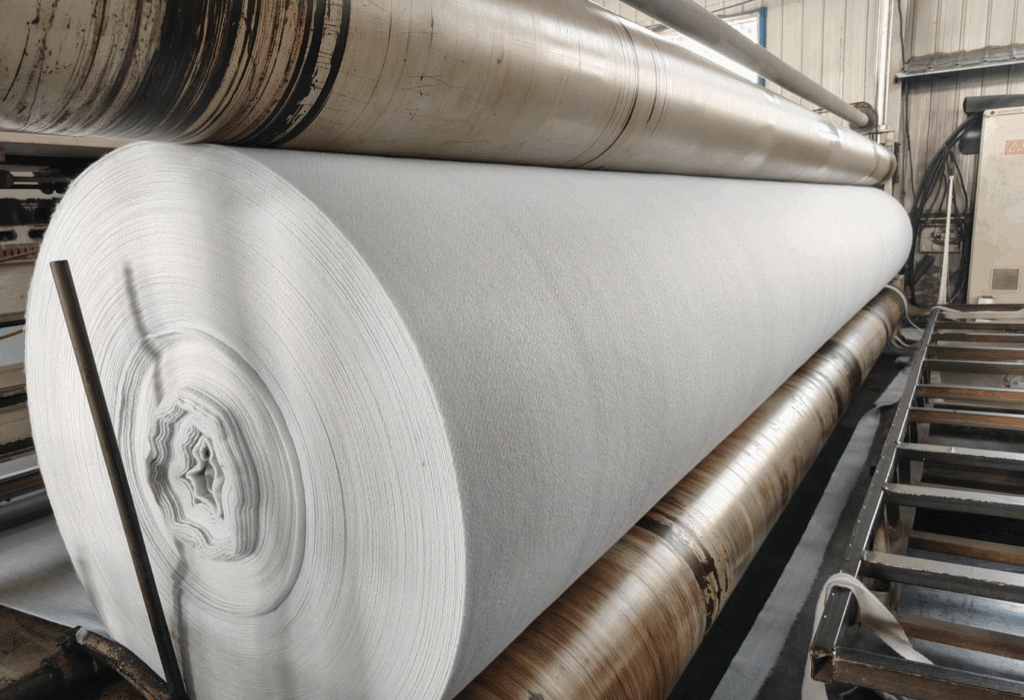
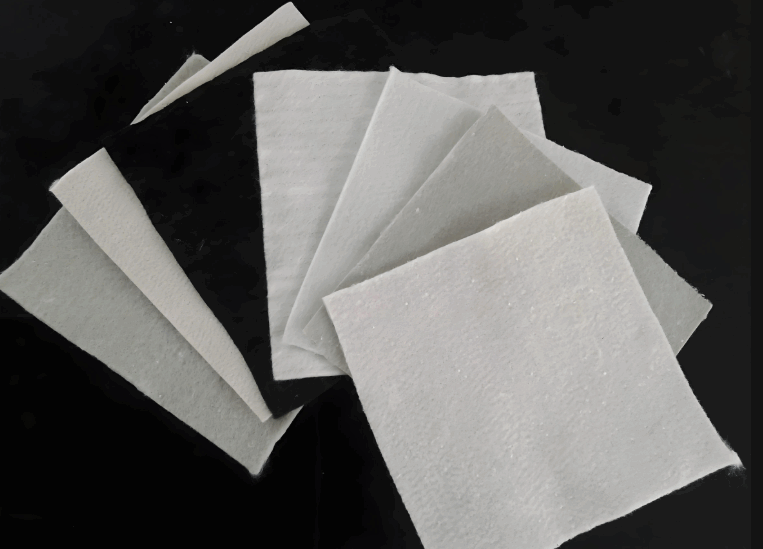
Manufacturing Process:Synthetic fibers(short staple or continuous filament)are randomly arranged and then bonded together through needle-punching or heat-calendaring processes.The appearance is similar to felt.
Key Characteristics:
High Permeability: Water can easily pass through them in all directions(especially vertically),providing excellent drainage and filtration properties.
High Elongation: They are more conformable(elongation can be 30%-80%)and can better adapt to uneven ground settlement.
Superior Separation and Filtration: Effectively retain soil particles while resisting clogging.
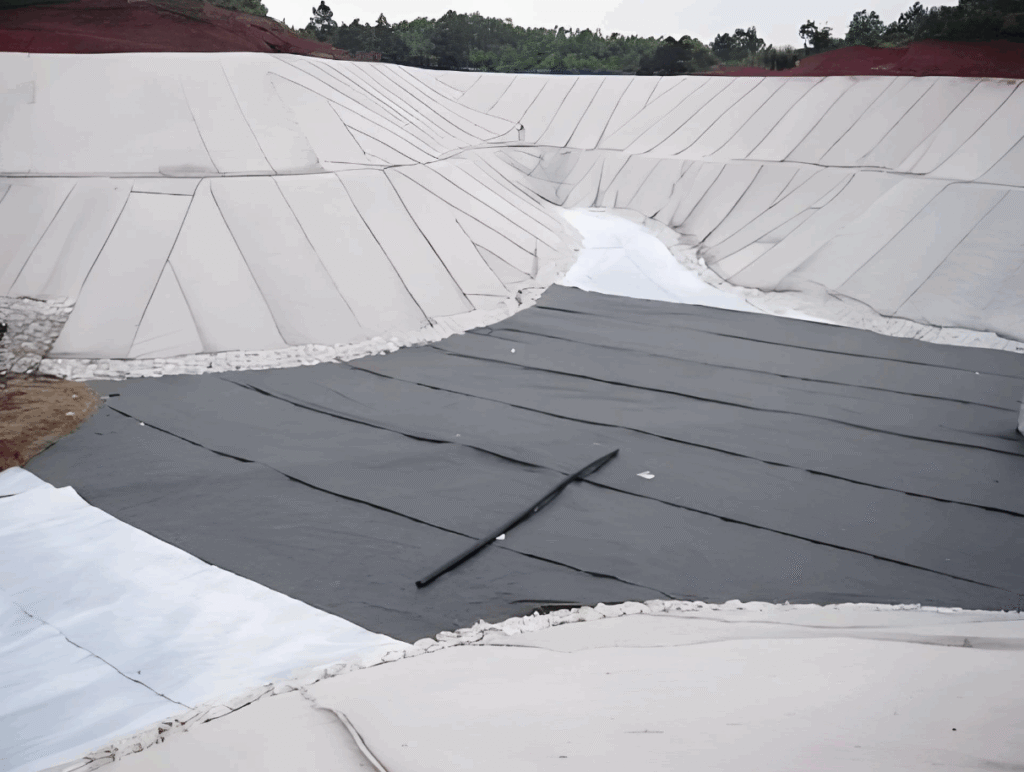
Primary Applications: Drainage systems(e.g.,French drains,behind retaining walls),asphalt pavement overlay(for absorption of tack coat and waterproofing),protection layer under pond liners,separation and filtration in landscaping projects.
Core Differences:Woven Geotextile vs Non-Woven Geotextile
| Property | Woven Geotextile | Non-Woven Geotextile | Key Takeaway / Winner |
| Tensile Strength | Very High | Medium to High | Woven (For Reinforcement) |
| Elongation | Low (<15%) | High (30%-80%) | Non-Woven (More Conformable) |
| Permeability | Low (Planar Flow) | High (Vertical Flow) | Non-Woven (For Drainage) |
| Filtration | Fair | Excellent | Non-Woven |
| Clogging Resistance | Poor | Good | Non-Woven |
| Primary Function | Reinforcement, Stabilization | Separation, Filtration, Drainage | Designed for Different Purposes |
| Typical Applications | Road base, Parking lots, Embankments | Drainage, Asphalt overlay, Ponds | Defined by Project Need |
| Relative Cost | Usually Higher | Usually Lower | Non-Woven (Cost-Efficient) |
How to Choose?Woven Geotextiles or Non-Woven Geotextiles?
The choice isn’t about which is”better,”but which is”more suitable”for your specific project needs.Follow this decision flow:
Choose a WOVEN Geotextile if your primary goal is:
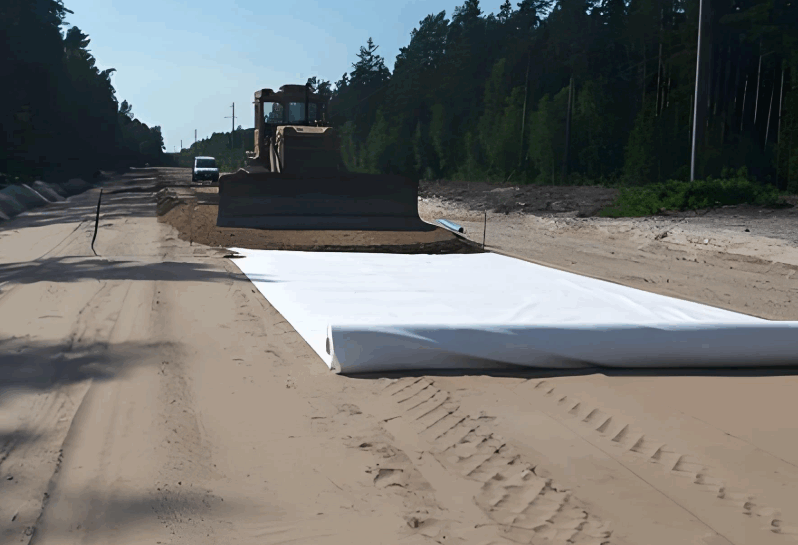
Reinforcement&Stabilization: You need to build a road,parking area,or platform on soft ground and require high tensile strength to distribute loads and prevent rutting.
Example: Constructing a new gravel driveway,reinforcing a steep slope.
Choose a NON-WOVEN Geotextile if your primary goal is:
Drainage&Filtration: You need to remove water while retaining soil,e.g.,behind a retaining wall,around a French drain,or at the edge of a pond.
Separation&Protection: You need to separate different material layers(e.g.,soil from gravel)while allowing water passage,or to protect a waterproof geomembrane from punctures.
Example: Creating a drainage layer for a garden planter,base separation for a patio,protection under a pond liner.
Simple Rule of Thumb: Need strength?Choose Woven.Need drainage?Choose Non-Woven.
Frequently Asked Questions(FAQ)
Conclusion
In summary,woven and non-woven geotextiles are designed to solve fundamentally different engineering problems.Woven fabrics are the”strong”option,excelling in reinforcement and stabilization.Non-woven fabrics are the”versatile”option,mastering drainage,filtration,and separation.
Before making a final decision,always identify the core requirement of your project.Using the comparison table and decision guide in this article,you can confidently select the right type of geotextile for your needs,ensuring the long-term stability and success of your project.When in doubt,consulting a professional materials supplier or engineer is always the safest bet.
If you are looking for a reliable Geotextile Fabric supplier,please feel free to contact us.
About Us:Lianjie
Lianjie is a one-stop supplier of geosynthetics with 15 years of professional experience and multiple national certifications.We provide the most professional Geotextile Fabric solutions!