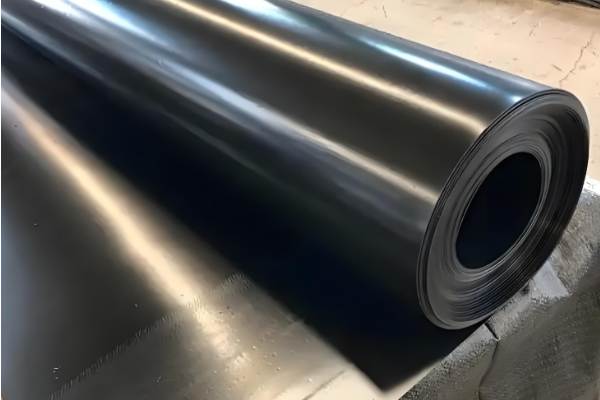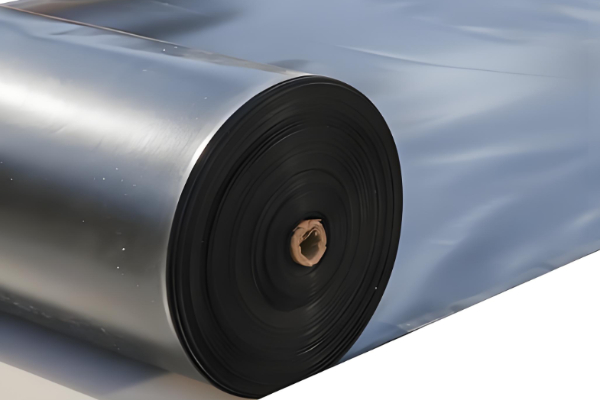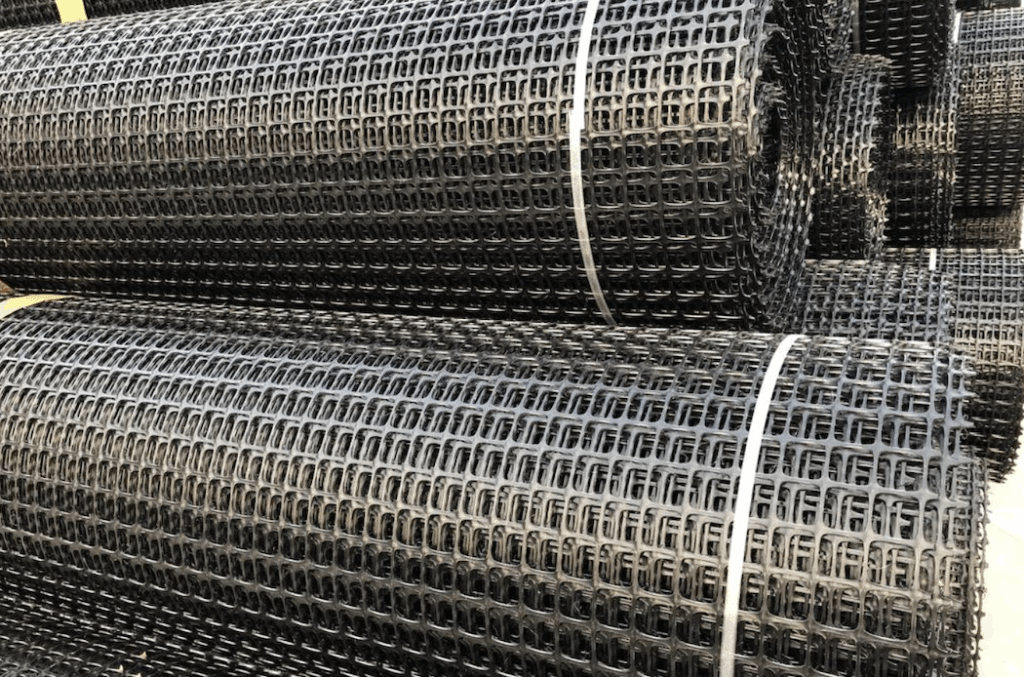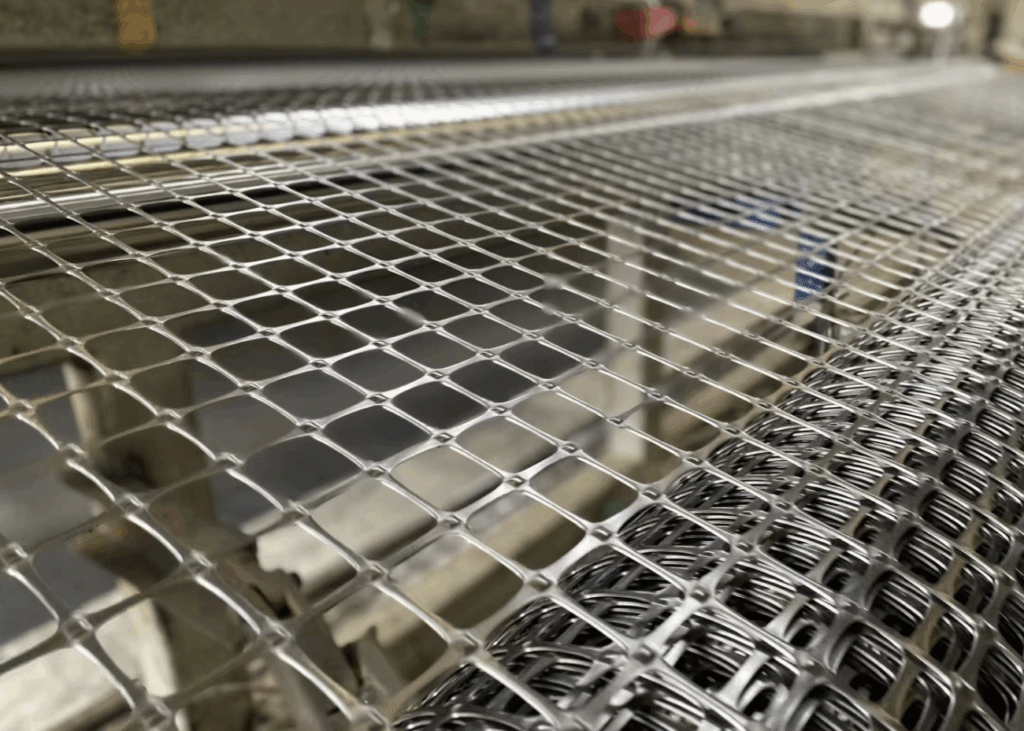
Weeds not only compete for nutrients and sunlight with flowers and vegetables but also consume our time and energy relentlessly. If you’re looking for a one-and-done solution, a weed barrier is undoubtedly your go-to tool. But how do you choose the best weed fabric? This guide will walk you through material science and brand-tested performance to help you find the perfect fit.
The Best Weed Fabric Reviews
All-Rounder Pick: ECOgardener Pro Garden Weed Barrier
- Key Specifications: 5 oz/sq yd thickness, 3 ft × 50 ft size, woven polypropylene material, no UV treatment
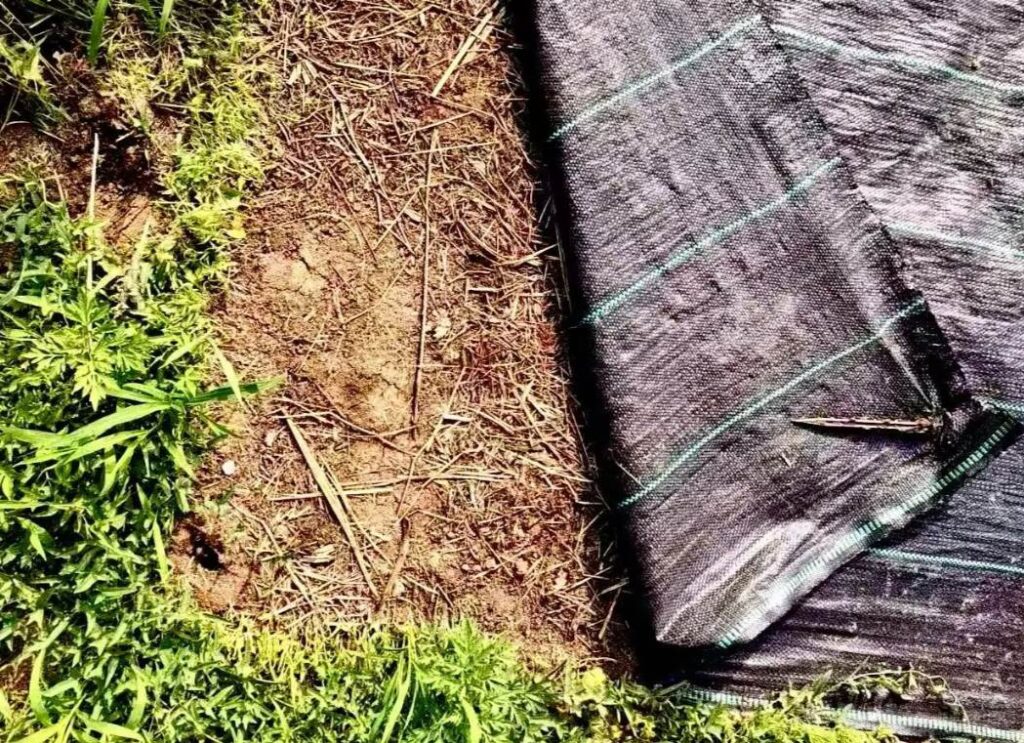
- Real-World Performance: In The Spruce magazine’s annual test, this weed barrier achieved a 98% weed suppression rate while maintaining 85% water permeability. Its unique green guide stripes (spaced 12 inches apart) make plant positioning extremely easy, making it ideal for vegetable gardens.
- User Review: “Six months after installation, there are almost no weeds in my rose garden, and I don’t have to worry about waterlogging at all when watering. The only minor downside is that the edges fray easily—suggest using a lighter to quickly seal the cuts to prevent fraying.” — Verified Purchase review on Amazon
- Suitable Scenarios: Home gardens, raised bed planting, flower nurseries
- Price: $32.99/roll (approximately $0.22/sq ft)
Long-Lasting Champion: Dewitt Non-Woven 12-Year Landscape Fabric
- Key Specifications: 3.2 oz/sq yd thickness, 4 ft × 100 ft size, non-woven polypropylene, 12-year UV warranty
- Real-World Performance: Professional landscaper Noah James’ tests show that this weed barrier still maintains a 70% light-blocking rate in its 8th year—far exceeding the industry average lifespan of 5 years. Its hydrophilic coating technology allows water to penetrate 30% faster than ordinary products, making it perfect for rainy areas.
- Professional Review: “I only trust Dewitt for commercial landscaping projects. The municipal park project we installed last year has withstood winter snowmelt and summer heat, and it’s still in perfect condition.” — Director of Liberty Lawn Maintenance
- Suitable Scenarios: Municipal green spaces, commercial properties, slope protection
- Price: $54.99/roll (approximately $0.14/sq ft)
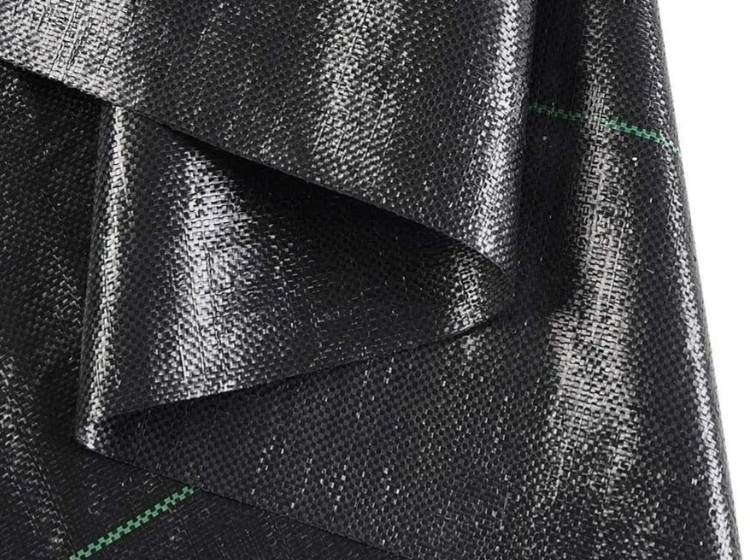
Heavy-Duty Choice: Mutual Industries Woven Geotextile Fabric
- Key Specifications: 5.8 oz/sq yd thickness, 6 ft × 300 ft size, woven polyethylene, 90% UV protection
- Real-World Performance: This industrial-grade weed barrier has an impressive tensile strength of 200 lbs/inch. In tests by GearTrench magazine, it remained intact even after being run over by a small truck. Its 0.1mm pore structure effectively blocks weeds while allowing beneficial organisms like earthworms to pass through.
- Unique Advantage: The only weed barrier product with LEED certification, suitable for projects pursuing green building certification
- Suitable Scenarios: Parking lot paving, heavy equipment access roads, golf courses
- Price: $90.00/roll (approximately $0.05/sq ft)
Wondering which weed barrier is best? Below is a comparison of core specifications for mainstream products to help you choose based on your actual needs:
Weed Barrier Product Specification Comparison Table
| Brand | Price | Rating | Material | Breathability | Durability |
|---|---|---|---|---|---|
| ECOgardener | $0.22/sq.ft | 4.7/5 | Polypropylene Woven | 85% | 5 years |
| Dewitt | $0.14/sq.ft | 4.8/5 | Polypropylene Non-Woven | 90% | 12 years |
| Mutual Industries | $0.05/sq.ft | 4.6/5 | Polyethylene Woven | 75% | 15 years |
Recommendation: If your garden requires frequent foot traffic, choose woven fabric; for static flower beds, non-woven fabric offers better value for money.
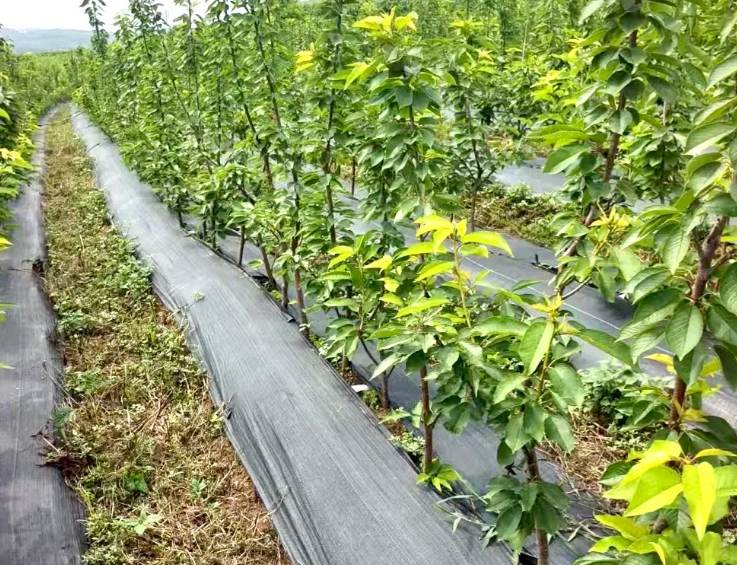
Weed Barrier Buying Guide
Understand these, and no one can trick you.
1. Core Material: Woven vs. Non-Woven
This is the most critical choice, as it directly determines performance and plant health.
Woven PE Fabric
- Features: Made of woven polyethylene flat filaments, with a texture similar to rice bags.
- Pros: Extremely durable and resistant to physical tearing; heavy-duty versions can even be used for driveways and parking lots.
- Cons: Poor water and air permeability! Water mainly seeps through the gaps in the weave, which can easily lead to poor soil aeration and potentially harm plant root health over time.
- Suitable Scenarios: Hardscaping areas for pure weed suppression, such as under gravel paths, driveways, or long-term decorative stone areas. Generally not recommended for gardens or vegetable plots.
Non-Woven PP Fabric
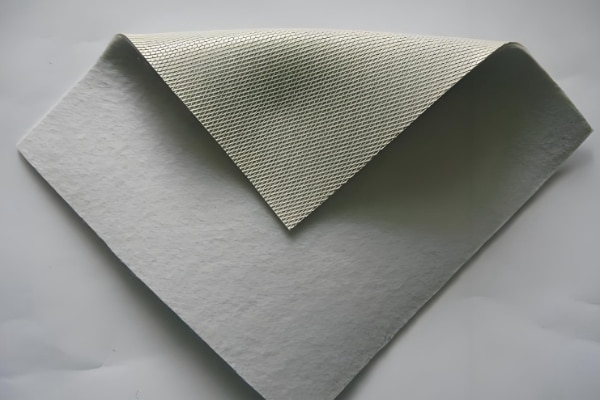
- Features: Made of polypropylene fibers bonded by needle punching and heat, with a texture like canvas or carpet.
- Pros: Excellent water and air permeability! Water can pass through the fabric evenly while maintaining soil respiration, creating a healthier environment for plant roots.
- Cons: Less durable and less tear-resistant than woven fabric of the same weight.
- Suitable Scenarios: The absolute mainstay for home gardening! Gardens, vegetable plots, flower beds, and orchard ground. For most users, non-woven fabric should be the top choice.
2. Weight & Thickness: Gram Weight Is the “Hard Indicator” of Durability
Gram weight (gsm or g/㎡) is a key parameter for measuring weed barrier quality, more accurate than a simple “thickness” description.
- Below 3 oz (about 100 gsm): Lightweight, thin, and easy to tear. Suitable for short-term (1–3 years) weed suppression; handle with care during installation.
- 3.2 – 4 oz (about 100–135 gsm): The golden choice for home gardening. Offers good durability and reasonable pricing, with a normal service life of about 5 years.
- Above 5 oz (about 170 gsm): Commercial or heavy-duty grade, with excellent tensile strength and puncture resistance; service life can exceed 10 years.
Conclusion: Within your budget, choose non-woven fabric with the highest possible gram weight.
3. UV Resistance: Determines How Long It Lasts
Solar UV rays are the number one cause of weed barrier aging. The “UV stable for 5/10/20 years” label on product packaging means the fabric retains a certain level of strength (e.g., 50%) after that period—not that it will completely crumble. For home use, choose products with UV resistance of 5 years or more.
Eco-Friendly Weed Barrier Recommendations: Sustainable Options
A 2025 study in the journal Environmental Science & Technology noted that traditional polypropylene weed barriers take 200–400 years to fully degrade in the natural environment and release microplastic particles. Worse, when these materials end up in landfills, they produce greenhouse gases like methane. Below are feasible eco-friendly alternatives:
1. Biodegradable Fiber Mats
- Representative Product: Agfabric Jute Weed Barrier
- Principle: Woven from jute or hemp fibers, naturally degrades in 8–12 months.
- Pros: Fully compostable; turns into soil organic matter after degradation.
- Cons: Short lifespan, not suitable for perennial plants; twice the price of traditional products.
2. Newspaper + Cardboard Combination (Newspaper-Cardboard Mulch)
- DIY Method: Layer 6–8 sheets of newspaper, then cover with 5 inches of straw.
- Cost: Almost free (recycled materials).
- Effect: Research from Washington State University shows this combination achieves a 90% weed suppression rate while improving soil structure.
- Note: Avoid using color-printed newspapers, as they contain heavy metal-based inks.
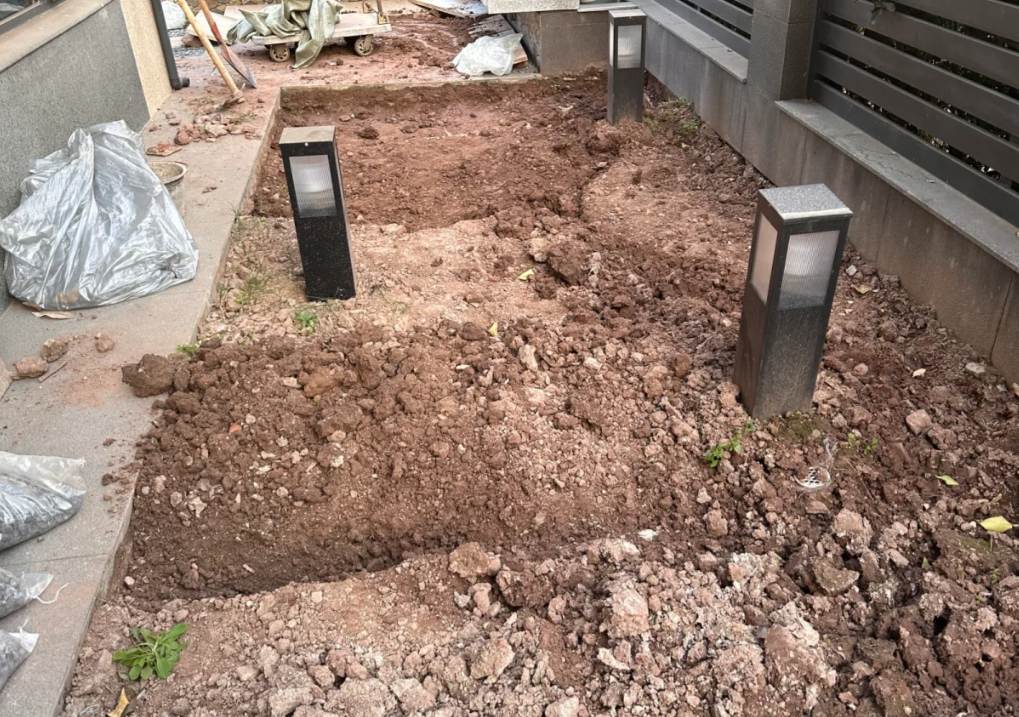
3. Living Mulch
- Recommended Plants: White clover, creeping thyme, buckwheat.
- Working Principle: Suppresses weeds through plant competition while fixing nitrogen to improve soil quality.
- Suitable Scenarios: Orchards, perennial flower beds, pathway gaps.
Balanced Choice: Mixed Strategy
Environmental scientists recommend a “traditional weed barrier for core areas + organic mulch for edge areas” mixed approach: Use high-quality weed barriers (ensuring a lifespan of at least 10 years) in areas requiring long-term weed control, and adopt biodegradable solutions in visual focal points and ecologically sensitive areas. This combination controls maintenance costs while reducing environmental impact.
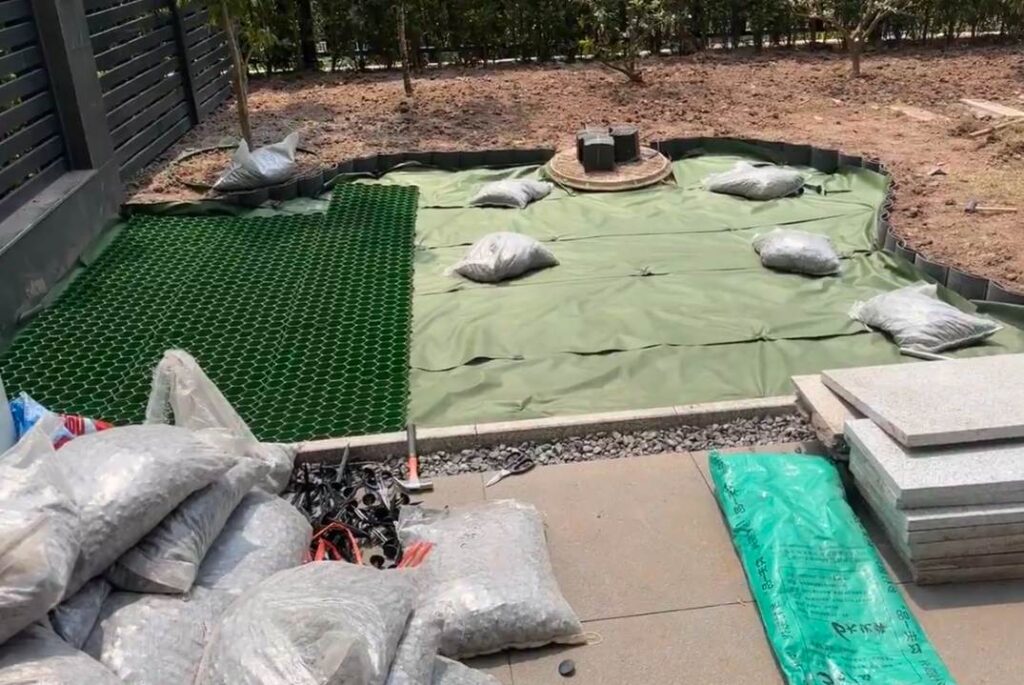
Weed Barrier Installation Tutorial
Incorrect installation can render even the best weed barrier ineffective. Follow these steps:
- Ground Preparation: Thoroughly remove all existing weeds, rocks, and roots. You can use herbicides or pull them out manually. Then roughly level the soil.
- Laying & Securing: Spread the weed barrier flat on the prepared ground. Overlap adjacent pieces by 15–20 cm to ensure seamless coverage. Use high-quality U-shaped landscape staples to secure the fabric every 1–1.5 meters, especially at edges and overlaps.
- Critical Step: Cover with Topsoil!This is the most easily overlooked but crucial step! Never leave the weed barrier directly exposed to sunlight—UV rays will cause it to age rapidly.Cover the fabric with at least 5–8 cm (2–3 inches) of organic mulch, such as wood chips, bark, pine needles, or gravel. This not only protects the weed barrier but also enhances the landscape and further suppresses weeds.
- Planting: At the desired planting spots, cut an “X” or “I”-shaped slit, plant the vegetation into the soil, then close the slit in the fabric as much as possible.
Common Questions & Misconceptions
Q1: Will weeds stop growing entirely after laying a weed barrier?
A1: No. Weed barriers suppress over 90% of weeds. However, weed seeds carried by wind or birds may take root in the surface mulch—these shallow-rooted weeds are easy to pull out. Additionally, a small number of persistent weeds may grow through planting holes or gaps.
Q2: Will weed barriers affect soil health and cause compaction?
A2: High-quality non-woven fabrics have minimal negative impact on soil due to their good water and air permeability. They mainly suppress weeds, while water, air, and nutrients can still reach plant roots. In the long run, supplementing with organic fertilizer or compost through planting holes can maintain soil vitality.
Q3: What’s the difference between weed barriers and black plastic sheeting?
A3: The difference is huge! Plastic sheeting is completely impermeable to water and air—it fully blocks rainwater and air, suffocating the soil and killing microorganisms, ultimately destroying the ecosystem. It is only suitable for short-term seedling raising or soil solarization, and never for long-term weed control. Always choose professional horticultural weed barriers.
Conclusion
When choosing a weed barrier, ask yourself three questions:
- Usage Period: Is it for short-term coverage or a long-term landscaping project? (Choose biodegradable vs. durable accordingly.)
- Traffic Intensity: Does it need to withstand frequent foot traffic or vehicle rolling? (Determines weave density.)
- Ecological Value: How do you prioritize environmental friendliness vs. performance in your gardening goals? (Traditional vs. alternative options.)
Remember, the best weed barrier balances your actual needs, budget, and environmental values. Regardless of the product you choose, proper installation and regular maintenance are more important than brand selection. We hope this guide helps you create an outdoor space that is both beautiful and eco-friendly!
Reference Sources
- The Spruce Magazine: Real-World Test of ECOgardener Weed Barrier (98% weed suppression rate, 85% water permeability rate)
- GearTrench Magazine: Tensile Strength Test of Mutual Industries Weed Barrier (200 lbs per inch)
- EverGreen Seeds: Study on the Relationship Between Weed Barrier Thickness and Breathability