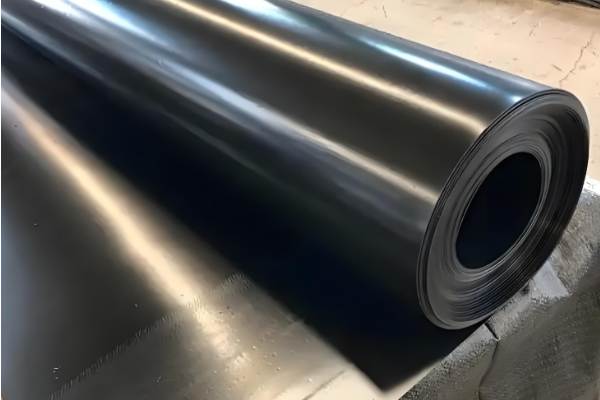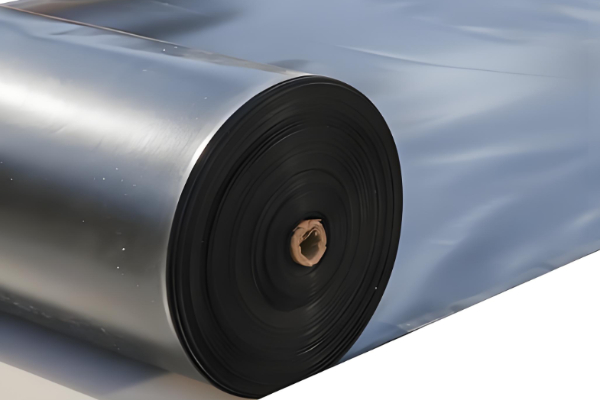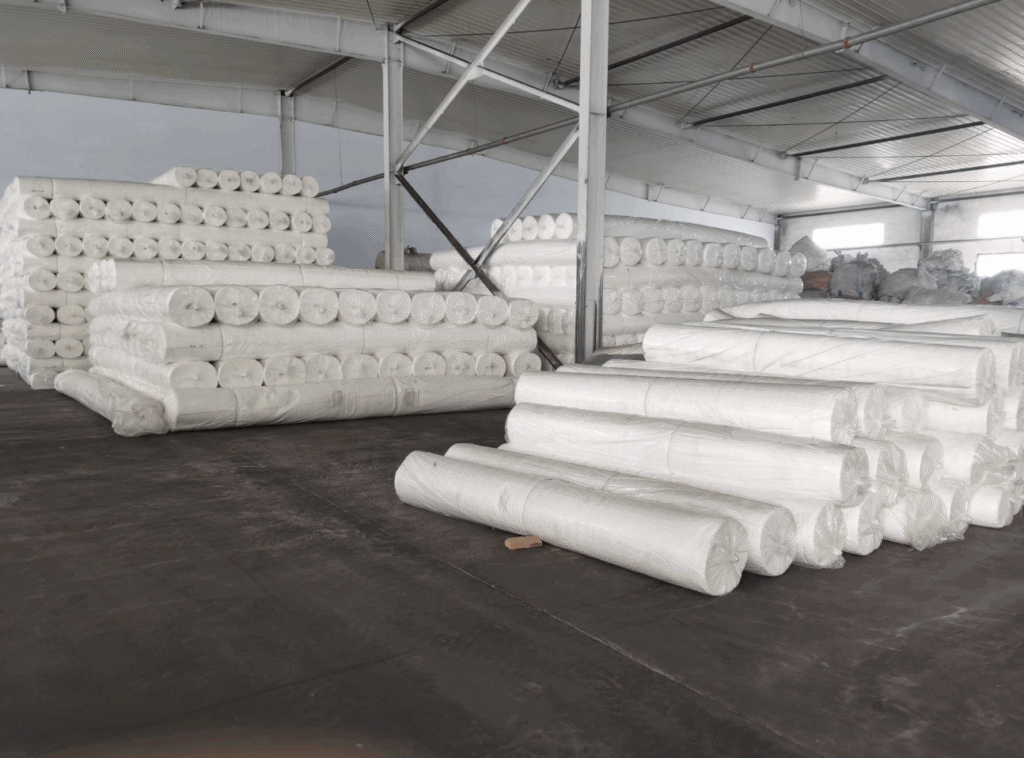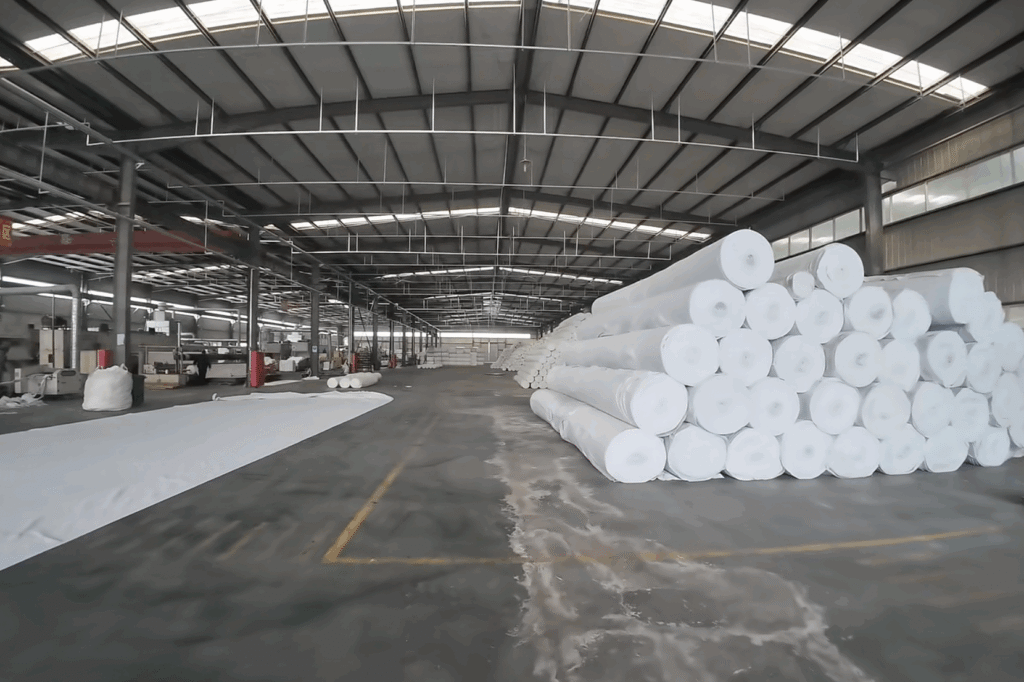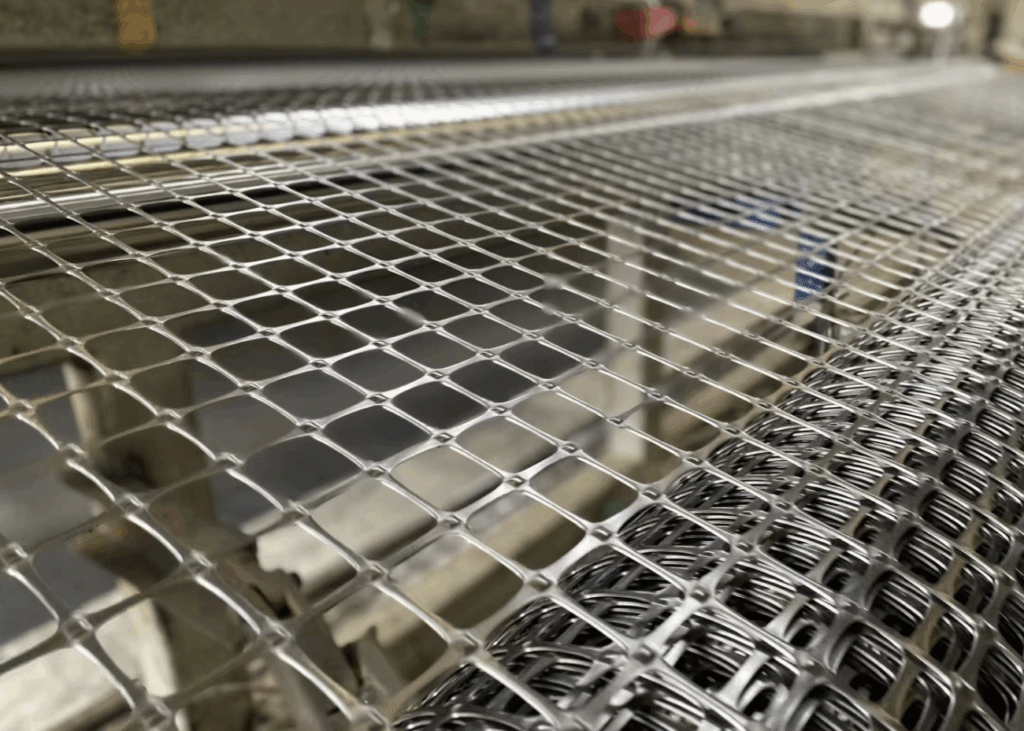
Non-woven filter cloth is a new type of filter material made from oriented or randomly arranged fibers through processes such as thermal bonding and chemical bonding, without weaving. This article provides you with the core parameters, application fields, selection skills, procurement points, installation methods and price analysis of non-woven filter cloth, answering high-frequency industry questions comprehensively and offering a practical, actionable guide.
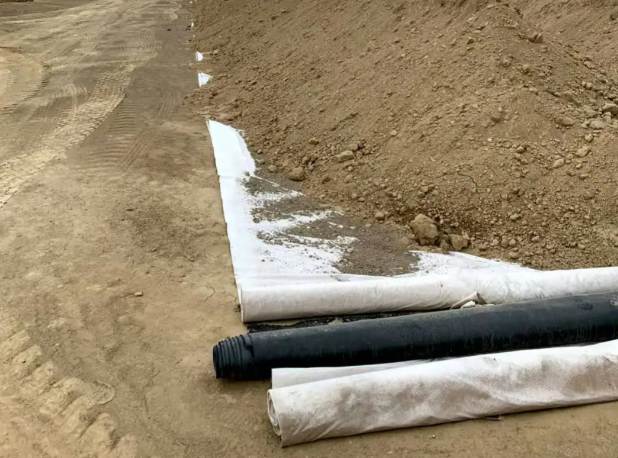
1. What is Non-Woven Filter Cloth?
As a commonly used material in the filtration industry, non-woven filter cloth differs significantly from traditional woven filter cloth in manufacturing process and performance characteristics. Understanding its basic definition and core properties is a prerequisite for subsequent selection and procurement.
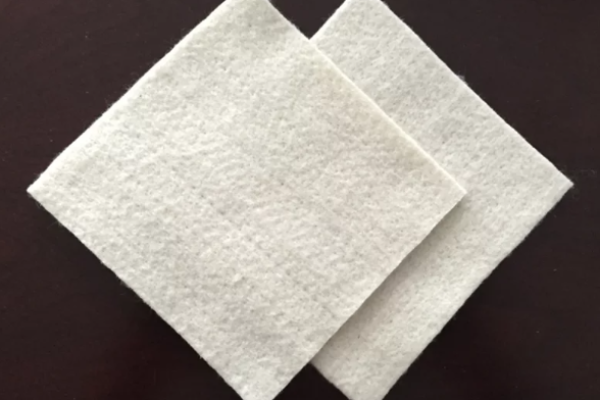
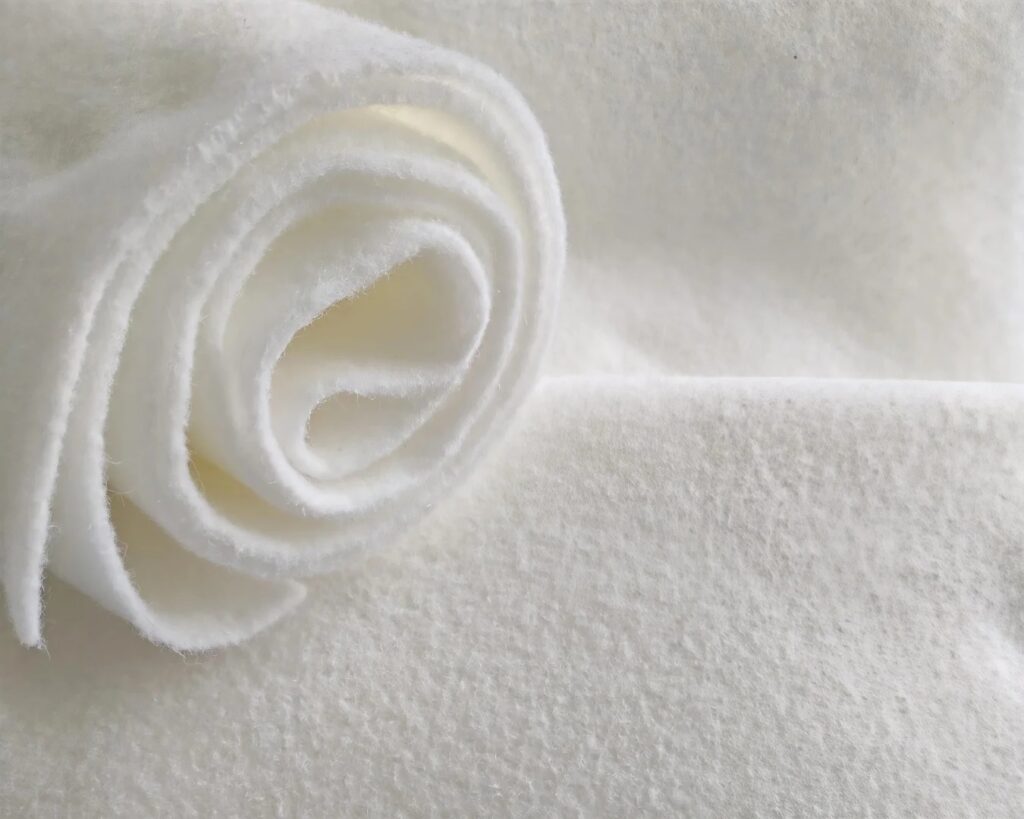
Non-woven filter cloth (also known as non-woven fabric filter cloth) is formed by fixing fibers into shape through needle punching, thermal bonding, chemical bonding, or other methods without weaving, creating a filter material with a porous structure.
Characteristics
- High filtration efficiency: The 3D pore structure formed by randomly arranged fibers effectively intercepts impurities, dust and particles of various sizes. Filtration precision can reach 1 μm or below, suitable for fine filtration.
- Excellent air permeability: Reasonable pore distribution ensures smooth gas/liquid flow, reducing operating resistance and energy consumption of the filtration system.
- Cost-effective: Simple production process without weaving; lower cost than woven filter cloth in mass production.
- High flexibility: Customizable thickness, width and filtration precision to match different filtration equipment.
- Good chemical stability: Materials such as PP and PET resist acids, alkalis and organic solvents, adapting to harsh working conditions.
Common production processes include needle punching (high strength, good wear resistance, ideal for industrial dust filtration) and melt blowing (fine pores, suitable for fine filtration and air purification).
Core Advantages and Limitations
- Advantages: High filtration efficiency; good air permeability; low cost; flexible specifications; easy installation.
- Limitations: Lower durability than woven filter cloth, shorter service life; limited corrosion and high-temperature resistance for some materials; prone to clogging after long-term use.
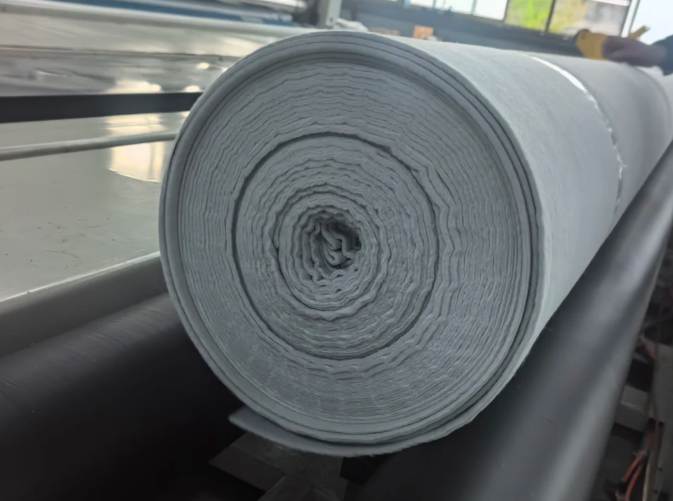
2. Classification of Non-Woven Filter Cloth
The material directly determines performance, application and price. The three mainstream materials are PP (polypropylene), PET (polyester), and Nylon (polyamide).
- PP (Polypropylene):The most widely used and cost-effective material. Resistant to acids, alkalis and corrosion; lightweight; low cost.Continuous operating temperature: 80–100°C.Applications: liquid filtration (industrial wastewater, drinking water), ambient dust filtration (mining, building materials).
- PET (Polyester):Outstanding high-temperature resistance.Continuous operating temperature: 120–130°C (modified PET up to 150°C).High tensile strength and wear resistance.Applications: high-temperature flue gas purification (coal-fired power plants, cement kilns, metallurgy), industrial dust collection, air purification.
- Nylon (Polyamide):High filtration precision (1–5 μm), good toughness and wear resistance.Applications: fine filtration (food processing, pharmaceuticals, electronics).Limitation: average acid/alkali resistance, relatively high cost.
3. Key Differences Between Non-Woven and Woven Filter Cloth
| Comparison Dimension | Non-Woven Filter Cloth | Woven Filter Cloth |
|---|---|---|
| Production Process | No weaving required, fiber bonded forming (needle punching, melt blowing, etc.) | Warp and weft weaving forming |
| Filtration Accuracy | High, up to 1-5 microns, suitable for fine filtration | Medium, generally above 10 microns, suitable for coarse filtration |
| Air Permeability | Excellent, low operating resistance | Poor, high operating resistance |
| Durability | General, service life 3-12 months (depending on working conditions) | Strong, service life 12-24 months |
| Cost | Low, cost-effective for mass procurement | High, complex production process |
| Application Scenarios | Fine filtration, normal temperature/medium temperature working conditions, mass use scenarios (such as water treatment, air purification, fine industrial dust filtration) | Coarse filtration, high temperature and high pressure working conditions, long-term use scenarios (such as mining coarse filtration, high temperature filtration in metallurgical industry) |
4. Performance Parameters of Non-Woven Filter Cloth
- Filtration precision: Minimum particle size that can be intercepted (μm).
- Fine filtration (food/pharma): 1–5 μm
- Industrial dust: 20–100 μm
- Water treatment: 5–20 μm
- Air permeability: Volume of gas/liquid passing through per unit area per unit time (m³/m²·min).
- Industrial dust: 10–20
- Air purification: 5–10
- Tensile strength: Resistance to tensile failure (N/5cm). Industrial applications recommend ≥ 100 N/5cm.
- Temperature resistance: Long-term stable operating temperature.
- Corrosion resistance: Resistance to acids, alkalis and solvents. PP > PET > Nylon.
5. Specification Parameters of Non-Woven Filter Cloth
- Weight: 100–600 g/m².
- Industrial dust: 200–400 g/m²
- Fine filtration: 400–600 g/m²
- Thickness: 0.5–3.0 mm.
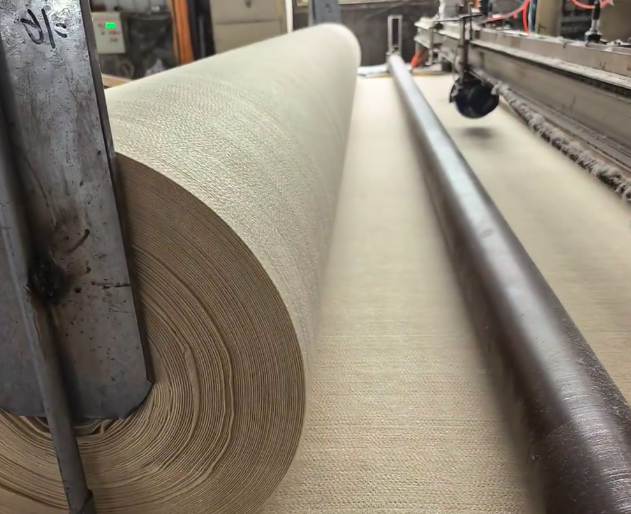
- Width: Standard 1–3 m, customizable.
- Length: Standard 50–100 m/roll.
- Customization: Available for material, precision, size, color; surface treatments such as singeing, calendering and heat setting.If you need customization, you can contact Shandong Lianjie>>.
6. Installation Guide for Non-Woven Filter Cloth
Proper installation ensures filtration performance and service life.
6.1 Pre-Installation Preparation
- Confirm equipment type and installation dimensions.
- Prepare tools: scissors, tape measure, fasteners, sealant, cleaning tools.
- Inspect filter cloth for damage, stains and wrinkles.
- Clean equipment compartments and interfaces.
6.2 Installation by Scenario
Industrial Dust Filtration Equipment (e.g., Pulse Dust Collector)
- Cut the filter cloth to match the compartment size.
- Lay it flat and tightly against the inner wall, with the filtration surface facing the incoming dust.
- Secure edges with fasteners; apply sealant if needed.
- Test run and check for leakage.
Water Treatment Equipment (e.g., Filter, Filtration Tank)
- Cut the cloth slightly larger than the frame (reserve 5–10 cm).
- Stretch and cover the frame smoothly.
- Secure with cable ties or buckles; trim excess material.
- Install the frame and test for water leakage and flow.
Air Purification Equipment (e.g., Air Conditioner, Fresh Air System)
- Cut to fit the filter slot.
- Embed and compact edges to avoid gaps.
- Start the unit and check air flow.
7. How to Select Non-Woven Filter Cloth
7.1 Core Selection Principles
Prioritize in this order:
Working condition adaptability → Filtration requirements → Cost budget
7.2 Scenario-Based Selection Guide
- Industrial dust filtration (mining, cement, metallurgy):PET needle-punched, 20–50 μm, 200–400 g/m².
- Water treatment (wastewater, drinking water):PP, 5–20 μm, 100–300 g/m²; food-grade PP for drinking water.
- Air purification (indoor, workshop):Melt-blown PP, 1–10 μm; Nylon for pharma/electronics.
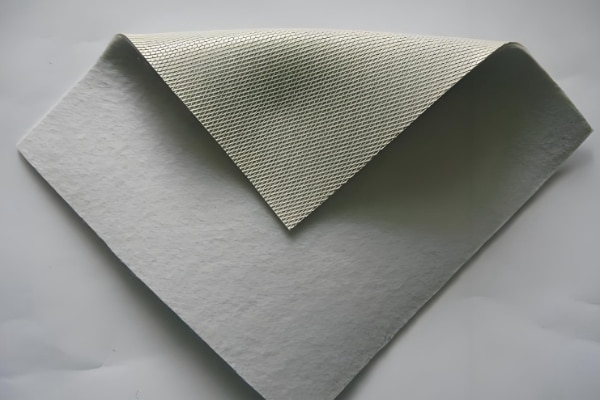
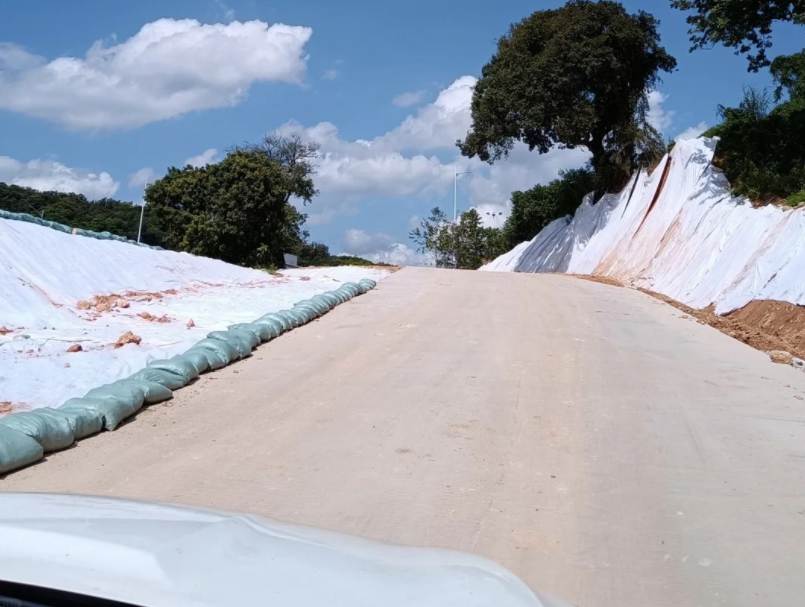
- Geotextile filtration (roadbed, farmland, water conservancy):Needle-punched PP, 200–400 g/m², tensile strength ≥ 100 N/5cm.
8. FAQ
Q1: What is the difference between non-woven and woven filter cloth? How to choose?
A1:
Non-woven: higher precision, better permeability, lower cost, suitable for fine filtration and mass use.
Woven: higher durability, suitable for heavy-duty, long-service, high-pressure conditions.
Q2: Which material is best?
A2:
No universal “best”.
- Ambient, corrosive, low-cost: PP
- High-temperature, high-wear: PET
- Ultra-fine filtration: Nylon
Q3: What is the price range?
A3: 2.8–25 RMB/m²
- PP: 2.8–8.5
- PET: 5.5–15
- Nylon: 10–25Customized products: +10%–50%.
9. Conclusion
Non-woven filter cloth is a core filtration material in industries such as manufacturing, environmental protection and food processing. Rational selection, procurement and installation directly affect filtration efficiency, equipment performance and cost control.
References
- Industry Standard: Nonwovens—Nonwovens for Filtration (GB/T 26706-2011)
- Professional Literature: Application and Development of Nonwoven Filter Materials