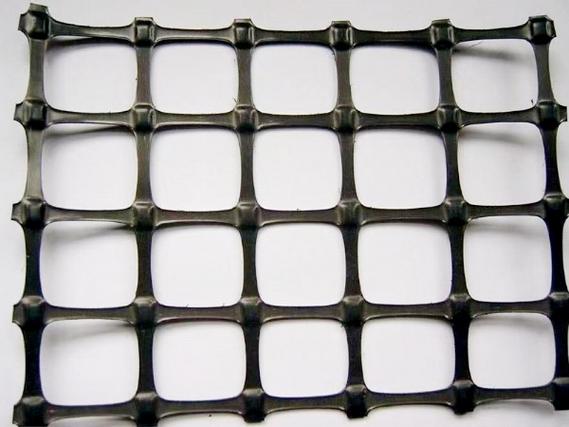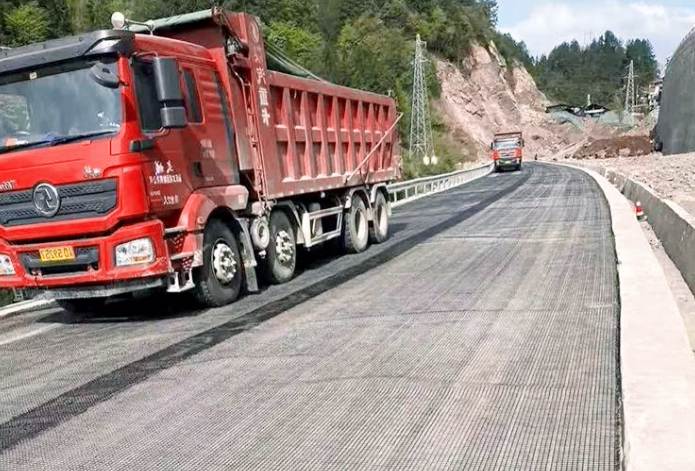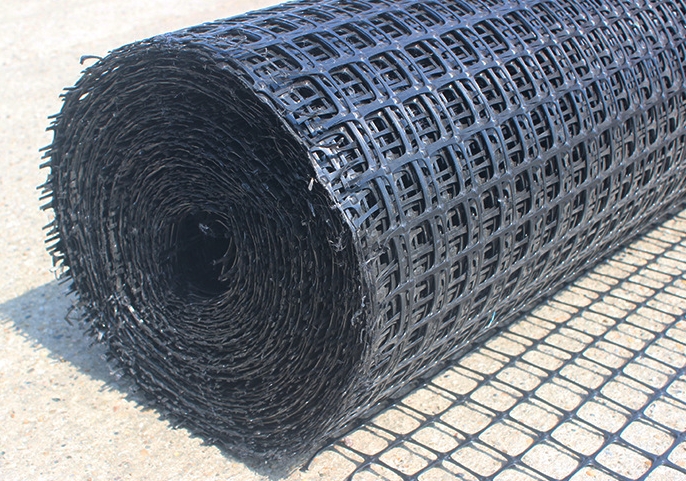
In the field of civil engineering and infrastructure construction, geotextile fabric serves as a critical protective and reinforcing material, widely applied in projects including road construction, water conservancy, landfills, slope protection and more. Among all geotextile products, woven and non-woven geotextiles are the two most extensively used yet frequently confused types.
Many civil engineers, construction workers and procurement professionals often select improper materials due to unclear differentiation between the two, resulting in hidden engineering quality hazards such as poor drainage, soil instability and base course settlement. This article comprehensively compares woven and non-woven geotextiles from the perspectives of definition, core properties, application scenarios and practical selection techniques, to help you make accurate material selection decisions and avoid engineering risks.
1. What Are Woven and Non-Woven Geotextile Fabrics?
1.1 Woven Geotextile Fabric
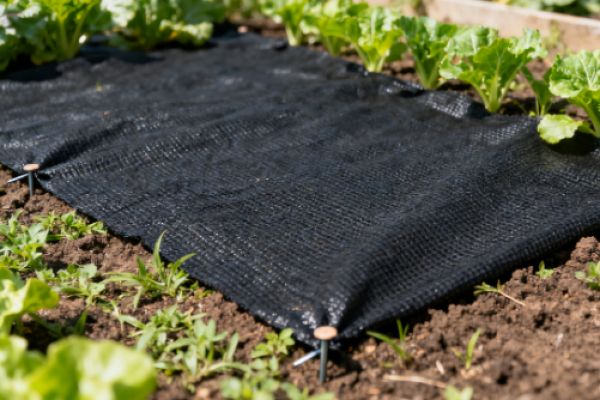
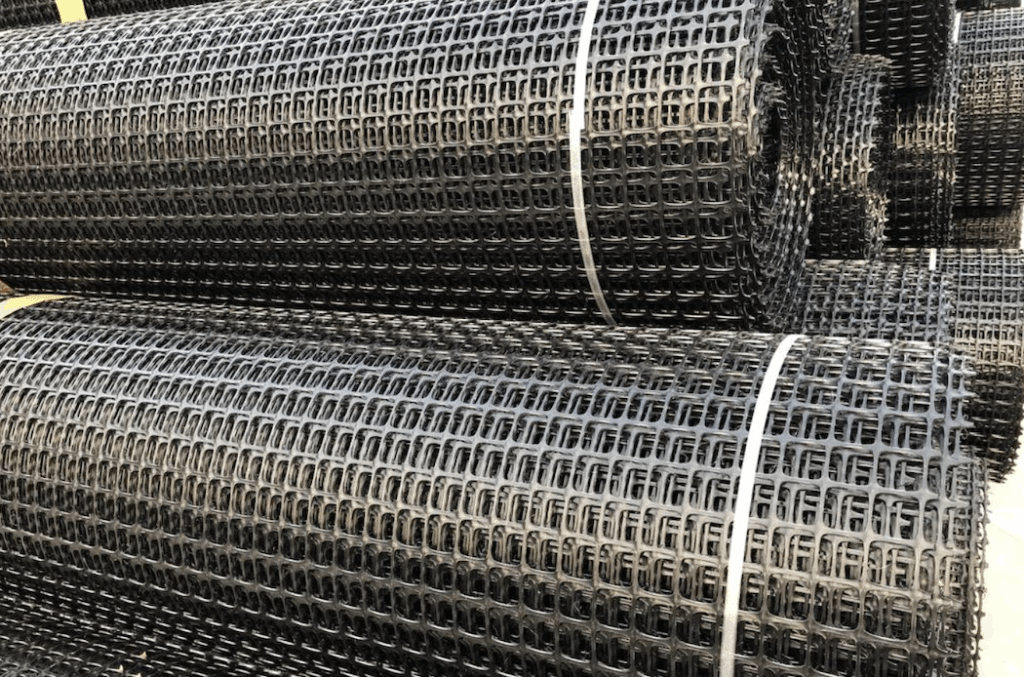
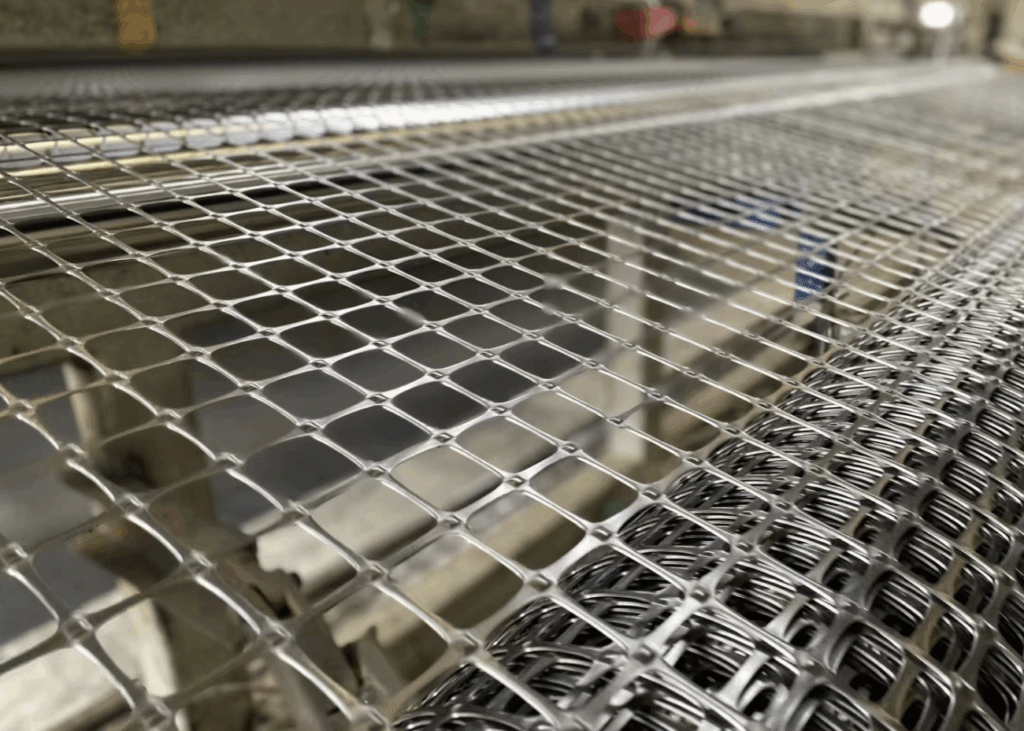
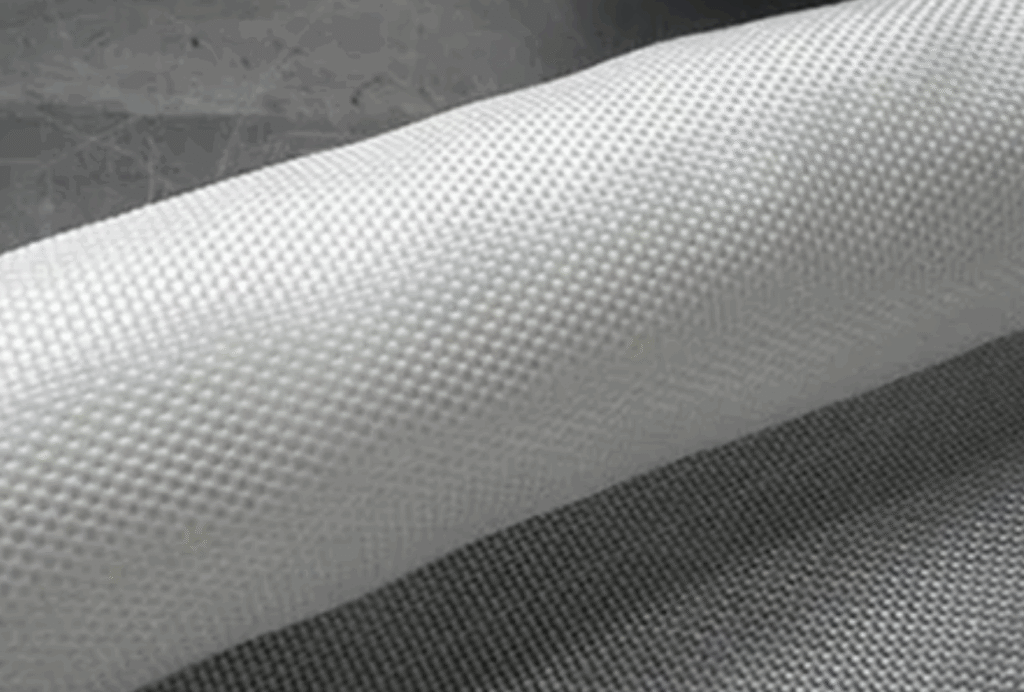
Woven geotextile is a geosynthetic material manufactured by interlacing warp and weft synthetic fibers such as polypropylene (PP) and polyester (PET), adopting a textile process similar to conventional woven fabrics. Its core production process consists of raw material granules → wire drawing → warping → warp and weft interlacing → quality inspection and delivery. Characterized by tightly interlaced warp-weft structure and compact formation, it features high tensile strength and low elongation, laying a foundation for load-bearing and reinforcement functions.
With neatly arranged fibers and strong structural integrity that resists disintegration, woven geotextile is suitable for projects with stringent requirements on material strength and stability, acting as a core material for road reinforcement and slope stabilization.
1.2 Non-Woven Geotextile Fabric
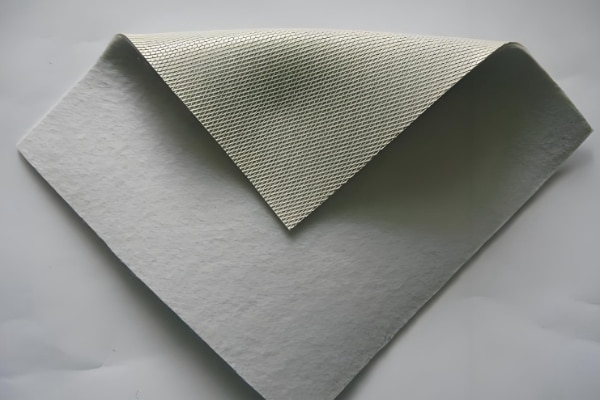
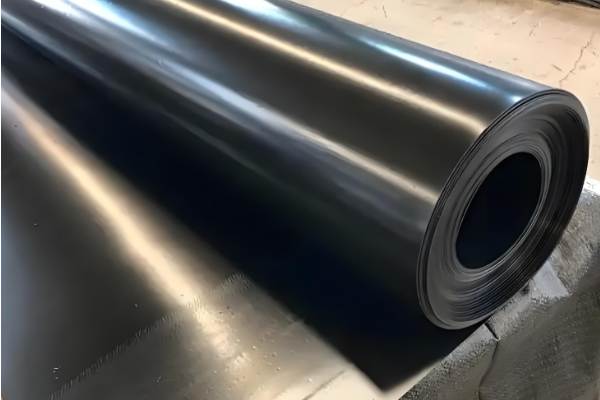
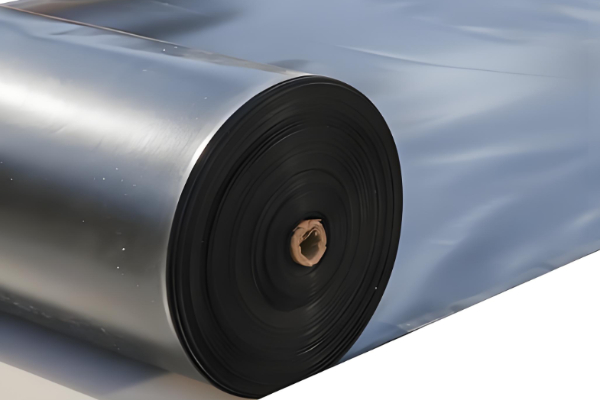
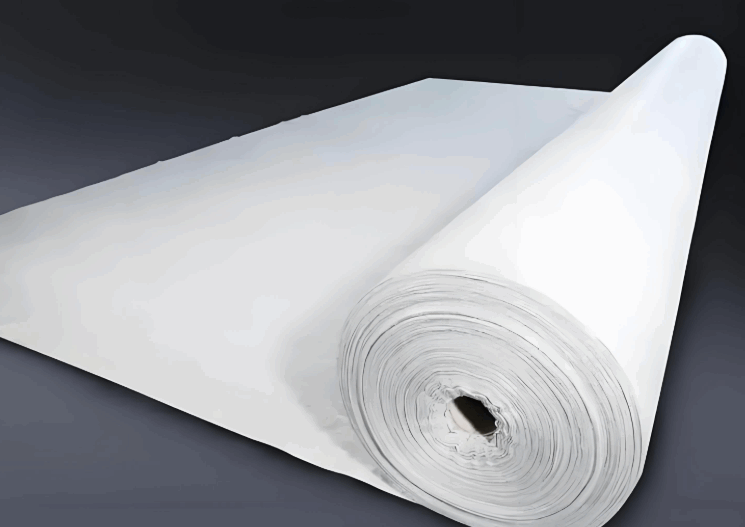
Non-woven geotextile also adopts PP, PET and other synthetic fibers as raw materials. However, it does not rely on warp-weft interlacing. Instead, fibers are randomly arranged and bonded into a sheet via needle punching, thermal bonding or chemical bonding processes, presenting a felt-like texture. Its core production process is fiber carding → web formation → bonding reinforcement → quality inspection and delivery. Featuring randomly distributed fibers and porous loose structure, it boasts excellent permeability and high flexibility, making it particularly ideal for filtration and drainage applications.
Soft, easy to cut and highly adaptable to complex terrains, non-woven geotextile also enjoys relatively low production cost. It is a commonly used material for drainage systems, landfill protection and other engineering projects.
2. Core Comparison Between Woven and Non-Woven Geotextile
| Comparison Dimensions | Woven Geotextile | Non-Woven Geotextile |
| Manufacturing Process | Warp and weft weaving process, complex flow, long production time, and high equipment requirements | Needle punching, thermal bonding or chemical bonding process, simple flow, high production efficiency, and controllable cost |
| Tensile Strength | High (20–200 kn/m), compliant with ASTM D 4595 test standard, suitable for load-bearing and reinforcement scenarios | Relatively low, bearing load relying on friction between fibers, high elongation rate, not suitable for high load-bearing scenarios |
| Permeability | Low, tight structure, high water flow resistance, not suitable for filtration and drainage scenarios, prone to water flow blockage | High (10⁻¹–10⁻³ cm/s), compliant with ASTM D 4491 permeability standard, porous structure, excellent filtration and drainage effects |
| Flexibility | Relatively rigid, easy to lay, but not easy to fit complex slopes and special-shaped structures, prone to breakage due to pulling | Soft and easy to cut, can closely fit complex terrain, not easy to break, suitable for special-shaped engineering parts |
| Durability | Strong UV resistance and wear resistance, not easy to age when exposed outdoors for a long time, suitable for long-term use in open-air projects | Strong acid and alkali resistance and antimicrobial resistance, suitable for long-term use in underground and humid environments, aging rate is slightly faster than that of woven geotextiles |
| Cost | Relatively high, complex process and high raw material consumption, market quotation starts from about 1.95 yuan/square meter (depending on specifications) | Relatively low, simple process and high production efficiency, cost is 10%-30% lower than that of woven geotextiles, with higher cost performance |
Beyond the above structural differences, the two materials have distinct primary functions tailored to diverse engineering requirements.
The core functions of woven geotextile are reinforcement, separation and stabilization. It effectively prevents mixing of soil layers with different particle sizes, improves soil tensile strength, sustains heavy loads, and avoids settlement and deformation of engineering base courses, making it the primary material for load-bearing projects.
The core functions of non-woven geotextile are filtration, drainage and protection. It permits water flow penetration while retaining soil particles to prevent soil erosion. Additionally, it safeguards geomembranes from puncture by sharp objects, serving as the first-choice material for filtration and drainage projects.
Supplementary note: Both materials possess certain anti-erosion properties yet with different focuses. Woven geotextile prioritizes soil stabilization and prevention of overall sliding, while non-woven geotextile focuses on soil particle retention, water diversion and erosion reduction.
3. Application Scenario Selection: Woven or Non-Woven Geotextile?
3.1 Applications of Woven Geotextile
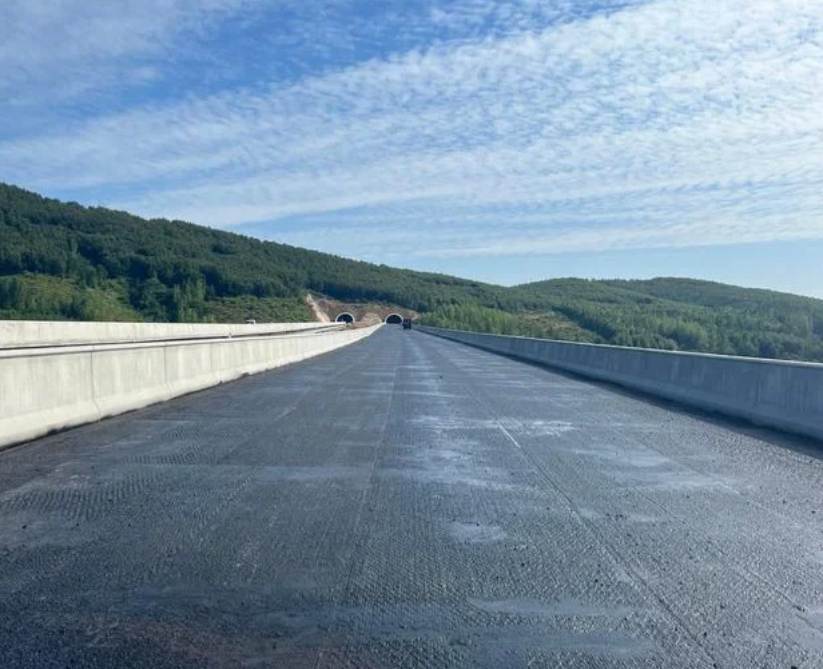
- Road Construction:It stabilizes base courses of expressways, municipal roads, rural roads, as well as heavy-load sites including parking lots and freight yards, effectively reducing pavement settlement and rutting while extending road service life.
- Slope & Embankment Reinforcement:It reinforces soil for various slopes, embankments and retaining walls, resisting lateral soil deformation and landslides, and enhancing overall slope stability. It is especially suitable for steep-slope and high-load slope projects.
- Foundation Treatment:It reinforces building and road subgrade foundations, separates different soil layers, prevents foundation instability caused by soil mixing, and provides a solid base for subsequent construction.
3.2 Applications of Non-Woven Geotextile
- Drainage Systems:Used for wrapping underground drainage pipelines, blind drains and seepage drains, it diverts underground water flow, prevents pipeline clogging, retains soil particles and ensures stable operation of drainage facilities.
- Landfills:As a protective layer for landfill geomembranes, it prevents sharp waste debris from puncturing geomembranes and leachate leakage, while achieving filtration and drainage of leachate to meet environmental protection standards of landfills.
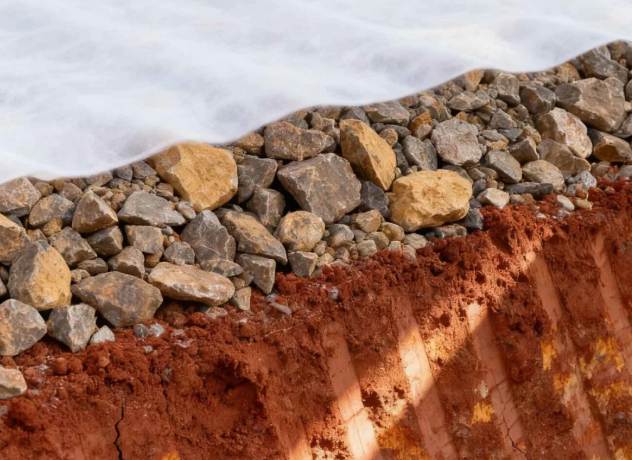
- Slope & Riverbank Protection:It resists erosion along rivers, riverbanks and slopes, retains soil particles, mitigates water scouring and diverts water flow to reduce soil loss, fitting complex-terrain slope protection projects.
- Water Conservancy Projects:Acting as filtration and drainage layers for reservoirs, canals and embankments, it relieves water pressure, prevents soil piping and ensures safe operation of water conservancy infrastructure.
3.3 Combined Application Scenarios
In sophisticated engineering projects, the advantages of both materials can be integrated to achieve combined reinforcement and drainage performance.
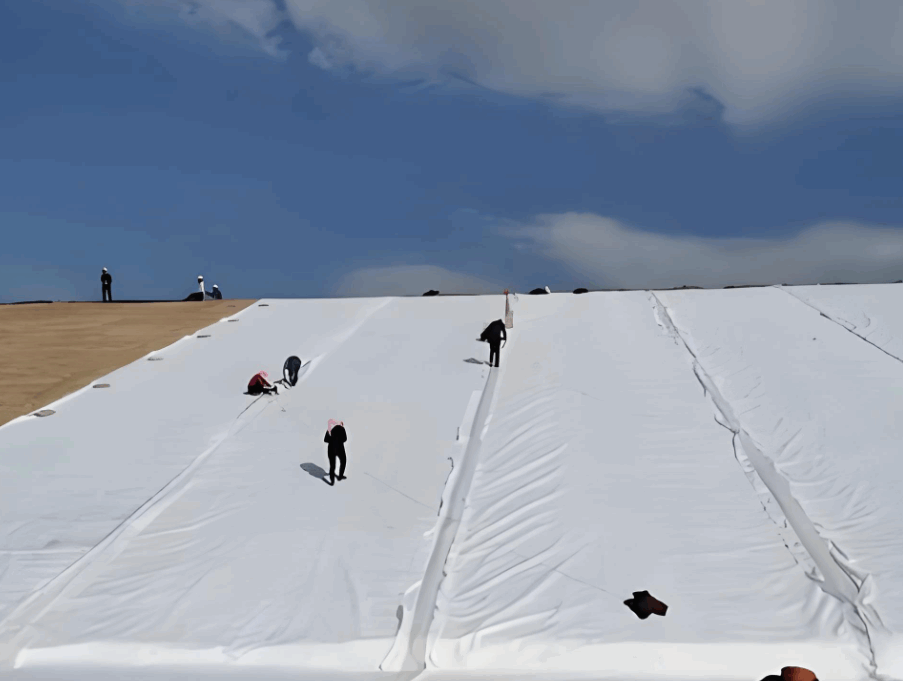
For instance, in road construction, woven geotextile is laid at the base course for reinforcement and stabilization, while non-woven geotextile is placed between base and surface courses for drainage, comprehensively improving road performance and eliminating water accumulation and settlement. For slope protection, non-woven geotextile is laid on the slope surface for erosion resistance and drainage, and woven geotextile is embedded inside the slope for structural reinforcement, balancing protection and stability.
4. Material Selection Guidelines
- Prioritize core engineering requirements:Select woven geotextile for projects centered on reinforcement, load-bearing and stabilization (e.g. road base courses, slope reinforcement). Choose non-woven geotextile for projects focusing on filtration, drainage and protection (e.g. drainage systems, landfills).
- Consider service environments:Woven geotextile is preferred for long-term outdoor exposed projects (e.g. open slopes, under road surface courses) owing to its superior UV resistance and wear resistance. Non-woven geotextile is more suitable for underground and humid environments (e.g. underground drainage, inner landfill structures) due to its excellent acid-base resistance and microbial corrosion resistance.
- Evaluate cost budget:Non-woven geotextile is economical for low-budget non-load-bearing projects (e.g. ordinary slope protection, small-scale drainage works). Woven geotextile is recommended for critical load-bearing components and high-standard projects (e.g. expressways, large embankments) to avoid exorbitant later maintenance costs caused by improper material selection.
5. Construction Precautions
- Woven Geotextile:Avoid excessive stretching during laying, as its low elongation property may lead to fracture. Ensure tight contact with the base course. Joints shall be compacted and overlapped firmly with an overlapping width of no less than 15 cm. Prevent scratches and punctures from sharp objects during construction, and repair damaged sections promptly.
- Non-Woven Geotextile:With soft texture, it shall be laid flat without wrinkles, as folds will compromise filtration and drainage efficiency. It is also vulnerable to sharp object damage. Protective covering shall be applied immediately after installation to prevent UV aging. Joints shall be sealed via thermal bonding or sewing for tight integration.
6. Frequently Asked Questions (FAQ)
A1:Which is better, woven or non-woven geotextile?
Q1:There is no absolute superiority between the two. Selection solely depends on engineering demands. Woven geotextile excels in load-bearing and reinforcement, while non-woven geotextile performs better in filtration and drainage. Optimal results are achieved via scenario-based matching.
A2:Is non-woven geotextile more durable than woven geotextile?
Q2:Not universally true. Woven geotextile exhibits better durability under long-term outdoor exposure due to stronger UV and wear resistance. Non-woven geotextile lasts longer in underground humid environments with outstanding acid-base and microbial resistance.
A3:Can woven geotextile be used for drainage projects?
Q3:Not recommended. With compact structure and low permeability, woven geotextile tends to cause water flow clogging, impairing drainage efficiency and creating potential engineering hazards.
A4:What is the cost difference between woven and non-woven geotextile?
Q4:The cost of woven geotextile is 10%–30% higher than non-woven geotextile. Exact prices vary by specification, raw material and production process. Woven geotextile is priced starting from 1.95 RMB per square meter in the market, while non-woven geotextile is more cost-effective.
A5:Are woven and non-woven geotextiles recyclable?
Q5:PP and PET geotextiles are partially recyclable. Recyclability varies by product specification and material type. Processed recycled materials can be reused in compliance with environmental protection requirements.
7. Conclusion
The core distinction between woven and non-woven geotextiles can be briefly summarized:
Woven = High strength + Structural stability
Non-woven = Filtration performance + Drainage capacity
Rapid and accurate selection can be accomplished by evaluating three key factors: engineering demand, service environment and cost budget.
Final recommendation: Material selection shall be aligned with specific engineering parameters including load-bearing capacity, drainage requirement and working conditions, while complying with industrial quality standards to source high-quality qualified products. For further material selection consultation, please contact Shandong Lianjie.
References
- ASTM D4595-17 Standard Test Method for Tensile Properties of Geotextiles by the Wide-Width Strip Method:This standard is primarily referenced for tensile strength testing methods, equipment specifications and performance criteria of woven geotextiles, ensuring professional accuracy of relevant content in this article.
- ASTM D 5818 Standard Guide for Selection of Geotextiles for Separation Applications and ASTM D 4491 Standard Test Methods for Permeability of Geotextiles:Relevant performance indicators in these standards are adopted to guarantee professionalism and standardization of quality testing criteria and material property parameters, conforming to practical industrial application requirements.