Looking for the best landscape fabric to lay under gravel? This article will explain the pros and cons of landscape fabric under gravel, provide a detailed comparison between woven fabric and non-woven fabric, recommend top brands, and include a detailed installation guide for landscape fabric under gravel to help you find the most suitable one for your needs.
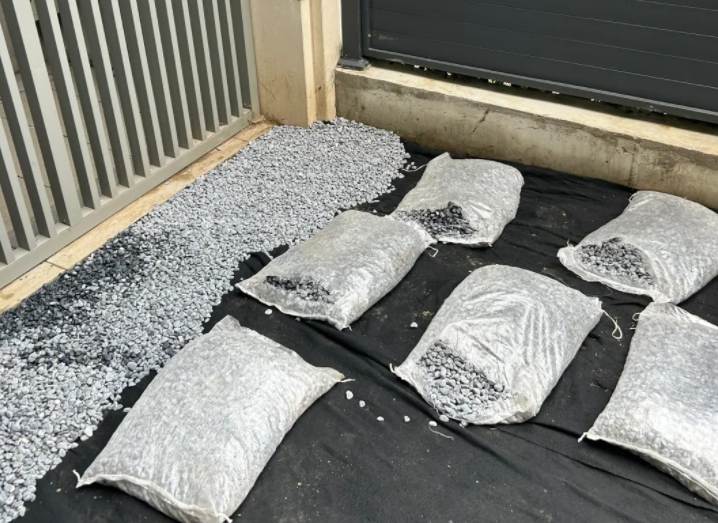
Types of Landscape Fabric Under Gravel
Woven Fabric
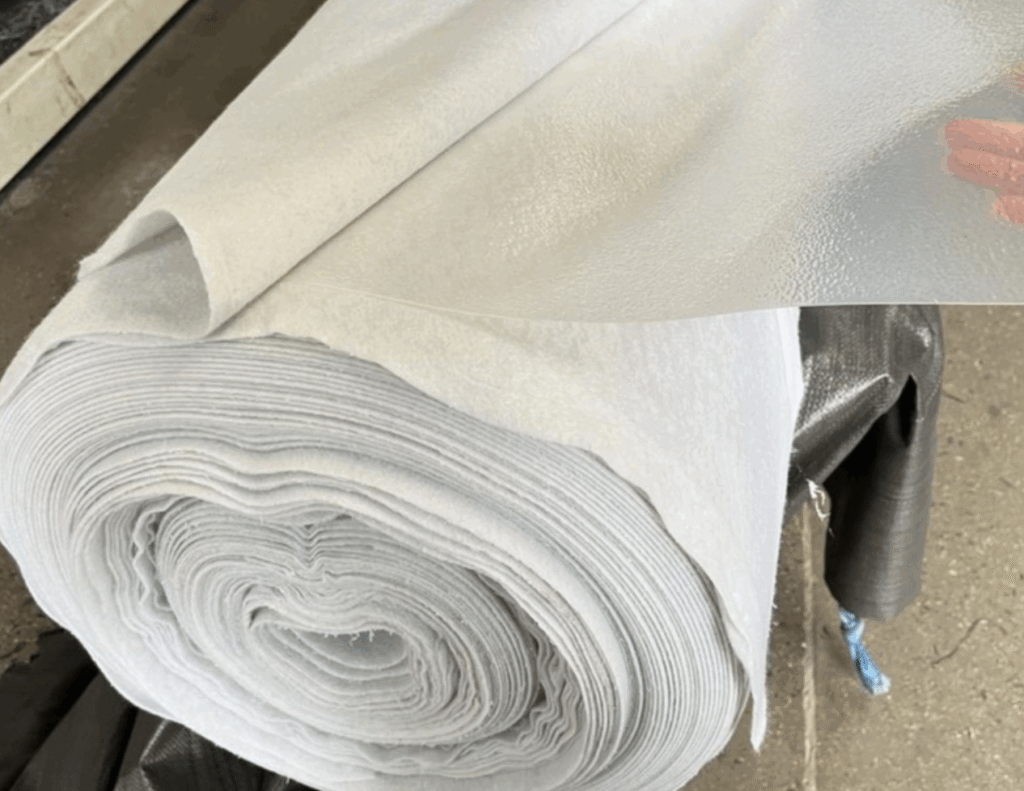
Description: Made by weaving polypropylene flat filaments horizontally and vertically, it has a structure similar to rice bags and is extremely strong.
Pros:
- Extremely high tensile strength: Can withstand the heavy pressure of gravel and pedestrian foot traffic without tearing easily.
- Excellent durability: Has strong UV resistance and a service life of over 20 years.
- Top-tier weed control: Its dense woven structure can effectively block most weeds.
Cons: Its water permeability is slightly lower than that of non-woven fabric, but it is completely sufficient for gravel areas with good drainage.
Conclusion: For all load-bearing gravel applications (such as paths, patios, and driveways), woven fabric is undoubtedly the best choice.
Non-Woven Fabric
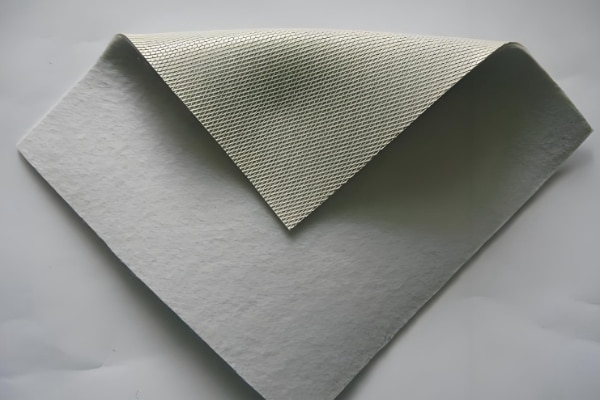
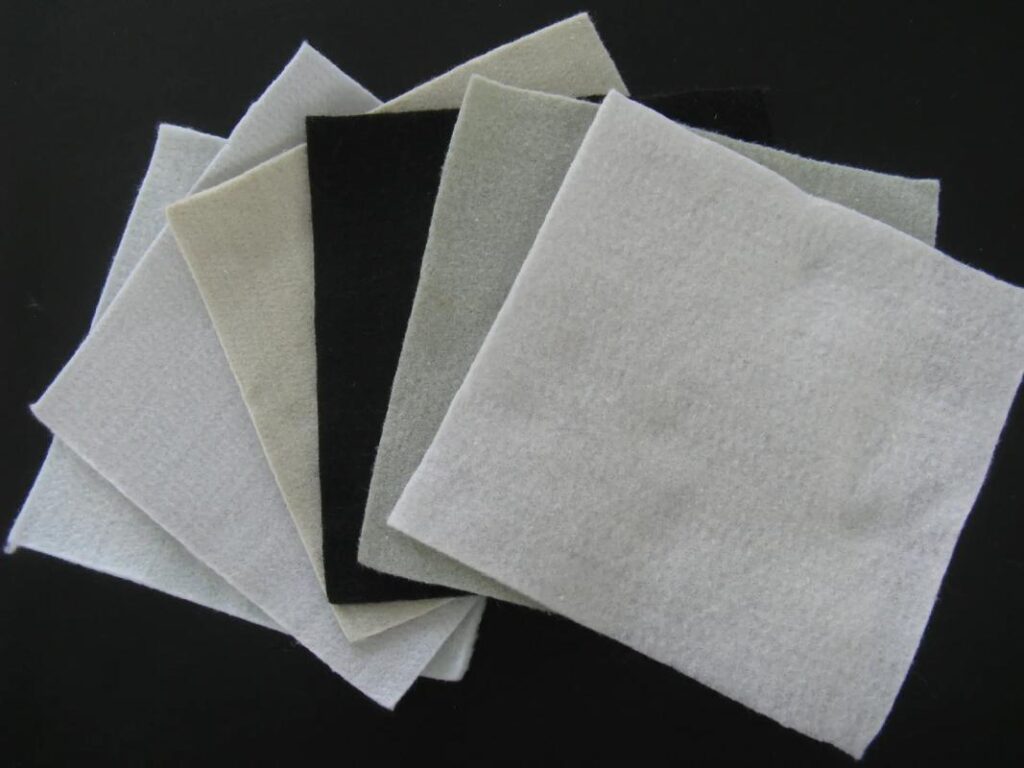
Description: Made by randomly arranging polyester or polypropylene fibers and bonding them via needle-punching or chemical methods, it feels similar to felt.
Pros: Has excellent water permeability and filtration.
Cons:
- Low strength: Easily compresses and deforms under long-term gravel pressure, leading to functional failure.
- Prone to puncturing: Persistent perennial weeds (such as crabgrass) may puncture it.
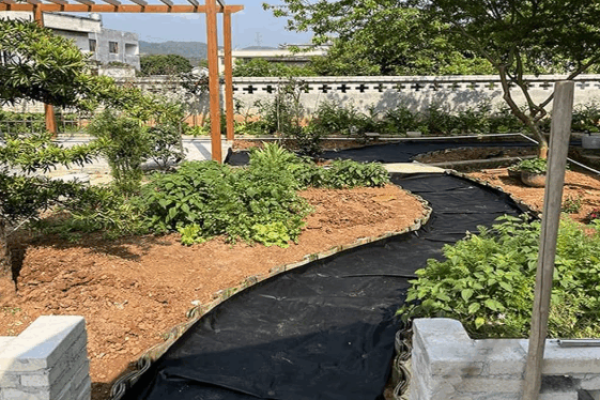
Applicable Scenarios: More suitable for areas like flower beds and tree surrounds that require good drainage and filtration and have no heavy pressure. It is generally not recommended for use under gravel.
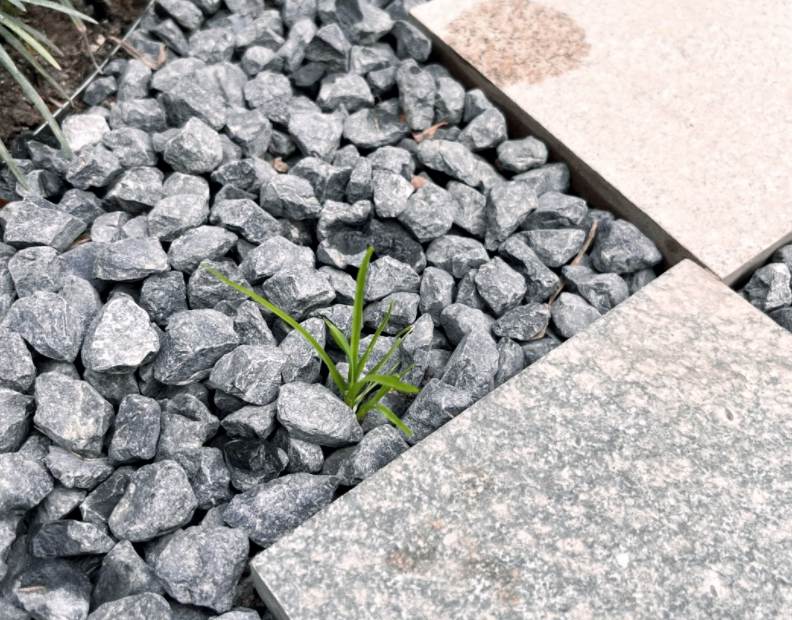
Pros and Cons of Landscape Fabric Under Gravel
After gaining a deeper understanding of the types of landscape fabric, let’s take a comprehensive look at the advantages and disadvantages of using it in gravel projects.
Pros of Landscape Fabric Under Gravel
- Excellent weed control: This is its core value. By physically blocking sunlight, it can effectively inhibit the germination of most annual weed seeds, greatly reducing the amount of later maintenance work.
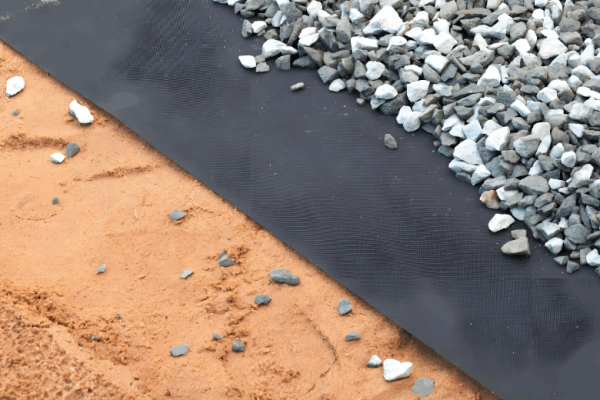
- Stabilizes the gravel layer: As a separation layer, landscape fabric prevents gravel from sinking into soft soil due to rain erosion and foot traffic, thereby maintaining the thickness of the gravel layer and the flatness of the ground and avoiding muddy potholes.
- Promotes drainage: High-quality woven fabric allows rainwater to penetrate quickly, preventing water accumulation on the gravel surface while maintaining the original air permeability of the soil.
- Long-term cost-effectiveness: Although there is an initial cost and investment, a high-quality landscape fabric can work continuously for more than a decade. In the long run, it saves a lot of time and money spent on weeding and re-laying gravel.
Cons of Landscape Fabric Under Gravel
- Not a one-time solution: In the long run, wind-blown sand, dust, and organic matter will accumulate in the gaps of the gravel, forming a shallow soil layer. Some highly resilient weeds (such as dandelions) may still take root here, but their quantity and growth will be much less than when gravel is laid directly on the soil.
- Affects soil ecology: It blocks organic matter (such as fallen leaves) from returning to the soil. In the long term, this may make the topsoil barren and affect the activities of beneficial soil organisms like earthworms.
- Difficult to modify later: If you want to repurpose the land (for example, to create a flower bed) in a few years, cleaning up the aged and possibly fragmented landscape fabric buried under the gravel will be a tedious task.
- High installation requirements: As mentioned earlier, incorrect installation (such as insufficient fixing or a too-thin gravel layer) will directly lead to project failure and waste the investment.
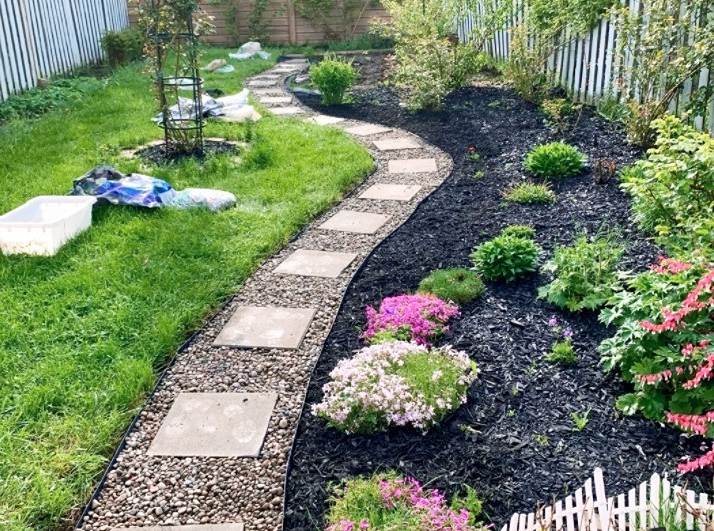
Recommendations for the Best Landscape Fabric Under Gravel
Based on durability, user reputation, and cost-effectiveness, the following are our recommendations:
1、Best Overall Choice: DeWitt Weed Barrier Pro
This is an industry benchmark in the North American market, designed specifically for professional gardening and landscape design. It has sufficient weight, tight weaving, and a thick UV protection layer, with a warranty period of up to 25 years. Although the price is slightly higher, “you get what you pay for,” making it the first choice for users seeking a long-term solution.
2、Best Value for Money: Landmaster Woven Weed Barrier
If you have a large-scale project and a limited budget, Landmaster provides a very reliable solution. It has all the key advantages of woven fabric, with sufficient strength to handle most household patio scenarios, and the price is very affordable, making it a boon for DIY users.
3、Easiest to Install: Brands with Nail Hole Markings
Some brands (such as certain models of DeWitt) print grid lines or nail hole position marks on the fabric. This can greatly help DIY users lay and fix landscape nails neatly, ensuring consistent installation spacing and saving time and effort.
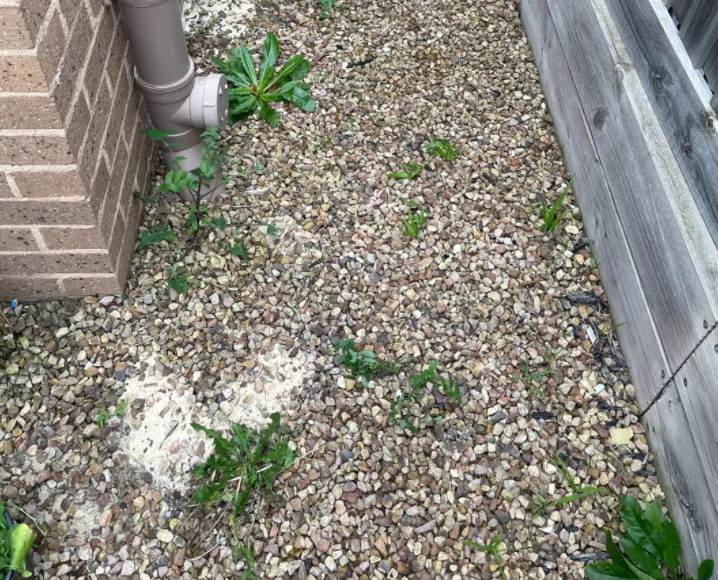
How to Install Landscape Fabric Under Gravel
Proper installation is just as important as choosing the right fabric.
Tool Preparation
Landscape fabric, landscape nails (U-shaped nails), utility knife or scissors, hammer, tape measure, and leveling tool (such as a rake).
Installation Steps
- Thoroughly Prepare the Foundation
- Remove all existing weeds, sod, rocks, and plant roots.
- Rake and fully compact the soil. A flat and solid foundation is half the battle for success.
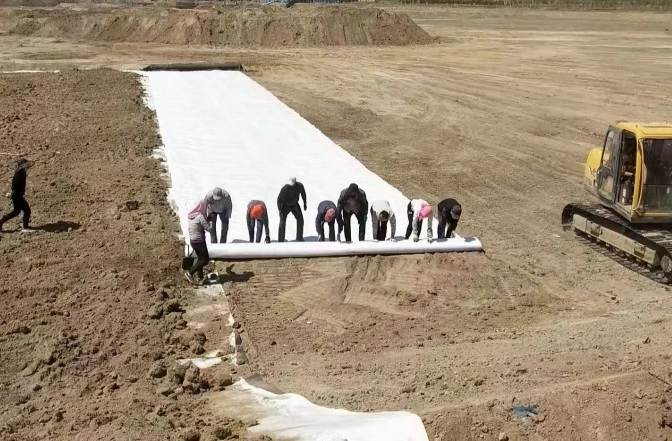
- Lay the Landscape Fabric
- Unroll the woven fabric, ensuring the relatively smooth side (or the side with the logo) faces upward. This reduces friction, facilitating gravel laying and potential maintenance in the future.
- Adjacent fabric rolls need to overlap by 10-15 centimeters to ensure there are no gaps at the seams.
- Secure Firmly
- Use an adequate number of landscape nails. It is recommended to fix one every 0.5-1 meter along the edges, and additional nails should also be used at the center of the seams between fabric rolls and in the middle area to prevent displacement caused by wind or gravel pressure.
- Hammer the nails fully into the soil so that their surfaces are flush with the fabric surface.
- Trim and Refine
- Carefully trim around boundaries, trees, or pillars with a utility knife.
- After laying is completed, check the entire area again to ensure the fabric is tight and flat.
- Lay the Gravel
- Ensure the gravel layer is thick enough; it is recommended to lay a layer at least 5-7 centimeters thick. A too-thin gravel layer cannot effectively hold down the fabric and is prone to displacement due to walking, resulting in the fabric being exposed and damaged.
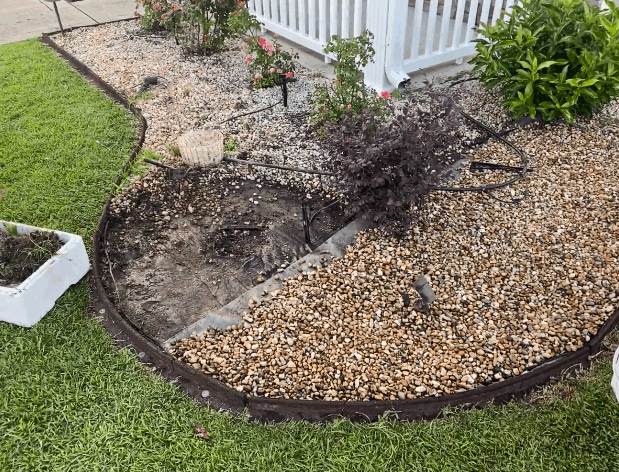
Alternative to Landscape Fabric Under Gravel
- Thick Cardboard: A very environmentally friendly and economical short-term solution. Lay unwaxed cardboard flat with overlaps, then cover it with gravel. It will decompose within one or two years, improving the soil, and is suitable for ecological gardens.
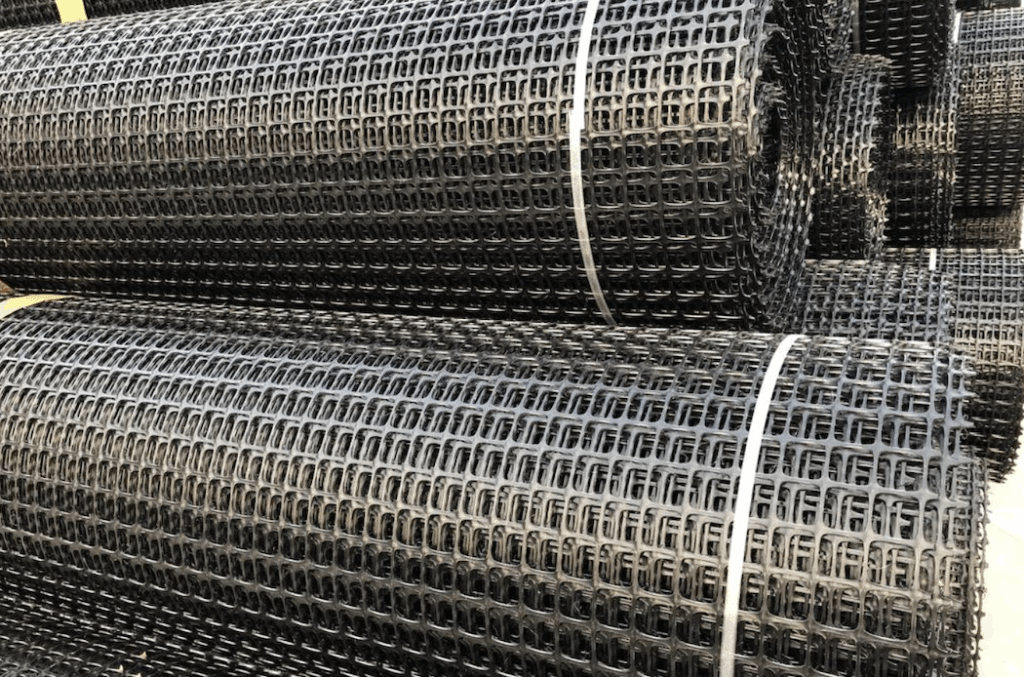
- Reinforced Heavy-Duty Weed Suppression Grid: A type of plastic grid that allows grass to grow within the grid but restricts its spread. It is more ecological but does not provide thorough weed control.
- Direct Laying of an Extremely Thick Gravel Layer: Rely solely on a 10-15 centimeter thick gravel layer to physically suppress weeds without using landscape fabric. The initial cost is high, but it is the most natural method.
Conclusion
In summary, for use under gravel, high-quality professional-grade woven fabric is currently the most effective and long-lasting choice.
Our final recommendations:
- For most household patio and path projects: Choose woven fabric from DeWitt or Landmaster, as they achieve a good balance between performance and price.
- For driveways or areas with heavy vehicle traffic: Be sure to choose the thickest commercial-grade woven fabric.
Reference Sources
Professional Gardening & Home Improvement Platforms
- The Spruce:
- How to Choose the Best Weed Barrier Fabric
- The Best Landscape Fabrics of 2024
- Woven vs. Non-Woven Landscape Fabric
- Value: Provided the foundational framework for comparing fabric types, advantages/disadvantages, and selection criteria, forming the core of the consumer education content.
- This Old House:
- How to Install Landscape Fabric
- Value: Their standardized installation steps were a key reference for the guide’s installation section, ensuring accuracy and practicality.
- Family Handyman:
- Landscape Fabric: The Pros and Cons You Need to Know
- Common Landscaping Fabric Mistakes to Avoid
- Value: Highlighted common real-world application errors and pitfalls, providing substantive material for the “Common Mistakes” section.
Frequently Asked Questions (FAQs)
Q1: Should the smooth side of the landscape fabric face up or down?
A: Generally, the relatively smooth side or the side with the logo should face up. This reduces friction with the upper gravel layer, facilitating laying and drainage. The rough side facing down can increase friction with the soil, but the difference is negligible if the fabric is fixed firmly.
Q2: How thick should the landscape fabric under gravel be?
A: There is no need to overly pursue thickness; the more important factors are the weaving density and weight (grammage). For household use, choosing woven fabric with a grammage between 90-150 grams per square meter is usually durable enough.
Q3: How long can landscape fabric last?
A: High-quality woven fabric, when installed and covered correctly, can have a service life of 15-25 years. Its service life is mainly affected by ultraviolet rays, so ensuring it is completely covered by gravel is crucial.