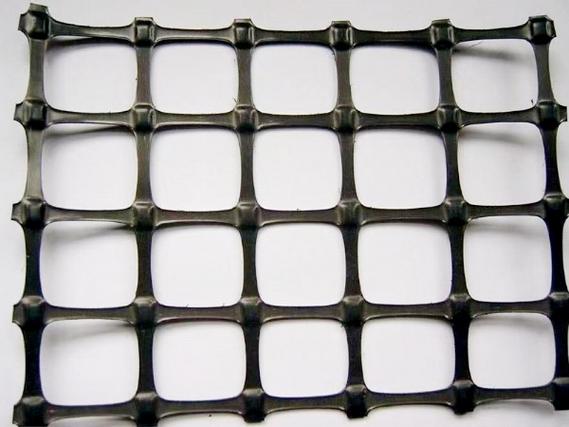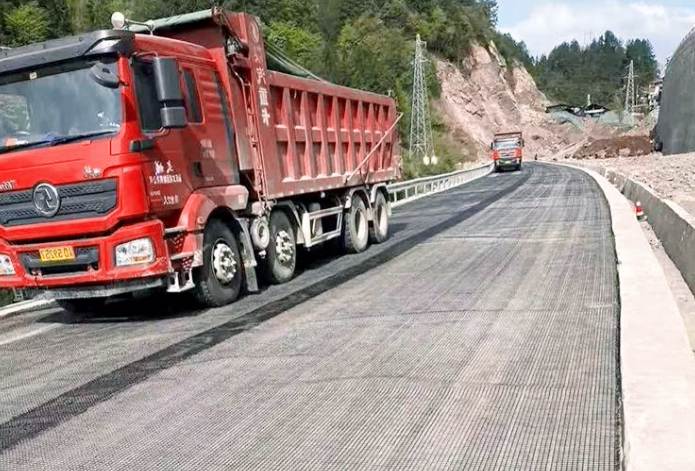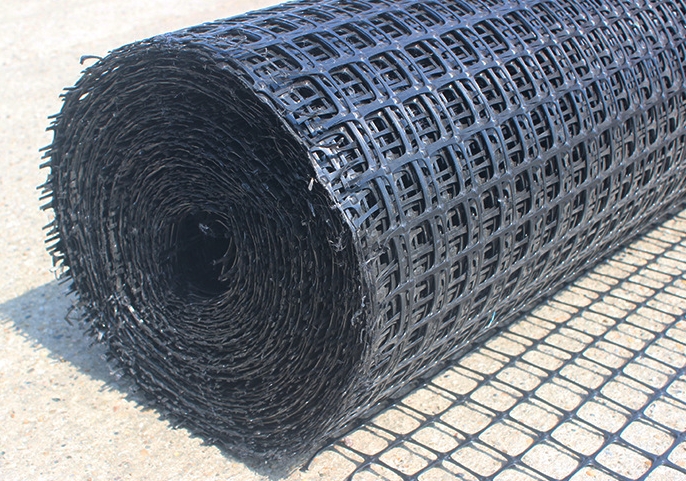
- What is Drainage Landscape Fabric?
- Why Choose Landscape Fabric for Drainage?
- Core Advantages of Drainage Landscape Fabric
- The Best Landscape Fabric for Drainage
- How to Choose the Right Drainage Landscape Fabric
- Installation and Maintenance Tips for Drainage Landscape Fabric
- Frequently Asked Questions (FAQs)
- Conclusion
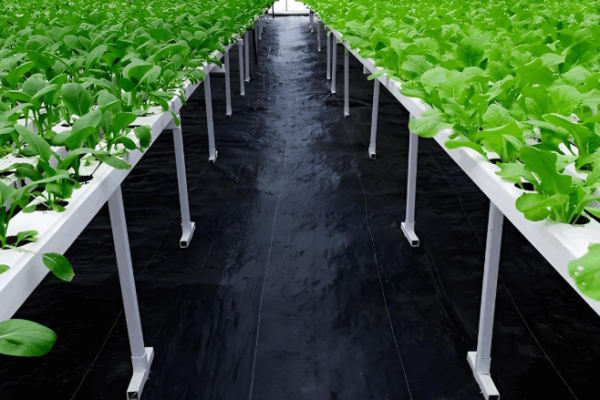
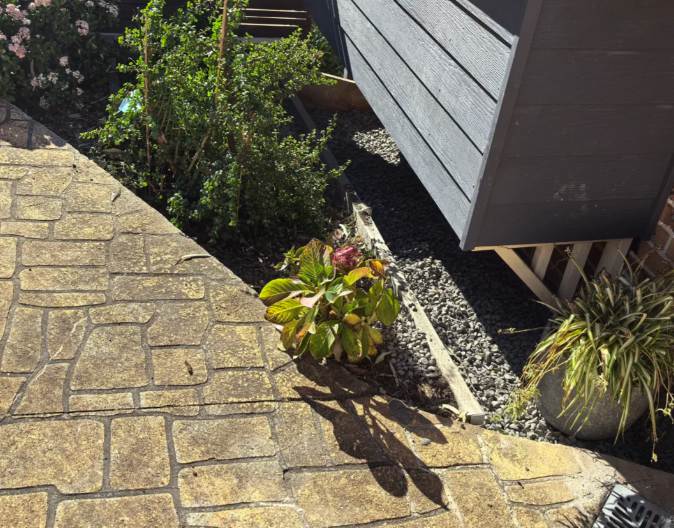
In gardening, outdoor construction, and other scenarios, waterlogging often causes a series of problems such as soil compaction, plant root rot, and unstable engineering foundations. Drainage landscape fabric (also known as geotextile) serves as a key material to address these issues. It can not only quickly divert excess water but also filter soil particles and prevent soil erosion, providing dual protection for plant growth and engineering safety.
However, most ordinary landscape fabrics on the market cannot meet drainage needs at all. So what is the best landscape fabric for drainage? How to accurately select the right type for different scenarios? This article will provide a comprehensive and actionable guide from the perspectives of basic understanding, core advantages, type comparison, and practical skills.
What is Drainage Landscape Fabric?
Drainage landscape fabric is essentially a geosynthetic material with high porosity, mainly processed through needle punching, thermal bonding, and other technologies. Its core functions focus on four aspects: rapid water permeability to allow smooth discharge of excess water; effective filtration to block soil particles from entering the drainage system and causing clogging; erosion prevention to protect slopes or soil surfaces from water scouring; and medium separation to avoid mixing of different materials (such as soil and gravel) that affects drainage efficiency.
Key Indicators of Drainage Performance
- Water Permeability: The core indicator for measuring drainage efficiency, usually expressed as the volume of water passing through the fabric per unit time. For drainage scenarios, products with water permeability ≥ 50 L/s·m² should be selected.
- Filtration Performance: Needs to match the size of soil particles, blocking sediment while not hindering water flow to avoid clogging of drainage channels.
- Durability: Includes UV resistance and tensile strength. Outdoor use requires at least 5 years of UV resistance, and construction scenarios need to meet corresponding tensile strength requirements (e.g., ≥20kN/m for subgrade reinforcement).
- Weight Specification: Measured in ounces per square yard (oz) or grams per square meter (g/m²). 2-3 oz corresponds to 200-300g/m², and 4-6 oz corresponds to 300-400g/m². There is an inverse correlation between weight and water permeability.
Differences from Ordinary Landscape Fabric
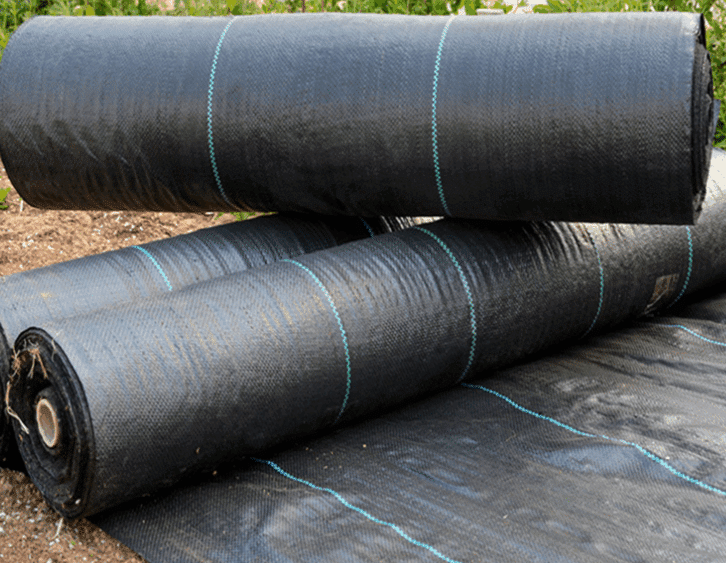
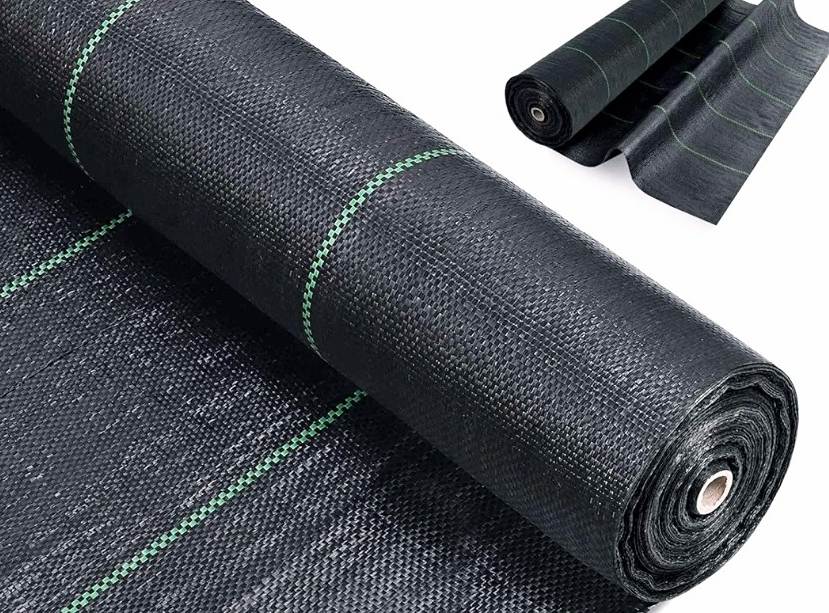
Ordinary landscape fabric (such as weed barrier cloth) focuses on blocking weed growth, adopting a dense weaving process with low porosity (usually less than 30%) and poor water permeability, which is prone to waterlogging and root rot with long-term use. In contrast, drainage landscape fabric uses a loose non-woven process with porosity up to 70%-85%. While ensuring basic weed control functions, it emphasizes water permeability and filtration performance. Its fiber bonding technology can maintain structural stability under water impact, avoiding deformation and clogging.
Why Choose Landscape Fabric for Drainage?
1. Solve Pain Points of Traditional Drainage Methods
Traditional drainage mostly relies on hard structures such as gravel layers and drainage ditches, which have problems such as complex construction, high costs, and easy clogging. Drainage garden fabric is easy to install, can be directly laid on the soil surface or underground, and can significantly improve drainage efficiency when used with gravel layers. It also has low maintenance costs and no need for frequent cleaning of clogs.
2. Adapt to Diversified Drainage Needs
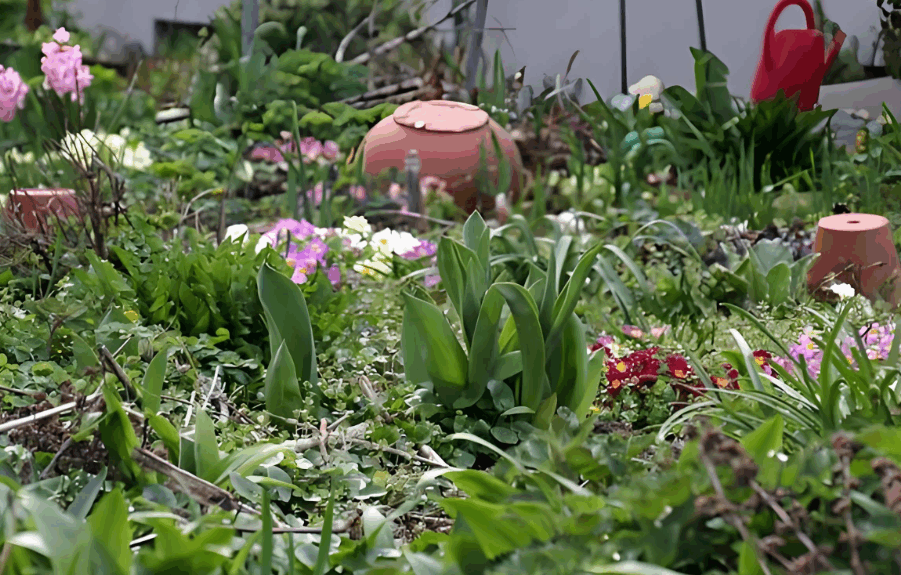
Whether it is waterlogging prevention for flower beds in home gardens, root ventilation in vegetable gardens, or subgrade drainage for courtyard walkways, drainage garden fabric can be flexibly adapted. Its cuttable feature can meet the construction needs of different shapes and sizes, and it also has weed control and soil protection functions, achieving “one fabric for multiple uses”.
3. Protect Plants and Engineering Foundations
For plant planting scenarios, drainage fabric can quickly drain water around the roots, avoid root rot, and maintain soil aeration to promote root growth. In construction scenarios, it can effectively divert groundwater, prevent foundation settlement and slope landslides caused by excessive soil moisture, and ensure engineering stability.
Core Advantages of Drainage Landscape Fabric
1. Balanced High-Efficiency Drainage and Filtration
The high-porosity structure of high-quality drainage geotextiles allows rapid water penetration, while forming a filtration barrier through fiber interweaving to accurately block soil particles. For example, non-woven geotextiles have a porosity of 70%-85% and a drainage rate of 0.5-5L/(m·s), perfectly balancing drainage efficiency and filtration effect.
2. Strong Durability and Long Service Life
Drainage fabrics made of high-quality raw materials such as polypropylene (PP) or polyester (PET) have good corrosion resistance, aging resistance, and tensile strength. Among them, polyester filament geotextiles have 30%-50% higher strength than ordinary fabrics at the same grammage, with an outdoor service life of 10-15 years. Polypropylene materials offer higher cost performance and a service life of 5-8 years.
3. Easy Construction and Controllable Costs
Drainage landscape fabric is lightweight and flexible, requiring no professional equipment for cutting and laying, and can be operated by a single person. Compared with traditional drainage projects, it can reduce the usage of gravel, cement, and other materials, lower construction difficulty and labor costs, and has simple later maintenance, only requiring regular cleaning of surface debris.
4. Eco-Friendly and Environmentally Sustainable
High-quality drainage fabrics are produced with environmentally friendly raw materials, odorless and pollution-free, and recyclable. Their filtration and erosion prevention functions can protect soil structure and the surrounding ecological environment, avoiding problems such as river silting and soil desertification caused by soil erosion, which is in line with the concepts of green construction and ecological gardening.
The Best Landscape Fabric for Drainage
Top Recommendation: Non-Woven Geotextile
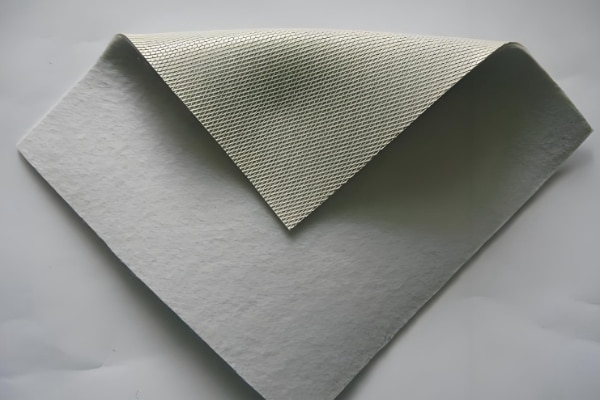
Non-woven geotextile is the first choice for drainage scenarios. Made of polyester or polypropylene staple fibers through needle punching, it is soft like felt, with core advantages of high water permeability and strong filtration performance, suitable for most drainage needs.
- Specifications and Applications: Lightweight (2-3 oz) is suitable for drainage areas, slopes, and home gardens, with the best water permeability; medium weight (4-6 oz) is suitable for French drains, flower beds, and small drainage projects, balancing drainage and durability.
- Typical Application Scenarios: Septic drain fields, underground drainage systems, vegetable planting beds, rooftop gardens, especially suitable for drainage improvement of heavy clay soil.
- Core Advantages: High porosity, precise filtration, easy laying, and affordable price (about 3.2 yuan/㎡ for 400g specification) with outstanding cost performance.
Alternative Option: Woven Geotextile
Woven geotextile is made of fibers through warp and weft weaving, with obvious surface textures similar to woven bags. Its core features are high tensile strength and strong durability, suitable for heavy-load scenarios.
- Performance Characteristics: Tensile strength is more than 50% higher than non-woven fabrics, wear-resistant and tear-resistant, capable of withstanding vehicle rolling or heavy machinery operations.
- Drainage Limitations: Medium water permeability (drainage rate 0.1-1L/(m·s)), pores are easily clogged by fine sand, and drainage effect is limited when used alone.
- Suitable Scenarios: Scenarios requiring both erosion resistance and mild drainage, such as driveway subgrades, embankment slopes, and temporary drainage at construction sites.
How to Choose the Right Drainage Landscape Fabric
Step 1: Clarify the Application Scenario
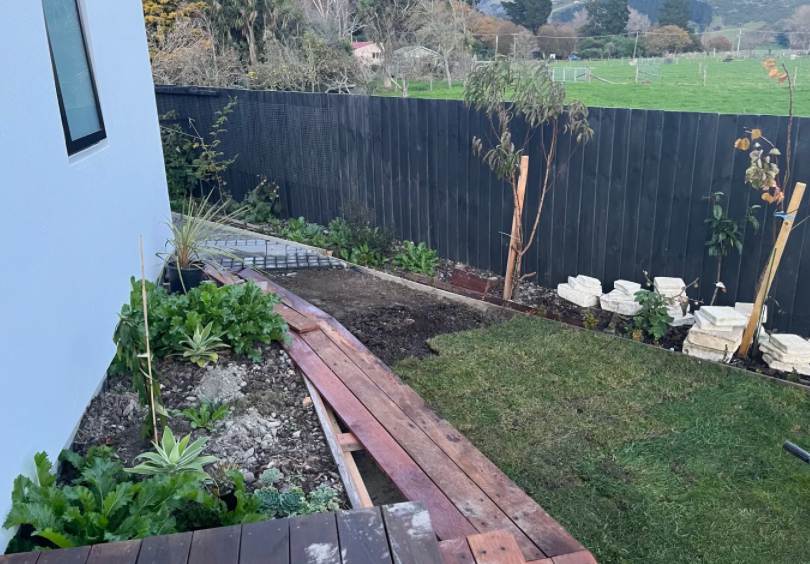
Gardening/Home Gardens: Prioritize 2-3 oz non-woven geotextile to balance drainage, weed control, and aeration needs, avoiding plant root rot.
French Drains/Small Drainage Projects: 4-6 oz non-woven geotextile is the optimal solution, with high water permeability to ensure water flow rate and good filtration performance to prevent pipe clogging.
Recommended Products:
Recommended Reading:
Slopes/Construction Sites: Medium weight (5-8 oz) woven or non-woven geotextile. Woven types are suitable for heavy-load scenarios, while non-woven types are suitable for high drainage needs.
Recommended Products:
Septic Drain Fields: Must choose special drain field fabric that meets local environmental standards to ensure high strength and precise filtration performance.
Driveway/Walkway Subgrades: 6-10 oz woven geotextile, focusing on meeting tensile strength and wear resistance requirements, assisting subgrade drainage.
Recommended Products:
Step 2: Verify Core Parameters
- Material Selection: Polypropylene (PP) offers high cost performance and strong corrosion resistance, suitable for most home and general engineering scenarios; polyester (PET) has higher tensile strength and better aging resistance, suitable for long-term use or heavy-load scenarios.
- Weight Matching: For heavy clay soil, prioritize water permeability and choose lightweight (2-3 oz) products; for sandy soil, prevent particle loss and choose medium weight (4-6 oz) products; for heavy-load scenarios, choose medium weight or higher specifications.
- Indicator Verification: Request test reports from suppliers to confirm that water permeability, tensile strength, UV resistance, and other parameters meet requirements, and prioritize products complying with GB national standards.
Pitfall Avoidance Guide
- Avoid Low Permeability Fabrics: Such as dense woven weed barrier cloth and recycled material woven cloth, which have low porosity and are prone to waterlogging and clogging.
- Do Not Neglect UV Resistance: Fabrics used outdoors must be labeled “UV stable” or “UV resistant for more than 5 years”. Fabrics without UV protection will age and deteriorate within 1-2 years.
- Reject Blind Pursuit of Thickness: High grammage (e.g., above 8 oz) fabrics have poor water permeability, which not only increases costs but also reduces drainage efficiency, and are only needed for heavy-load scenarios.
- Be Wary of Recycled Material Products: Recycled material fabrics have a pungent odor, extremely poor tensile strength and durability, produce black smoke when burned, and will crack and fail in about 3 years, which may increase rework costs.
Installation and Maintenance Tips for Drainage Landscape Fabric
Pre-Installation Preparation
- Soil Treatment: First level the construction area and remove stones, branches, sharp debris, etc., to avoid piercing the fabric; for areas with steep slopes, trim the slope first to ensure uniform and stable slope.
- Size Planning: Cut the fabric according to the size of the construction area, leaving a 15-20cm overlap width to avoid gaps at the joints.
- Auxiliary Materials: Prepare anchors (plastic or metal), gravel (for drainage layer), cutting tools, etc. For large-scale projects, compaction equipment can be prepared.
Correct Installation Methods
- Laying Direction: Lay along the direction of water flow; for slope laying, lay from top to bottom to ensure smooth water discharge.
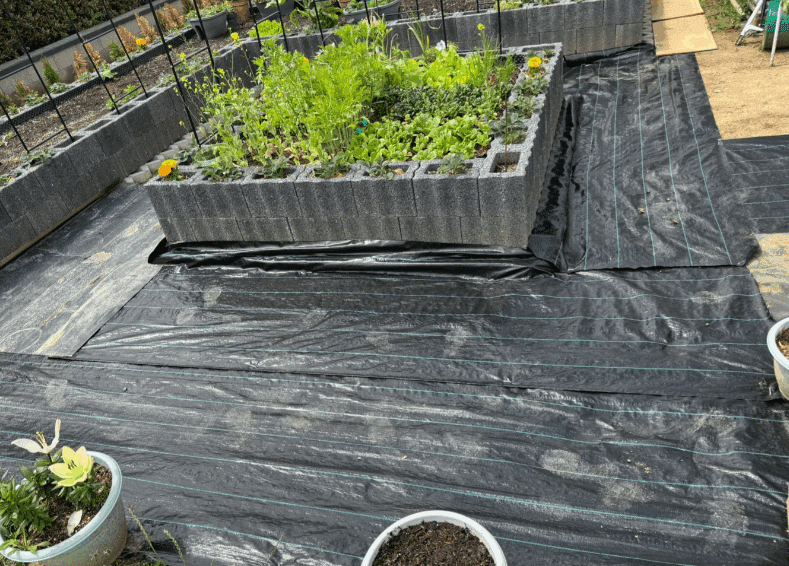
- Overlap Treatment: Control the overlap width of adjacent fabrics at 15-20cm. Fix the overlapping area with anchors or compact with covering layers to avoid water leakage from gaps.
- Fixing Methods: For home scenarios, plastic anchors can be used for fixation with a spacing of about 1m; for construction scenarios, metal anchors or gravel/soil covering and compaction can be used to ensure the fabric does not shift.
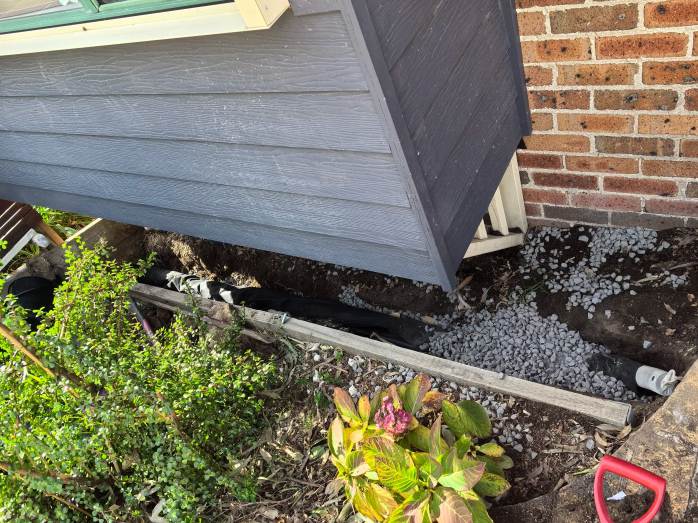
- Composite Laying: For underground drainage scenarios (such as French drains), first lay the fabric, then place the drain pipe, wrap the drain pipe with the fabric, and cover the outer layer with gravel.
Maintenance Points
- Regular Cleaning: Clean fallen leaves, weeds, and other debris on the fabric surface every 3-6 months to avoid clogging pores and affecting water permeability.
- Damage Inspection: Check the fabric for damage or tears before and after the rainy season every year. If problems are found, repair them with special patches or replace local fabric in a timely manner.
- Edge Protection: Ensure the fabric edges are completely covered by soil or covering layers to avoid accelerated aging due to exposure to sunlight and prevent soil erosion from water flow at the edges.
Common Mistake Avoidance
- Over-Tight Laying: Over-stretching the fabric will cause pore shrinkage and reduce water permeability. The fabric should be laid in a naturally relaxed state.
- Uncovered Edges: Exposed fabric edges are prone to aging and will form water flow channels leading to soil loss, which must be covered with soil or gravel.
- Mixing Different Functional Fabrics: Do not overlap drainage cloth with ordinary weed barrier cloth. The conflicting functions of the two will seriously affect drainage efficiency.
- Improper Drainage Layer Treatment: For underground drainage scenarios, a 10-15cm thick gravel layer should be laid under the fabric. Without a gravel layer, drainage efficiency will be reduced and the risk of clogging will increase.
Frequently Asked Questions (FAQs)
Q1: Is non-woven or woven fabric better for drainage?
Non-woven fabric is more suitable for drainage scenarios. Non-woven fabric has high porosity (70%-85%), stronger water permeability and filtration performance, which can quickly drain water without clogging. Although woven fabric has good durability, its water permeability is medium, and it is only suitable for composite scenarios requiring heavy load and mild drainage. Its drainage effect is poor when used alone. In a word: choose non-woven for drainage, and woven for strength.
Q2: Can ordinary landscape fabric be used for drainage?
It is not recommended. Ordinary landscape fabric (such as regular weed barrier cloth) focuses on weed control, adopting a dense weaving process with low porosity and extremely poor water permeability, which cannot meet drainage needs. Instead of diverting waterlogging, its use will cause water retention, leading to plant root rot, soil compaction, and even clogging of the drainage system.
Q3: What weight of drainage fabric is needed for a French drain?
It is recommended to choose 4-6 oz (300-400g/m²) non-woven geotextile. This weight of fabric can not only ensure high water permeability for rapid water flow but also has sufficient filtration performance and durability to effectively block soil particles from entering the pipe and causing clogging. Lightweight (2-3 oz) products have insufficient durability, and heavyweight (above 8 oz) products have poor water permeability, both of which are not suitable for French drain scenarios.
Q4: How long does drainage landscape fabric last?
The service life mainly depends on the material and usage environment. High-quality fabrics have a service life of 5-15 years. Polypropylene (PP) non-woven fabrics have a service life of about 5-8 years, polyester (PET) non-woven fabrics about 8-12 years, and polyester woven fabrics can reach 10-15 years. Outdoor exposure, heavy load, and strong UV environments will shorten the service life. Proper edge protection and regular maintenance can extend the service life.
Conclusion
The core value of drainage landscape fabric lies in “high-efficiency drainage + precise filtration”. Among them, non-woven geotextile has become the best choice for most scenarios due to its high porosity and strong adaptability. The key to selection is to match the application scenario with the weight specification: 2-3 oz lightweight for home gardening, 4-6 oz medium weight for drainage projects, and woven or high-grammage non-woven for heavy-load scenarios.
When selecting, focus on three core factors: water permeability, UV resistance, and material quality, avoiding pitfalls such as recycled materials, high grammage, and low porosity. During installation, strictly control the overlap width and fixing method, and perform regular cleaning and damage maintenance in daily use to give full play to its comprehensive functions of drainage, soil protection, and erosion prevention.
Whether you are a home gardening enthusiast or a construction practitioner, you can select and use drainage landscape fabric correctly and completely solve waterlogging problems by following the principle of “scenario matching + parameter verification + standardized construction” according to your own needs.
Reference Sources
- Standard Number: GB/T 17638-1998
- Standard Title: Geosynthetics – Staple Fiber Needle-Punched Non-Woven Geotextiles
- Issuing Authority: State Bureau of Quality and Technical Supervision
- Issuance/Implementation Date: Issued on December 24, 1998; implemented on March 1, 1999
- Core Content: The former national technical standard for staple fiber needle-punched non-woven geotextiles. It once specified the testing and determination methods for key indicators of products, such as unit area mass, water permeability, and tensile strength, providing historical reference for the parameter verification of drainage non-woven geotextiles (Note: This standard has been repealed).