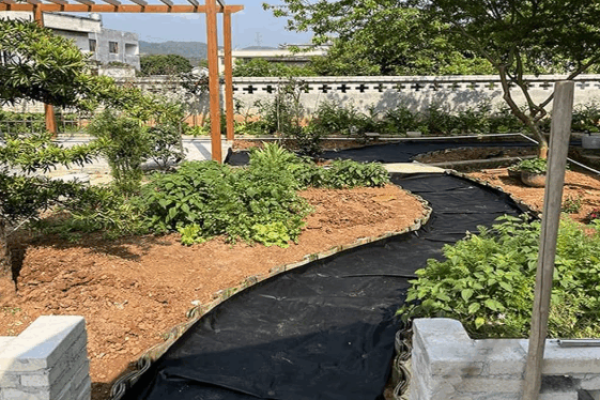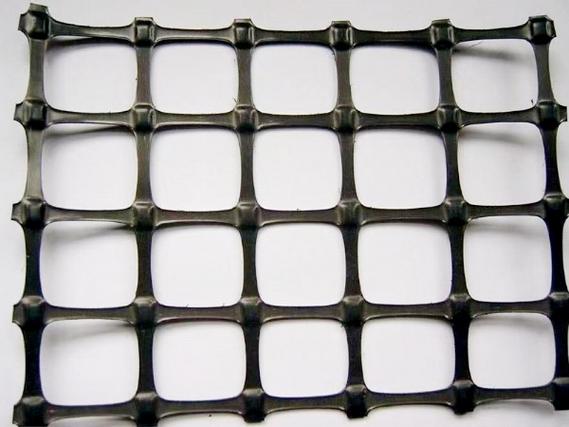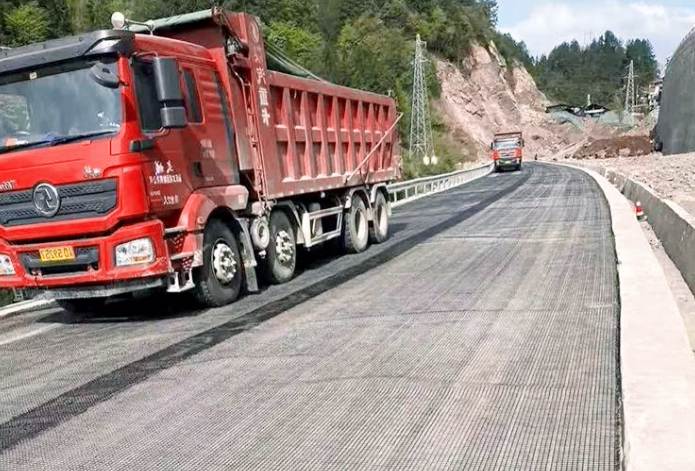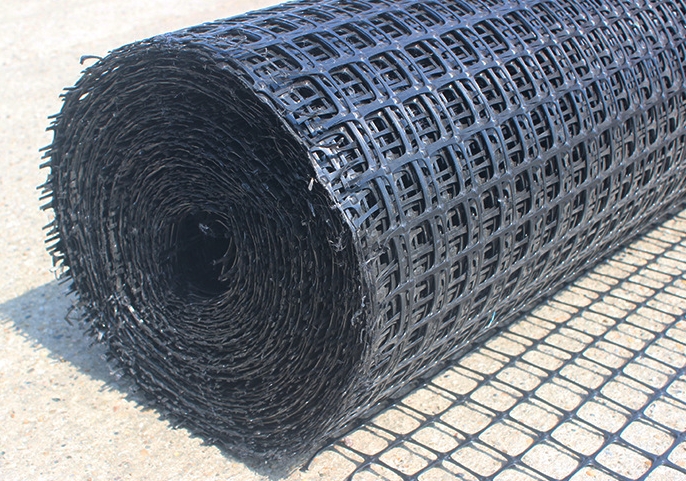
What is the best geotextile drainage fabric? Which is suitable for drainage, woven or non-woven geotextile? This article will serve as your ultimate guide, taking you from scratch to thoroughly understand drainage geotextiles. You will learn how to choose correctly, how to install professionally, and avoid common errors that can cause drainage systems to fail.
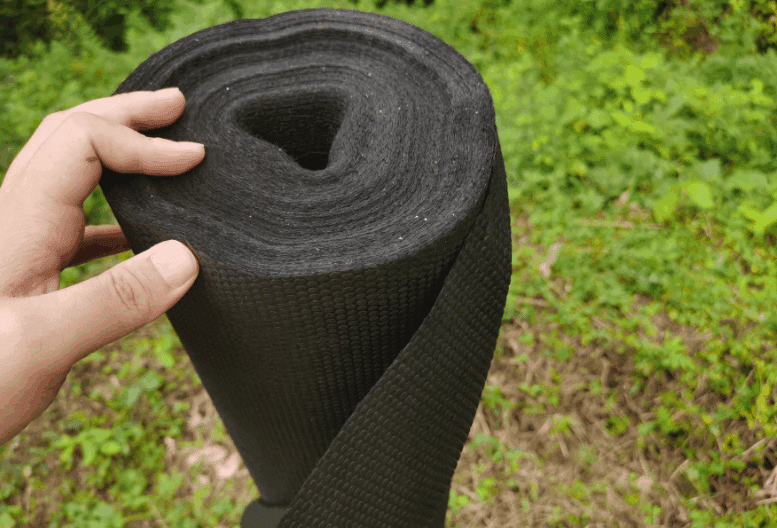
What Is Geotextile Drainage Fabric?
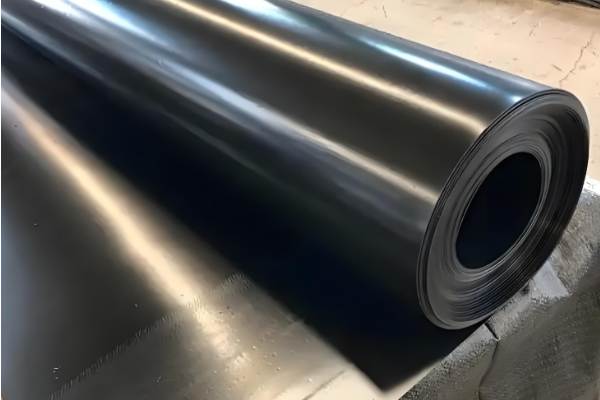
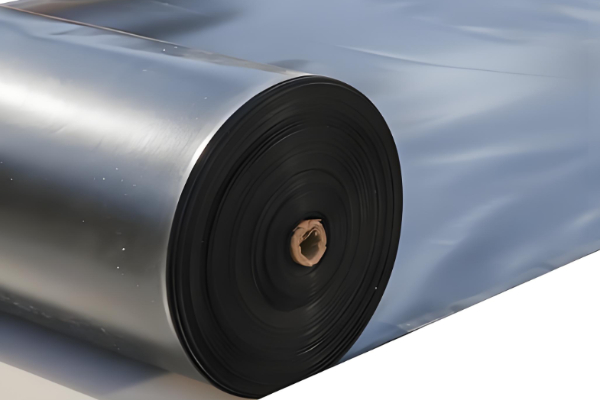
Simply put, drainage geotextile is a permeable synthetic fabric, typically made from polyester or polypropylene. Far from a passive barrier, it is a functional engineering material that plays three core roles in soil:
- Separation: Prevents different layers of soil and gravel from mixing. Imagine a sandwich—geotextile acts as the wrapper that keeps the bread and patty from sticking together. Without it, upper-layer gravel would sink into the underlying soft soil, causing ground settlement.
- Filtration: The cornerstone of its drainage function. It allows water to pass freely (vertically or horizontally) while effectively trapping fine soil particles, preventing clogging of drains or gravel layers and ensuring long-term drainage system efficiency.
- Reinforcement: Distributes upper loads to enhance overall soil stability and bearing capacity—critical for driveway or parking lot construction.
Common Applications of Geotextile Fabric for Drainage
- French drains
- Driveway and subgrade construction
- Drainage behind retaining walls
- Foundations under patios and slabs
- Raised garden beds and bioswales
How to Choose the Right Drainage Geotextile?
1. Woven vs. Non-Woven: Which Is Better for Drainage?
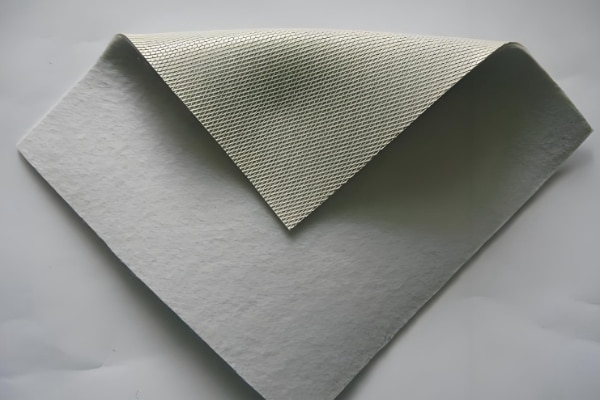
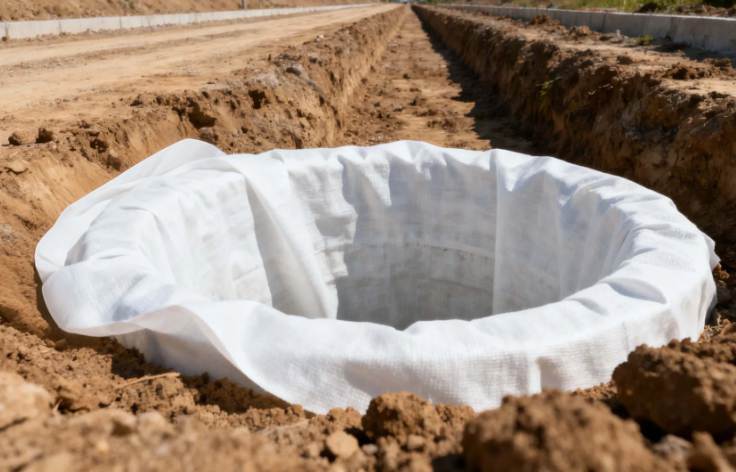
- Non-woven geotextile: The top choice for drainage projects. Its random fiber structure creates countless interconnected pores, enabling high water permeability while effectively retaining soil particles—perfectly fulfilling the filtration function.
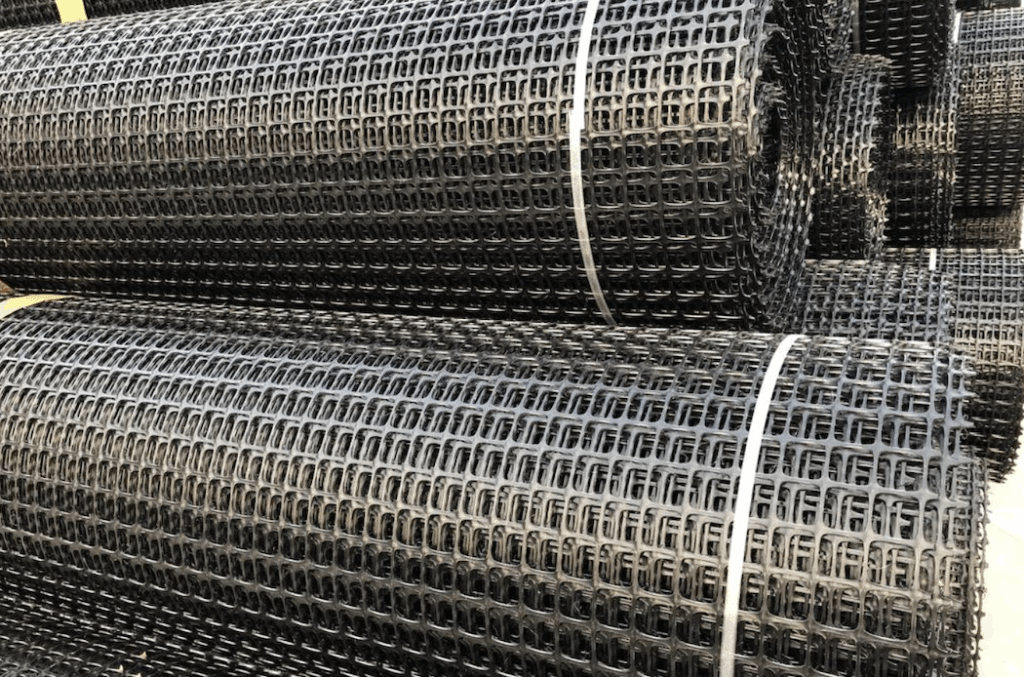
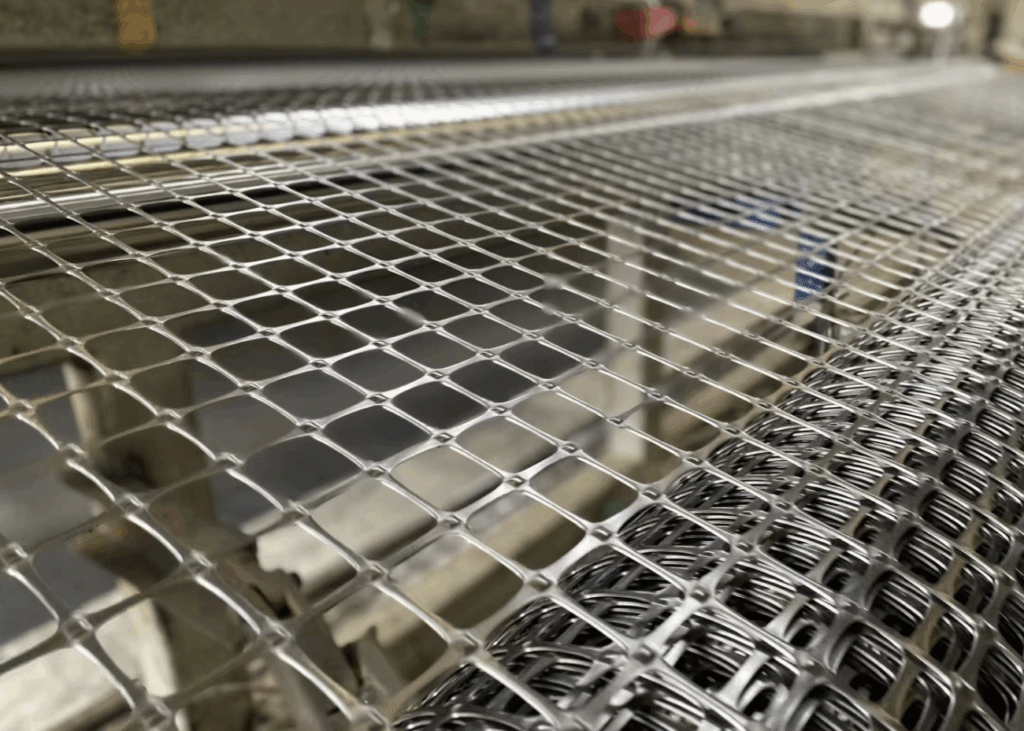
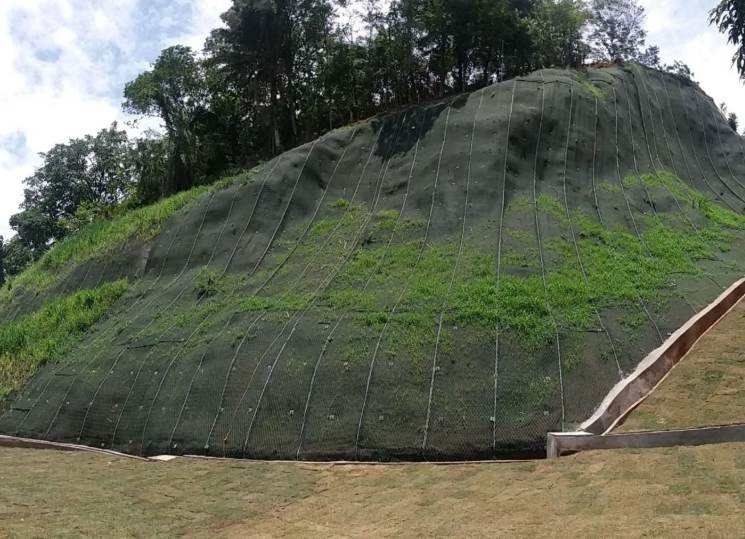
- Woven geotextile: Primarily used for soil reinforcement and stabilization (e.g., steep slope reinforcement, driveways on soft ground) due to its high tensile strength. However, it has poor filtration performance and is prone to “blinding” (pore clogging) in fine-grained soils.
Summary: For 90% of drainage applications, choose non-woven geotextile without hesitation.
2. Understanding Weight and Specifications
Geotextile weight is usually expressed in “ounces per square yard (oz/sq yd)” or “grams per square meter (gsm)”, directly related to its thickness and strength:
- Lightweight (3-5 oz/sq yd / 100-150 gsm): Suitable for separation under raised garden beds and light landscaping.
- Medium-weight (6-8 oz/sq yd / 200-270 gsm): The universal top choice. Ideal for French drains, general driveway stabilization, and retaining wall drainage. Offers the best balance of strength, filtration, and cost.
- Heavyweight (10+ oz/sq yd / 340+ gsm): Used for heavy-duty commercial applications, highways, landfills, and other extreme conditions.
The Best Geotextile Drainage Fabric
“The best” depends on your specific project. Below is a scenario-based buying guide:
1. All-Rounder Choice
Best for most DIY French drains and backyard drainage projects.
- Recommendation: 6 oz non-woven geotextile、8 oz non-woven geotextile
- Why: Perfect balance of filtration, puncture resistance, and cost. Easy to install for DIY projects and delivers reliable performance for decades.
- Recommended Reading:Geotextile Fabric for French Drain:Selection,Installation,and Pitfall Avoidance
2. Durability Choice
For high-intensity applications like heavy-duty driveways and parking lots.
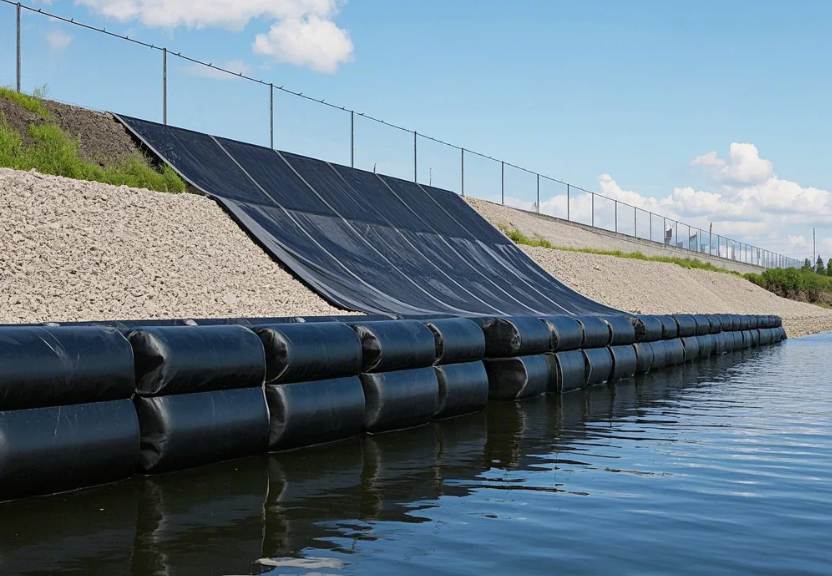
- Recommendation: Heavyweight non-woven geotextile (8+ oz) or warp-knitted composite geotextile. such as 10 Oz Nonwoven Geotextile Fabric
- Why: Higher tensile strength and burst strength to withstand continuous heavy loads and impacts from sharp stones.
- Recommended Reading:Best Geotextile Fabric for Gravel Driveway
3. Cost-Effective Choice
For separation under light garden beds and walkways.
- Recommendation: 4 oz non-woven geotextile.
- Why: Affordable and sufficient for basic separation and filtration needs in low-load projects.
- Recommended Reading:Geotextile Fabric for Gardens: A Complete Guide
Non Woven Geotextile Drainage Fabric vs Landscape Fabric
| Characteristic | Drainage Geotextile Fabric (Non-Woven Recommended) | Landscape Fabric (Typically Woven) |
|---|---|---|
| Material/Structure | Polyester or polypropylene fibers randomly arranged through needle-punching, similar to felt. | Flat plastic tapes woven together in a grid pattern, similar to a burlap sack. |
| Permeability | Very High – Water can pass through easily in all directions. | Poor – Designed primarily to block horizontal weed growth, with low water flow rates. |
| Primary Function | Filtration, Drainage, Protection, Separation. | Weed Suppression, Separation. |
| Ideal Application | Any system requiring drainage, such as French drains, under road bases. | Flower beds, under walkways, primarily for weed control. |
| Consequence of Misuse | Using landscape fabric for drainage will prevent water from entering the system, causing it to fail. | Using geotextile for weed control can block water and air, suffocating plant roots. |
The Core Conclusion: For drainage, use geotextile fabric. For weed control, use landscape fabric. Always choose based on your primary goal.
Geotextile Drainage Installation Guide
Proper installation is just as crucial as product selection.
- Preparation: Excavate trenches or level the site. Ensure the base is flat with no sharp protrusions.
- Laying the Geotextile: Spread the geotextile over the excavated area. Regarding orientation: There is usually no distinct front or back, but some products have a smoother side. Follow the manufacturer’s instructions; if none are provided, place the rougher/marked side facing the soil.
- Overlap: Adjacent geotextile rolls require sufficient overlap—typically 15-30 cm—to ensure continuity.
- Placing Aggregate and Pipes: Lay a layer of clean drainage gravel over the geotextile, then install perforated drain pipes (e.g., for French drains).
- Critical Step – Wrapping: Pull the sides of the geotextile upward to fully cover and wrap the gravel and pipes. This forms a closed “geotextile-wrapped aggregate” system, the core of ensuring long-term filtration effectiveness.
- Securing and Backfilling: Use geotextile staples or straps to secure overlaps. Finally, backfill with soil and restore the surface landscape.
Common Installation Mistakes & How to Avoid Them
- Mistake 1: Overstretching. Keep the geotextile loose to accommodate settlement.
- Mistake 2: Insufficient overlap, leading to soil intrusion.
- Mistake 3: Failure to fully wrap the aggregate layer.
- Mistake 4: Accidental tearing during installation or backfilling.
Frequently Asked Questions (FAQ)
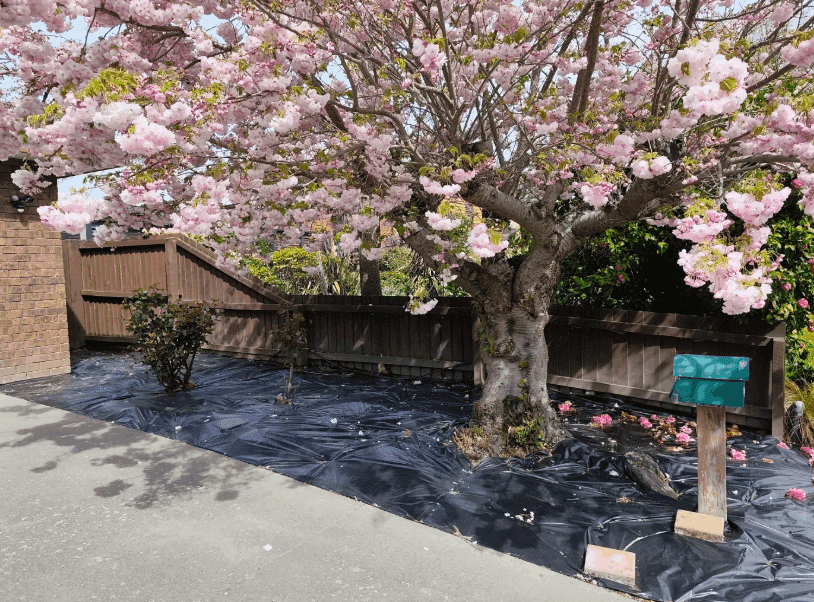
Q: Can I use regular plastic sheeting instead?
A: Absolutely not. Plastic sheeting is impermeable, which completely blocks water flow and causes water to accumulate above the sheet—worsening the problem.
Q: What is the service life of drainage geotextile?
A: High-quality non-woven polypropylene geotextile maintains chemical and physical stability for over 50 years under normal usage conditions.
Q: Is woven geotextile completely unsuitable for drainage?
A: Not entirely, but it is mainly used for horizontal drainage in reinforcement/stabilization scenarios, not for vertical drainage or French drains requiring fine filtration. For average users, sticking with non-woven products is the safest choice.
Conclusion
Choosing the right drainage geotextile and installing it properly is the key to a long-lasting drainage system. Remember this simple process: Confirm your needs (drainage) → Select the material (non-woven) → Determine specifications (6-8 oz for general use) → Install carefully (prioritize wrapping and overlap).
Reference Sources
- ASTM D4491: Standard Test Methods for Water Permeability of Geotextiles by Permittivity.
- ASTM D4632: Standard Test Method for Grab Breaking Load and Elongation of Geotextiles.
- ASTM D4751: Standard Test Method for Determining Apparent Opening Size of Geotextiles.
- ASTM D6917: Standard Test Method for Determining the Stiffness of Nonwoven Geotextiles Using the Cantilever Method.