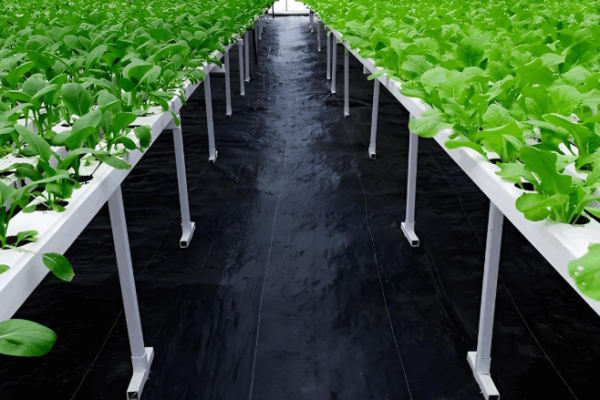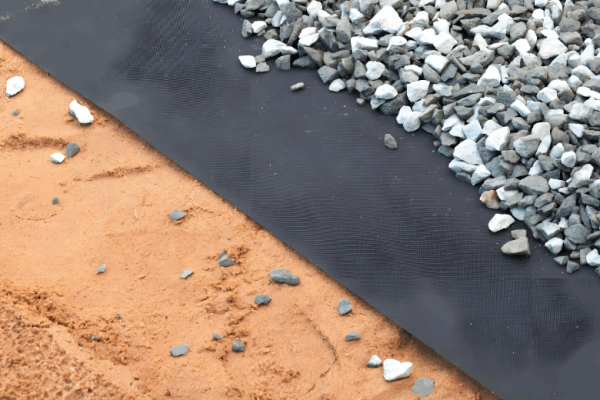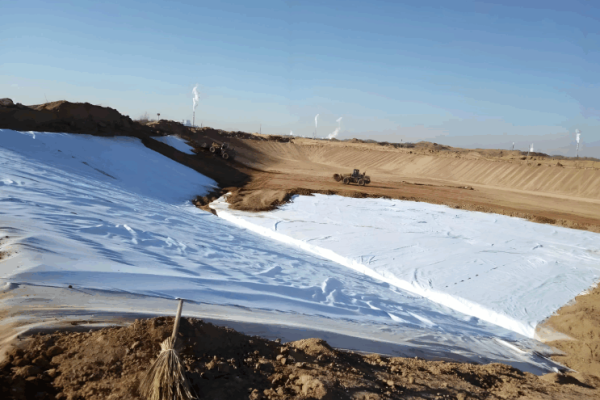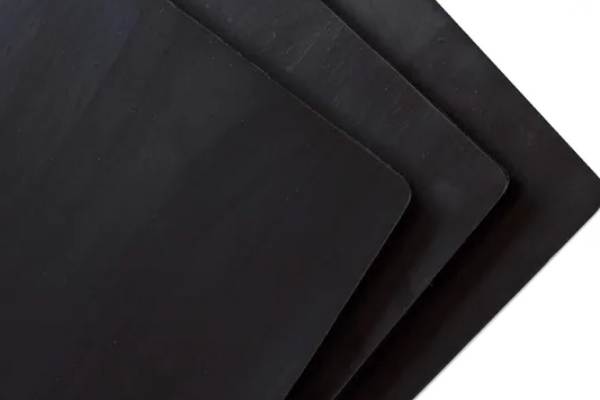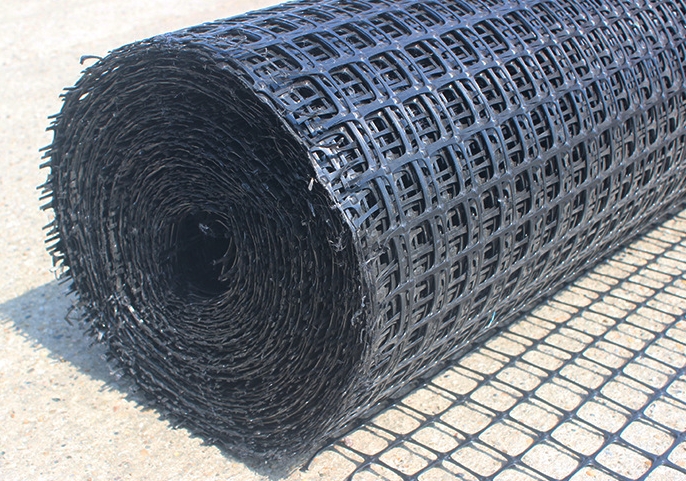
When you stare at the endless weeds in your garden or plan to create a neat, low-maintenance yard, “Landscaping fabric” is bound to appear as a solution. Often hailed as a weed killer, it also faces considerable criticism online. So, should you use landscape fabric? The answer isn’t a simple “yes” or “no.” This guide will take you deep into the topic to fully understand the true nature of this tool.
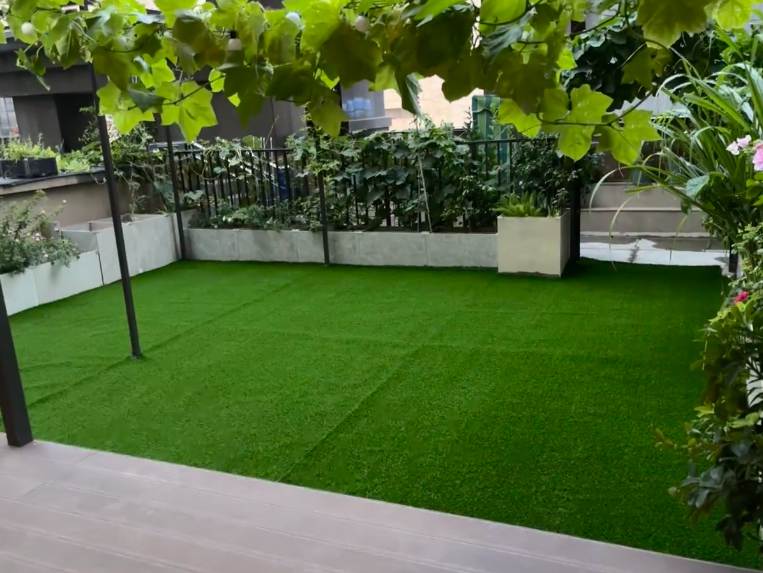
What is Landscaping Fabric?
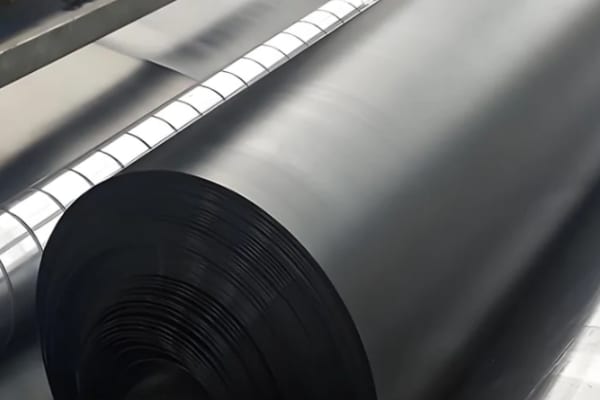
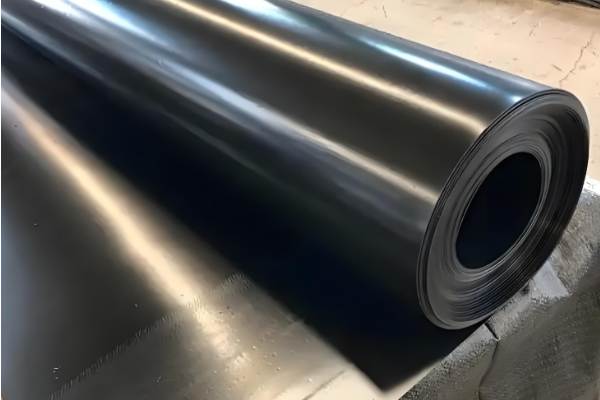
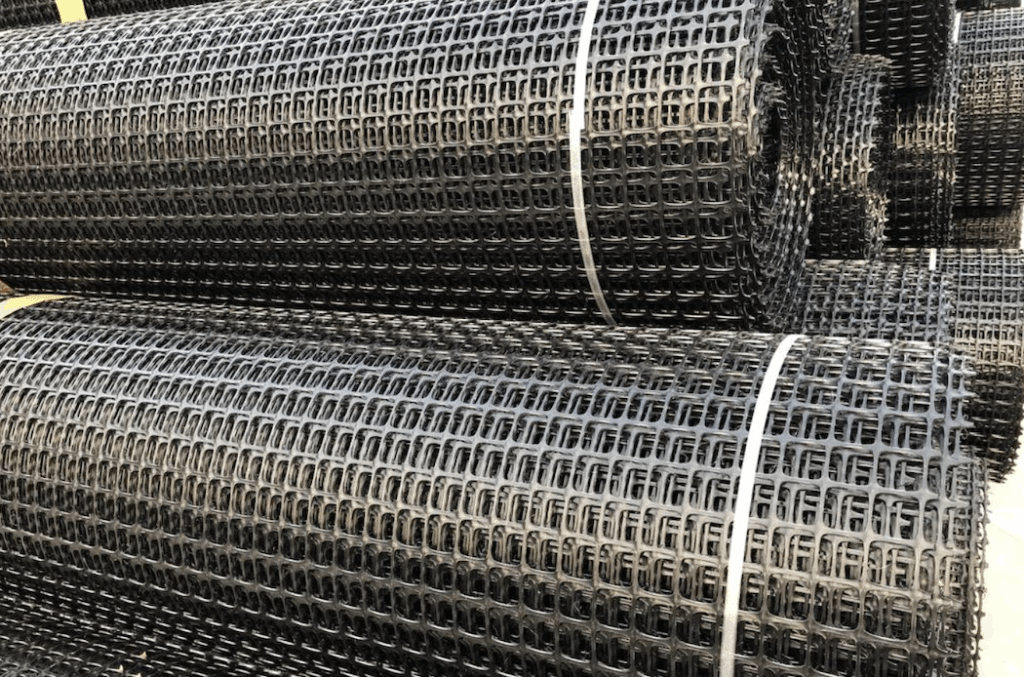
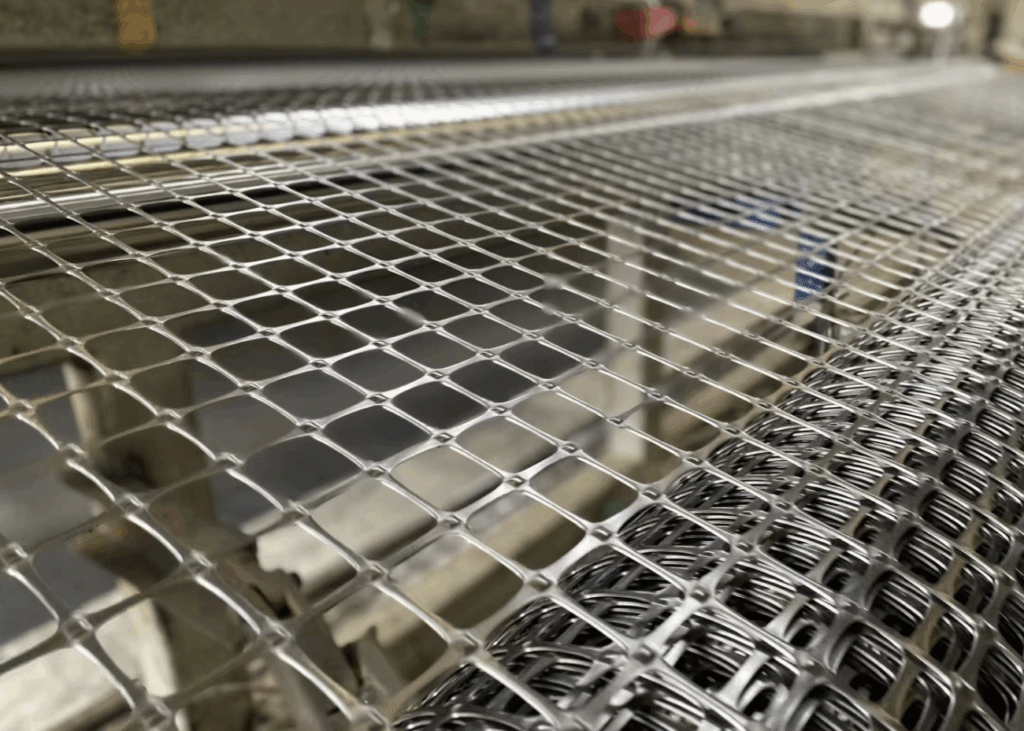
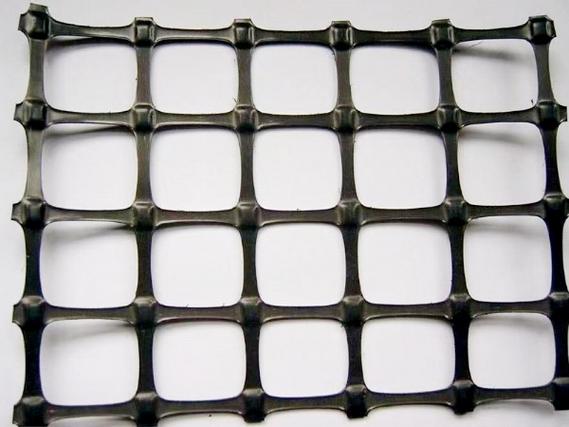
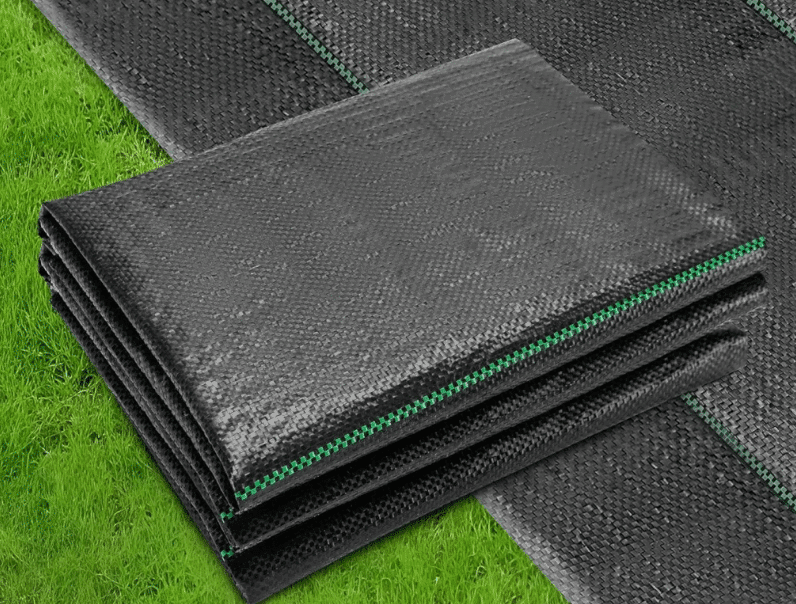
Landscape fabric, also known as weed barrier fabric, is a permeable fabric laid on the soil surface. Its primary functions are to suppress weed growth, retain soil moisture, and stabilize the mulch above.
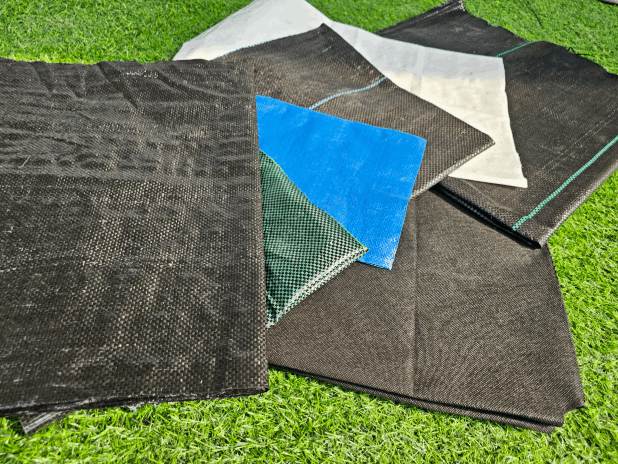
Main Types of Landscape Fabric:
- Woven Fabric
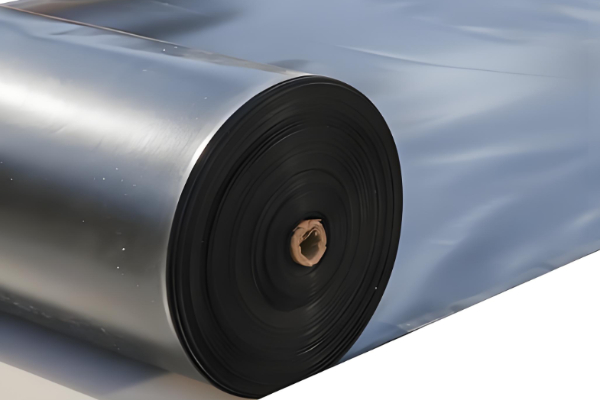
- Made from woven polypropylene flat yarns, similar to the material of rice bags.
- Features: Exceptionally high strength and durability.
- Drawbacks: Poor water permeability and air circulation.
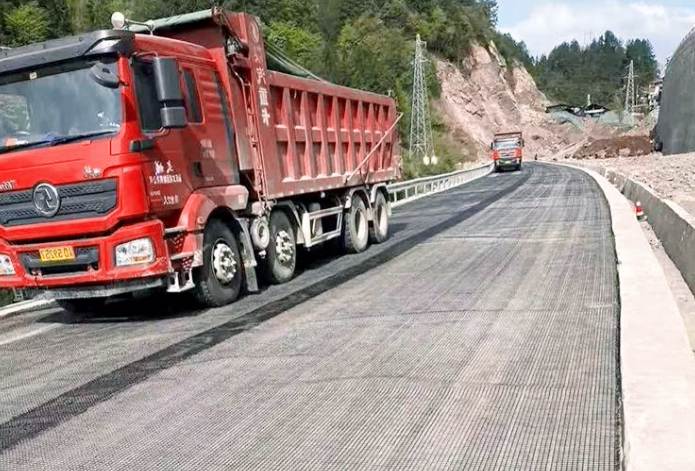
- Best for: Under hardscaping such as driveways and stone paths.
- Non-Woven Fabric
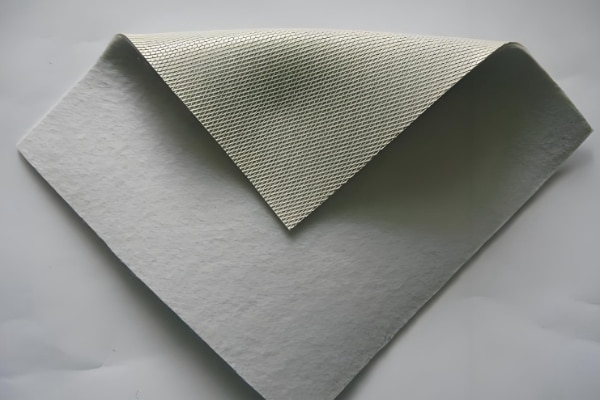
- Made from polypropylene fibers bonded by needle-punching and heat-pressing, resembling a thick felt.
- Features: Excellent water permeability and air circulation, effectively blocking sunlight while allowing water to seep through.
- Drawbacks: Relatively lower strength.
- Best for: Flower beds, planting beds, and other areas requiring soil-water-air exchange.
What is Landscape Fabric Made Of?
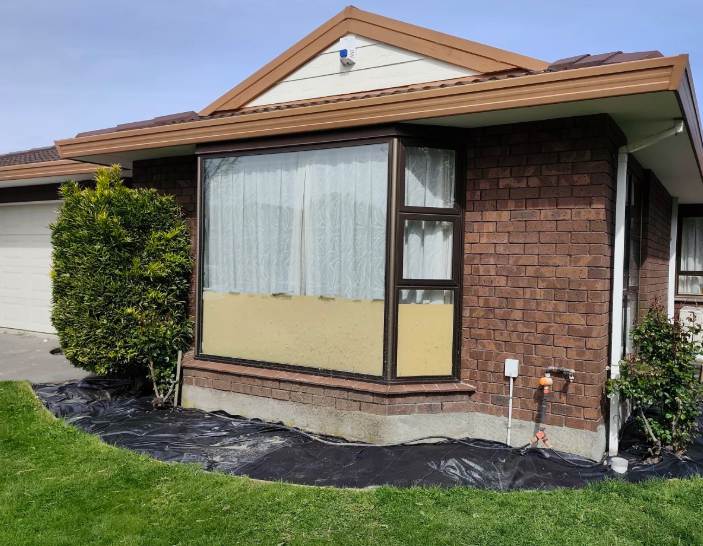
Over 90% of landscape fabrics on the market are made from polypropylene or polyester—essentially a type of plastic. These materials are chosen for their sturdiness, durability, and resistance to decomposition. Additionally, natural landscape fabrics exist, such as coconut fiber cloth and burlap, which are biodegradable and eco-friendly options. We’ll discuss these in detail later.
Pros and Cons of Landscaping Fabric
Before deciding to use it, it’s crucial to fully understand its advantages and disadvantages.
Advantages of Landscape Fabric:
- Effective Weed Suppression: Physically blocks sunlight, inhibiting the growth of most annual weeds.
- Reduced Maintenance: Significantly cuts down on time and effort spent weeding and trimming.
- Stable Base: Prevents mulch like gravel and bark from sinking into the soil, keeping the surface tidy.
- Soil Conservation: Reduces soil moisture evaporation and prevents soil erosion to a certain extent.
Disadvantages and Controversies of Landscape Fabric:
- Counterproductive in the Long Run: Over time, dust and organic debris accumulate on the fabric, forming a “new soil layer” that becomes a breeding ground for weed seeds—making weeding even more difficult.
- Damages Soil Health: Blocks organic matter (e.g., fallen leaves, decomposed mulch) from returning to the soil, disrupting the health of soil ecosystems (including microorganisms and earthworms). This can lead to soil compaction and reduced fertility over time.
- Hinders Plant Growth: Inhibits the natural spread of perennial plants and groundcovers, limiting garden ecological diversity.
- Difficult to Modify Later: Once laid for several years, removing the fabric to replace plants or renovate the garden becomes an extremely tedious task.
Does Landscape Fabric Decompose?
Traditional plastic landscape fabric is non-biodegradable, with a lifespan of 5, 10, or even more years. This is the source of its “durability” advantage but also contributes to its eco-unfriendly reputation. In contrast, natural landscape fabrics decompose naturally within 1–3 years, causing no harm to the environment.
Is Landscape Fabric Waterproof?
This depends entirely on the type:
- Woven fabric is nearly waterproof, with drainage relying primarily on gaps in the weave.
- Non-woven fabric is permeable, allowing water and air to pass freely.
Critical Note: Always use permeable non-woven fabric in areas with plants. Impermeable materials will trap water, leading to root rot and plant death.
The Difference Between Landscape Fabric and Plastic
This is a key distinction—many people mistakenly assume they are the same:
- Landscape Fabric: A permeable fabric that allows water and air exchange, suppressing weeds while supporting soil respiration.
- Plastic Mulch Film: A completely impermeable plastic that severs all exchange between the soil and the outside environment, killing beneficial soil organisms.
Conclusion: Plastic mulch film should never be used in garden flower beds. It is only suitable for specific agricultural applications (e.g., heat and moisture retention for crops like strawberries) and is typically biodegradable. For home gardening, always choose permeable landscape fabric over plastic film.
What Type of Landscape Fabric is Best?
The best landscape fabric depends on your intended use. Refer to the decision guide below:
Scenario 1: Under Driveways, Stone Paths, or Permanent Hardscaping
Top Choice: High-strength woven fabric
Reason: Boasts excellent load-bearing capacity, effectively separating the base soil from the surface stone to prevent sinking.
Scenario 2: Regular Flower Beds, Under Shrubs, or Around Trees
Top Choice: Permeable non-woven fabric
Reason: Ensures water vapor circulation, balancing weed suppression with plant health. This is the most versatile choice for general garden use.
Scenario 3: Eco-friendly Goals, Short-term Projects, or Vegetable Gardens
Top Choice: Natural landscape fabrics (coconut fiber cloth/burlap) or thickened organic mulch
Reason: Biodegradable and non-toxic to soil, it fulfills its weed-suppression function and improves soil quality before decomposing.
Should I Use Landscape Fabric?
Highly Recommended Scenarios:
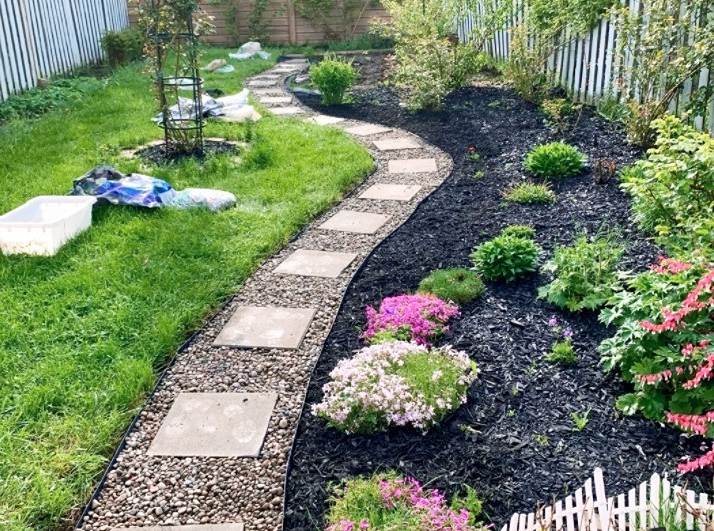
- Under Hardscaping: Such as beneath stone paths, gravel driveways, patios, or safety mats in children’s play areas.
- Pure Non-Planting Zones: Areas where you want to permanently eliminate vegetation, such as buffer zones next to warehouses or fences.
Strongly Discouraged Scenarios:
- Annual Flower or Vegetable Beds: It severely restricts crop rotation and soil tilling, damaging soil structure.
- Ecological Gardens or Perennial Borders: If your goal is to build a vibrant, living ecosystem, landscape fabric will act as a barrier.
- Areas Where You Want to Improve Soil Fertility: Avoid it in spaces where soil health and fertility are priorities.
How to Install Landscape Fabric
Incorrect installation can drastically reduce the fabric’s effectiveness. Follow these steps:
- Preparation: Thoroughly remove all existing weeds, especially the roots of perennial weeds. Level the soil and clear rocks.
- Laying the Fabric: Unroll and flatten the fabric. Overlap adjacent pieces by 15–20 cm to ensure seamless coverage.
- Securing the Fabric: Use U-shaped landscape staples to anchor the fabric every 0.5–1 meter, especially along edges and overlaps, to prevent shifting.
- Handling Planting Holes: For plants, cut only a small “cross” or “X” shape at the desired location. Avoid making overly large openings.
- Immediate Mulching: Cover the installed fabric with at least 5–7 cm of mulch (e.g., wood chips, gravel, or pine bark) immediately. This not only improves aesthetics but also protects the fabric from UV radiation, extending its lifespan.
Alternatives
If you find landscape fabric unsuitable, here are better solutions:
- Thick Organic Mulch: The most recommended alternative. Lay 10–15 cm of organic mulch (e.g., wood chips, bark) directly on the soil. It suppresses weeds effectively while decomposing to enrich the soil—truly “feeding the soil” over time.
- Cardboard: A cheap, short-term option. Lay tape-free cardboard on the ground, dampen it, and cover with mulch. Cardboard suppresses weeds strongly in the short term and decomposes within 1–2 years.
- Living Groundcovers: The most ecological and aesthetically pleasing long-term solution. Plants like creeping thyme or lysimachia nummularia form dense mats that leave no room for weeds to take root.
- Natural Landscape Fabrics: If you still need a commercial product, coconut fiber cloth or burlap are perfect eco-friendly choices.
Conclusion
Landscape fabric is a specialized tool for specific scenarios—not a one-size-fits-all solution for gardens. Remember these final recommendations:
- It is a reliable choice for use under driveways, stone paths, or pure non-planting zones.
- For flower beds and shrub areas, carefully weigh its pros and cons. If used, always select permeable non-woven fabric and install it correctly.
- For vegetable gardens, ecological borders, or any area where soil health and fertility are priorities, abandon plastic landscape fabric and embrace thick organic mulch—the golden rule for a thriving, self-sustaining garden.
Reference Sources
- University Agricultural Extension Services (USA)
- Sources: Publications from the extension departments of universities such as the University of Minnesota, Iowa State University, and the University of Florida.
- Referenced Content: Scientific discussions on soil health, the impact of mulch on soil microbiology and fertility, and integrated weed management strategies. These sources provide the solid scientific basis for analyzing the potential negative impacts of landscaping fabric on soil.
- Plant & Soil Science Journals
- Referenced Content: Academic research on the interaction between plant root systems and the soil environment. This supports the article’s perspective on how fabric can restrict natural plant growth and soil ecosystems.