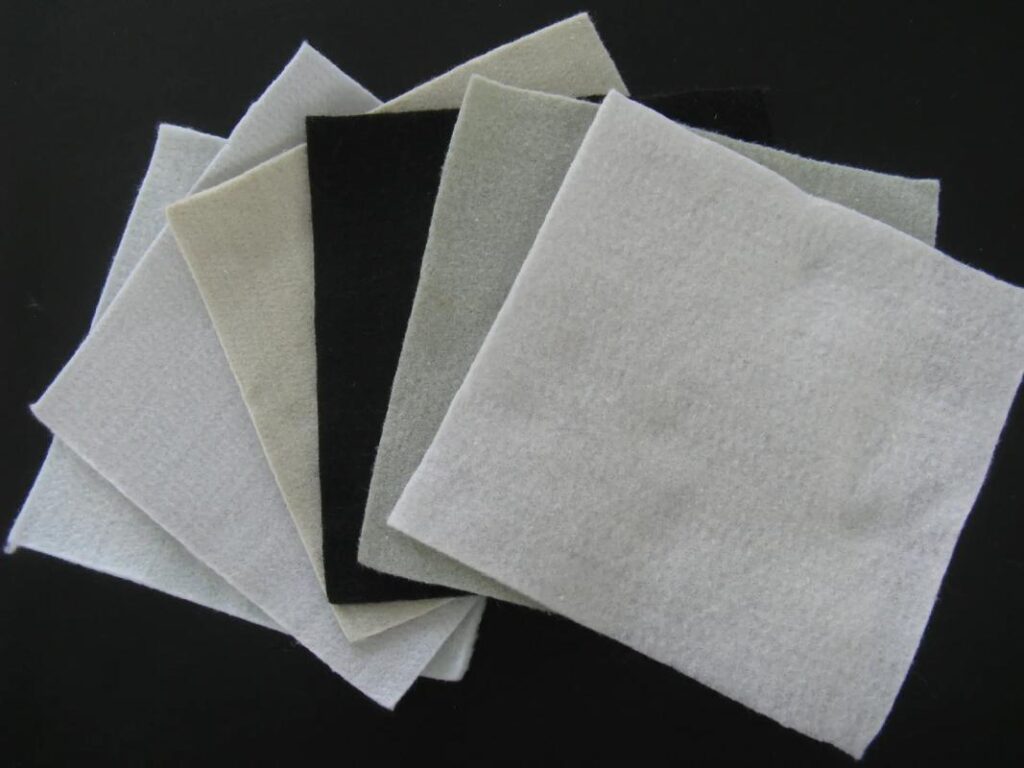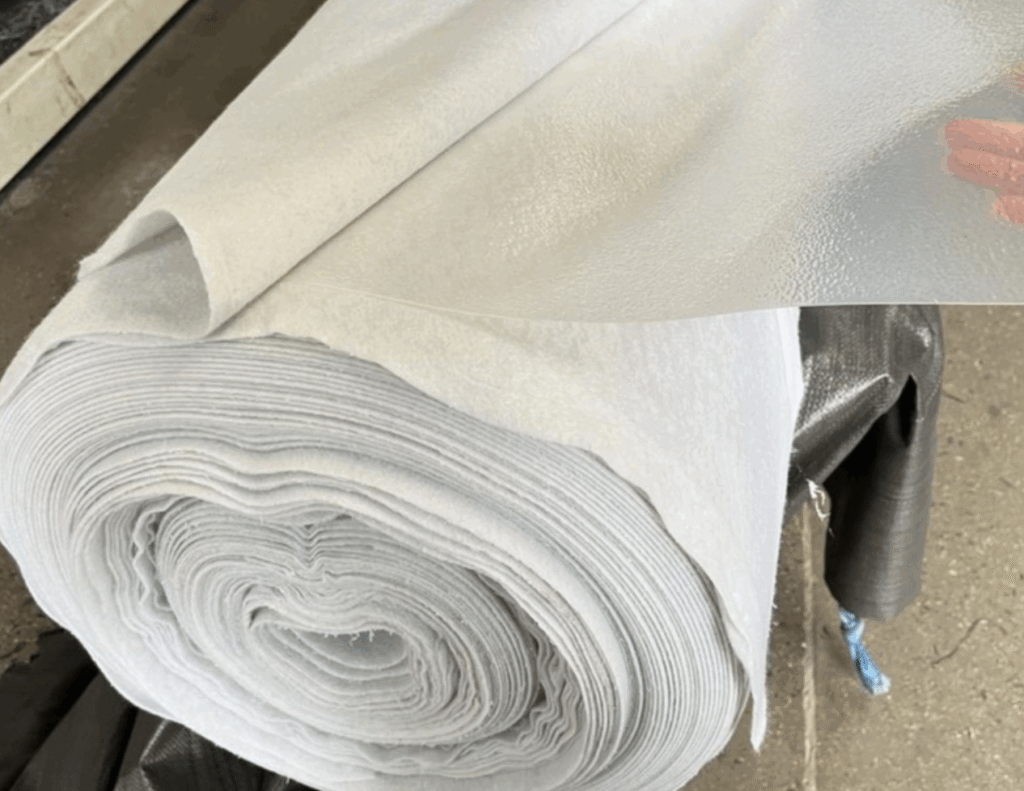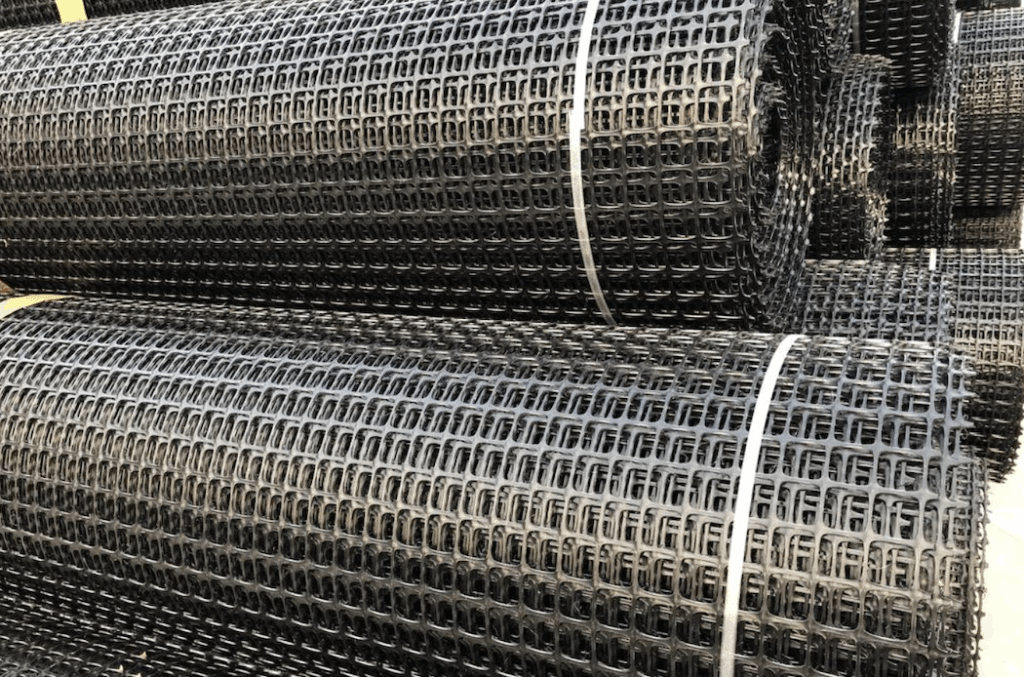
What is geotextile? What is landscape fabric? Are they the same? What’s the difference? How to choose non-woven landscape fabric, woven landscape fabric, and drainage fabric? What type of geotextile should be used under gravel? This article will help you solve these problems from the perspectives of basic cognition, purchasing decisions, and scenario applications, enabling you to find a suitable geotextile landscape fabric for you.

What is Geotextile?
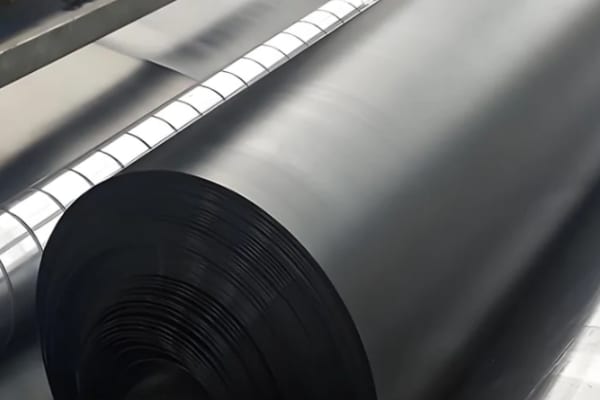
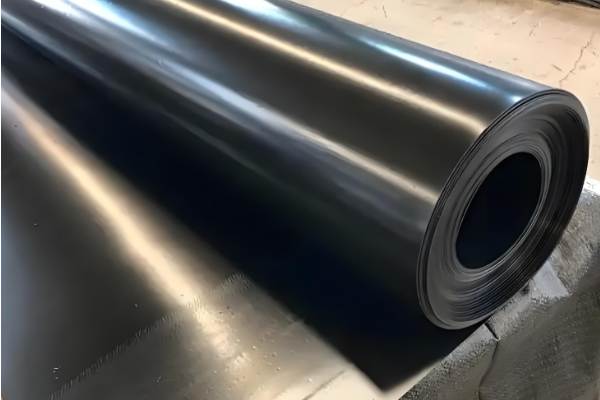
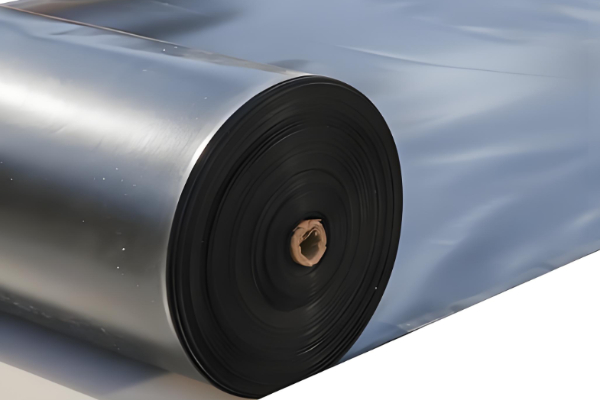
Geotextile is a synthetic textile material specifically designed for civil engineering and landscape greening projects. Its core value extends beyond “weed control” to four key functions:
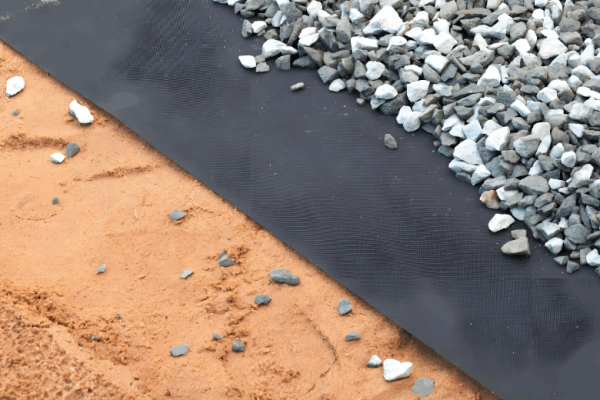
- Separation: Prevents mixing of upper-layer hard materials (e.g., gravel, stone slabs) with underlying soft soil, avoiding foundation settlement.
- Filtration: Allows water to pass freely while retaining soil particles, maintaining structural stability.
- Drainage: Forms a water-conducting layer in soil to effectively remove excess moisture, preventing muddiness and waterlogging.
- Reinforcement: Distributes loads to enhance the overall bearing capacity of soil (especially for driveways and parking lots).
What is Landscape Fabric?
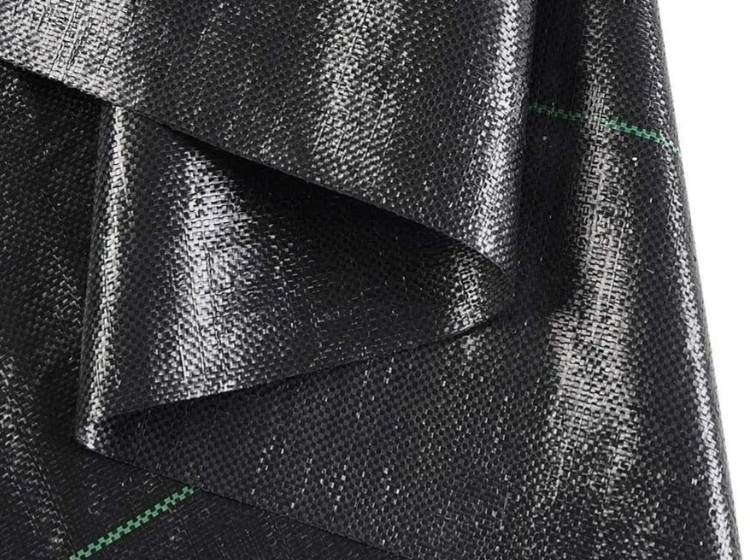
Landscape fabric is a specialized subset of geotextile designed for gardening, greening, and landscape engineering. Essentially, it is a “soil protection material that balances eco-friendliness and practicality,” distinct from ordinary plastic sheeting or shade cloth.
To qualify as landscape fabric, it must meet three key criteria:
- Material: Made from polymer materials like polypropylene (PP) or polyester (PET), free of heavy metals or chemical additives harmful to plants and soil.
- Functions: Delivers three core benefits—weed suppression, water permeability/air permeability, and soil structure protection—along with moderate tear resistance and UV stability.
- Scenarios: Suitable for non-engineering load applications such as home gardens, municipal flower beds, commercial green spaces, and landscape walkways (differentiated from heavy-duty geotextiles used in roads or water conservancy projects).
Recommended Reading:What is the Best Landscape Fabric?The 3 Best Landscape Fabrics
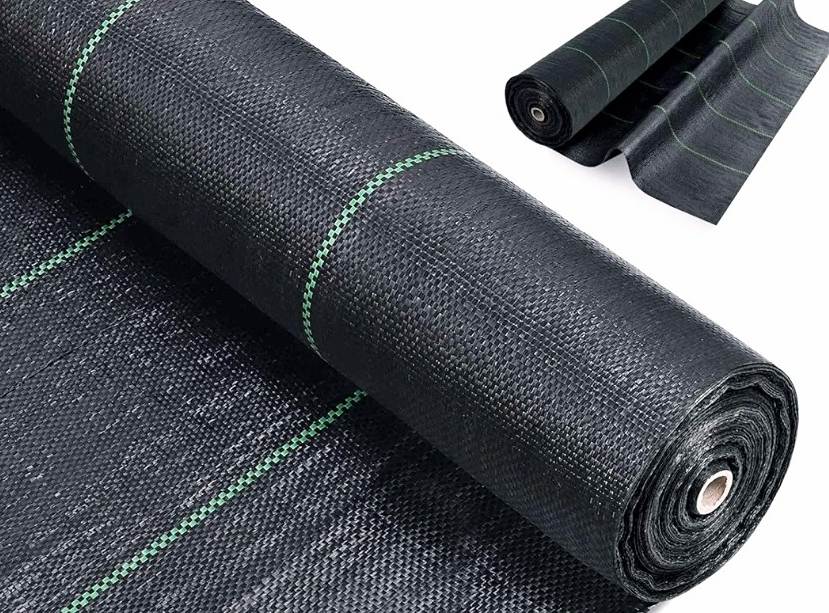
Geotextile Fabric vs Landscape Fabric
Many users confuse geotextile and landscape fabric, but they have an inclusive relationship: landscape fabric is a specialized type of geotextile tailored to horticultural and greening scenarios. The key differences lie in four dimensions:
| Comparison Dimension | General Geotextiles | Landscape Fabrics |
| Core Application | Road subgrades, water conservancy projects, landfills (focused on load-bearing/anti-seepage) | Garden weed control, flower bed separation, gravel underlay (focused on breathability/weed resistance) |
| Material Characteristics | Mostly high-strength PP/PE, some with anti-seepage membranes | Mainly non-woven/woven fabrics, emphasizing water permeability and UV resistance |
| Strength Requirement | Tensile strength ≥ 600N (engineering grade) | Tensile strength 350N-450N (landscape grade) |
| Service Life | Over 50 years (engineering scenarios) | 20-50 years (varies by material type) |
Types of Geotextile Landscape Fabric
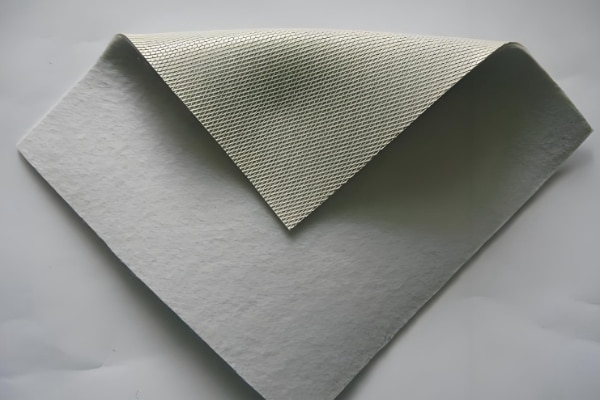
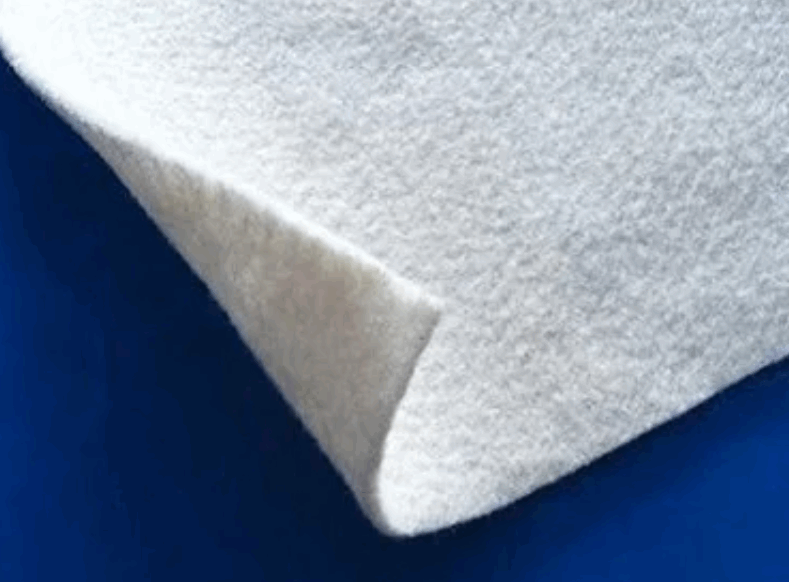
1. Non-Woven Geotextile Landscape Fabric
- Process Feature: Needle-punched short fibers.
- Core Functions: Breathable, filtration, light protection.
- Suitable Landscape Scenarios: Flower bed weed control, potted plant separation, mulch underlayment.
- Service Life: 20–30 years.
- Market Price: $0.39–$1.29 per square foot.
2. Woven Geotextile Landscape Fabric
- Process Feature: Filament interweaving technology.
- Core Functions: High strength, wear resistance.
- Suitable Landscape Scenarios: Landscape roads, gravel underlayment, large-scale greening projects.
- Service Life: 30–50 years.
- Market Price: $1.39–$3.66 per square foot.
Geotextile Landscape Fabric Buying Guide
1. How to Choose Between Non-Woven, Woven, and Drainage Fabric?
(1) Non-Woven Landscape Fabric: First Choice for Light-Load Scenarios
- Core Advantages: High water permeability (150–200 gallons per square foot per minute) and breathability, preventing root suffocation. Ideal for scenarios without high load-bearing requirements.
- Key Purchasing Parameters:
- Weight: 3.2–8 oz per square yard (3.2–4 oz for flower bed weed control; 6–8 oz for mulch underlayment).
- Needle Punch Density: ≥20 needles per square centimeter (avoids fiber shedding and soil clogging).
- UV Resistance: Must be labeled “UV-stabilized for ≥5,000 hours” (otherwise, it will age and crack within 5 years outdoors).
(2) Woven Landscape Fabric: Must-Have for Medium-to-High Load Scenarios
- Core Advantages: High tensile strength (≥450N) and wear resistance, capable of withstanding pressure from gravel and small vehicles (e.g., golf carts). Suitable for gravel underlayment, landscape roads, etc.
- Key Purchasing Parameters:
- Tensile Strength: ≥450N (both horizontal and vertical, per ASTM D 4595 standard).
- Weather Resistance: Passes “-30℃ to 70℃ high-low temperature test” (adapts to different climates).
- Material: Prefer polypropylene (PP) (corrosion-resistant, avoiding erosion from soil acids and alkalis).
(3)Geotextile Drainage Fabric: Specialized for Waterlogged Scenarios
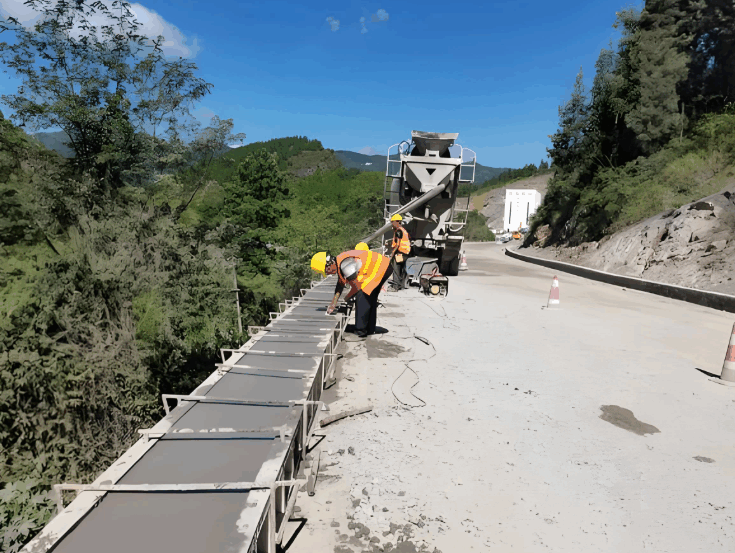
- Core Advantages: Built-in 3D flow channels with a drainage rate of ≥200 gallons per square foot per minute—2–3 times that of ordinary geotextiles. Specifically solves rainwater accumulation issues.
- Key Purchasing Parameters:
- Permeability: Complies with ASTM D 7309 standard (ensures non-clogging drainage).
- Structure: Choose “double-layer filtration + middle flow layer” (outer layer prevents sediment entry; inner layer accelerates drainage).
- Tear Resistance: ≥30N (avoids damage during construction).
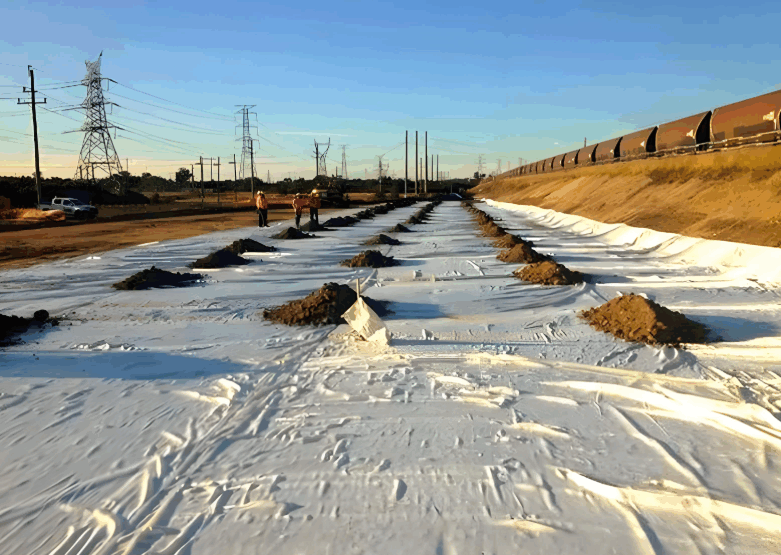
(4) Geotextile Fabric Under Gravel: Focus on “Load-Bearing + Separation”
- Core Advantages: Prevents gravel-soil mixing (avoiding gravel settlement and soil loss) while supporting gravel weight, extending the service life of walkways/underlayments.
- Key Purchasing Parameters:
- Thickness: ≥1.2mm (thicker versions offer better puncture resistance).
- Puncture Resistance: ≥300N (per ASTM D 6241 standard, preventing damage from sharp gravel edges).
- Certification: DOT FHWA HS-20 certification required for municipal projects (CE standard minimum for residential use).
Recommended Reading:Best Geotextile Fabric for Gravel Driveway
2. Pitfall Avoidance Guide
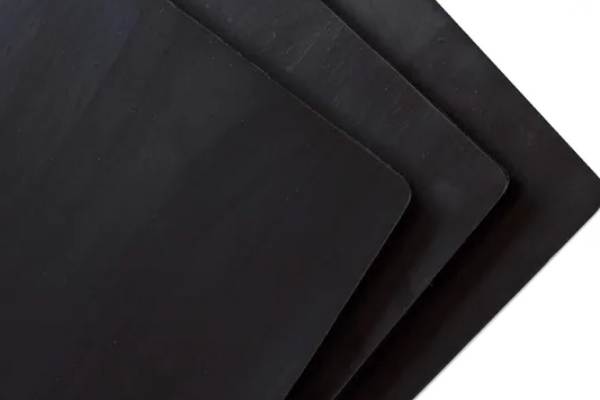
3 Types of Geotextile/Landscape Fabric to Avoid:
- “General-purpose geotextile” without UV protection: Becomes brittle within 1–2 years outdoors. Although cheap ($0.29 per square foot), frequent replacements increase long-term costs.
- Drainage fabric with permeability <0.5 s⁻¹: Claims to “drain” but clogs quickly—causes waterlogging in rain gardens within 1 month.
- Thin non-woven fabric (<3.2 oz per square yard) for gravel underlayment: Gravel weight will puncture the fabric, leading to settlement within 3 months.
Geotextile Landscape Fabric Application Scenarios & Installation
1. Operation Manual for 4 Typical Scenarios
Scenario 1: Flower Bed Weed Control
- Suitable Product: Non-woven landscape fabric.
- Materials Needed: 3.2oz non-woven fabric, bark mulch (5–10cm thick), tape measure, scissors, geotextile tape.
- Installation Steps:
- Prepare the flower bed: Remove weeds and rocks, then level the soil.
- Lay the non-woven fabric: Cover the entire flower bed area, burying edges 5cm into the soil (prevents curling). Overlap seams by 15cm and seal with tape.
- Add a protective layer: Spread bark mulch over the fabric (minimum 5cm thick for enhanced weed control).
- Pitfall to Avoid: Do not stretch the fabric too tight (thermal expansion/contraction may cause cracking).
Scenario 2: Gravel Walkway
- Suitable Product: Geotextile for gravel underlayment.
- Materials Needed: 6oz woven geotextile (gravel-specific), 5–8cm gravel, small roller, geotextile tape.
- Installation Steps:
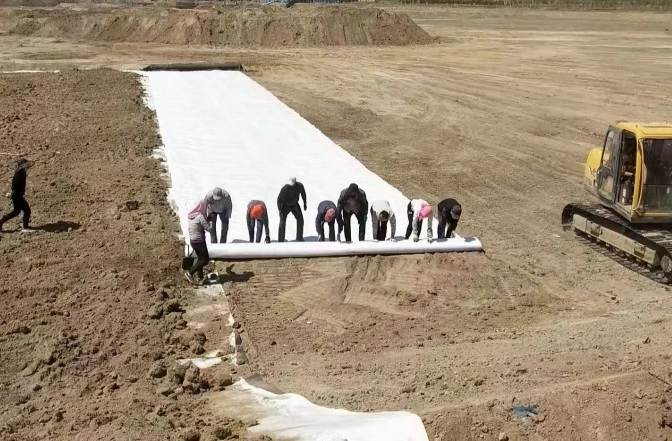
- Prepare the subgrade: Dig a 30cm deep trench and compact the soil (avoids future settlement).
- Lay the geotextile: Place the smooth side down (against soil for better slip resistance). Overlap seams by 20cm and seal with tape.
- Spread gravel: Apply in 2 layers (5cm coarse gravel below, 3cm fine gravel above), compacting each layer with a roller.
- Pitfall to Avoid: Extend the geotextile 10cm beyond the walkway edges (prevents soil intrusion from sides).
Scenario 3: Rain Garden Drainage
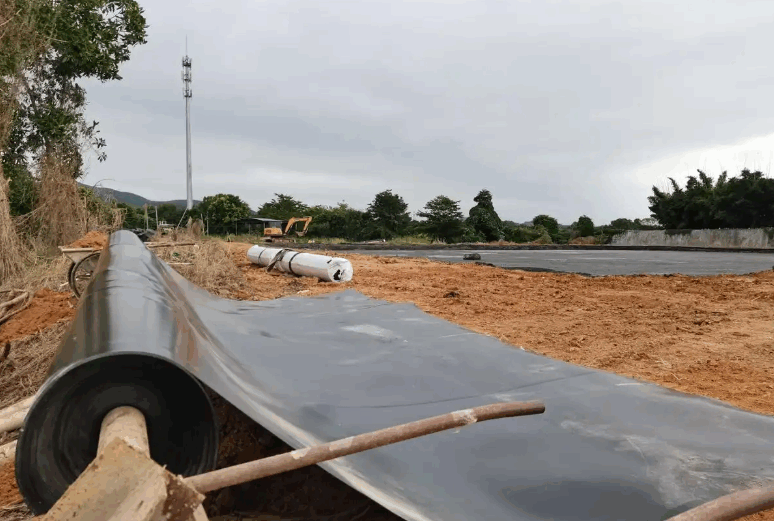
- Suitable Product: Drainage fabric.
- Materials Needed: 3D drainage fabric, 5–10mm crushed stone, perforated drain pipe, geotextile stakes.
- Installation Steps:
- Dig a drainage trench: Minimum 60cm deep with a 1%–2% slope (ensures water flows to the outlet).
- Lay the drainage fabric: Cover the trench bottom and sidewalls, extending edges 10cm above the trench rim.
- Fill with crushed stone + install drain pipe: Add 50cm of crushed stone to the trench, place the drain pipe in the center, then wrap the stone with the fabric (forms a “drainage channel”).
- Secure: Fasten fabric edges with stakes to prevent displacement.
- Pitfall to Avoid: Ensure no gaps when wrapping the fabric around the stone (prevents sediment clogging).
Scenario 4: Landscape Road Underlayment
- Suitable Product: Woven landscape fabric.
- Materials Needed: 8oz DOT-certified woven fabric, 10cm gravel layer, subgrade compactor.
- Installation Steps:
- Level the subgrade: Dig a 50cm deep trench and compact the soil in layers (each layer ≥95% compaction).
- Lay the woven fabric: Install horizontally, overlapping seams by 25cm. Use heat welding (more durable than tape).
- Spread gravel: Apply in 2 compacted layers, using 10mm gravel for the top layer (enhances flatness).
- Pitfall to Avoid: Only use DOT-certified products (ordinary woven fabric cannot withstand vehicle loads).
2. Common Installation Mistakes
- Insufficient Seam Overlap: Most users overlap only 5–10cm, but the correct overlap is 15–25cm (adjust based on load; ≥20cm for gravel scenarios).
- Reversed Fabric Sides: For woven fabric, place the smooth side down (against soil) and rough side up (supports gravel). Non-woven fabric has no specific sides, but the higher needle-punch density side should face up.
- Skipping the Protective Layer: Leaving non-woven fabric uncovered or woven fabric without a gravel layer exposes it to direct sunlight, reducing its service life by 50%.
Conclusion
Investing in the right geotextile is an “invisible” yet critical part of any project. It not only saves you from weeds and ground settlement for years—even decades—but also provides a stable, long-lasting foundation for your entire landscape.
This guide addresses the core questions of “how to choose and use geotextile/landscape fabric.” For further details on specific products or custom installation plans for unique scenarios, feel free to leave a comment or contact us!
Reference Sources
- ASTM International Standards (American Society for Testing and Materials)
- Involved Standard Numbers: ASTM D 4595 (tensile strength testing), ASTM D 6241 (puncture resistance testing), ASTM D 4632 (permeability testing), ASTM D 7309 (drainage fabric flow rate testing)
- Core Supporting Content: Standard values for key parameters of various geotextile categories (e.g., woven fabric tensile strength ≥ 450N, drainage fabric permeability ≥ 200 gpm/ft²)
- Reference Basis: Technical parameter specifications from Jinan Shidai Zhuoyue Instrument’s “Computer-Controlled Geotextile Tensile Testing Machine”
- Description: Provides authoritative standard references for product purchasing parameters, supporting parameter interpretation and compliance analysis in Parts II and IV.
- US DOT Certification System (Federal Highway Administration)
- Core Supporting Content: DOT FHWA HS-20 load standard (applicable to under-gravel and landscape road scenarios) and load-bearing performance requirements for certified products
- Reference Basis: Explanation of DOT certification testing logic and authority
- Description: Supports the selection requirements for municipal scenarios in the “professional certification interpretation” section of Part IV, clarifying the connection between certification and actual load-bearing capacity.
- EU EN 13249 Standard
- Core Supporting Content: Material safety and performance specifications for horticultural landscape geotextiles (e.g., heavy metal-free requirements)
- Document Type: Regional industry standard
- Description: Supplements the underlying standard basis for CE certification and improves compliance interpretation for civilian scenarios.