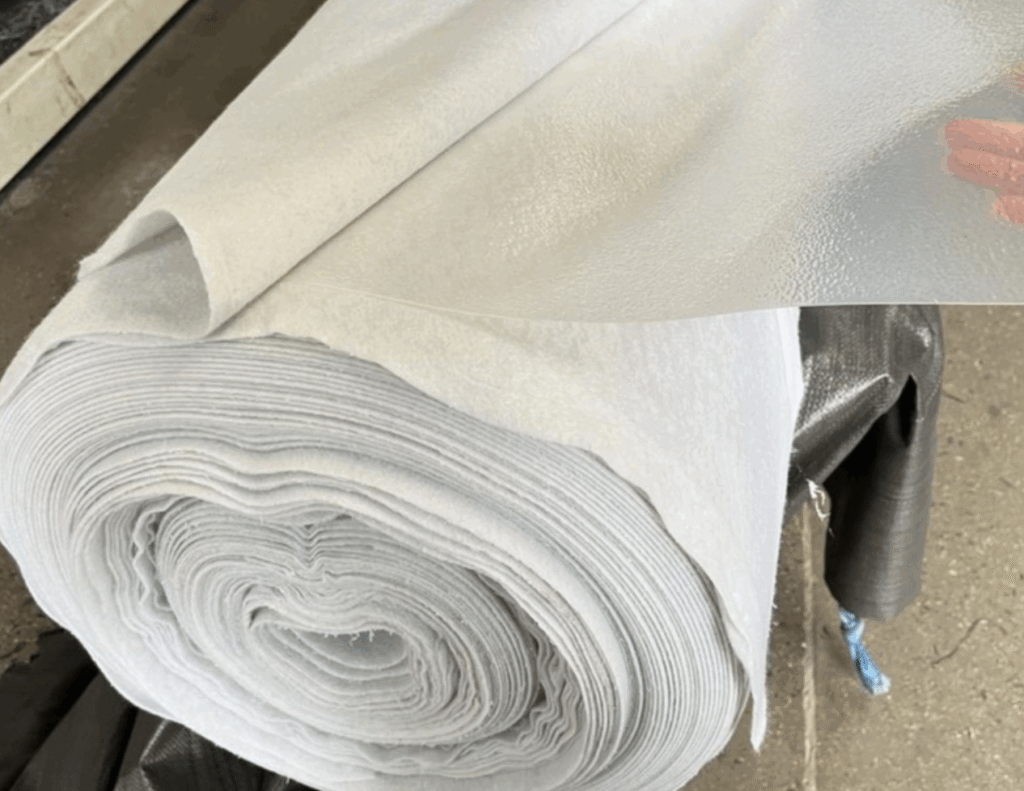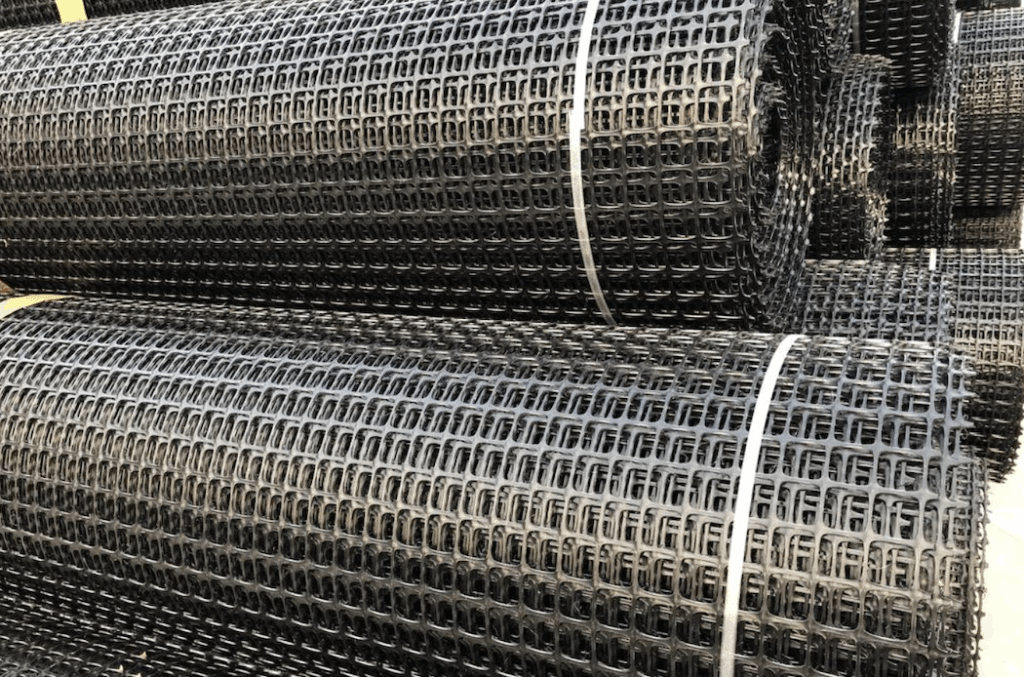
As a core solution for efficient weed control and landscape maintenance, geotextile weed barriers are widely used in home gardens, vegetable plots, commercial landscaping, gravel driveways, and other scenarios, thanks to their key advantages of breathability, water permeability, durability, and UV resistance. For users seeking eco-friendly weed control and reduced maintenance costs, selecting and using the right geotextile weed barrier can significantly improve maintenance efficiency.
This article comprehensively explains the core knowledge of geotextile weed barriers from the perspectives of basic understanding, purchasing skills, practical operation guidelines, product recommendations, and scheme comparisons, helping you quickly grasp the key points from selection to application.
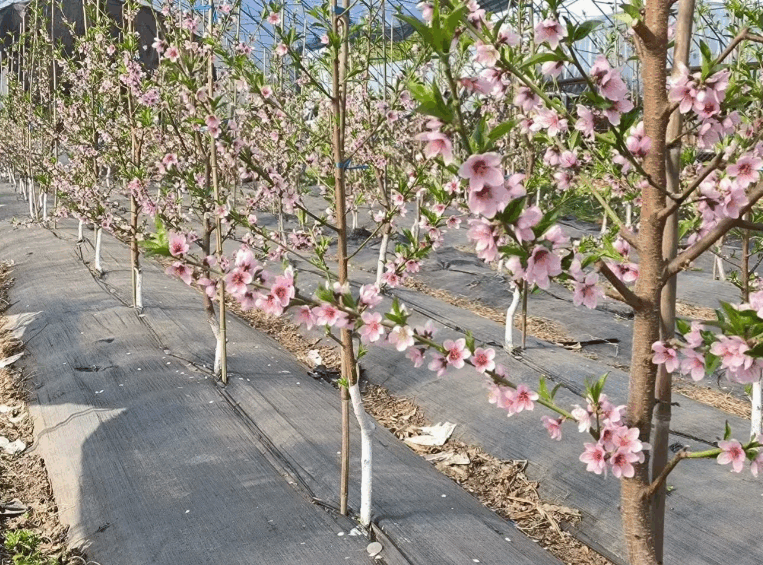
Geotextile Weed Barrier: Definition, Principle & Core Advantages
1.1 What is a Geotextile Weed Barrier?
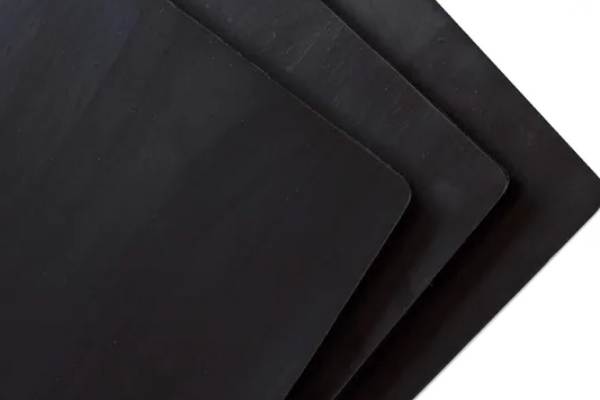
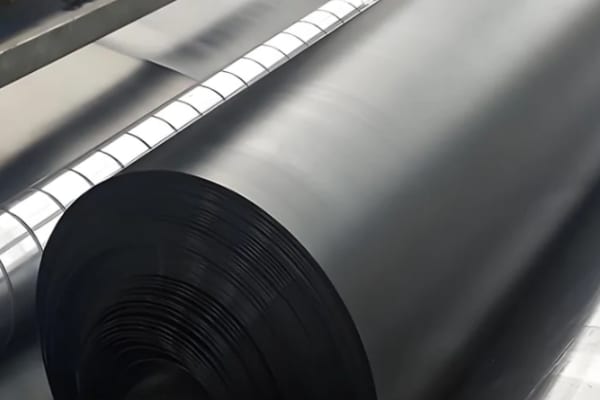
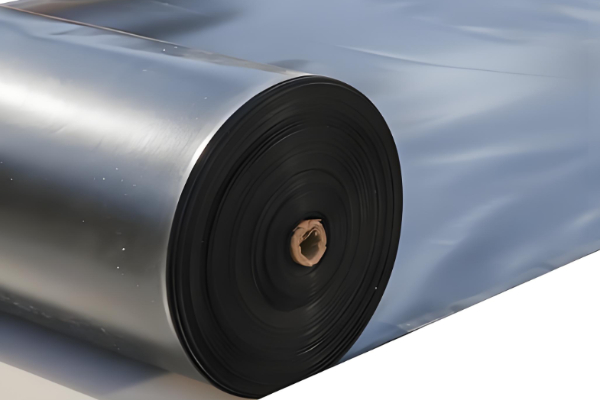
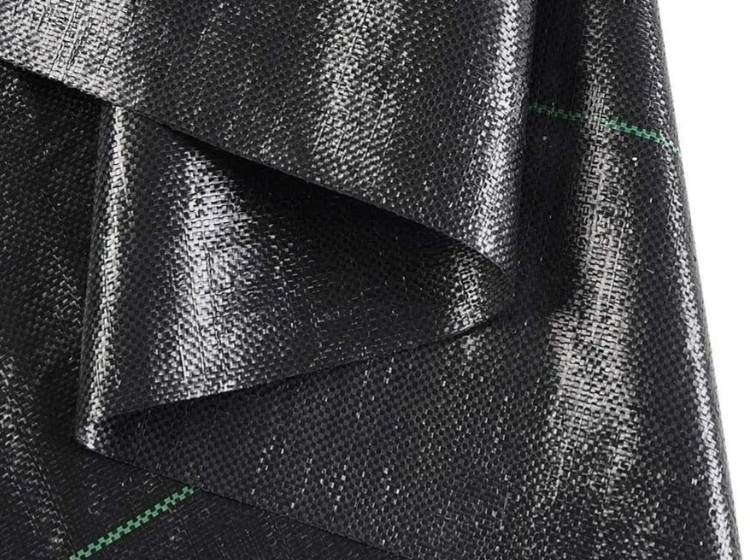
Also known as landscape fabric or weed control membrane, a geotextile weed barrier is a geotextile material made of polypropylene (PP), polyethylene (PE), polyester, or biodegradable PLA through special weaving or non-woven processes. Its core function is to inhibit weed growth while ensuring soil breathability and water permeability. Unlike ordinary plastic sheets, high-quality geotextile weed barriers control light transmittance (≤5%) through precise weaving technology, completely blocking weed photosynthesis, and their moisture permeability can reach 2000g/m²/24h, effectively avoiding soil compaction and plant root rot.
Key features include: UV resistance (with UV stabilizers, passing QUV 3000-hour weathering test), corrosion resistance (resistant to acids, alkalis, and mold), high tensile strength (longitudinal ≥50kN/m), and some high-end products adopt plasma grafting technology to enhance soil adhesion, adapting to different environmental needs.
Recommended Reading:Best Weed Barrier Fabric:for Vegetable Garden/Gravel/Rock
1.2 Working Principle: How to Achieve Efficient Weed Control?
The core weeding logic of geotextile weed barriers relies on the dual effect of “physical light shielding + air and water permeability”: the high-density fabric structure blocks sunlight, preventing weed seeds from undergoing photosynthesis and thus inhibiting germination and growth—usually completely blocking weed proliferation within about 20 days. Meanwhile, its special fiber pore structure allows rainwater, air, and nutrients to penetrate freely, ensuring the normal respiration and growth of plant roots, while quickly draining surface water to avoid rotting of ground-contact fruits and root waterlogging.
In terms of additional value, it also reduces soil erosion, protects hard landscapes from weed damage, and eliminates the need for chemical herbicides, meeting the requirements of organic agricultural certification and truly achieving green and eco-friendly weed control.
1.3 Core Advantages & Applicable Scenarios
The core advantages of geotextile weed barriers are reflected in:
① High efficiency and labor savings: One-time laying can stably control weeds for 5-10 years, significantly reducing the frequency of manual weeding and maintenance costs;
② Environmental safety: No pesticide residues, protecting soil ecology and crop safety;
③ Multi-functional adaptation: Integrating moisture and soil retention, pest prevention, and compression resistance;
④ Long service life: High-quality PE materials have an outdoor service life of 7-8 years, while PLA biodegradable materials can meet short-term needs of 1-3 years.
Applicable scenarios include: home gardens/vegetable plots, greenhouses, gravel driveways/parking lots, under fences, rooftop gardens, nurseries and forest farms, commercial landscaping projects, etc. Different scenarios require matching corresponding materials and specifications to maximize weeding effectiveness.
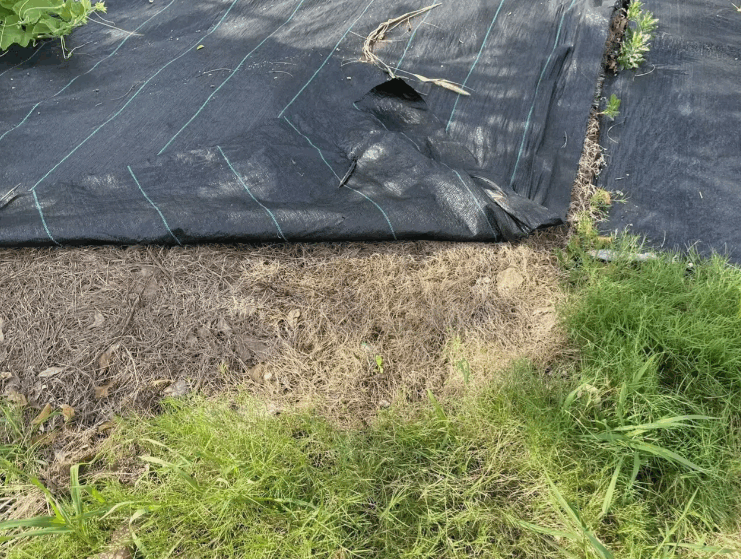
Types & Buying Guide of Geotextile Weed Barriers
2.1 Classification by Material & Process: Woven vs. Non-Woven
Geotextile weed barriers are mainly divided into woven and non-woven types, with core differences in durability, breathability, and applicable scenarios, as detailed below:
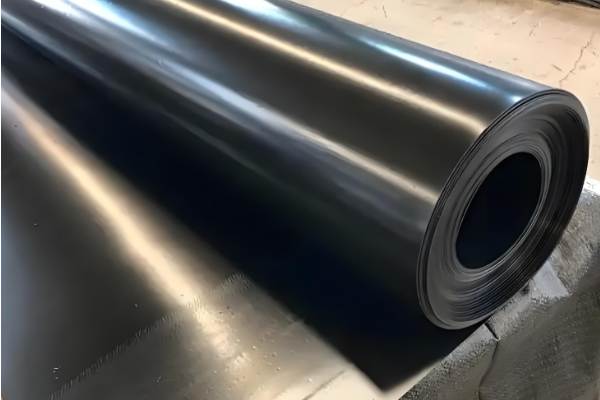
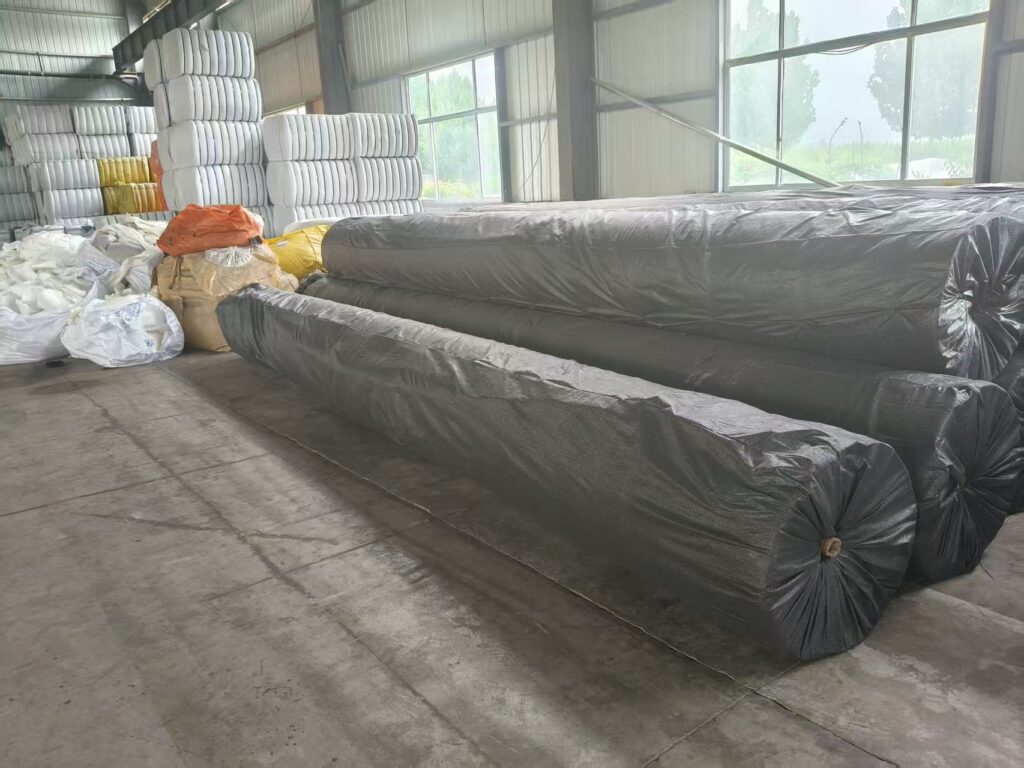
- Woven Geotextile: Made of PP or PE flat yarn woven vertically and horizontally by circular looms, it has high tensile strength (longitudinal stretch ratio 1:3.2, transverse 1:2.8), tear resistance, and compression resistance. Suitable for scenarios requiring high durability such as gravel driveways, high-traffic areas, and commercial projects. Disadvantages include moderate breathability and a slightly higher price; it is recommended to use with mulch to improve aesthetics.
- Recommended Reading:What is the Best Weed Barrier for Under Gravel?
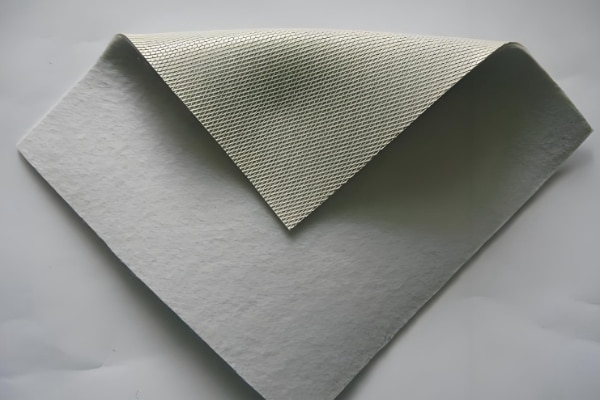
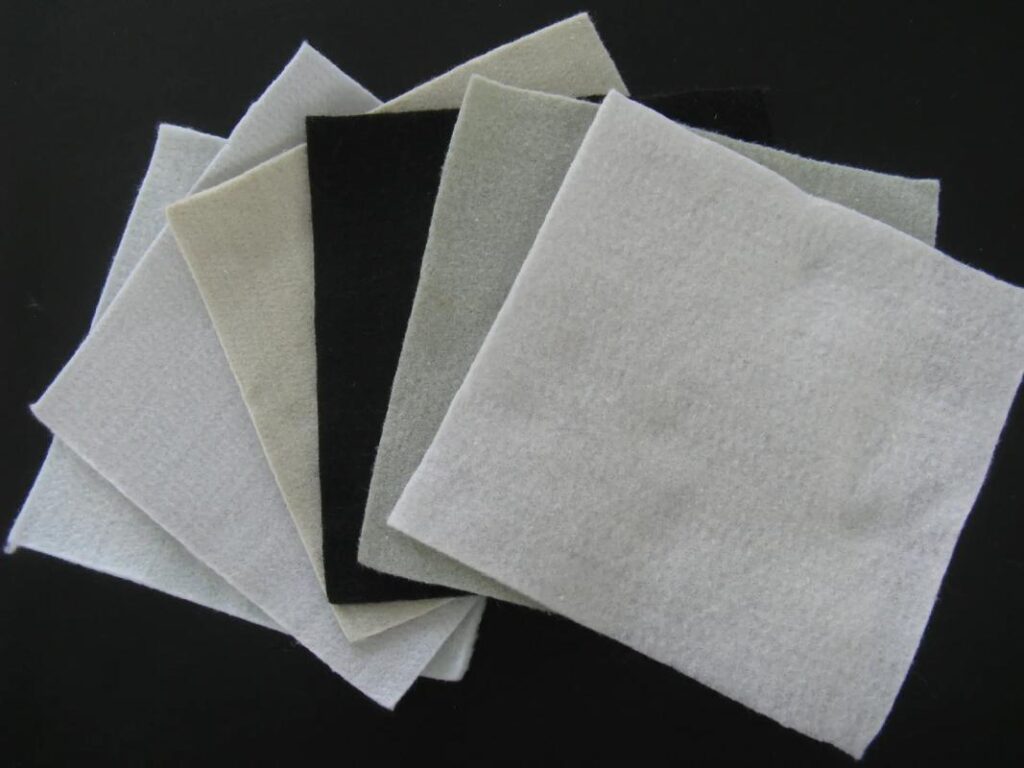
- Non-woven Geotextile: Formed by randomly laying fibers and bonding them, it has excellent breathability, good ground-fitting effect, and is affordable. Suitable for light weed areas such as home gardens, vegetable plots, and greenhouses. Disadvantages include weaker durability (outdoor service life of 3-5 years) and the need to avoid scratches from sharp objects.
2.2 Specification Selection: Thickness, Size & Density
Specification selection directly affects weeding effect and service life, requiring precise matching based on scenario needs:
- Thickness (oz/gram weight): Thickness is usually marked in ounces (oz) or grams (g). 3oz (about 85g) is suitable for light weed areas such as home gardens and greenhouses; 5oz (about 140g) and above are suitable for high-pressure scenarios such as heavy weed areas, gravel driveways, and commercial projects; 80g is a common wholesale specification, balancing cost-effectiveness and basic weeding needs.
- Size: Mainstream roll specifications include 3ft×50ft, 6ft×100ft, 3m×200m, etc. It is recommended to choose based on project area to avoid excessive splicing (weed seeds are prone to growing in gaps due to light leakage). Large-area projects can choose 3m×500m large rolls to reduce costs.
- Density: High-density products (weaving density ≥12×12 threads per inch) have smaller fiber gaps, stronger weeding and tear resistance, and are suitable for long-term use; low-density products are suitable for temporary weeding or light-use scenarios.
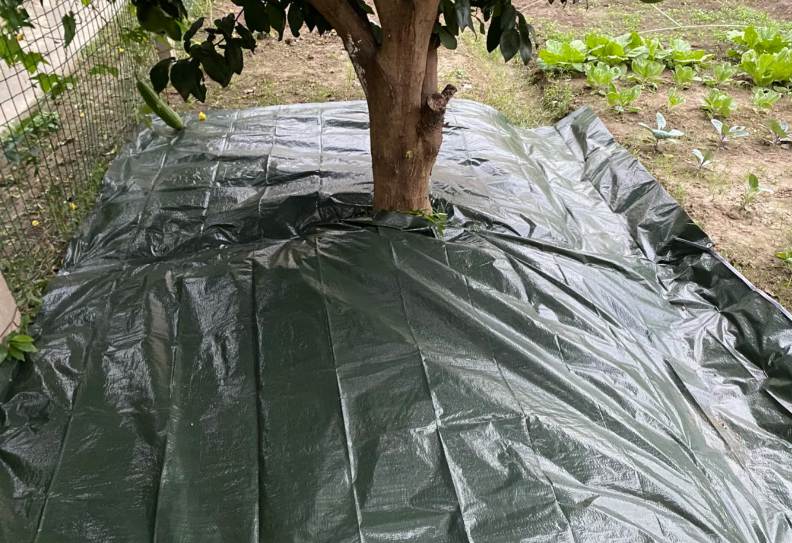
2.3 Buying Guide to Avoid Pitfalls: Key Considerations
Focus on the following 5 points when purchasing to avoid mistakes:
- Material purity: Prioritize new PP/PE materials and avoid recycled materials (recycled materials contain impurities, resulting in poor durability, easy aging, and potential soil pollution); for high environmental requirements, choose PLA biodegradable materials, but note the higher cost.
- UV resistance: Ensure the product contains UV stabilizers; products passing the QUV 3000-hour weathering test can avoid embrittlement and damage after long-term exposure to sunlight.
- Core indicators: Light transmittance ≤5% (to ensure complete light shielding), moisture permeability ≥2000g/m²/24h (to ensure breathability and water permeability), seam strength ≥40kN/m (firm splicing), and heavy metal content complying with GB/T3920 standards (environmental safety).
- Color selection: Black is a universal option for most outdoor scenarios; white is suitable for greenhouses, as it can increase light reflection, reduce ground temperature, and inhibit the growth of light-intolerant insects.
- Brand reputation: Prioritize mainstream brands such as VEVOR, Dewitt, Mutual, and Pro Fabric Supply for guaranteed product quality, with some offering warranty services.
2.4 Budget-Friendly Matching: Cost-Effective Options
Quickly lock in suitable products based on budget and scenario needs:
- Budget ≤30 USD: Choose 3oz non-woven type (3ft×50ft), suitable for small home gardens and temporary weeding projects. Recommended basic models from Dewitt and Hoople.
- Budget 30-70 USD: Choose 5oz woven type (6ft×100ft), suitable for medium-sized gardens and ordinary gravel driveways. Recommended cost-effective models from Mutual and VEVOR.
- Budget ≥70 USD: Choose 6.5oz high-density woven type (6.5ft×330ft) or PLA biodegradable type, suitable for commercial projects and organic farms. Recommended high-end models from Pro Fabric Supply.
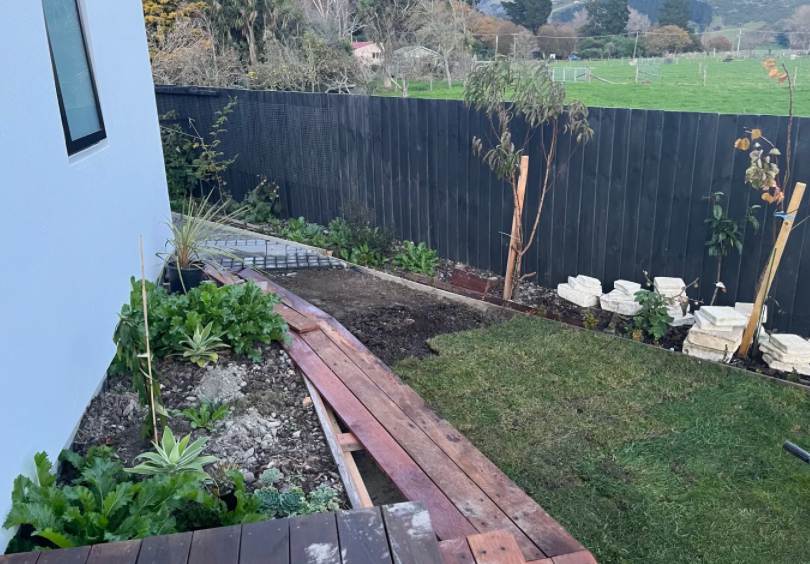
Installation & Maintenance of Geotextile Weed Barriers
3.1 Pre-Installation Preparation: Site Cleaning & Tool Preparation
Installation quality directly affects weeding life, so thorough pre-preparation is essential:
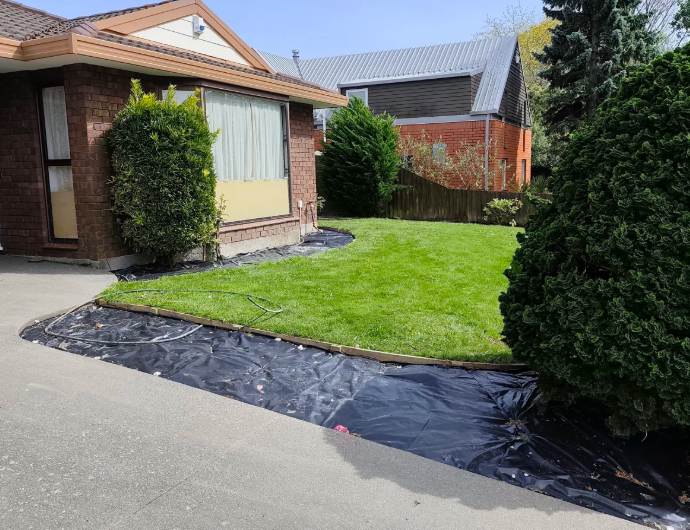
- Site cleaning: Completely remove existing weeds, stones, tree roots, and other sharp debris; level and moderately compact the soil (to avoid fabric puncture by sharp objects); if weeds have overgrown, spray eco-friendly herbicides first and clean after weeds wither.
- Tool preparation: U-shaped landscape stakes (spacing about 50cm), tape measure, sharp scissors/utility knife, shovel (for digging edge trenches), marker pen (for marking planting positions).
3.2 Step-by-Step Installation Process
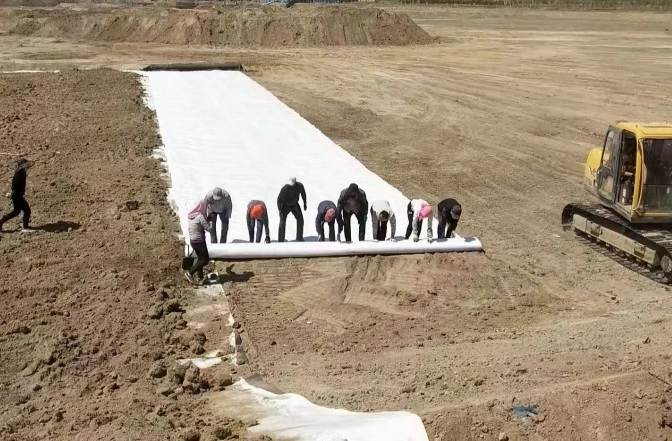
- Laying direction: Lay horizontally or vertically according to the site shape, with the printed side facing up (for easy positioning and cutting). Ensure the fabric is flat and wrinkle-free to avoid light leakage due to wrinkles.
- Seam handling: Overlap adjacent fabrics by 10-15cm (≥15cm for high-pressure scenarios such as gravel driveways). Align seams and reinforce with additional stakes to prevent displacement and light leakage.
- Fixing method: Fix the edges with U-shaped stakes every 50cm, and evenly distribute fixing points in the middle area (spacing 1-1.5m); for large-area laying or windy regions, dig 5-10cm deep trenches along the edges, bury the fabric edges, and compact to enhance stability.
- Cutting planting holes: Cut “+” shaped incisions at predetermined planting positions with a utility knife, slightly smaller than the plant roots. Fold the incision edges and transplant the plant to avoid weed growth from gaps caused by overly large incisions.
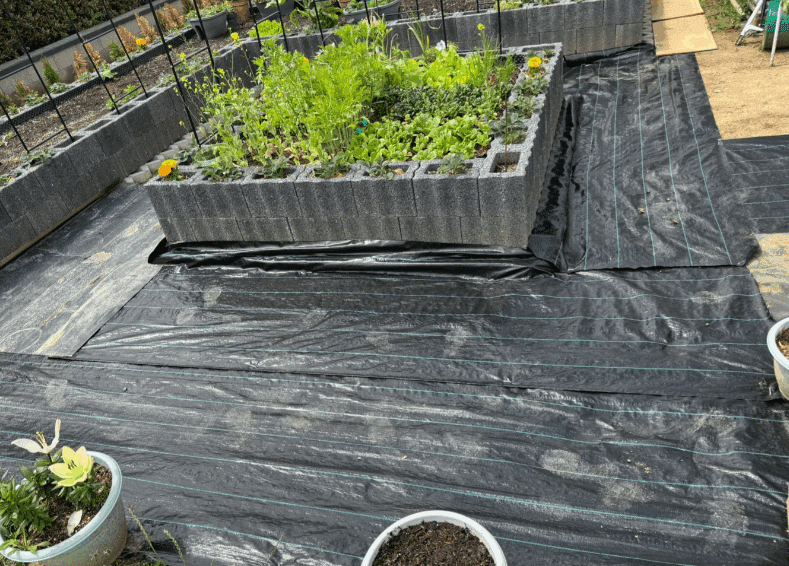
3.3 Scenario-Specific Installation Tips
- Garden/vegetable plot scenarios: Prioritize non-woven or PLA biodegradable types (good breathability). Make precise cuts for planting holes; after laying, cover with 2-5cm of wood chips or straw to improve aesthetics and delay fabric aging.
- Gravel driveway scenarios: Choose woven types of 5oz or more (compression-resistant). Thoroughly compact the soil before laying; overlap seams by ≥15cm and double-fix. Bury fabric edges in trenches to avoid displacement due to vehicle rolling.
- Under-fence scenarios: Cut into narrow strips and lay along the fence. Insert edges 5cm into the soil and reinforce with additional U-shaped stakes to prevent weed growth from fence gaps and avoid edge lifting by wind.
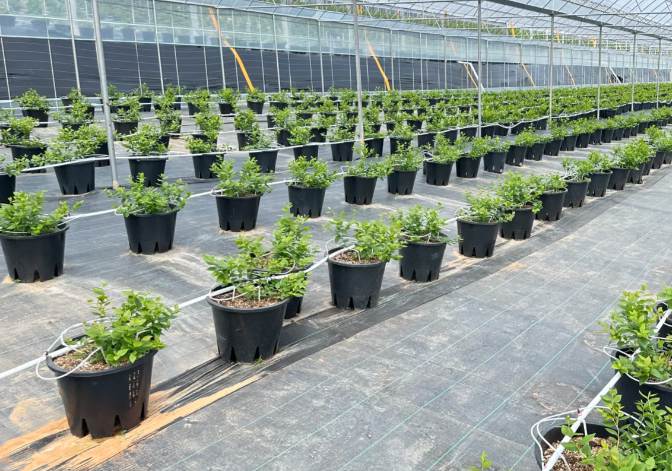
- Greenhouse scenarios: For white weed barriers, ensure flat laying to fully utilize light reflection and improve greenhouse illumination; black weed barriers are suitable for greenhouse walkways to inhibit weeds while keeping the ground clean.
3.4 Daily Maintenance & Service Life
- Mulch maintenance: Regularly check mulch thickness and replenish when less than 2cm to avoid direct exposure of the fabric to sunlight.
- Damage repair: When fabric damage is found, cut a patch of the same material larger than the damaged area, cover it, and fix with U-shaped stakes or special adhesive.
- Service life: New PE woven type: 7-8 years; PP woven type: 5-6 years; non-woven type: 3-5 years; PLA biodegradable type: 1-3 years. Replace in a timely manner when large-area damage, aging embrittlement, or ineffective weed control occurs.
Geotextile Weed Barrier Product Recommendations
4.1 Recommended Products for Different Scenarios
- Home garden first choice: Dewitt 3oz Non-Woven Weed Barrier (3ft×50ft) – good breathability, affordable, with UV stabilizers, suitable for small gardens and vegetable plots, service life of about 4 years.
- Driveway/high-traffic areas: VEVOR 5oz Woven Weed Barrier (6ft×100ft) – high tensile strength, compression-resistant, firm seams, suitable for gravel driveways and parking lots, with 1-year warranty.
- Commercial project recommendation: Pro Fabric Supply 6.5oz High-Density Woven Weed Barrier (6.5ft×330ft) – passed QUV 3000-hour weathering test, longitudinal tensile strength ≥60kN/m, suitable for large-area commercial landscaping projects.
- Organic agriculture preferred: Hoople PLA Biodegradable Weed Barrier (3ft×50ft) – meets organic certification requirements, naturally degrades after use without soil pollution, suitable for short-term organic planting projects.
4.2 Price Comparison
Market price range reference (2025): 3oz (3ft×50ft) – 18-30 USD; 5oz (6ft×100ft) – 30-70 USD; 6.5oz (6.5ft×330ft) – 90-120 USD; PLA biodegradable type (3ft×50ft) – 25-40 USD.
Geotextile Weed Barrier vs. Other Weed Control Solutions
Different weed control solutions adapt to different needs. The following core comparisons help you make precise choices:
- vs. Landscape Fabric: There is little essential difference. Geotextiles focus more on geotechnical applications (e.g., soil stabilization, compression resistance), while landscape fabrics emphasize horticultural decoration. Do not get stuck on the name when purchasing; focus on core indicators such as material, light transmittance, and tensile strength.
- vs. Natural Weed Control Materials (wood chips, straw, cardboard): Natural materials are eco-friendly, biodegradable, and low-cost but require frequent replacement (every 6-12 months) with unstable weeding effects. Geotextile weed barriers offer long-term benefits with one-time laying and stable weeding effects, suitable for long-term maintenance scenarios.
- vs. Ordinary Plastic Sheets: Plastic sheets are non-breathable and non-water-permeable, easily causing soil compaction and plant root rot, suitable only for short-term temporary weeding. Geotextiles are breathable and water-permeable, suitable for long-term use, and more eco-friendly (some are recyclable or biodegradable).
- vs. Chemical Herbicides: Herbicides act quickly but leave pesticide residues, polluting soil and water sources, and do not meet organic agricultural requirements. Geotextiles use physical weeding, which is environmentally safe, suitable for homes, organic farms, and other scenarios with high safety requirements.
Limitations & Alternatives of Geotextile Weed Barriers
6.1 Limitations
- Cannot block deep-rooted plant penetration: Roots of deep-rooted weeds such as bamboo and vines may penetrate ordinary geotextiles, affecting weeding effects.
- Higher initial cost: Compared with natural materials and chemical herbicides, geotextiles have a higher initial purchase cost, suitable for long-term use to amortize costs.
- Soil loosening required for long-term use: Without regular soil turning, long-term use may lead to soil compaction; it is recommended to moderately loosen the soil every 2-3 years.
6.2 Alternatives
- Deep-rooted weed areas: Adopt a combination of “high-density geotextile + eco-friendly herbicide” – first remove existing deep-rooted weeds, then lay geotextiles to improve weeding effects.
- Short-term low-cost needs: Choose natural materials such as cardboard and straw, suitable for temporary weeding or small projects with limited budgets.
- Extreme environmental scenarios: For high-temperature and high-humidity areas, choose geotextiles with fungicides; for strong UV areas, choose thickened UV-stabilized models or use with shade nets.
Frequently Asked Questions
- Q1: Is it necessary to use mulch with geotextile weed barriers?
- A: Recommended (e.g., wood chips, gravel). Mulch can delay fabric aging, improve aesthetics, and further inhibit weeds; for white greenhouse-specific models, mulch use can be determined based on light needs.
- Q2: Can geotextile weed barriers be reused?
- A: Yes, if not damaged. When changing sites, first clean debris and soil from the fabric, check for damage, and repair before laying.
- Q3: How to choose between white and black geotextile weed barriers?
- A: Black is suitable for most outdoor scenarios with good light-shielding and weeding effects; white is suitable for greenhouses, as it increases light reflection, reduces ground temperature, and inhibits light-intolerant insects.
- Q4: Are geotextile weed barriers harmful to soil and plants?
- A: High-quality new materials are harmless and even protect soil ecology; recycled materials may contain impurities and slightly pollute soil after long-term use, so they are not recommended.
- Q5: How to judge the quality of geotextile weed barriers?
- A: Focus on material purity (whether new), UV resistance (with UV test report), core indicators (light transmittance, tensile strength, moisture permeability), as well as brand reputation and warranty policies.
Conclusion
Geotextile weed barriers are a weed control solution balancing efficiency, environmental friendliness, and long-term benefits, with the core lying in “selecting the right type + correct installation”. Home users can choose 3-5oz non-woven or woven types based on garden size; commercial projects prioritize high-density thickened models; organic agriculture can opt for PLA biodegradable types. Pay attention to site cleaning and fixing during installation, and supplement mulch and repair damage regularly to maximize service life and reduce maintenance costs.
If you are unsure about the appropriate specification for your specific scenario, refer to the product recommendations and purchasing guide in this article, or contact us for advice.