Gravel is widely used in landscape renovation scenarios such as patio paths, driveways, garden bed mulching, and slope stabilization, thanks to its advantages of moderate cost, easy installation, and natural aesthetics. However, many homeowners face a key decision during construction: whether to lay landscape fabric under the gravel. This choice directly impacts subsequent weed control, maintenance costs, and project durability.
From an industry professional perspective, this article will comprehensively analyze the core pros and cons, type selection, correct installation methods, and alternative solutions of laying landscape fabric under gravel. It aims to provide clear decision-making basis and practical guidance for gravel laying projects in different scenarios, helping you avoid construction pitfalls and enhance project quality.
If you are finding the Landscape Fabric Under Gravel,please contact lianjie!
What is Landscape Fabric?
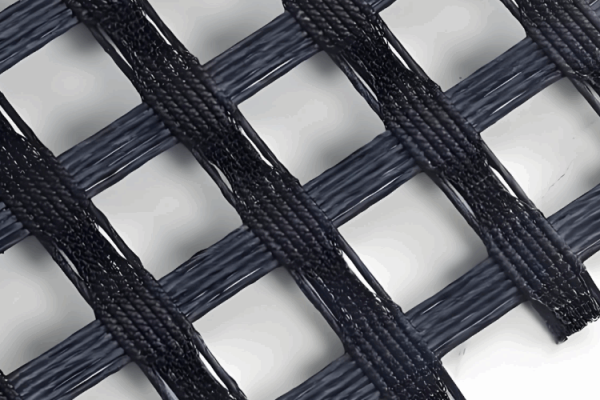
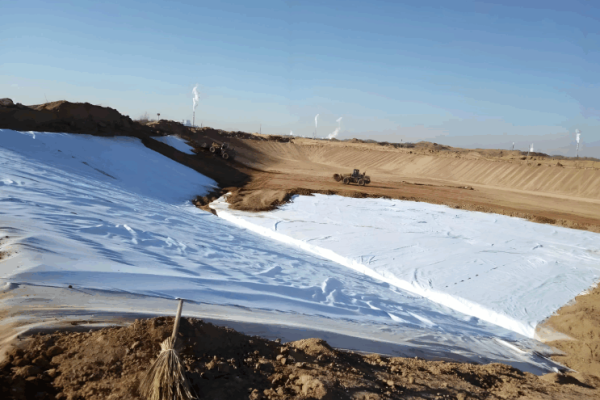
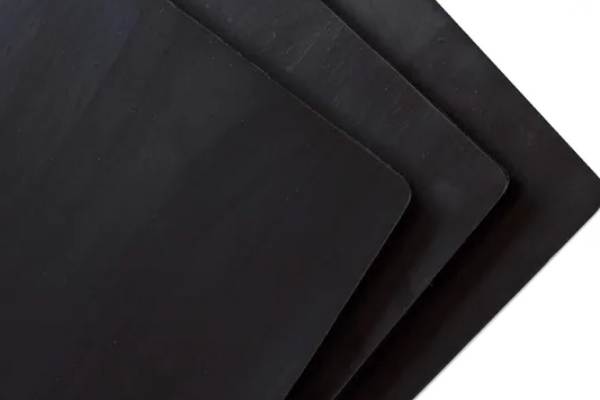
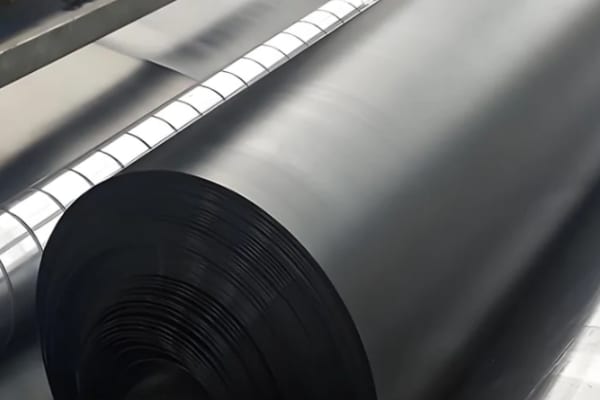
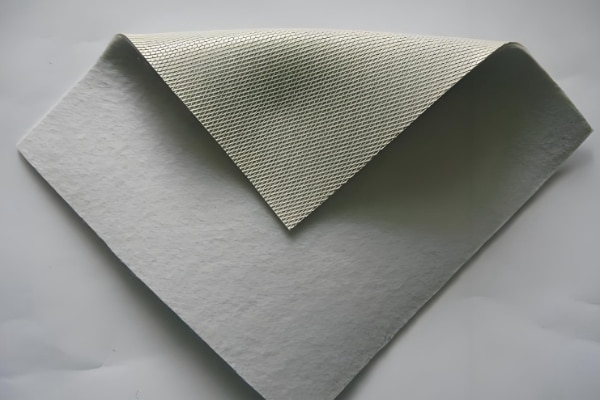
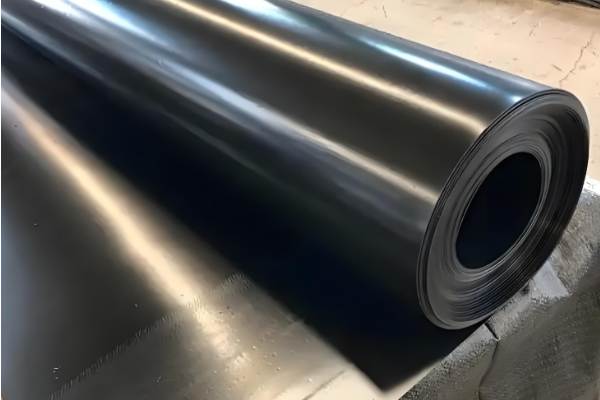
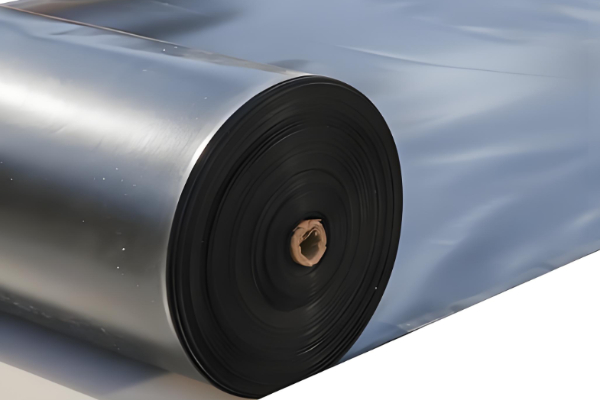
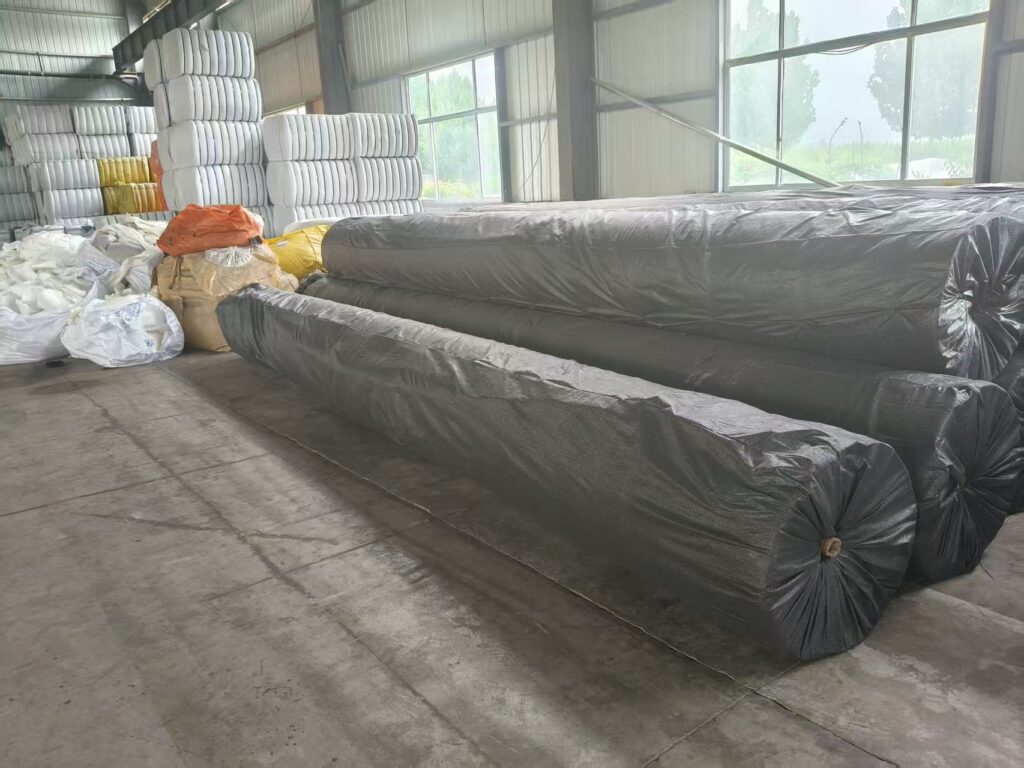
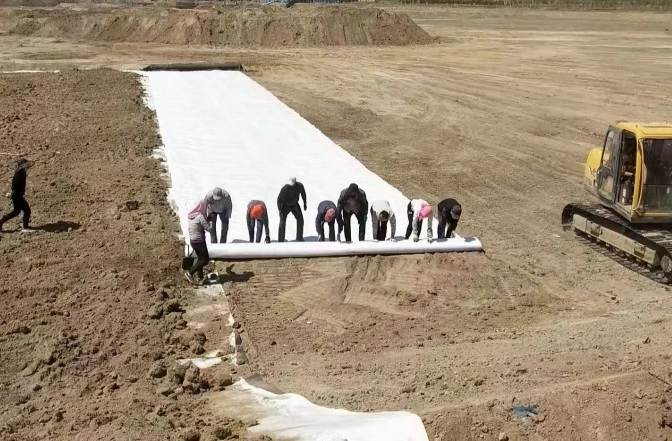
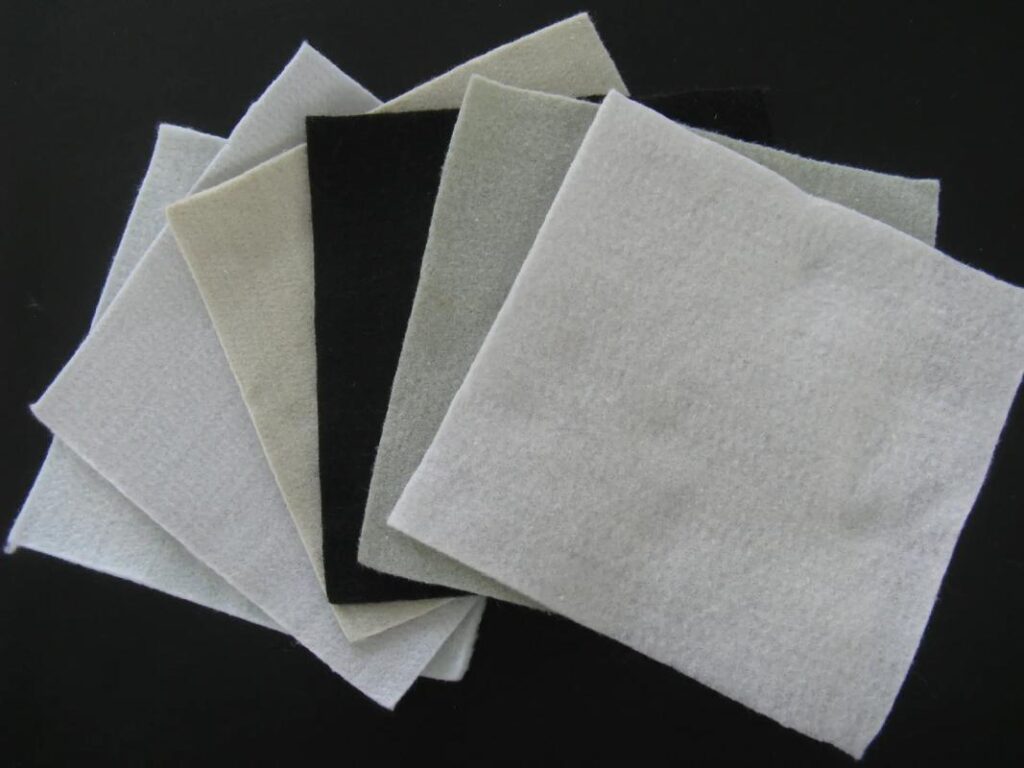
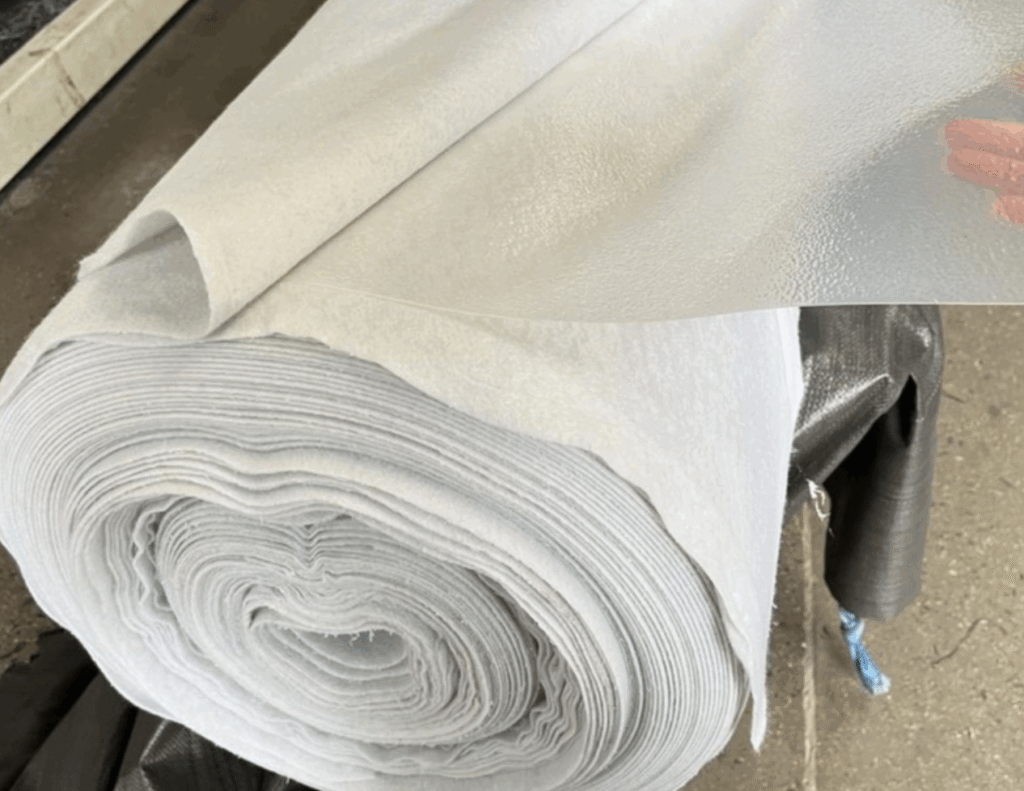
Landscape fabric, also known as weed barrier or geotextile, is a permeable material made from synthetic fibers (e.g., polypropylene, polyester) or plant fibers. Its core functions are weed suppression, soil stabilization, and acting as a separation layer. High-quality landscape fabric must possess three key characteristics:
- Moderate permeability to allow water and air penetration, maintaining soil microecological balance;
- Tensile strength and UV resistance to withstand outdoor erosion and foot traffic impact;
- Physical barrier properties to effectively block weed seeds from contacting the soil.In gravel laying systems, landscape fabric serves as a core separation layer, playing a pivotal connecting role and acting as an important auxiliary material to enhance engineering stability.
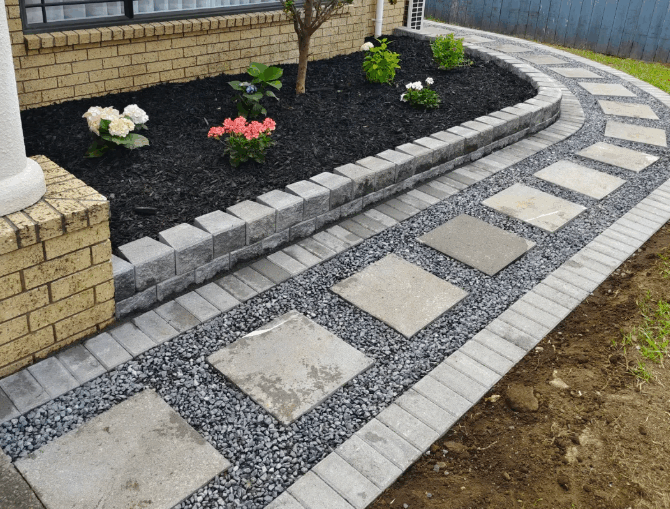
Should I Use Landscape Fabric Under Gravel?
The need for landscape fabric under gravel depends on your specific use case. Below are common scenarios where landscape fabric is recommended for gravel installations:
- Courtyard paths: As high-traffic areas, choose breathable and wear-resistant landscape fabric to prevent path unevenness caused by fabric damage;
- Private driveways: Bear vehicle loads, requiring extremely durable fabric—prioritize woven landscape fabric with high tensile strength;
- Gravel mulch for garden beds: Surrounding plants require growth support, so balance weed suppression with soil breathability; avoid overly impermeable fabrics;
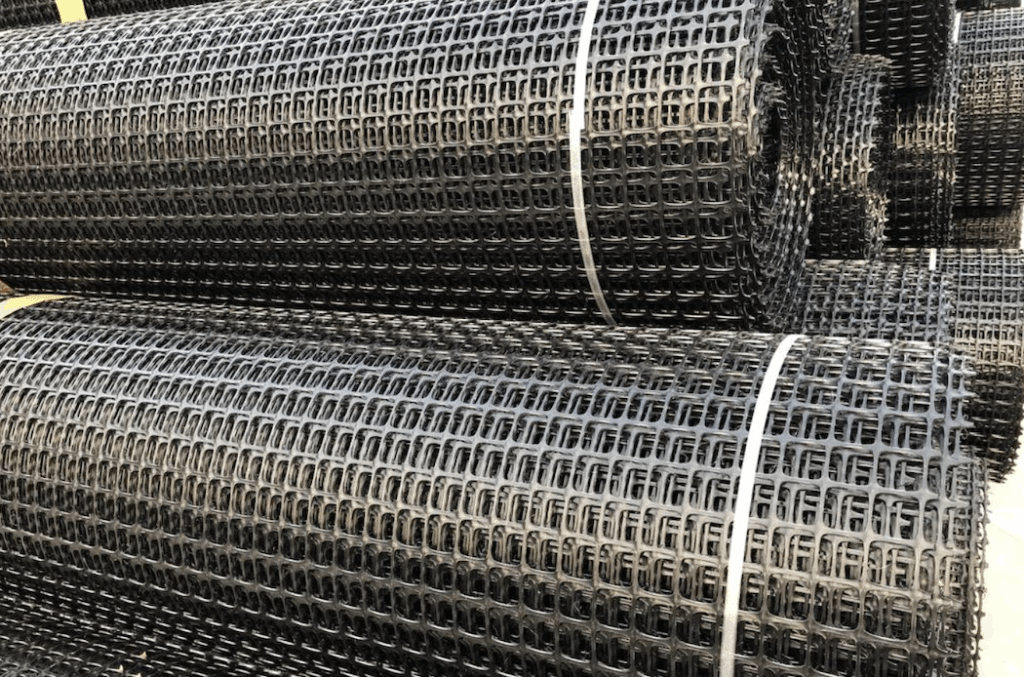
- Slope gravel erosion control: Core requirement is soil stabilization and erosion prevention—use landscape fabric with excellent soil fixation performance, and combine with fixing devices if necessary to enhance stability.
Recommended Reading:best geotextile fabric for gravel driveway
Pros and Cons of Landscape Fabric Under Gravel
1. Core Advantages (Pros)
- Effective Weed Suppression: By creating a physical barrier between weed seeds and soil, landscape fabric significantly reduces weed growth, minimizing manual weeding frequency and herbicide usage—especially suitable for large gravel areas. Data shows that properly installed landscape fabric can reduce weed incidence by over 70%. Short-term weed control effects are immediate, with only occasional removal needed for weeds growing from fabric edges or damaged areas later.
- Soil Stabilization & Gravel Settlement Prevention: The separation layer formed by landscape fabric prevents gravel from seeping into the soil due to freeze-thaw cycles, rain erosion, or external pressure. It also stops soil particles from rising and contaminating the gravel layer, maintaining a smooth gravel surface and extending the service life of paths and driveways. This effect is more pronounced in poor soil conditions, reducing the impact of soil settlement on the gravel layer.
- Improved Drainage & Erosion Control: High-quality landscape fabric offers good permeability, allowing rainwater and irrigation water to penetrate the soil layer smoothly, avoiding gravel layer loosening caused by waterlogging. It also blocks soil particle loss with water flow, effectively preventing soil erosion. In erosion-prone scenarios such as slopes and gravel ditches, it significantly enhances the project’s soil and water conservation capabilities.
- Reduced Long-Term Maintenance Costs: By suppressing weeds, stabilizing the gravel layer and soil structure, landscape fabric greatly reduces the frequency of gravel replenishment and weed removal. For example, in a 100㎡ courtyard path, laying high-quality landscape fabric can reduce annual maintenance costs by over 50%, offering excellent long-term cost-effectiveness.
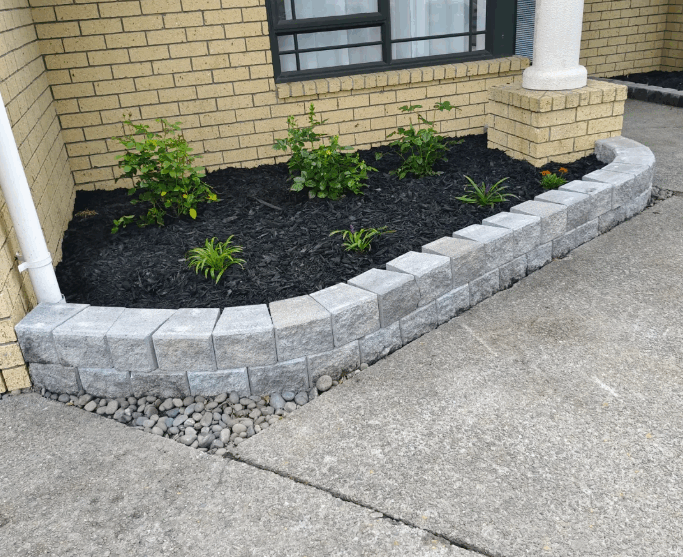
2. Main Disadvantages (Cons)
- Impact on Soil Health: Long-term coverage can hinder air circulation, the activity of soil organisms (e.g., earthworms), and the decomposition and penetration of organic matter (e.g., fallen leaves). This may lead to soil compaction and reduced fertility—particularly noticeable in garden beds and other areas with surrounding plant growth. It is not suitable for organic gardening areas requiring high soil health standards.
- Degradation & Damage Risk: Ordinary synthetic fiber landscape fabric has a service life of 5-10 years, while biodegradable types last only 3-5 years. Long-term exposure to outdoor UV radiation, wind, rain, and external pressure can cause degradation, tearing, and other damage. Weeds tend to grow aggressively through damaged areas, and torn fabric can entangle with soil and plant roots, resulting in high difficulty and cost for later cleanup.
- High Installation Requirements: Installation quality directly affects performance, requiring strict adherence to three principles: “level the site, overlap laying, and secure firmly.” First, thoroughly clear weeds, rocks, tree roots, and other debris from the area and compact the soil (compaction coefficient of plain soil > 0.93). Adjacent fabric pieces should overlap by 12-18 inches and be secured with landscape staples every 20 cm. Improper installation can cause displacement and wrinkling, rendering the separation and protection functions ineffective.
- Environmental & Cost Issues: Most traditional landscape fabrics are non-biodegradable synthetic materials, potentially containing petroleum-based chemicals that pose environmental burdens after disposal. High-quality landscape fabric also has a higher initial purchase cost, and replacement requires removing the entire gravel layer, further increasing construction costs and workload.
Recommended Reading:What is the Best Landscape Fabric?The 3 Best Landscape Fabrics
Types of Landscape Fabric Suitable for Gravel
Different types of landscape fabric vary significantly in material and characteristics. Selection should be based on project scenarios, service life, and budget. Detailed comparisons are as follows:
| Type | Material and Characteristics | Adaptable Gravel Scenarios | Pros and Cons |
| Woven Type | Made of high-density polypropylene/polyester fiber weaving, with high tensile strength, excellent UV resistance, good air permeability and drainage. The tensile strength of some products can reach more than 3 times the national standard. | Permanent gravel driveways, high-frequency treading garden paths, slope protection projects | Pros: Long service life (5-10 years+), strong stability, suitable for long-term heavy-load scenarios; Cons: Difficult installation, high price, cost about 15-30 yuan per square meter |
| Non-woven (Spunbond) Type | Made of synthetic fiber thermal bonding, with good flexibility, easy cutting, light weight and convenient construction | Temporary gravel paths, short-term gravel mulching for garden beds, indoor gravel decoration areas | Pros: Convenient installation, low cost (5-12 yuan per square meter); Cons: Poor air permeability, weak wear resistance, short service life (3-5 years), not suitable for heavy-load scenarios |
| Biodegradable Type (Plant Fiber Mat) | Made of organic materials such as rice straw, coconut coir and wood pulp, which can be naturally degraded. Some products add grass seeds and nutrients, with ecological restoration function. | Early weeding for new garden beds, short-term gravel covering projects, ecological slope protection | Pros: Environmentally friendly, no need for later removal, some products can promote plant growth; Cons: Not suitable for long-term use (service life 1-3 years), limited weed control effect, medium price (10-20 yuan per square meter) |
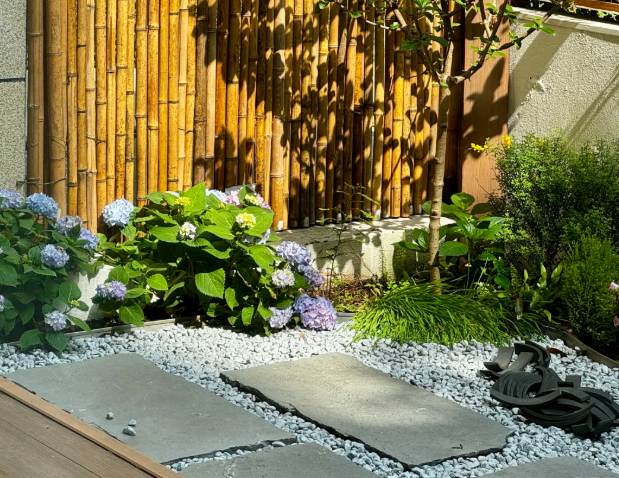
Correct Installation Steps for Landscape Fabric Under Gravel
Proper installation is crucial for maximizing landscape fabric performance. Follow these professional and actionable steps:
- Site Preparation: First, thoroughly clear weeds, rocks, tree roots, and other debris from the gravel installation area to ensure no protruding obstacles. Level the ground afterward—replace soil in poor-quality areas and compact the plain soil to a compaction coefficient > 0.93. For sloped areas, perform additional soil compaction and install anti-slip ridges if necessary to prevent soil movement.
- Base Layer (Optional): Between the soil and landscape fabric, lay a 1-2 inch thick sand or stone dust layer. This enhances ground flatness and stability, improves drainage, reduces soil contamination of the fabric, and extends its service life.
- Fabric Laying: Cut the landscape fabric according to the actual size of the installation area, leaving a 10-20 cm margin to avoid gaps from insufficient size. Overlap adjacent fabric pieces by 12-18 inches to ensure full coverage. Keep the fabric flat during laying to avoid wrinkles or distortion, and secure it to the soil with landscape staples every 20 cm—increase staple density at edges to prevent wind displacement.
- Gravel Coverage: After securing the fabric, lay 3-4 inches of gravel (6-8 inches for private driveways to ensure load-bearing capacity). Spread the gravel evenly and lightly compact with a compaction tool, avoiding excessive rolling that could damage the fabric. Finally, form a flat and stable gravel layer.
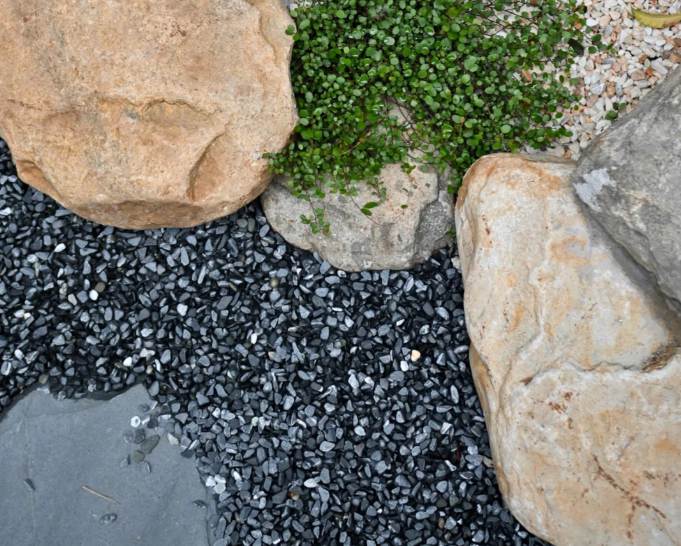
Alternatives to Landscape Fabric
1. Common Alternatives and Core Characteristics
If landscape fabric is unsuitable due to scenario requirements, environmental concerns, or budget constraints, consider the following alternatives. Key characteristics are compared below:
- Plastic Sheeting: Advantages—extremely low cost (¥1-3 per ㎡), effective short-term weed control; Disadvantages—completely impermeable to air and water, causing soil waterlogging and hypoxia, damaging soil ecology; poor UV resistance, prone to aging and tearing. Suitable only for short-term temporary gravel coverage, not long-term use.
- Thick Cardboard/Newspaper: Advantages—biodegradable, eco-friendly, nearly cost-free, effective short-term weed suppression; Disadvantages—short service life (6-12 months), easily rotted by rainwater, unable to stabilize soil or prevent gravel settlement. Suitable only for short-term weed control in new garden beds.
- Thickened Gravel Layer: Advantages—no additional auxiliary materials needed, simple construction; Disadvantages—increased gravel consumption and cost (¥20-50 per ㎡ increase), long-term weed growth and gravel settlement still occur. Suitable for small, low-traffic gravel areas.
- Organic Mulch (Wood Chips, Bark): Advantages—nourishes soil, improves soil structure, eco-friendly, decorative; Disadvantages—requires regular replenishment (1-2 times per year), unsuitable for high-traffic areas, unable to prevent gravel settlement. Suitable for non-traffic gravel coverage around garden beds.
- Non-Woven Fabric: Advantages—moderate breathability, medium cost (¥8-15 per ㎡), suitable for filtration and protection in simple drainage scenarios (e.g., gravel ditches); Disadvantages—poor wear resistance, short service life (2-4 years), unsuitable for heavy-load or high-traffic areas.
2. Scenario-Specific Recommendations for Alternatives
Selection should be based on four core factors: service life, scenario use, environmental requirements, and budget:
- Short-term temporary gravel paths (service life < 1 year): Prioritize cardboard/newspaper or plastic sheeting;
- Non-traffic gravel coverage around garden beds: Choose organic mulch;
- Small, low-traffic simple gravel areas: Consider a thickened gravel layer;
- Simple drainage scenarios (e.g., gravel ditches): Use non-woven fabric as a filtration material.Note: Alternatives are not recommended for long-term heavy-load scenarios (e.g., private driveways)—high-quality landscape fabric is still required to ensure engineering stability.
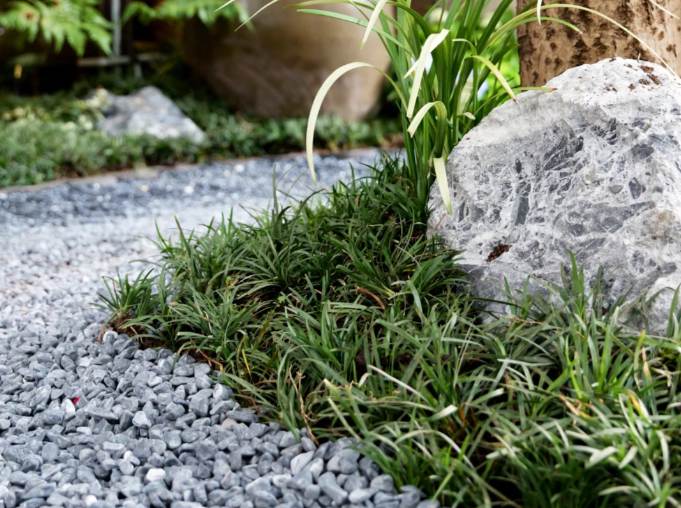
Scenario-Specific Recommendations for Landscape Fabric Selection
1. Scenarios Where Landscape Fabric is Highly Recommended
Based on core advantages and industry practice, landscape fabric is strongly recommended for:
- Long-term private driveways (service life > 5 years);
- High-traffic main courtyard paths;
- Slope gravel erosion control projects;
- Large gravel areas with high weed control needs (e.g., courtyard leisure areas);
- Gravel installation in poor soil conditions (prone to settlement or erosion).In these scenarios, the weed suppression and soil stabilization functions of landscape fabric significantly improve project quality and service life, offering excellent long-term cost-effectiveness.
2. Scenarios Where Landscape Fabric is Not Recommended or Replaceable
Landscape fabric is not recommended or can be replaced in:
- Gravel-covered garden beds with surrounding plant growth (to avoid affecting soil fertility);
- Short-term temporary gravel paths (service life < 1 year);
- Organic gardening areas requiring high soil health standards;
- Small gravel areas with extremely limited budgets and tolerance for frequent maintenance.In these scenarios, the benefits of landscape fabric are limited or may even cause negative impacts.
3. Core Decision-Making Criteria
To facilitate quick decision-making, refer to these 5 key criteria:
- Service Life: Prioritize landscape fabric for long-term use (> 3 years);
- Maintenance Frequency: Choose landscape fabric if you want to reduce maintenance costs and weeding frequency;
- Environmental Requirements: Opt for biodegradable landscape fabric (plant fiber mats) for high environmental standards;
- Budget: Select woven landscape fabric for sufficient budgets (> ¥15 per ㎡); non-woven fabric for limited budgets;
- Scenario Use: Must use landscape fabric for heavy-load, high-traffic, or erosion-prone scenarios.
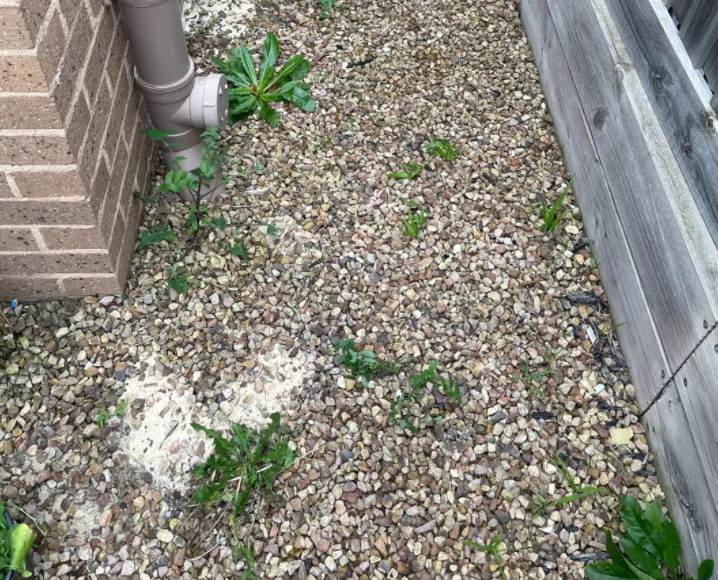
Conclusion
Laying landscape fabric under gravel is not a one-size-fits-all solution—core lies in “scenario adaptability.” Its main value lies in weed suppression and soil stabilization in long-term use, significantly reducing maintenance costs and improving engineering durability. However, it also has limitations such as potential soil health impacts, high installation requirements, and higher costs. We recommend making a rational choice based on your project’s service life, scenario use, environmental requirements, and budget, referring to the pros and cons analysis and practical guidelines in this article.
Regardless of whether landscape fabric is used, thorough initial site leveling and compaction (compaction coefficient of plain soil > 0.93) and regular later maintenance (debris cleaning, gravel replenishment) are key to ensuring long-term stability of gravel areas. We hope this guide provides professional and practical references for your courtyard landscape renovation project. If you need landscape fabric, feel free to contact us!
FAQs
Q: How long does landscape fabric last under gravel?
A: Service life varies by type—woven fabric lasts 5-10+ years, non-woven fabric 3-5 years, and biodegradable fabric 1-3 years. It is also affected by use scenarios and installation quality; heavy-load and high-traffic scenarios will shorten service life.
Q: How to repair damaged landscape fabric?
A: For small-area damage, cut a piece of the same type of landscape fabric, cover the damaged area with an overlap of over 12 inches, and secure it with additional staples. For large-area damage, it is recommended to remove the gravel layer in the damaged area and replace with new landscape fabric to avoid affecting overall protection.
Q: Do I still need to weed after laying landscape fabric under gravel?
A: Minimal maintenance is required—mainly removing weeds growing from fabric edges, damaged areas, or gravel gaps. Overall weeding frequency can be reduced by over 70%.
Q: How to balance weed suppression and soil health in gravel-covered garden beds?
A: Recommend using biodegradable landscape fabric (plant fiber mats) or replacing it with organic mulch, avoiding traditional synthetic fiber landscape fabric. Alternatively, reserve plant growth holes in the landscape fabric to ensure normal root respiration and nutrient absorption.
Q: Is it mandatory to lay a base sand layer when installing landscape fabric?
A: No, it is optional. It can be omitted in areas with good soil quality and smooth drainage. For areas with poor soil quality, poor drainage, or proneness to settlement, laying a sand layer is recommended to improve stability and drainage.
Reference Sources
- ASTM D4754 – Standard Specification for Geotextiles for Use in Landscape and Garden Applications
- Issuing Organization: American Society for Testing and Materials (ASTM)
- Core Supporting Content: Core parameter requirements for landscape fabric in the article, such as material classification (woven, non-woven), permeability, tensile strength, and UV resistance; application technical standards for landscape fabric in scenarios like courtyards and paths.
- AASHTO M288 – Standard Specification for Geotextiles for Highway Applications
- Issuing Organization: American Association of State Highway and Transportation Officials (AASHTO)
- Core Supporting Content: Durability requirements for landscape fabric used in gravel driveways, material selection standards for heavy-load scenarios, and construction technical specifications such as the compaction coefficient of plain soil (> 0.93) as mentioned in the article.
- ISO 10318:2015 – Geotextiles and geotextile-related products — Determination of tensile properties
- Issuing Organization: International Organization for Standardization (ISO)
- Core Supporting Content: Test methods and evaluation criteria for the tensile strength of landscape fabric, which supports the technical statement in the article that “the tensile strength of woven landscape fabric can reach more than 3 times the national standard.”