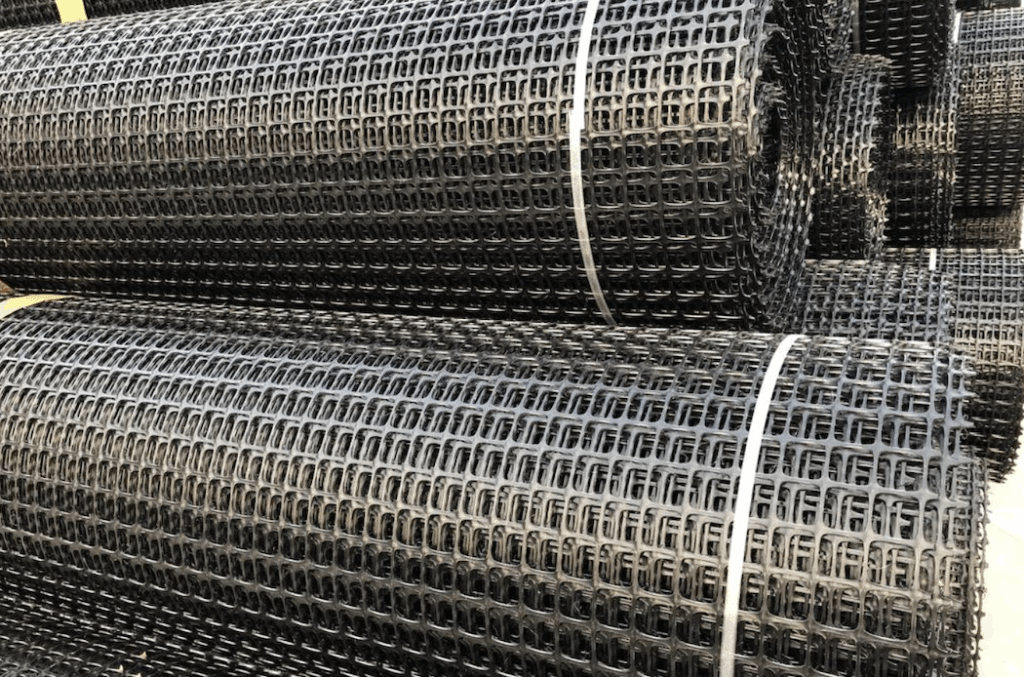
In fields such as agricultural cultivation, landscaping, and road maintenance, weed infestation has long been a major challenge for practitioners. Manual weeding is costly, while chemical weeding pollutes the environment. As a new type of geosynthetic material, geotextile fabric is widely used in weed control scenarios due to its properties of air permeability, water permeability, and corrosion resistance. Many people wonder: Can geotextile fabric really prevent weeds? The answer is yes, but the weed control effect of geotextile fabric is not absolute. It is affected by multiple factors such as product type, installation specifications, and application scenarios, and cannot achieve permanent weed control.
This article will comprehensively break down the core points of geotextile weed control from aspects such as weed control principle, effect-influencing factors, advantages and disadvantages, practical operation methods, scheme comparison, and common questions, helping you quickly judge its applicability and master the correct usage.
Recommended Reading: The Best Landscape Fabric to Prevent Weeds
Can Geotextile Fabric Really Prevent Weeds?
- Clear Conclusion: High-quality geotextile fabric, when installed in accordance with specifications, can effectively inhibit weed growth and is one of the mainstream physical weed control solutions. However, it should be noted that geotextile fabric can only “inhibit” rather than “eradicate” weeds. Weed growth may still occur after long-term use, and maintenance measures are required to ensure the effect.
- Weed Control Principle: Geotextile fabric achieves weed control through physical barrier. The core is to block sunlight from reaching weed seeds on the soil surface, preventing them from photosynthesizing, thereby inhibiting germination and growth. At the same time, qualified geotextile fabric has good air permeability and water permeability, which can ensure air circulation and water penetration in the soil, without affecting the respiration and water absorption of crop roots, and avoiding root rot. This principle is different from chemical weeding, as it blocks weed growth at the source without environmental pollution risks.
- Effect Boundary: The weed control effect of geotextile fabric is time-sensitive. The short-term (1-3 years) effect is significant, during which the material performance is stable, and the weed inhibition rate can reach more than 85%. After long-term use, affected by ultraviolet radiation, soil friction, external damage, etc., geotextile fabric will gradually age and degrade, and the weed control effect will decrease accordingly. Weeds may grow through damaged areas or gaps on the fabric surface. In addition, for established perennial deep-rooted weeds, geotextile fabric is difficult to completely block their growth, and weeds need to be cleared before laying.
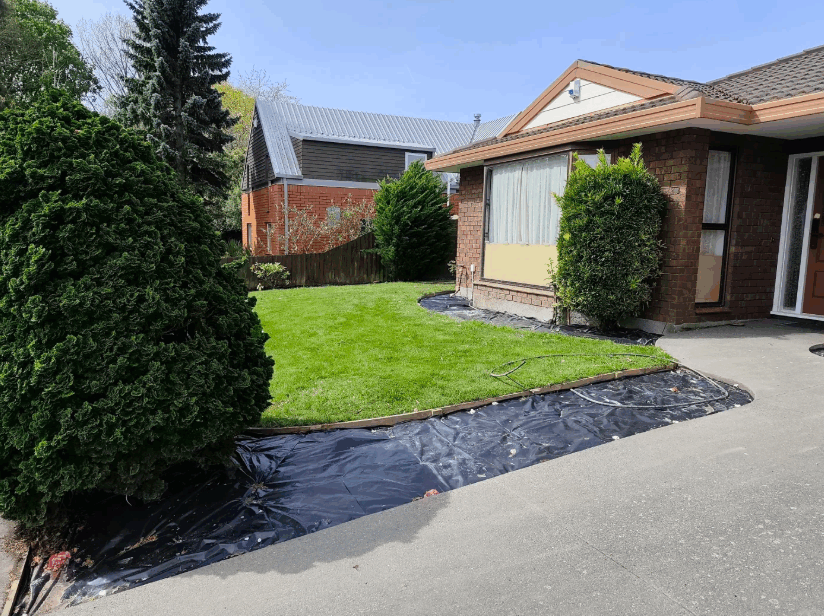
What Determines the Weed Control Effect?
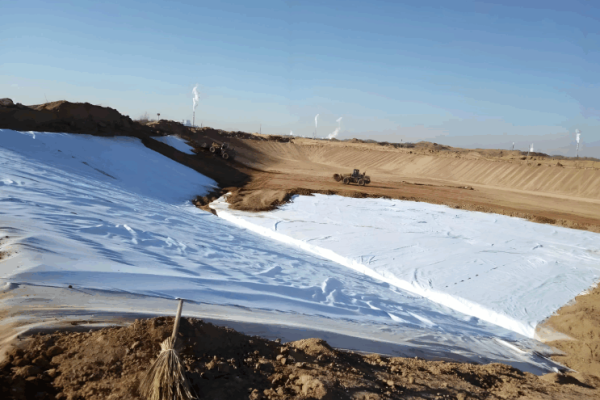
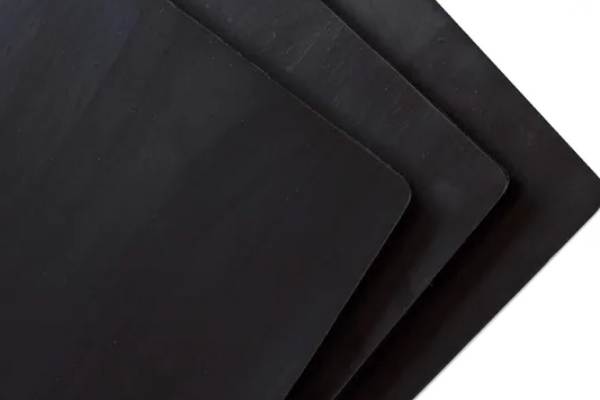
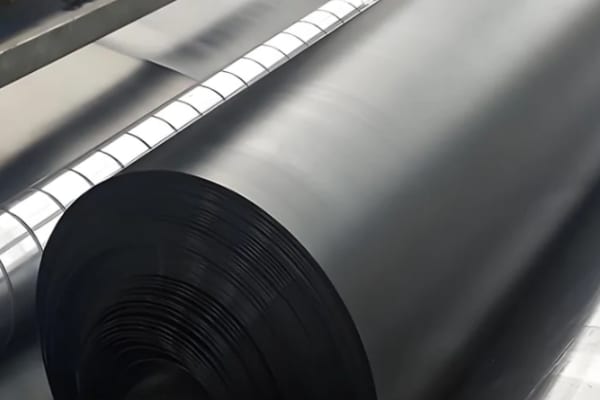
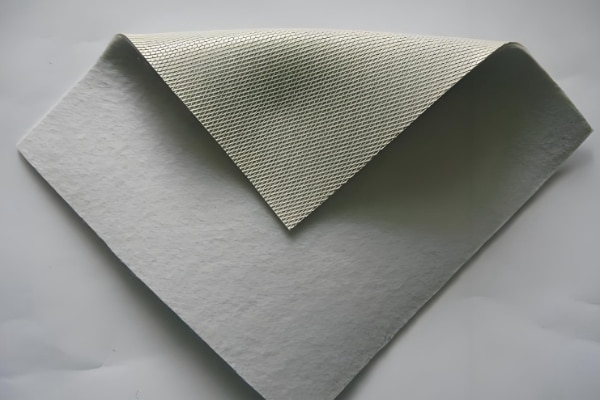
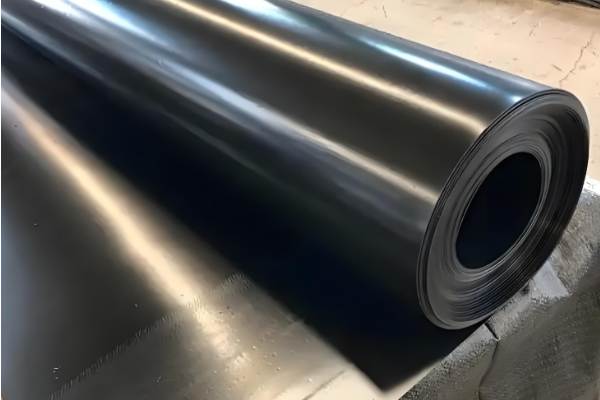
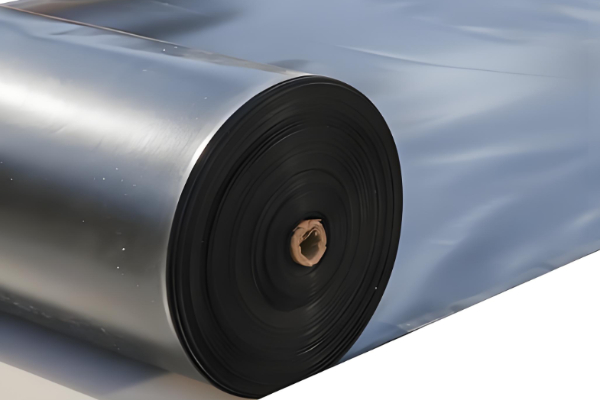
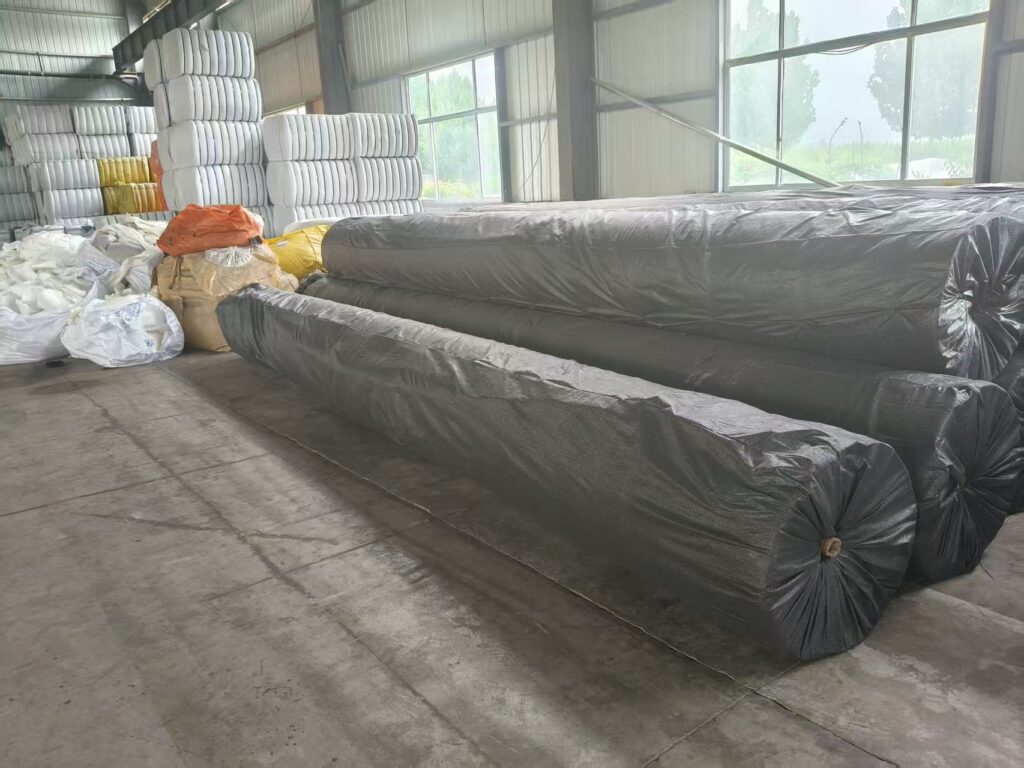
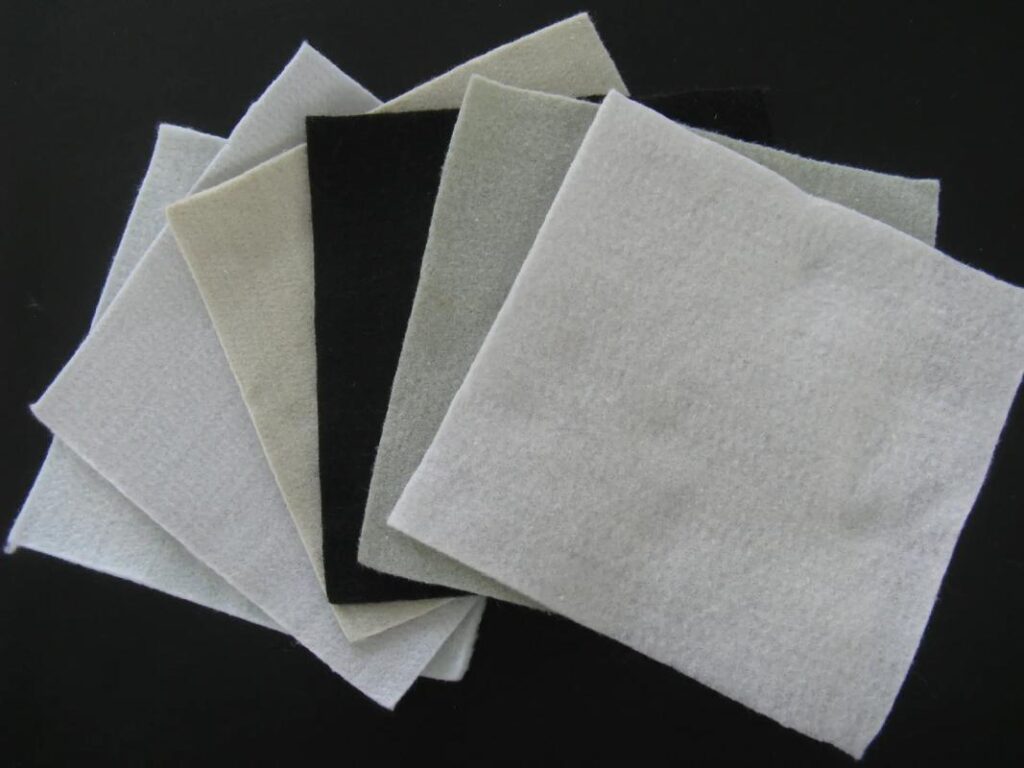
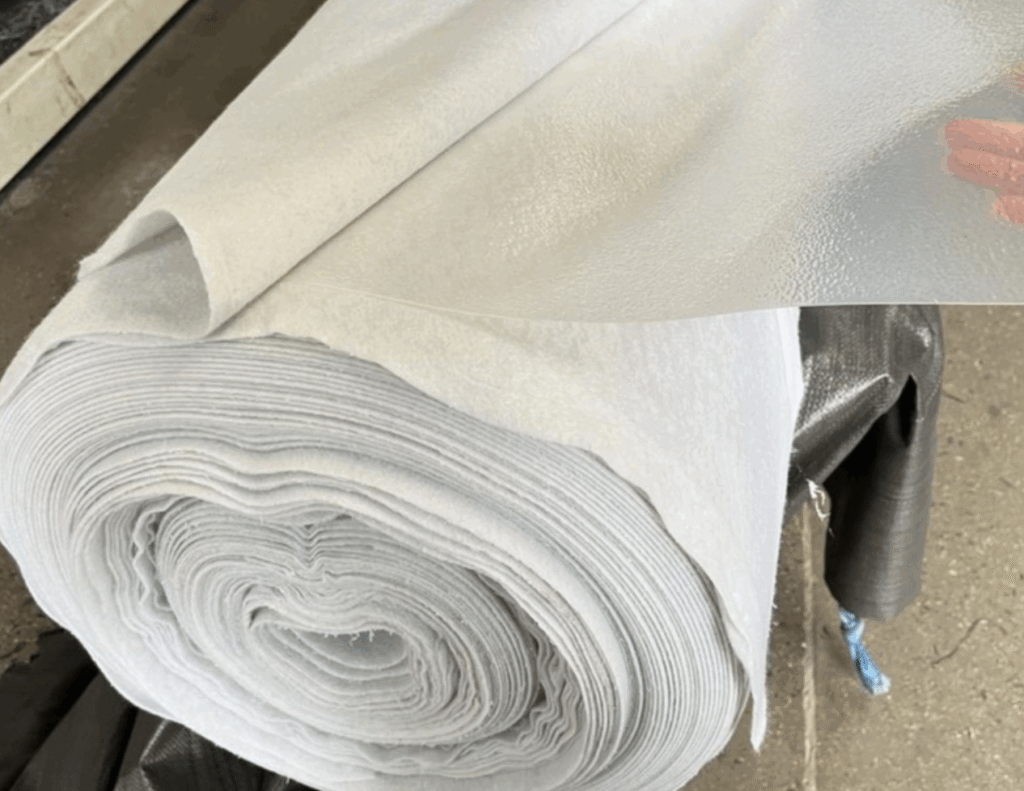
- Geotextile Type: The weed control effect varies significantly among different types of geotextiles. The mainstream types are divided into woven and non-woven (needle-punched non-woven) categories. Woven geotextile is made of PP or PE flat yarn woven vertically and horizontally, with high density, strong light-shielding performance, and better weed control effect. It also has good anti-aging and wear-resistant properties, with a service life of 3-5 years, suitable for long-term exposed scenarios such as orchards, gravel roads, and driveways. Non-woven geotextile is made of synthetic fibers through needle punching, with soft texture and better air permeability, but weaker light-shielding and strength. Its weed control life is about 1-2 years, more suitable for short-term crop cultivation weed control in greenhouses. In addition, it can be divided into black and white by color. Black geotextile has strong light-shielding performance and is the first choice for outdoor weed control; white geotextile has a reflective effect, can adjust the temperature in the greenhouse, and is suitable for use in greenhouses.
- Installation Quality: Standard installation is the core to ensure the weed control effect. The key points include:
- ① Ground pretreatment: It is necessary to clear weeds, stones, sharp debris on the ground surface, ensure the ground is flat and firm, and avoid piercing the geotextile;
- ② Fixing method: Use U-shaped stakes or steel bars for fixation, with a spacing of about 1-1.5 meters. The edges and joints need to be fixed densely to prevent being blown up by the wind;
- ③ Joint treatment: The overlap width should not be less than 20cm. For long-term exposed scenarios, sewing or hot air welding is recommended. The sewing thread should be made of UV-resistant and corrosion-resistant resin material, with uniform and continuous stitch spacing;
- ④ Covering layer selection: For outdoor scenarios, it is recommended to cover the geotextile surface with 3-5cm gravel or organic mulch, which can not only enhance the light-shielding effect but also delay the aging of the geotextile.
- Application Scenarios: The weed control effect of geotextile is highly compatible with the application scenario:
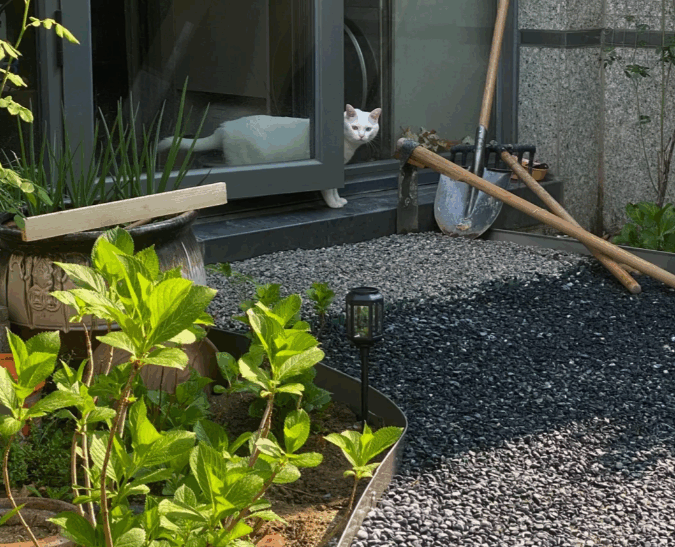
- ① Gravel roads/driveways: Choose woven geotextile, and cooperate with gravel covering. While controlling weeds, it can also play the role of isolation and drainage, avoiding gravel settlement;
- Recommended Reading:Best Geotextile Fabric for Gravel Driveway
- ② Gardens/flower beds: Black woven or non-woven geotextile can be selected, and the service life can be chosen according to the plant growth cycle;
- Recommended Reading: What is the Best Weed Barrier for Gardens?
- ③ Farmland/vegetable gardens: Non-woven geotextile can be used for short-term crops, and PE woven geotextile is recommended for long-term orchards, which can withstand the friction of field operations;
- ④ Greenhouses: White geotextile can simultaneously achieve weed control and reflective temperature increase, improving crop yield.
- ① Gravel roads/driveways: Choose woven geotextile, and cooperate with gravel covering. While controlling weeds, it can also play the role of isolation and drainage, avoiding gravel settlement;
- Maintenance Conditions: Regular maintenance can significantly extend the weed control cycle, which needs to be done:
- ① Regular inspection: Clean up fallen leaves and debris on the geotextile surface in a timely manner to avoid the accumulation of debris forming a “soil layer” leading to weed germination;
- ② Damage repair: When damage is found, it is necessary to repair it with a patch of the same material geotextile. The edge of the patch should exceed the damaged area by more than 30cm, and be fixed by sewing or welding;
- ③ Aging replacement: When the geotextile shows obvious cracking and embrittlement, it needs to be replaced in time to avoid weed control failure.
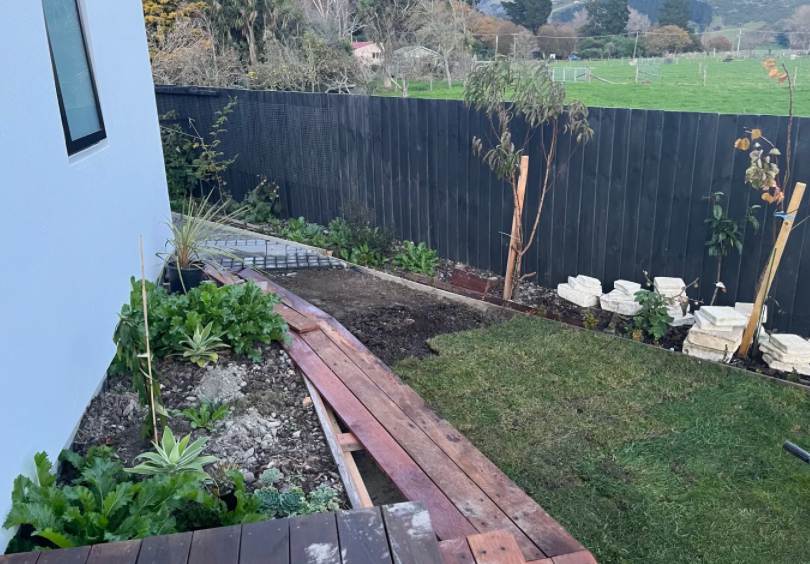
Pros and Cons of Using Geotextile for Weed Control
- Advantages:
- ① Controllable cost: One-time laying can maintain the weed control effect for 1-5 years. Compared with manual weeding, the long-term use cost is lower;
- ② Environmental protection and safety: No need to use chemical herbicides, avoiding soil and crop pollution, and meeting the requirements of green cultivation;
- ③ Versatility: In addition to weed control, it can also retain soil moisture, stabilize soil temperature, prevent freezing in winter and preserve moisture in summer, and reduce the breeding of diseases and pests;
- ④ Convenient construction: Geotextile is light in weight and flexible, with low transportation and laying difficulty, suitable for large-area operations;
- ⑤ Strong corrosion resistance: It can be used stably for a long time in acidic-alkaline soil and humid environments, not affected by microorganisms and moth-eaten.
- Disadvantages:
- ① Time-sensitive: Cannot achieve permanent weed control, needs regular replacement, and there is material loss cost in long-term use;
- ② High initial investment: The initial purchase and installation cost of high-quality woven geotextile is higher than that of ordinary plastic film and organic mulch;
- ③ Penetration risk: After long-term use, if there is damage, perennial weeds may penetrate and grow, requiring enhanced maintenance;
- ④ Affects cultivation in some scenarios: Laying in farmland may cause inconvenience to deep tillage operations, suitable for shallow-rooted crops or orchards;
- ⑤ Environmental pressure of non-degradable products: If traditional plastic geotextile is not properly disposed of after being discarded, it may cause environmental pollution, so degradable types should be selected.
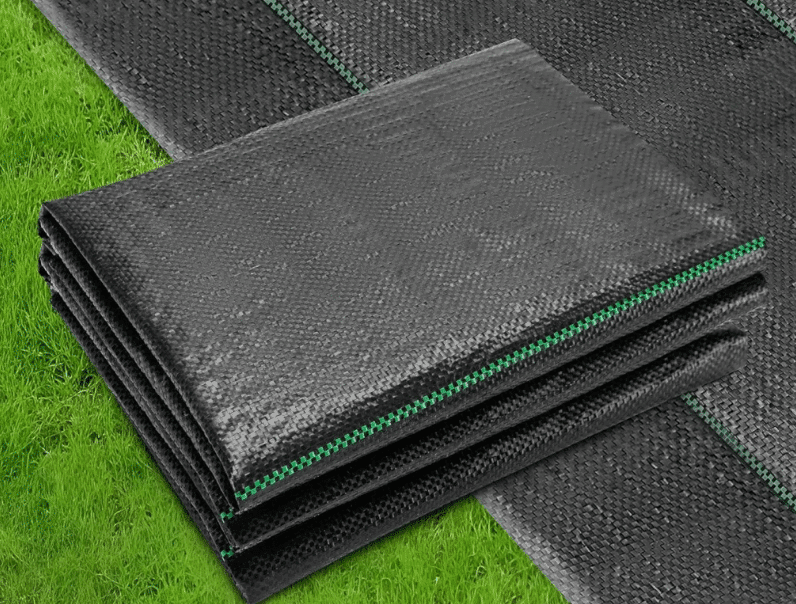
How to Correctly Use Geotextile for Weed Control?
- Purchase Skills:
- ① Choose the type according to the scenario: For outdoor long-term scenarios, choose PE woven type (sun-resistant and anti-oxidation); for short-term or greenhouse use, choose non-woven or white woven type;
- ② Pay attention to core parameters: Prioritize products with a grammage of 150-300g/m², which have higher strength and longer service life, meeting national standards;
- ③ Prioritize degradable materials: For scenarios with high environmental protection requirements, degradable geotextile can be selected, which will naturally degrade after use without environmental residues;
- ④ Check product qualifications: Confirm that the product meets relevant industry standards, such as woven geotextile can refer to specifications such as IS 16654:2017 to ensure quality compliance.
- Installation Steps:
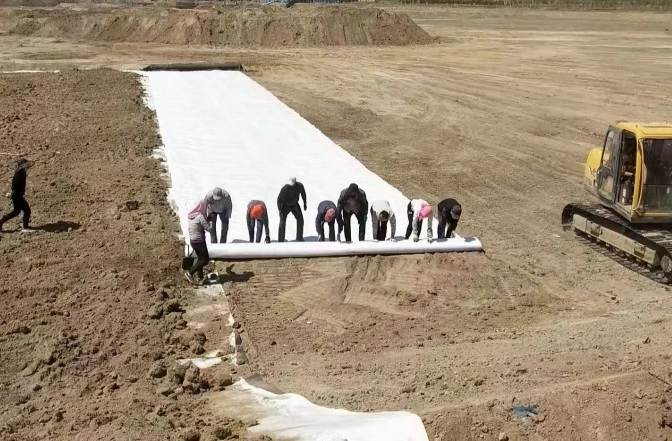
- ① Ground cleaning: Thoroughly remove weeds, stones, tree roots and other debris, level the raised ground, and backfill and compact the low-lying areas;
- ② Trial laying and cutting: Cut the geotextile according to the site size, leaving a deformation allowance of 5-10cm to avoid tearing due to over-tight laying;
- ③ Laying and fixing: Spread the geotextile flat, fix the edges and corners with U-shaped stakes, with a stake spacing of 1-1.5 meters;
- ④ Joint treatment: Overlap adjacent geotextiles by more than 20cm. For outdoor scenarios, use double-line sewing, with the sewing thread more than 2.5cm away from the edge to ensure tight joints;
- ⑤ Surface covering: Lay 3-5cm gravel or organic mulch on the exposed outdoor areas, and it can be used directly in greenhouses without covering.
- Maintenance Points:
- ① Daily inspection: Check once a month, clean up surface debris in a timely manner to avoid water accumulation;
- ② Damage repair: When holes or tears are found, immediately repair them with patches of the same material, which should completely cover the damaged area and be firmly fixed;
- ③ Seasonal maintenance: Check the fixing status before the arrival of winter to prevent being lifted by cold winds; avoid contact with sharp objects in high temperature in summer to prevent damage due to thermal expansion and contraction;
- ④ Replacement cycle: Non-degradable woven geotextile should be replaced every 3-5 years, non-woven geotextile every 1-2 years, and degradable types should be replaced according to the product instruction cycle.
- Pitfall Avoidance Guide:
- ① Avoid low-quality products: Low-cost geotextile has low density, poor light-shielding performance, weak anti-aging performance, and is prone to rapid failure;
- ② Do not cover too thick organic materials: Excessively thick organic mulch on the geotextile surface is likely to form a humus layer, which will instead breed weeds;
- ③ Do not use in permanent landscape areas: It is recommended to combine other weed control methods in permanent landscape areas to avoid frequent replacement;
- ④ Stay away from stubborn weed areas: For areas with perennial deep-rooted weeds, the roots must be completely removed before laying geotextile;
- ⑤ Avoid damage during construction: Use a special geotextile knife for cutting, and prohibit sharp tools or high-heeled shoes from stepping on the laid geotextile.
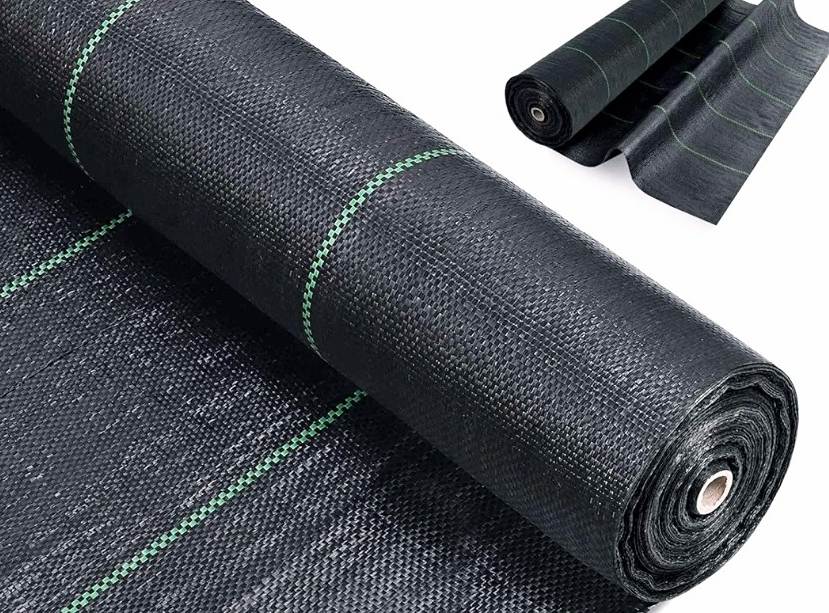
Geotextile vs Other Weed Control Methods
- Comparison with Organic Mulch (Straw, Wood Chips):
- ① Cost: Organic mulch has low initial cost but needs to be supplemented 2-3 times a year, and the long-term cost is higher than that of geotextile;
- ② Effect: The weed control effect is medium, with insufficient light-shielding performance, easy to be blown away by the wind, and may carry weed seeds;
- ③ Ecological impact: Organic mulch can improve soil, but may consume soil nutrients during decomposition, which is not a problem with geotextile;
- ④ Application scenarios: Organic mulch is suitable for small-scale gardens and family vegetable gardens, while geotextile is suitable for large-area and long-term weed control scenarios.
- Comparison with Black Plastic Film:
- ① Air permeability: Black plastic film has poor air permeability, which is easy to cause soil compaction and root rot. Geotextile is air and water permeable, more conducive to crop growth;
- ② Service life: The service life of black plastic film is only 3-6 months, while geotextile can reach 1-5 years;
- ③ Cost: Black plastic film has extremely low initial cost, but needs frequent replacement, and the long-term cost is higher than that of geotextile;
- ④ Application scenarios: Black plastic film is suitable for short-term outdoor crops, while geotextile is suitable for long-term or greenhouse scenarios.
- Comparison with Chemical Herbicides:
- ① Environmental protection: Chemical herbicides pollute soil and crops and are harmful to human health, while geotextile is green and environmentally friendly;
- ② Effect: Chemical herbicides take effect quickly and remove weeds completely, but are prone to drug resistance, and the effect decreases with long-term use;
- ③ Cost: Short-term chemical weeding has low cost, but long-term use requires alternating drugs, the cost gradually increases, and there is a risk of environmental protection penalties;
- ④ Application scenarios: Chemical herbicides are suitable for emergency weeding, while geotextile is suitable for long-term and large-scale weed control.
Frequently Asked Questions (Q&A)
Q1: Can weeds grow through geotextile fabric? How to avoid it?
Yes, after long-term use, if the geotextile is damaged or debris accumulates on the surface to form a soil layer, weeds may grow through. Prevention measures: Choose high-density woven geotextile, install and fix it in accordance with specifications, regularly inspect and repair damage, timely clean up surface debris, and lay a surface covering if necessary.
Q2: How long can the weed control effect of geotextile fabric last?
It depends on the product type and application scenario. Non-woven geotextile lasts for 1-2 years, PE woven geotextile for 3-5 years, and degradable geotextile for 6-12 months (designed according to the degradation cycle). The service life of outdoor exposed scenarios may be shortened by 10%-20% due to ultraviolet radiation, and the service life can be extended after surface covering.
Q3: Will geotextile fabric harm vegetables/flowers and other crops?
Correct use will not harm crops. High-quality geotextile is air and water permeable, which can ensure the normal respiration and water absorption of crop roots; it should be noted that the geotextile should not directly wrap the crop rhizomes. When laying, reserve holes at the crop roots, and fix the edges of the holes firmly to prevent weeds from growing through the gaps.
Q4: Is the weed control effect of degradable geotextile fabric worse than that of ordinary geotextile fabric?
The weed control effect is equivalent, and the only difference is the service life. Degradable geotextile is made of environmentally friendly materials, and its weed control principle and initial effect are consistent with ordinary geotextile. The weed control effect gradually weakens during the degradation process, which is suitable for short-term crop cultivation or scenarios with high environmental protection requirements, and there is no need to clean up waste materials afterward.
Q5: Do I still need to water and fertilize after laying geotextile fabric?
Yes. Geotextile does not affect water penetration and nutrient absorption. Watering can be carried out normally, and water can penetrate into the soil through the geotextile; when fertilizing, fertilizer can be applied at the reserved holes of the geotextile, or liquid fertilizer can be used to penetrate through the geotextile to avoid fertilizer accumulation on the geotextile surface.
Conclusion
As an efficient and environmentally friendly physical weed control material, geotextile can effectively solve the problem of weed infestation in most scenarios, but it is necessary to choose the appropriate type according to the scenario, install it in accordance with specifications, and do a good job in maintenance. Summary recommendations:
- ① Large-area long-term weed control (orchards, gravel roads): Prioritize PE woven geotextile, combined with surface gravel covering, which has a long service life and stable effect;
- ② Short-term crop cultivation (greenhouse vegetables, annual flowers): Choose non-woven or degradable geotextile, which has low cost and no need for long-term maintenance;
- ③ Small-scale family gardens: Can be chosen according to the budget. If the budget is sufficient, choose woven type; if the budget is limited, it can be used in combination with organic mulch;
- ④ Scenarios with high environmental protection requirements: Use degradable geotextile throughout the process to avoid environmental pollution.
Finally, it should be emphasized that the core of geotextile weed control is “standard installation + regular maintenance”. High-quality products combined with scientific use can maximize the weed control effect and reduce long-term costs. If you have specific scenario questions during the selection or installation process, you can contact Lianjie.
Reference Sources
- IS 16654:2017 Woven Geotextiles – Specification
- Type: International Industry Standard
- Description: This standard is explicitly mentioned in the “Purchase Skills” section of the original text. It is used to guide the quality assessment of woven geotextiles, covering core parameter requirements such as material density, strength, and anti-aging performance, and serves as an important basis for geotextile selection.
- GB/T 17638-2017 Geosynthetics – Staple Fiber Needle-Punched Nonwoven Geotextiles
- Type: National Standard
- Description: Corresponding to the introduction of nonwoven geotextiles in the “Geotextile Type” section of the original text, it specifies the technical requirements and test methods for staple fiber needle-punched nonwoven geotextiles, supporting the professionalism of content related to the performance and service life of nonwoven geotextiles.
- ASTM D5321 – Standard Specification for Geotextiles for Weed Control
- Type: International Industry Standard
- Description: A dedicated standard for geotextiles used in weed control scenarios, covering key performance indicators such as light-shielding, air permeability, and weather resistance. It provides a standard basis for judging the weed control effect in sections such as “Core Answer” and “Effect Boundary” of the original text.