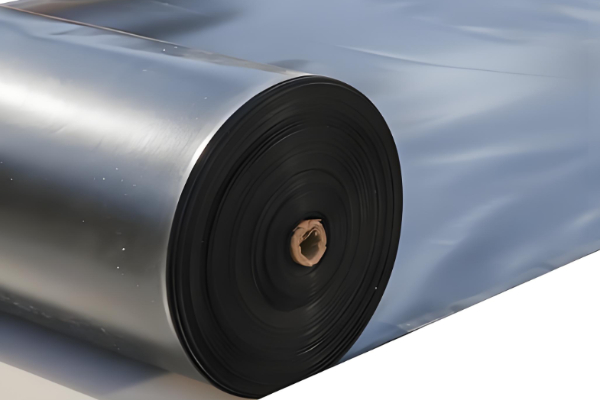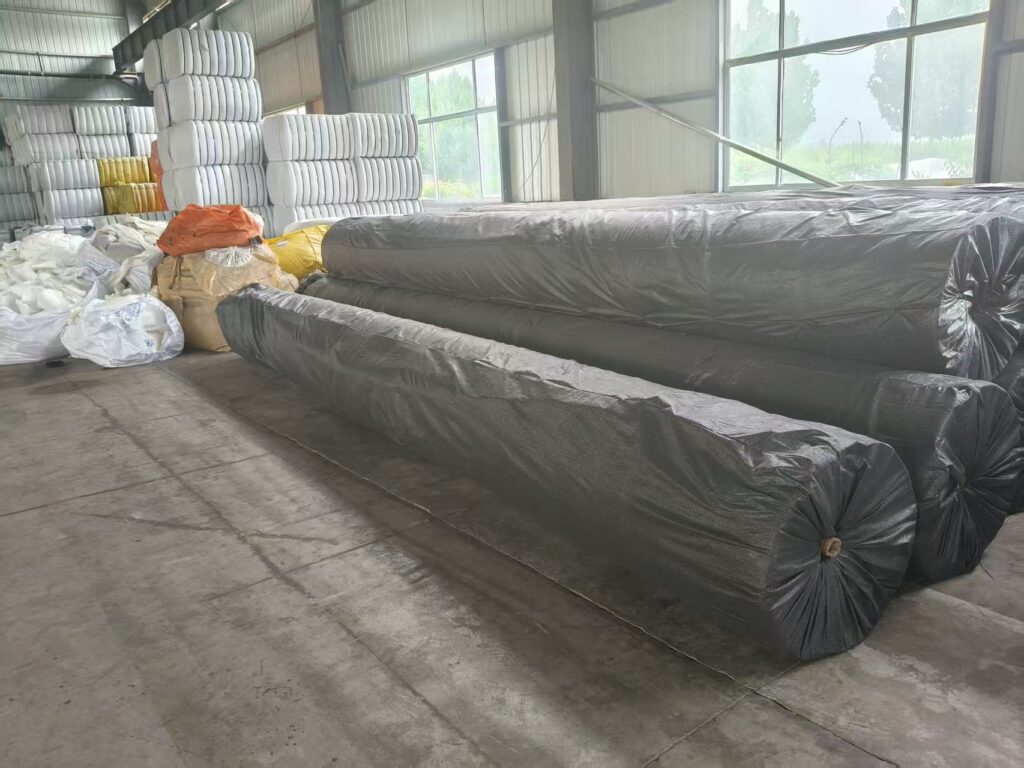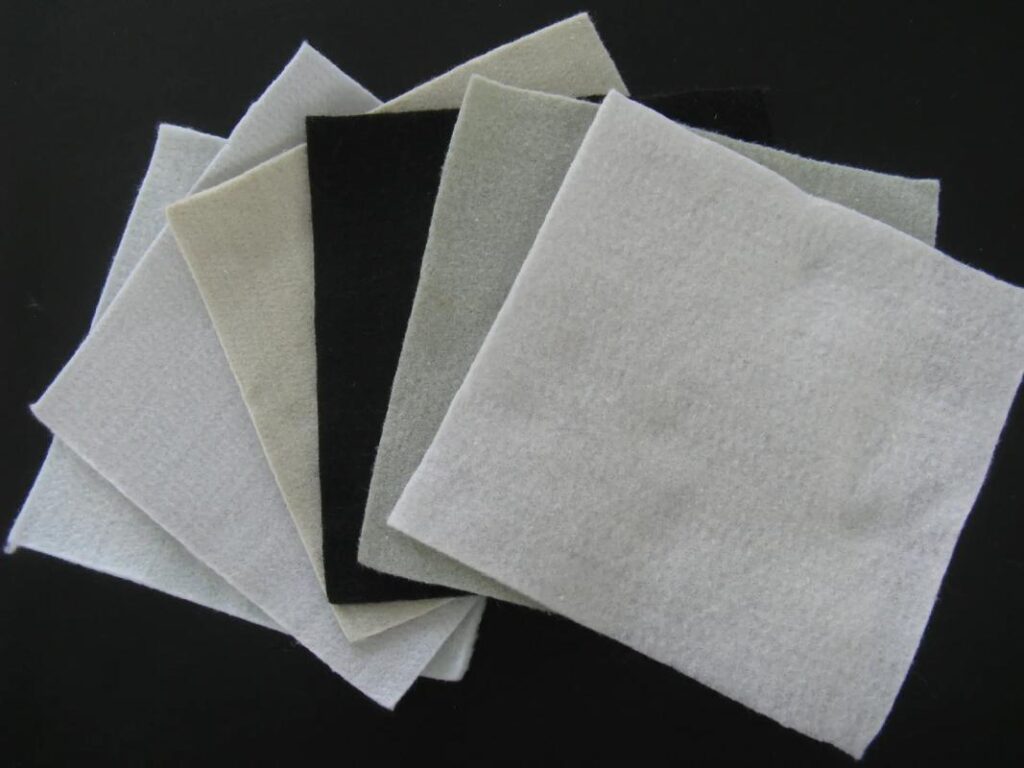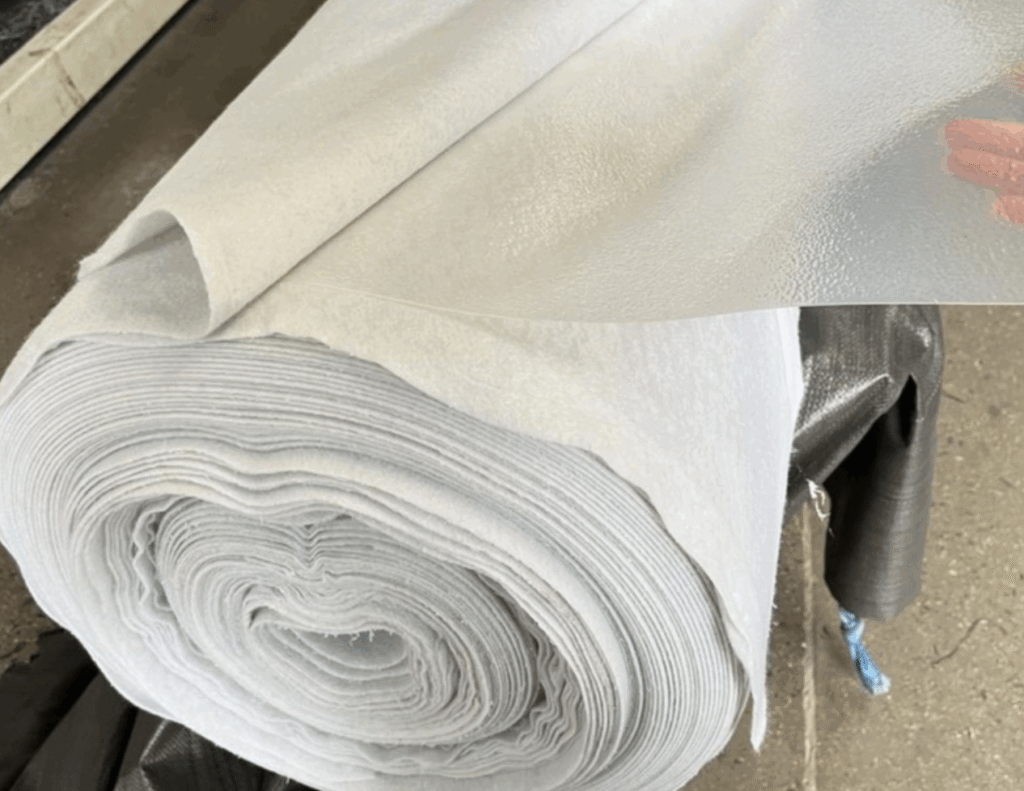
In infrastructure construction, slope protection, waterproofing, temporary works and other scenarios, Concrete Fabric (also known as Cement Blanket) has gradually replaced traditional concrete as the preferred material for many projects due to its convenient construction, high durability and controllable cost. This article comprehensively answers key questions about concrete fabric, covering the entire process from basic knowledge to purchasing, helping you quickly master critical information and make optimal decisions.
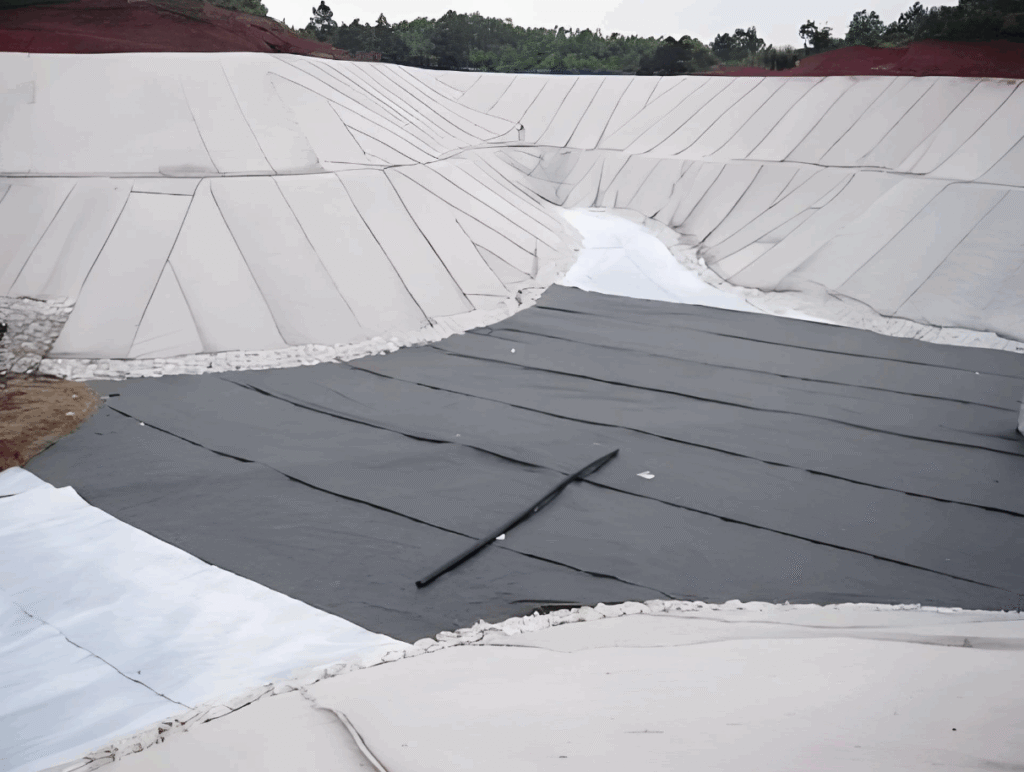
What is Concrete Fabric?
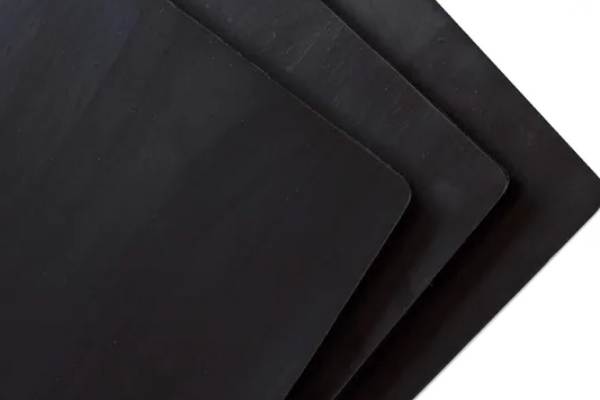
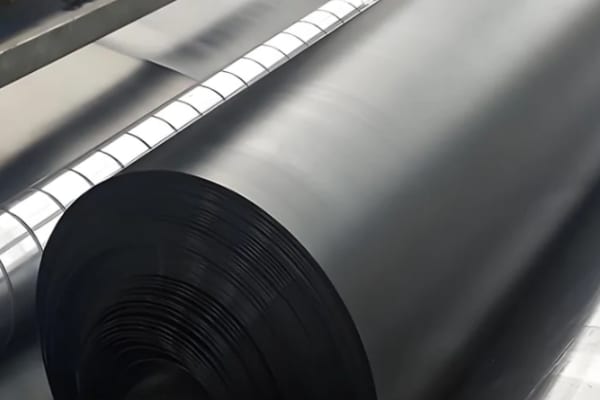
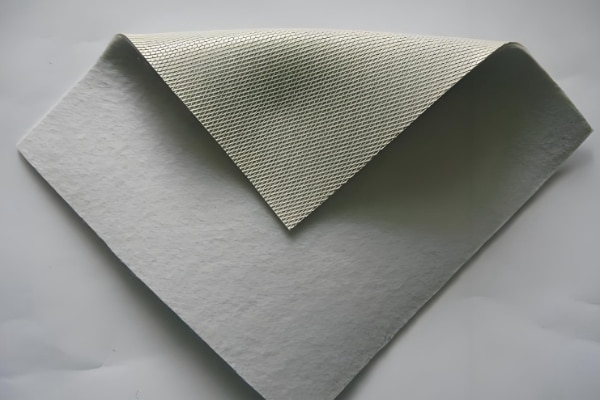
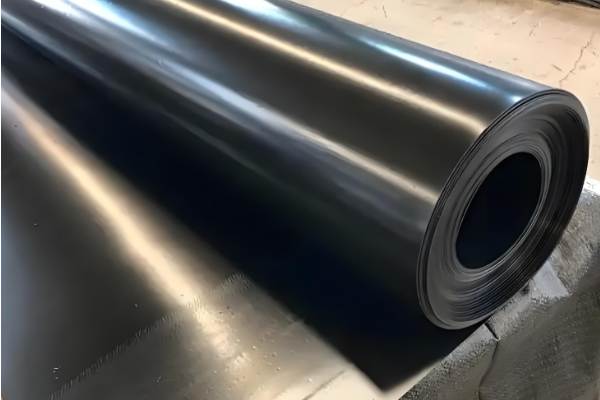
Concrete fabric is a new type of composite building material made of high-strength fiber fabric as the base material, pre-impregnated with specially formulated cement-based composite materials and processed through special techniques.
Its core feature is flexible & foldable, hardens upon water contact: before curing, it can be cut and laid like fabric, adapting to various complex terrains; after water contact, it solidifies automatically without extra mixing, eventually forming a high-strength, crack-resistant, waterproof and wear-resistant concrete layer, combining the flexibility of fabric and the rigidity of concrete.
How Concrete Fabric Works
The working principle of concrete fabric relies on the synergy of pre-impregnated cement base + fiber reinforcement.
The base uses high-toughness polyester fiber or glass fiber fabric, which is specially treated and evenly impregnated with cement slurry composed of Portland cement, quartz sand and additives, forming a composite structure of “fiber skeleton + cement coating”.
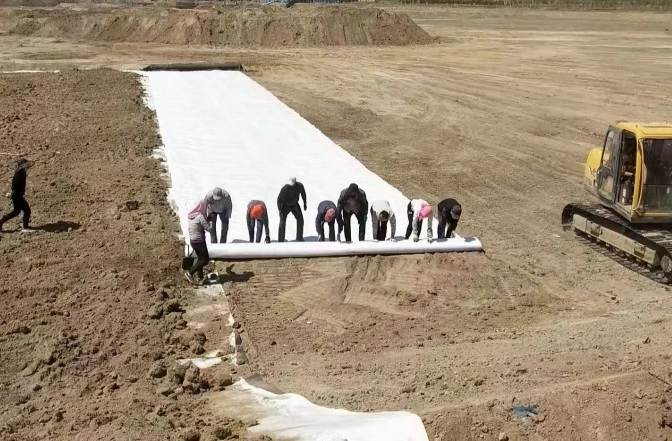
During construction, simply lay the concrete fabric in place and fully absorb water by spraying or soaking. The cement slurry will evenly solidify under the constraint of the fiber fabric, gradually forming a dense concrete layer.
The fiber fabric not only prevents cement slurry loss but also enhances the crack resistance and toughness of cured concrete, avoiding cracking and spalling common in traditional concrete, while greatly shortening the construction period.
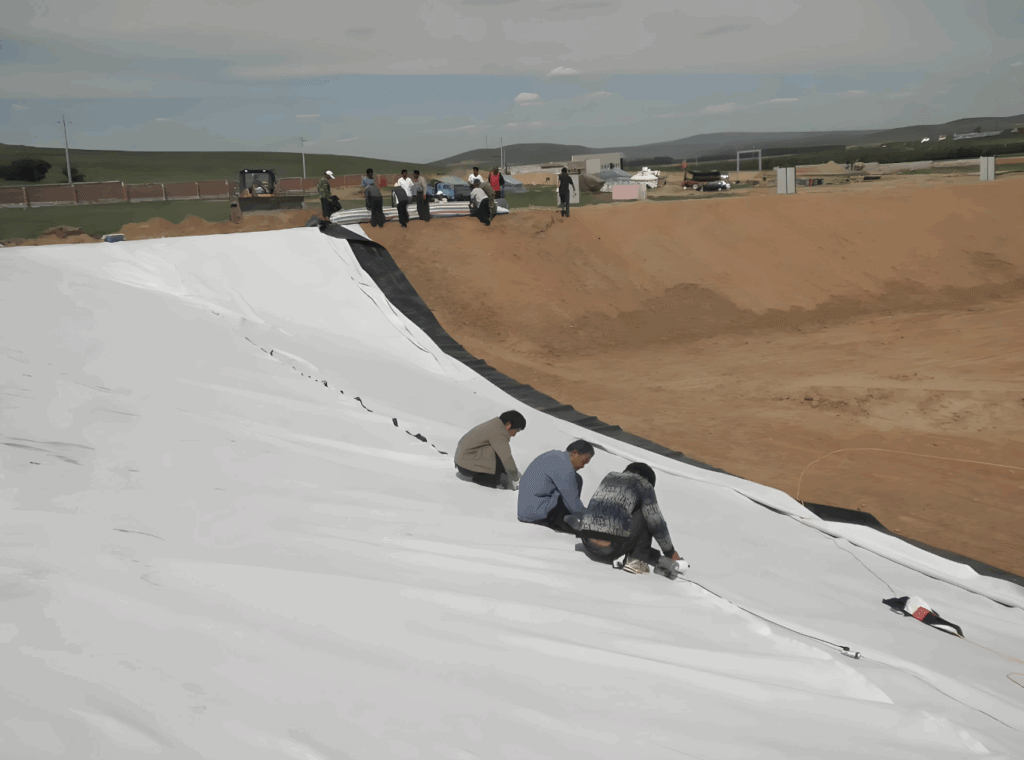
Core Properties & Performance Parameters
1、Core Properties
- Flexible & Convenient: Foldable and cuttable before curing; lightweight (only 2–8 kg/m²), no heavy lifting equipment needed, manually installable, suitable for slopes, canals, irregular surfaces and other complex scenarios.
- Fast Curing: Initial curing within 24 hours after water absorption at room temperature, design strength achieved in 72 hours. Construction efficiency improved by over 50% compared with traditional concrete (7–14 days curing required).
- Durable & Robust: Compressive strength up to 15–30 MPa, flexural strength 3–5 MPa after curing; excellent erosion resistance, corrosion resistance and freeze-thaw resistance, service life over 20 years.
- Waterproof & Impermeable: Forms a dense concrete layer after curing, seamless (sealable by overlapping); waterproof grade up to P6 or above, suitable for canals, reservoirs, basements and other anti-seepage applications.
- Eco-Friendly & Energy-Saving: No on-site cement mixing, reduces dust pollution and water waste; recyclable, in line with green infrastructure concepts.
2、Key Performance Parameters
| Parameter Name | General Range | Core Application |
| Thickness | 5-20mm | The thicker the thickness, the stronger the compressive strength and erosion resistance, which is suitable for different engineering needs. |
| Unit Weight | 2-8kg/㎡ | Lightweight for easy transportation and manual laying; heavyweight enhances strength. |
| Compressive Strength | 15-30MPa | ≥15MPa for general infrastructure, ≥25MPa for heavy-duty scenarios. |
| Curing Time | Preliminary curing in 24h, reaching design strength in 72h | Preliminary curing can be extended to 48-72h in low-temperature environments. |
| Applicable Temperature | -20℃-60℃ | Suitable for outdoor construction in most areas; thermal insulation measures are required at low temperatures. |
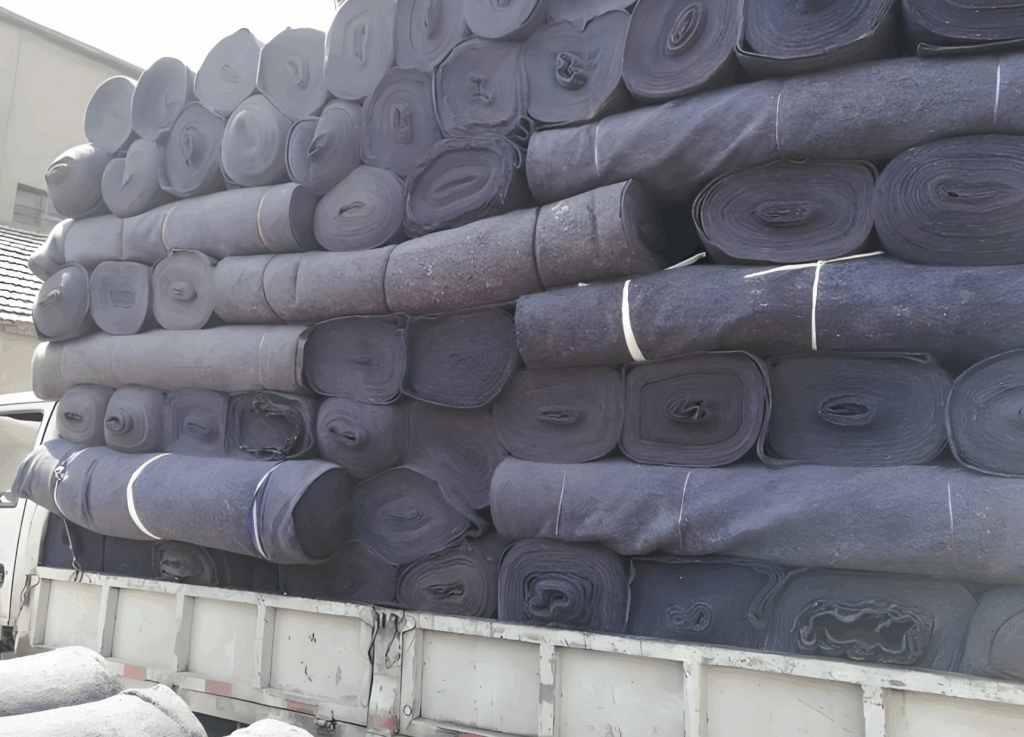
Advantages & Disadvantages of Concrete Fabric
Advantages
- High Construction Efficiency: No formwork, mixing or long curing required; lays and waters to cure, greatly shortening the construction period and labor costs.
- Strong Adaptability: Conforms to complex terrains, solves problems where traditional concrete cannot be applied on steep slopes and curved surfaces, reducing construction difficulty.
- Controllable Cost: Low transportation and installation costs, no heavy equipment; simple later maintenance, long-term cost-performance higher than traditional concrete.
- Stable Performance: Excellent crack resistance, corrosion resistance and waterproofing; maintains good performance in harsh outdoor environments with long service life.
Disadvantages
- Higher Unit Price Than Ordinary Concrete: Approximately 30–80 RMB/m² (depending on thickness and specification), slightly higher initial purchase cost.
- Non-Modifiable After Curing: Cannot be cut or adjusted again once cured by water; requires precise positioning during installation.
- Limited Low-Temperature Construction: Prone to freezing after water absorption when temperature is below 0°C, affecting curing effect; insulation and anti-freezing measures required.
Types & Selection Tips
Common Types (Classified by Application)
- Slope Protection Type: Thickness 8–15 mm, weight 4–6 kg/m², compressive strength ≥20 MPa. Mainly used for slope protection and soil erosion control, adaptable to harsh outdoor environments.
- Anti-Seepage Type: Thickness 5–10 mm, weight 2–4 kg/m², waterproof grade ≥P6. Mainly used for canals, reservoirs, basements and other waterproofing projects with higher flexibility.
- Heavy-Duty Type: Thickness 15–20 mm, weight 6–8 kg/m², compressive strength ≥25 MPa. Used for temporary roads, heavy-duty sites, port revetments and other high-load scenarios.
- Emergency Type: Thickness 5–8 mm, weight 2–3 kg/m², faster curing (initial curing in 12–24 h). Used for emergency repair and temporary facility construction.
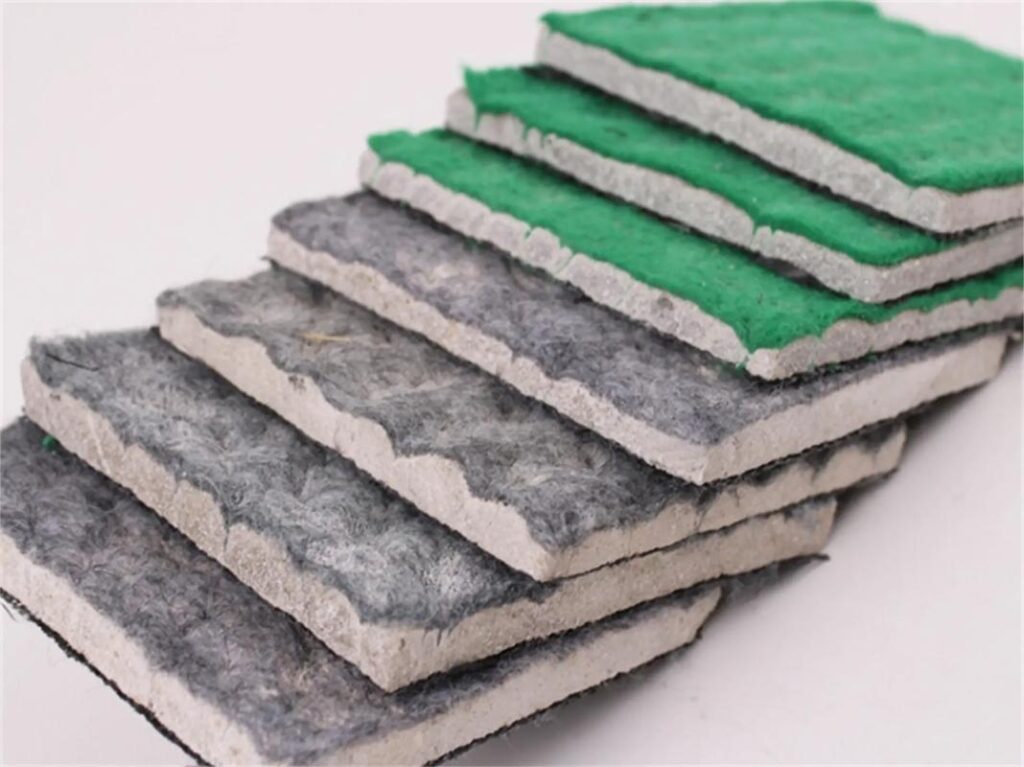
Core Selection Tips
- Match the project scenario: slope protection → slope protection type; anti-seepage → anti-seepage type; heavy load → heavy-duty type; emergency → emergency type. Avoid over-specification or under-specification.
- Refer to performance parameters: select thickness and strength based on compressive and anti-seepage requirements. For steep slopes or strong erosion, prefer thickness ≥10 mm and compressive strength ≥20 MPa.
- Consider construction environment: for outdoor low temperature (≤0°C), choose low-temperature curing products with insulation; focus on waterproof performance in humid environments.
- Compare cost-performance: do not only pursue low prices; comprehensively evaluate thickness, strength and service life to avoid rework costs caused by poor quality.
Applications of Concrete Fabric
With its flexibility, fast curing, waterproofing and wear resistance, concrete fabric is widely used in infrastructure, water conservancy, municipal, military and other fields, especially suitable for tight-schedule and complex-terrain projects.
Slope Protection & Soil Erosion Control
This is the most core application. Whether for highway, railway, mine or river slopes, laying concrete fabric quickly forms a protective layer against rain erosion and weathering, preventing collapse. Compared with traditional shotcrete and stone masonry, it is easier to install and conforms to curved surfaces for more uniform protection, especially suitable for slopes up to 60°.
Canal & Trench Lining & Anti-Seepage
Used for lining farm irrigation canals, rivers, reservoirs and other water conservancy facilities, achieving high-efficiency seepage control (seepage reduction rate over 95%).
The smooth cured surface reduces flow resistance and improves water conveyance efficiency; corrosion and erosion resistance effectively extend service life with less frequent maintenance.
Building Waterproofing & Emergency Repair
Suitable for basement, roof, bathroom and other building waterproofing. It forms a seamless waterproof layer with better performance than traditional waterproof membranes, plus convenient construction and short duration.
In post-disaster emergency repair (earthquakes, floods), it can be quickly laid for temporary roads, dams and building reinforcement, enabling rapid forming and emergency use.
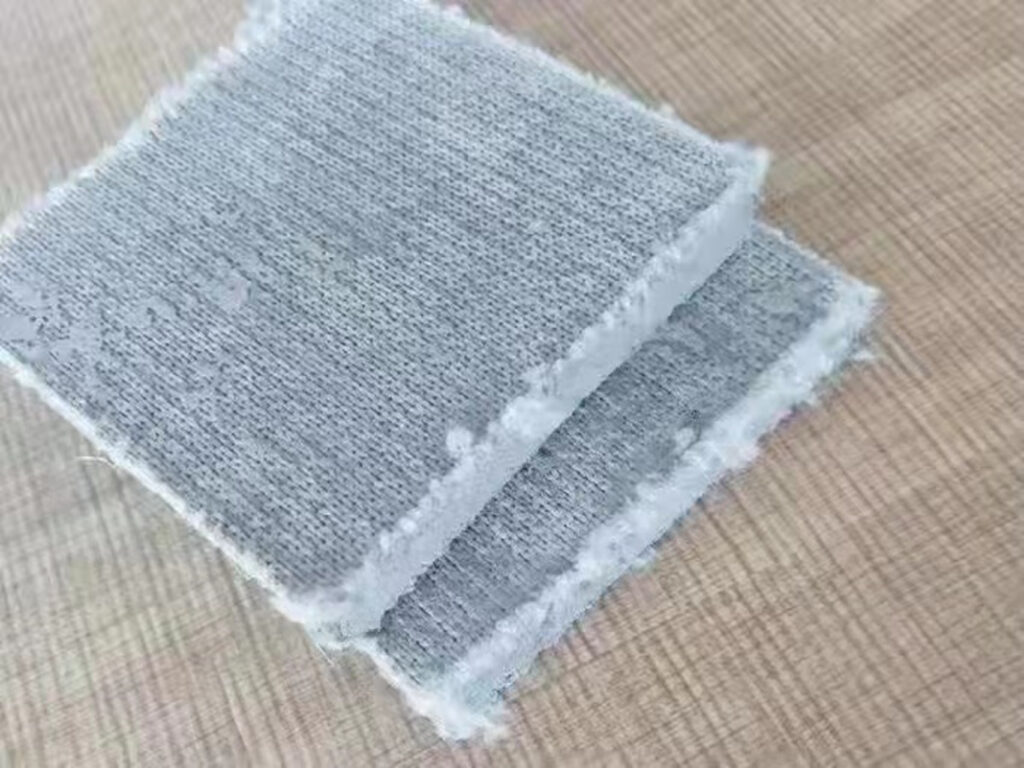
Military & Temporary Construction
In the military field, used for rapid construction of temporary bunkers, protective walls, field hospitals and other facilities, completed in hours without complex equipment, providing reliable protection after curing.
Also used for temporary factories, on-site temporary roads and other short-term applications, recyclable after project completion.
Other Industrial Uses
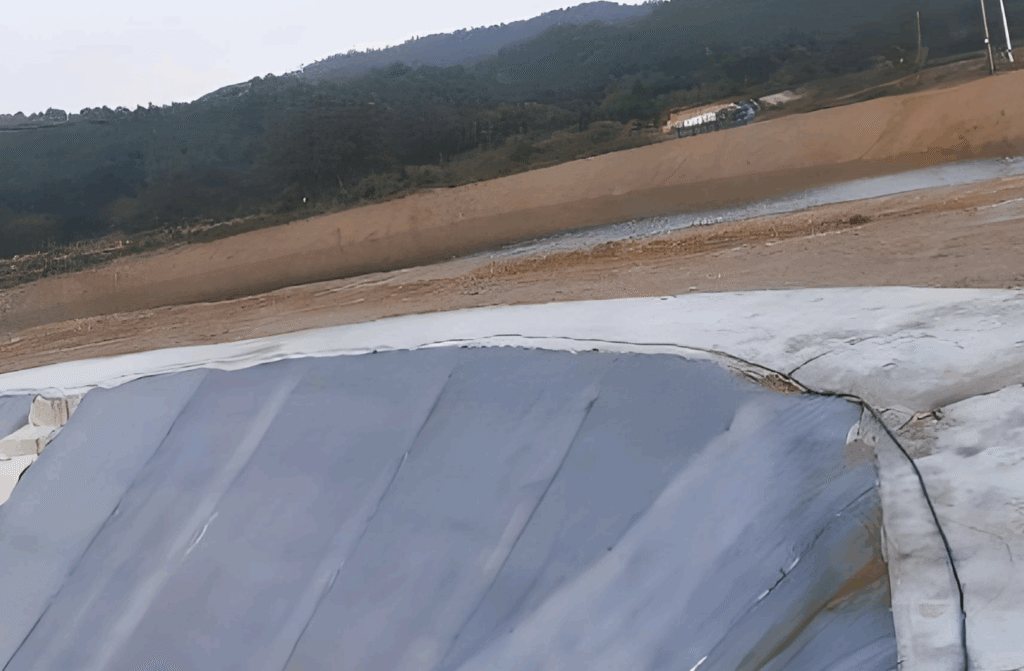
Including landfill anti-seepage, chemical park ground protection, port and wharf revetments, using its corrosion resistance, waterproofing and wear resistance to improve structural stability and service life.
Installation Steps & Precautions
Construction Steps
- Site Preparation: Clean the area, remove debris and sharp objects, level the slope or ground, ensure no standing water or loose soil; reinforce slope toes for slope projects to prevent collapse.
- Cutting: Cut fabric according to layout dimensions, reserve 5–10 cm for overlapping to avoid waste, ensure clean and undamaged edges.
- Laying & Fixing: Spread and flatten the fabric to avoid wrinkles; fix edges with nails, clips or sandbags to prevent displacement. Overlap 5–10 cm to ensure no gaps.
- Water Curing: Spray or soak to fully absorb water evenly (10–30 minutes depending on thickness). Avoid foot traffic or rain erosion during curing; cover with insulation in low temperatures.
- Post-Curing Maintenance: Inspect after 24 hours, re-water any under-cured areas; reaches design strength after 72 hours and can be put into use.
Construction Precautions
- Temperature: Optimal 5–35°C. Insulation required below 0°C to avoid freezing.
- Water Absorption: Water evenly to avoid uneven curing; avoid over-watering to prevent cement loss.
- Overlapping: Maintain 5–10 cm overlap, compact and seal if necessary for waterproofing.
- Storage: Keep unused fabric sealed, dry and ventilated, away from moisture and rain; typical shelf life 6 months.
- Safety: Wear gloves and non-slip shoes; avoid sharp objects; ensure electrical safety during watering.
Purchasing Guide
Price Factors
- Specifications: Higher thickness, weight, strength and waterproof grade increase price.
- Order Quantity: Bulk orders (≥1000 m²) qualify for wholesale discounts of 10–20%; small orders (≤100 m²) have higher unit price.
- Customization: Custom thickness, size, color or special performance (low-temp curing, high corrosion resistance) adds 15–30%.
- Transportation: Longer distances increase cost; prefer nearby manufacturers to reduce expenses.
Supplier Selection Criteria
- Qualifications: Prioritize manufacturers with building material production licenses and ISO9001 certification.
- Testing Reports: Require official test reports for compressive strength, waterproof grade, curing time and core parameters.
- Supply Capacity: Confirm production capacity and delivery time to avoid delays; choose in-stock suppliers for emergencies.
- After-Sales Service: Prefer suppliers with installation guidance, quality assurance, return & replacement support.
- Reputation: Check industry feedback and customer reviews to avoid unreliable suppliers.
FAQ
A1:Is concrete fabric waterproof?
Q1:Yes. It forms a dense, seamless concrete layer after curing, with waterproof grade up to P6 or above, suitable for canals, basements and other anti-seepage projects.
A2:How long is the service life?
Q2:Over 20 years under normal outdoor conditions; about 10–15 years in corrosive or high-erosion environments, depending on product and construction quality.
A3:Can it be used for roof waterproofing?
Q3:Yes. The anti-seepage type is flexible and waterproof, ideal for roofs, basements and other building structures, easier to install and longer-lasting than traditional membranes.
A4:Does it require frequent maintenance?
Q4:Generally no. It is stable and low-maintenance. For local damage, simply patch with a small piece and water to cure.
A5:Is there a difference between concrete fabric and cement blanket?
Q5:No. They are different names for the same material, with identical composition and working principle.
A6:Can it be installed in low temperatures?
Q6:Yes, but insulation and anti-freezing measures (insulation blankets, warm water) are required. Low-temperature curing grades are recommended.
Summary
As a new composite building material, concrete fabric is gradually replacing traditional concrete in infrastructure, water conservancy, municipal and other fields due to its easy installation, high durability and wide adaptability.
Contractors, project managers and building material buyers should select appropriately and construct standardly based on project scenarios and performance needs to maximize its advantages, reduce costs and improve efficiency.
When purchasing, prioritize qualified, reputable suppliers and compare pricing based on quantity and customization to ensure quality and delivery. During installation, strictly follow procedures to avoid curing failure.
For further questions on selection, installation or purchasing, please consult Shandong Lianjie!
Reference
- Technical Specification for Application of Cement-Based Composite Flexible Materials: This specification defines the core performance parameters, construction specifications, and quality acceptance criteria for concrete cloth (cement blanket). It provides an industrial basis for rational selection and standardized construction, covering key indicators such as compressive strength, waterproof grade, curing time, and other critical requirements.
- Technical Code for Geosynthetics Application in Water Resources and Hydropower Projects : This code specifies the laying requirements, anti-seepage standards, and maintenance specifications for concrete cloth used in water conservancy channels, slope protection, and similar scenarios. It supports the core viewpoint of adapting to the water conservancy sector and improving engineering durability.
- Technical Specification for Building Waterproofing Engineering: This standard regulates the application requirements of concrete cloth in building waterproofing scenarios including roofs and basements, providing a reference for the waterproof performance of concrete cloth and key construction considerations.