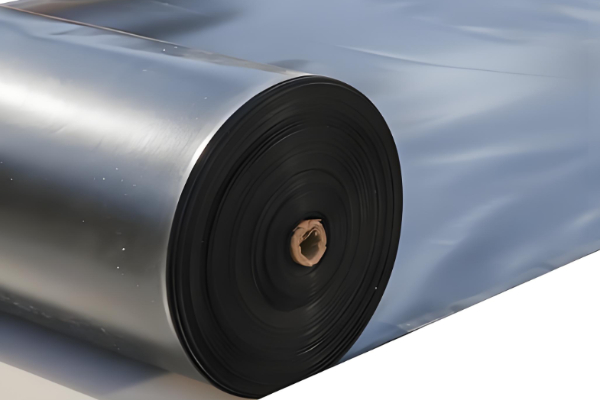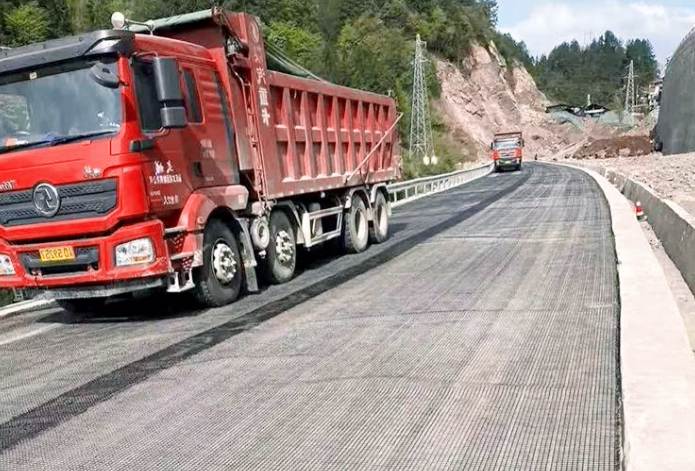
Creating neat, durable yards, driveways and slope landscapes is the core goal of most outdoor renovation and landscape projects. However, people often encounter common problems: gravel surfaces shift and scatter over time, developing potholes and ruts; slopes suffer soil erosion due to rainwater runoff; yard ground subsides and deforms. These issues ruin the landscape appearance and require frequent repairs, costing considerable time and money.
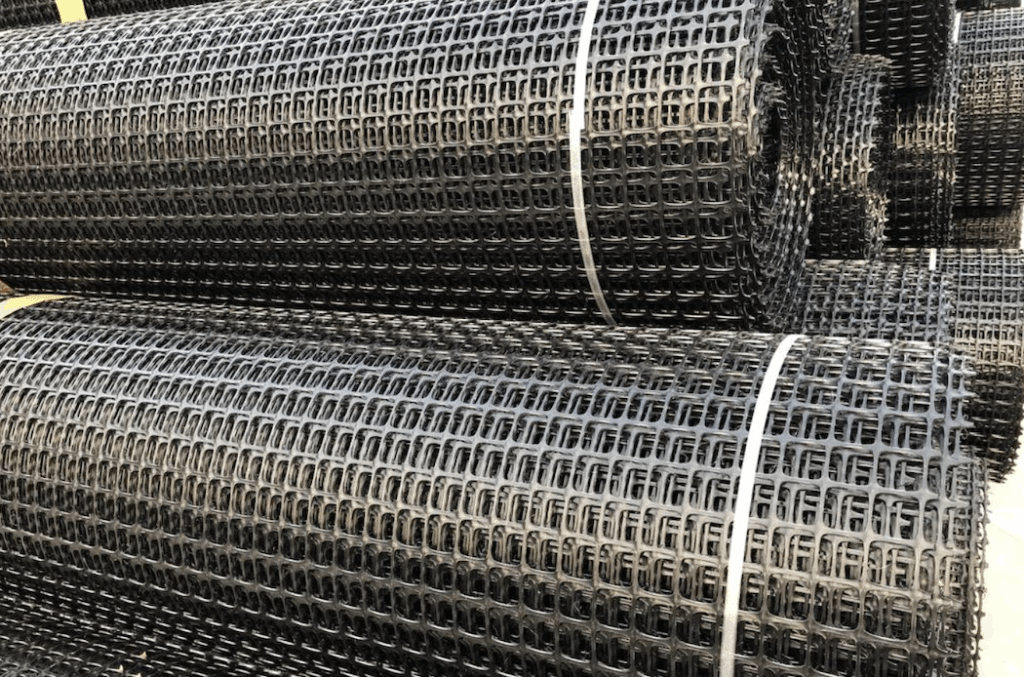
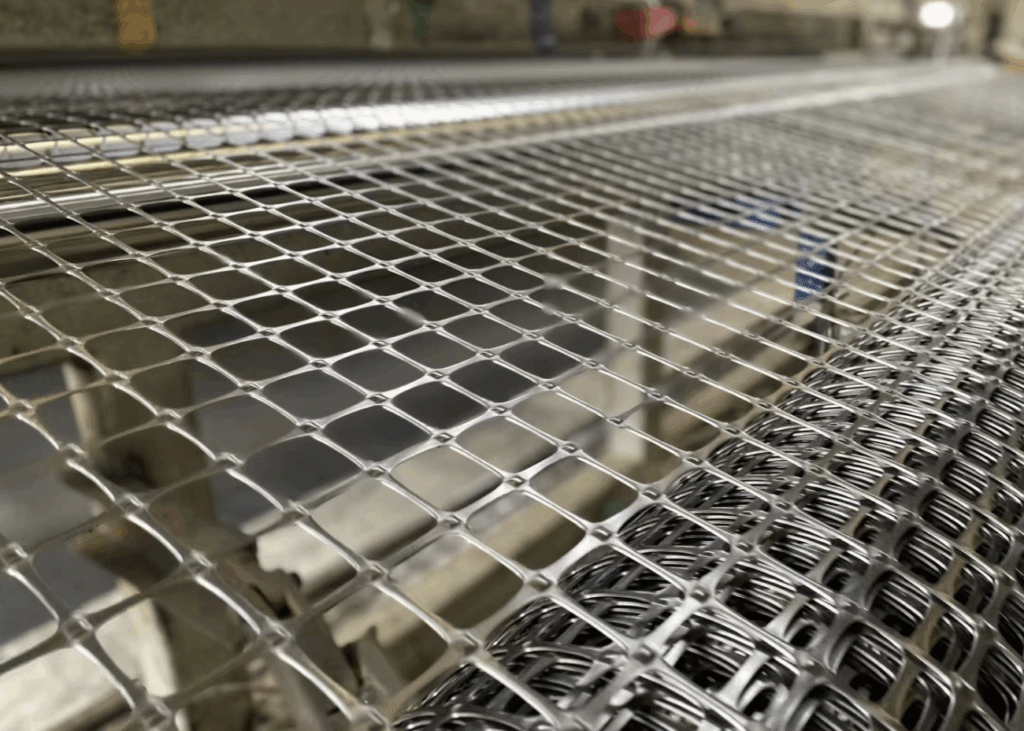
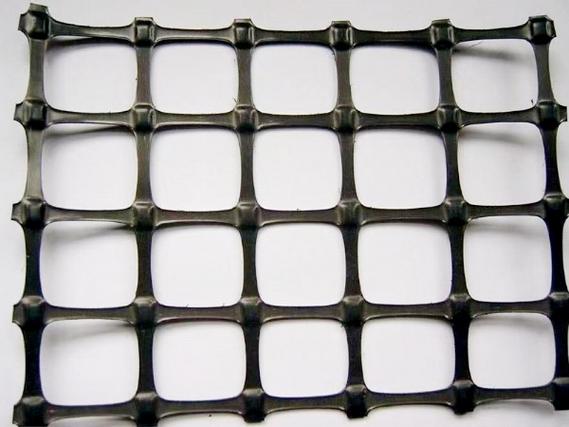
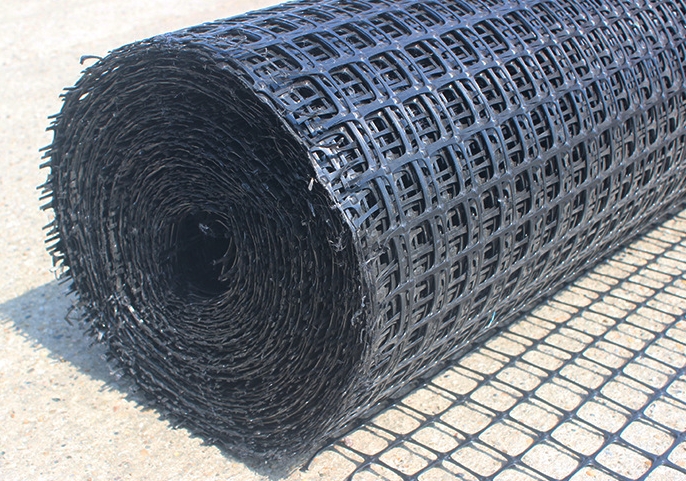
Landscape geogrid are essential functional materials to resolve such underlying problems of outdoor landscapes. Made primarily of high-density polyethylene (HDPE), they feature a honeycomb three-dimensional grid structure. With high strength, excellent toughness and superior weather resistance, geogrids firmly lock in fill materials such as gravel and soil, disperse ground bearing pressure, and fundamentally prevent ground subsidence, material displacement and slope erosion in landscape projects.
This comprehensive guide elaborates on the core applications, selection criteria, size comparison, DIY installation procedures, material comparisons and product recommendations for landscape geogrid. It helps beginners and industry practitioners select and apply geogrids properly.
1. Core Applications of Landscape Geogrids
Thanks to the unique three-dimensional confinement structure, geogrids suit most outdoor landscape reinforcement scenarios with differentiated functions for various construction demands, making them a must-have material for landscape renovation.
- Gravel Driveway Stabilization:Pure gravel driveways lack fixed structures. Gravel is prone to displacement and rutting under vehicle loads, resulting in uneven surfaces. Geogrids secure gravel fill and disperse concentrated pressure from moving vehicles, preventing ground subsidence and deformation. They keep gravel driveways flat and stable long-term and eliminate repeated refilling and leveling work.
- Base Reinforcement for Yards & Walkways:Courtyards, pedestrian paths and garden trails are constantly trodden by people and soaked by rainwater, which softens soil, causes depressions and encourages weed growth. Installing geogrids compacts and fixes base fills, improving overall flatness and bearing capacity to form solid, tidy grounds with minimal maintenance needs.
- Slope Soil Retention & Protection: Rainwater runoff easily washes away soil and triggers slope collapse on yard slopes, landscape revetments and river embankments. The three-dimensional grid of geogrids holds soil and grass-growing substrates in place, slows down rainwater flow, and realizes dual effects of soil stabilization, slope protection and ecological greening. It effectively solves soil erosion for all kinds of ecological slope renovation projects.
- Foundation Reinforcement for Small Parking Areas :Soft soil on private outdoor parking lots and temporary small parking grounds leads to subsidence and damage if paved directly with gravel or paving materials. Geogrids strengthen the base structure and boost ground bearing capacity to disperse static and dynamic loads from vehicles, meeting the demands of regular parking and passage for family cars.
- Turf Landscape Stabilization: Laying geogrids under landscape lawns and sculpted grass areas fixes topsoil to avoid soil sliding and lawn subsidence. It also standardizes the growth range of grass, enhances landscape neatness and creates flat, attractive and stable ecological lawns.
Supplementary Note: Do Landscape Projects Require Geogrids?
Geogrids are not necessary for all simple landscape works. They can be omitted for purely decorative flat flower beds with no foot traffic, loads or rain erosion. However, for areas paved with gravel, zones for pedestrian and vehicle passage, sloped sites and grounds with soft subsoil, geogrids deliver the most cost-effective and reliable reinforcement solution to avoid various ground problems in the long run.
2. Key Advantages of Landscape geogrids
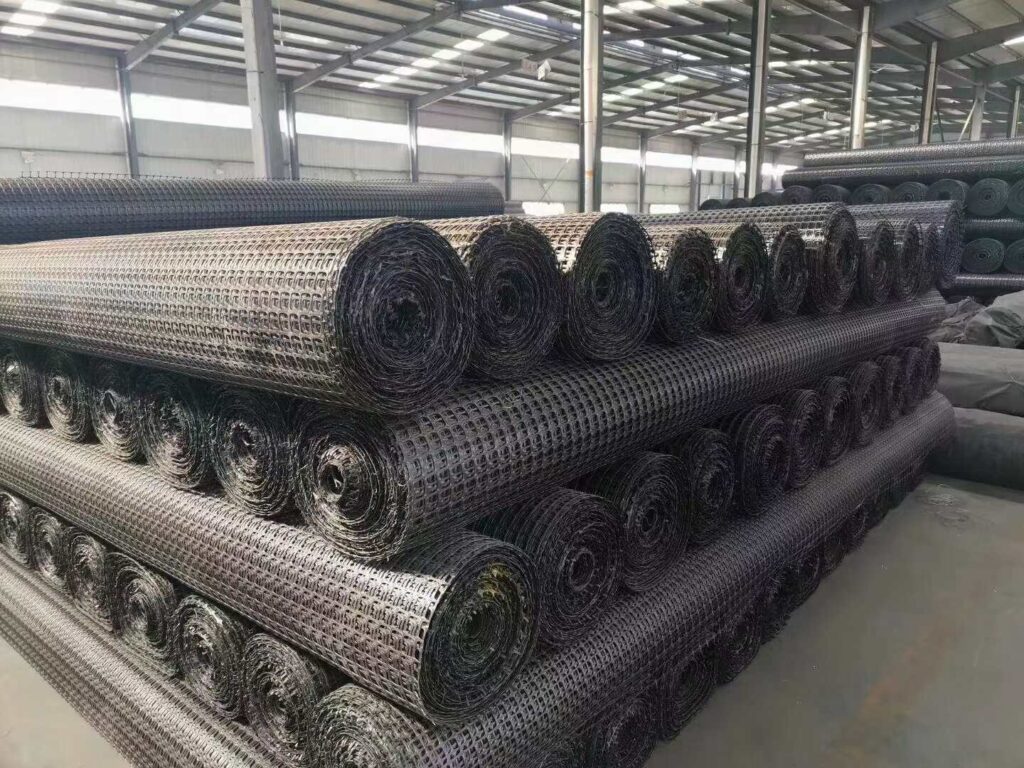
Compared with traditional pure fill paving and ordinary landscape fabrics, professional HDPE landscape geogrids have outstanding strengths, making them a mainstream material for landscape reinforcement.
- Prevent Material Displacement & Potholes: The honeycomb three-dimensional structure provides strong lateral confinement to lock gravel, soil and other fills, completely eliminating scattered gravel, ruts and depressions and maintaining a neat landscape surface for years.
- Excellent Erosion Resistance & Slope Protection: Geogrids reduce the impact of rainwater runoff on ground and slopes and stabilize soil structures to prevent erosion. They work well in rainy regions, sloped landscapes and waterside sites with harsh outdoor conditions.
- High Bearing Capacity for Diverse Scenarios: Manufactured from high-density polyethylene, premium geogrids feature stable structure with a maximum bearing capacity of 4500 LB. They easily withstand pedestrian traffic, family vehicle passage and light machinery rolling, ideal for residential use and medium-sized projects.
- Superior Weather Resistance & Long Service Life:Qualified products contain sufficient UV-resistant carbon black, delivering great anti-aging performance, resistance to extreme temperatures, acid, alkali and microbial degradation. They withstand prolonged exposure to sunlight, rain and frost. With standard installation, they can last over 20 years and greatly cut renovation frequency.
- Low Cost & Easy Maintenance: No heavy machinery is required for installation. The finished surface needs little patching, leveling or refilling later. Compared with traditional paving methods, geogrids reduce overall lifecycle maintenance costs and outperform common landscape fabrics in cost performance.
- User-friendly for DIY Installation:Lightweight, foldable and flexible, geogrids can be easily unfolded and installed without professional teams or large equipment. Individual homeowners can complete the whole process including fixing, filling and compacting for home renovation projects.
3. Selection Guide for Landscape Geogrids
Proper selection is critical to construction results. Inappropriate sizes or parameters will cause ground subsidence, geogrid deformation and failed slope protection. Below are selection standards based on industry specifications and practical experience.
3.1 Size Selection: 2-inch vs 3-inch
Two mainstream heights are adopted for landscape geogrids: 2 inches (50 mm) and 3 inches (75 mm), for distinct application scenarios.
- 2-inch Geogrids: Light-duty general type with moderate fill depth and lighter weight. Designed for low-load areas such as courtyard paving, garden walkways, trails and flat lawns only for pedestrian use. It offers great cost performance for light residential landscape renovation.
- 3-inch Geogrids: Heavy-duty reinforcement type with deeper cells, larger fill capacity and higher structural stability. It features better load-bearing and anti-deformation performance, suitable for high-load and high-wear areas including gravel driveways, small parking lots, outdoor sites for frequent heavy equipment access and steep landscape slopes.
3.2 Material Selection: Prioritize HDPE
High-density polyethylene (HDPE) is the top choice for premium landscape geogrids, far superior to ordinary PP plastic:
Its water absorption rate is below 0.01%, with excellent waterproofing, corrosion resistance and creep resistance, so it resists deformation and cracking under long-term load. Products added with no less than 2% high-quality carbon black achieve reliable UV resistance and avoid embrittlement and damage outdoors, perfectly suited for open-air landscape projects.
3.3 Professional Parameter Standards (National Standards)
Qualified landscape geogrids shall comply with GB/T 19274. Key parameters must meet the following requirements to guarantee construction quality:
- Tensile strength of single sheet: ≥ 23 MPa
- Weld peel strength: ≥ 100 N (to prevent weld failure and mesh separation under water flow and soil pressure)
- Strength retention rate after accelerated aging test: above 80% (ensuring long-term stability outdoors)
3.4 Quick Scenario-based Selection Rules
- Pedestrian landscapes, flat courtyards & lawn renovation: 2-inch standard HDPE geogrids
- Gravel driveways, small parking lots & heavy-load sites: 3-inch heavy-duty high-bearing geogrids
- Landscape slopes, waterside revetments & high-erosion rainy areas: 3-inch thickened high-strength slope protection geogrids
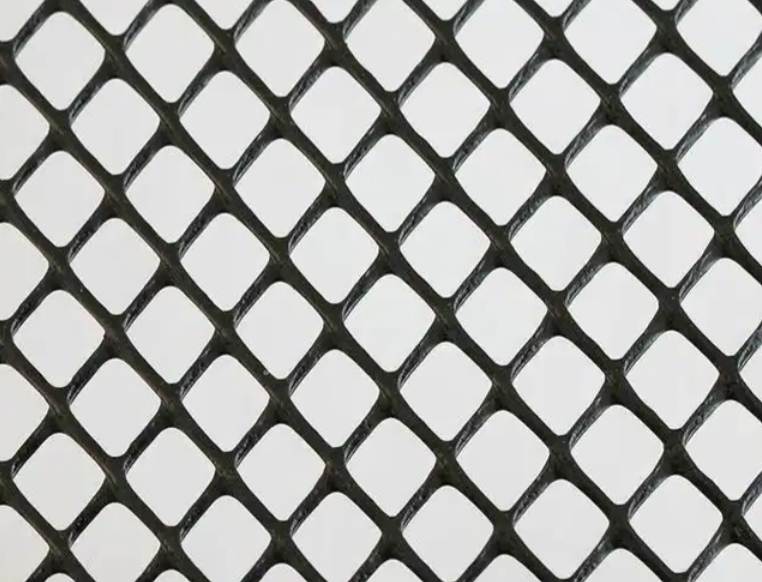
4. Comparison: Geogrids, Landscape Fabrics & Gravel Stabilizers
Many builders struggle to choose between geogrids, ordinary landscape fabrics and gravel stabilizers. The three materials differ greatly in functions, performance and applicable scenarios.
- Ordinary Landscape Fabric:Low price and simple installation are its main merits. It only isolates weeds and provides basic waterproofing. It has no structural reinforcement capacity and cannot fix gravel or disperse pressure. It is vulnerable to damage and aging under rolling loads, with a service life of merely 3 to 5 years. It fails to solve ground subsidence and material displacement, and is only fit for simple flower beds and decorative areas with no loads.
- Gravel Stabilizer:It works well to prevent gravel displacement, but features limited bearing capacity and poor flexibility. It cannot be used for vehicle passage or slope protection, resulting in low versatility. It is only recommended for pure gravel pedestrian walkways.
- HDPE Landscape Geogrids:Integrating isolation, reinforcement, material stabilization, slope protection and load bearing functions, geogrids boast high structural strength, outstanding weather resistance and a service life of over 20 years, covering nearly all landscape scenarios. Though the initial purchase cost is slightly higher, it eliminates frequent maintenance and renovation expenses in the long run, delivering far better overall cost performance. It is the optimal choice for durable large-scale landscape renovation.
5. Installation Procedures for Landscape Geogrids
The installation process is simple and requires no professional skills or heavy machinery, ideal for DIY projects. Standardized installation maximizes service performance.
Step 1: Site Clearing & Base Leveling
Remove all weeds, tree roots, loose stones, silt and other debris from the construction area to keep the ground clean and flat. Compact soft soil and backfill and level low-lying areas to prevent uneven base and subsequent subsidence.
Step 2: Unfolding & Fixing Geogrids
Lay the geogrids flat on the prepared base and stretch them evenly to form a complete honeycomb mesh without wrinkles or overlaps. Secure edges and joints with special stakes to prevent shifting and shrinking during filling. Reserve proper lap width at joints for overall structural integrity.
Step 3: Filling & Compacting
Fill the mesh cavities evenly with gravel, fine soil or planting soil as required. The fill shall be slightly higher than the top of geogrids to allow for natural settlement. Compact the fill thoroughly with a plate compactor to eliminate gaps and form an integrated stable structure with geogrids.
Step 4: Edge Reinforcement & Finishing
Strengthen edges, corners and slope boundaries with extra stakes to avoid edge warping and detachment. Clear excess surface fill and trim the ground for a neat finish.
Key Installation Precautions
- Never lay geogrids directly on uncompacted soft subsoil, which will cause overall subsidence.
- Fully stretch the mesh; wrinkles will greatly weaken reinforcement effects.
- For slope installation, lay geogrids from bottom to top and use more fixing stakes.
- Do not construct on rainy days, as accumulated water will soften the base and compromise construction quality.
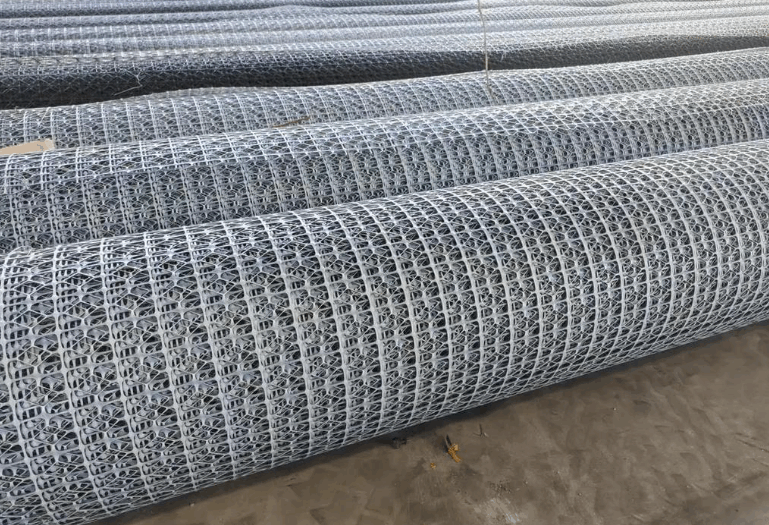
6. Frequently Asked Questions
What is the service life of landscape geogrids?
Qualified HDPE geogrids complying with national standards feature excellent UV resistance, anti-aging and anti-corrosion properties. With standard installation and normal outdoor use, their service life ranges from 20 to 25 years. Premium engineering-grade products can last more than 30 years with almost no maintenance required.
Is it mandatory to install geogrids for gravel yards?
Installation is highly recommended. Pure gravel yards inevitably suffer gravel scattering and potholes from long-term foot traffic and rain erosion, requiring annual repairs. Geogrid permanently resolve material displacement and ground deformation and cut long-term maintenance costs.
What size of geogrids is suitable for slope landscape construction?
Standard 3-inch geogrids work for gentle slopes. For steep slopes and areas severely affected by rain erosion, select thickened 3-inch high-strength slope protection geogrids for better soil stabilization and anti-erosion performance.
Can beginners install geogrids by themselves?
Absolutely. The installation process is easy and requires no professional expertise or large equipment. One person can complete the laying work for small yards and walkways.
What is the approximate cost per square meter of landscape geogrids?
Prices vary by size, thickness and specifications. The 2-inch standard type for residential use offers the best cost performance. The 3-inch heavy-duty and slope-specific models are slightly pricier. Overall, the one-time investment in geogrids replaces years of repeated repairs, leading to much lower comprehensive costs than traditional paving methods.
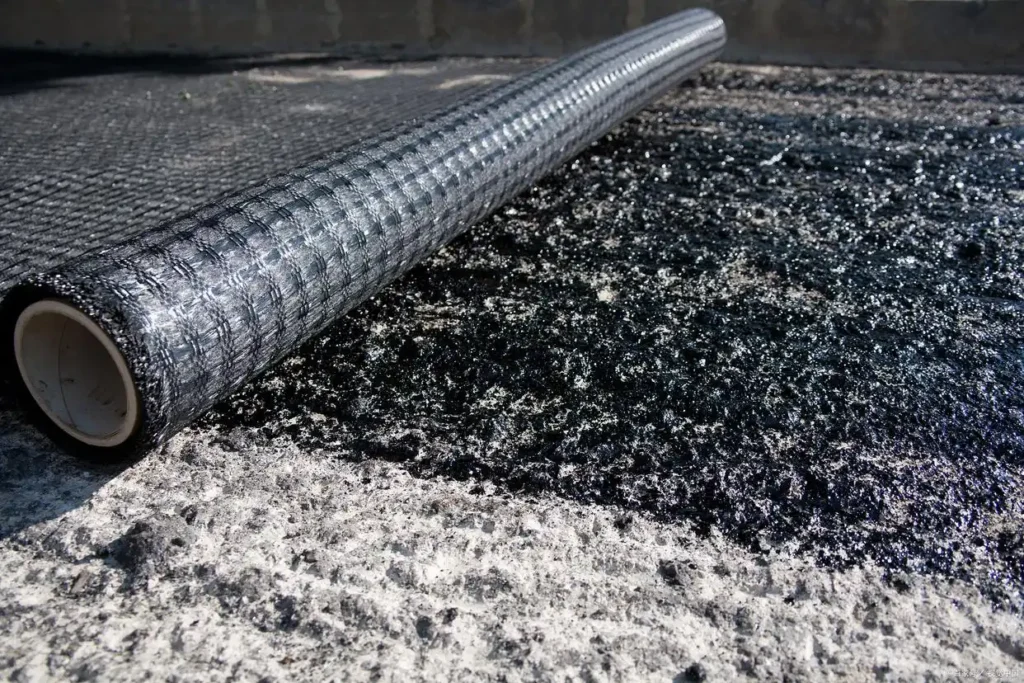
Summary
Landscape geogrids are core functional materials for outdoor landscape renovation and base reinforcement. With stable structure, high bearing capacity, long service life, low maintenance cost and easy installation, they effectively tackle common landscape problems including gravel displacement, ground subsidence, slope erosion and road rutting.
For practical projects, select products according to scenarios and load demands: choose 2-inch general geogrids for light-load pedestrian areas, 3-inch heavy-duty geogrids for driveways and parking lots, and thickened high-strength geogridls for slope protection. Combined with standard DIY installation, you can build flat, solid, durable and low-maintenance high-quality outdoor landscapes for residential yards and medium-sized landscape projects.
References
[1] GB/T 19274, General Technical Specification for Geogrids
[2] GB/T 35762-2017, Geosynthetics – Plastic Geogrids
[3] Technical Specifications for Base Reinforcement Construction of Municipal Landscape Projects