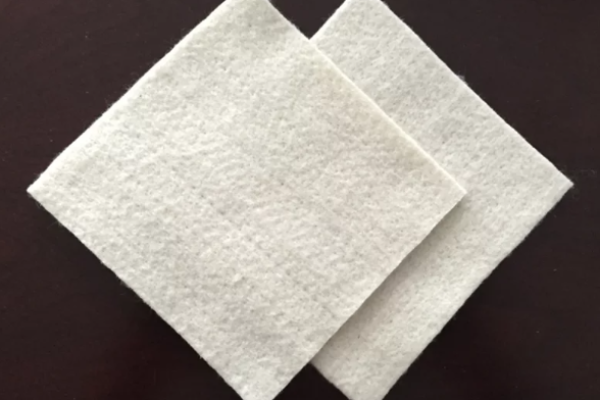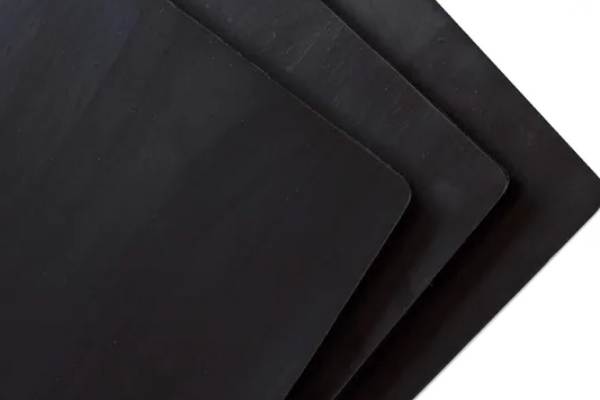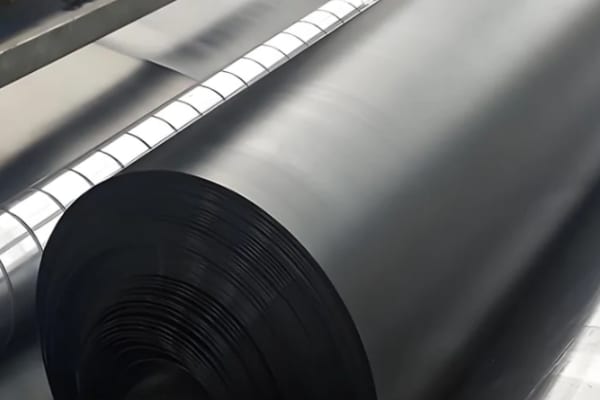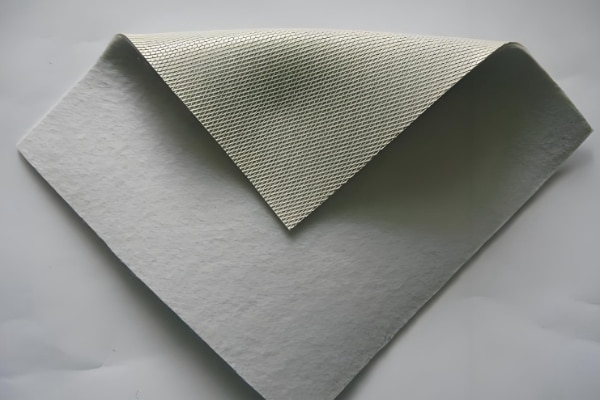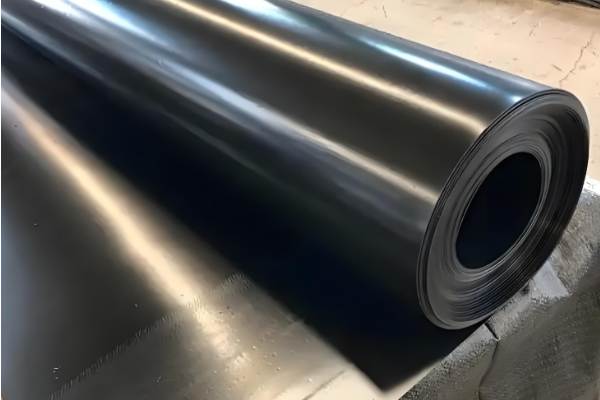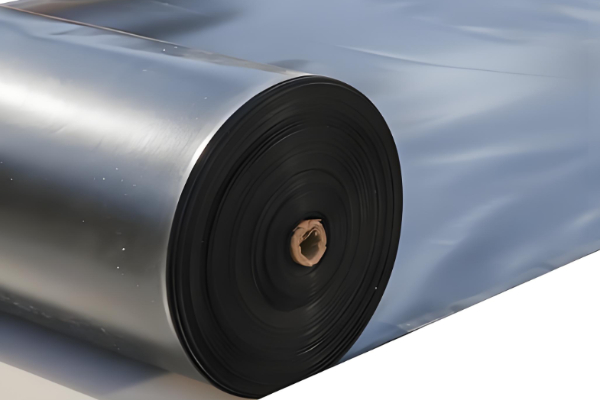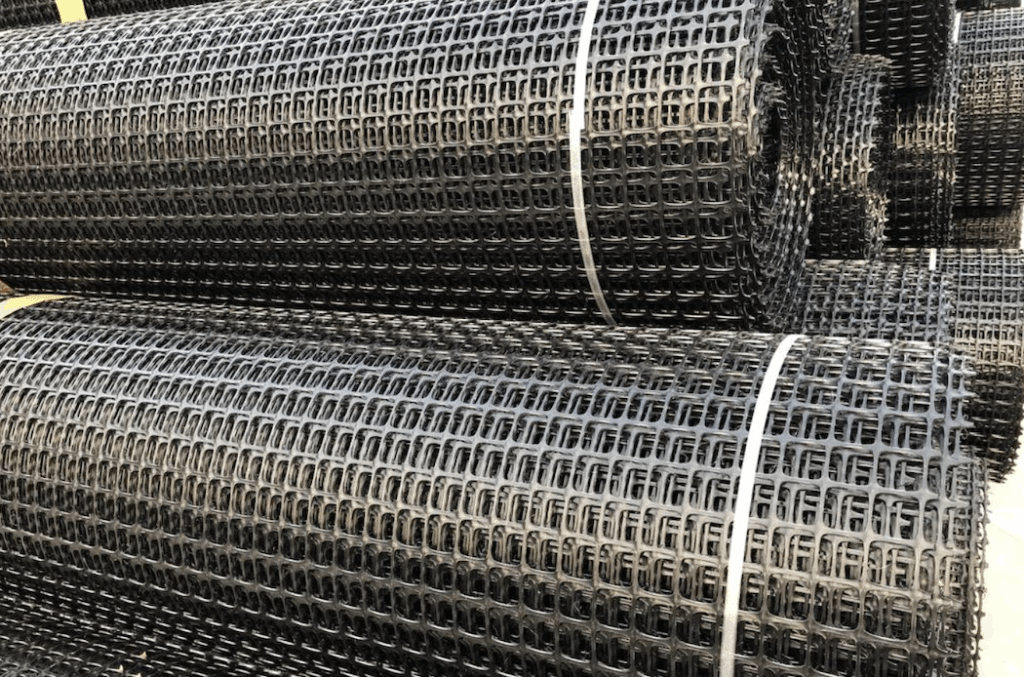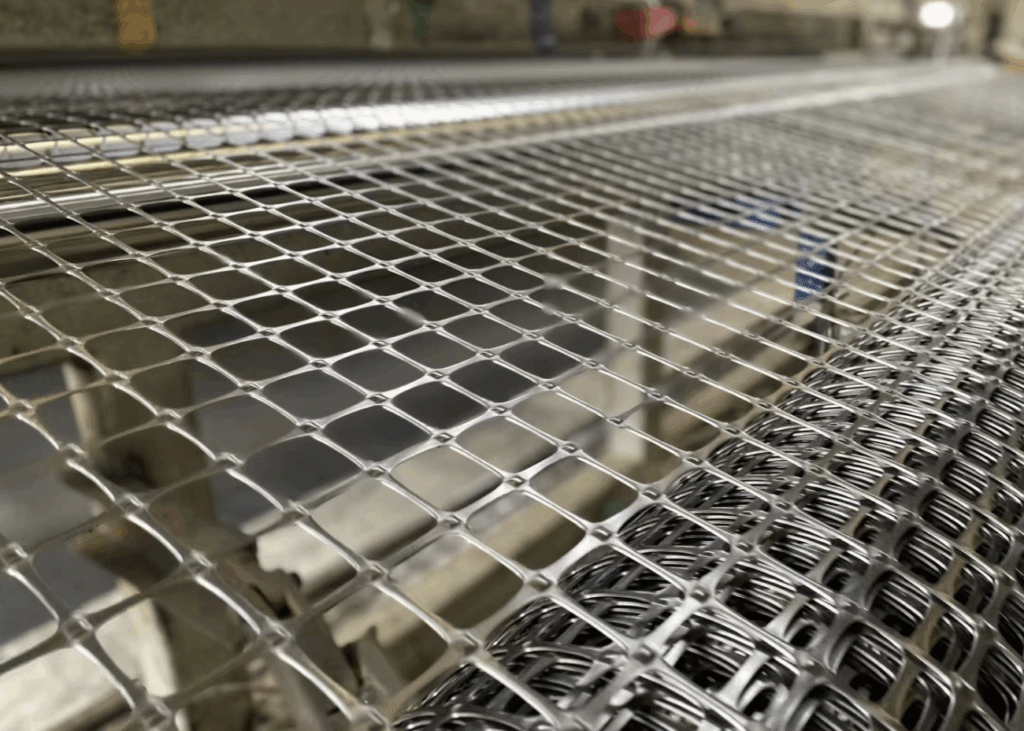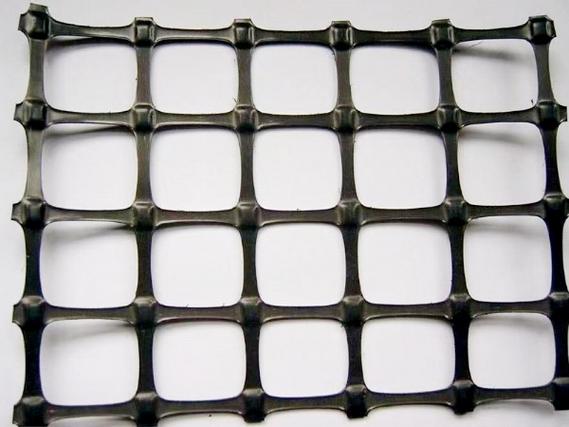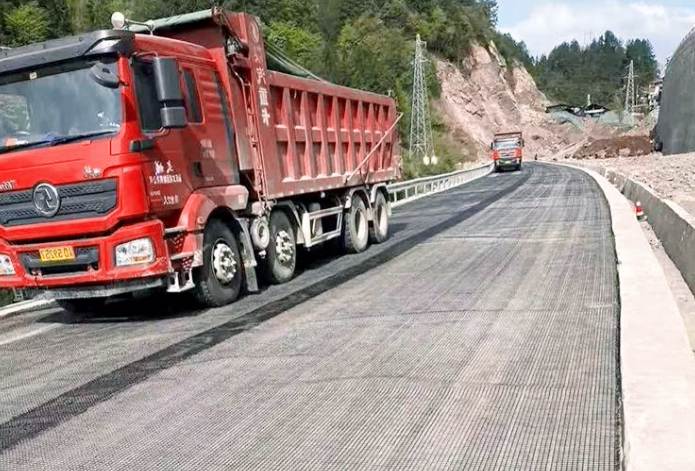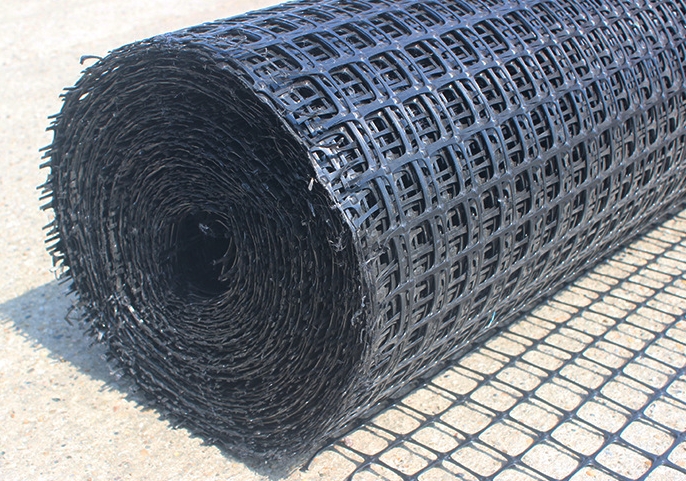
As a core category of geosynthetics, geotech fabric is a permeable material made from synthetic fibers such as polypropylene and polyester through processes like needle punching and weaving. Its core functions include separation, filtration, reinforcement, protection, and drainage. It is widely used in civil engineering, environmental protection, infrastructure construction, and other fields, serving as a key material to improve engineering stability, extend service life, and reduce maintenance costs.
This article fully covers the basic definition, core types, application scenarios, selection skills, 2025 high-quality product recommendations, top global manufacturers, and frequently asked questions of geotech fabric, all based on practical engineering needs, helping professionals quickly master core knowledge and efficiently complete project design and procurement decisions.
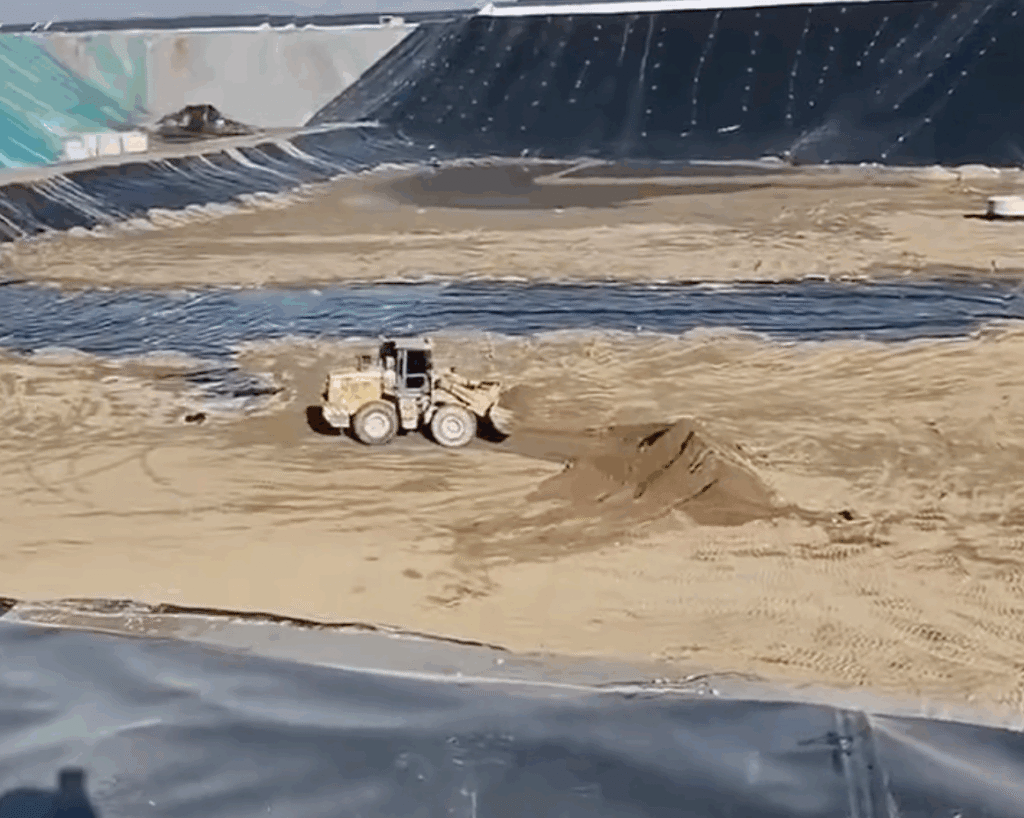
1. What is Geotech Fabric?
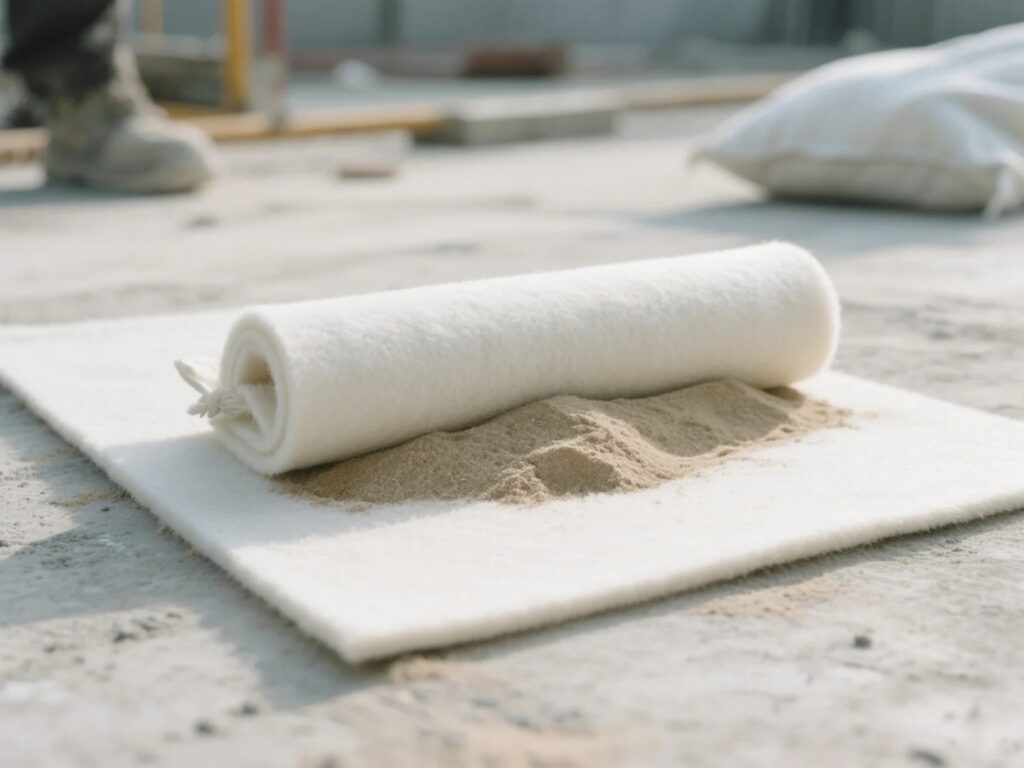
Geotech Fabric, also known as geotextile, is an important representative of new synthetic materials in geotechnical engineering. It refers to a roll material for civil engineering made by weaving synthetic fibers or non-woven processes such as cementing and hot-press needling. The finished product is mostly cloth-shaped, with a conventional width of 4–6 meters and a length of 50–100 meters.
Its core advantages are reflected in the following 5 aspects, and it must comply with international industry standards such as ASTM, ISO, and GRI-GT to ensure qualified performance:
- High Strength: Both woven and non-woven types have excellent tensile strength, tear strength, and bursting strength. The longitudinal and transverse breaking strength of woven geotech fabric can reach over 80 kN/m, effectively bearing engineering loads and avoiding structural layer dislocation.
- High Durability: It has good corrosion resistance and microbial resistance, remaining stable in soil and water with different pH values. It also has excellent UV resistance. For some products, performance attenuation is less than 5% within 72 hours of exposure, with a service life of 25–50 years.
- Good Permeability: One of the core characteristics. It allows smooth water flow while retaining fine soil particles to avoid clogging of drainage channels. The apparent opening size (AOS) can be controlled between 0.075 mm and 0.15 mm according to scenario requirements.
- Easy Construction: Light weight, good flexibility, convenient for transportation and installation. The daily laying area of woven geotech fabric can exceed 8,000 ㎡, greatly improving construction efficiency and reducing labor costs.
- Cost-Effective: Compared with traditional protective and filtering materials, geotech fabric significantly reduces engineering material consumption and later maintenance costs, with cost savings of 15%–30% in most projects.
Special note: Geotech fabric, geogrid, and geomembrane are different types of geosynthetics and should not be confused:
- Geogrid focuses on reinforcement and has no obvious filtration or water permeability;
- Geomembrane focuses on anti-seepage with extremely low water permeability;
- Geotech fabric is centered on permeability + multi-functionality, combining filtration, reinforcement, protection, etc., with wider applications.
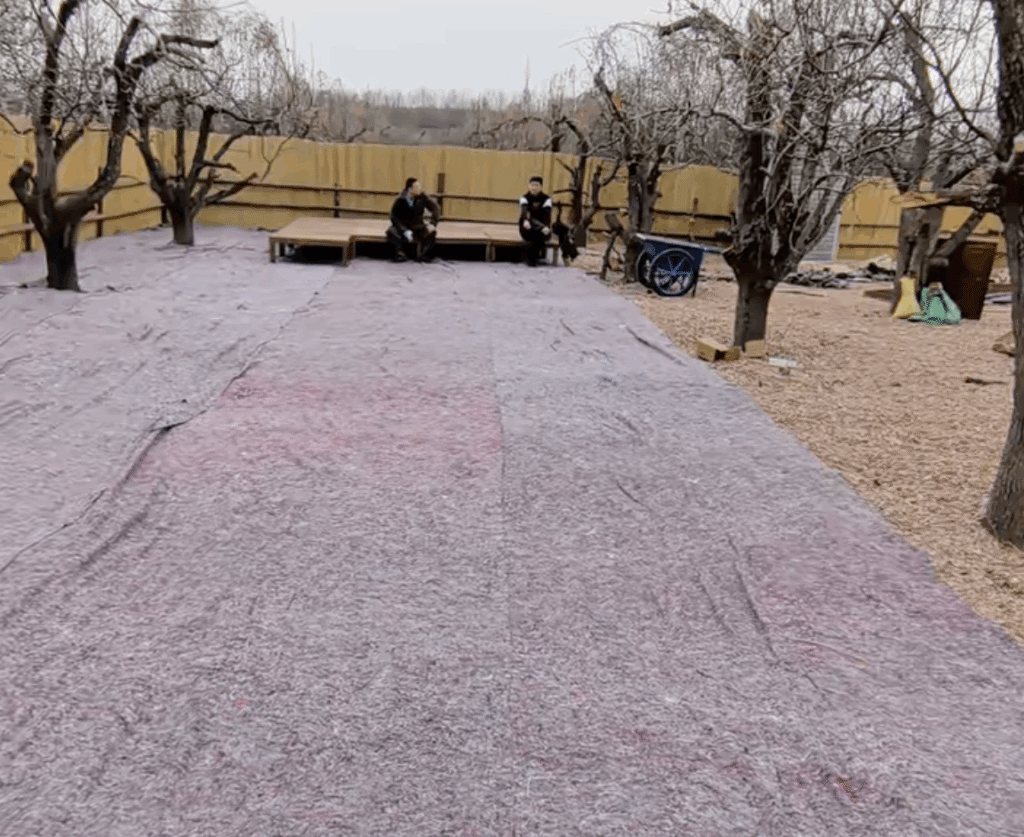
2. Core Types of Geotech Fabric
Geotech fabric is mainly divided into two categories: Woven Geotech Fabric and Non-Woven Geotech Fabric, which differ greatly in manufacturing process, core characteristics, and application scenarios. Based on 2025 mainstream industry product parameters, the specific analysis is as follows.
Woven Geotech Fabric
Also known as woven geotextile, it is made by precision weaving of polypropylene or polyester yarns in warp and weft directions. It has a stable structure and is a core product focusing on reinforcement and separation, as well as a mainstream choice for high-grade projects in 2025.
Manufacturing Process: Made from high-strength polyester industrial yarn or polypropylene yarn through warping, weaving, heat setting, intelligent slitting, etc. Some high-end products add surface treatments such as single-side singeing and double-side coating to improve special performance.
Core Characteristics:
- High strength, low elongation: tensile strength 8–120 kN/m, elongation strictly controlled within 12%;
- Excellent creep resistance: deformation after 10,000 hours is only 1/3 of non-woven geotech fabric;
- High CBR bursting strength (≥3.5 kN), can bear direct operation of heavy machinery;
- Regular pore structure blocks fine particle migration while ensuring vertical drainage;
- Chemical corrosion resistance is 40% higher than non-woven type, suitable for harsh environments.
Application Scenarios: Mainly used for reinforcement and separation, including highways, railway subgrade reinforcement, dam reinforcement, retaining wall construction, soft soil foundation treatment, tailings pond slope protection, etc.
Construction Notes:
- Only geotextile knives (hook knives) can be used for cutting;
- Protect other materials when cutting on site;
- Avoid stones and a large amount of dust entering under the geotech fabric;
- No horizontal joints on slopes; joints shall follow the slope contour;
- If sewing is used, the thread must be of the same material as the geotech fabric with UV and chemical resistance, and have obvious color difference for inspection.
Non-Woven Geotech Fabric
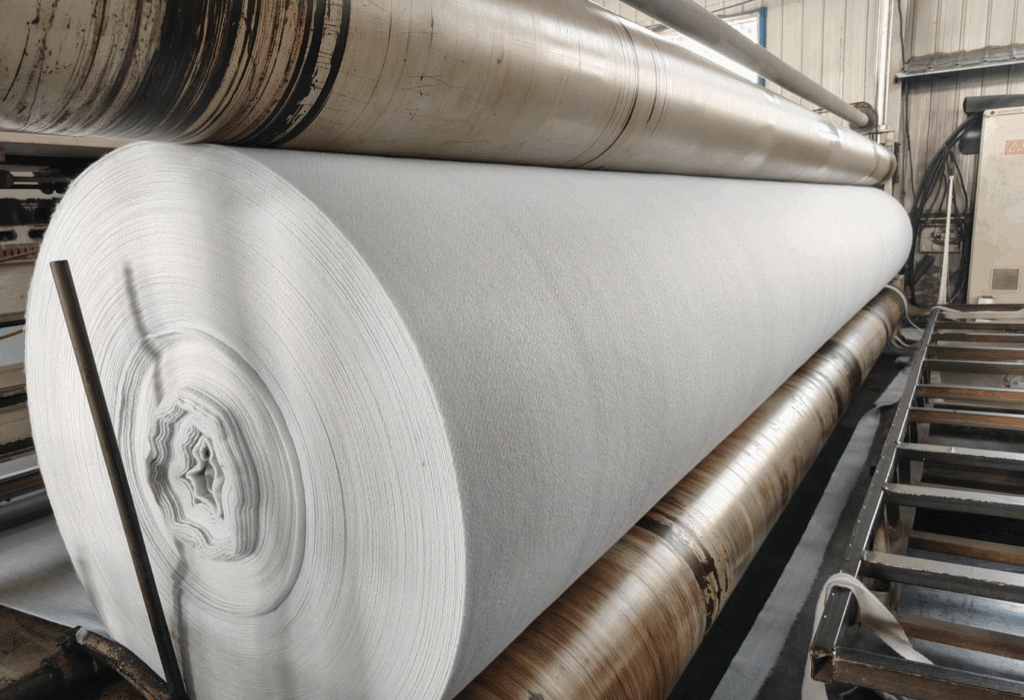
Also known as non-woven geotextile, it is made by needle-punching process with a loose felt-like structure. Its core advantages are water permeability and filtration effect, making it the first choice for drainage and filtration scenarios with high cost performance and the widest application.
Manufacturing Process: Made from polypropylene or polyester staple fibers through opening, carding, needling, setting, etc. No yarn weaving is needed, with high production efficiency. Weight and thickness can be adjusted as required.
Core Characteristics:
- Extremely high water permeability, permeability coefficient 0.05–0.4 cm/s;
- Excellent filtration effect, effectively retaining fine soil particles and preventing clogging;
- Soft and well-fitted, adaptable to complex terrains and easy to lay;
- Light weight and low cost, suitable for large-area laying;
- Some products can add recycled materials to meet environmental requirements.
Application Scenarios: Mainly used for filtration, drainage, and erosion control, including stormwater filtration, riverbank erosion control, landfill filtration, agricultural drainage, construction site silt fences, slope protection, etc.
Core Differences Between Woven and Non-Woven Geotech Fabric
| Comparison Dimension | Woven Geotech Fabric | Non-Woven Geotech Fabric |
| Production Process | Warp and weft yarn weaving, including warping, heat setting and other processes | Short fiber needle punching forming, no weaving required |
| Core Characteristics | High strength, low elongation, creep resistance, corrosion resistance | Strong water permeability, good filtration, soft texture, high cost-effectiveness |
| Tensile Strength | 8-120kN/m, some can reach more than 80kN/m | 2-50kN/m, conventional models are lower than woven types |
| Permeability | Medium, pore size can be controlled, taking into account isolation and drainage | Extremely strong, permeability coefficient 0.05-0.4cm/s |
| Applicable Scenarios | Highway/railway reinforcement, dike reinforcement, soft soil foundation treatment | Stormwater filtration, river erosion control, landfill, farmland drainage |
| Price Range (2025) | 1.2-2.3 US dollars per square meter, customized products are more expensive | 0.7-1.5 US dollars per square meter, conventional models have outstanding cost-effectiveness |
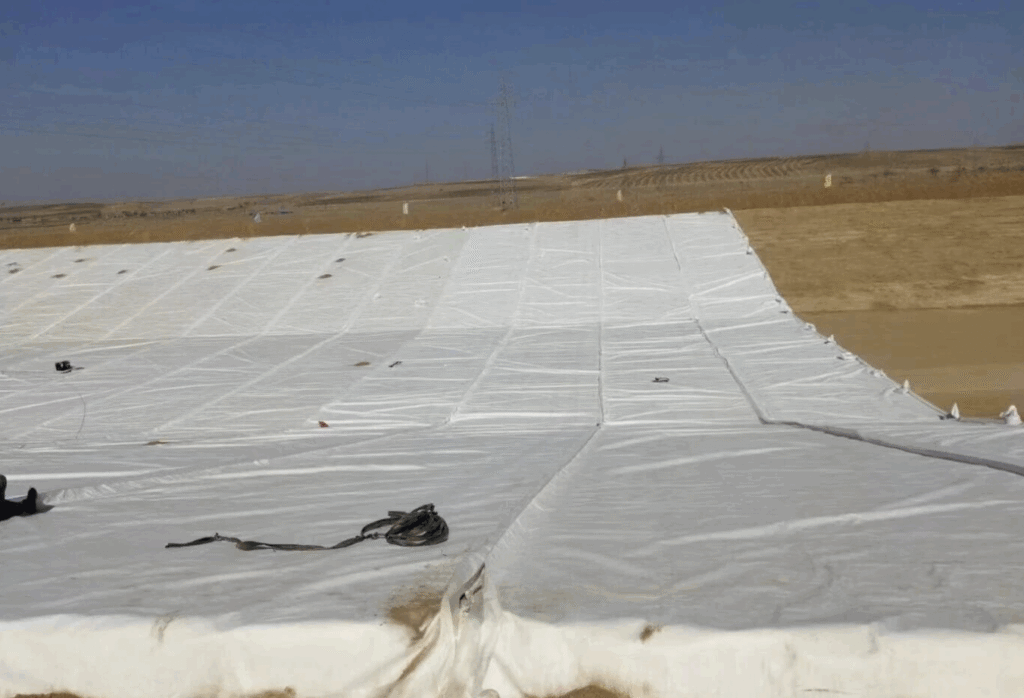
3. Application Scenarios of Geotech Fabric
1) Highway & Railway Construction
Core Functions:
- Separate subgrade and aggregate to prevent mixing of different particle sizes and uneven settlement;
- Reinforce the subgrade, improve bearing capacity, prevent rutting, and extend service life;
- Filter and drain water to avoid pore water pressure accumulation and reduce pavement damage.
Selection Suggestion:
High-grade highways and railways: priority to woven geotech fabric (strength, creep resistance).
Ordinary highways: non-woven geotech fabric (filtration and drainage).
2) Erosion Control
Core Functions: Prevent soil loss, protect riverbanks, slopes, mountains, coastal areas, and deserts. Fixed soil particles reduce rain and water erosion. Used with sandbags and stones for better performance.
Selection Suggestion:
Coastal & high-impact areas: woven geotech fabric.
Slopes & deserts: non-woven geotech fabric.
3) Drainage & Filtration
Core Functions: Allow water to pass while retaining fine particles to prevent clogging. The core value is water-permeable, particle-blocking.
Selection Suggestion:
Filtration/drainage: non-woven geotech fabric.
Landfills & corrosive environments: corrosion-resistant woven or composite geotech fabric, complying with ASTM D4595.
4) Other Applications
- Agricultural drainage
- Coastal protection
- Construction site silt fences
- Tunnel engineering
- Tailings pond treatment
4. How to Select the Right Geotech Fabric
Core Selection Factors
- Clarify Core Project Requirements:Reinforcement/separation → woven;Filtration/drainage → non-woven;Multi-function → composite geotech fabric.
- Focus on Key Performance Parameters
- Tensile Strength: woven ≥8 kN/m; non-woven ≥2 kN/m
- Permeability: filtration ≥0.05 cm/s
- CBR Puncture: woven ≥3.5 kN; non-woven ≥1.5 kN
- AOS: 0.075–0.15 mm for filtration
- Consider Construction Environment:
- Strong UV: UV-stabilized geotech fabric
- Acid/alkaline soil: polyester (PET)
- Complex terrain: flexible non-woven
- Cold areas: good low-temperature toughness
- Balance Cost & Budget:
- High-grade projects: high-end woven
- Ordinary/large-area projects: cost-effective non-woven
- Special requirements: customized products
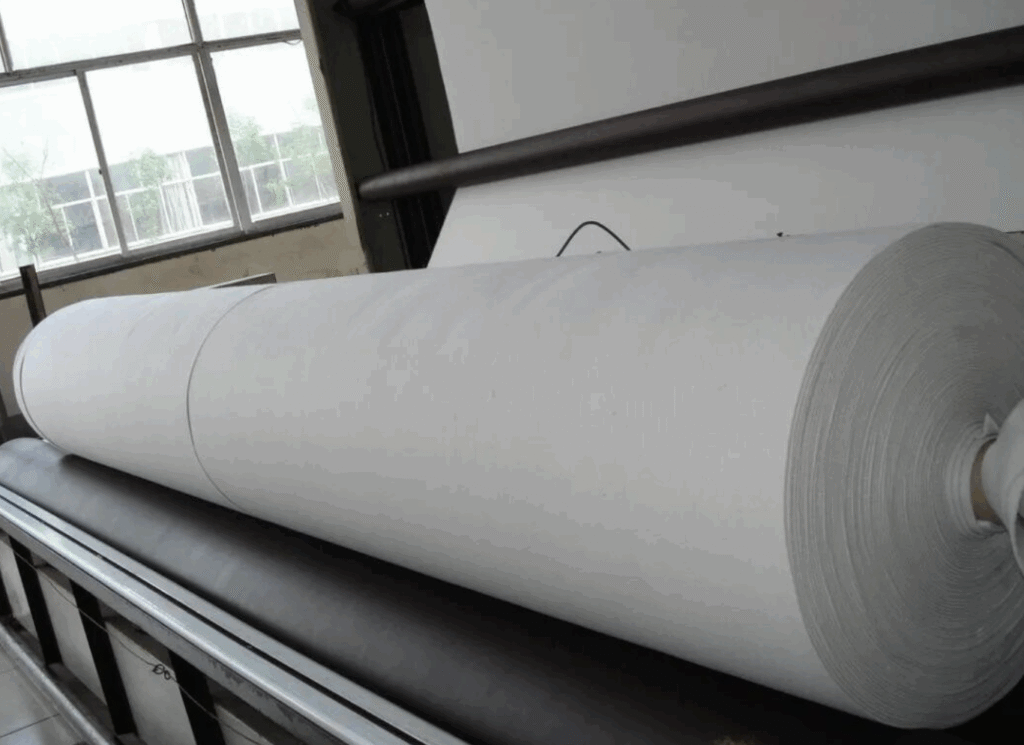
2025 Recommended Geotech Fabric Products
Best Overall: Solmax Mirafi® 500x (Woven Geotextile)
- Key Parameters: Tensile strength 50–120 kN/m, water permeability 0.1–0.3 cm/s, CBR puncture strength ≥ 5 kN, width 4–6 m, mass per unit area 300–600 g/m²; complies with ASTM D4595 and ISO 136 standards.
- Advantages & Disadvantages: High strength, creep resistance, corrosion resistance, wide applicability for high-grade projects; high cost, average cost-performance for conventional applications.
- Applications: Reinforcement for high-grade highway and railway subgrades, dam reinforcement, soft soil foundation treatment, tailings pond slope protection, and other core engineering projects.
2. Best for Filtration: Tencate Mirafi® 1100n (Non-woven Geotextile)
- Key Parameters: Tensile strength 10–50 kN/m, water permeability 0.15–0.4 cm/s, equivalent opening size 0.075–0.1 mm, width 4–6 m, mass per unit area 200–400 g/m²; complies with ISO standards.
- Advantages & Disadvantages: Excellent water permeability, high filtration efficiency, moderate cost, suitable for large-area installation; limited tensile strength, not recommended for reinforcement applications.
- Applications: Stormwater filtration, river channel erosion control, landfill filtration, agricultural drainage, construction site silt fences, etc.
3. Best Budget: Propex Geotex® Nonwoven (Non-woven Geotextile)
- Key Parameters: Tensile strength 5–20 kN/m, water permeability 0.1–0.3 cm/s, CBR puncture strength ≥ 1.5 kN, width 4–6 m, mass per unit area 150–300 g/m²; meets basic industry standards.
- Advantages & Disadvantages: Low cost (0.7–1.0 USD/m²), easy installation, outstanding cost-performance; average performance, not suitable for high-grade engineering.
- Applications: Filtration for ordinary highway subgrades, agricultural drainage, rural slope protection, temporary construction site drainage, and other conventional scenarios.
4. Best for Erosion Control: EcoGeo Coir Geotextile (Eco-friendly Geotextile)
- Applications: Coastal slope protection, mountain ecological restoration, desert sand control, river ecological management, and other environmental protection projects.
- Key Parameters: Tensile strength 8–30 kN/m, water permeability 0.1–0.25 cm/s, biodegradable, width 3–5 m, mass per unit area 250–500 g/m²; complies with environmental standards.
- Advantages & Disadvantages: Eco-friendly and biodegradable, good terrain adaptability, effective erosion control for ecological projects; service life relatively short (10–15 years), high cost.
5. Frequently Asked Questions
Q1: Is geotech fabric mandatory in engineering projects?
A: Not mandatory, but used in over 70% of highway, water conservancy, and environmental projects. High-grade projects require geotech fabric to improve stability and reduce maintenance.
Q2: Is geotech fabric permeable? Will it affect drainage?
A: Yes, permeability is a core function. It allows water to pass while retaining fine particles to prevent clogging. Only geomembrane is impermeable.
Q3: What is the main material of geotech fabric? Are there eco-friendly products?
A: Main materials: polypropylene (PP) and polyester (PET).
Eco-friendly products include biodegradable coir geotextiles and recycled-content geotextiles (e.g., 20% recycled fibers).
6. Conclusion
Geotech fabric is a key material in civil engineering and environmental protection with functions of reinforcement, filtration, drainage, and protection. It is widely used in highways, railways, water conservancy, environmental protection, and other fields. With global infrastructure development and higher environmental requirements, eco-friendly, customized, and high-strength products will become mainstream trends.
If you are looking for geotech fabric, welcome to contact Shandong lianjie>>
References
- International Standards: ASTM D4595, ISO 136, GRI-GT
- Chinese Standards: GB/T 17639–2020, JTG/T 3610–2019, Technical Code for Anti-seepage System of Domestic Waste Landfill
- EU Standards: CE, EU ECO certification