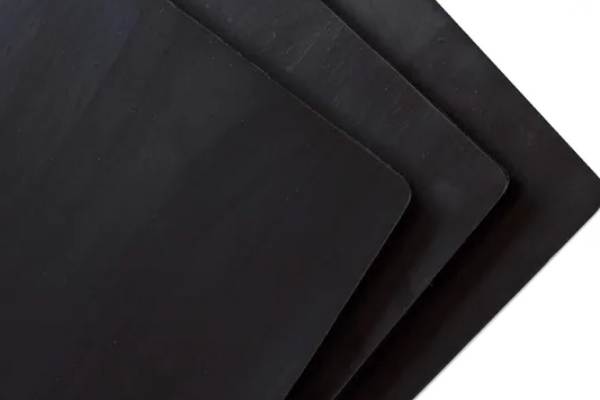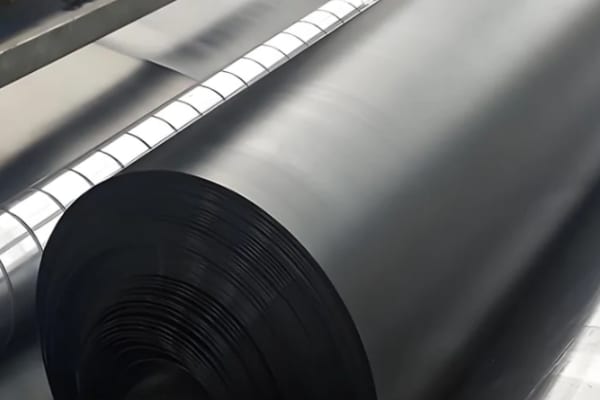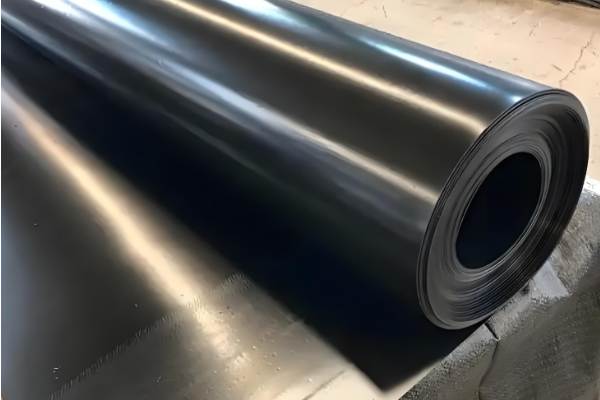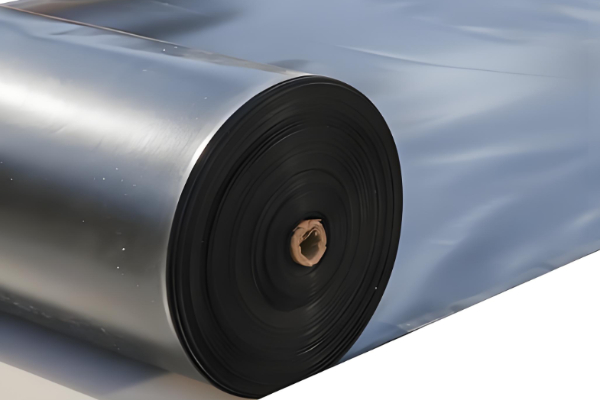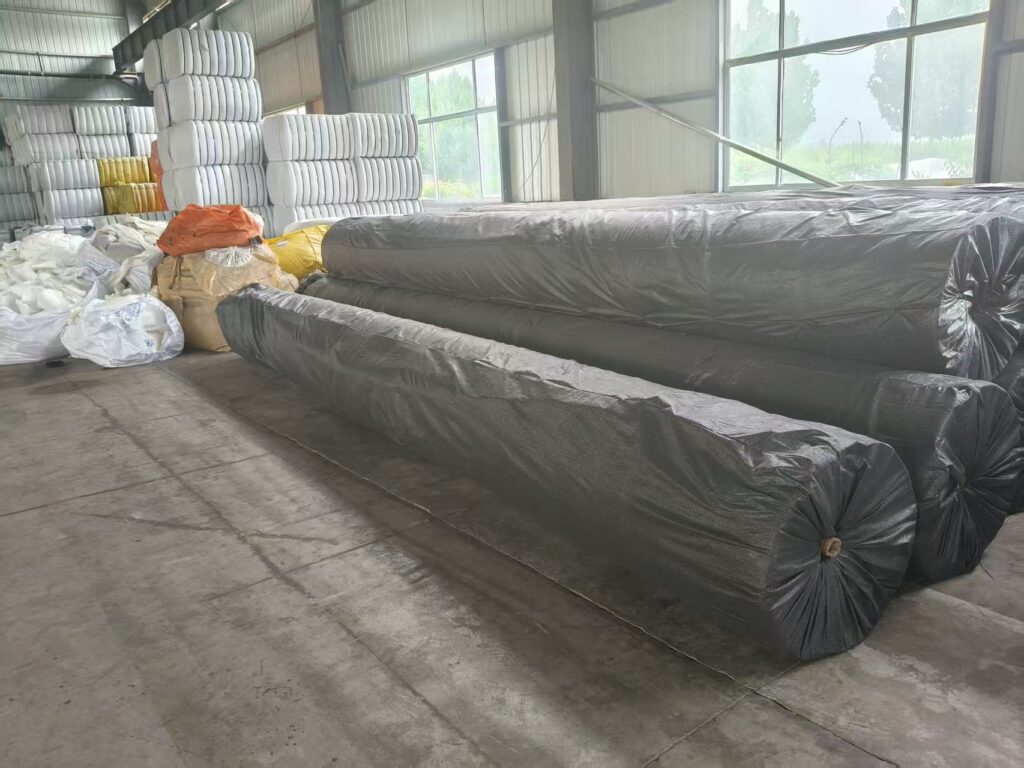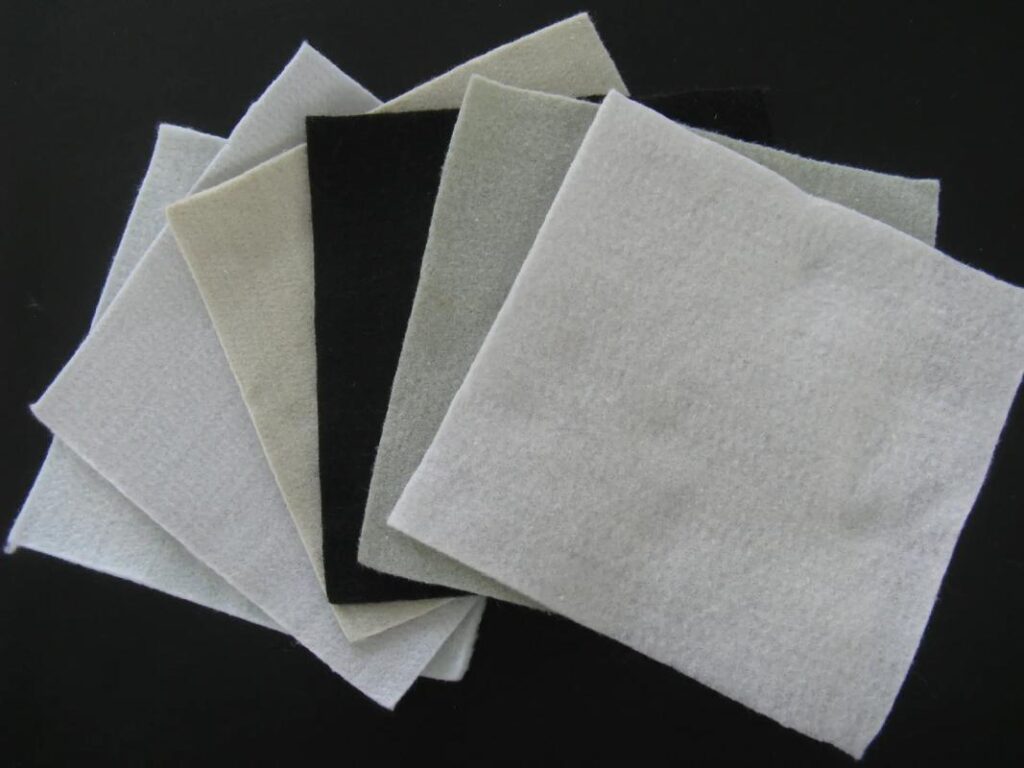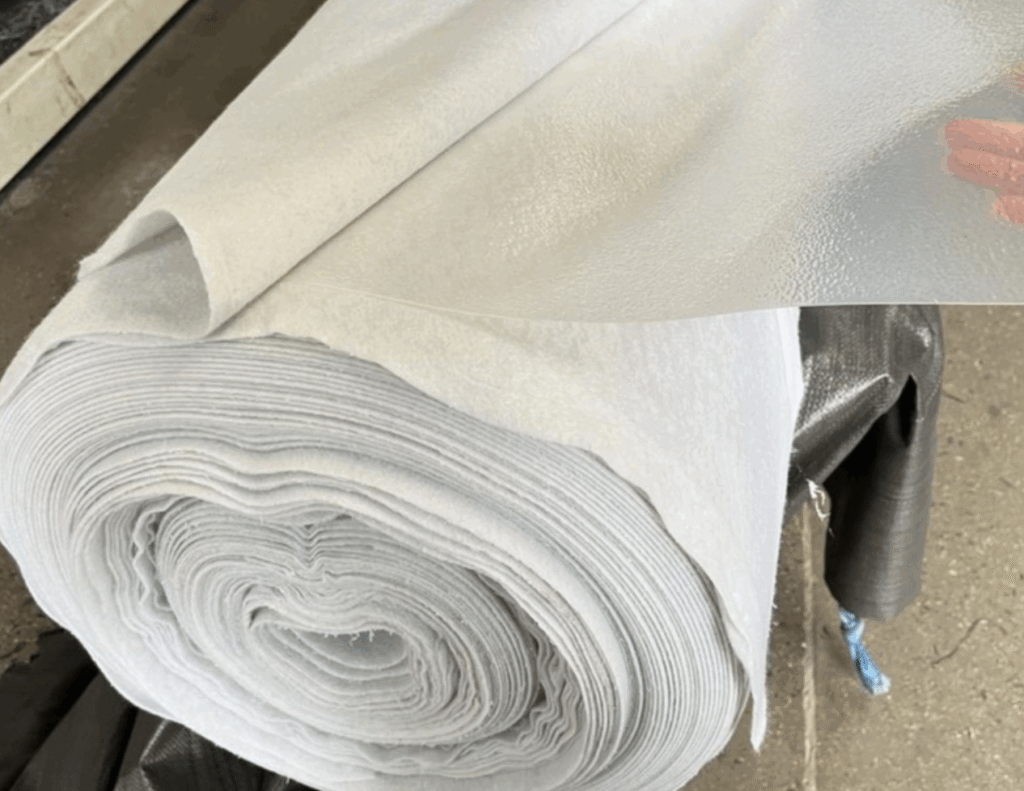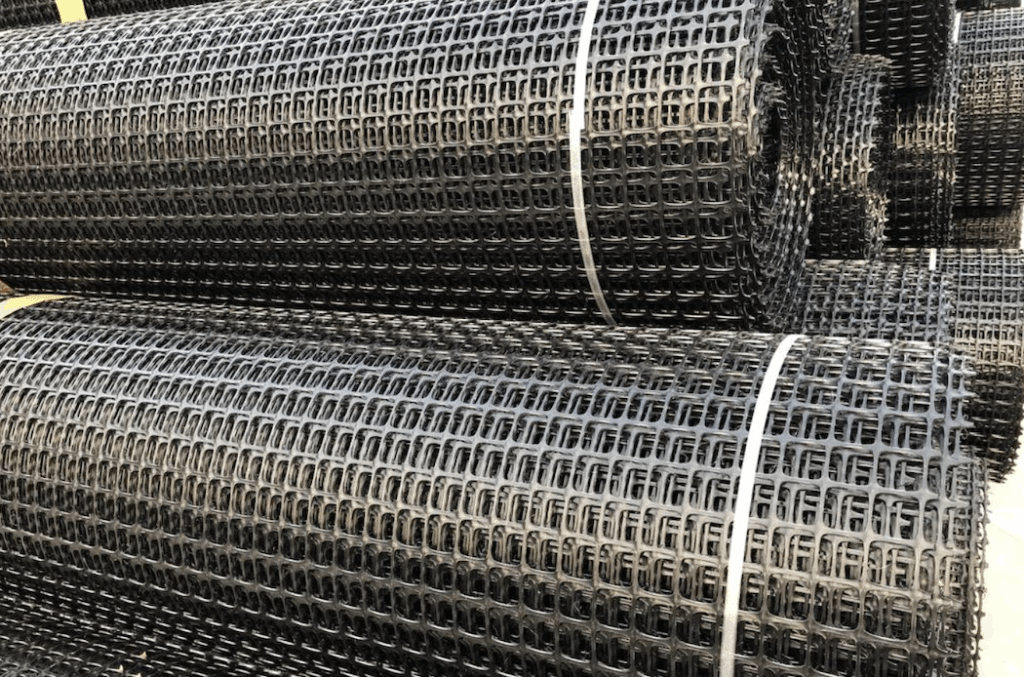
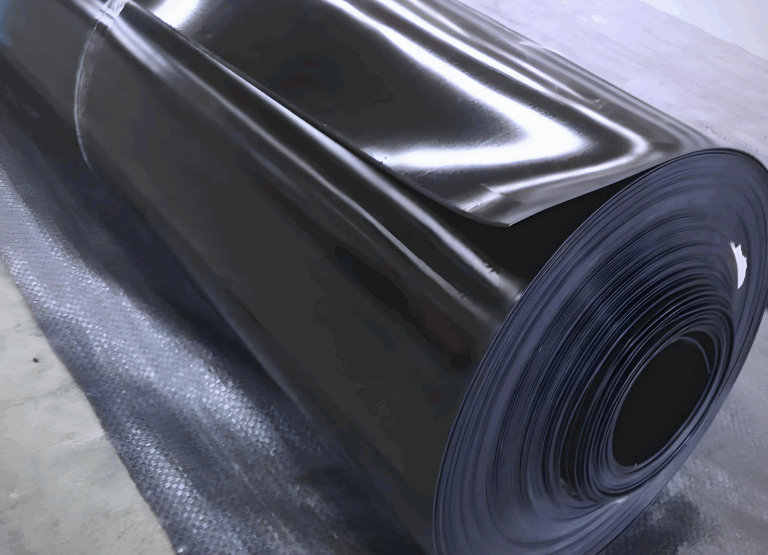
High-density polyethylene geomembrane (HDPE geomembrane) is a low-permeability synthetic liner manufactured from high-density polyethylene resin through a specialized process, with a core density ranging from 0.940 to 0.965 g/cm³. Thanks to its excellent impermeability, durability and corrosion resistance, it has become a core anti-seepage material in infrastructure construction for environmental protection, water conservancy, mining, agriculture and other sectors.
This article provides a comprehensive overview of HDPE geomembrane, covering its properties, pricing, applications, selection tips, installation and inspection.
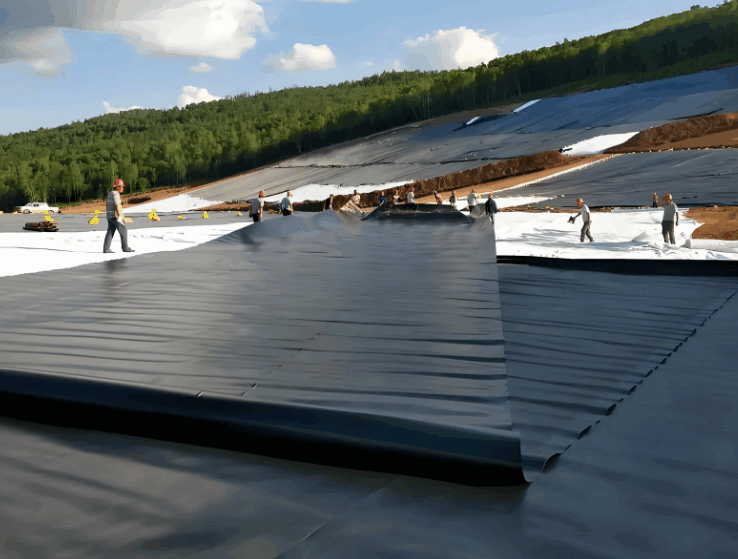
1. What is High-Density Polyethylene Geomembrane (HDPE)?
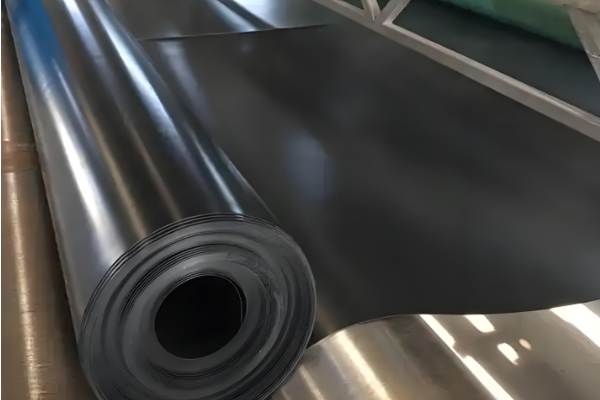
HDPE geomembrane is a flexible anti-seepage material primarily made from high-density polyethylene (HDPE) resin with appropriate functional additives. Its core function is to prevent the permeation and migration of liquids and gases, with an anti-seepage efficiency of up to 99.9%. It is widely used in various engineering scenarios requiring sealing and seepage control.
Its composition complies with industry standards: 97–98% HDPE resin (the base material determining fundamental performance), 2–3% carbon black (the key UV-resistant additive that effectively delays outdoor aging), plus small amounts of antioxidants and UV stabilizers to ensure long-term service stability. All ingredients meet the international standard ASTM D883 and the Technical Specification for Polyethylene (PE) Geomembrane Anti-seepage Engineering (SL/T 231-98).
2. Core Properties of HDPE Geomembrane
The key advantages of HDPE geomembrane lie in four dimensions: impermeability, durability, mechanical performance and cost-effectiveness, making it suitable for complex engineering environments. Specific properties are as follows:
- Impermeability: With a permeability coefficient of less than 1×10⁻¹³ cm/s, far superior to traditional clay liners, it effectively blocks the permeation of groundwater, sewage, slag leachate and other fluids, preventing environmental pollution and resource waste, serving as a critical anti-seepage safeguard for environmental projects.
- Durability: Service life of 50–100 years when buried underground. It features outstanding UV resistance, chemical corrosion resistance and puncture resistance. Tests show it retains over 80% of its tensile strength after 1500 hours of outdoor exposure; it withstands acidic and alkaline environments with pH 2–13, adapting to corrosive scenarios such as mining and chemical engineering; its puncture resistance reaches 960N, protecting against damage from sharp debris during construction and service.
- Mechanical Performance: Tensile strength ranges from 20 to 80 kN/m, with an elongation at break of ≥700%. Its exceptional flexibility allows it to conform to complex terrains without cracking or damage, meeting anti-seepage requirements for irregular sites such as reservoirs and tailings ponds.
- Environmental Friendliness & Cost-Effectiveness: The material is recyclable, aligning with global green construction principles. Compared with traditional clay and concrete liners, it reduces construction costs by 20–30% while improving construction efficiency, significantly shortening the construction period and lowering overall project investment.
3. Price Reference for HDPE Geomembrane
Prices of HDPE geomembrane are influenced by thickness, quality, order quantity, region and other factors. Below is a global price reference for installers to develop budgets (all prices are installed rates):
- Price Range: Installed cost of conventional HDPE geomembrane (0.8–2.0 mm thick) is USD 1.50–4.00 per ㎡; 0.5–0.8 mm thick products cost USD 1.50–2.50 per ㎡; high-end products of 2.0–3.0 mm thickness cost USD 2.80–4.00 per ㎡.
- Influencing Factors: Thicker products command higher prices; international-standard, high-grade products cost 10–20% more than ordinary products; larger orders reduce unit prices (5–15% discounts for bulk purchases); transportation and construction costs vary by region, leading to price differences (e.g., prices in North America and Europe are slightly higher than in Asia).
Cost Optimization Tips:
- Purchase in bulk and sign long-term cooperation agreements with suppliers to lower unit prices.
- Select appropriate thickness and specifications based on project needs to avoid over-specification and waste.
- Choose suppliers with robust supply chains to reduce transportation costs and lead times.
- Prioritize suppliers offering construction guidance to avoid rework caused by improper installation and additional expenses.
4. Application Scenarios of HDPE Geomembrane
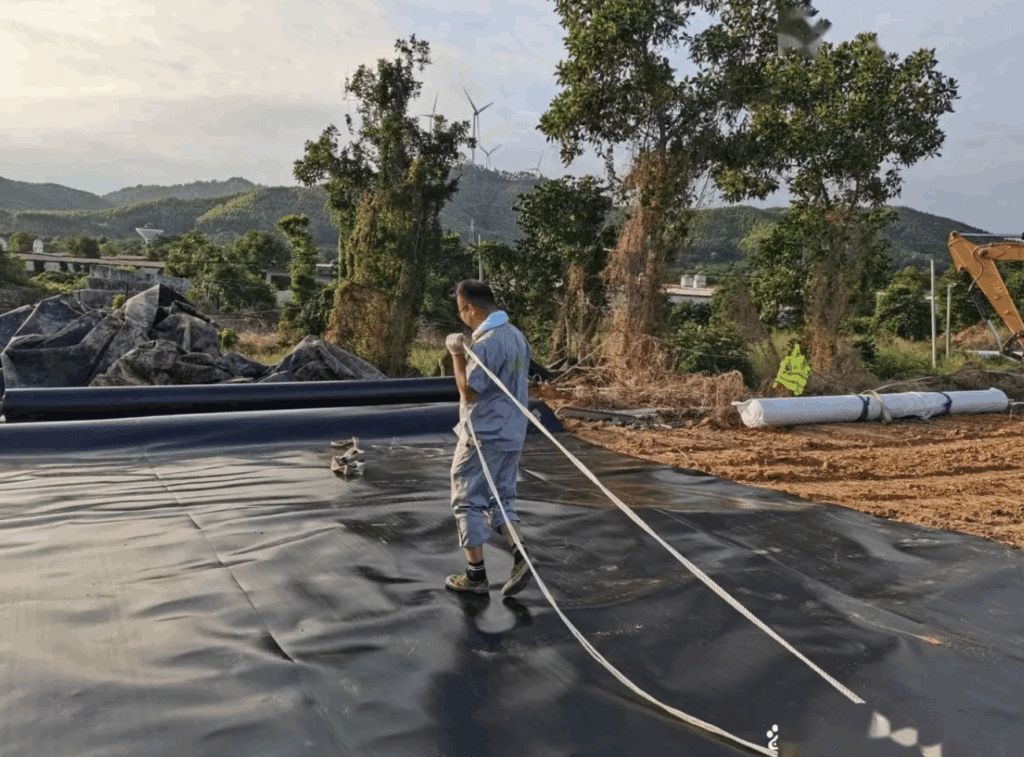
With its excellent comprehensive performance, HDPE geomembrane is widely applied in environmental protection, mining, water conservancy, agriculture and other fields, with focused uses tailored to practical engineering needs:
- Environmental Engineering (Core Application): Mainly used as an anti-seepage liner in landfills and hazardous waste disposal sites to prevent leachate from infiltrating groundwater and protect soil and water resources. It is also used in sewage treatment plants to isolate sewage from soil and avoid secondary pollution, serving as a key material for environmental project acceptance.
- Mining Engineering: As a core anti-seepage material for the mining sector (accounting for 25% of global HDPE geomembrane demand), it is used in tailings ponds, heap leaching ponds and mineral processing ponds to control slag leachate leakage, reduce environmental damage from heavy metals and other pollutants, and lower environmental risks and maintenance costs for mining projects.
- Water Conservancy Engineering: Applied in reservoirs, artificial lakes, irrigation canals and coastal protection to reduce water loss and enhance the stability of water conservancy projects. In coastal protection, it resists sunlight, temperature fluctuations and seawater corrosion, extending service life.
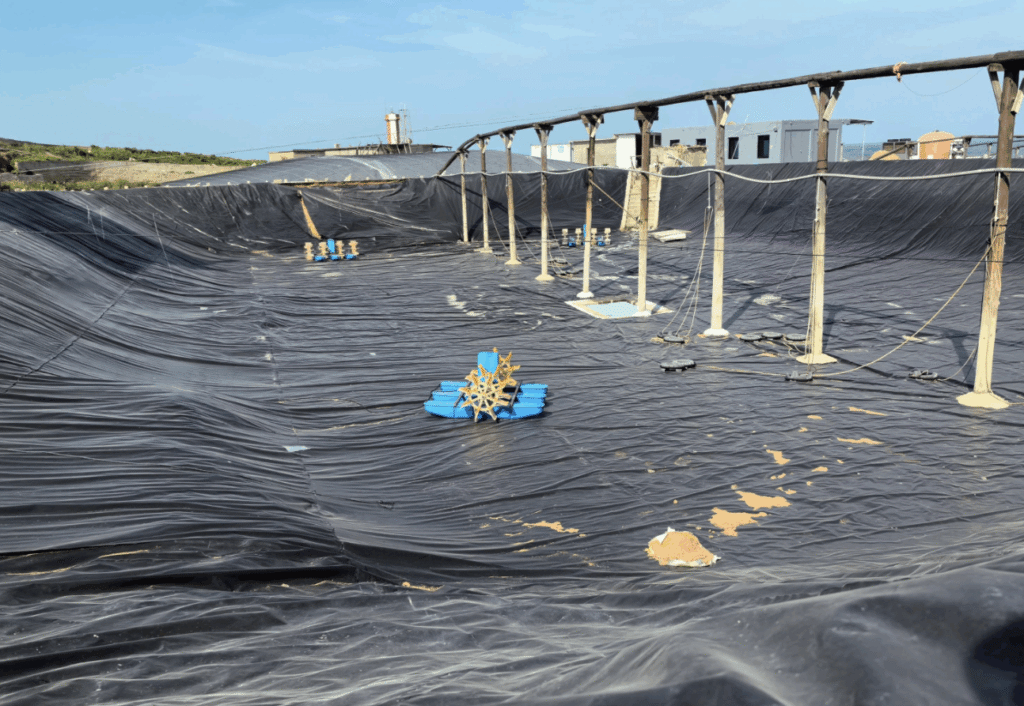
- Agriculture & Aquaculture: Used for sealing and anti-seepage in biogas digesters, aquaculture ponds and irrigation systems to ensure a safe breeding environment, reduce water waste, and prevent aquaculture wastewater from infiltrating and contaminating soil. This sector accounts for 20% of global HDPE geomembrane demand.
- Other Fields: Used in tunnel engineering to divert groundwater and prevent water seepage; in green roofs to resist root penetration and protect roof structures; and in radioactive waste disposal for long-term isolation to prevent radioactive material leakage.
5. HDPE Geomembrane Selection Guide
5.1 Core Selection Criteria
HDPE geomembrane selection must consider project scenario, anti-seepage requirements, service life and other core factors, focusing on the following four key indicators to ensure precise matching:
- Thickness: Conventional thickness ranges from 0.5 to 3.0 mm, with different standards for various scenarios: 1.5–2.0 mm for high-pressure, high-seepage scenarios such as landfills and mining tailings ponds; 0.8–1.2 mm for small artificial lakes and aquaculture ponds; 0.5–1.0 mm for tunnels and green roofs based on actual stress conditions. Thickness selection balances anti-seepage performance and cost control to avoid waste from over-thickness or performance loss from under-thickness.
- Density & Crystallinity: Prefer bimodal HDPE geomembrane with a density of 0.940–0.950 g/cm³, which has higher crystallinity and stronger stress crack resistance, adapting to complex working conditions in mining and chemical engineering and effectively extending service life. Conventional-density products suffice for general scenarios to meet basic anti-seepage needs.
- Mechanical Performance: Select corresponding tensile strength, puncture resistance and elongation at break based on project stress conditions: products with tensile strength ≥40 kN/m and puncture resistance ≥800N for impact- and puncture-prone scenarios such as mining and landfills; products with tensile strength of 20–40 kN/m for water conservancy and agricultural applications to withstand external forces during construction and service.
- Environmental Adaptability: For projects with long outdoor exposure, prioritize UV resistance with qualified carbon black content (2–3%) to prevent aging from prolonged sunlight. For corrosive scenarios such as chemical and mining projects, select products with excellent acid and alkali resistance. For cold-region projects, focus on low-temperature flexibility to avoid brittle cracking in low-temperature environments.
5.2 Comparison with Similar Products
In engineering material selection, HDPE geomembrane is often compared with low-density polyethylene (LDPE) geomembrane and traditional clay liners, with distinct application scenarios for each product:
- HDPE vs. LDPE Geomembrane: HDPE geomembrane outperforms LDPE in impermeability, durability and mechanical strength, making it suitable for large-scale, long-term outdoor, high-pressure and high-seepage projects (e.g., landfills, tailings ponds). LDPE geomembrane offers better flexibility and easier installation, ideal for small, simple-terrain short-term anti-seepage projects (e.g., small aquaculture ponds, temporary reservoirs) at a lower cost.
- HDPE vs. Clay Liner: Traditional clay liners have poor anti-seepage performance (permeability coefficient far higher than HDPE geomembrane), long construction cycles, heavy workloads, and are prone to cracking due to terrain and climate. HDPE geomembrane provides stable anti-seepage performance, high construction efficiency, 20–30% lower construction costs, and a service life 3–5 times that of clay liners, making it the preferred alternative to clay liners for various large-scale anti-seepage projects.
5.3 Common Misconceptions & Selection Tips
Common Misconceptions:
- Focusing solely on price while ignoring quality, leading to the use of substandard products with insufficient carbon black content or subpar tensile strength, causing aging, damage and leakage later and increasing rework costs.
- Selecting thickness and specifications without considering project scenarios, e.g., using overly thin products in mining applications leading to puncture damage and compromised anti-seepage performance.
- Blindly pursuing high specifications without cost control, e.g., using 2.0 mm thick products for small aquaculture ponds resulting in unnecessary waste.
Selection Tips:
- Prioritize products meeting ASTM, GRI-GM13 and domestic standards, and review test reports to ensure core indicators such as density, tensile strength and carbon black content are qualified.
- Select products based on a comprehensive assessment of anti-seepage requirements, service life and environmental conditions, avoiding both blind over-specification and low-quality materials.
- Consult technical personnel from professional manufacturers for targeted selection advice based on specific project parameters (site size, stress conditions, environmental requirements).
6. Installation & Quality Inspection of HDPE Geomembrane
6.1 Installation Procedures
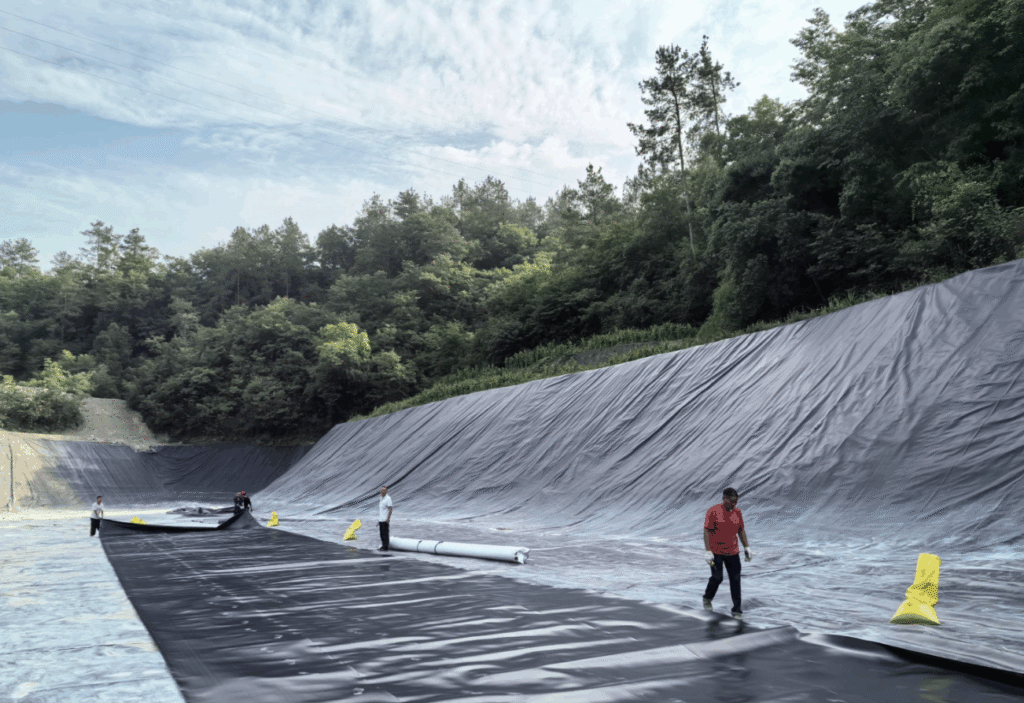
Installation quality directly affects anti-seepage performance and must follow standardized procedures in four steps to ensure compliance:
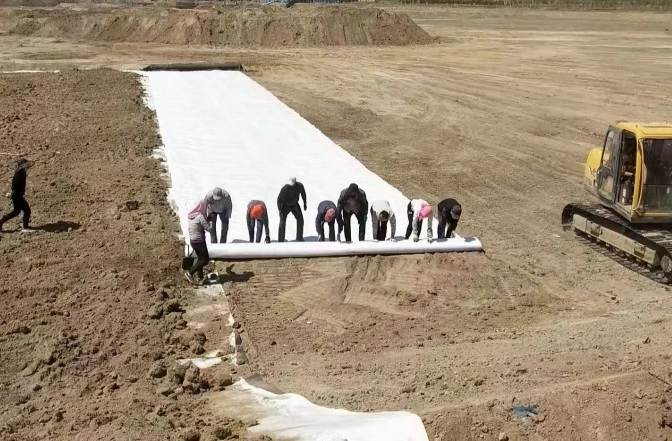
- Preparatory Work: First, clear the construction site of sharp debris (stones, branches, steel bars, etc.) to prevent puncturing the geomembrane. Then level the foundation to ensure a smooth, solid laying surface without obvious bulges or depressions, with foundation slopes meeting design requirements, and install drainage systems to avoid water accumulation affecting laying quality.
- Laying Method: Use roll-type laying, preferring 5–8 m wide rolls to reduce the number of seams (by 20%) and lower leakage risks. Lay the geomembrane tightly against the foundation to avoid wrinkles and voids, with the laying direction determined by terrain and water flow. The overlap width of adjacent rolls is 10–15 cm to ensure tight bonding.
- Welding Process: Use wedge welding or fusion welding for seams, with a welding temperature of 200–220°C and a welding speed adjusted according to thickness (2–3 m/min for conventional products) to ensure firm welding, with seam strength no less than 80% of the base material. After welding, clean debris at seams and inspect for missed or incomplete welding.
- Post-Construction Protection: Promptly cover the laid and welded geomembrane with a protective layer (geotextile, fine sand, concrete) with a thickness of 5–10 cm (conventional) to prevent puncture by sharp objects. Implement perimeter protection and prohibit construction workers from stepping randomly or stacking heavy objects on the geomembrane to avoid damage.
6.2 Quality Inspection Methods
Quality inspection covers the entire process from raw materials to construction and post-service use, focusing on three key stages to ensure project compliance:
- Raw Material Inspection: Require suppliers to provide product test reports upon purchase, focusing on core indicators such as density, melt flow rate, carbon black content, tensile strength and elongation at break. Conduct on-site sampling tests to ensure raw materials meet industry standards and project requirements. Unqualified raw materials are strictly prohibited from use.
- Construction Inspection: During construction, focus on seam welding quality using air pressure testing and vacuum testing. For air pressure testing, seal the seam, inflate to 0.05–0.08 MPa and hold for 30 minutes; no air leakage indicates qualification. For vacuum testing, cover the seam with a vacuum hood, evacuate to -0.08 MPa and hold for 30 minutes; no damage or air leakage indicates qualification. Inspect laying flatness and overlap width to ensure compliance with construction specifications.
- Post-Completion Inspection: Conduct overall anti-seepage testing via water filling tests after project completion to check for leakage. During service, perform regular inspections for integrity, identifying hidden dangers such as punctures, aging and damage, and repairing issues promptly to ensure long-term anti-seepage performance.
7. Frequently Asked Questions
Q1: How long is the service life of HDPE geomembrane?
A1: Service life depends on the application scenario: 50–100 years for buried applications; 30–50 years for outdoor exposed applications with proper UV protection (e.g., protective covering); only 10–15 years for unprotected outdoor exposure. It is recommended to select appropriate product specifications and implement post-construction protection to extend service life.
Q2: Is HDPE geomembrane resistant to chemical corrosion?
A2: Yes. HDPE geomembrane offers excellent chemical corrosion resistance, withstanding over 95% of acids, alkalis and hydrocarbons. It adapts to corrosive scenarios such as chemical engineering, mining and sewage treatment, operating stably long-term in pH 2–13 environments without aging or damage. Note that it should avoid contact with strong oxidizers (e.g., concentrated nitric acid, potassium permanganate) to prevent material damage.
Q3: How to judge the quality of HDPE geomembrane?
A3: Three core methods:
- Review product test reports to confirm core indicators such as density, tensile strength, carbon black content and oxidation induction time meet ASTM, GRI-GM13 and other industry standards.
- Inspect appearance: high-quality HDPE geomembrane has a smooth surface, no bubbles, impurities or damage, and good flexibility, resisting breakage.
- Conduct on-site sampling tests via a third-party institution to verify product performance consistency with test reports.
Q4: What thickness of HDPE geomembrane is suitable for landfills?
A4: Landfills are high-pressure, high-seepage scenarios, typically using 1.5–2.0 mm thick HDPE geomembrane. For large-scale, high-capacity landfills, 2.0–2.5 mm thick products are recommended to withstand waste pressure and prevent puncture damage. Bimodal HDPE geomembrane with a density of 0.940–0.950 g/cm³ and puncture resistance ≥800N is preferred for enhanced durability and anti-seepage performance.
Q5: How to ensure HDPE geomembrane welding quality?
A5: Three key measures:
- Use professional welding equipment to control temperature (200–220°C) and speed (2–3 m/min) within reasonable ranges.
- Clean debris and moisture from seams before welding to ensure a clean, dry joint surface.
- Conduct air pressure or vacuum testing promptly after welding to identify missed or incomplete welds, repair unqualified seams in time, and ensure seam strength is no less than 80% of the base material.
8. Conclusion
As a high-performance, cost-effective anti-seepage material, high-density polyethylene geomembrane (HDPE) plays an irreplaceable role in environmental protection, mining, water conservancy, agriculture and other infrastructure projects. Its outstanding impermeability, durability and corrosion resistance effectively guarantee project quality, reduce construction and maintenance costs, and align with global sustainable development trends.
For engineering practitioners, precise selection, standardized construction, strict inspection and reliable suppliers are critical to maximizing the anti-seepage performance of HDPE geomembrane. It is recommended to select appropriate product specifications, partner with trusted suppliers, follow standardized construction processes and conduct rigorous quality testing throughout the project lifecycle to ensure compliance, safety and long-term stable operation.
For further inquiries, please consult Shandong Lianjie.
References
- ASTM D6693 Standard Test Method for Tensile Properties of Geomembranes
- ASTM D5397 Standard Test Method for Environmental Stress Crack Resistance of Polyethylene Geomembranes
- GRI-GM13 Geomembrane Quality Assurance Guidelines