Nonwoven Geotextiles Fabric

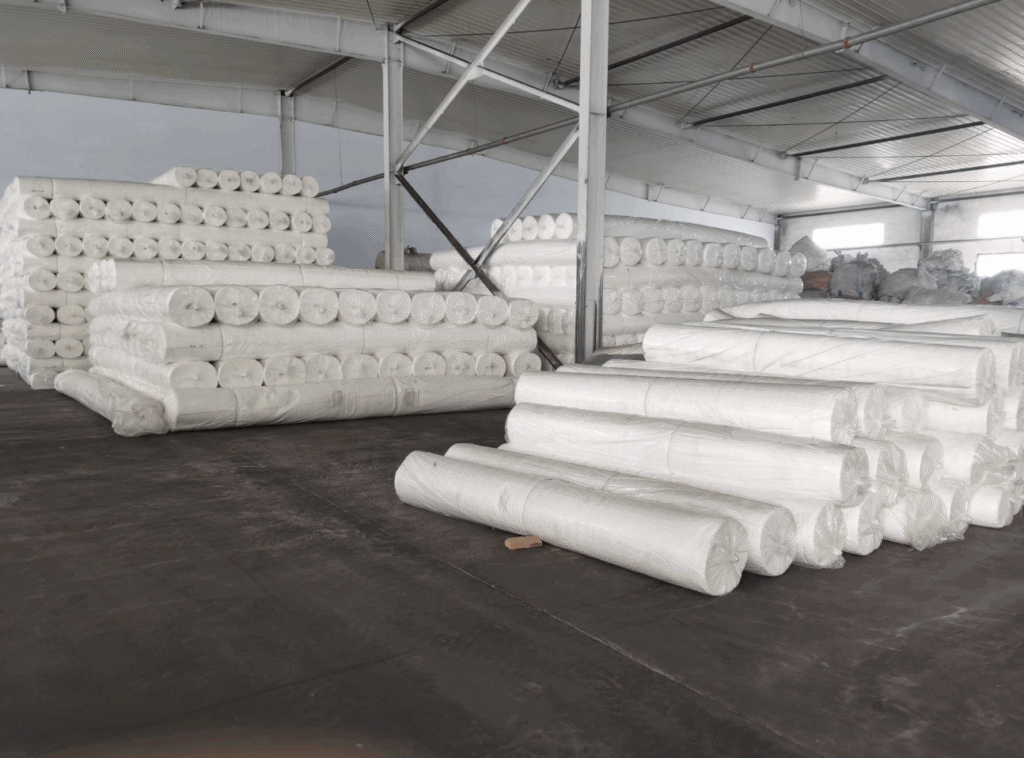
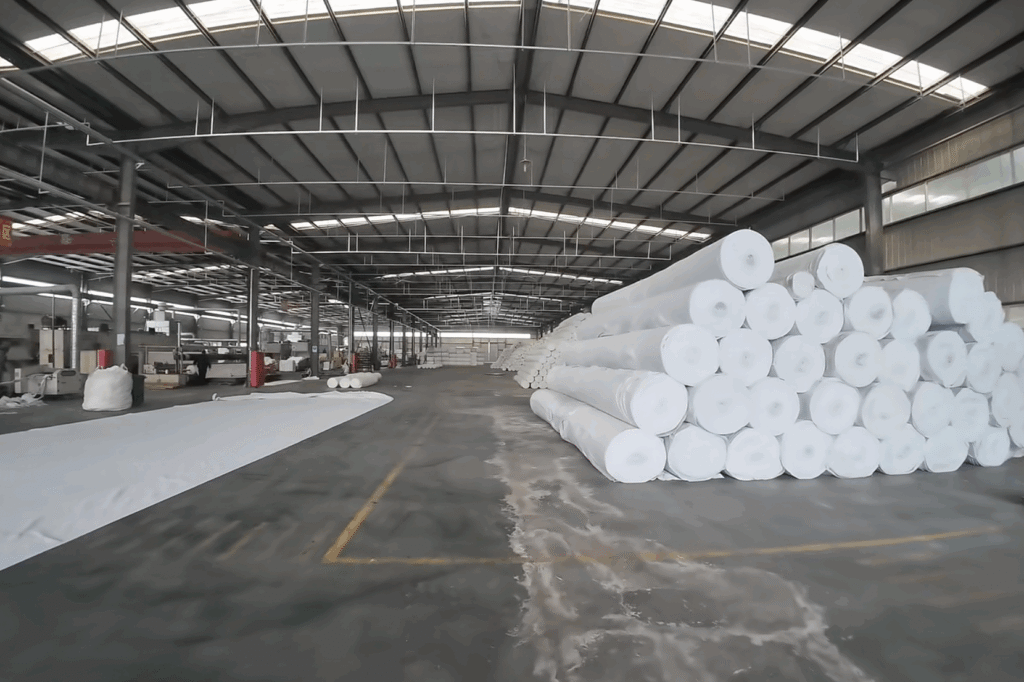
Non-Woven Geotextiles Fabric Manufacturer:Shandong Lianjie – The leading geotextile manufacturer in China.It is located in the High-Tech Development Zone of Tai’an City. Lianjie is a one-stop supplier of geosynthetics with 15 years of professional experience and multiple national certifications.Our products include 4 oz,6 oz,8 oz non woven geotextile fabric and so on. We will customize the most professional one-stop non-woven geotextile solution for you according to your needs!

What is NonWoven Geotextiles Fabric

What is Nonwoven Geotextile

Nonwoven geotextile is a three-dimensional mesh structural engineering material formed from polypropylene or polyester fibers through mechanical consolidation processes such as needle-punching or spunbonding. Its core functions include separation, filtration, drainage, and supplementary reinforcement. In engineering applications, it effectively prevents intermingling of different material layers while permitting water passage and retaining soil particles, thereby establishing a stable filtration system. It serves as a key material for enhancing engineering stability. Primary performance indicators include mass per unit area, tensile strength, and equivalent opening size.

Nonwoven Geotextile Prices

The price of woven geotextile is not fixed and is highly influenced by raw material costs (PP or PET), specifications, order volume, and market supply and demand.

Current market prices cover a wide range; for conventional specifications (e.g., with a mass per unit area of 100-200 g/m² and a tensile strength of 8-20 kN/m), the price generally falls between 2 and 6 RMB per square meter.

Products with higher strength, wider widths, or special features (such as UV resistance) command a higher price. Bulk orders typically qualify for volume-based discounts.

Nonwoven geotextile

Nonwoven Geotextile Specification Parameter Table

Specification Name

Unit

Typical Range / Example

Reference Standard

Mass per Unit Area

g/m²

100, 150, 200, 300, 400, 500, 600, 800

GB/T 13762

Thickness (@2kPa)

mm

0.9 - 4.5 (increases with mass)

GB/T 13761.1

Tensile Strength

kN/m

2.5 - 16.0 (increases with mass)

GB/T 15788

Elongation at Break

%

30 - 80

GB/T 15788

CBR Burst Strength

kN

0.6 - 5.5 (increases with mass)

GB/T 14800

Tear Strength (Trapezoidal)

kN

0.15 - 1.0 (increases with mass)

GB/T 13763

Vertical Permeability Coefficient

cm/s

1.0×10⁻² - 1.0×10⁻¹

GB/T 15789

Equivalent Opening Size (O₉₀ / O₉₅)

mm

0.07 - 0.20

GB/T 14799

the Key Strengths of Nonwoven Geotextiles

Nonwoven geotextile

Separation

Prevents the intermingling of different soil layers or materials.

Nonwoven geotextile

Filtration

Allows vertical water passage while preventing clogging and soil loss.

Nonwoven geotextile

Drainage

Collects and directs water flow, dissipating pore water pressure.

Nonwoven geotextile

Reinforcement

Enhances overall soil stability and bearing capacity.

the Key Strengths of Nonwoven Geotextiles

What is Nonwoven Geotextile Fabric Used for

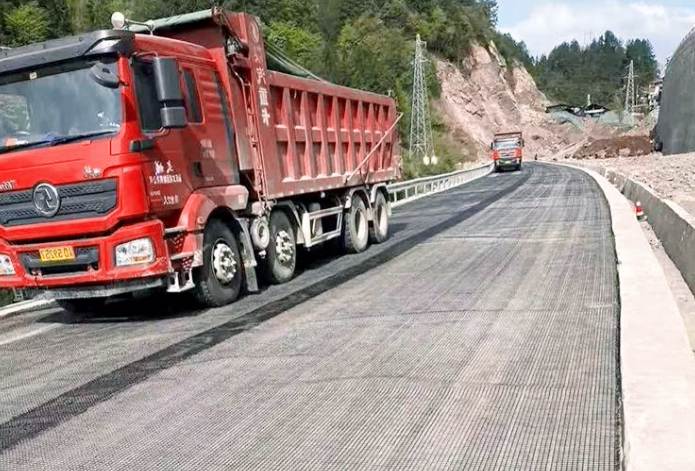
Road/Railway Subgrade
Road/Railway Subgrade:

Used for separation, reinforcement, and drainage to prevent frost boiling and differential settlement.

polyester geotextile for landfill
Landfills

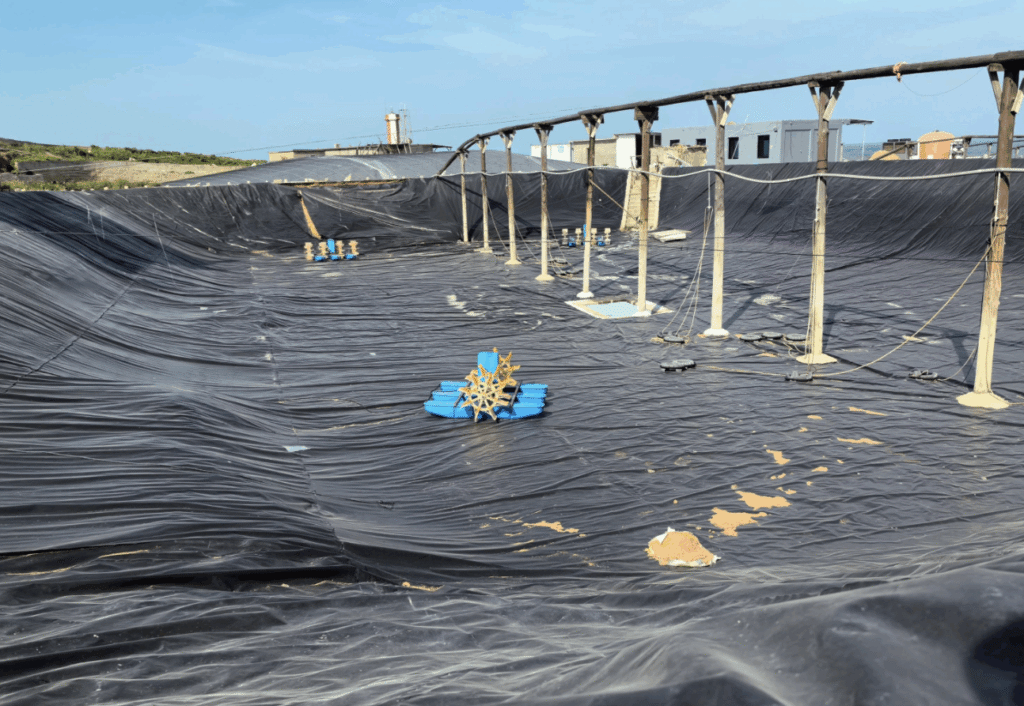
Employed in base layers and cover layers for separation, protection, and drainage, serving as a critical component of the impermeable system.

Water Conservancy Projects

Utilized in reverse filter layers and slope protection for dams and riverbanks to prevent soil erosion.

Building Construction

Applied in drainage and waterproofing systems on the exterior of basement walls.
Get your nonwoven geotextile solution 

Frequently Asked Questions

What are the different types of nonwoven geotextiles?

Nonwoven geotextiles are mainly divided into three types:

1、Short-fiber needle-punched geotextiles are formed by needle-punching fiber webs, featuring a loose structure with excellent in-plane drainage and filtration properties, making them suitable for roadbed drainage and landfills. 

2、Filament spunbond needle-punched geotextiles, consolidated by needle-punching continuous filaments, exhibit higher tensile strength, tear resistance, and uniformity, making them ideal for critical projects such as high-speed railways and ports. 

3、Heat-bonded geotextiles, formed by thermally melting fibers, are relatively stiff and thin with high mechanical strength but poor water permeability, primarily used for separation or as a base material for composites. Selection should be based on primary functional requirements such as drainage, filtration, and reinforcement.

Yes, nonwoven geotextiles (specifically engineered ones) are typically porous and permeable materials. This characteristic is fundamental to their critical role in geotechnical engineering.

Their permeability is primarily demonstrated in two technical aspects:

  1. Vertical Permeability

    • Mechanism: Their three-dimensional, randomly distributed fiber structure creates numerous interconnected and tortuous pores.

    • Function: This allows liquids (primarily water) to pass vertically through their plane. This property is the basis for their filtration function, enabling water flow while effectively retaining soil particles to prevent clogging.

  2. Planar Permeability (or In-Plane Drainage Capacity)

    • Mechanism: Their relatively thick structure (especially needle-punched nonwovens) forms continuous water conveyance channels within their own plane.

    • Function: This allows them to collect and channel water flow within their plane, effectively dissipating pore water pressure and serving a drainage function.

Summary:

The permeability of nonwoven geotextiles is not simple “leakage” but rather a controlled permeability that works in synergy with the soil system. Their permeability can be precisely quantified and designed using key parameters such as the vertical permeability coefficient and Equivalent Opening Size (EOS). This ensures water can pass through without excessive loss of fine particles from the protected soil mass.

Therefore, being permeable is the physical foundation that enables nonwoven geotextiles to perform their two core functions: filtration and drainage.

Latest Blog Posts

Biaxial Geogrid
Biaxial Geogrid: Specifications, Applications, Installation Methods and Purchasing Guide
10/03/2026

Biaxial Geogrid is a high-performance geosynthetic material made from polymer substrates through

Geotech Fabric
Geotech Fabric: Types, Applications and Selection Guide
02/03/2026

As a core category of geosynthetics, geotech fabric is a permeable material

Concrete Fabric
Concrete Fabric: Types, Applications, Installation & Purchasing Guide
28/02/2026

In infrastructure construction, slope protection, waterproofing, temporary works and other scenarios, Concrete

Filter Fabric Geotextile
Filter Fabric Geotextile: Price, Types, Applications
26/01/2026

As a core category of geosynthetic materials, Filter Fabric Geotextile is a

geotextile for soil stabilization
Geotextile for Soil Stabilization: Principles, Types and Application Scenarios
22/01/2026

In infrastructure projects such as roads, slopes, dams and soft soil foundations,

Waterproof Geotextiles
Geotextile Fabric for Waterproofing: Benefits, Types, Applications and Selection
17/01/2026

In civil engineering, water conservancy construction, environmental governance and other fields, waterproof

Geotextile Fabric for Septic Systems
14/01/2026

For households or commercial establishments with independent septic systems, clogging, poor drainage,

Does Geotextile Fabric Stop Weeds?
12/01/2026

In fields such as agricultural cultivation, landscaping, and road maintenance, weed infestation

Contact Us

Contact Form Demo