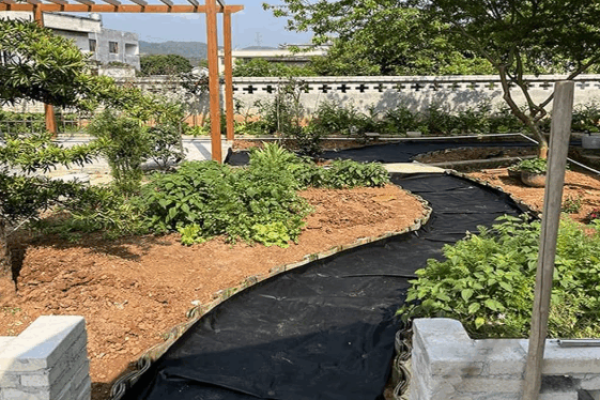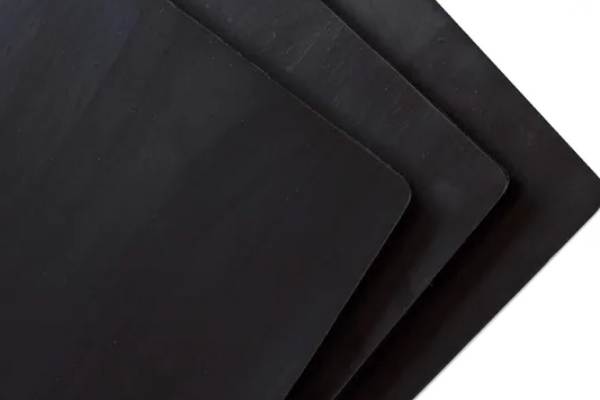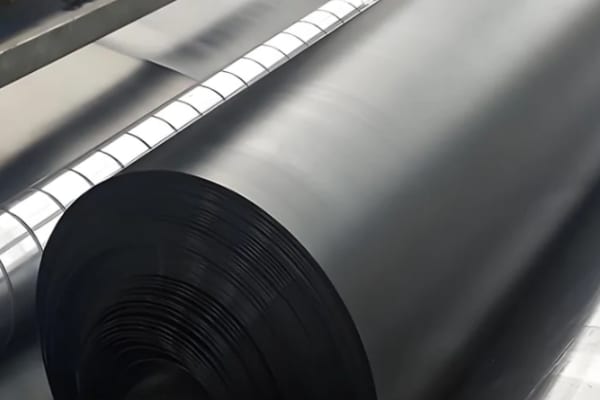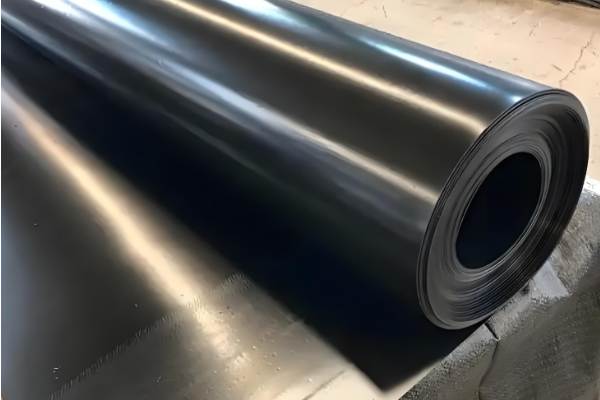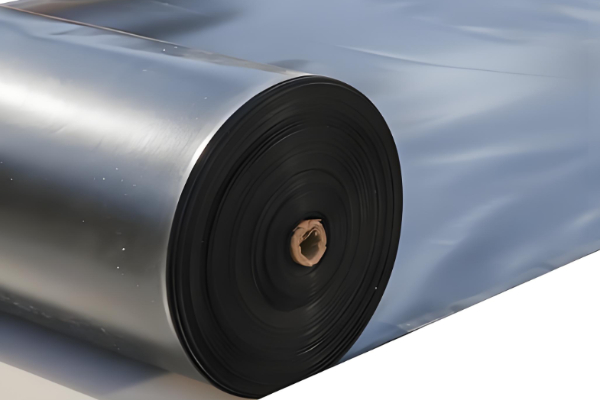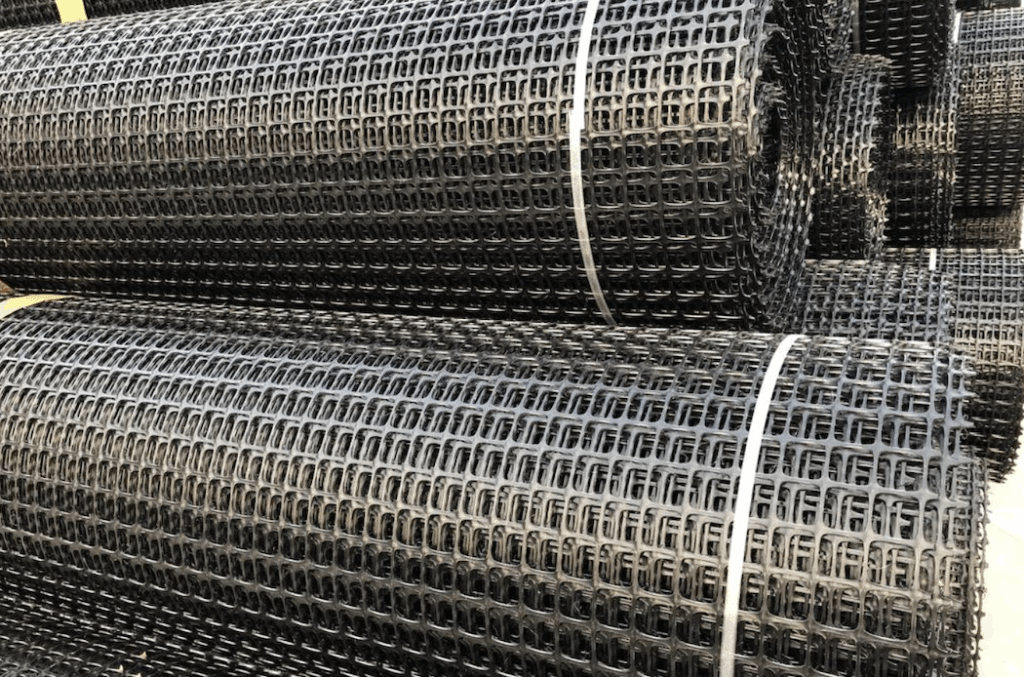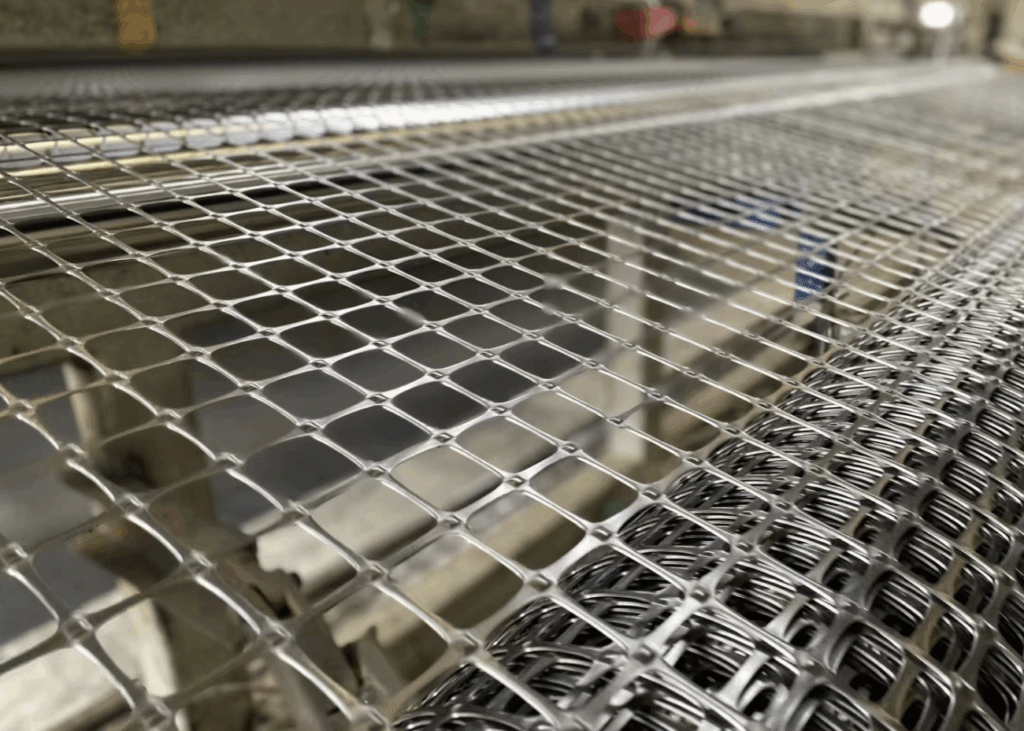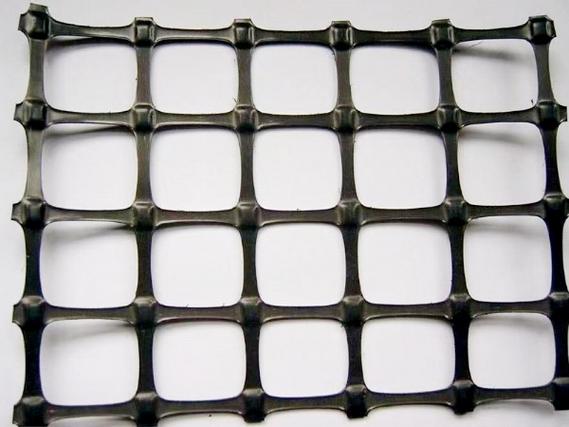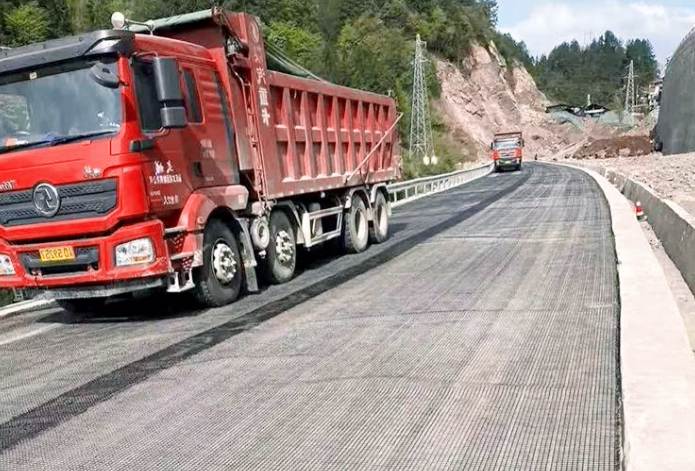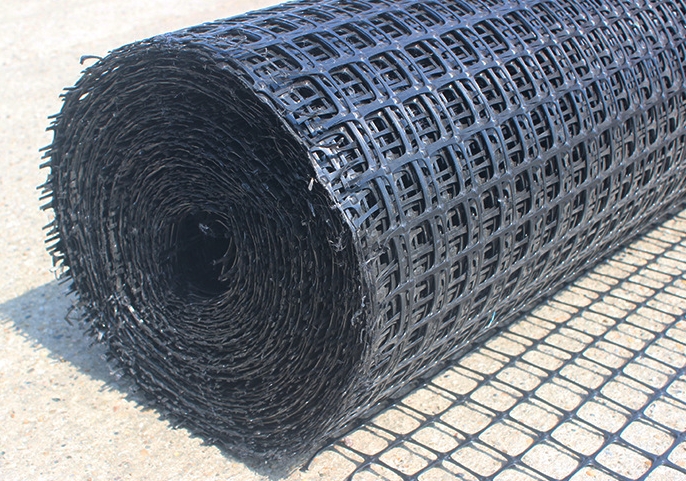
Soil erosion not only damages landscapes but also leads to unstable foundations,silted waterways,and ecological degradation.Whether it’s a muddy construction site after a storm or a gradually steeper slope,a cost-effective,durable,and efficient protection solution is essential.Geotextile fabrics,functioning as an intelligent engineering skin,have become an indispensable component in modern erosion control projects.
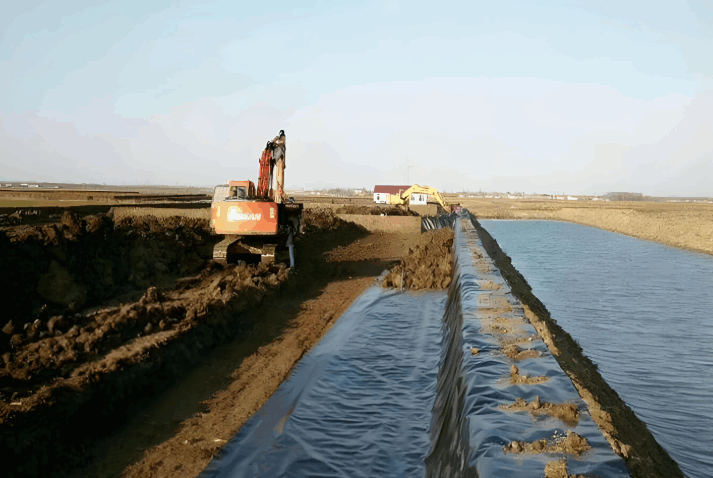
What is Geotextile for Erosion Control?
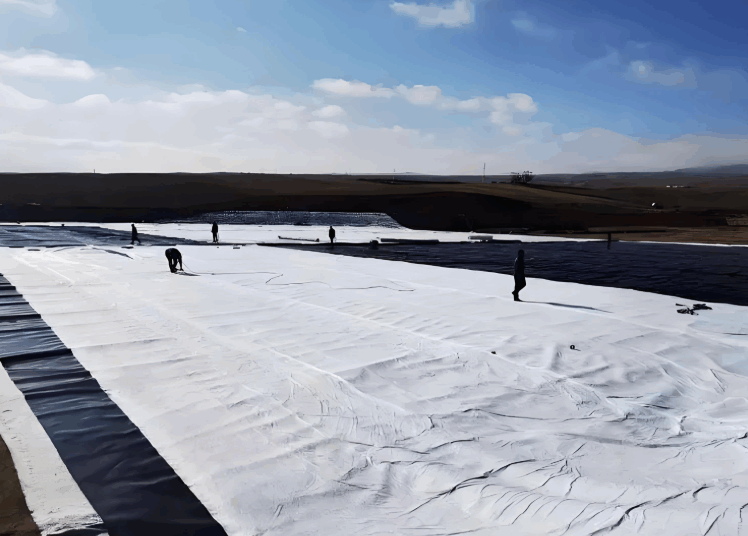
A geotextile is a permeable,fabric-like material made from polymers like polypropylene or polyester.It is renowned as the”smart skin”of engineering because it skillfully interacts with soil to perform three core functions:
- Separation: Installed between different soil layers(e.g.,soft soil and gravel),it prevents them from mixing under load and water flow.This maintains the independence and integrity of each structural layer,ensuring their designed mechanical performance.
- Filtration: It allows water to pass freely through its plane while effectively retaining soil particles.This creates a natural filtering layer,preventing soil piping and ensuring stability.
- Reinforcement: Due to its excellent tensile strength,a geotextile for stabilization can distribute surface loads and enhance the soil’s overall shear strength,making it particularly suitable for reinforcing slopes and embankments.
What is the best fabric for erosion control?
Selecting the wrong type of geotextile is a common mistake in projects.Here is a detailed comparison of the two main types:
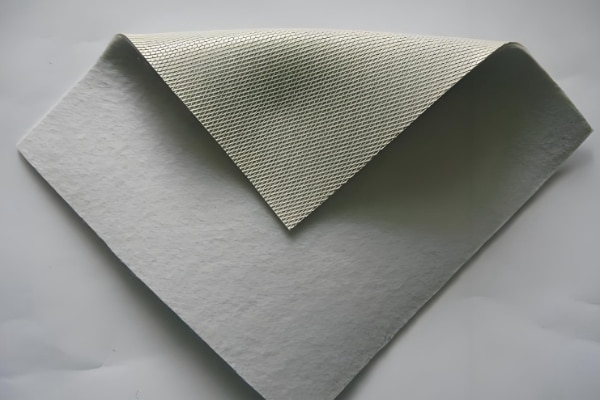
- Characteristics: Composed of interlaced filaments,resulting in a dense structure similar to burlap.
- Advantages: Extremely high tensile strength and modulus,low deformation,and strong load-bearing capacity.
- Disadvantages: Relatively poor vertical water permeability.
- Typical Applications: Scenarios requiring very high strength,such as steep slope reinforcement,soft ground improvement,road construction,and drainage behind retaining walls.
- Characteristics: Made from randomly arranged fibers bonded together by needle-punching or heat,giving it a felt-like appearance.
- Advantages: Excellent in-plane drainage and filtration performance,effectively channeling water flow.
- Disadvantages: Long-term tensile strength retention is generally lower than woven geotextiles.
- Typical Applications: Scenarios focusing on drainage and protection,such as subgrade drainage layers,underlayment for gravel,lawn and landscaped areas,and protecting gentle slopes.
Quick Selection Guide Table:
| Project Scenario | Recommended Type | Key Reason |
|---|---|---|
| Riverbank Protection, Steep Slopes | Woven Geotextile | High strength needed to resist water flow and soil slippage |
| Road Base Stabilization | Woven Geotextile | Withstands vehicular loads and prevents aggregate penetration |
| Lawns, Landscaped Areas | Non-Woven Geotextile | Superior permeability promotes plant growth while retaining soil |
| Drainage Ditches, French Drains | Non-Woven Geotextile | Superior filtration prevents clogging of drainage systems |
If you are purchasing Geotextile for Erosion Control, you can contact us!
Geotextile Erosion Control:From Selection to Installation
1.Key Specification Interpretation
When procuring erosion control geotextiles,pay attention to these technical indicators:
- Weight: Mass per unit area(g/m²).A basic indicator,but not directly equivalent to strength.
- Tensile Strength: The force per unit width(kN/m)the fabric can withstand—key for reinforcement.
- CBR Puncture Strength: Resistance to localized penetrating forces(e.g.,from sharp rocks).
- Permeability Coefficient: Reflects the material’s water permeability.
2.Step-by-Step Installation Guide
Correct installation is crucial for final performance.
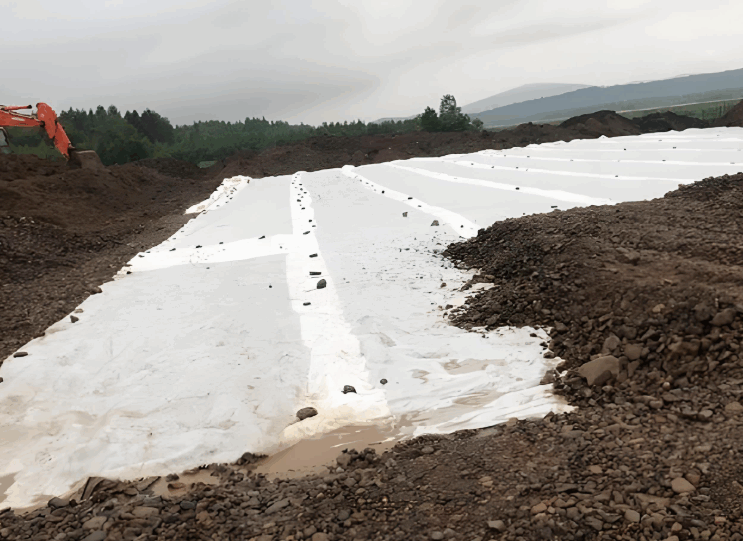
- Site Preparation: Clear the area of roots,sharp stones,and debris.Grade and compact the subgrade to create a smooth slope.
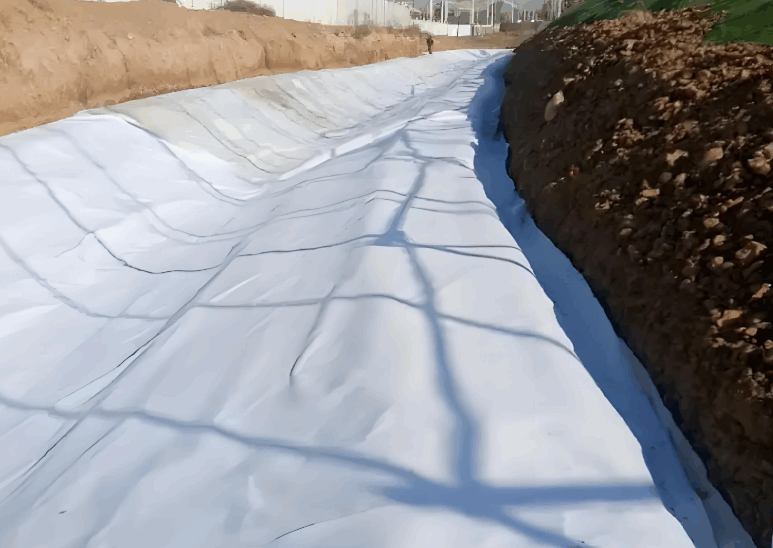
- Placement Direction: Unroll the geotextile roll down the slope.On flat areas,roll it perpendicular to the primary direction.
- Connection and Overlap: Ensure sufficient overlap width between rolls(typically 30-100cm,depending on project requirements).In critical areas,use U-shaped pins or stitching to prevent shifting.
- Anchoring: Secure the geotextile at the top,bottom,and overlaps using specialized U-shaped anchoring pins.
- Cover and Protection: Immediately cover the installed geotextile fabric with the specified material(e.g.,gravel,soil,or sod).Avoid prolonged exposure to ultraviolet(UV)rays to prevent material degradation.
Geotextile Erosion Control Price
The price of geotextile for erosion control varies by type,specification,and purchase quantity.Non-woven fabrics are generally less expensive,while high-strength woven geotextiles cost more.Key cost factors include raw material prices,weight,strength,and brand.For general landscaping projects,the price per square meter ranges from a few to over ten RMB;large projects benefit from lower unit prices due to bulk purchasing.
Geotextile Erosion Control FAQ
Q:What is the service life of geotextile?
A:When correctly installed,adequately covered,and protected from direct UV exposure,high-quality polypropylene geotextiles can have a design life of 25 years or more.
Q:What is the difference between geotextile and ordinary plastic sheeting?
A:The core difference is permeability.Plastic sheeting is waterproof,leading to surface runoff and water pooling;geotextiles are permeable,achieving both drainage and soil retention.
Q:What weight of geotextile should I use for my backyard slope?
A:For most residential garden slopes,a non-woven geotextile with a weight of 150-300 g/m²is usually sufficient.If the slope is very steep or has significant water flow,consult a professional or consider upgrading to a woven fabric.
Q:Can plant roots puncture geotextile?
A:Standard geotextiles do not possess root resistance.If root penetration prevention is needed(e.g.,for rooftop gardens),specialized root barrier membranes or composite geomembranes should be selected.
Conclusion
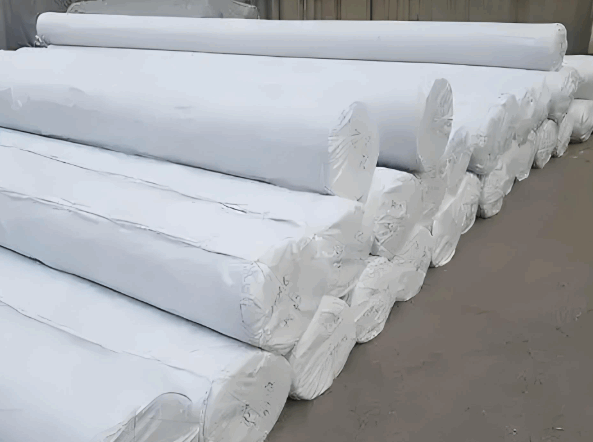
Geotextiles provide an efficient and economical solution for various erosion control challenges through their scientific principles of separation,filtration,and reinforcement.The key to success lies in selecting the correct type based on the project scenario and following standardized installation procedures.This erosion control solution ensures long-term stability and protection for your project.
If you are looking for a reliable geotextile for erosion control supplier,please feel free to contact us.
About Us:Lianjie
Lianjie is a one-stop supplier of geosynthetics with 15 years of professional experience and multiple national certifications.We provide the most professional geotextile for erosion control solutions!
Reference Sources
- GB/T 17638-2017 “Geosynthetics – Short-Filament Needle-Punched Nonwoven Geotextiles”: The core national standard for the production and testing of non-woven geotextiles, specifying technical indicators like weight per unit area and tensile strength.
- GB/T 17639-2008 “Geosynthetics – Filament Spunbond-Needle-Punched Nonwoven Geotextiles”: Standard for filament non-woven geotextiles.
- GB/T 17640-2008 “Geosynthetics – Woven Geotextiles”: Standard for woven geotextiles.
- JTG/T D32-2012 “Technical Specifications for Application of Geosynthetics in Highway Engineering”: An industry specification issued by the Ministry of Transport, detailing the design, selection, and construction methods for using geotextiles in separation, drainage, and reinforcement for highway projects. It holds significant practical guidance value.
- SL/T 235-2012 “Test Methods for Geosynthetics”: A water resources industry standard regulating the testing methods for various geotextile properties (e.g., permeability coefficient, puncture strength).