HDPE Geomembrane

HDPE Geomembrane Manufacturer: Shandong Lianjie – The leading Geomembrane manufacturer in China. It is located in the High-Tech Development Zone of Tai’an City. Lianjie is a one-stop supplier of geosynthetics with 15 years of professional experience and multiple national certifications. Our HDPE Geomembrane include 100 mil(2.5 mm), 120 mil(3 mm) HDPE geomembrane, and so on. We will customize the most professional one-stop HDPE Geomembrane solution for you according to your needs!

HDPE Geomembrane

What is HDPE Geomembrane

The price of HDPE geomembrane is not fixed and is subject to significant market fluctuations influenced by multiple factors. Currently, the mainstream quotation in the domestic market typically ranges from several yuan to over twenty yuan per square meter. Key determinants include raw material costs, product thickness, compliance standards and quality, as well as whether ancillary materials and installation (such as geotextiles and anchor trenches) are included. Therefore, a precise quotation necessitates a comprehensive assessment based on specific project requirements, such as thickness, standards, quantity, and engineering solutions.

Price of HDPE Geomembrane

The price of HDPE geomembrane is not fixed and is subject to significant market fluctuations influenced by multiple factors. Currently, the mainstream quotation in the domestic market typically ranges from several yuan to over twenty yuan per square meter. Key determinants include raw material costs, product thickness, compliance standards and quality, as well as whether ancillary materials and installation (such as geotextiles and anchor trenches) are included. Therefore, a precise quotation necessitates a comprehensive assessment based on specific project requirements, such as thickness, standards, quantity, and engineering solutions.

Price of HDPE Geomembrane

HDPE Geomembrane Specification Parameter Table

Parameter

Unit

Specification Range / Typical Value

Explanation

Thickness

mm

0.75, 1.0, 1.5, 2.0, 2.5, 3.0

Nominal thickness. This is fundamental to determining impermeability and mechanical properties. Landfills commonly use 1.5mm and above.

Width

m

5.0 - 9.0

A greater width reduces the number of field seams, enhancing impermeability reliability.

Roll Length

m

50 - 150

Customized based on project requirements and transportation constraints.

Mass per Unit Area

g/m²

Calculated based on thickness and density

e.g., A 1.5mm membrane with a density of 0.94 g/cm³ has a theoretical mass of ~1410 g/m².

Resin Type

-

High-Density Polyethylene (HDPE)

Must be made from virgin polyethylene resin; recycled materials are not permitted.

Carbon Black Content

%

2.0 - 3.0

Used for UV resistance. Insufficient content will significantly reduce service life.

Appearance

-

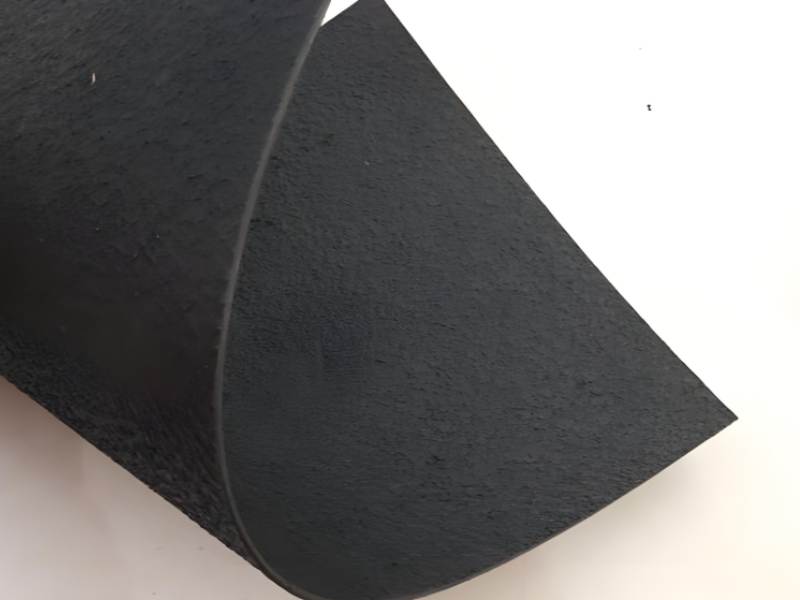
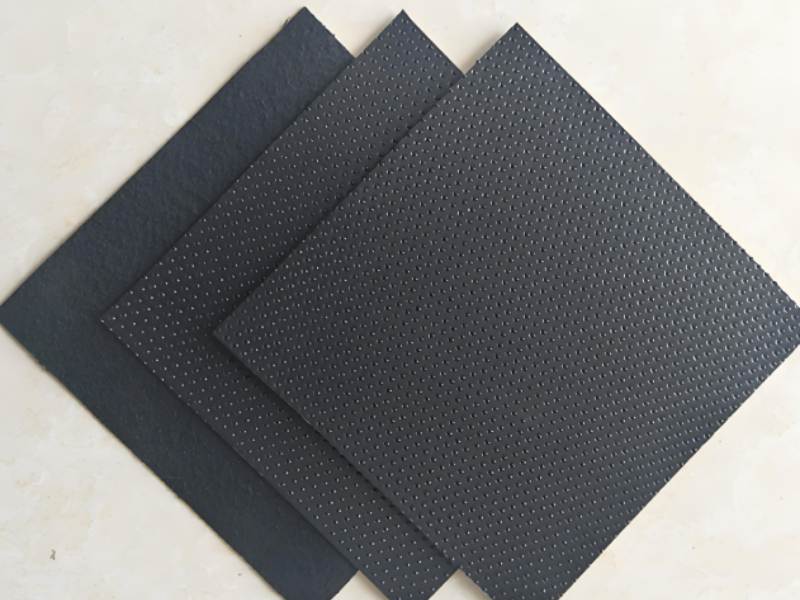
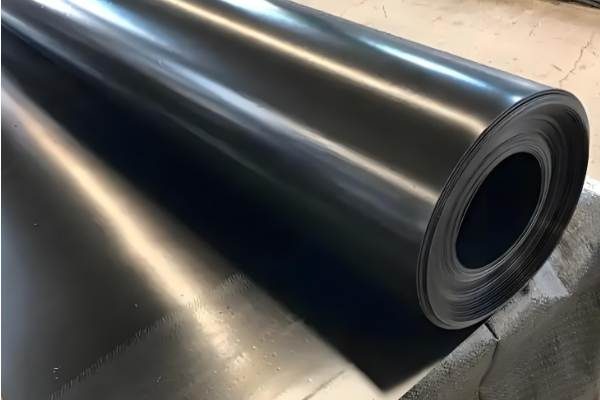
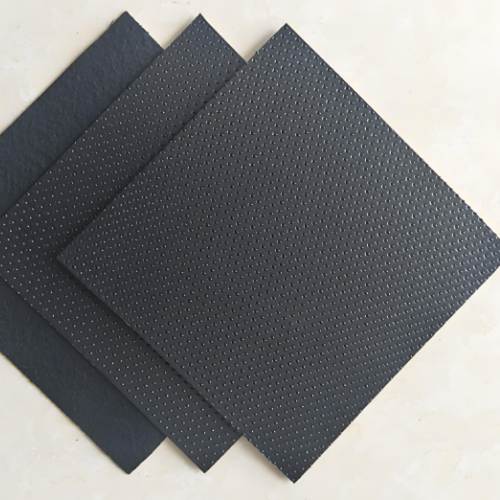
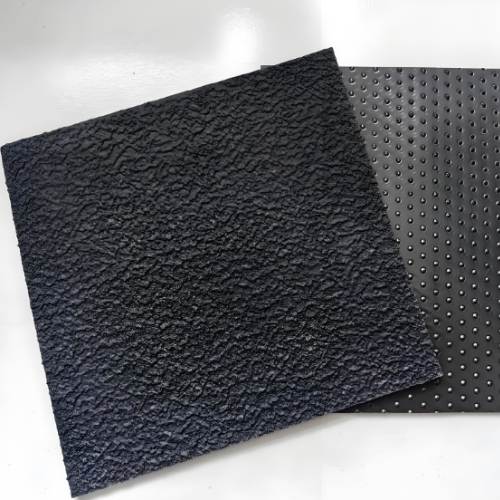
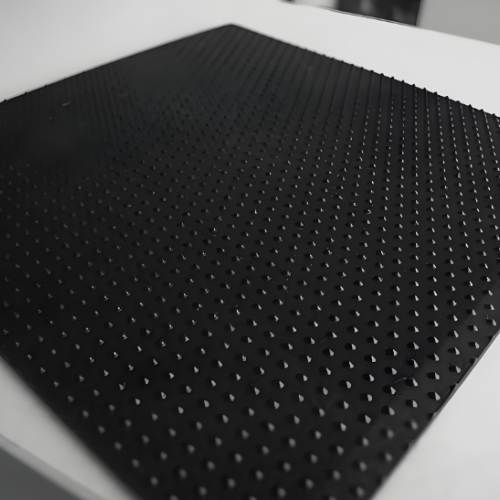
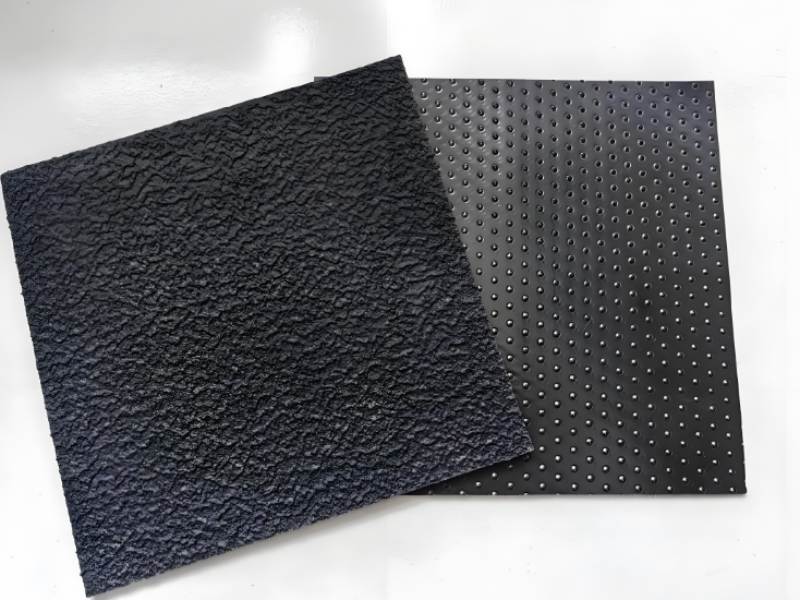
Black, Smooth, Free of Holes

The surface can be smooth or textured.

Tensile Yield Strength

N/mm

≥ 11 (MD/XD)

Key Indicator: Represents the material's tensile resistance at the yield point.

Tensile Break Strength

N/mm

≥ 15 (MD/XD)

Key Indicator: Represents the material's tensile resistance at the break point.

Yield Elongation

%

≥ 12 (MD/XD)

The material's deformation capacity at the yield point.

Break Elongation

%

≥ 700 (MD/XD)

Key Indicator: Reflects the material's ductility and toughness. A higher value indicates a greater ability to accommodate substrate deformation.

Tear Resistance

N

≥ 93 (MD/XD)

Indicates the material's resistance to the propagation of a rip or tear.

Puncture Resistance

N

≥ 240

Reflects the ability to resist penetration by sharp objects; especially critical for landfills.

Density

g/cm³

≥ 0.940

Core Indicator. Higher density generally correlates with better stiffness, chemical resistance, and durability.

Carbon Black Dispersion

Rating

≤ 2

Assesses the uniformity of carbon black distribution in the resin. A lower rating is better, directly impacting anti-aging performance.

Oxidative Induction Time (OIT) @ 85°C

min

≥ 100

Core Durability Indicator. Measures resistance to thermal oxidative degradation, directly related to the design service life.

Low-Temperature Brittleness @ -70°C

-

Pass

Evaluates the material's toughness at extremely low temperatures to ensure it does not become brittle and crack in cold climates.

Water Vapor Permeability

g·cm/(cm²·s·Pa)

< 1.0 × 10⁻¹³

Core Impermeability Indicator. The extremely low value demonstrates excellent fluid barrier properties.

Dimensional Stability

%

± 2.0

Reflects thermal expansion and contraction, which affects the control of installation tension.

UV Resistance

-

Standard OIT Retention ≥ 50%

Typically achieved by adding carbon black and anti-oxidants. Measured by the retention of properties after a specified period of UV exposure.

the Key Strengths of HDPE Geomembrane

hdpe geomembrane

Impermeability

Effectively blocks the migration of liquids and gases, forming a reliable environmental barrier.

hdpe geomembrane

Corrosion Resistance

Exhibits strong resistance to acids, alkalis, salts, oils, and most organic solvents.

hdpe geomembrane

Durability

By incorporating high-quality carbon black and other UV stabilizers, it effectively resists photo-oxidative degradation. 

hdpe geomembrane

Mechanical Properties

Possesses high tensile strength, tear resistance, and elongation at break.

hdpe geomembrane
Get your HDPE Geomembrane solution 

HDPE VS PVC Geomembrane

HDPE Geomembrane

High-Density Polyethylene

Advantages

  • Excellent chemical resistance
  • High tensile strength and tear resistance
  • Good UV resistance
  • Excellent performance at high and low temperatures
  • Long service life (over 50 years)

Disadvantages

  • Poor flexibility
  • High welding requirements and specialized equipment needed
  • Poor adaptability to foundation settlement
  • Relatively higher cost

Typical Applications

  • Landfill liners
  • Wastewater treatment ponds
  • Mining heap leach pads
  • Hazardous waste containment
  • Large reservoir and canal liners

PVC Geomembrane

Polyvinyl Chloride

Advantages

  • Excellent flexibility and adaptability to ground deformation
  • Easy welding and installation
  • Good puncture resistance
  • Relatively lower cost
  • Convenient construction

Disadvantages

  • Poor chemical resistance
  • Moderate UV resistance
  • Susceptible to microbial degradation
  • Poor temperature adaptability

Typical Applications

  • Artificial lakes and water features
  • Roof garden waterproofing
  • Tunnel waterproofing
  • Small pond liners
  • Temporary containment applications

Frequently Asked Questions

What are HDPE geomembranes commonly used for?

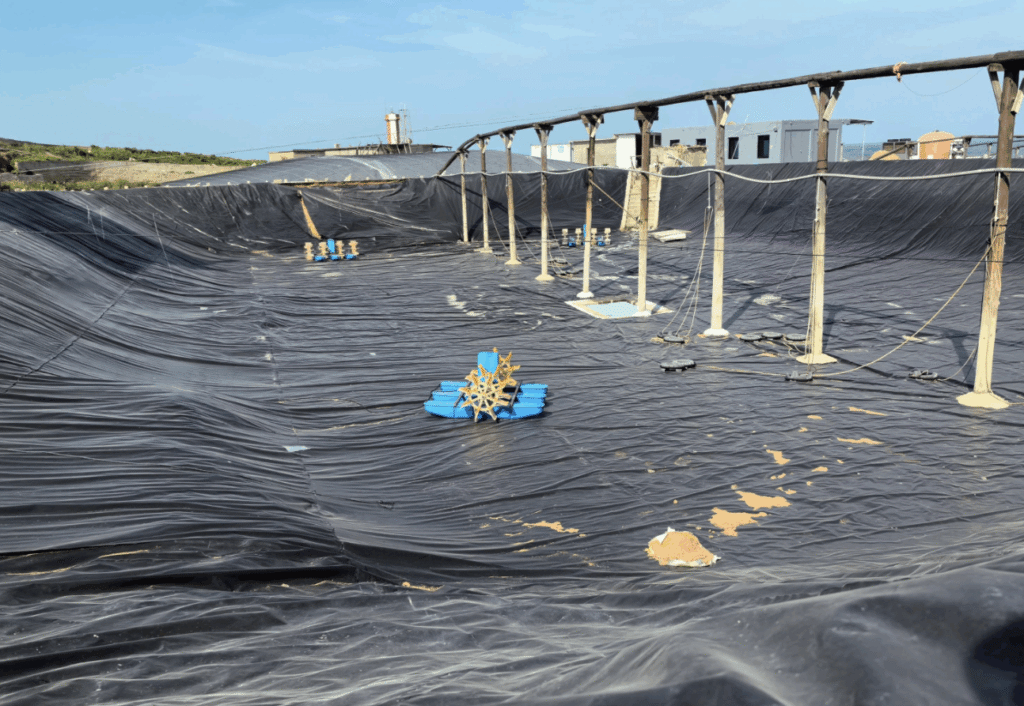
HDPE geomembranes, with their extremely low permeability coefficient, are primarily used as highly effective impermeable barrier materials.

They are most commonly employed in environmental engineering projects, such as landfills (for municipal solid waste and industrial hazardous waste) and wastewater treatment ponds, to prevent harmful leachate from contaminating soil and groundwater. Simultaneously, they are widely used in water conservancy projects, like impermeable linings for reservoirs, dams, and canals. In municipal and transportation engineering, they serve as waterproofing layers in tunnels and subways, and are used for seepage control in artificial lakes and landscape water bodies.

Their core function is to construct reliable artificial impermeable barriers in various engineering projects, ensuring environmental safety and the stability of structures.

Latest Blog Posts

Concrete Fabric
Concrete Fabric: Types, Applications, Installation & Purchasing Guide
28/02/2026

In infrastructure construction, slope protection, waterproofing, temporary works and other scenarios, Concrete

Filter Fabric Geotextile
Filter Fabric Geotextile: Price, Types, Applications
26/01/2026

As a core category of geosynthetic materials, Filter Fabric Geotextile is a

geotextile for soil stabilization
Geotextile for Soil Stabilization: Principles, Types and Application Scenarios
22/01/2026

In infrastructure projects such as roads, slopes, dams and soft soil foundations,

Waterproof Geotextiles
Geotextile Fabric for Waterproofing: Benefits, Types, Applications and Selection
17/01/2026

In civil engineering, water conservancy construction, environmental governance and other fields, waterproof

Geotextile Fabric for Septic Systems
14/01/2026

For households or commercial establishments with independent septic systems, clogging, poor drainage,

Does Geotextile Fabric Stop Weeds?
12/01/2026

In fields such as agricultural cultivation, landscaping, and road maintenance, weed infestation

concrete geotextile 
Concrete Geotextile: Types, Price, Applications, Selection & Installation
05/01/2026

In the field of civil engineering, Concrete Geotextile, as a key geosynthetic

pros and cons of landscape fabric under gravel
Pros and Cons of Landscape Fabric Under Gravel
04/01/2026

Gravel is widely used in landscape renovation scenarios such as patio paths,

Contact Us

Contact Form Demo