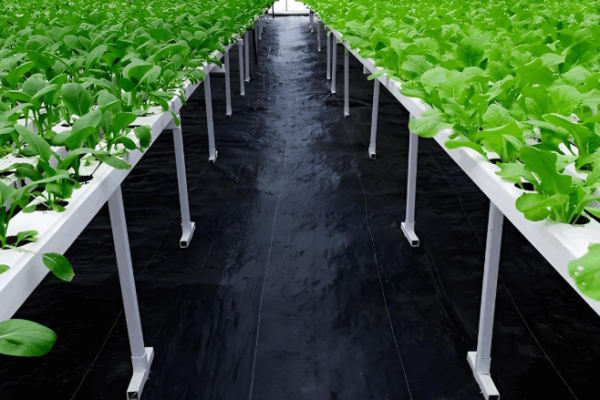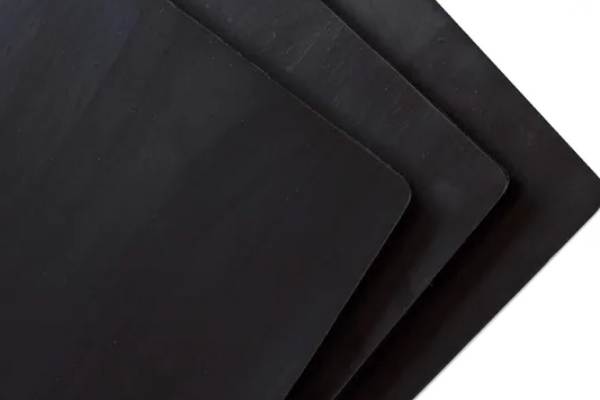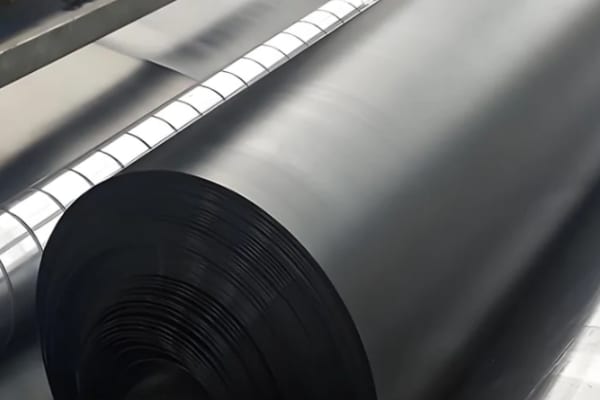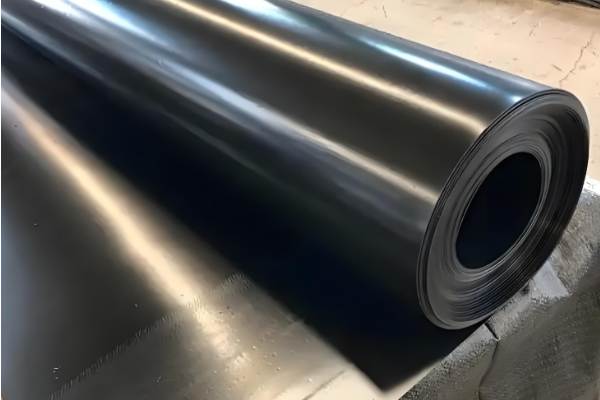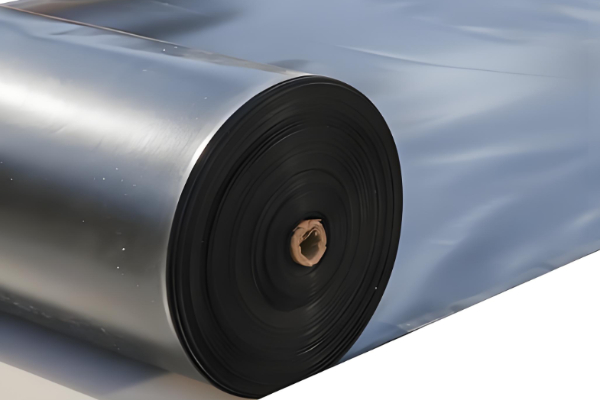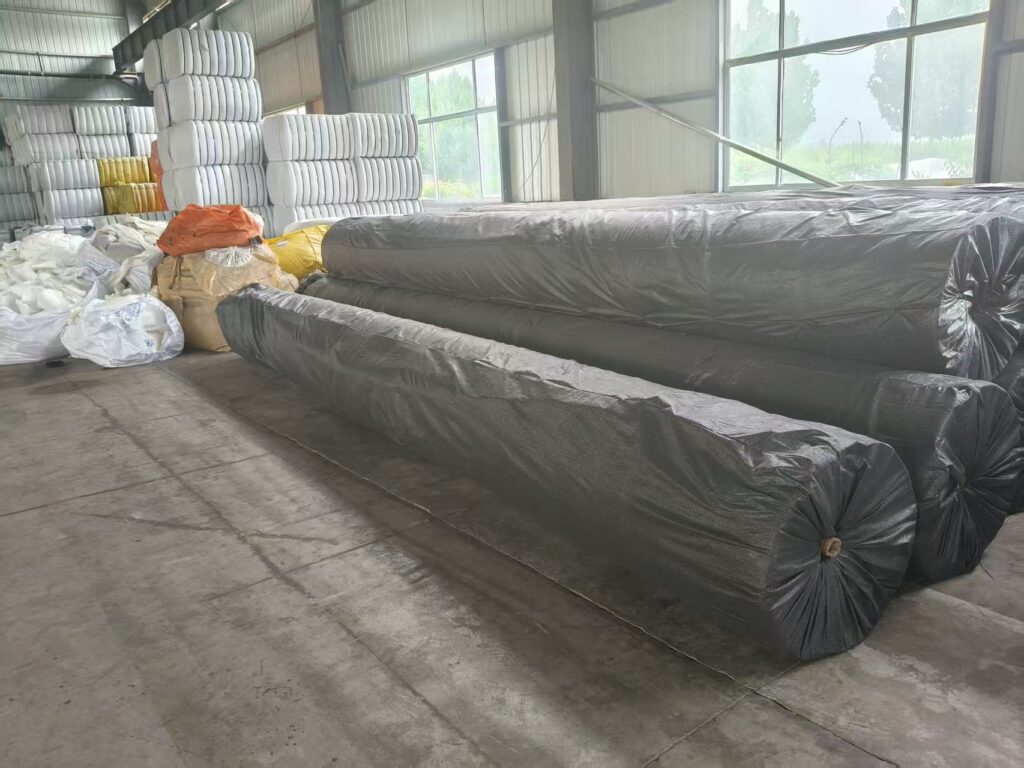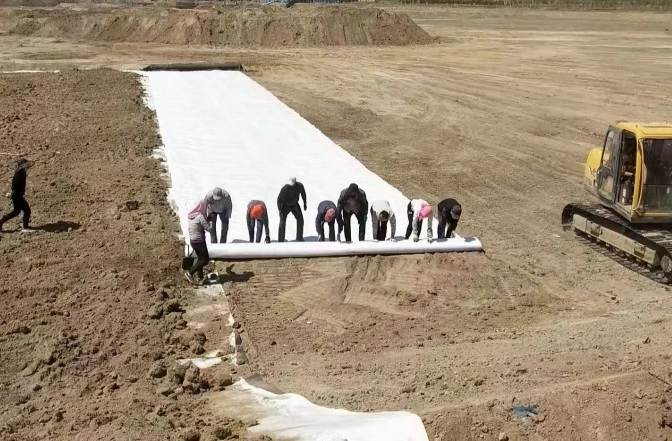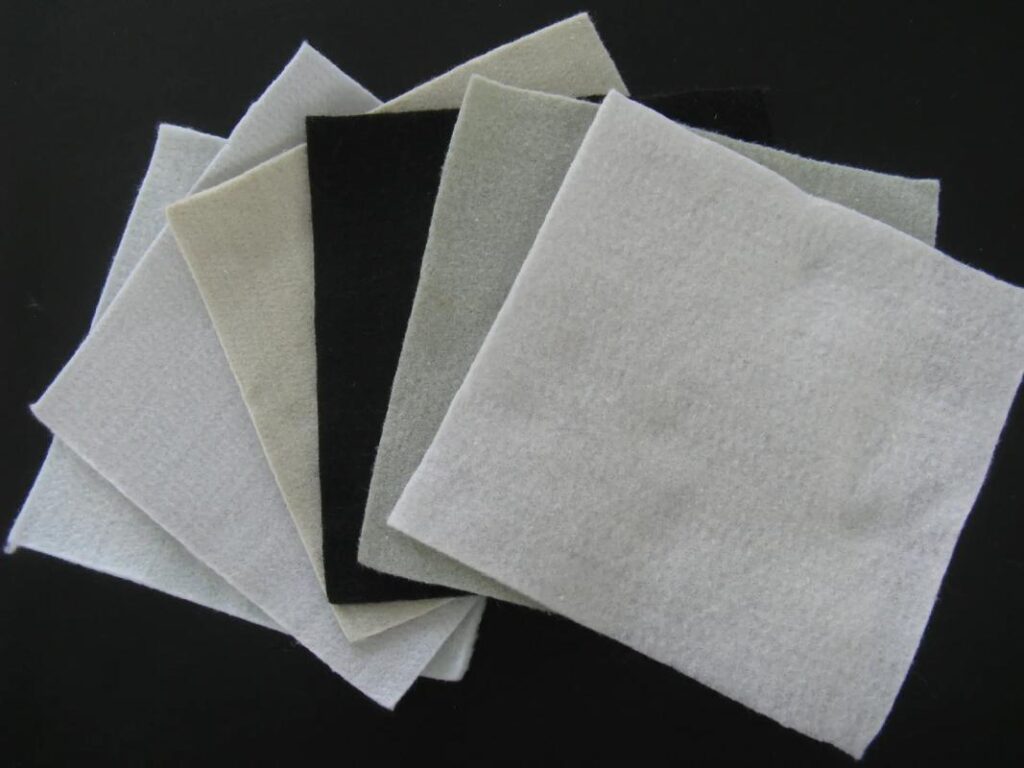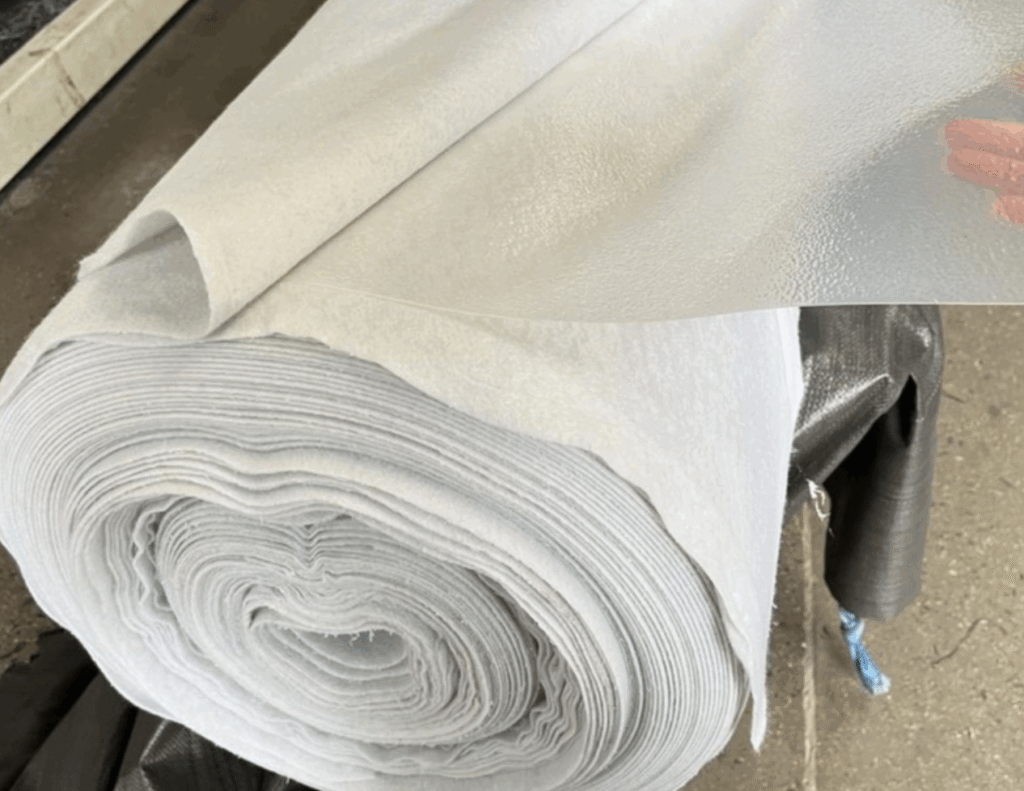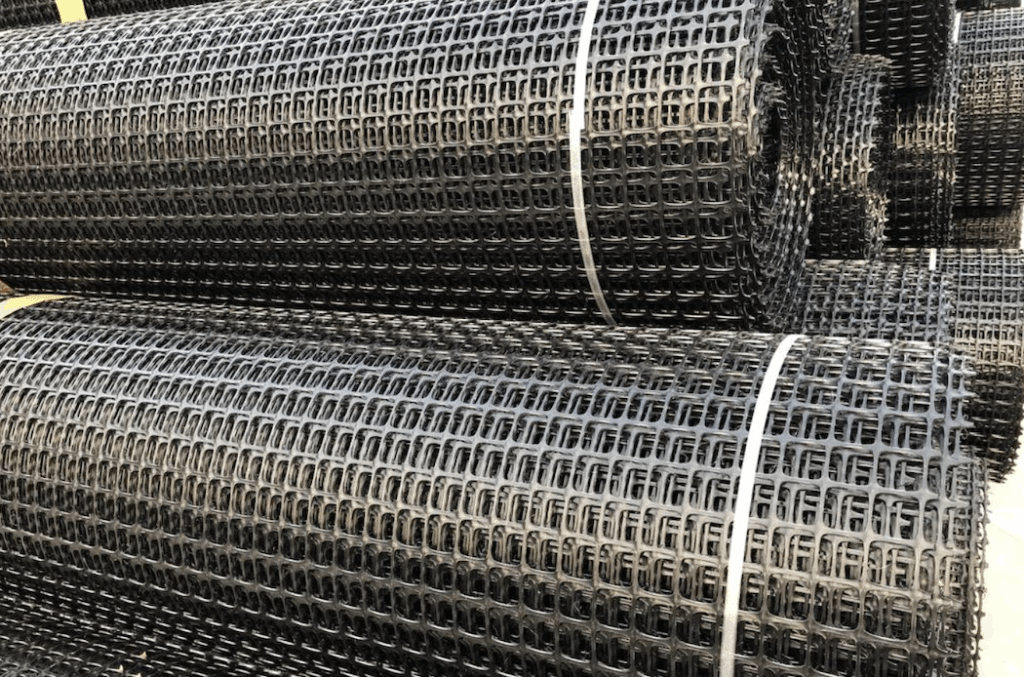
Have you ever laid down a weed barrier fabric with high hopes, only to find weeds stubbornly breaking through it months later? Or noticed that plants grow poorly after laying the fabric? The problem likely doesn’t lie with the weed barrier itself, but with choosing the wrong type. Weed barrier fabrics are not a “one-size-fits-all” product. The best choice for a vegetable garden may fail quickly under gravel. This article will take you through a deep dive into weed barrier fabrics and recommend the best weed barrier fabric for your specific project (vegetable garden, gravel path, flower bed, etc.), making your gardening work more efficient.
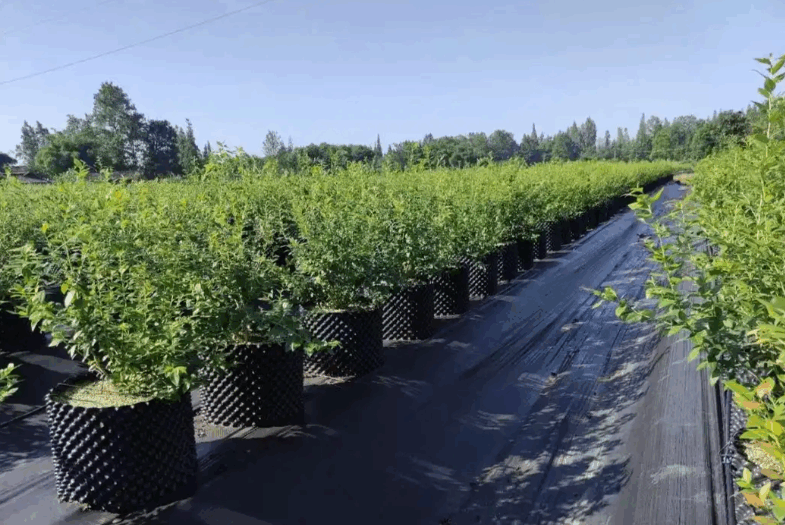
Types of Weed Barrier Fabrics
Before selecting a specific product, we need to understand the two main types and core evaluation indicators.
Woven Fabric
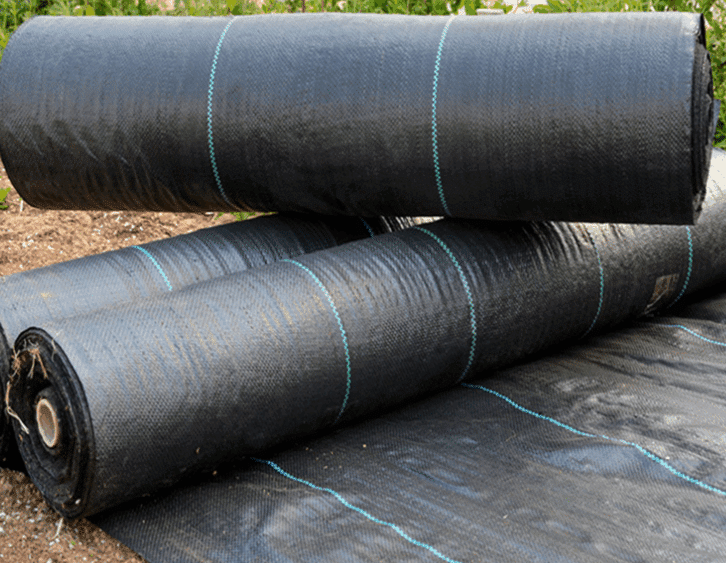
Made by weaving PP (polypropylene) flat filaments vertically and horizontally, similar to the material of rice bags.
- Advantages: Extremely durable with high tensile strength, and not easy to tear. Suitable for scenarios requiring high load-bearing capacity.
- Disadvantages: Relatively poor water permeability; may affect soil health after long-term use.
- Best Scenarios: High-intensity, non-planting areas such as driveways, parking lots, and under gravel or rocks.
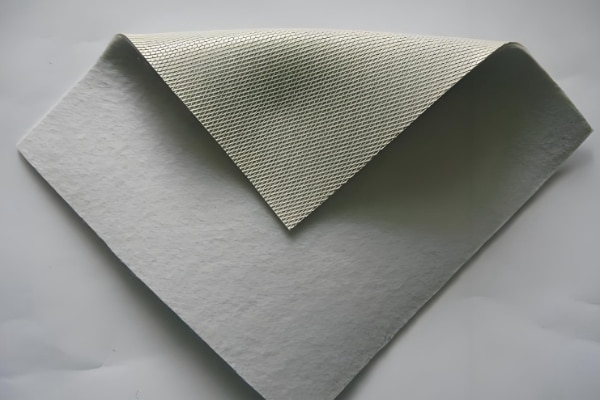
Non-Woven Fabric
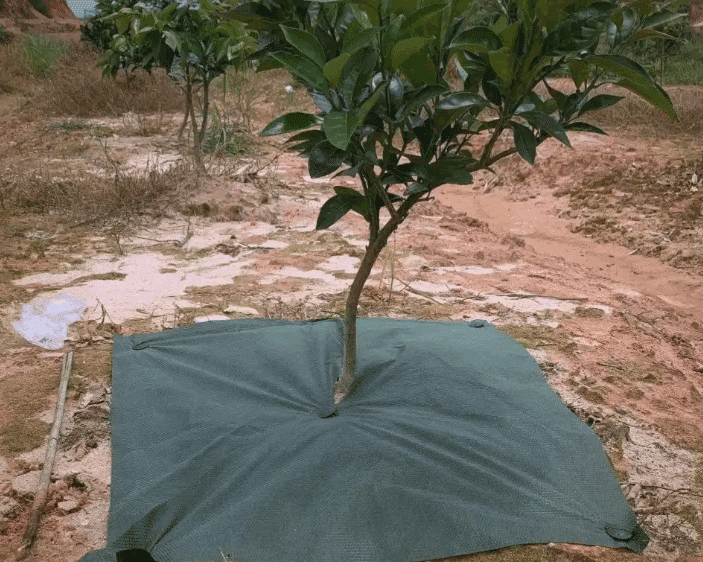
Made by randomly arranging PP fibers and bonding them via needle punching or heat, similar to canvas or felt.
- Advantages: Excellent water permeability and breathability, allowing free passage of water and air, which is friendly to plant roots. Easy to cut.
- Disadvantages: Durability and tensile strength are usually not as good as those of woven fabrics of the same grade.
- Best Scenarios: Areas that need to balance weed suppression and plant growth, such as flower beds, vegetable gardens, and under shrubs.
If you are purchasing a weed barrier fabric, you can contact us!
5 Key Indicators for Choosing Weed Barrier Fabrics
- Weight (oz/sq yd): The most intuitive indicator of durability. The higher the weight, the thicker the material usually is, and the less likely it is to be damaged. It is divided into light-weight (<3 oz), medium-weight (3-5 oz), and heavy-weight (>5 oz).
- Water Permeability Rate: Measures the amount of water that can pass through a unit area per unit time. This indicator is crucial for planting areas.
- UV Stability: Prevents rapid aging, embrittlement, and cracking under direct sunlight. Choosing products with UV protection treatment can extend their service life several times.
- Tensile Strength: Indicates its ability to resist stretching and tearing, which is key for applications under gravel and rocks.
- Eco-Friendliness: Is it recyclable? Or are there biodegradable alternatives (such as burlap, paper barriers) available for short-term projects?
Best Weed Barrier Fabric
Best Weed Barrier for Vegetable Gardens
- Core Needs: Ultimate water permeability and breathability to ensure vegetable health; eco-safety to avoid chemical infiltration into the soil; easy replacement to adapt to crop rotation needs.
- Recommended Type: High-quality non-woven fabric or biodegradable barrier.
- Product Recommendation: ECOgardener Professional Non-Woven Fabric. This product is known for its excellent water permeability and balanced durability, with a moderate weight (usually 3-4 oz). It can effectively suppress weeds while ensuring vegetables get sufficient water and oxygen. For gardeners pursuing fully organic growing, biodegradable burlap weed barriers are an excellent choice—they decompose naturally after 1-2 growing seasons, no cleanup required.
- Purchasing Tip: Avoid using overly heavy fabrics or woven fabrics, as they will hinder the development of vegetable roots. Prioritize non-woven fabrics with eco-certifications.
Best Weed Barrier for Gardens (Shrubs, Green Belts)
- Core Needs: Perfect balance of strength and water permeability; long durability (5-10 years); ability to suppress perennial stubborn weeds.
- Recommended Type: Heavy-weight non-woven fabric or medium-weight woven fabric.
- Product Recommendation: DeWitt Ultra 5 Non-Woven Fabric. This is a professional-grade product with a weight of 5 oz. While providing the excellent water permeability of non-woven fabrics, its durability and UV resistance far exceed those of ordinary non-woven fabrics, making it very suitable for long-term use under shrubs and perennial plants.
- Purchasing Tip: Choose products with a weight between 4-6 oz. Before laying, thoroughly remove perennial weeds (such as couch grass), otherwise they may accumulate strength to break through the fabric.
Best Weed Barrier Under Gravel
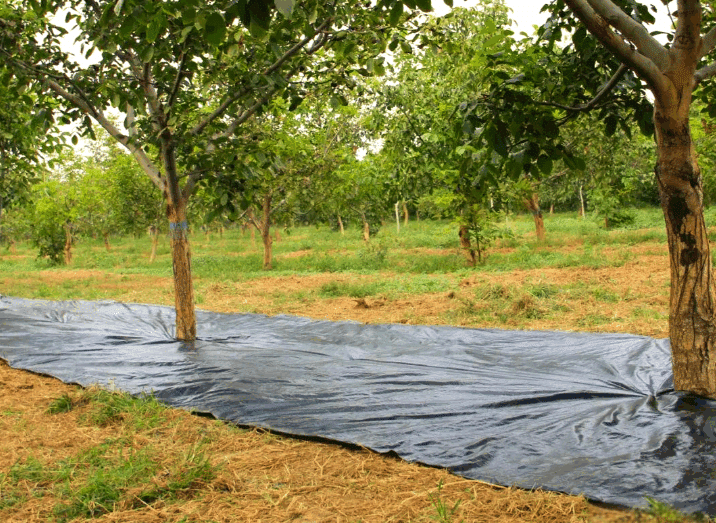
- Core Needs: Top-tier tensile strength and puncture resistance to withstand the weight and friction of gravel; ultimate durability.
- Recommended Type: Heavy-weight woven fabric is the only choice.
- Product Recommendation: AMAGABELIY Heavy-Weight Woven Fabric. This product is highly praised for its impressive weight (over 6 oz) and tensile strength. It can effectively prevent sharp gravel from embedding or crushing the fabric, ensuring that your gravel path or parking lot remains free of weeds for years.
- Purchasing Tip: Be sure to choose professional-grade woven fabrics with a weight of over 5 oz. Household light-weight woven fabrics will break quickly under gravel.
Best Weed Barrier for Flower Beds
- Core Needs: Easy to cut and shape to fit complex borders; good water permeability to ensure flower growth; effective prevention of edge weeds from invading.
- Recommended Type: Light to medium-weight non-woven fabric.
- Product Recommendation: Landscape PRO Easy-Cut Non-Woven Fabric. The flexibility and easy-cutting property of this product are its biggest highlights—you can easily cut along the curves of flower beds with a utility knife, greatly saving installation time.
- Purchasing Tip: Flexibility and ease of use are the top priorities. When laying, ensure the fabric edges are pressed firmly with soil or mulch to prevent curling and weed invasion.
Best Weed Barrier Under Rocks/Landscape Stones
- Core Needs: Ultimate strength and tear resistance to withstand the heavy weight and sharp edges of rocks; providing absolutely reliable weed protection.
- Recommended Type: Top-tier commercial-grade woven fabric.
- Product Recommendation: DeWitt Commercial-Grade Woven Fabric. This is the gold standard in the industry, with a weight of over 10 oz. Its strength can be regarded as a permanent solution. Under heavy landscape stones, it can provide unparalleled protection, ensuring weeds have no living space.
- Purchasing Tip: This is the scenario that requires the highest budget investment. Please directly choose the heaviest and thickest commercial-grade woven fabric you can afford.
Recommended Reading: What is the Best Landscape Fabric?The 3 Best Landscape Fabrics
In-Depth Reviews of Best Weed Barrier Fabric
Based on the core characteristics and market feedback of products, we conduct in-depth reviews of the best weed barrier fabrics to help you find the one that best matches your needs.
Best Overall: AMAGABELIY Garden Woven Fabric
- Total Rating: ★★★★☆
- Advantages: It achieves an excellent balance between strength, water permeability, and price. It is not as expensive or hard to cut as heavy-weight woven fabrics, yet more durable than ordinary non-woven fabrics. It can handle most home garden projects and is a safe “no-brainer” choice for ordinary users.
- Disadvantages: In extremely harsh environments (such as rolling by heavy vehicles), its performance still cannot match that of top-tier commercial products; if the fabric edges are not installed properly, slight wear may occur.
- Best for: Ordinary home users who pursue balanced performance and want one fabric to solve most garden problems.
Most Durable: DeWitt Heavy-Weight Woven Fabric
- Total Rating: ★★★★★
- Advantages: It has extremely high tensile strength and puncture resistance, designed to withstand extreme pressure. Whether it is bearing the rolling of cars on driveways or long-term use in parking lots, it remains stable and provides nearly permanent weed protection.
- Disadvantages: Outstanding performance comes with a higher price; due to its hard material, cutting and laying are more laborious than non-woven fabrics.
- Best for: Users who need an ultimate solution for driveways, parking lots, or other high-intensity areas and have sufficient budgets.
Best Water Permeability: ECOgardener Professional Non-Woven Fabric
- Total Rating: ★★★★☆
- Advantages: It has excellent water permeability and breathability, ensuring unobstructed access of water and air to the soil while effectively suppressing weeds. For any area where living plants grow, it can achieve a perfect balance between weed suppression and soil protection.
- Disadvantages: In comparisons purely focusing on physical strength, its long-term durability is slightly inferior to that of top-tier woven fabrics.
- Best for: Vegetable gardeners, flower bed enthusiasts, and any gardener who prioritizes plant health.
Best Value for Money: ScotteLandscape Basic Non-Woven Fabric
- Total Rating: ★★★★☆
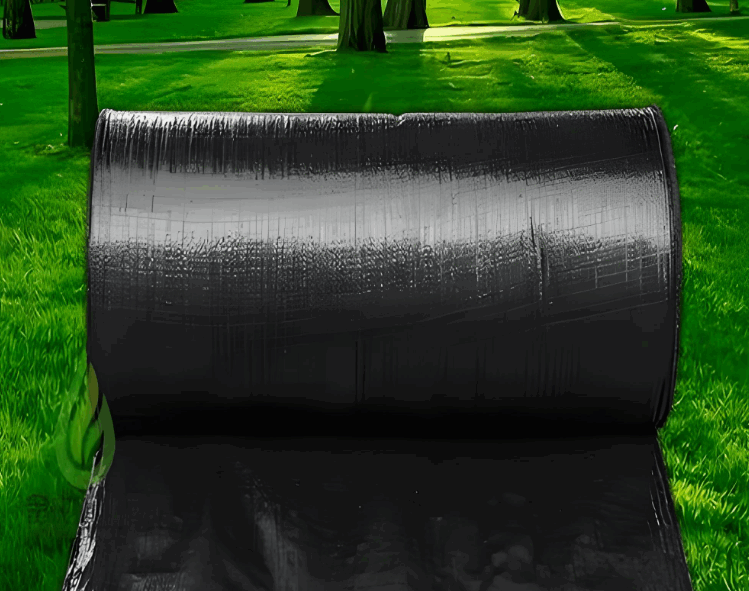
- Advantages: It provides reliable basic weed control functions at a highly competitive price. If you have a short-term project or a limited budget but don’t want to give up the convenience brought by weed barrier fabrics, this is your ideal choice. It fulfills the core mission of weed barrier fabrics without requiring you to pay extra for brand or performance premiums.
- Disadvantages: Compromises are made in terms of UV stability and material thickness, so its service life may not be as long as that of high-end products.
- Best for: Budget-conscious users, short-term garden projects, or courtyard maintenance of rental properties.
Most Eco-Friendly: Gardenize Natural Burlap Weed Barrier
- Total Rating: ★★★☆☆
- Advantages: This is a weed barrier fabric that “disappears” naturally. Made of natural burlap fibers, it completely biodegrades in the soil after completing its weed suppression mission for 1-2 growing seasons, turning into humus. It truly “comes from nature and returns to nature” with zero burden on the environment.
- Disadvantages: Requires regular replacement and cannot provide a one-and-for-all solution; its physical strength is low and cannot suppress particularly stubborn weeds.
- Best for: Strict organic growers, ecological farms, and any environmentally conscious person who wants to practice sustainable gardening.
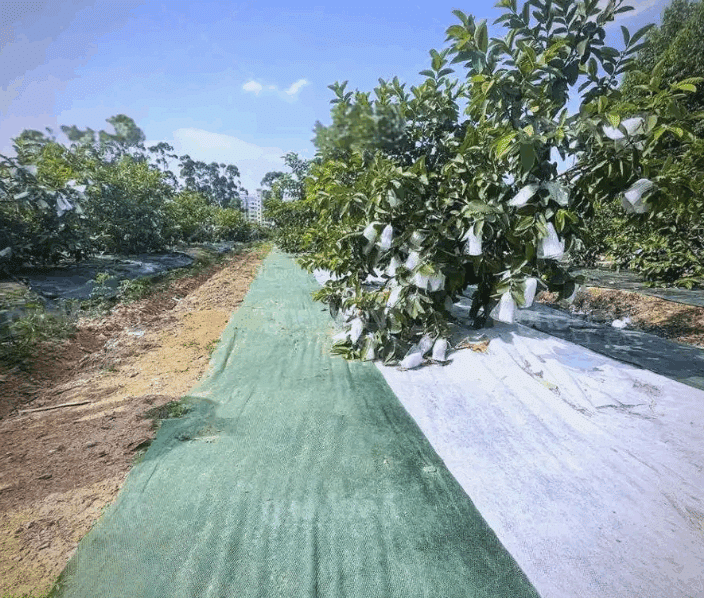
Weed Barrier Fabric Installation Guide
Proper installation is half the battle. Please follow the steps below and avoid common pitfalls.
4-Step Professional Installation Process
- Thorough Preparation: Remove all existing weeds, stones, and rhizomes. Level the ground.
- Laying and Overlapping: Lay the weed barrier fabric flat, with adjacent edges overlapping by at least 15-20 cm. This is key to preventing weeds from growing through the seams.
- Secure Fixing: Use high-quality landscape staples (U-shaped staples) to fix the fabric every 1-1.5 meters, especially at the edges and overlapping areas.
- Surface Mulching: Lay a layer of mulch (such as wood chips, bark, gravel) at least 5-7 cm thick on the fabric. This protects the weed barrier fabric from UV damage and enhances weed suppression and aesthetic effects.
5 Common Mistakes and Solutions
Mistake: Laying the fabric directly without clearing weeds.
Correct Practice: Be sure to remove weeds completely (root and all), otherwise weeds will push through the fabric from below.
Mistake: Insufficient or no overlap of fabric edges.
Correct Practice: Ensure an effective overlap of 15-20 cm—this is the “lifeline” for weed prevention.
Mistake: Using impermeable woven fabric in planting areas.
Correct Practice: For vegetable gardens and flower beds, be sure to choose non-woven fabrics with good water permeability.
Mistake: Forgetting to use staples or using insufficient staples.
Correct Practice: Strong winds and daily activities can shift the fabric, so staples are essential for fixation.
Mistake: Laying too thin a layer of mulch.
Correct Practice: A sufficient layer of mulch not only protects the weed barrier fabric but also decomposes to form a second weed suppression layer.
Conclusion
Now, you should have a clear understanding of what the best weed barrier fabric is. Remember this core principle: the choice depends on the scenario.
- Vegetable garden: Choose breathable non-woven fabric or biodegradable burlap.
- Flower beds and green belts: Choose heavy-weight non-woven fabric with balanced durability.
- Gravel paths and rock landscapes: Choose indestructible heavy-weight woven fabric.
If you are looking for a reliable weed barrier fabric supplier, please feel free to contact us.
About Us: Lianjie
Lianjie is a one-stop supplier of geosynthetics with 15 years of professional experience and multiple national certifications. We provide the most professional weed barrier fabric solutions!
Reference Sources
- ASTM D4491: Standard test method for water permeability of geotextiles.
- ASTM D4595: Standard test method for tensile properties of geotextiles by the wide-width strip method.
- GRI-GM13: Geosynthetic Research Institute standard for assessing UV resistance.