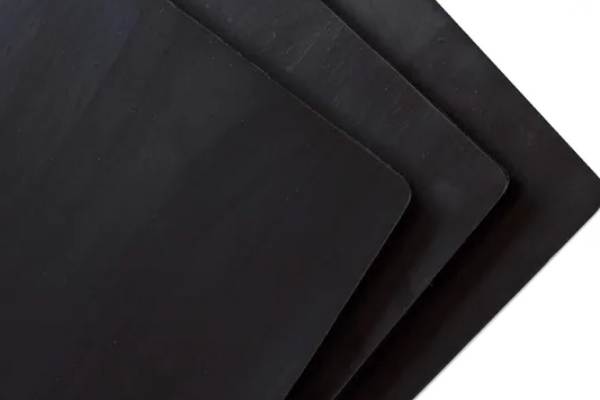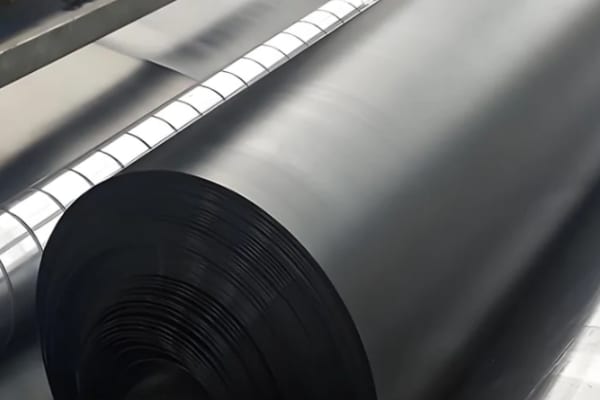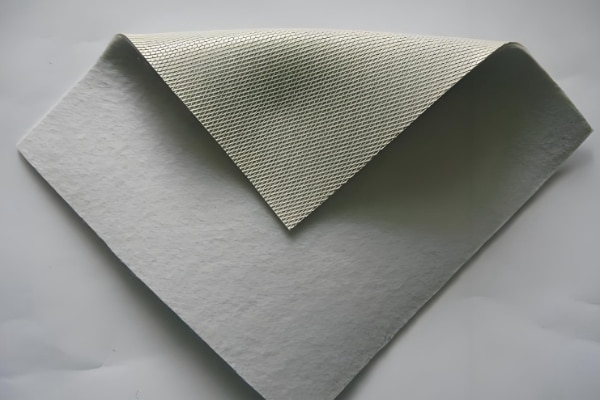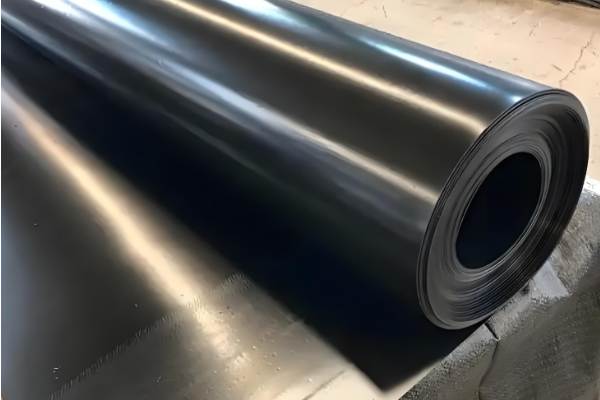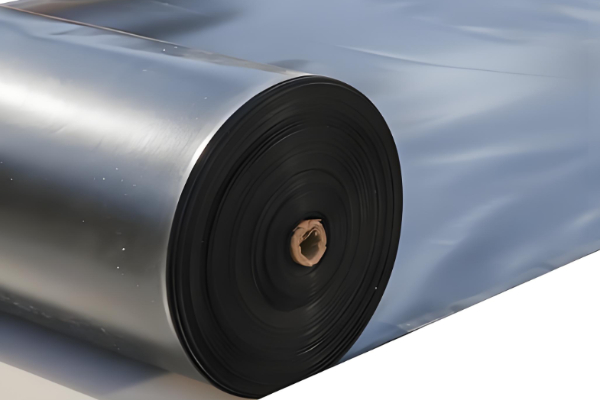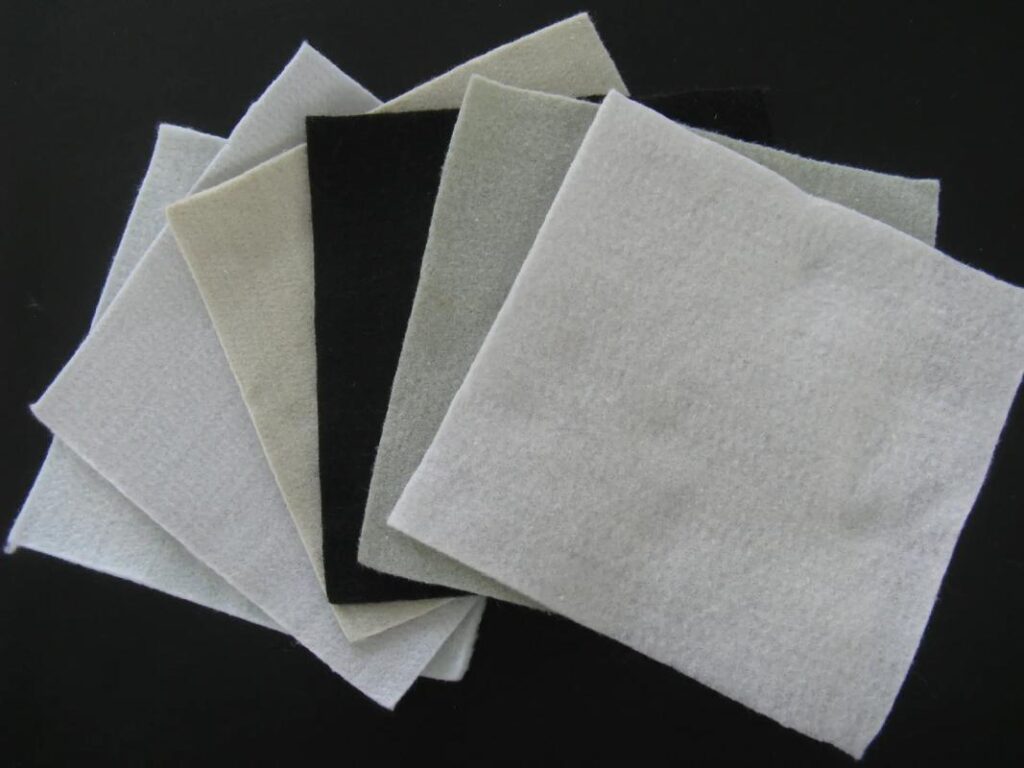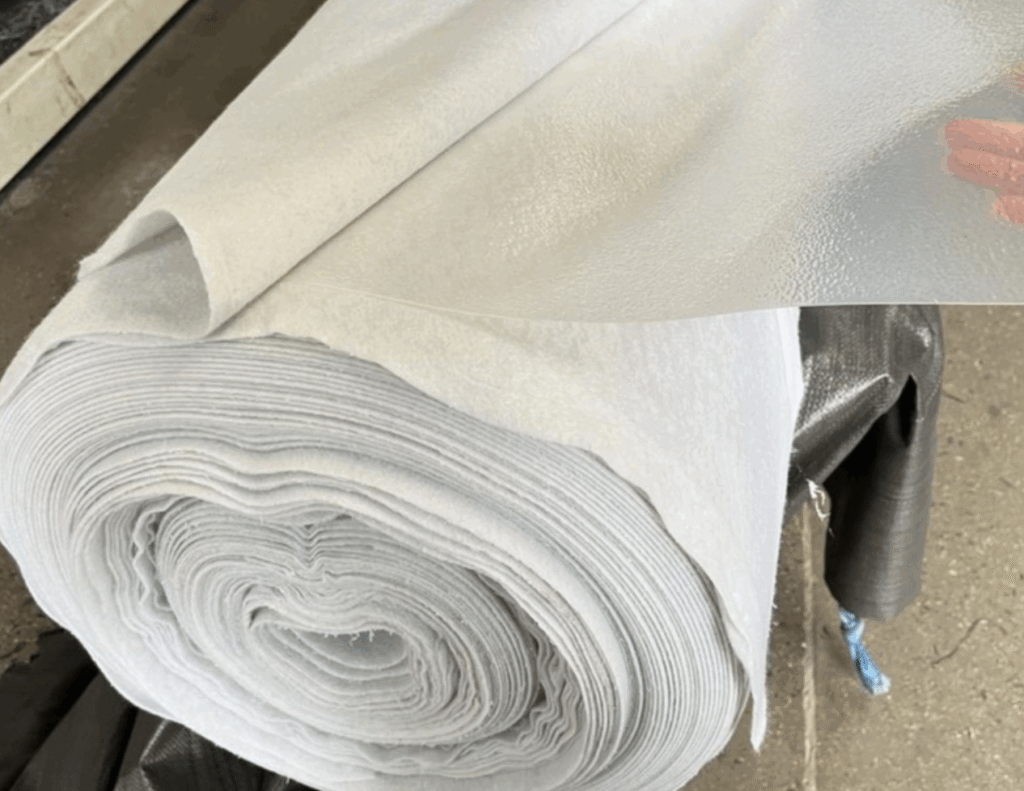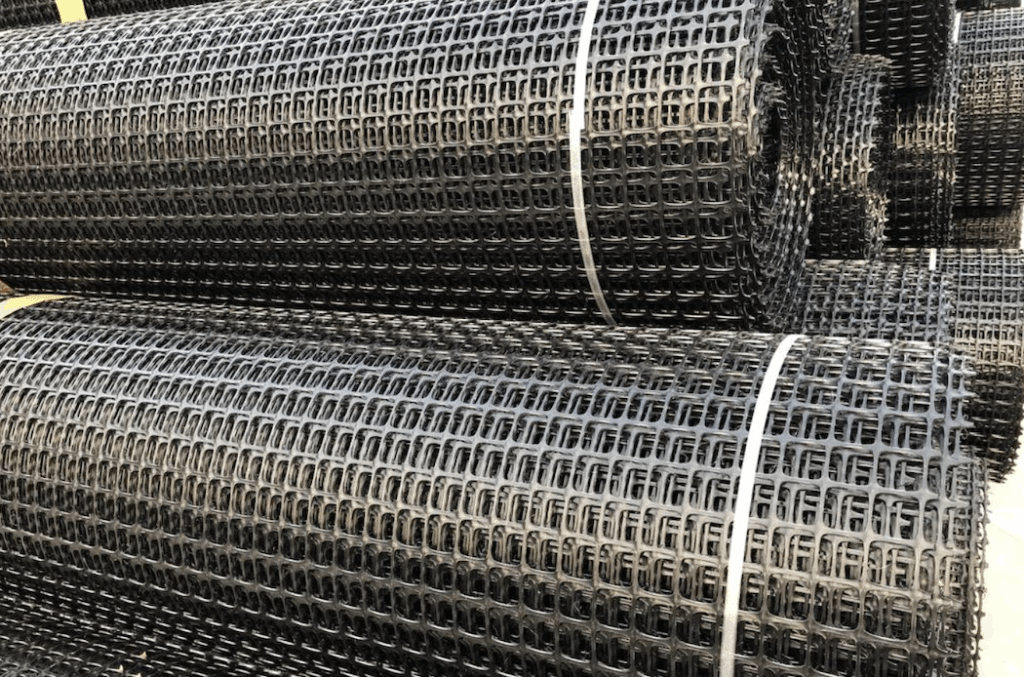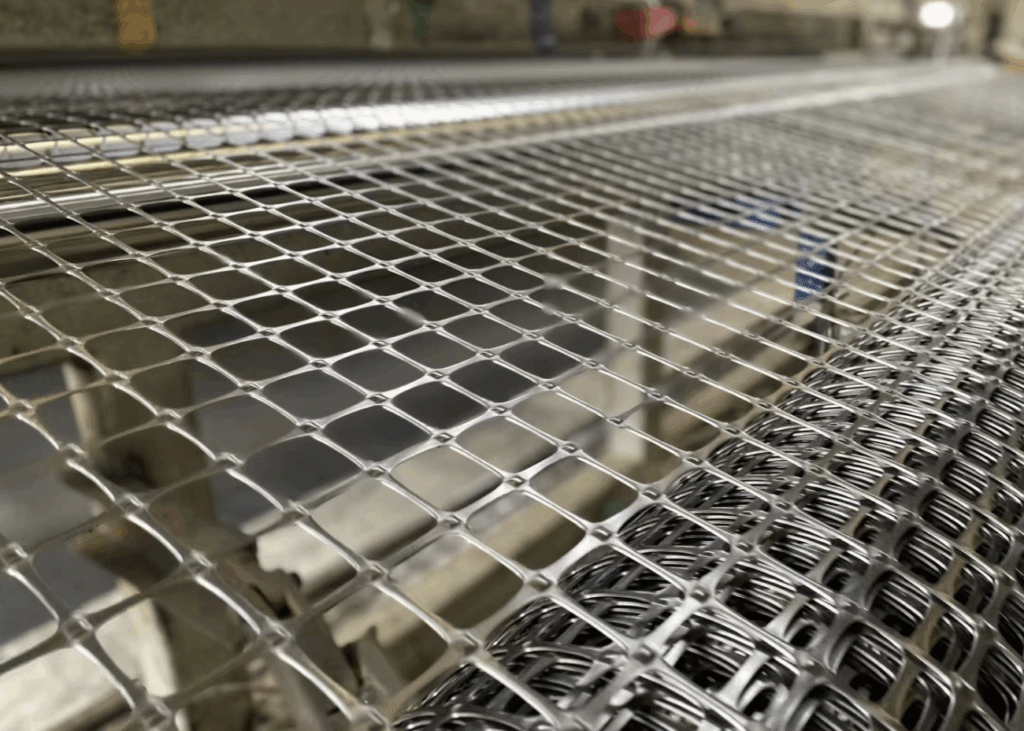
Geotextile thickness is a key physical parameter of geosynthetic materials, directly governing its four primary engineering functions: filtration, separation, reinforcement and protection. In projects including road subgrades, drainage systems, slope protection and landfills, improper thickness selection can lead to technical risks such as insufficient water permeability, inadequate puncture resistance and failed protective layers, while also causing unnecessary cost overruns. Drawing on internationally‑accepted test standards, this article covers standard geotextile thickness ranges, thickness differences between woven and non‑woven geotextiles, specification selection for various site conditions, and thickness testing methods.
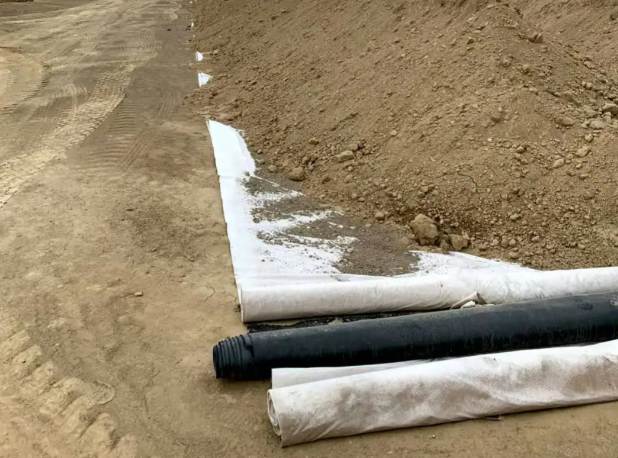
1. Standard Thickness Ranges for Geotextiles
The nominal thickness of geotextiles is measured under 2 kPa confining pressure in accordance with ASTM D5199. This laboratory nominal thickness differs from the actual in‑service thickness after burial and compression under overburden load. Based on mass per unit area (GSM, g/m²), geotextiles are categorized into lightweight, medium‑weight and heavy‑weight grades with corresponding thickness ranges below:
- Light‑weight geotextile: 0.5‑1.5 mm. Mainly used for landscaping, simple erosion control and shallow‑depth filtration, typically 100‑200 g/m².
- Medium‑weight geotextile: 1.5‑2.5 mm. Widely adopted for subgrade separation, conventional blind‑drain drainage and soil‑water conservation, typically 200‑350 g/m².
- Heavy‑weight geotextile: 3.0‑5.0 mm. Delivers high puncture resistance, applied for slope protection, geomembrane cushion layers and landfill projects, typically 400‑800 g/m².
Important note: Needle‑punched non‑woven geotextiles feature compressible porous fibre structures. Their thickness will decrease significantly under backfill overburden. Design work must not take nominal laboratory thickness as the effective thickness under loaded field conditions.
2. Thickness Differences Between Woven and Non‑Woven Geotextiles
The two mainstream product types are needle‑punched non‑woven geotextiles and woven geotextiles. Even at identical GSM values, notable thickness discrepancies exist, a frequent source of confusion during engineering selection.
| Item | Needle‑punched non‑woven geotextile | Woven geotextile |
|---|---|---|
| Typical thickness | 1.0‑5.0 mm | 0.5‑1.0 mm |
| Structural feature | Three‑dimensional porous fibre, soft and bulky | Tightly interlaced warp‑weft yarns, flat compact texture |
| Core advantages | Excellent water filtration performance, good cushioning protection | High tensile strength, strong creep resistance |
| Primary applications | Filtration, drainage, geomembrane protection, erosion control | Subgrade reinforcement, soft‑soil improvement, foundation separation and strengthening |
Non‑woven geotextiles are manufactured by needle‑punching stacked fibres, yielding greater thickness and abundant voids at the same areal weight. Woven geotextiles consist of densely interlocked yarns with a thinner profile and focus primarily on mechanical reinforcement. During procurement and design, do not compare thickness in isolation; evaluate product type comprehensively.
3. How Geotextile Thickness Influences Engineering Performance
Thicker does not always mean better. Thickness is closely correlated with water permeability, puncture resistance, durability and other critical properties. Understanding these correlations helps avoid common specification‑selection pitfalls.
3.1 Filtration and Water Permeability
Moderate thickness builds a 3‑D filtration channel to retain fine soil particles. Excessive thickness with overly dense fibres will reduce permittivity and raise clogging risks. Insufficient thickness leads to inadequate fibrous layers, allowing fine sediments to penetrate the fabric and triggering piping failure.
3.2 Puncture and Tensile Resistance
Greater thickness provides thicker fibrous layers and improves puncture resistance. For backfill containing crushed rock and sharp‑edged aggregates, adequate thickness prevents geotextile piercing by angular particles. It should be noted that tensile performance is not purely thickness‑dependent: woven geotextiles deliver much higher tensile strength than non‑woven alternatives of equal GSM despite lower thickness.
3.3 Durability and Erosion Resistance
For buried installations, appropriate thickness mitigates damage caused by soil friction and chemical attack. Ultra‑thin products tend to tear during deployment and compaction. Nevertheless, over‑specifying excessive thickness inflates project costs and results in over‑engineering.
4. Geotextile Thickness Selection for Different Engineering Scenarios
The following serves as general application guidance. Formal projects shall follow geotechnical engineer drawings and local governing specifications.
- Road and driveway subgrade: Medium to medium‑heavy non‑woven geotextile, 1.5‑3.0 mm, for separation between subgrade soil and aggregate layers. Woven geotextile may be selected for heavy‑duty pavements requiring reinforcement.
- Blind drains and infiltration systems: 1.0‑2.5 mm non‑woven geotextile to sustain water flow while performing soil retention and preventing filter‑media clogging.
- Slope protection and riverbank erosion control: 3.0‑4.7 mm heavy‑weight non‑woven geotextile to withstand hydraulic impact and rock debris loading and stabilise subsoil.
- Landfills and geomembrane protection layers: ≥ 2.5‑4.0 mm heavy‑weight geotextile acting as cushioning protection for geomembranes against puncture by crushed stone.
- Landscaping and temporary erosion control: 0.5‑1.5 mm lightweight geotextile for basic soil retention with cost optimisation.
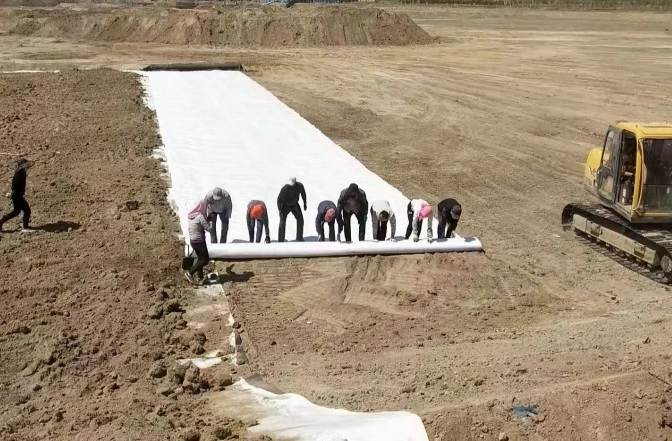
5. Geotextile Thickness Test Standards and Testing Procedures
The primary international test standard is ASTM D5199, while the corresponding Chinese national standard is GB/T 13761 for geotextile thickness measurement.
- Test conditions: Apply 2 kPa standard pressure with a 25 cm² presser foot; record thickness reading after 30 seconds stabilisation.
- Sample requirements: Randomly take multiple specimens from the roll; adopt the arithmetic mean of replicate samples as the final nominal thickness.
- Common field‑testing pitfalls: Hand‑held squeeze measurements without calibrated confining pressure produce non‑comparable readings. Compressed on‑site thickness under overburden shall never replace laboratory nominal thickness.
6. Frequently Asked Questions
Q1: Is there a universal standard thickness for geotextiles?
There is no single fixed standard thickness. Thickness varies by product type and GSM. All nominal thickness values must specify the referenced test standard and applied confining pressure.
Q2: Does greater geotextile thickness guarantee better project performance?
No. Excessive thickness may impair permeability and increase expenditure; insufficient thickness raises damage risks. Selection shall balance permeability, mechanical properties and project cost according to field conditions.
Q3: Are two geotextile rolls non‑compliant if they differ in thickness at identical GSM?
Not necessarily. Reasonable deviations stem from needle‑punch processes and fibre feedstock. Conformance assessment requires comprehensive review of tensile strength, puncture resistance and permittivity rather than thickness alone.
Q4: Can thin geotextile be directly used for slope‑protection works?
Not recommended. Slopes are subject to hydraulic erosion and rock‑fragment impact. Thin geotextile has insufficient puncture resistance and will likely fail prematurely. Heavy‑weight grades should be adopted instead.
Conclusion
Geotextile thickness is a key parameter in procurement, design, and on-site acceptance. Selection should not be based solely on millimeter values; it is necessary to distinguish between non-woven and woven types and to comprehensively evaluate based on weight, mechanical properties, and permeability.
References
- ASTM D5199 Standard Test Method for Measuring Nominal Thickness of Geotextiles
- ASTM D5261 Standard Test Method for Measuring Mass per Unit Area of Geotextiles
- ASTM D4491 Standard Test Methods for Water Permeability of Geotextiles by Permittivity