What is the best landscape fabric for river rock? In courtyard renovations, rock garden creations, or dry riverbed landscape designs, river rock has become a popular choice due to its natural texture and durability. However, most people easily overlook a crucial step — selecting the right landscape fabric. High-quality river rock-specific landscape fabric effectively prevents weeds, stops river rocks from sinking, and protects soil structure. Choosing the wrong product, though, can lead to overgrown weeds, damaged fabric, and soil waterlogging. Combining professional industry knowledge, this article comprehensively addresses the core needs of “how to choose, which one to pick, and how to install river rock landscape fabric” — covering selection criteria, top product recommendations, practical installation steps, and pitfalls to avoid.
If you are finding the landscape fabric for river rock,please contact lianjie!
I. Selection Criteria of Landscape Fabric for River Rock
Landscape fabric is not a one-size-fits-all product. The unique characteristics of river rock scenarios (rock weight, water permeability requirements, weed control intensity) demand targeted selection, focusing on three core dimensions: “material, performance, and scenario adaptation.”
1. Preferred Materials: Pros and Cons of 3 Main Types
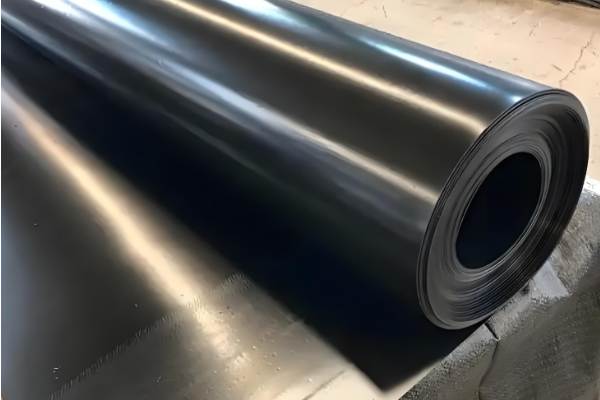
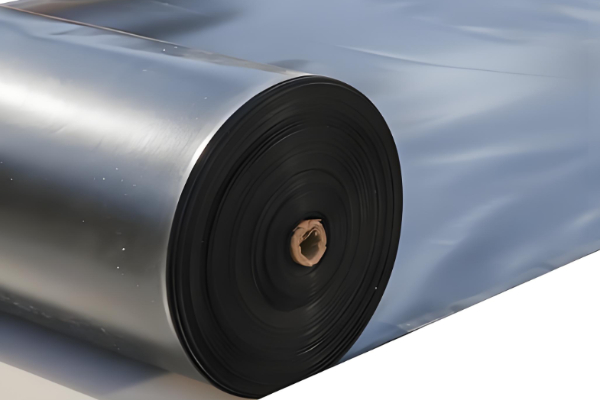
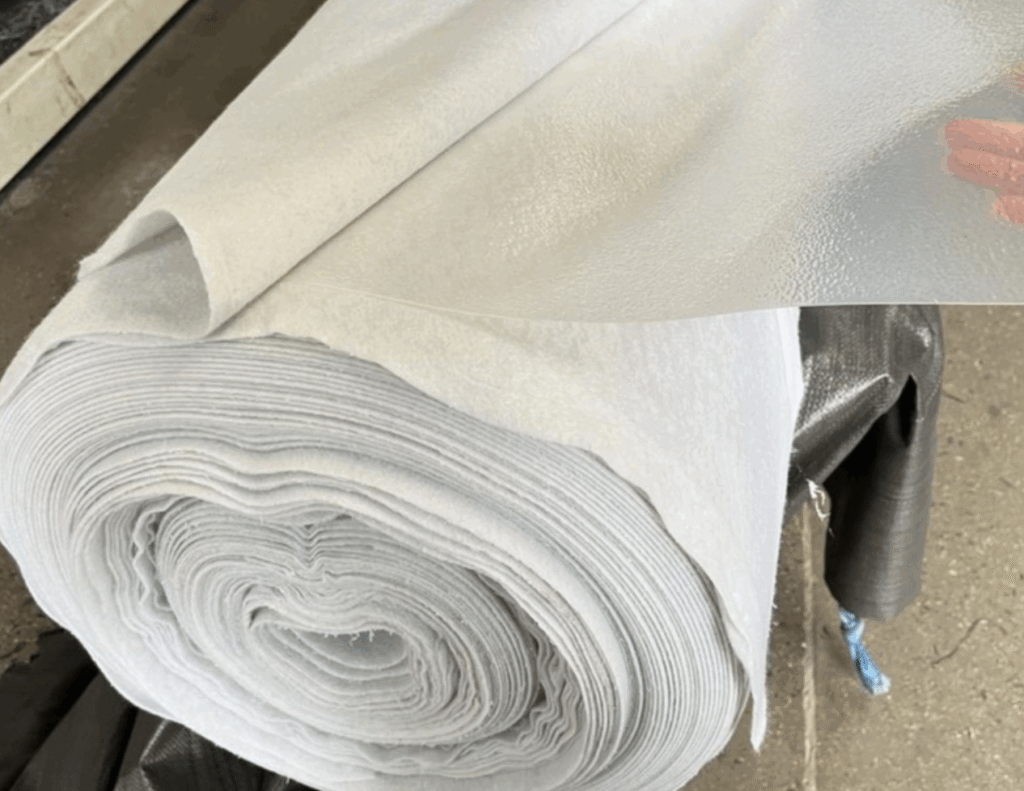
- Woven geotextile: The industry’s top choice, made by interweaving polypropylene fibers. It boasts high tensile strength and excellent puncture resistance, capable of withstanding the compression and wear of river rocks. With superior water permeability, it is suitable for long-term outdoor use, typically offering a 10-20 year warranty.
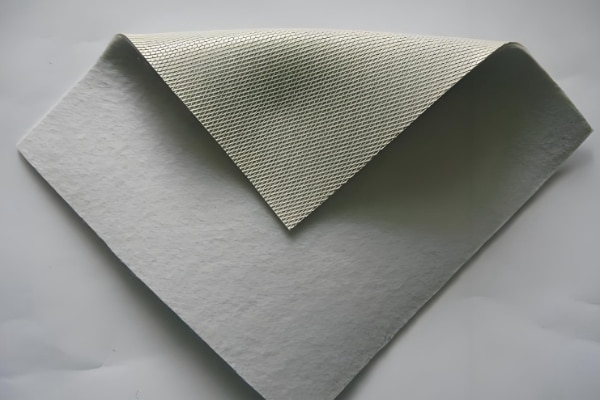
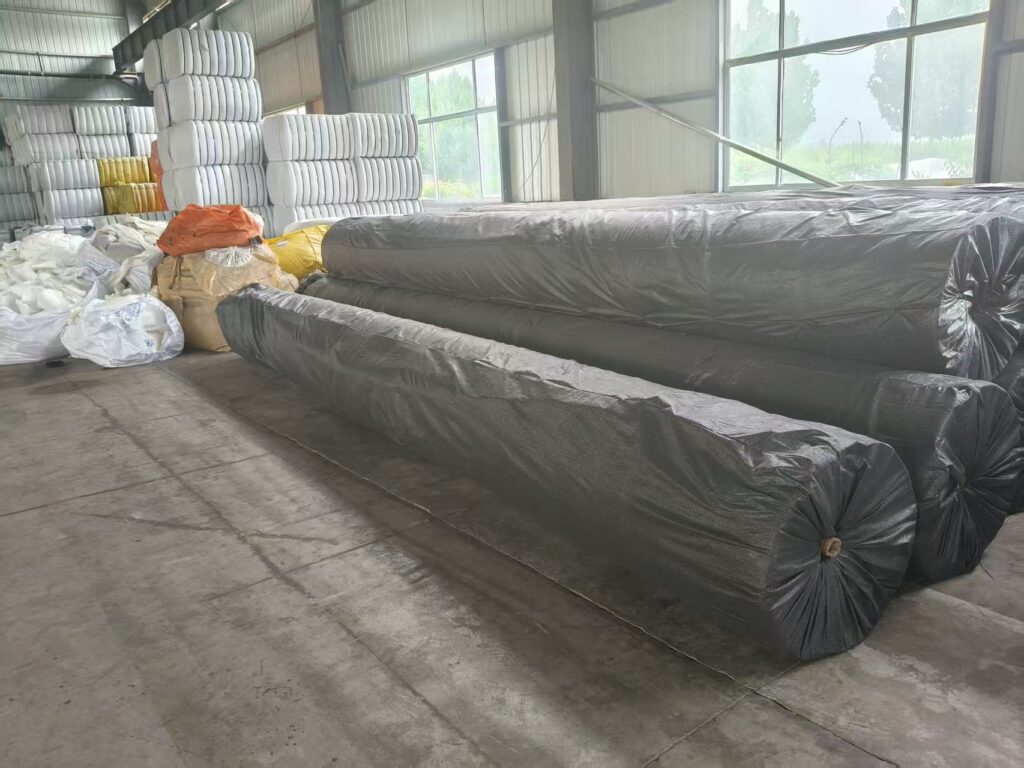
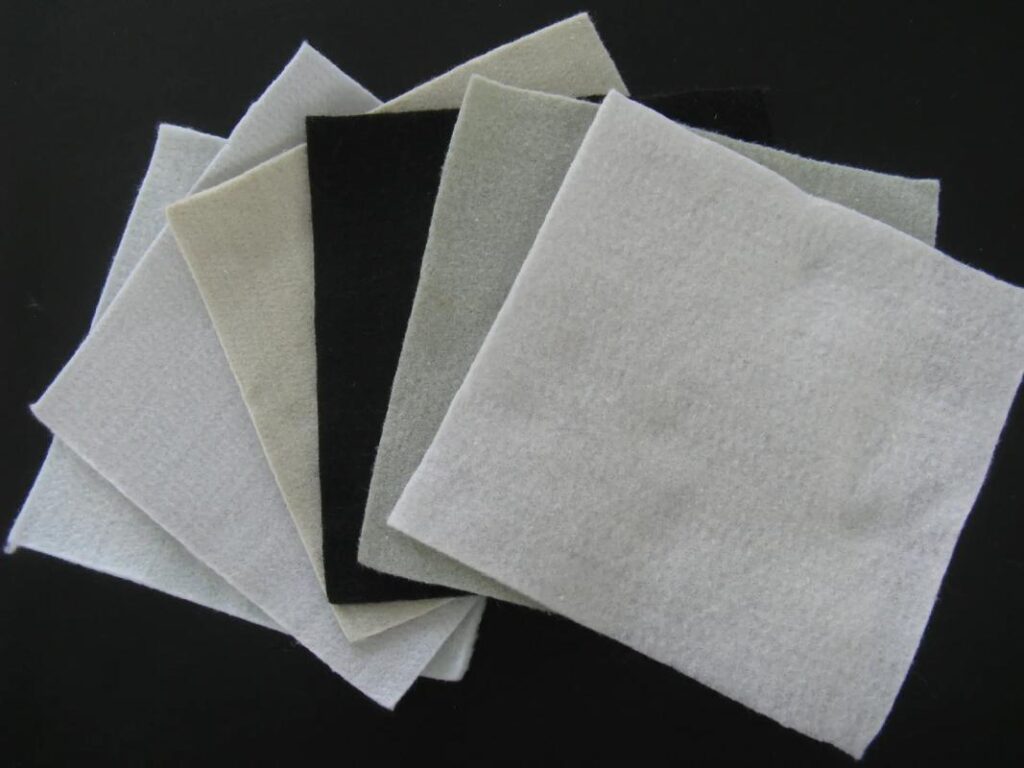
- Non-woven geotextile: Produced via a needle-punching process, it is soft, easy to lay, and breathable. Ideal for light-load scenarios like gravel paths and flower bed edges, but its tear resistance is slightly inferior to woven fabrics. It is recommended to choose products with a thickness of ≥3oz.
- Spun fabric: Combines the strength of woven fabrics and the softness of non-woven fabrics. It features outstanding UV protection and resistance to aging, making it suitable for scenarios requiring high stability and durability (e.g., steep slopes, dry riverbeds). It is the best choice for overall cost-effectiveness.
2. Performance Parameters: 4 Mandatory Indicators
- Thickness: The minimum standard for river rock scenarios is ≥3oz (ounces per square yard). For larger rocks (diameter >5cm) or steep slopes, 4-5oz is recommended to prevent puncture and damage.
- Water permeability: The permeability rate must be ≥10L/s·m² to ensure rainwater and nutrients penetrate the soil smoothly, avoiding root rot or soil compaction caused by waterlogging.
- UV protection: Must undergo anti-ultraviolet treatment, with an outdoor service life of ≥5 years (professional-grade products can last over 10 years) to prevent embrittlement and cracking from long-term sun exposure.
- Tensile strength: Both horizontal and vertical tensile strength must be ≥200N/5cm to withstand pulling during river rock laying and later maintenance, maintaining structural integrity.
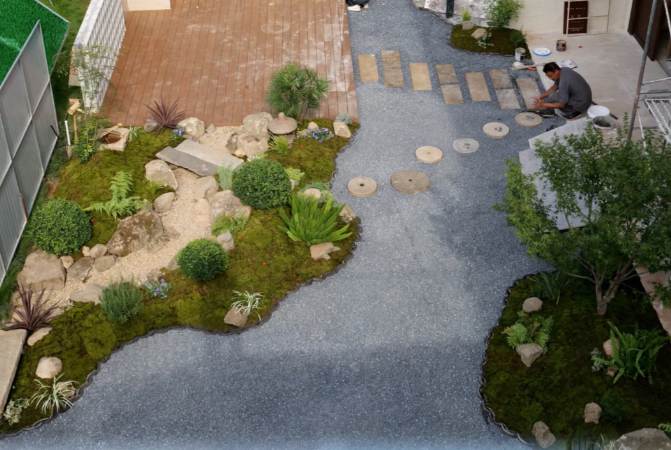
3. Scenario Adaptation: Targeted Choices for Different River Rock Landscapes
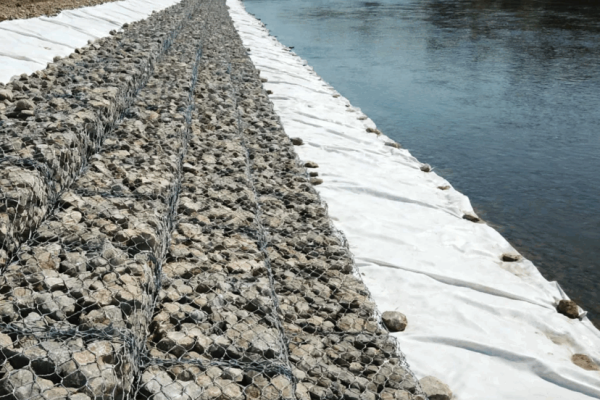
- Dry riverbeds/large rock areas: Choose woven polypropylene fabric + 4oz thickness + high water permeability to balance erosion resistance and stability, preventing river rocks from shifting due to water scouring.
- Gravel paths/courtyard walkways: Opt for non-woven geotextile or spun fabric. Their softness and ease of cutting pair well with 1-2cm fine river rocks, offering better walking comfort and easy later adjustments.
- Rock gardens/flower bed edges: Select fabric with grid lines for precise planting alignment. Prioritize spun fabric for its balance of weed control and breathability for plant roots.
If you are finding the landscape fabric for river rock,please contact lianjie!
II.The 3 Best Landscape Fabric for River Rock in 2026
Based on durability, user reviews, and professional evaluations, here are the most highly recommended products:
1. Professional Choice: DeWitt 5oz/6oz Woven Landscape Fabric
- Core advantages: An industry benchmark, favored by professional landscapers. Its ultra-high weight and density deliver unparalleled durability and weed control.
- Specifications: 5 or 6 ounces per square yard, significantly thicker than standard products.
- Ideal scenarios: Driveway edges, sidewalks, high-traffic areas, and any river rock project requiring top-tier protection.
- Pros & Cons: Pros – Extremely durable, long-lasting weed control; Cons – Higher price point.
2. Cost-Effectiveness Champion: Landmaster Premium Woven Weed Barrier
- Core advantages: Strikes the perfect balance between durability and price, making it an excellent choice for DIY users.
- Specifications: Typically 3-4oz, providing sufficient strength for most residential courtyard scenarios.
- Ideal scenarios: Regular courtyard flower beds, paths, and decorative river rock areas.
- Pros & Cons: Pros – High cost-effectiveness, easy to purchase and lay; Cons – Less durable than DeWitt under extreme heavy loads.
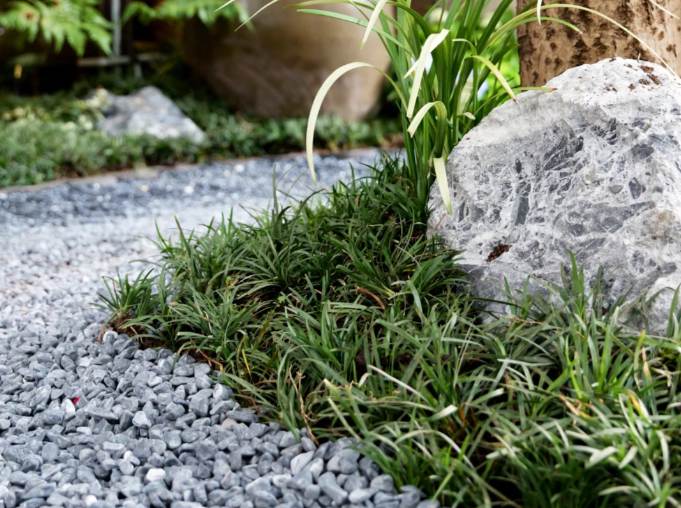
3. E-Commerce Bestseller: AMAGABELIYA Heavy-Duty Woven Garden Fabric
- Core advantages: Easily accessible on platforms like Amazon, with positive user reviews and clear specification labeling.
- Specifications: Multiple thickness options (e.g., 4oz, 5oz) – heavier variants are recommended.
- Ideal scenarios: Medium-load courtyard landscaping projects.
- Pros & Cons: Pros – Convenient purchase, diverse options; Cons – Slightly lower brand recognition than the previous two, requiring careful seller verification.
III. Installation Steps for River Rock Landscape Fabric
Installation quality directly impacts service life. Follow the 5-step process of “cleaning – cutting – laying – securing – stone paving” to ensure long-term stability and effectiveness.
1. Preparatory Work: Lay a Solid Foundation
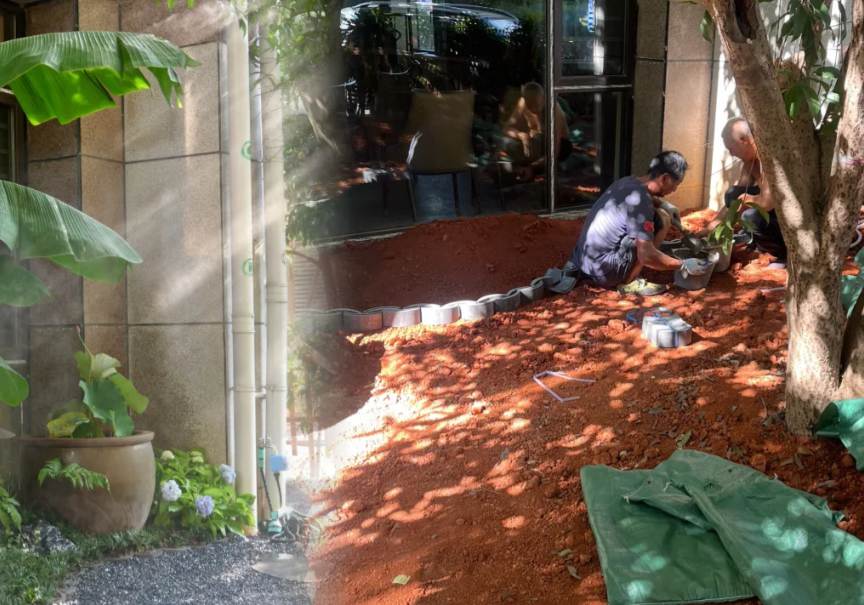
- Clear the site: Thoroughly remove weeds, rocks, tree roots, and other debris to prevent sharp objects from puncturing the fabric. For weed-dense areas, spray eco-friendly herbicide 1-2 weeks before construction.
- Level the soil: Use a rake to smooth the soil. Compact soil in steep-slope areas to prevent river rock shifting due to later settlement. For heavy clay soil, lay a 5-10cm layer of coarse sand to improve drainage.
- Cut the fabric: Trim the fabric to fit the site dimensions, leaving a 10-15cm margin for seam overlap and edge securing to avoid incomplete coverage.
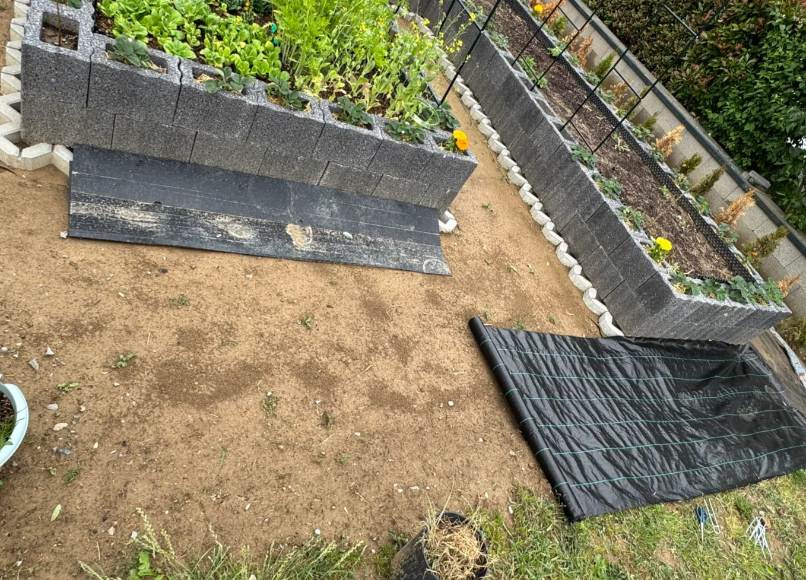
2. Laying Key Points: Details Determine Durability
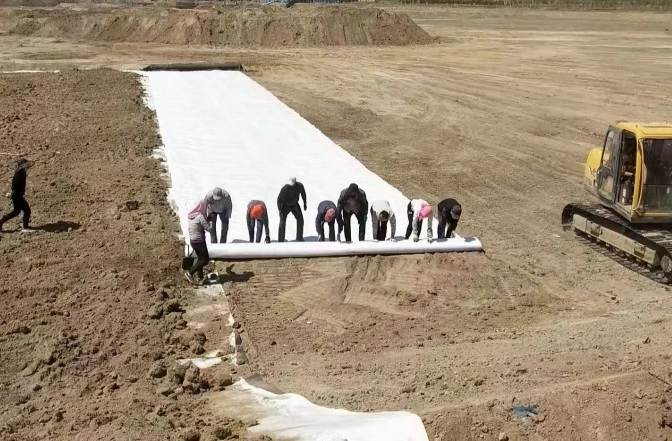
- Coverage principle: The fabric must fully cover the target area without wrinkles or gaps. For multi-piece 拼接,overlap seams by 6-8 inches (approximately 15-20cm) and secure with waterproof tape to prevent weed growth through gaps.
- Securing method: Use ground stakes (preferably galvanized steel or plastic) to fix edges and seams. Space stakes 12-18 inches (approximately 30-45cm) apart, and 8-10 inches (approximately 20-25cm) apart at corners to keep the fabric taut.
- Avoid sharp objects: Check for residual sharp debris (e.g., gravel, metal shavings) in the soil during laying and remove them promptly to prevent puncture under river rock pressure.
3. Subsequent Operations: Stone Paving and Maintenance
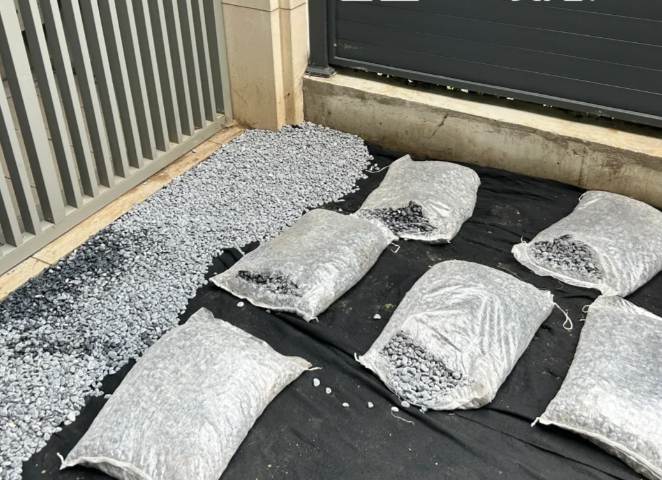
- Paving technique: Lay river rocks 2-3 inches (approximately 5-8cm) thick (increase to 4-5 inches/10-12cm for larger rocks). Pave from the edges to the center, gently compacting to avoid fabric damage from heavy impacts.
- Edge treatment: After paving, fold excess fabric under the river rocks or secure edges with edging stones to prevent wind lift and weed intrusion.
- Long-term maintenance: Inspect the fabric for damage annually in spring, patching any holes promptly. For weed-prone areas, add a 5cm layer of wood chips or pine needles on top of the fabric to enhance weed control.
IV. Pitfalls to Avoid for River Rock Landscape Fabric
- Avoid overly thin fabric: Fabrics <2.8oz cannot withstand river rock puncture and will damage quickly. The minimum recommended thickness is 3oz.
- Don’t overlook UV protection: Non-UV-treated fabric will embrittle within 3-6 months of outdoor exposure. Ensure products are labeled “UV-stabilized” or “UV-resistant” before purchase.
- Never skip soil cleaning: Residual weed roots and sharp objects are the main causes of fabric damage — thorough cleaning is essential before installation.
- Don’t reduce seam overlap: Seam overlap <10cm allows weeds to grow through gaps, reducing weed control effectiveness.
V. Summary
Choosing river rock-specific landscape fabric follows a 4-step process: “scenario → material → performance → installation.” First, clarify the usage scenario (path/riverbed/garden), then select the appropriate material (woven/non-woven/spun), verify that core performance indicators (thickness, water permeability, UV protection) meet standards, and finally install and secure according to specifications. With the right product and proper installation, your river rock landscape will remain clean and attractive while minimizing long-term maintenance costs.
VI. Frequently Asked Questions (FAQs)
1. Should I choose woven or non-woven landscape fabric for river rock scenarios?
Woven fabric is better for long-term use, larger river rocks, or steep slopes due to its superior puncture and tensile strength. Non-woven fabric is ideal for light loads, plant-dense areas, or temporary landscapes, offering easier installation and better breathability. For long-term durability and sufficient budget, prioritize woven polypropylene.
2. Can landscape fabric 100% prevent weeds? How to avoid weed growth later?
Landscape fabric cannot completely eliminate weeds (a small number may grow through fabric fibers), but it blocks over 95% of them. To prevent later weed growth, thoroughly remove weed roots before installation, ensure tight seam overlap and securing, cover edges with edging stones after paving, and regularly inspect and pull out any emerging weeds.
3. Do I need to replace landscape fabric under river rocks regularly? What is its service life?
High-quality UV-protected fabric can last 5-10 years under river rock coverage, with professional-grade products lasting 15-20 years. Replace the fabric when it becomes brittle, damaged, or overrun with weeds. There’s no need to remove river rocks during replacement — simply lay new fabric over the old one (saving cost and labor).
4. What are the alternatives if I don’t have landscape fabric?
Temporary alternatives include thick cardboard, burlap, pine needles, or wood chips, but their effectiveness and durability are far inferior to professional landscape fabric: cardboard rots easily (3-6 month service life), burlap has poor tear resistance, and pine needles/wood chips require annual replenishment (1-2 times per year). For long-term landscapes, professional landscape fabric is the more cost-effective choice.
Reference Sources
- Geosynthetic Materials – Non-woven Geotextiles (GB/T 17638-2017): Refers to the industry’s minimum standards and test methods for core performance indicators such as thickness, water permeability, and tensile strength.
- Geosynthetic Materials – Woven Geotextiles (GB/T 17639-2017): Defines technical requirements for woven polypropylene materials, including key parameter definitions such as puncture resistance and UV stability.
- Hardscape Construction Guide by the American Landscape Contractors Association (ALCA): Covers selection principles, laying specifications, and scenario adaptation requirements for landscape fabrics in river rock landscapes.