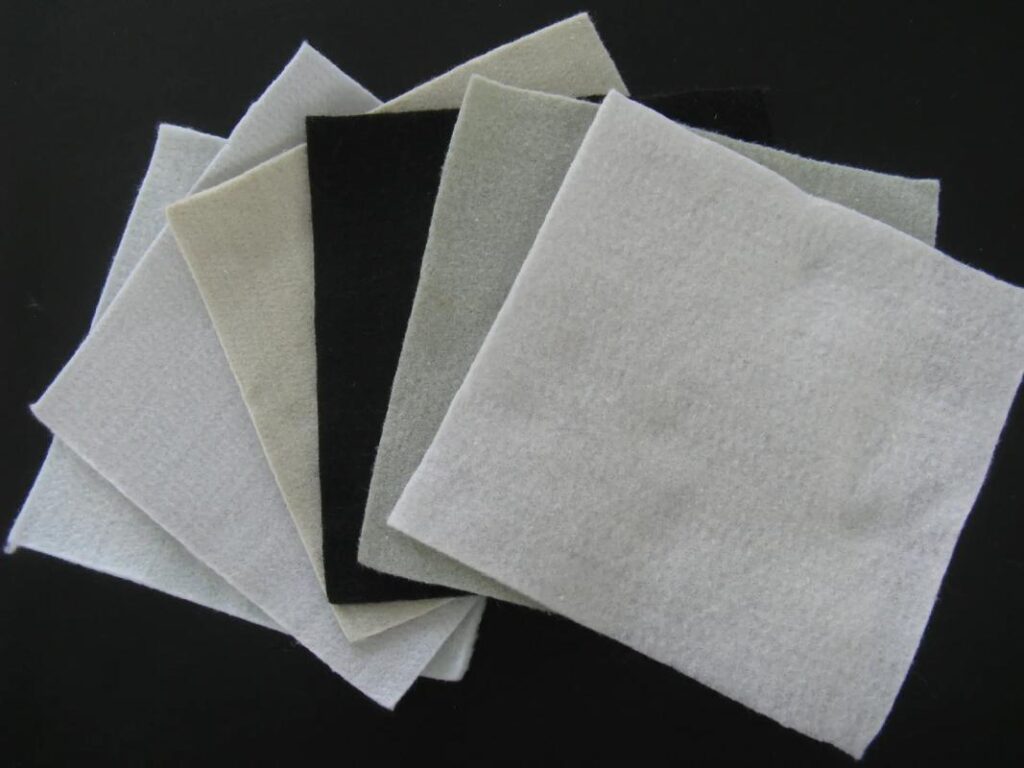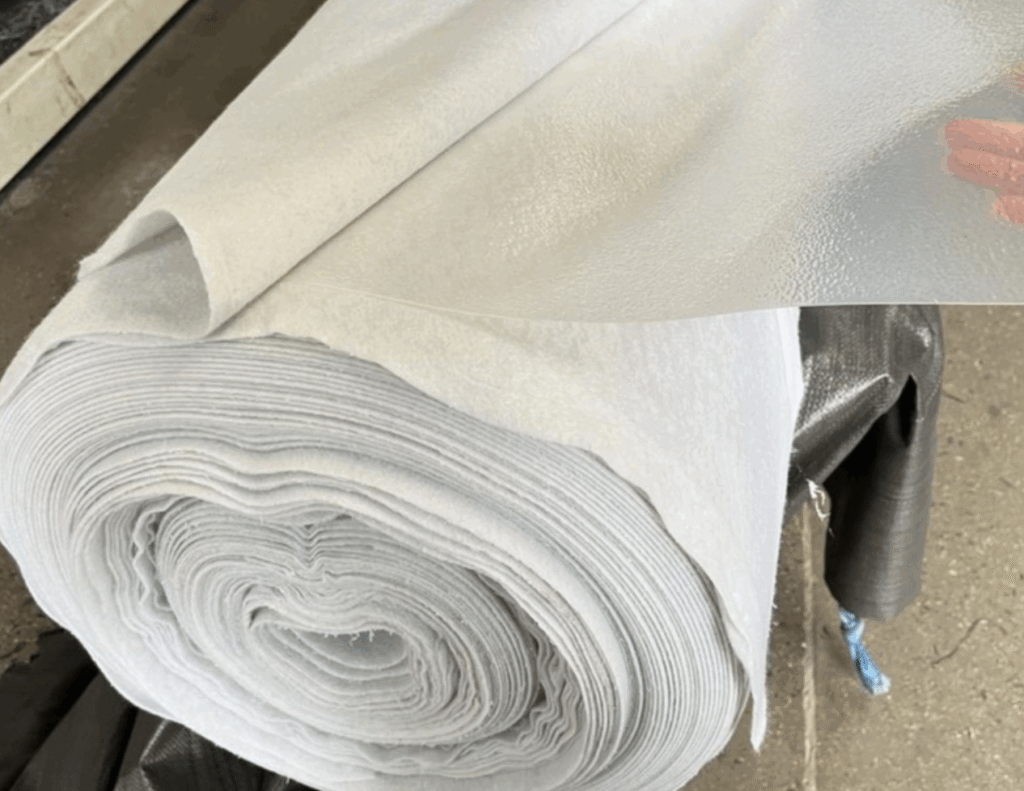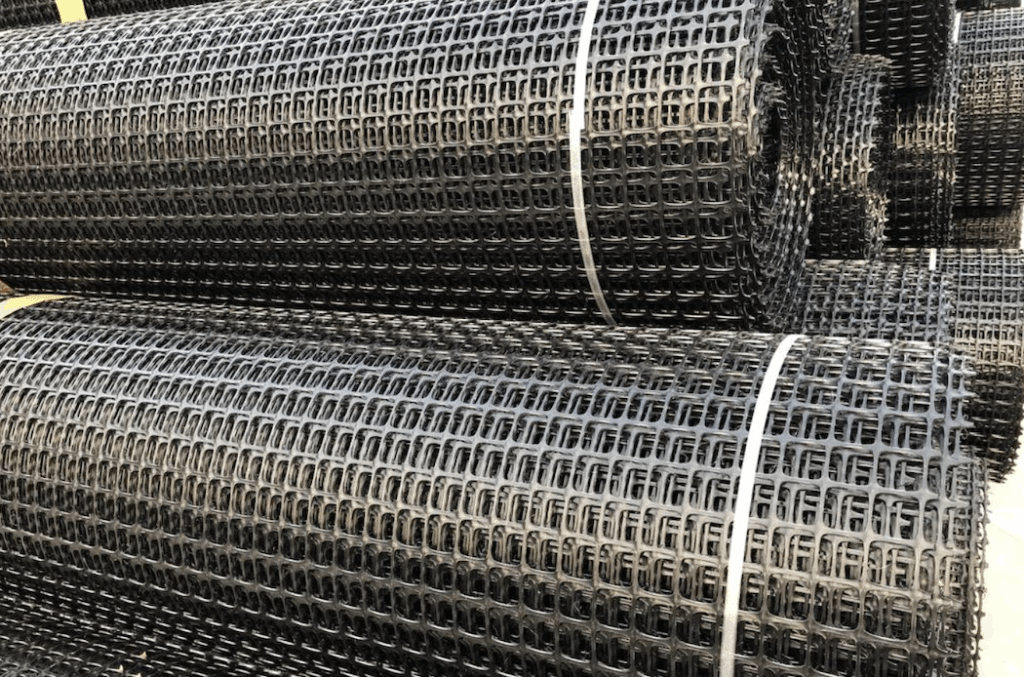
As a core material in civil engineering, landscape architecture, water conservancy and drainage, and other fields, geotextile rolls directly impact project construction quality, service life, and cost control with their excellent separation, filtration, reinforcement, and drainage functions. Whether it is subgrade reinforcement in road construction, weed suppression in garden renovation, or anti-seepage and drainage in water conservancy projects, selecting geotextile rolls suitable for the scenario can significantly improve engineering stability and reduce long-term maintenance costs.
This article will comprehensively break down key information from basic types, core specifications, scenario-based applications, installation practices to procurement pitfalls of geotextile rolls, helping you quickly select, use, and purchase cost-effective geotextile rolls.
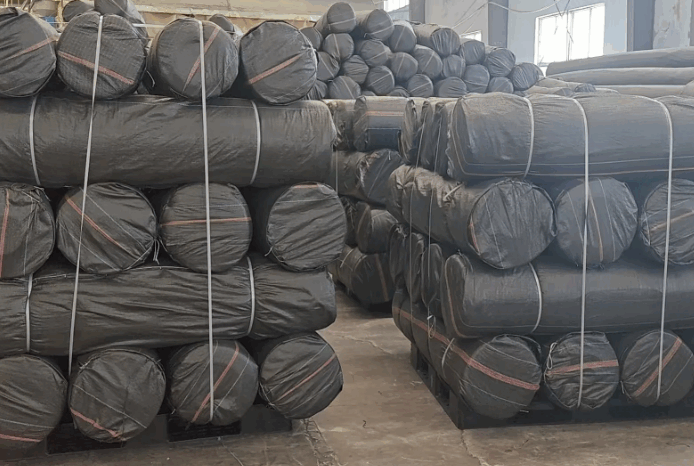
Main Types and Differences of Geotextile Rolls
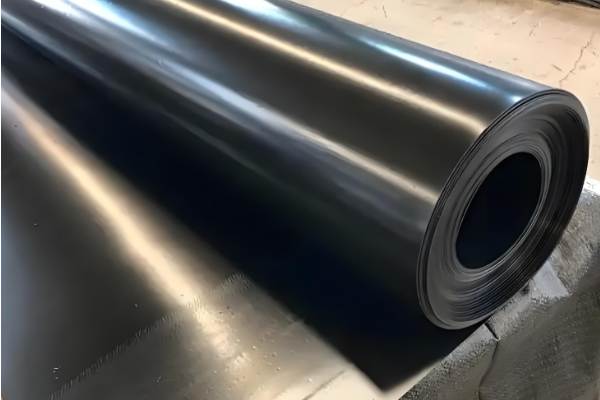
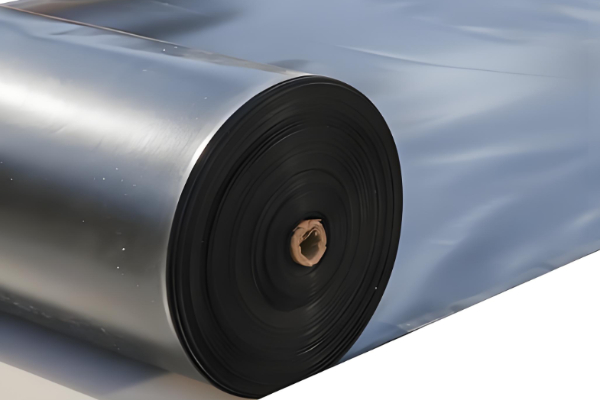
Currently, mainstream geotextile rolls on the market are divided into two categories: Woven Geotextile and Non-Woven Geotextile. The two differ significantly in material properties, performance advantages, and applicable scenarios, requiring precise selection based on project needs:
Woven Geotextile Rolls
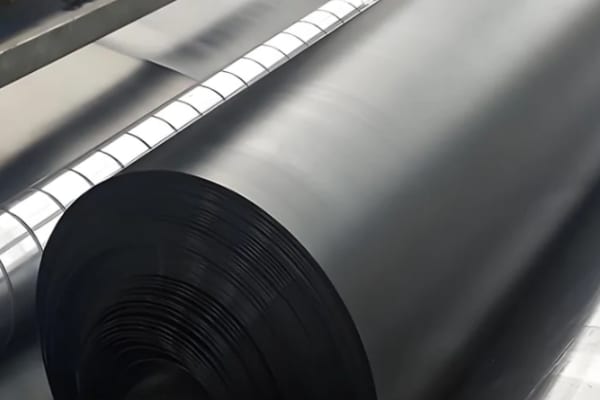
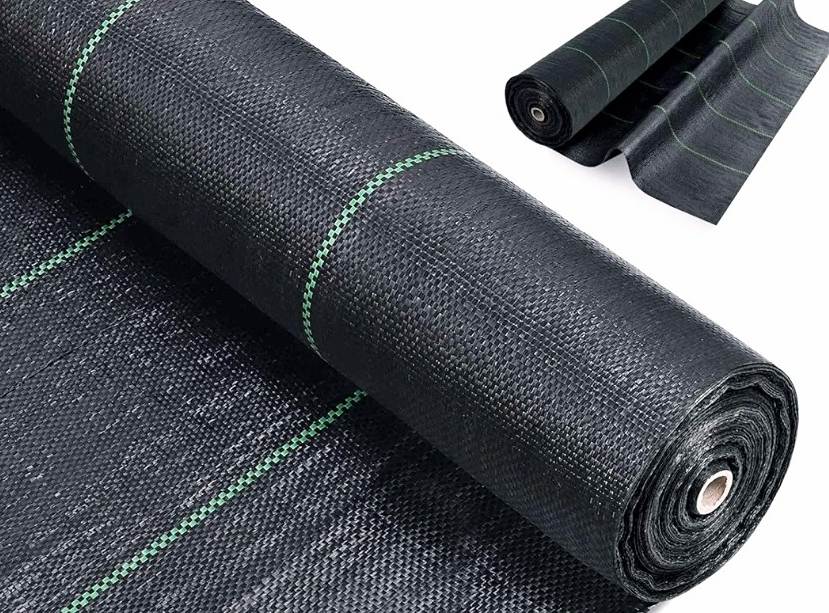
Made from polypropylene (PP) or polyester (PET) flat yarns through a weaving process. Core advantages include high tensile strength and tear resistance, with a breaking strength of 20-150kN/m, which can effectively disperse loads and reinforce foundations. Due to the dense woven structure, permeability is relatively weak, making it more suitable for scenarios requiring strong support such as road construction, dike reinforcement, and slope protection. It has a long service life of 5-10 years under conventional conditions, with a medium cost. The unit price for bulk procurement is approximately 1.2-1.89 RMB per square meter.
Non-Woven Geotextile Rolls
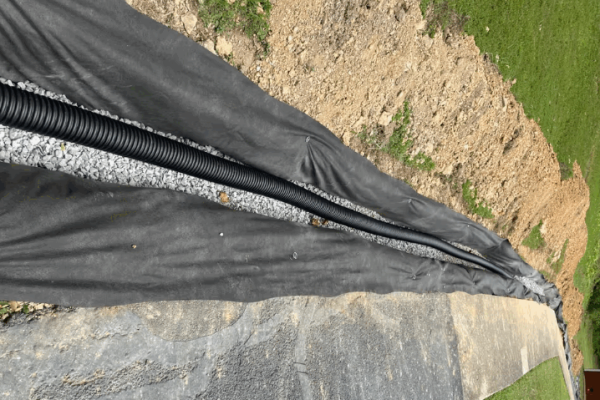
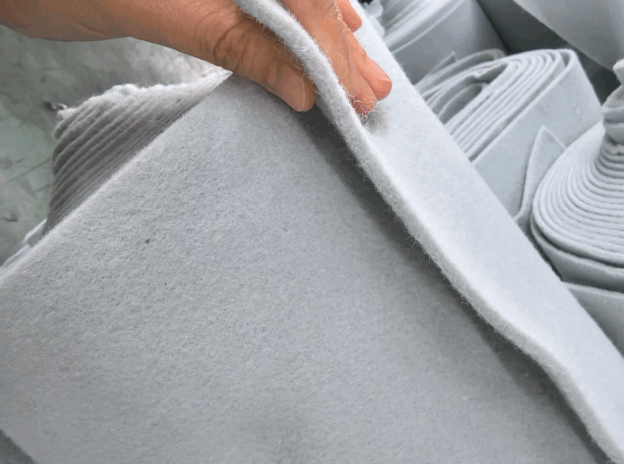
Formed by needle punching, thermal bonding, or other processes using PP or PET staple fibers. It features a fluffy, breathable structure with good permeability, boasting a permeability coefficient of 10⁻²-10⁻³cm/s, which can efficiently retain soil particles while diverting water flow. Its tensile strength is slightly lower than that of woven types (breaking strength: 5-50kN/m), but it offers superior filtration and separation effects. It is suitable for drainage systems, garden weed control, swimming pool underlays, landfill anti-seepage, and other scenarios. The service life is about 3-8 years, with a relatively affordable cost. The retail unit price is mostly 18.9-200 RMB per roll (conventional specification: 4x100ft), and the bulk procurement unit price is 0.09-1.2 RMB per square meter.
Supplementary Notes
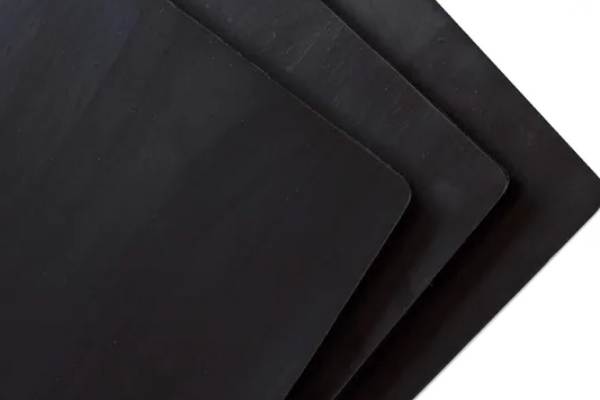
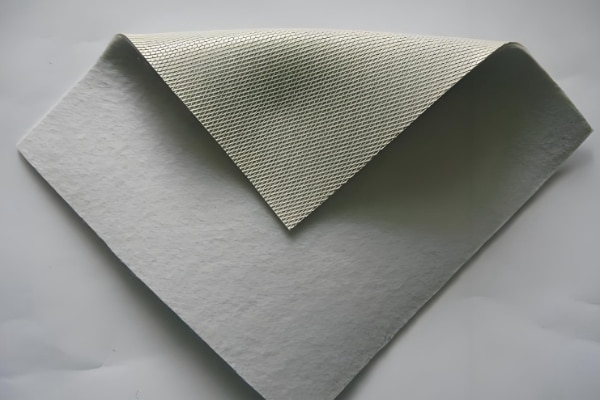
In addition to the above two types, there are also composite geotextile rolls (woven + non-woven composite structure), which combine high strength and high permeability, suitable for complex engineering scenarios but with a higher cost. Recycled geotextile rolls are made from recycled materials, offering high cost-effectiveness and suitable for temporary projects with low performance requirements.
Core Functions of Geotextile Rolls
The core value of geotextile rolls stems from their four basic functions, whose synergy ensures engineering stability:
- Separation Function: Effectively isolates materials of different particle sizes such as soil, sand, and aggregates, preventing mixing and loss of materials in each layer. It avoids reduced bearing capacity of subgrades and foundations caused by material mixing, ensuring the stability of the engineering structure. For example, in road construction, it can isolate subgrade soil from pavement aggregates, reducing pavement settlement.
- Filtration Function: Through its porous structure, it retains impurities such as soil particles while allowing smooth water flow, avoiding blockage of drainage systems. In water conservancy projects, it can be used as a filter layer for dikes and drainage ditches to prevent dike leakage caused by soil loss.
- Reinforcement Function: Leveraging its own tensile strength, it disperses the load of the upper structure, improves the bearing capacity of weak foundations, and reduces foundation deformation. Suitable for soft soil foundation treatment, slope reinforcement, parking lot paving, and other scenarios.
- Drainage Function: Guides the discharge of accumulated water and groundwater inside the project, reduces soil moisture content, and minimizes damage to the engineering structure caused by water pressure. For example, in landscape engineering, it can be laid under the planting layer to quickly drain accumulated water and prevent plant root rot.
Specification Parameters and Selection Guide for Geotextile Rolls
Interpretation of Standard Specification Parameters
When selecting geotextile rolls, focus on three core specification parameters: size, weight, and material, which directly determine product performance and applicable scenarios:
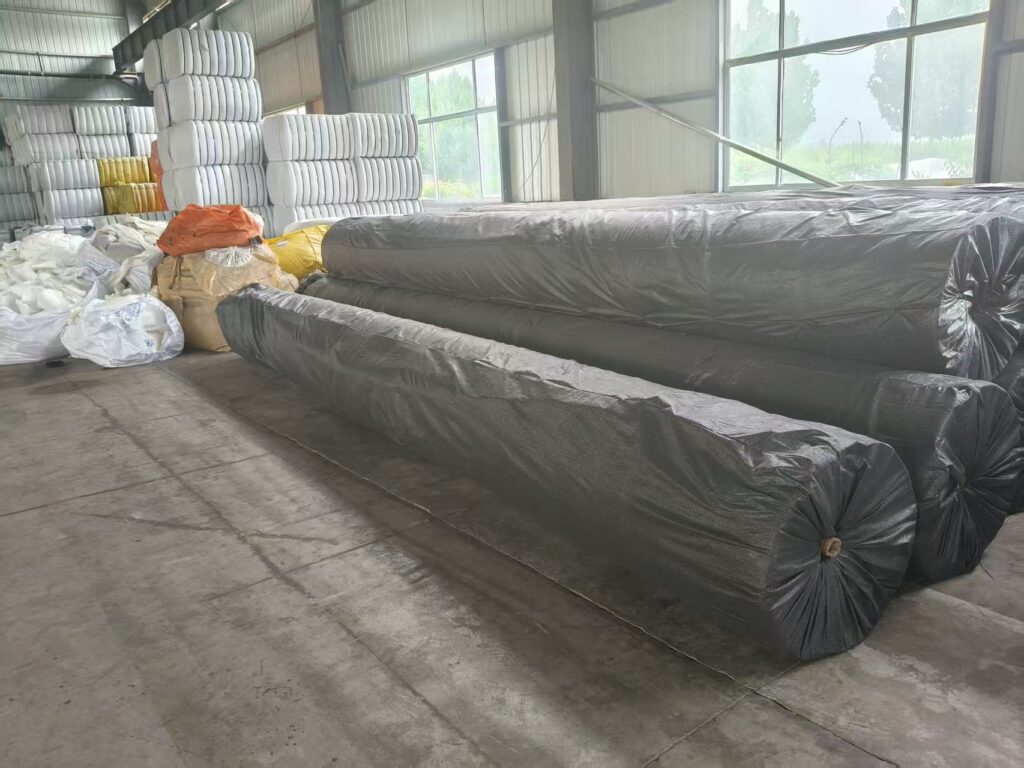
- Size Parameters: The conventional widths of geotextile rolls on the market are 1m, 2m, 4m, 6m, 8m, 12.5m, and lengths are 25m, 50m, 100m, 360m, etc. Selection can be based on project area and construction convenience. For example, 4x100ft (approximately 1.2×30.5m) specifications are suitable for small-area garden weed control, while large-size rolls of 6x100m are ideal for large-area road projects to reduce lapping times and improve construction efficiency.
- Weight Parameters: Weight is an important indicator of geotextile roll strength, with units usually in oz/yd² (ounces per square yard) or gsm (grams per square meter). The conversion relationship between the two is approximately 1oz/yd² ≈ 33.9gsm. The conventional weight range is 3.2oz-8oz (100gsm-270gsm), and high-weight products above 8oz (270gsm) can be selected for heavy-duty engineering. Generally speaking, the higher the weight, the stronger the tensile strength and tear resistance, and the more complex the load scenarios it can adapt to. For example, 3.2oz (100gsm) is suitable for garden weed control, and 8oz (270gsm) is suitable for road reinforcement.
- Material Parameters: Mainstream materials are polypropylene (PP) and polyester (PET). PP geotextile rolls offer strong chemical corrosion resistance, light weight, and low cost, suitable for most conventional scenarios, but their high-temperature resistance is general (long-term service temperature ≤100℃). PET geotextile rolls have higher temperature resistance, tensile strength, and aging resistance, suitable for high-temperature environments, long-term outdoor projects, or scenarios with extremely high strength requirements, but the cost is relatively higher. In addition, recycled geotextile rolls have high cost-effectiveness but slightly inferior performance, suitable for temporary projects.
Scenario-Based Selection Recommendations
Different engineering scenarios have significant differences in the performance requirements of geotextile rolls. Precise selection can maximize engineering effects and control costs:
- Road Construction (Subgrade Reinforcement, Pavement Base Isolation): Prioritize woven geotextile rolls with recommended specifications of 6oz-8oz (200gsm-270gsm) and width of 4-6m. They must meet the AASHTO M288 industry standard, ensuring a tensile strength of ≥50kN/m to effectively disperse vehicle loads and prevent subgrade settlement. For scenarios with drainage needs, woven + non-woven composite geotextile rolls can be selected.
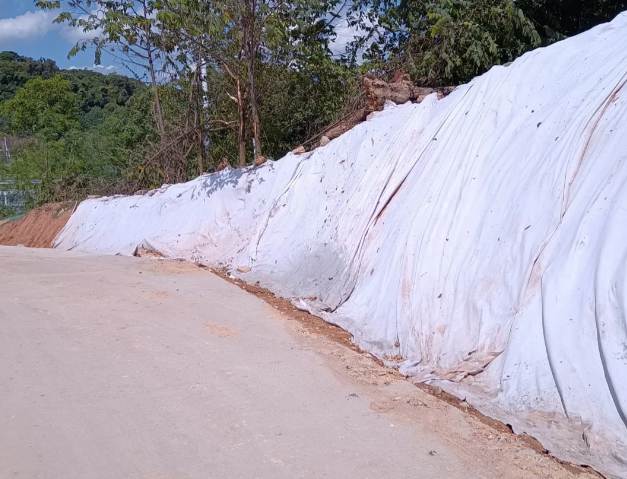
- Dike Reinforcement/Slope Protection: Choose woven or composite geotextile rolls with high tensile strength, specifications above 8oz (270gsm), and width of 6-8m. They should have excellent aging resistance and UV resistance. It is recommended to select PET materials to ensure no degradation during long-term outdoor use, and fix them with anchor pins to prevent landslides.
- Garden Weed Control/Planting Layer Isolation: Select non-woven geotextile rolls with specifications of 3.2oz-4oz (100gsm-135gsm) and width of 2-4m. Prioritize PP materials for good permeability, which can ensure soil air permeability and drainage, effectively suppress weed growth, and feature low cost, suitable for large-area paving.
- Drainage Systems (Drainage Ditches, Underground Garage Drainage): Use non-woven geotextile rolls with specifications of 4oz-6oz (135gsm-200gsm) and width of 2-4m. They require strong permeability (permeability coefficient ≥10⁻²cm/s) to quickly divert accumulated water and retain soil particles to prevent blockage of drainage pipes.
- Swimming Pool Underlays/Landfill Anti-Seepage: For swimming pool underlays, select non-woven geotextile rolls with specifications of 4oz-6oz (135gsm-200gsm), which are soft in texture and can protect the pool liner from being punctured by sharp stones. For landfills, composite geotextile rolls (matched with anti-seepage membranes) should be used, featuring high strength and chemical corrosion resistance to prevent landfill leachate from contaminating the soil.
Selection Notes
- For long-term outdoor use scenarios, select products with anti-aging additives.
- For projects in contact with chemical media (such as chemical plant drainage ditches), choose PP materials.
- For temporary projects, recycled geotextile rolls can be used to reduce costs.
Practical Installation Guide for Geotextile Rolls
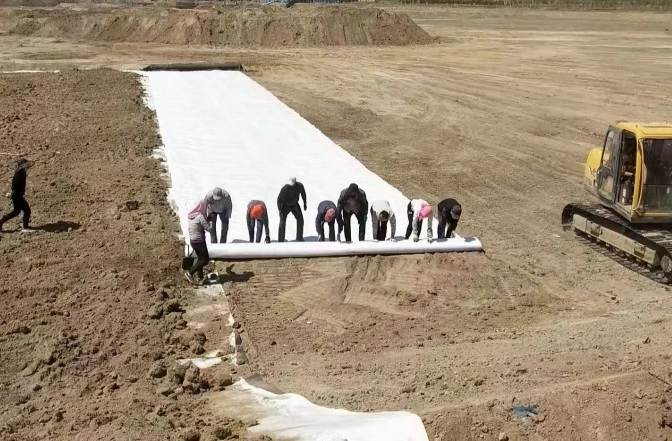
Correct installation process is crucial to ensuring the performance of geotextile rolls. Strictly follow the four-step specification of “site preparation – laying – lapping – fixing”. Specific operations are as follows:
- Site Preparation: First, remove sharp stones, branches, weeds, and other debris in the construction area, level the ground to avoid sharp objects piercing the geotextile rolls. If the ground slope is large, trim the slope first to ensure stability (conventional slope ratio should not exceed 1:1.5). For soft soil foundations, compaction treatment is required to improve foundation bearing capacity.
- Laying Method: Adopt the principle of “laying from top to bottom along the slope” to avoid stretching and deformation of geotextile rolls. During laying, keep the geotextile rolls flat and wrinkle-free, closely fitting the ground. For drainage scenarios, ensure the permeable surface of the geotextile rolls faces the direction of water flow. For reinforcement scenarios, ensure the tensile direction of the geotextile rolls is consistent with the load-bearing direction.
- Lapping Requirements: The lapping width of adjacent geotextile rolls should be adjusted according to the scenario. The conventional lapping width is 20-30cm, and for scenarios with large loads or rapid water flow such as roads and dikes, the lapping width should be increased to 30-50cm. Lapping methods can adopt lap seams (simple overlapping) or stitched seams (stitched with special sewing thread). The tensile strength of stitched seams should not be less than 80% of the geotextile itself. For welding (for composite geotextiles), the welding temperature should be controlled at 200-250℃ to ensure firm welding without leakage.
- Fixing Methods: After laying, fix the geotextile rolls in a timely manner to prevent displacement. Anchor pins, ballast (such as sand, gravel, precast concrete blocks), or surrounding compaction can be used for fixation. The spacing of anchor pins is 1-1.5m, and the spacing in edge areas can be reduced to 0.5m. Ballast should be evenly laid on the edges and lapping areas of the geotextile rolls to ensure firm fixation.
Key Notes
① Avoid scratching the geotextile rolls with sharp tools during laying. If damage occurs, promptly repair it with a patch of the same material, and the patch size should be 20cm larger than the damaged area.
② The thickness of aggregate laying must meet requirements: 10-15cm (4-6 inches) for residential scenarios (such as driveways) and 15-20cm (6-8 inches) for commercial roads. Avoid excessive stress on the geotextile rolls due to insufficient aggregate thickness.
③ After construction, lay upper-layer materials (such as aggregates, soil, pavement layers) in a timely manner to reduce the outdoor exposure time of geotextile rolls and prevent UV aging.
Price of Geotextile Rolls
The price of geotextile rolls is affected by factors such as material, specification, procurement volume, and brand, with significant differences across channels. The following is the mainstream market price range in 2025 for procurement reference:
- Retail Price (Personal Small Project Procurement, 1-10 Rolls):
- Non-woven geotextile rolls: 3.2oz (100gsm), 4x100ft specification, unit price 18.9-35 RMB/roll; 4oz (135gsm), 4x100ft specification, unit price 35-60 RMB/roll.
- Woven geotextile rolls: 6oz (200gsm), 4x100ft specification, unit price 60-100 RMB/roll; 8oz (270gsm), 4x100ft specification, unit price 100-150 RMB/roll.
- Composite geotextile rolls: Specifications above 8oz, unit price 150-300 RMB/roll.
- Wholesale Price (Enterprise Project Procurement, More Than 10 Rolls):
- Non-woven geotextile rolls: Unit price 0.09-0.6 RMB/square meter.
- Woven geotextile rolls: Unit price 0.6-1.2 RMB/square meter.
- Composite geotextile rolls: Unit price 1.2-1.89 RMB/square meter.
The larger the bulk procurement volume, the higher the discount. Generally, a 10%-20% discount is available for more than 100 rolls, and factory direct prices can be negotiated for more than 500 rolls.
Price-Influencing Factors
① Material: PET materials are 20%-30% more expensive than PP materials.
② Weight: For each 1oz increase in weight, the price rises by approximately 15%-20%.
③ Brand: Well-known brands (such as VEVOR, Mainline Materials) are 10%-20% more expensive than ordinary brands but offer more reliable quality.
④ Season: Prices may rise by 5%-10% during the rainy season and construction peak season (March-October), while prices are relatively stable during the off-season (November-February), and some merchants may launch promotional activities.
Procurement Pitfall-Avoidance Tips for Geotextile Rolls
When purchasing geotextile rolls, be wary of the following common pitfalls to ensure high-quality products:
- Beware of “False Weight Labeling”: Some unscrupulous merchants label parameters higher than the actual weight to pass off inferior products as high-quality ones. During procurement, on-site weighing (sampling and measuring the weight of 1 square meter) can be conducted, or request third-party quality inspection reports from merchants to confirm that the weight meets standards.
- Distinguish True and False Materials: PP and PET materials are difficult to distinguish with the naked eye. They can be identified through combustion tests (PP burns without black smoke and has a paraffin smell; PET burns with black smoke and has a pungent smell) or by requesting material inspection reports from merchants.
- Reject “Low-Price and Inferior Quality”: Geotextile rolls priced more than 30% below the market average are likely to have quality issues (such as insufficient tensile strength and poor aging resistance), which may lead to project rework later and increase costs instead.
- Pay Attention to After-Sales Service: Prioritize suppliers that provide installation guidance and quality guarantees to avoid unaddressed installation or quality issues later.
- Confirm Certification Qualifications: For key projects such as roads and water conservancy, select products with industry certifications (such as AASHTO M288, GB/T 17638-2017) to ensure compliance with engineering design requirements.
Frequently Asked Questions
What is the difference between woven and non-woven geotextile rolls? Which is more durable?
Answer: Woven geotextiles have high tensile strength and weak permeability, suitable for reinforcement scenarios; non-woven geotextiles have good permeability and superior filtration effects, suitable for drainage and separation scenarios. In terms of durability, woven geotextiles are more durable than non-woven ones under the same weight, with a service life 2-3 years longer. The durability of both will be improved if PET materials are selected.
What is the service life of geotextile rolls? How to extend it?
Answer: Under conventional conditions, PP geotextile rolls have a service life of 3-8 years, and PET geotextile rolls have a service life of 5-12 years. Methods to extend service life: ① Select products with anti-aging additives; ② Reduce outdoor exposure time and lay upper-layer materials in a timely manner; ③ Avoid contact with sharp objects and properly clean the construction site.
How to negotiate discounts for bulk procurement of geotextile rolls?
Answer: ① Clarify the procurement volume in advance—the larger the volume, the higher the discount; ② Purchase during the off-season (November-February), as merchants may offer higher discounts to boost sales; ③ Cooperate directly with factories, skipping intermediaries to enjoy factory direct prices; ④ Sign long-term procurement contracts, agree on subsequent replenishment prices, and strive for long-term discounts.
Do geotextile rolls require regular maintenance after installation?
Answer: Regular maintenance is not required for conventional scenarios. It is recommended to conduct 1-2 inspections per year, focusing on checking for damage, displacement, and loose lapping areas. If damage is found, promptly repair it with a patch of the same material; if displacement occurs, re-fix it; if lapping areas are loose, re-sew or add anchor pins.
Can geotextile rolls be recycled and reused?
Answer: Yes. After construction, if the geotextile rolls are not significantly damaged, they can be recycled for temporary projects (such as temporary road paving and temporary drainage). Waste geotextile rolls can be handed over to professional institutions for recycling and reprocessing into recycled geotextile rolls, realizing resource recycling.
Conclusion
Selecting the right geotextile rolls is a key step in ensuring project quality and controlling costs. The core principles are: first clarify the project scenario (reinforcement/drainage/separation), then determine the product type (woven/non-woven/composite), followed by matching specification parameters (size/weight/material), and finally purchase through formal channels and strictly follow installation specifications. It is hoped that this comprehensive guide can help you quickly clarify your needs, avoid procurement pitfalls, and allow geotextile rolls to fully exert their functional value, supporting the efficient and stable implementation of your projects.
If you need further details on selection for a specific scenario or recommendations for reliable suppliers, feel free to contact us!
Reference Sources
- AASHTO M288-2020 Standard Specification for Woven Geotextiles for Highway Applications, American Association of State Highway and Transportation Officials (AASHTO). Supporting content: Selection standards for geotextile rolls in road construction scenarios and performance requirements such as tensile strength (Corresponding to Chapter 2, Section 2.2; Chapter 4, Sections 4.2 and 4.3).
- GB/T 17638-2017 Geosynthetic Materials – Staple Fiber Needled Nonwoven Geotextiles, National Standard of the People’s Republic of China. Supporting content: Quality requirements and testing standards for nonwoven geotextile rolls (Corresponding to Chapter 4, Section 4.3).
- GB/T 17640-2019 Geosynthetic Materials – Filament Spunbond Needled Nonwoven Geotextiles, National Standard of the People’s Republic of China. Supporting content: Material properties and technical parameters of nonwoven geotextile rolls (Corresponding to Chapter 1, Section 1.1; Chapter 2, Section 2.1).