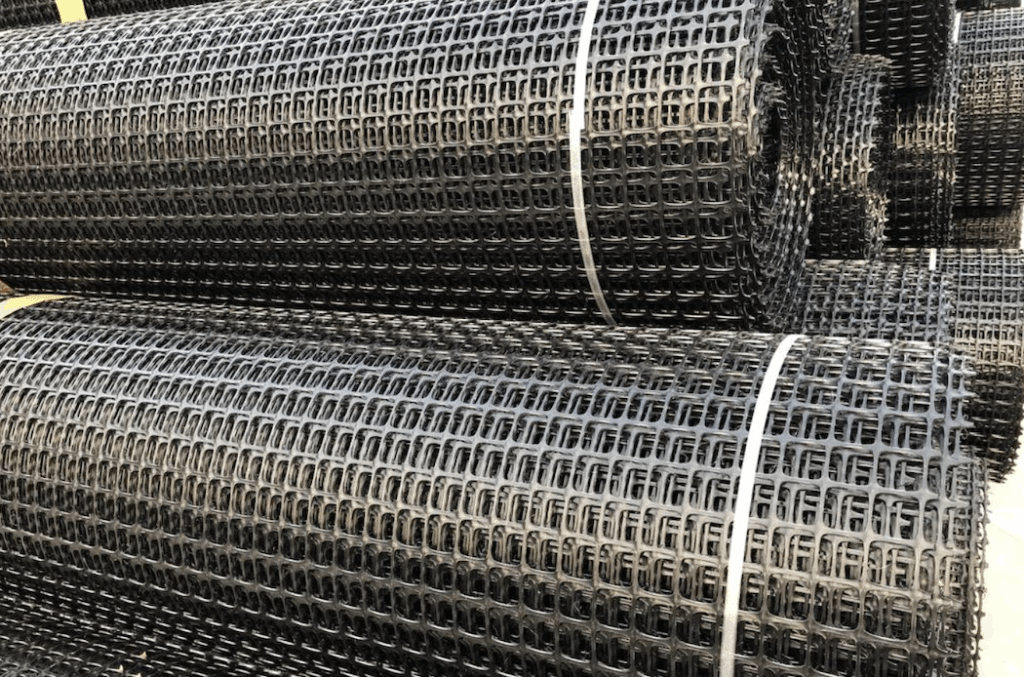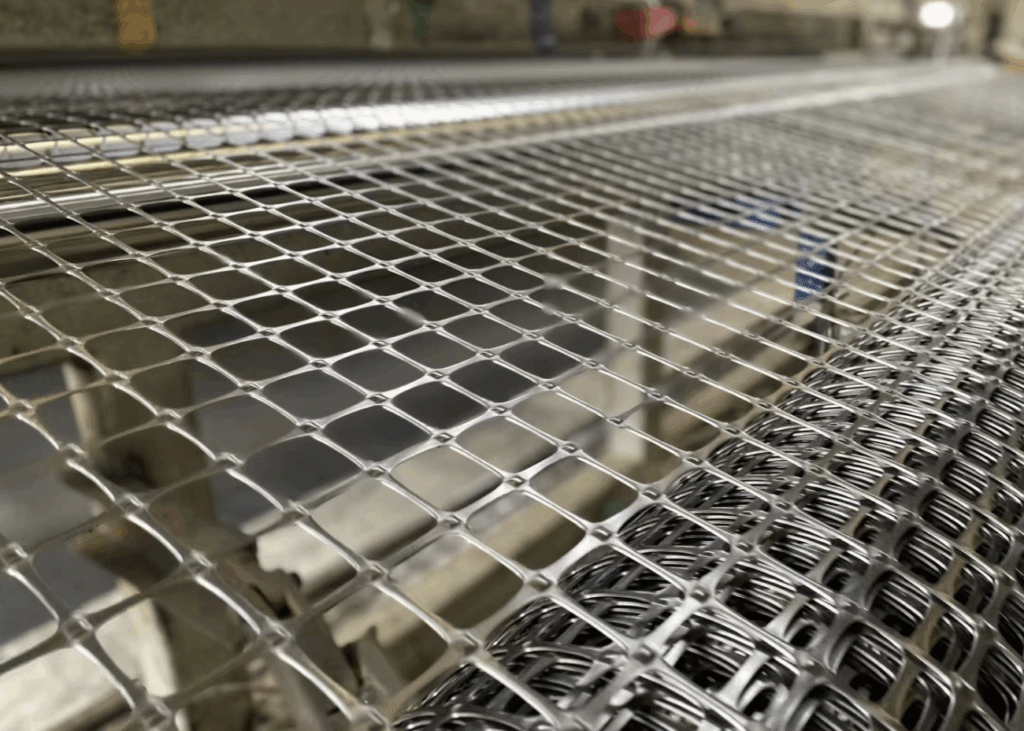
In civil engineering projects such as building waterproofing, water conservancy anti‑seepage, municipal infrastructure and environmental landfills, the stability of waterproof and anti‑seepage systems directly determines the service life and operational safety of projects. As a core category of geosynthetic materials, waterproof geotextiles are widely adopted in various waterproof and anti‑seepage projects. Combined with practical engineering experience and industry specifications, this article comprehensively illustrates the working principles, category differences, applicable scenarios, construction procedures and material‑selection criteria of waterproof geotextiles, addressing key issues in project material selection, on‑site implementation and procurement adaptation.
I. Waterproofing Principles of Waterproof Geotextiles
1.1 Core Understanding: Geotextiles Cannot Achieve Water Stop Independently
This is the fundamental knowledge critical to waterproof engineering. Conventional geotextiles are water‑permeable geosynthetic materials. Water can pass through the gaps between fibers, and they possess no capacity for water sealing, anti‑seepage or water blocking. Independent laying cannot satisfy core engineering requirements for waterproofing, anti‑seepage and leakage prevention. No compliant waterproof project relies solely on geotextiles. All qualified waterproof and anti‑seepage projects realize long‑term waterproof performance via composite structures combining geotextiles and primary anti‑seepage materials.
1.2 Four Core Auxiliary Functions of Waterproof Geotextiles
The waterproof value of geotextiles lies not in stopping water, but in protecting anti‑seepage structures, optimizing drainage conditions and eliminating potential leakage risks. Four core functions jointly build a stable auxiliary waterproof system:
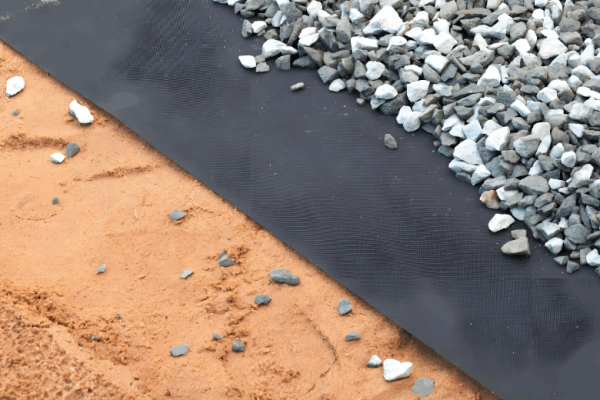
- Puncture‑resistant protection: Isolate broken stones and sharp hard objects on the base course to prevent geomenbranes and waterproof coatings from being punctured and damaged, eliminating leakage points at the source. They serve as key protective layers for anti‑seepage materials.
- Soil layer separation: Separate soil layers and fillers with different particle sizes and properties, preventing soil mixing and soil loss, and avoiding deformation‑induced damage to waterproof structures caused by foundation settlement.
- Filtration and silt blocking: Permit water infiltration and discharge while trapping soil particles and sediment impurities to prevent blockages in drainage channels and guarantee unobstructed drainage of the base course.
- Drainage diversion: Utilize the three‑dimensional pore structure of fiber layers to rapidly divert accumulated water and seepage from the base course, reduce hydraulic pressure buildup, and lower the risk of damage to waterproof structures under pressure.
1.3 Working Mechanism of Complete Composite Waterproof Systems
The standard engineering waterproof structure follows the sequence: Base Course + Geotextile + Primary Anti‑seepage Material + Geotextile + Protective Layer. The bottom‑layer geotextile levels the base course, delivers isolation and protection, and diverts accumulated water. The middle‑layer geomembrane or geosynthetic clay liner (GCL) undertakes core water‑stopping and anti‑seepage tasks. The top‑layer geotextile shields primary anti‑seepage materials against external wear, ultraviolet aging and construction‑caused damage. The synergy of these components delivers integrated effects including drainage, protection, water sealing and anti‑aging.
For waterproof geotextile procurement, please contact Shandong Lianjie.
II. Types of Waterproof Geotextiles
Three major categories of geotextiles are commonly used for waterproof applications in engineering: non‑woven geotextiles, woven geotextiles and geosynthetic clay liners (GCL). Significant differences exist in material properties and applicable scenarios across these products, and improper selection may easily trigger failures of waterproof systems.
2.1 Non‑Woven Waterproof Geotextiles
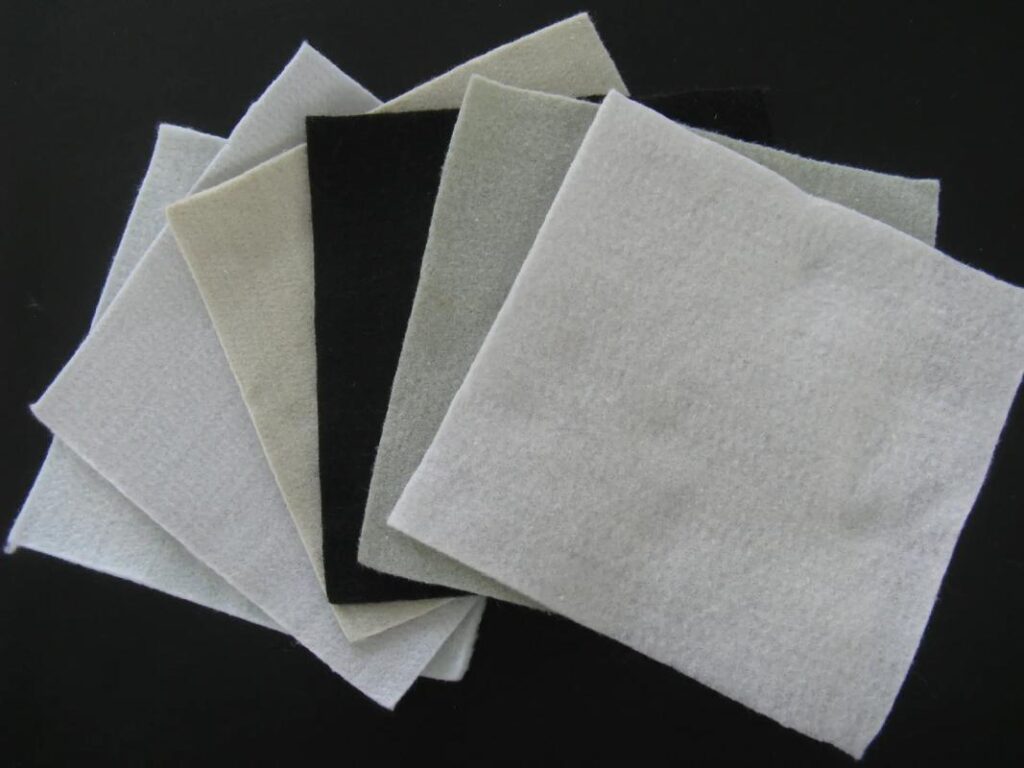
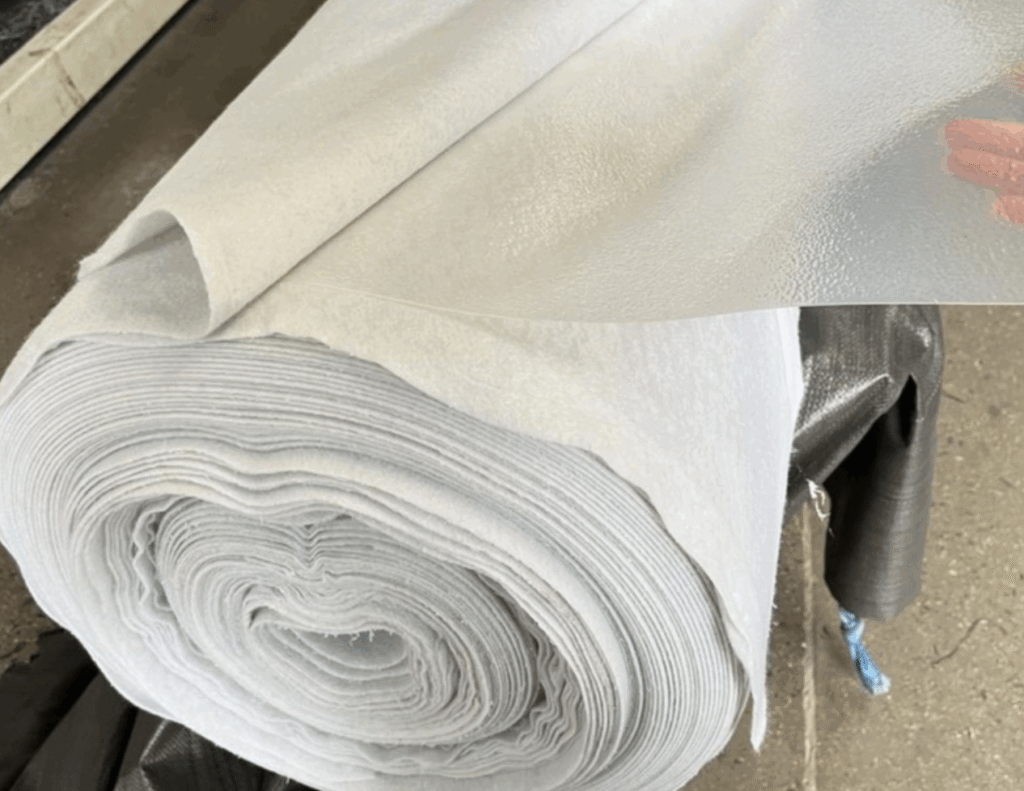
Non‑woven geotextiles represent the most widely used category in waterproof engineering. They are manufactured by needling polyester or polypropylene fibers without warp‑and‑weft weaving structures, featuring good overall uniformity, high flexibility and large porosity.
Short‑fiber non‑woven geotextiles deliver cost‑effective performance with excellent filtration and drainage capacity, suitable for general municipal waterproofing, garden anti‑seepage and roof drainage projects. Long‑fiber non‑woven geotextiles exhibit superior tensile strength, anti‑aging performance and corrosion resistance with enhanced structural stability, making them ideal for water conservancy projects, tailings ponds and key long‑term outdoor projects. Featuring favorable conformability, they adapt to irregular base courses and effectively protect geomembranes from puncture damage.
2.2 Woven Waterproof Geotextiles
Woven geotextiles are formed by interlacing warp and weft yarns. Their main advantages include high tensile strength and outstanding tear resistance, with structural stability superior to non‑woven alternatives. Nevertheless, they deliver poor pore uniformity, subpar filtration‑drainage performance and limited flexibility, and cannot fit irregular base courses well.
Rarely adopted in conventional precision waterproof projects, woven geotextiles are mainly deployed in heavy‑duty civil works, high‑slope protection and high‑pressure anti‑seepage auxiliary scenarios, prioritizing structural protection rather than drainage and anti‑seepage assistance.
2.3 Geosynthetic Clay Liners (GCL)
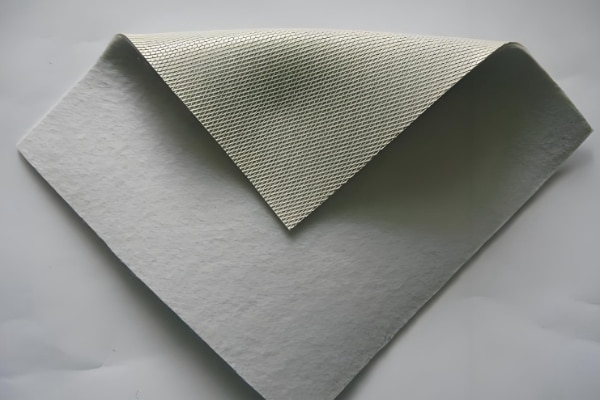
GCLs are integrated composite waterproof geosynthetics manufactured by thermally bonding natural sodium‑based bentonite particles between two layers of geotextiles. They combine the protective performance of geotextiles with the water‑swelling and water‑stopping properties of bentonite. Upon contact with water, bentonite expands rapidly to form a dense anti‑seepage layer capable of self‑repairing minor damages. They can realize light‑duty anti‑seepage without matching geomembranes.
GCLs are primarily used for artificial ponds, landscape lakes, small‑size reservoirs and temporary anti‑seepage projects. They adapt to scenarios with slight foundation settlement and curved‑surface construction, serving as preferred materials for lightweight waterproof projects.
III. Application Scenarios of Waterproof Geotextiles
Waterproof geotextiles cover multiple sectors including construction, water conservancy, municipal engineering, environmental protection and landscape architecture. Material specifications and construction standards vary corresponding to working conditions in different scenarios.
3.1 Roof and Green Roof Waterproofing
Roof waterproofing and green‑roof anti‑seepage are high‑frequency application scenarios in civil buildings. Soil layers on green roofs tend to accumulate water and contain hard impurities that may damage roof waterproof layers under long‑term compression. Laying non‑woven geotextiles separates soil from roof waterproof coatings, diverts accumulated water from planting layers, prevents leakage and aging‑caused damage to waterproof layers, and avoids blockages in drainage outlets by soil particles to maintain efficient roof drainage systems. Non‑woven short‑fiber geotextiles of 200‑300 g/㎡ generally meet requirements.
3.2 Basement and Foundation Anti‑Seepage
Basements and foundations operate in humid underground environments subject to continuous underground water pressure. Sediment and broken stones on base courses may abrade anti‑seepage structures. When laid on both sides of foundation geomembranes, waterproof geotextiles isolate soil layers, buffer water pressure and divert seepage water. They prevent geomembrane tearing caused by foundation settlement and soil extrusion, and effectively address common problems such as basement dampness, wall leakage and foundation seepage. They constitute essential auxiliary materials for underground waterproofing projects. Long‑fiber geotextiles of 300‑400 g/㎡ are recommended for key projects to improve anti‑aging and anti‑corrosion performance.
3.3 Anti‑Seepage for Ponds, Lakes and Reservoirs
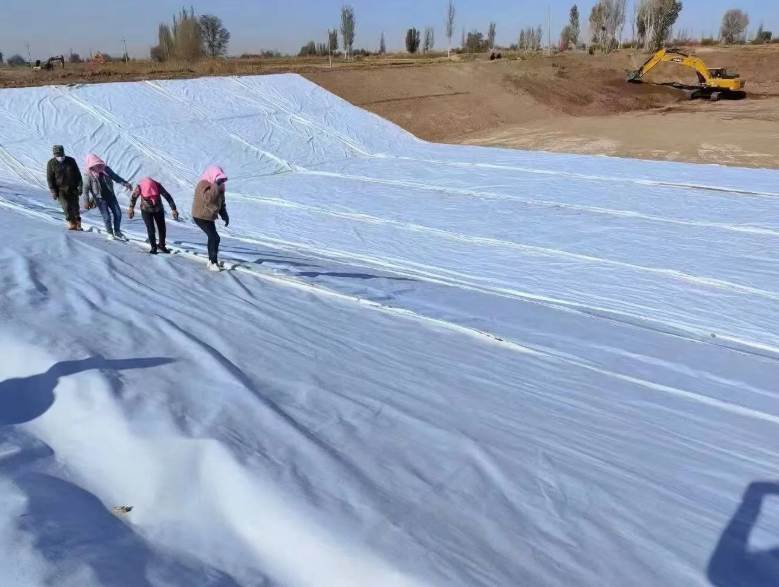
For artificial ponds, landscape lakes and small‑to‑medium‑size reservoirs, geotextiles form composite anti‑seepage systems together with HDPE geomembranes. Bottom‑layer geotextiles level pond bases and isolate sand and stones to prevent membrane punctures. Top‑layer geotextiles shield membranes against water erosion and root damage from aquatic plants, divert accumulated water and balance hydraulic pressure to avoid hollowing and damage of membranes. GCLs can be adopted for simplified construction in small landscape ponds. Long‑fiber geotextiles paired with thickened geomembranes are required for large‑scale water conservancy reservoirs to guarantee long‑term anti‑seepage stability.
3.4 Landfill and Tunnel Anti‑Seepage
Landfills and tunnel projects represent high‑standard anti‑seepage scenarios with strict requirements for material corrosion resistance, puncture resistance and anti‑aging performance. Leachate from landfills is corrosive. Long‑fiber geotextiles isolate soil from geomembranes, resist chemical corrosion and filter impurities in leachate to ensure smooth drainage systems. For tunnels with uneven surrounding rock base courses, geotextiles buffer surrounding‑rock stress and protect tunnel anti‑seepage linings to eliminate leakage risks. High‑strength anti‑aging long‑fiber geotextiles complying with national engineering specifications must be adopted for such projects.
3.5 Waterproofing and Protection for Roads and Slopes
In municipal roads, mountain slopes and riverbank revetment projects, waterproof geotextiles mainly deliver drainage, isolation and anti‑erosion functions. They divert accumulated water from roadbeds to prevent softening and settlement, separate pavement structural layers from subgrade soil to avoid soil mixing and pavement cracking, improve the waterproof and anti‑erosion capacity of roads and slopes, and extend project service life.
IV. Differences Between Waterproof Geotextiles and Geomembranes
Most practitioners in engineering confuse the functions of geotextiles and geomembranes. These complementary (rather than substitutable) core materials in waterproof systems differ completely in functions and positioning.
4.1 Differences in Core Functions
- Waterproof geotextiles: Water‑permeable auxiliary materials with core functions of protection, separation, filtration and drainage. They cannot stop water; they optimize working conditions and safeguard anti‑seepage structures.
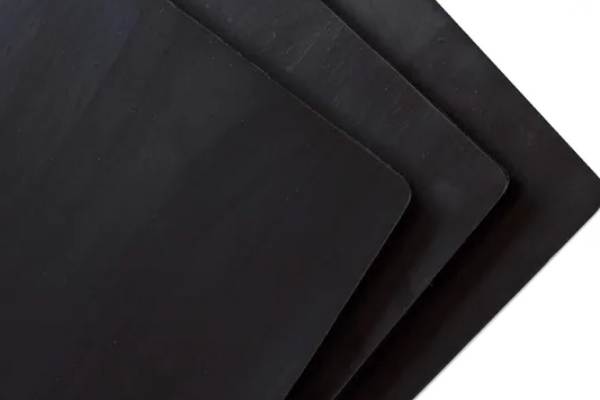
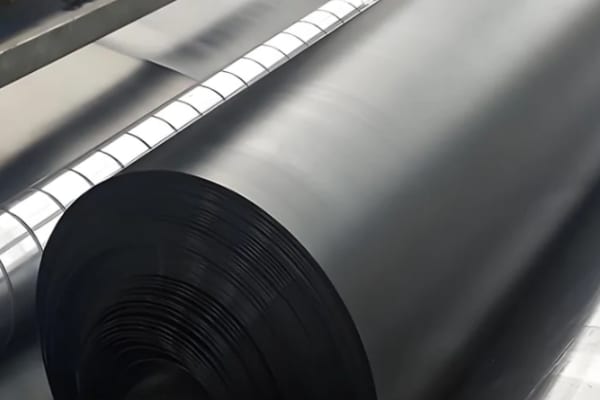
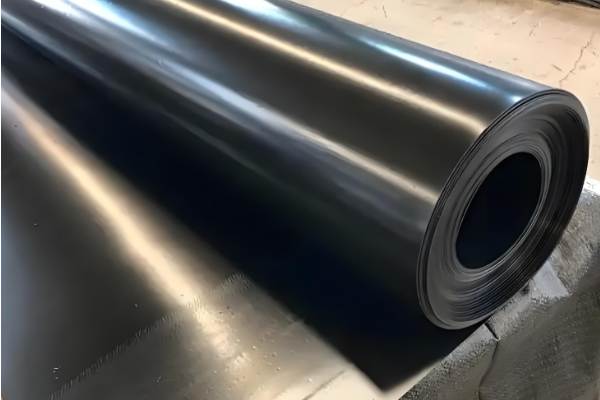
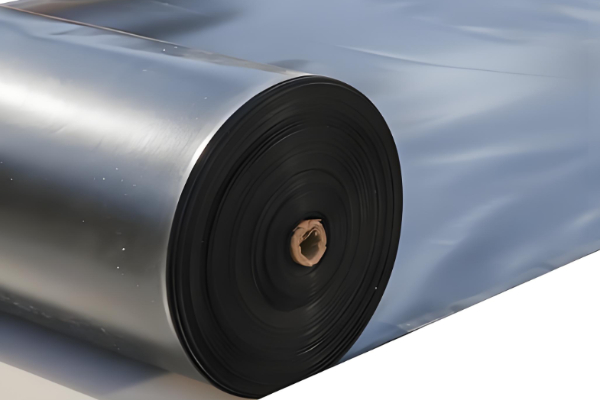
- Geomembranes: Impermeable primary anti‑seepage materials made of high‑density polyethylene. They are fully water‑resistant and serve as core water‑stopping layers of waterproof systems.
4.2 Principles for Combined Application
Geomembranes without geotextile protection are highly vulnerable to punctures, accelerated aging and stress cracking when in direct contact with broken stones and sharp base courses, resulting in short‑term leakage. Geotextiles without matched geomembranes can only deliver drainage and protection without blocking water penetration. Therefore, permanent anti‑seepage projects must adopt combined configurations of geotextiles plus geomembranes, where protection and water‑stopping jointly form complete waterproof systems.
V. Construction Technology for Waterproof Geotextiles
High‑quality materials must be supported by standardized construction. Non‑standard construction represents a primary trigger for water leakage. Below are universal standardized construction procedures applicable to most civil‑engineering waterproof and anti‑seepage projects.
5.1 Pre‑Construction Preparation
Complete base‑course treatment first: remove broken stones, sharp debris and protruding hard lumps thoroughly, level and compact soil to ensure solid, flat base courses free of sharp corners, so as to avoid subsequent punctures of geotextiles and geomembranes. Inspect material quality, verify geotextile parameters including mass per unit area and tensile strength, and confirm no damage, aging or defects. Reject non‑standard and low‑quality materials.
5.2 Laying and Overlap Standards
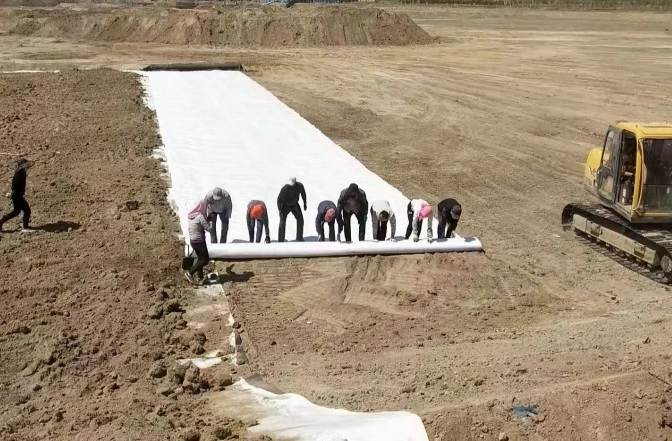
Lay geotextiles flat and loosely without wrinkles or excessive tension. Install from top to bottom along project slopes; avoid forced stretching which may trigger shrinkage‑related cracking afterwards. Adopt lap splicing between adjacent geotextile sheets. The overlap width shall be no less than 20 cm for conventional projects and no less than 30 cm for key anti‑seepage projects such as water‑conservancy facilities and landfills to eliminate leakage risks along splicing gaps. Realign wrinkled or slack sections during laying to achieve uniform and flat installation.
5.3 Construction Procedures for Composite Waterproof Systems
After base‑course acceptance, lay and fasten the bottom‑layer geotextile. Install geomembranes, complete membrane welding and leak‑detection procedures to ensure intact membranes and sound weld seams. Lay the top‑layer geotextile to fully cover geomembranes for comprehensive protection against wear, aging and damage from external exposure. Strengthen details including corners, internal‑external angles and pipe roots throughout construction.
5.4 Construction Taboos and Risk Mitigation
Avoid scratching or puncturing geotextiles and geomembranes with sharp tools. Heavy vehicles and equipment shall not roll over finished waterproof structures directly. Minimize open‑air exposure under high‑temperature and intense sunlight to slow ultraviolet‑induced aging. Construct protective layers immediately upon completion to reduce erosion and mechanical damage from natural conditions.
VI. Material Selection for Waterproof Geotextiles
The core selection principle is to match geotextiles with appropriate materials, mass per unit area and performance according to project scenarios, hydraulic‑pressure conditions, service environments and service‑life requirements. Blind selection and purchasing of low‑cost non‑standard products shall be avoided.
6.1 Key Selection Parameters
- Mass per unit area (GSM): 200‑300 g/㎡ for roofs, small ponds and general municipal waterproofing; 300‑400 g/㎡ for basements and ordinary water‑conservancy projects; long‑fiber geotextiles above 400 g/㎡ for high‑standard projects including landfills, tailings ponds and large reservoirs.
- Tensile and tear strength: Prioritize long‑fiber geotextiles for slopes, high‑hydraulic‑pressure and heavy‑load projects to guarantee deformation resistance. Short‑fiber geotextiles can be adopted for cost control in static waterproof scenarios.
- Weather resistance and corrosion resistance: Polyester long‑fiber materials with a pH tolerance ranging from 2 to 12 are preferred for acid‑alkaline environments, leachate‑corrosive conditions and long‑term outdoor applications, offering superior hydrolysis and corrosion resistance.
- UV resistance: UV‑modified geotextiles shall be selected for uncovered outdoor projects to delay aging and extend service life.
6.2 Scenario‑Based Selection Summary
- Civil‑building roofs and general landscape waterproofing: 200‑300 g non‑woven short‑fiber geotextiles are preferred.
- Basements and small‑to‑medium‑size water‑conservancy anti‑seepage projects: 300‑400 g non‑woven long‑fiber geotextiles are preferred.
- Landfills, tailings ponds and large reservoirs: High‑strength long‑fiber geotextiles above 400 g are preferred.
- Small landscape ponds and temporary anti‑seepage projects: GCL geosynthetic clay liners are optional.
6.3 Factors Influencing Service Life
Under standardized construction and normal working conditions, compliant geotextiles can achieve a service life of more than 30 years for buried underground projects and 15‑20 years for outdoor projects. Core influencing factors include material quality, base‑course conditions, ultraviolet radiation, chemical corrosion and construction compliance. Non‑standard low‑grade materials may suffer fiber aging and tearing failures, substantially shortening the service life of waterproof systems.
Frequently Asked Questions
Q1: Can waterproof geotextiles stop water when used alone?
A: No. Geotextiles are water‑permeable filter materials without sealed water‑stopping structures. Independent laying cannot block water penetration. They only deliver drainage, protection and separation functions. Complete waterproof systems require matching geomembranes or bentonite‑based anti‑seepage materials.
Q2: Can I use only geotextiles for pond waterproofing?
A: Ordinary non‑woven geotextiles cannot serve as independent waterproof materials for ponds and are only used as protective layers. GCL geosynthetic clay liners can be applied independently for small landscape ponds. Composite structures of geotextiles plus HDPE geomembranes must be adopted for aquaculture and water‑storage ponds to prevent water leakage.
Q3: What GSM of geotextile is suitable for waterproof projects?
A: No universal standard exists; specifications are scenario‑dependent. 200‑300 g for roofs and landscapes; 300‑400 g for basements and ordinary water‑conservancy projects; above 400 g for landfills, large reservoirs and tailings ponds. More complex working conditions and higher waterproof grades demand higher mass‑per‑unit‑area and strength.
Q4: How long is the service life of outdoor waterproof geotextiles?
A: Compliant materials achieve over 30 years for buried underground applications and 15‑20 years for UV‑modified outdoor products. Service life of non‑standard low‑grade materials under non‑standard construction or highly corrosive environments may drop sharply to 3‑5 years.
Q5: Why must geomembranes be installed together with geotextiles?
A: Geomembranes are thin and vulnerable to punctures when directly exposed to base‑course broken stones. Bare geomembranes are prone to ultraviolet aging and mechanical wear. Geotextiles provide comprehensive protection for geomembranes against physical damage and environmental erosion, and are indispensable for guaranteeing anti‑seepage effects and service life of geomembranes.
Conclusion
Waterproof geotextiles are not water‑stopping materials; they represent indispensable auxiliary components in modern waterproof and anti‑seepage engineering systems. Their core value lies in protecting anti‑seepage structures, optimizing drainage conditions and stabilizing base courses. Material requirements for geotextiles vary greatly across different engineering scenarios in terms of material composition, mass per unit area and performance. Accurate material selection, standardized construction and procurement of qualified products are critical for improving project waterproof quality and reducing later‑stage operation‑and‑maintenance costs.
For waterproof geotextile procurement, please contact Shandong Lianjie.